
lovethailand home >Northeastern Travel Attractions >Bueng Kan Travel Attractions >Bueng Khong Long >Bueng Khong Long > Pu U Lue Naga Shrine
TL;DR: Pu U Lue Naga Shrine is located at Bueng Khong Long Subdistrict, Bueng Khong Long District, Bueng Kan Province 38220, Thailand, open Open for worship according to the operating arrangements of the individual.
Pu U Lue Naga Shrine
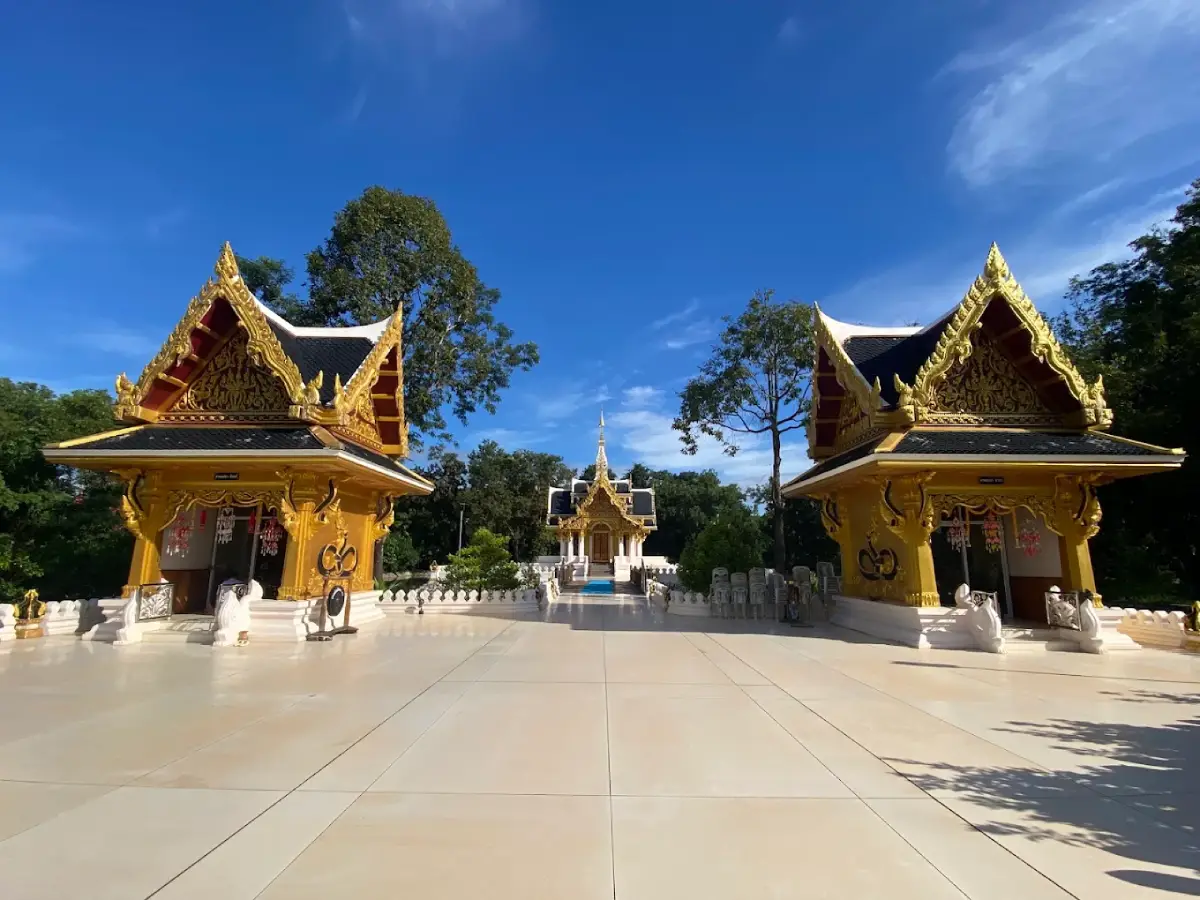
Open Days: Open for worship according to the operating arrangements of the individual shrine
Pu U Lue Naga Shrine in Bueng Kan Province, Thailand is an important place of local worship associated with the religious beliefs, folklore, and cultural identity of Bueng Khong Long District. Located in Bueng Khong Long Subdistrict, the shrine is closely connected with the large freshwater lake of Bueng Khong Long and the nearby Phu Langka mountain landscape. Its significance is rooted in the legend of Pu U Lue and the ancient city of Rattaphanakhon, a story involving love between a human prince and a Naga princess, the destruction of a mythical city, and the origins of Bueng Khong Long in local tradition. Pu U Lue is revered as a legendary figure associated with the protection of the lake and its surrounding communities. Visiting the shrine therefore offers more than an opportunity for prayer; it introduces travelers to northeastern Thai folklore, religious ceremonies, community traditions, and the relationship between local people and the natural landscape.
Bueng Khong Long is an important freshwater lake in Bueng Kan Province and forms part of an internationally recognized wetland environment. For surrounding communities, the lake has long been associated with natural resources, traditional fishing, wildlife habitats, and everyday life. It is also deeply connected with stories of the Naga, mythical serpent beings found throughout Mekong cultural traditions. The significance of Bueng Khong Long therefore extends beyond its ecological characteristics. The lake is also a cultural landscape shaped by stories of a lost city and beliefs transmitted through generations.
Several places of worship associated with Pu U Lue are found in Bueng Khong Long District. These include shrines and a ceremonial residence in the town area, places of worship around Ban Bueng Charoen, and a shrine on Don Pho Island within the lake. Each site occupies a different location and offers a different form of access. Some can be reached from community roads, while others require travel by boat. Their presence demonstrates that devotion to Pu U Lue is not confined to a single building. Instead, the tradition exists across a wider cultural landscape containing shrines, religious images, ceremonial spaces, and places associated with the legend.
Pu U Lue Naga Shrine is respected by local residents and visitors who regard Pu U Lue as a guardian connected with Bueng Khong Long. Worshippers may pray for well-being, peaceful family life, safe journeys, and success in everyday responsibilities according to their individual beliefs. Such practices are part of the local religious environment, where Buddhist traditions and older forms of folk devotion exist side by side. The importance of the shrine lies both in personal faith and in its role as a gathering point for people who share a common cultural heritage.
The central story associated with the shrine is the legend of Rattaphanakhon, a prosperous city believed in local folklore to have occupied the land where Bueng Khong Long now lies. According to the tale, the city was ruled by King U Lue, whose queen was named Kaew Kanlaya. Their daughter, Princess Khiao Kham, became part of a royal family whose descendants would eventually connect the human world with the underwater kingdom of the Naga. The legend follows several generations of this family before describing the relationship between a human prince and a princess from the mythical Naga realm.
Princess Khiao Kham married King Sam Phan Ta and gave birth to Prince Fa Rung, who is called Fa Hung in some versions of the story. The prince is described as intelligent, knowledgeable, and handsome. When he reached adulthood, he encountered Nakharinthrani, the daughter of a Naga king who had taken human form. Their relationship became the foundation of the legend's central conflict, bringing together the world of humans and the mysterious underwater realm believed to be inhabited by Naga beings.
The marriage of Prince Fa Rung and Nakharinthrani was celebrated with great ceremony. According to the legend, festivities were held for seven days and seven nights in both the human kingdom and the Naga realm, symbolizing friendship between the two royal families. The Naga king presented ceremonial regalia and valuable family possessions to the rulers of Rattaphanakhon as a sign of goodwill and trust. These gifts carried meaning beyond their material value because they represented an important bond between the two kingdoms.
The prince and Nakharinthrani lived together for three years but were unable to have a child. In the legend, their inability to produce an heir is attributed to the difference between human and Naga origins. The couple suffered considerable sadness, and Nakharinthrani eventually became ill. During her illness, she could no longer maintain her human appearance and returned to her original Naga form. News of her identity spread throughout Rattaphanakhon, creating fear and resentment among the people. Even when she later regained human form, the revelation continued to affect how the royal family and the city regarded her.
King U Lue and the people of Rattaphanakhon rejected Nakharinthrani and demanded that she return to the underwater kingdom. Her father was summoned to take her home. This decision brought sorrow to the princess and anger to the Naga king, because a marriage that had once represented trust and friendship was now ending in rejection. The contrast between the elaborate wedding and the harsh treatment of Nakharinthrani forms an important moral theme in the story, emphasizing the consequences of prejudice, broken promises, and the failure to honor relationships.
Before returning to his kingdom, the Naga king requested the return of the ceremonial regalia that he had presented at the wedding. King U Lue was unable to return the items because they had already been transformed or used for other purposes. In the legend, the refusal or inability to return these symbolic possessions represented another breach of trust. The Naga king became furious, not only because of his daughter's treatment but also because the gifts associated with the royal agreement could not be restored. He then declared that Rattaphanakhon would be destroyed.
The central disaster in the legend takes place when the Naga king leads forces from the underwater realm against Rattaphanakhon. The city collapses, and the land on which it once stood sinks beneath a vast body of water. Its buildings and inhabitants disappear during the catastrophe. This episode explains the formation of Bueng Khong Long within the traditional narrative. It is a folkloric explanation rather than a documented account of a historical geological event. The lake's physical landscape and ecological development can be studied independently through geography, geology, and environmental science.
The legend also states that three Buddhist temples were spared from the destruction: Wat Kaew Fa or Wat Don Kaew, Wat Phothisat or Wat Don Pho, and Wat Daen Sawan or Wat Don Sawan. These places later became associated with islands or raised areas remaining within Bueng Khong Long. The names Don Kaew, Don Pho, and Don Sawan therefore became important features in the cultural memory of the landscape. Their connection with the story allows local residents to relate visible places to the traditional account of the lost city.
One interpretation of the name Bueng Khong Long is also connected with the legend. Some versions describe an earlier expression, Bueng Long Khong, relating to an attachment to possessions and the failure to return ceremonial objects to their rightful owner. Over time, the expression is said to have changed into the present place name. This is a traditional explanation preserved through folklore rather than verified linguistic evidence. It remains valuable because it reveals how communities use stories to explain their surroundings and communicate moral ideas.
After the destruction of Rattaphanakhon, Nakharinthrani learned what had happened and searched for Prince Fa Rung. The story describes her traveling along waterways toward the Songkhram River without finding her husband. She eventually returned to the underwater kingdom. Her search became associated with names such as Huai Nam Mao, interpreted in local tradition through the idea of being overwhelmed by love and sorrow. In this way, the legend extends beyond the lake and connects emotions and relationships with names found in the surrounding geographical landscape.
King U Lue, according to the tale, did not die in the destruction of the city. Instead, the Naga king captured him and placed a curse upon him, transforming him into a Naga and requiring him to guard Bueng Khong Long until a new city arose in the same region. This episode forms the foundation of devotion to Pu U Lue Naga. In local belief, the transformed king became a guardian associated with the lake and the surrounding communities. The image of an ancient ruler bound to the land by a supernatural curse connects the legendary past with the cultural identity of the present.
When Bueng Kan was officially established as a separate province from Nong Khai on March 23, 2011, some interpretations of the legend connected the event with the prophecy of a new city. The creation of Bueng Kan Province was regarded by some believers as a symbolic fulfillment of the condition under which Pu U Lue's curse would end. The administrative establishment of the province is a documented historical event, while its association with the ending of the curse belongs to the realm of religious and cultural interpretation. The connection illustrates how traditional stories continue to acquire new meanings as society changes.
The Pu U Lue legend combines several major themes: love, trust, cultural difference, obligations, loss, and the transformation of the landscape. Its characters carry different symbolic roles. King U Lue represents royal authority and responsibility, Prince Fa Rung and Nakharinthrani represent love challenged by social boundaries, and the Naga king embodies supernatural power and the consequences of anger. The tale therefore has value as local literature and moral storytelling, in addition to its role in explaining the lake through traditional belief.
Recognizing the legend as cultural heritage does not require interpreting every episode as a historical fact. Its importance lies in the beliefs it preserves and the meanings it gives to places. The physical formation of Bueng Khong Long belongs to the study of natural processes, while the Rattaphanakhon story illustrates how communities understand relationships between humans, water, and sacred beings. Keeping these perspectives distinct allows travelers to appreciate both the folklore and the scientific importance of the lake.
Pu U Lue Naga Shrine attracts worshippers who regard the legendary figure as a protector of the area. Visitors may offer prayers for peace, prosperity, good health, and safe travel according to personal tradition. These practices reflect religious faith and the emotional significance of the place. They do not constitute guarantees that particular wishes will be fulfilled. The value of the visit is found in the opportunity to participate respectfully in a living cultural tradition.
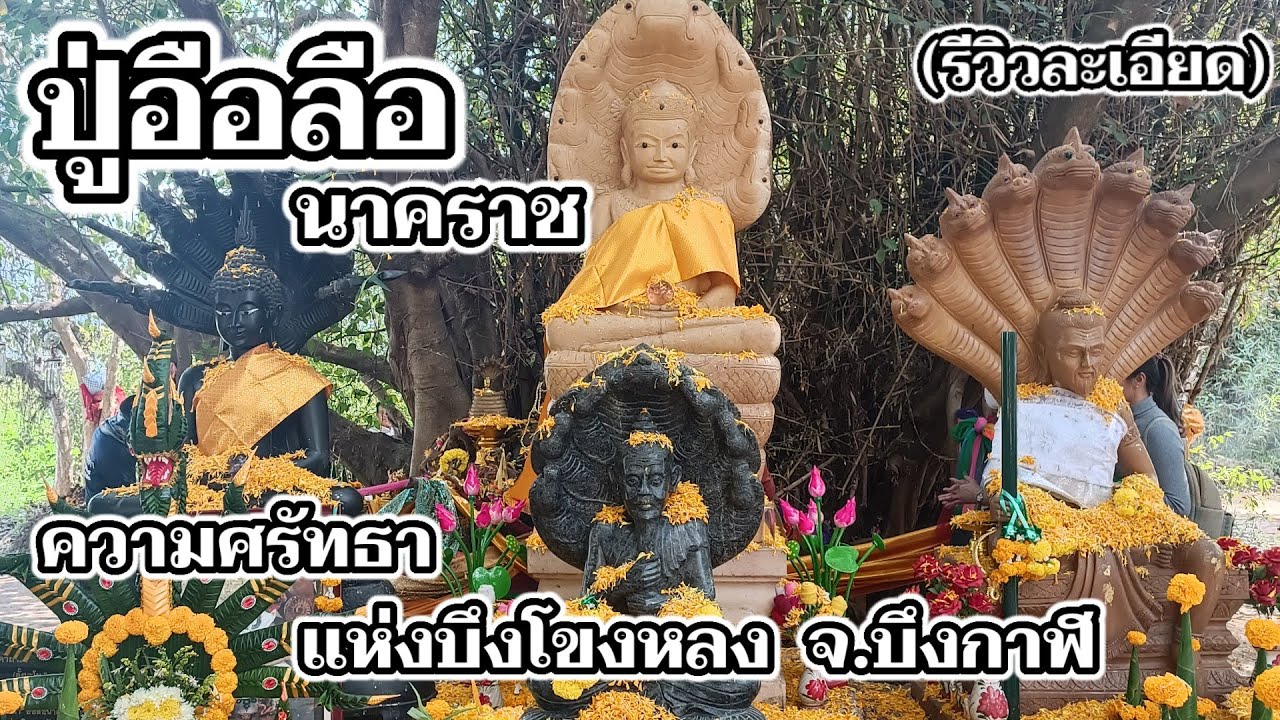
Shrines associated with Pu U Lue commonly feature an image of the revered figure or Naga symbolism, together with areas designated for offerings. The appearance and arrangement of these spaces differ from one location to another. Community shrines may include ceremonial grounds capable of accommodating groups during festivals, while sites on islands offer a quieter atmosphere connected with the lake itself. These differences make visits to the various Pu U Lue locations distinct experiences rather than visits to interchangeable buildings.
Offerings associated with Naga devotion in northeastern Thailand may include flowers, incense, candles, garlands, and other ceremonial items appropriate to the site. Lotus flowers are also associated with Buddhist offerings. Some worshippers participate in organized ceremonies conducted by religious or cultural officiants. Visitors should use designated offering areas and avoid leaving objects that create litter or interfere with the public space. Respect for a sacred site includes responsibility for cleanliness and environmental protection.
Making vows and returning to express gratitude are familiar practices in Thai folk religion. Individuals may pray or participate in ceremonies according to their personal beliefs. Bueng Khong Long also holds ritual dances associated with devotion to Pu U Lue during traditional festivals. These activities are socially important because they bring community members together and allow younger generations to observe practices that have been transmitted over time.
Another important place connected with the tradition is the ceremonial residence of Chao Pu Suriya Wongchai Nakharacha, associated with Pu U Lue and located near Wat Sawang Wari in Bueng Khong Long Subdistrict. The site is visited by local worshippers and travelers and is associated with the public park around Bueng Khong Long. These places play a prominent role during local ceremonial events and demonstrate how devotion to Pu U Lue is expressed through shared public spaces.
Don Pho Island is another culturally significant location. It is among the raised areas associated with the Rattaphanakhon legend and contains a place of worship connected with Pu U Lue. Reaching the island differs from visiting a shrine in the town area because it requires a boat crossing over Bueng Khong Long. Water conditions, weather, and the availability of boat services therefore affect the journey. The island setting provides a direct connection between the physical landscape and the traditional account of Don Pho.
Ban Bueng Charoen is another area with shrines and worship sites associated with Pu U Lue. Although these sites are also within Bueng Khong Long District, they are distinct from Don Pho Island and the ceremonial residence near Wat Sawang Wari. The presence of several shrines demonstrates the diversity of local practices associated with the same legendary figure. Travelers should therefore identify the specific shrine they intend to visit, because location, access arrangements, opening hours, and facilities are not identical at every site.
One of the most important annual cultural events is the third-lunar-month festival honoring Pu U Lue and the Naga. The festival brings together community members and local authorities for ceremonies, performances, and cultural activities. In 2026, the event took place from January 19 to 21 around the Pu U Lue ceremonial residence and Bueng Khong Long Public Park. The program included religious rituals, offerings, and performances connected with the area's folklore. The festival demonstrates how traditional beliefs continue to be expressed through public community events.
Activities during the 2026 festival included Buddhist almsgiving on the water, ceremonies honoring the Naga, processions celebrating Pu U Lue, Buddhist and Brahmanic rituals, and devotional dance performances. Each element has a different cultural role. Almsgiving on the water connects Buddhist practice with the lake, while processions and ritual dances express respect for Pu U Lue according to local tradition. Combining these activities creates an event that is both religious and communal, bringing together participants from different parts of the district.
On January 19, 2026, the festival included waterside almsgiving and a procession associated with Pu U Lue. January 20 featured ceremonies conducted on the water, the offering of lotus flowers, and cultural activities presenting local legends. January 21 included ceremonies honoring Pu U Lue, Buddhist and Brahmanic observances, and devotional dances. The three-day program demonstrates that the festival is not limited to individual worship. It also celebrates local performing arts, community participation, and tourism traditions.
The district also hosts the Pu U Lue traditional rocket festival, connected with northeastern Thai seasonal customs. In 2026, an event was held on May 22 in front of the Bueng Khong Long municipal fresh market, attended by local authorities and community members. The event reflects the role of Pu U Lue's name and symbolism in a wider range of local cultural activities, beyond ceremonies conducted directly at a shrine or ceremonial residence.
These festivals give younger generations opportunities to learn about the local legend through participation rather than through written accounts alone. Processions, music, performances, and ceremonial activities bring together residents, cultural groups, local authorities, and tourism-related businesses. Such cooperation contributes to the preservation of Bueng Khong Long's cultural identity while helping visitors understand the meaning of Pu U Lue within the community.
The relationship between the shrine and Bueng Khong Long is particularly important because the lake is both the setting of the legend and a real natural ecosystem. The Bung Khong Long Non-Hunting Area was designated as a Wetland of International Importance under the Ramsar Convention on July 5, 2001. The listed site covers approximately 2,214 hectares, equivalent to about 13,837.5 rai. This recognition reflects the wetland's ecological importance for fish, waterbirds, and other organisms dependent on freshwater habitats.
Bueng Khong Long's ecosystem includes open freshwater, aquatic plants, and wetland habitats supporting a variety of species. The lake is important for fish and waterbirds, including migratory species that visit during certain seasons. Its natural resources are also connected with local livelihoods, particularly activities associated with freshwater environments. These ecological values exist independently of the Naga legend, making the lake significant from both scientific and cultural perspectives.
The islands and raised areas within the lake illustrate how physical geography can become part of community storytelling. In the legend, some islands are identified with temples that survived the destruction of Rattaphanakhon. These associations give familiar places an additional cultural meaning. A visit to the lake and the shrine therefore offers insight into both freshwater ecology and the way communities preserve memories through stories attached to visible geographical features.
The landscape around Bueng Khong Long changes throughout the day and across seasons. On clear days, visitors can see broad stretches of water and distant hills, while morning and evening sunlight creates different reflections on the lake. These natural qualities allow a visit to Pu U Lue Shrine to be combined with time spent appreciating the lakeside scenery. The result is an experience that connects a sacred cultural place with the quiet atmosphere of a significant freshwater environment.
Bueng Khong Long Public Park is an important local space associated with festivals and community gatherings. Its open areas near the lake support cultural ceremonies and public activities when officially organized. The park therefore serves a function beyond recreation, acting as a place where residents express their identity and their relationship with the lake. Events held here also connect with nearby shops and services, contributing to the activity of the town during festival periods.
Hat Kham Somboon is a well-known lakeside recreational destination in Bueng Khong Long District. It provides opportunities to enjoy freshwater scenery and the atmosphere of communities along the lake. Traveling from a Pu U Lue shrine to Hat Kham Somboon combines a cultural visit with a different kind of outdoor experience. Restaurants and services around the lake also offer places to rest, dine, and observe local life.
Naka Cave in Phu Langka National Park is another major attraction associated with Naga imagery and local folklore. Its sandstone formations display surface patterns resembling the scales of an enormous snake, inspiring cultural interpretations involving mythical Naga beings. Visiting Naka Cave differs significantly from visiting Pu U Lue Shrine because it requires an uphill forest trek on a route managed by the national park. Visitor limits, opening arrangements, and physical readiness must therefore be considered separately.
Phu Langka is a major sandstone mountain landscape near Bueng Khong Long, containing cliffs, rock platforms, caves, and forested slopes. Its geological character contrasts with the freshwater wetland of the lake. Together, the mountain and wetland create a varied local landscape in which travelers can experience natural environments with very different features. This combination contributes to the appeal of Bueng Khong Long as a destination for both cultural and nature-oriented travel.
Wat Tham Chai Mongkhon is another significant religious destination connected with the Phu Langka area. Located in Pho Mak Khaeng Subdistrict, it contains revered Naga representations associated with Pu Dam and Ya Si Pang Tan, figures connected with local traditions. The temple is also associated with Luang Pu Wang, a monk connected with meditation practice on Phu Langka. A visit adds a Buddhist and cultural dimension to a journey exploring the stories of Pu U Lue and the surrounding landscape.
Pu U Lue Shrine and Wat Tham Chai Mongkhon are different types of religious sites. The shrine primarily focuses on devotion to a legendary figure and the Naga tradition, while the temple is a Buddhist religious institution incorporating related local beliefs. Their histories, buildings, and administrative responsibilities should not be treated as interchangeable. Information about a temple's ordination hall, establishment date, or abbot does not automatically apply to a separate shrine.
Don Sawan is another location mentioned in the Rattaphanakhon legend. In the modern landscape, the name is associated with conservation areas around Bueng Khong Long and the non-hunting area. It therefore has both folkloric meaning and a contemporary environmental role. This combination illustrates how traditional place names can remain relevant as land use and institutions change over time.
Visitors exploring the Pu U Lue tradition can experience very different settings depending on the shrine they choose. Sites near community roads are relatively straightforward to reach by car, while a visit to Don Pho Island involves boat travel and views across the lake. These differences matter when planning around the needs of children, older travelers, or anyone with mobility limitations. The island and roadside shrines should be understood as separate destinations with distinct access requirements.
Worship sites located within communities also provide access to nearby restaurants, shops, and accommodation. They can be combined with visits to the public park and lakeside attractions without undertaking a long mountain trek. A trip to an island shrine or a hiking destination, by contrast, requires different arrangements and more time. Recognizing these differences makes it possible to appreciate each location without unnecessary travel complications.
Visitors should behave respectfully within the shrine grounds. Loud conversations, blocked pathways, and interference with other people's offerings can disturb worship. Photography should be conducted without interrupting ceremonies or standing in front of people who are praying. Appropriate clothing is also advisable because the shrine is a meaningful religious and cultural place, even though it is not a Buddhist ordination hall or temple sanctuary.
Offerings and flowers should be placed in designated areas to maintain cleanliness and circulation. If incense or candles are used, visitors must consider fire safety, particularly around roofs, decorations, and other combustible materials. Leaving the offering area orderly helps ensure that later visitors can use the shrine comfortably while preserving its peaceful atmosphere.
Cultural tourism at Bueng Khong Long differs from sightseeing focused only on architecture or scenery. Some visitors come primarily to pray, others wish to learn about Naga folklore, while others combine the shrine with the lake and neighboring natural attractions. Respect for these different motivations allows people with varying beliefs to share the same public space without interfering with one another.
Photography can document the shrine's architecture, religious images, and atmosphere where permitted. Such images are valuable records of contemporary community culture, particularly during festivals featuring processions and traditional clothing. Visitors photographing ceremonies should consider the privacy and dignity of participants and avoid allowing photography to take precedence over the religious meaning of the event.
Local cuisine is another part of traveling in Bueng Khong Long. Restaurants in the town and surrounding lakeside communities offer Thai and northeastern dishes, including som tam, laab, hot pots, grilled fish, and everyday local meals. Some lakeside establishments also provide views across the water. Dining after a shrine visit connects cultural sightseeing with ordinary community life and offers a relaxed setting for experiencing the region.
Accommodation in Bueng Khong Long includes small hotels, resorts, guesthouses, and homestays. Staying near the town center provides convenient access to shrines, restaurants, and the local road network, while lakeside accommodation offers a setting closer to the natural scenery. Travelers planning to visit Naka Cave or Phu Langka on another day can use Bueng Khong Long as a base, while allowing separate time for travel to the trailhead and the more demanding mountain excursion.
A visit to Bueng Khong Long can combine religious traditions and natural attractions in several ways. Travelers may begin with Pu U Lue worship and a visit to the lake, then continue to Hat Kham Somboon or another nearby cultural site. Those interested in hiking and sandstone geology can devote a separate day to Naka Cave or the Phu Langka area. Dividing activities according to their access requirements allows visitors to appreciate each destination without excessive haste.
Wetland conservation is another important aspect of visiting Bueng Khong Long. The lake supports wildlife and local livelihoods, and inappropriate activities such as littering, disturbing waterbirds, or damaging aquatic vegetation can affect the ecosystem. Ceremonies and tourism activities should therefore respect the environment. Non-biodegradable offerings and waste must not be discarded into the water, while sensitive habitats should remain undisturbed.
The relationship between belief and conservation is particularly clear in the Pu U Lue tradition. Worshippers regard the legendary figure as a guardian of the lake, while the practical protection of Bueng Khong Long depends on environmental management and community cooperation. Maintaining clean shrine grounds and protecting the lake are tangible expressions of respect for the landscape. Cultural beliefs and ecological knowledge can thus contribute different forms of meaning without being confused with one another.
The shrine plays a role in creating a shared identity among residents of Bueng Khong Long District. Annual ceremonies and festivals bring together communities from different villages, strengthening social relationships and offering opportunities to transmit local traditions. A place of worship recognized by many people can become an important symbol of a district, connecting local identity with tourism, public celebrations, and the wider cultural image of Bueng Kan Province.
Although Naga traditions exist across many provinces in northeastern Thailand, the Pu U Lue legend is distinctive because of its close association with Bueng Khong Long, Rattaphanakhon, the three legendary islands, and named characters within the narrative. Understanding the relationships among King U Lue, Prince Fa Rung, Nakharinthrani, and the Naga king reveals the cultural depth behind the shrine and distinguishes it from more general Naga worship sites.
Preserving the Pu U Lue legend involves oral storytelling, local cultural records, public festivals, and the maintenance of worship sites. Written descriptions in cultural databases and local government publications help people outside the region learn the story. Ceremonies held each year allow the tradition to remain an active part of community life rather than existing only in historical documents.
The story also raises questions about power and responsibility. King U Lue is portrayed as a ruler whose decisions have consequences, particularly in rejecting Nakharinthrani and failing to return possessions entrusted to him. The narrative therefore contains more than supernatural imagery. It carries moral themes involving honesty, respect for differences, and the consequences of greed. These themes contribute to the legend's continuing significance in local cultural memory.
The area around Bueng Khong Long also reveals patterns of community settlement, with roads, markets, restaurants, and accommodation spread around the lake. The water body functions as a geographical center linking attractions such as the public park, Hat Kham Somboon, and various shrines. Each community has its own atmosphere, but the broader district shares a cultural identity shaped by the lake and the Pu U Lue legend.
Travelers arriving from other provinces can use the regional road network leading to Bueng Khong Long District, then continue along local roads to the specific shrine they wish to visit. The district is in Bueng Kan Province and is connected by road to neighboring areas of upper northeastern Thailand. Community shrines can generally be approached by ordinary road transport, while an island shrine or a mountain hiking destination requires different arrangements.
For international visitors interested in Thai culture, Pu U Lue Shrine offers an introduction to the relationship between Naga traditions and freshwater communities. The Naga appears widely in Mekong art, religious imagery, and folklore, but the story of Pu U Lue belongs specifically to the Bueng Khong Long landscape. Learning the characters and locations within the legend helps travelers distinguish local belief from documented settlement history and the scientific study of wetlands.
Local festivals also provide opportunities to appreciate northeastern Thai performing arts and traditional clothing. Processions and ritual dances display the cooperation and creativity of community participants, while Buddhist and Brahmanic ceremonies reflect the coexistence of different religious practices in Thai society. The Pu U Lue festival is a vivid example of how traditional beliefs continue to be expressed in organized contemporary events.
Although worship and prayer attract many visitors, the shrine is also an important place for learning about how communities interpret their landscape. The naming of islands and waterways, the construction of shrines, and the organization of annual festivals all show how a traditional story remains connected to real places. Even visitors who do not share the religious beliefs can appreciate the shrine as part of a living cultural heritage.
Respect for different beliefs is essential at a shared sacred site. Worshippers can participate according to their own traditions, while visitors interested in history or anthropology can learn about its significance through observation. Recognizing that people may approach the shrine for different reasons helps maintain a peaceful atmosphere and encourages considerate use of the public space.
Tourism in Bueng Khong Long also supports local services, including flower and offering vendors, restaurants, transport providers, and accommodation businesses. These services help visitors who come to worship and explore nearby attractions. Their presence contributes to the local economy, although commercial activity should not obstruct access or compromise the cleanliness of shrine grounds and the lakeside environment.
Pu U Lue Naga Shrine therefore represents several aspects of Bueng Khong Long at once. Religiously, it is a place where worshippers express devotion to a legendary guardian. Culturally, it helps preserve the story of Rattaphanakhon and the ceremonies associated with Pu U Lue. As a tourism destination, it connects with the lake, Phu Langka, and other significant places in the district. Within the community, it provides a shared symbol of local identity and continuity.
Getting There: Pu U Lue Naga Shrine can be reached by private car or rental vehicle via the main roads into Bueng Khong Long District, Bueng Kan Province. Continue along local roads into Bueng Khong Long Subdistrict and the communities surrounding the lake. To visit the Pu U Lue ceremonial residence near Wat Sawang Wari, use the temple and Bueng Khong Long Public Park as local landmarks. Shrines in Ban Bueng Charoen and the worship site on Don Pho Island are separate destinations. Reaching Don Pho Island requires boat transport across the lake, so travelers should identify the exact site they intend to visit before setting out.
Pu U Lue Naga Shrine is an important expression of the religious beliefs and cultural identity of Bueng Khong Long District. The legend of Rattaphanakhon gives the lake, its islands, and surrounding waterways cultural meanings that connect the past with the present. Ceremonies and festivals held in modern times demonstrate that devotion to Pu U Lue remains part of community life. A visit offers opportunities to experience a living place of worship, learn regional folklore, enjoy the natural beauty of Bueng Khong Long, and understand the relationship between local residents and an internationally important wetland. The shrine is therefore not only a destination for prayer but also an enduring part of the living cultural heritage of upper northeastern Thailand.
| Place Name | Pu U Lue Naga Shrine |
| Location | Bueng Khong Long Subdistrict, Bueng Khong Long District, Bueng Kan Province 38220, Thailand |
| Site Type | Local place of worship associated with Naga folklore |
| Key Legendary Figures | King U Lue, Prince Fa Rung, Nakharinthrani, and the Naga king of the underwater realm |
| Associated Legend | Rattaphanakhon, the marriage of a human prince and a Naga princess, the destruction of the city, and the curse transforming King U Lue into a guardian Naga |
| Related Worship Sites | Pu U Lue ceremonial residence near Wat Sawang Wari, shrines in Ban Bueng Charoen, and the Don Pho Island shrine are separate destinations within the district |
| Cultural Database Coordinates | 18.028746, 103.667093, corresponding to the Pu U Lue shrine record in Thailand's cultural information database |
| Open Days | Open for worship according to the arrangements of each individual shrine |
| Ban Bueng Charoen Shrine Hours | 06:00 – 17:00 according to the published venue listing for the Ban Bueng Charoen shrine |
| Admission Fee | No confirmed admission fee has been established for the principal shrine |
| Main Activities | Prayer, respectful worship, and participation in traditional Naga ceremonies |
| Annual Traditions | Third-Lunar-Month Pu U Lue and Naga Worship Festival and the Pu U Lue traditional rocket festival |
| 2026 Worship Festival | January 19 – 21, 2026, around the Pu U Lue ceremonial residence and Bueng Khong Long Public Park |
| Festival Organizations | Bueng Khong Long District, Bueng Khong Long Subdistrict Municipality, and participating agencies according to each event |
| Ban Bueng Charoen Shrine Contact | +66 65 665 0988, as listed for the Ban Bueng Charoen shrine |
| Important Natural Area | Bueng Khong Long, including the internationally important wetland within the non-hunting area |
| Nearby And Connected Attractions | 1. Bueng Khong Long Public Park – Bueng Khong Long town area 2. Pu U Lue Ceremonial Residence near Wat Sawang Wari – Bueng Khong Long Subdistrict 3. Hat Kham Somboon – Bueng Khong Long lakeside 4. Don Pho Island – within Bueng Khong Long, accessible by boat 5. Bueng Khong Long Non-Hunting Area – local protected wetland 6. Wat Tham Chai Mongkhon – Pho Mak Khaeng Subdistrict 7. Naka Cave – Phu Langka National Park 8. Tat Wiman Thip Waterfall – Phu Langka area |
| Restaurants In And Around Bueng Khong Long | 1. Nua at Naka Station – lakeside road near the Pu U Lue ceremonial residence, approximately 0.4 km from the referenced location, Tel. +66 92 356 5366 2. Krua Chanthamali – Bueng Khong Long District, Tel. +66 61 237 1991 3. Lop Mum Soi 8 – Ban Don Klang, Tel. +66 62 296 2891 4. GG Jim Jum – lakeside dining, Tel. +66 95 662 8910 5. King Kong Jim Jum Bueng Khong Long – Bueng Khong Long District, Tel. +66 61 478 0087 6. Je Eid Made-to-Order Restaurant – Bueng Khong Long Subdistrict, Tel. +66 62 147 3481 |
| Accommodation In And Around Bueng Khong Long | 1. Zenery Lake Resort – Bueng Khong Long lakeside area, Tel. +66 80 145 9888 2. Ruenthai Guesthouse – Bueng Khong Long District, Tel. +66 83 442 9560 3. KP House Homestay – Ban Non Sawang Nuea, Tel. +66 92 255 9926 4. Ruean Khunluang Homestay – Bueng Khong Long Subdistrict, Tel. +66 65 992 6282 5. Bueng Khong Long Mansion – Ban Non Nam Thaeng, Tel. +66 81 929 7883 6. Le Bueng – Bueng Khong Long Subdistrict, Tel. +66 63 032 5885 |
Frequently Asked Questions (FAQ)
Q: Where is Pu U Lue Naga Shrine located?
A: Pu U Lue Naga Shrine is associated with places of worship in Bueng Khong Long Subdistrict, Bueng Khong Long District, Bueng Kan Province. Related shrines and ceremonial residences are found near Wat Sawang Wari, in Ban Bueng Charoen, and on Don Pho Island.
Q: Is Pu U Lue Naga Shrine still open?
A: Pu U Lue worship remains an active part of local religious and cultural life. Ceremonies and festivals were held in 2026, although visiting arrangements and opening hours differ among the individual shrines.
Q: Who is Pu U Lue Naga?
A: According to local legend, Pu U Lue was originally King U Lue, the ruler of Rattaphanakhon. He was later cursed by a Naga king, transformed into a Naga, and required to guard Bueng Khong Long. This story forms the foundation of present-day devotion to Pu U Lue.
Q: Why is Pu U Lue associated with Bueng Khong Long?
A: The legend describes the destruction of Rattaphanakhon following a conflict connected with the marriage of a human prince and a Naga princess. The city is said to have collapsed into a large lake, forming the legendary explanation of Bueng Khong Long.
Q: When is the annual Pu U Lue worship festival held?
A: The 2026 Third-Lunar-Month Pu U Lue and Naga Worship Festival took place from January 19 to 21 around the Pu U Lue ceremonial residence and Bueng Khong Long Public Park. Activities included ceremonies, traditional dance, and cultural performances.
Q: Are Pu U Lue Shrine and Don Pho Island the same place?
A: No. There are several Pu U Lue worship sites in Bueng Khong Long District. Don Pho Island is a separate location within the lake and requires boat transport to reach.
Q: What other attractions can visitors explore after worshipping at the shrine?
A: Related destinations include Bueng Khong Long Public Park, Hat Kham Somboon, Bueng Khong Long Non-Hunting Area, Don Pho Island, Wat Tham Chai Mongkhon, and Naka Cave in Phu Langka National Park.
Q: Is there an entrance fee for Pu U Lue Shrine?
A: No confirmed admission fee has been established for the principal shrine. Visiting the community shrine and traveling to the worship site on Don Pho Island are different activities, and boat transport to the island involves a separate operator charge.
 Category: ●Places of Worship
 Group: ●Other Sacred Sites
Last Update : 2 WeekAgo
 Last Update : 2 WeekAgo
 Click to Access the Navigation Map GPS
Pu U Lue Naga Shrine Map
Recommend

 Art, Culture and Heritage
 Landmarks and Memorials(1)
 Museums(1)
 Temple(12)
Other Sacred Sites(4)
 Suburban Living
 Local Market(1)
 Nature and Wildlife
 National Parks and Marine Reserves(1)
 Mountain (Doi)(3)
 Waterfalls(5)
 Caves(1)
 River, Canal(4)
 Bays and Beaches(1)
 Islands(1)
 Entertainment and Agricultural
 Waterpark(1)
 Shopping
 Shopping and Night Market(1)
 Travel Articles, Recipes
 Travel Review, Food Review(1)


