
lovethailand home >Northeastern Travel Attractions >Bueng Kan Travel Attractions >Bung Khla >Khok Kwang > Wat Bueng Sararat
TL;DR: Wat Bueng Sararat is located at Ban Khok Kwang, Moo 1, Khok Kwang Subdistrict, Bung Khla District, Bueng Kan Province, open Daily, hours Daytime Visits.
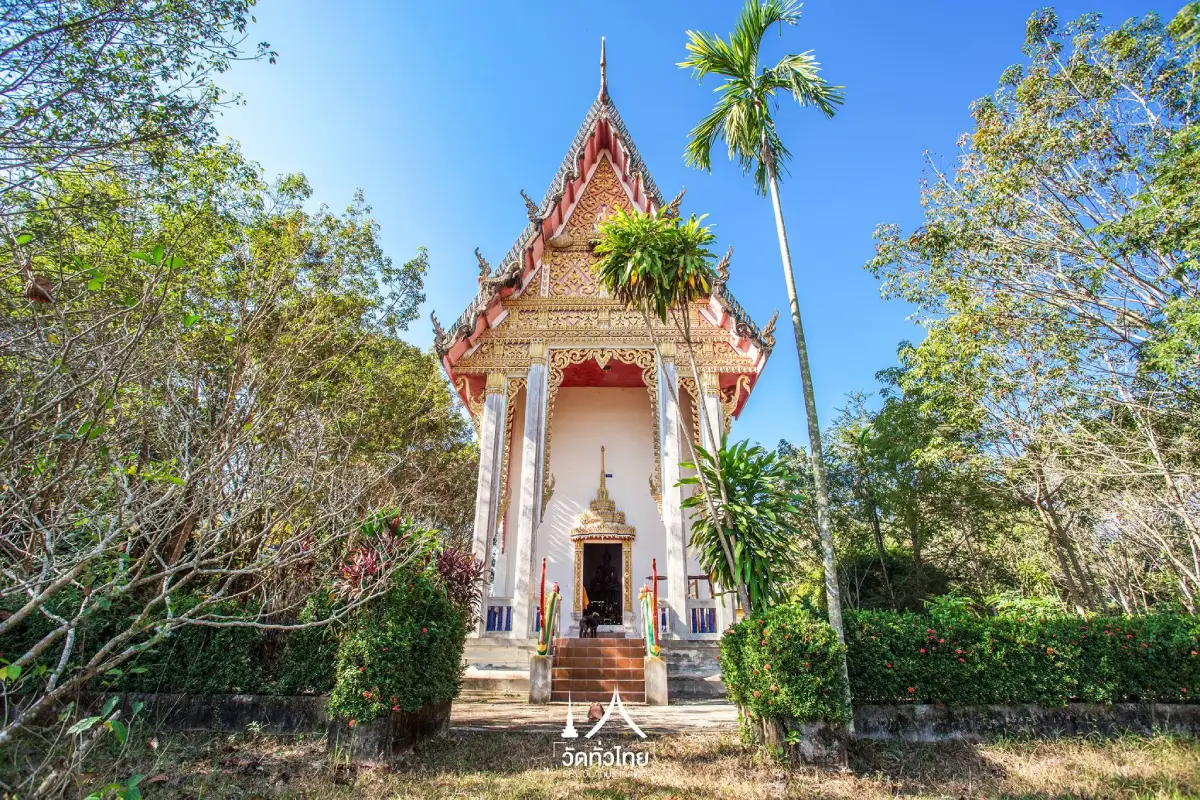
Wat Bueng Sararat
Open Days: Daily
Opening Hours: Daytime Visits
Wat Bueng Sararat is located at Ban Khok Kwang, Moo 1, Khok Kwang Subdistrict, Bung Khla District, Bueng Kan Province. It is a local Buddhist temple under the Mahanikaya Sangha and has long served as one of the spiritual centers of the Khok Kwang community. The temple is closely connected with the history of Ban Khok Kwang, a community shaped by local wetlands, public routes, village land, and traditional rural settlement. Wat Bueng Sararat is therefore not only a place of worship, but also a living community landmark that reflects Buddhist faith, local history, and the cultural landscape of northeastern Thailand.
Older records placed the temple in Bueng Kan District, Nong Khai Province, because the area belonged to the former administrative boundary before Bueng Kan became a separate province. Under the current administrative system, the temple is located in Bung Khla District, Bueng Kan Province. This administrative change does not alter the identity of the temple. Wat Bueng Sararat remains rooted in Ban Khok Kwang, Moo 1, and continues to serve the local community of Khok Kwang Subdistrict as an active Buddhist temple.
The temple occupies 12 rai and 2 ngan of land. Historical descriptions record that the northern and southern boundaries adjoin public routes, the eastern boundary adjoins Bueng Mo Thao, and the western boundary adjoins land belonging to Mr. Thanom Saengthopho. This setting shows how closely the temple is connected with village life and local geography. It stands among community paths, public land, privately owned land, and a local wetland that has long been part of the identity of Khok Kwang. The temple is therefore both a sacred space and a community space.
The presence of Bueng Mo Thao and the broader wetland landscape helps explain the identity of Khok Kwang. The area has long been associated with ponds, forested land, and traditional routes connecting nearby villages. In older times, wetlands and forested areas supported wildlife, local travel, and community livelihood. As settlement expanded, the temple became one of the central structures that helped organize the spiritual and social life of the village. Wat Bueng Sararat grew from this landscape and remains tied to it.
Wat Bueng Sararat was founded through the faith of the local community, with Mr. Sichan Yi Kho donating land for the construction of the temple. Land donation is a significant pattern in the history of many Thai village temples. A temple often begins when a local person offers land, villagers contribute labor and support, and monks establish a permanent place for residence, worship, Buddhist teaching, and community ceremonies. Wat Bueng Sararat preserves this story of generosity and collective faith.
The name Wat Bueng Sararat is meaningful because it connects the temple with both the local landscape and the people. “Bueng” refers to a wetland or pond, while “Rat” refers to the people. The name therefore evokes a temple associated with local water geography and the faith of the community. It is a name that fits the temple’s location near Bueng Mo Thao and its role as a temple built and sustained by residents of Ban Khok Kwang.
The temple’s important monastic structures include an ordination hall, a sermon hall, and monks’ residences. The ordination hall was built with brick and mortar in 1974 and has a two-level roof. It serves as an important place for formal Buddhist rites and Sangha activities. The sermon hall was built from hardwood in 1964 and has long served as a space for merit-making, Dhamma listening, community meetings, and temple events. The monks’ residences consist of 3 hardwood buildings used by monks staying at the temple.
The temple’s main sacred object is a Buddha image with a lap width of 36 inches. This Buddha image serves as a center of devotion for villagers and visitors. People come to pay respect, make merit, pray for blessings, and begin their temple visit at this sacred point. Although the historical record does not describe the artistic style in detail, the Buddha image is clearly identified as an important object of worship for the temple and the community.
Wat Bueng Sararat received Wisungkhamsima on November 22, 1988. The consecrated boundary measures 40 meters wide and 80 meters long. Receiving Wisungkhamsima was an important milestone because it allowed the ordination hall to be used properly for Sangha ceremonies according to Buddhist discipline. For a local temple, this status shows that the temple had developed the necessary religious foundation, monastic presence, and community support to function fully as a Buddhist temple.
The known line of past abbots reflects the temple’s long continuity. The first listed abbot was Phra Athikan Bun Ma Pawaro, who served from 1931 to 1939. Later abbots included Phra Athikan Butdasa Charuwan from 1939 to 1948, Phra Athikan Si Pha Amaro from 1948 to 1957, Phra Athikan Chan Kittisatho from 1957 to 1967, and Phra Athikan Phan Chanthammo from 1967 to 1987. This succession shows that the temple has been maintained and guided by generations of monks over many decades.
Current temple information identifies Phra Khru Suchit Chotikhun as the abbot of Wat Bueng Sararat, with 5 monks in residence. This confirms that the temple remains active and continues to function as a living Buddhist temple. It is connected with Kathin, Buddhist Lent activities, candle offerings, robe offerings, and local merit-making events. The temple remains a center where monks, villagers, local officials, teachers, parents, and students gather for Buddhist activities.
Wat Bueng Sararat has also had an educational role. A Dhamma studies school was opened at the temple in 1984. This role is important because it shows that the temple was more than a place of worship. It also functioned as a place for Buddhist learning, moral cultivation, and religious education. In many rural Thai communities, temples have served as centers of knowledge, ethics, and cultural continuity alongside their ceremonial role.
The temple’s current activity is visible through community events organized at the site. In July 2025, Khok Kwang Subdistrict Administrative Organization held a Buddhist promotion project for Asalha Puja and Buddhist Lent at Wat Bueng Sararat. Local administrators, officials, teachers, parents, and children from the local child development center joined the event to offer Buddhist Lent candles and bathing cloths to monks. This activity confirms the temple’s active role as a religious and community center.
Buddhist Lent is one of the most meaningful periods in Thai Buddhist culture. During this period, monks remain in their temples for the rains retreat, and laypeople make merit by offering candles, robes, bathing cloths, and other requisites. At Wat Bueng Sararat, such activities bring together monks, villagers, local government, teachers, parents, and children. The temple therefore functions as a place where Buddhist tradition is transmitted from one generation to another.
The temple has also been used for formal community ceremonies. Local activity records mention Buddhist chanting and meditation ceremonies at Wat Bueng Sararat in the Khok Kwang area, with district-level participation. This shows that the temple is not only a village worship site, but also a venue for public religious ceremonies and community gatherings. Its role extends across religious, social, and local administrative life.
The atmosphere of Wat Bueng Sararat is suitable for travelers who want to see an authentic community temple in Bueng Kan. It is not a large commercial tourist attraction, and its value should not be judged only by architectural scale. Its importance lies in its history, its role in Ban Khok Kwang, its monastic structures, its Buddha image, and its continuing use for Buddhist activities. Visitors can pay respect, make merit, walk around the temple compound, and learn about the local religious culture of Khok Kwang Subdistrict.
The temple grounds can be understood through several main areas: the Buddha image and worship area, the ordination hall, the hardwood sermon hall, the monks’ residence area, the temple courtyard, the merit-making and community activity area, and the area connected with Bueng Mo Thao and local public routes. Each area has a different role. The Buddha image is the focus of devotion. The ordination hall supports formal Sangha rites. The sermon hall supports Dhamma listening and community activities. The monks’ residences support monastic life. The courtyard supports festivals and merit-making events.
Khok Kwang Subdistrict contains several temples and community sites located within a short driving distance of one another. These include Wat Chanthrarat, Wat Chittaphawan Nathi, Wat Tha Som Hong Phatthanaram, Wat Nikho Tharam, Wat Pa Sawang Tham Wiwek, and Wat Bueng Sararat. This cluster of temples reflects the strong Buddhist presence in the area. Travelers interested in local culture can combine these temples into a route that reveals the religious landscape of Bung Khla District.
Bung Khla District has a distinctive travel identity because it connects the Mekong River, Phu Wua, village temples, wetlands, waterfalls, and riverside viewpoints. Wat Bueng Sararat can be included in a faith-and-community route with Hat Sida, the Kingka Phu Wua Suspension Bridge, Tham Fun Waterfall, Phu Wua Wildlife Sanctuary, and Wat Ahong Silawat. This route allows visitors to experience temples, village life, local history, natural scenery, and Mekong-side culture in one travel area.
Hat Sida is a suitable onward destination after visiting Wat Bueng Sararat. It is a Mekong riverside attraction in Bung Khla District and is especially pleasant during the dry season when the river level drops and the sandy riverside landscape becomes more visible. Visitors can begin the day with worship at Wat Bueng Sararat, then continue to Hat Sida for Mekong views, photography, and local riverside atmosphere.
The Kingka Phu Wua Suspension Bridge is another nearby attraction that adds a contemporary travel element to the route. It is known as a viewpoint and photo spot connected with the identity of Phu Wua and the Mekong-side landscape. Combining the bridge with Wat Bueng Sararat creates a route that balances village faith, community history, and scenic travel.
Tham Fun Waterfall and Phu Wua Wildlife Sanctuary are good onward destinations for travelers who want to continue from the temple into nature. After visiting the temple, travelers can head toward forest, stone landscapes, waterfalls, and ecological areas. Seasonal conditions should be considered. The rainy season brings lush greenery and stronger waterfall scenery, while the dry season is more comfortable for village travel and Mekong-side routes.
Getting There is most convenient by private car, rental car, or hired local transport. From Bueng Kan town, take Highway 212 on the Bueng Kan–Nakhon Phanom route toward Bung Khla District. Continue into Khok Kwang Subdistrict and Ban Khok Kwang. Travelers can use the temple name, Wat Bueng Sararat, or Ban Khok Kwang as a navigation point. The temple can be combined easily with nearby community temples, Hat Sida, and nature attractions in Bung Khla District.
Travelers starting from Bueng Kan town should plan at least a half-day for the Khok Kwang and Bung Khla route. A half-day route can include Wat Bueng Sararat, Wat Chanthrarat, and Hat Sida. A full-day route can continue to the Kingka Phu Wua Suspension Bridge, Tham Fun Waterfall, Phu Wua Wildlife Sanctuary, or Wat Ahong Silawat. Private transport is the most practical option because many local sites are located along village roads and rural routes.
The best time to visit is in the morning or late afternoon, when the weather is more comfortable for worship, walking around the temple compound, and photographing the local atmosphere. Morning is peaceful and suitable for merit-making. Late afternoon is suitable for continuing toward Mekong viewpoints. During Buddhist holy days, Buddhist Lent, or Kathin season, the temple becomes more active and shows its living role as a community religious center.
A typical visit takes about 45 minutes to 1.5 hours. Visitors who mainly want to worship may spend around 45 minutes. Those who want to learn the temple history, observe the ordination hall and sermon hall, walk around the courtyard, and understand the role of the temple in Ban Khok Kwang should allow at least 1 hour or more. This kind of village temple is best experienced slowly because its value lies in continuity, context, and local life.
Visitors should dress respectfully, speak quietly, remove shoes before entering sacred buildings, avoid touching Buddha images or sacred objects without permission, and keep the temple clean. During ceremonies, Kathin, or Buddhist activities, visitors should follow the guidance of monks, temple committee members, and local residents. Respectful conduct is important because Wat Bueng Sararat remains an active religious and community space.
For families, Wat Bueng Sararat is a good place to introduce children to the meaning of a local Buddhist temple. Children can learn how temples are created through land donation and community cooperation, why an ordination hall and sermon hall are important, how monks live in a village temple, and how Buddhist Lent and Kathin keep community faith alive. It is a practical cultural learning site rather than only a sightseeing stop.
For foreign travelers, Wat Bueng Sararat offers an authentic view of Thai Buddhism in a rural northeastern community. It shows that Buddhism in Thailand is not limited to royal temples or famous tourist sites. It also lives in small villages, public community spaces, agricultural landscapes, and local neighborhoods where monks and villagers continue to support one another through annual traditions, daily merit-making, and Buddhist education.
Overall, Wat Bueng Sararat is a meaningful religious and cultural destination in Bung Khla District. It has a clear history connected with land donation, a 12-rai-and-2-ngan temple compound, monastic buildings, a 36-inch Buddha image, Wisungkhamsima granted in 1988, a succession of past abbots, a Dhamma education role, a current abbot, resident monks, and active community events. Visiting this temple is not only a short act of worship, but also an opportunity to understand Ban Khok Kwang, Khok Kwang Subdistrict, and the living Buddhist culture of Bueng Kan Province.
| Name | Wat Bueng Sararat |
| Type / Affiliation | Local Buddhist temple under the Mahanikaya Sangha |
| Location | Ban Khok Kwang, Moo 1, Khok Kwang Subdistrict, Bung Khla District, Bueng Kan Province |
| Address | Moo 1, Ban Khok Kwang, Khok Kwang Subdistrict, Bung Khla District, Bueng Kan 38000, Thailand |
| Coordinates | 6325+G89, Khok Kwang Subdistrict, Bung Khla District, Bueng Kan |
| Highlights | Historic village temple of Ban Khok Kwang with 12 rai and 2 ngan of land, brick-and-mortar ordination hall, hardwood sermon hall, 36-inch Buddha image, and an active role in Buddhist Lent and local merit-making events |
| History | Founded through local faith with land donated by Mr. Sichan Yi Kho. Older records placed the area under Nong Khai Province, while the current administrative area is Bung Khla District, Bueng Kan Province. The temple received Wisungkhamsima on November 22, 1988. |
| Name Origin | The name connects the temple with local wetland geography and the faith of the people of Ban Khok Kwang. |
| Distinctive Features | A local community temple adjoining public routes and Bueng Mo Thao, serving as a center for Buddhist Lent, Kathin, Dhamma learning, and merit-making in Ban Khok Kwang |
| Main Sacred Points | 36-inch Buddha image, brick-and-mortar ordination hall with a two-level roof built in 1974, hardwood sermon hall built in 1964, and 3 hardwood monks’ residences |
| Travel Information | From Bueng Kan town, take Highway 212 toward Bung Khla District, then continue into Khok Kwang Subdistrict and Ban Khok Kwang. Visitors can use the temple name or Ban Khok Kwang as a navigation point. Private car, rental car, or hired local transport is the most convenient option. |
| Current Status | Open as an active community temple with resident monks and Buddhist activities |
| Open Days | Daily |
| Opening Hours | Daytime visits |
| Fees | No admission fee. Visitors may make merit according to their faith. |
| Facilities | Temple courtyard, worship areas, ordination hall, sermon hall, monks’ residences, Buddhist ceremony areas, community activity space, and village access roads |
| Main Areas / Zones | 1. 36-Inch Buddha Image And Worship Zone 2. Brick-And-Mortar Ordination Hall Zone 3. Hardwood Sermon Hall Zone 4. Hardwood Monks’ Residence Zone 5. Temple Courtyard And Merit-Making Area 6. Buddhist And Community Activity Zone 7. Bueng Mo Thao And Public Route Connection Area |
| Abbot / Caretaker | Phra Khru Suchit Chotikhun, Abbot of Wat Bueng Sararat |
| Important Annual Traditions | Buddhist Lent candle offering, bathing cloth offering, Kathin ceremony, major Buddhist holy day activities, and merit-making events of Ban Khok Kwang |
| Nearby Tourist Attractions | 1. Wat Chanthrarat, Ban Non Phai San, about 3 km 2. Wat Chittaphawan Nathi, Ban Tha Sirikhan, about 8 km 3. Wat Tha Som Hong Phatthanaram, about 10 km 4. Wat Nikho Tharam, Ban Hat Hae, about 8 km 5. Hat Sida, Bung Khla District, about 15 km 6. Kingka Phu Wua Suspension Bridge, about 18 km 7. Tham Fun Waterfall, about 24 km 8. Phu Wua Wildlife Sanctuary, about 30 km 9. Wat Ahong Silawat, or Kaeng Ahong, about 45 km |
| Nearby Restaurants | 1. Krua Rim Khong, Bung Khla, about 15 km, Tel. 061-056-8964 2. Kham Khun Cafe Rim Khong Bung Khla, about 15 km, Tel. 061-381-5627 3. Chalamai Bung Khla, about 15 km, Tel. 084-931-2667 4. Pa Nit Grilled Chicken, Bung Khla, about 15 km 5. Jen Nuea Yang, Bung Khla Branch, about 15 km 6. Good For You Resort & Restaurant, Pak Khat, about 40 km, Tel. 088-306-5968 |
| Nearby Accommodations | 1. Ban Pak Rim Doy Resort, Bung Khla, about 15 km, Tel. 081-954-3762 2. Sao Homestay Tai Yor, about 15 km, Tel. 082-363-3318 3. Good For You Resort, Pak Khat, about 40 km, Tel. 088-306-5968 4. The One Hotel Bueng Kan, about 55 km, Tel. 042-492-234, 091-057-5159 5. BK Place Hotel Bueng Kan, about 55 km, Tel. 099-638-0988 6. VIPAT Bungkan Hotel, about 55 km, Tel. 042-492-641 |
Frequently Asked Questions (FAQ)
Q: Where is Wat Bueng Sararat located?
A: Wat Bueng Sararat is located at Ban Khok Kwang, Moo 1, Khok Kwang Subdistrict, Bung Khla District, Bueng Kan Province. It is a local Buddhist temple under the Mahanikaya Sangha.
Q: What is the history of Wat Bueng Sararat?
A: The temple was founded through local faith with land donated by Mr. Sichan Yi Kho. It occupies 12 rai and 2 ngan of land and received Wisungkhamsima on November 22, 1988.
Q: Who is the current abbot of Wat Bueng Sararat?
A: The current abbot is Phra Khru Suchit Chotikhun, listed as the abbot of Wat Bueng Sararat in current temple activity information.
Q: What are the important sacred points inside Wat Bueng Sararat?
A: Important points include the 36-inch Buddha image, brick-and-mortar ordination hall with a two-level roof, hardwood sermon hall, hardwood monks’ residences, and community merit-making areas.
Q: When can visitors visit Wat Bueng Sararat?
A: The temple is open as a community religious site every day. Daytime visits are the most suitable for worship, merit-making, and respectful sightseeing.
Q: Is there an admission fee for Wat Bueng Sararat?
A: There is no admission fee. Visitors may make merit or donate according to their faith.
Q: What kind of trip is Wat Bueng Sararat suitable for?
A: It is suitable for worship, merit-making, learning about a village temple in Ban Khok Kwang, and combining with nearby attractions such as Hat Sida, the Kingka Phu Wua Suspension Bridge, Tham Fun Waterfall, and Phu Wua Wildlife Sanctuary.
Q: How can visitors travel to Wat Bueng Sararat?
A: From Bueng Kan town, take Highway 212 toward Bung Khla District, then continue into Khok Kwang Subdistrict and Ban Khok Kwang. Private car, rental car, or hired local transport is the most convenient option.
 Category: ●Places of Worship
 Group: ●Temple
Last Update : 2 MonthAgo
 Last Update : 2 MonthAgo
 Click to Access the Navigation Map GPS

 Art, Culture and Heritage
 Landmarks and Memorials(1)
 Museums(1)
Temple(12)
 Other Sacred Sites(4)
 Suburban Living
 Local Market(1)
 Nature and Wildlife
 National Parks and Marine Reserves(1)
 Mountain (Doi)(3)
 Waterfalls(5)
 Caves(1)
 River, Canal(4)
 Bays and Beaches(1)
 Islands(1)
 Entertainment and Agricultural
 Waterpark(1)
 Shopping
 Shopping and Night Market(1)
 Travel Articles, Recipes
 Travel Review, Food Review(1)


