
lovethailand home >South Travel Attractions >Songkhla Travel Attractions >Muang Songkhla >Bo Yang > Wat Matchimawat Worawihan (Wat Klang)
TL;DR: Wat Matchimawat Worawihan (Wat Klang), Songkhla attractions : Places of Worship, Temple.
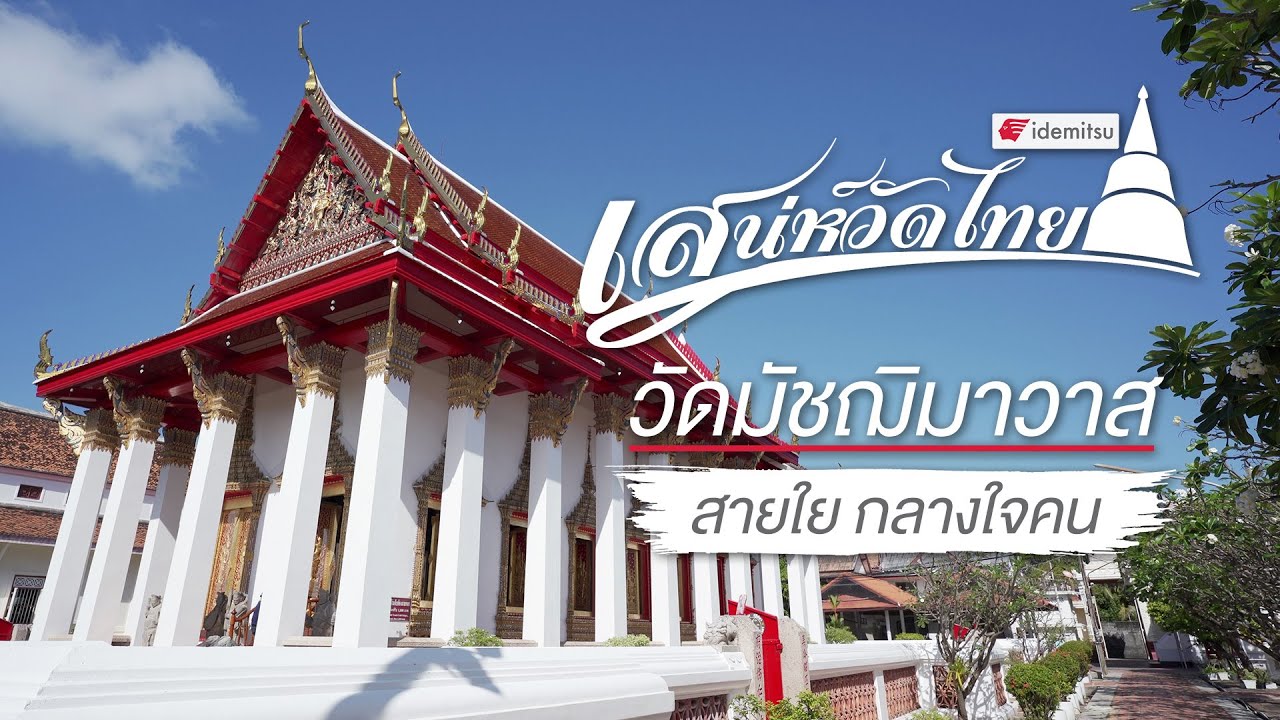
Wat Matchimawat Worawihan (Wat Klang)
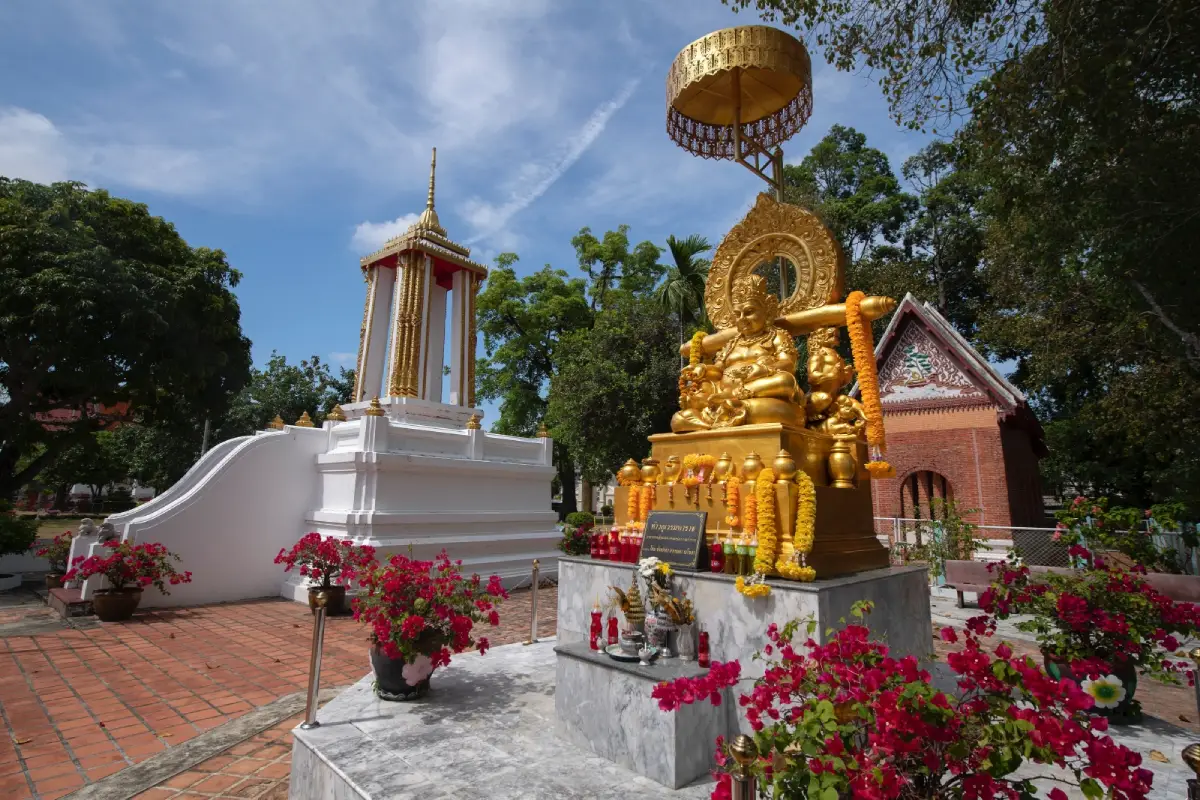
Open Days: The temple grounds are open daily; the National Museum of Matchimawas is open Wednesday–Sunday and closed Monday–Tuesday and public holidays.
Opening Hours: National Museum of Matchimawas: 09.00–16.00.
Wat Matchimawat Worawihan, also known as Wat Klang, is located on Saiburi Road in Bo Yang Subdistrict, Mueang Songkhla District, Songkhla Province. It is one of the most important historic temples in Songkhla and has a history of around 400 years dating back to the late Ayutthaya period. More than a place of worship, Wat Matchimawat is a cultural landmark where visitors can understand Songkhla as an old port town shaped by Buddhism, Chinese communities, maritime trade, local craftsmanship, and southern Thai heritage. The temple is especially known for its Thai-Chinese-style ordination hall, early Rattanakosin murals, a marble principal Buddha image, a Chinese-European gateway, and the National Museum of Matchimawas, which preserves important antiquities from Songkhla, Sathing Phra, and Ranot.
For travelers planning a visit in 2026, Wat Matchimawat Worawihan remains an active Buddhist temple with ongoing religious functions. The National Museum of Matchimawas, located within the temple compound, is open from Wednesday to Sunday between 09.00 and 16.00, with free admission. Visitors who want to study Songkhla history, Buddhist art, and local antiquities should visit during the museum’s operating hours. Those entering religious buildings should dress respectfully, keep their voice low, remove shoes where required, and follow the instructions of temple staff or monks.
The temple was originally known as Wat Yai Si Chan. Local tradition says that Yai Si Chan, a wealthy woman in old Songkhla, donated her wealth to build the temple in the late Ayutthaya period. Later, when Wat Liap was built to the north and Wat Pho was built to the south, local residents began calling this temple Wat Klang, meaning the temple in the middle. This name reflects both its physical position within the old community and its long-standing role in the spiritual life of Songkhla.
The name Wat Matchimawat also carries the meaning of being in the middle. In 1888, Prince Vajirananavarorasa visited Songkhla and renamed the temple Wat Matchimawat, giving it a formal name that matched its local identity. In 1917, during the reign of King Rama VI, the temple was elevated to the status of a royal monastery. From that point onward, Wat Matchimawat Worawihan became an important religious and historical institution in Songkhla Province.
Wat Matchimawat is important not only because of its age, but also because of its position in Songkhla Old Town. The temple stands close to Nang Ngam Road, Nakhon Nai Road, Nakhon Nok Road, Songkhla City Pillar Shrine, and the old town street art area. This makes it easy to combine the temple with a walking route through Songkhla’s historic quarter. Within the temple compound, the atmosphere is calm and dignified, while the surrounding neighborhood reflects the character of an old southern port town where Thai, Chinese, and coastal cultures have long interacted.
The ordination hall is the most significant architectural feature of Wat Matchimawat. Its construction and restoration history continued through the early Rattanakosin period. During the reign of King Rama I, Chao Phraya Inthakhiri, also known as Bun Hui, played an important role in restoring the temple and supporting major temple buildings. Later, during the reigns of King Rama III and King Rama IV, Chao Phraya Wichiankhiri, also known as Bun Sang, carried out major restoration and construction work on the present ordination hall. The building therefore reflects both royal craftsmanship from Bangkok and refined local craftsmanship from Songkhla.
The ordination hall combines Rattanakosin Thai architecture with strong Chinese artistic influence. Some elements recall the ordination hall of Wat Phra Si Rattana Satsadaram in Bangkok, though on a smaller scale. The roof has traditional chofa finials but no naga sadung decorations. The pediments depict Brahma riding a hamsa and Indra riding the three-headed Erawan elephant. Door and window arches are shaped like crowns, while decorative details blend Thai elegance with Chinese visual language in a way that reflects Songkhla’s port-town history.
The exterior of the ordination hall and the temple gateway also reward careful observation. The gate combines Chinese and European artistic elements, a style often found in old port cities where trade, migration, and local patronage shaped architecture. These blended forms make Wat Matchimawat different from many other Thai temples. The temple does not only tell the story of Buddhism; it also reflects Songkhla’s multicultural past and its connections with wider maritime trade networks.
Inside the ordination hall is a seated marble Buddha image in meditation posture with a lap width of about 55 centimeters. The principal Buddha image has Thai-Chinese characteristics. It was modeled locally and then carved in China before being brought back to Songkhla for enshrinement. This image is an important piece of evidence showing the artistic relationship between Songkhla and China, and it demonstrates how local religious devotion was expressed through international craftsmanship.
The murals inside the ordination hall are among the temple’s greatest treasures. Painted in powdered pigments on plaster walls, they date to the reign of King Rama IV and are highly valued for both their artistic quality and historical content. The murals depict scenes from the life of the Buddha, the Ten Jataka stories, assemblies of celestial beings, and details of everyday life. What makes them especially important is their depiction of old Songkhla, including clothing, transportation, boats, trade, games, cultural practices, and a lively port scene at Hua Khao Daeng.
The port scene at Hua Khao Daeng is particularly valuable because it allows visitors to visualize Songkhla during an era of active maritime trade. Ships, merchants, clothing, and daily activities in the murals are not merely decorative details; they are visual records of Songkhla’s economic and cultural role on the Gulf of Thailand. Visitors should take time to look carefully at the murals, because many small details reveal how people lived, traded, traveled, and expressed their beliefs in the past.
Beyond the ordination hall, Wat Matchimawat contains several other important areas, including the sermon hall, scripture hall, Chinese-style monk residences, bell tower, chedi, flagpole, hermit pavilion, Chinese stone figures, boundary walls, and temple gates. Together, these elements make the temple feel like an open-air museum of architecture, Buddhist art, local memory, and multicultural Songkhla identity. A slow walk through the compound helps visitors understand how the temple developed across different periods and patronage networks.
The National Museum of Matchimawas, formerly known as the Phattharasin Museum, is another essential stop within the temple compound. It houses Buddha images, antiquities, religious objects, and historical materials collected from Songkhla, Sathing Phra, and Ranot. The museum expands the visitor’s understanding beyond the temple itself, showing connections between Songkhla Old Town, ancient communities, Buddhist art, and the wider cultural landscape around the Sathing Phra Peninsula and Songkhla Lake.
Visitors interested in southern Thai history should spend at least 30 to 60 minutes in the museum. Its collections help explain the development of Songkhla across different periods, from early communities and Buddhist artistic traditions to the relationship between coastal towns and inland settlements around Songkhla Lake. The museum is suitable for general travelers, students, researchers, and anyone who wants to understand Songkhla as a historic city rather than only as a seaside destination.
Wat Matchimawat also continues to serve an active religious role. Phra Ratchasilasangwon, also known as Phong Jirathammo, serves as the abbot of Wat Matchimawat Worawihan and is an important senior monk in the Dhammayut order in southern Thailand. Recent temple activities in 2026 show that the temple remains a living religious center for monks, government agencies, and local residents. This continuity gives Wat Matchimawat a strong sense of life; it is not a frozen monument, but a functioning temple rooted in both faith and history.
The best way to experience Wat Matchimawat is to slow down. Start by observing the exterior of the ordination hall, the pediments, the gateway, and the decorative details. Then enter interior areas only where access is permitted. Continue to the museum during opening hours, and then connect the visit with a walking route through Songkhla Old Town. This approach helps visitors understand the temple within the broader context of the old city, rather than treating it as a single isolated attraction.
Visitors should follow proper temple etiquette. Dress modestly, remove shoes before entering sacred buildings, avoid loud conversations, do not touch murals or antiquities, and avoid using flash photography in areas with historic paintings. Respectful behavior helps preserve the temple’s cultural value and supports responsible cultural tourism in the local community.
Getting There is convenient because Wat Matchimawat is located in central Songkhla on Saiburi Road. Travelers coming by private car from Hat Yai can drive toward Mueang Songkhla District and continue to Songkhla Old Town, then use Saiburi Road to reach the temple. Visitors staying in Songkhla Old Town can walk from Nang Ngam Road or Nakhon Nai Road to the temple via nearby streets such as Yala Road. Parking in the old town area is limited, so visitors should allow extra time and avoid blocking local homes or businesses.
A practical route can begin at Wat Matchimawat, then continue to Songkhla City Pillar Shrine, Nang Ngam Road, the old town street art area, Baan Nakhon Nai, and Songkhla National Museum. With more time, visitors can continue to Khao Tang Kuan, Samila Beach, and the Golden Mermaid statue. This route gives travelers a fuller picture of Songkhla through temples, old streets, museums, hill viewpoints, and the sea.
Wat Matchimawat Worawihan deserves more than a brief stop. It brings together Songkhla’s religious history, Rattanakosin art, Chinese and European influences, port-town murals, and museum collections in one meaningful location. For travelers who want to understand Songkhla beyond its beaches, Wat Klang is one of the best places to begin.
| Name | Wat Matchimawat Worawihan, also known as Wat Klang |
| Location | Saiburi Road, Bo Yang Subdistrict, Mueang Songkhla District, Songkhla Province |
| Address | 222 Moo 11, Saiburi Road, Bo Yang Subdistrict, Mueang Songkhla District, Songkhla 90000, Thailand |
| Coordinates | 7.19455, 100.59159 |
| Highlights | Historic royal temple, Thai-Chinese ordination hall, Rattanakosin murals, marble principal Buddha image, and the National Museum of Matchimawas |
| History | Founded in the late Ayutthaya period, restored during the early Rattanakosin period, and elevated to royal monastery status in 1917 |
| Name Origin | Originally called Wat Yai Si Chan, later known locally as Wat Klang because it stood between Wat Liap and Wat Pho, and formally renamed Wat Matchimawat in 1888 |
| Distinctive Features | A blend of Thai, Chinese, and European artistic elements, especially in the ordination hall, gateway, pediments, murals, and decorative details linked to Songkhla’s port-town heritage |
| Travel Information | Accessible by private car, local transport, or on foot from Songkhla Old Town. The temple is near Nang Ngam Road, Nakhon Nai Road, and Songkhla City Pillar Shrine. |
| Current Status | An active royal Buddhist temple and a cultural learning site with a national museum inside the temple compound |
| Open Days | Temple grounds are open daily; the National Museum of Matchimawas is open Wednesday–Sunday and closed Monday–Tuesday and public holidays |
| Opening Hours | National Museum of Matchimawas: 09.00–16.00 |
| Fees | Free admission |
| Main Areas / Zones | Ordination hall, murals, marble principal Buddha image, gateway, National Museum of Matchimawas, sermon hall, scripture hall, Chinese-style monk residences, bell tower, chedi, flagpole, hermit pavilion, Chinese stone figures, and temple walls |
| Abbot / Caretaker | Phra Ratchasilasangwon, also known as Phong Jirathammo, serves as the abbot of Wat Matchimawat Worawihan; the National Museum of Matchimawas is supervised by the Fine Arts Department |
| Main Contact Number | National Museum of Matchimawas: 074-311-728 |
| Official Website / Official Page | Fine Arts Department: National Museum of Matchimawas |
| Nearby Tourist Attractions | 1. Songkhla City Pillar Shrine, about 0.3 km 2. Songkhla Old Town and Nang Ngam Road, about 0.3 km 3. Songkhla Old Town Street Art, about 0.3 km 4. Songkhla National Museum, about 1 km 5. Khao Tang Kuan, about 2 km 6. Samila Beach, about 3 km |
| Nearby Restaurants | 1. Tae Hiang Aew, Nang Ngam Road, about 0.4 km, Tel. 074-311-505 2. I-Tim Ong, Nang Ngam Soi 2, about 0.4 km, Tel. 074-315-594 3. Kiat Fang Stewed Rice, Nang Ngam Road, about 0.4 km, Tel. 074-311-998 4. The Secret Garden Café, Raman Road, about 0.4 km, Tel. 074-892-504 5. Suki Nakorn Nai, Nakhon Nai Road, about 0.5 km, Tel. 074-314-146 6. Blue Smile Café, Nakhon Nai Road, about 0.5 km, Tel. 061-230-5147 |
| Nearby Accommodations | 1. Baan Nai Nakhon Boutique Hotel, about 0.4 km, Tel. 095-438-9323 2. Yu Cafe’ and Hostel Songkhla, about 0.5 km, Tel. 074-811-388 3. The Roo Classic Hometel, about 0.5 km, Tel. 081-823-1433 4. Songkhla Tae Raek Antique Hotel, about 0.7 km, Tel. 074-322-227 5. Songkhla Hotel, about 1 km, Tel. 074-313-505 6. Club Tree Hotel, about 1.5 km, Tel. 074-313-888 |
Frequently Asked Questions (FAQ)
Q: Where is Wat Matchimawat Worawihan located?
A: Wat Matchimawat Worawihan, also known as Wat Klang, is located at 222 Moo 11, Saiburi Road, Bo Yang Subdistrict, Mueang Songkhla District, Songkhla Province 90000, Thailand.
Q: Is Wat Matchimawat open every day?
A: The temple grounds are open daily. The National Museum of Matchimawas is open Wednesday to Sunday and closed Monday to Tuesday and public holidays.
Q: What are the opening hours of the National Museum of Matchimawas?
A: The National Museum of Matchimawas is open from 09.00 to 16.00.
Q: Is there an admission fee?
A: Admission is free.
Q: What is Wat Matchimawat best known for?
A: It is best known for its Thai-Chinese ordination hall, early Rattanakosin murals, marble principal Buddha image, and museum collections that preserve the history of Songkhla and nearby historic communities.
Q: Who is the abbot of Wat Matchimawat Worawihan?
A: Phra Ratchasilasangwon, also known as Phong Jirathammo, serves as the abbot of Wat Matchimawat Worawihan.
Q: How long should visitors spend at Wat Matchimawat?
A: Visitors should allow about 1 to 2 hours to see the ordination hall, murals, museum, and nearby Songkhla Old Town area at a comfortable pace.
Q: What nearby attractions can be visited after Wat Matchimawat?
A: Nearby attractions include Songkhla City Pillar Shrine, Songkhla Old Town, the old town street art area, Songkhla National Museum, Khao Tang Kuan, and Samila Beach.
 Category: ●Places of Worship
 Group: ●Temple
Last Update : 2 MonthAgo
 Last Update : 2 MonthAgo
 Click to Access the Navigation Map GPS
Wat Matchimawat Worawihan (Wat Klang) Map
Recommend

 Art, Culture and Heritage
 Historical Sites and Monuments(2)
 Landmarks and Memorials(7)
 Royal Palace(1)
 Art, Craft Centres, Tradition(4)
 Museums(4)
 Art Gallery(1)
 Educational Places
 Library(1)
 Educational Gardens, Farm(3)
Temple(52)
 Mosque(2)
 Other Sacred Sites(11)
 Suburban Living
 Village, Community(3)
 Local Market(3)
 Floating Market(2)
 Nature and Wildlife
 National Parks and Marine Reserves(5)
 Mountain (Doi)(6)
 Dam, Reservoir, Lake(5)
 Waterfalls(12)
 Caves(4)
 River, Canal(2)
 Bays and Beaches(13)
 Islands(3)
 Other natural attractions(2)
 Entertainment and Agricultural
 Zoos and Aquariums(2)
 Animal camps and shows(1)
 Farms, Parks and Ecotourism(6)
 Waterpark(1)
 Travel Articles, Recipes
 Travel Review, Food Review(1)
 Southern Food Menu, Southern Food Recipes(2)


