
lovethailand home >South Travel Attractions >Satun Travel Attractions >Manang >Pam Phatthana > Rak Mai Museum
TL;DR: Rak Mai Museum is located at Moo 9, Ban Khuan Din Dam, Palm Phatthana Subdistrict, Manang District, Satun Province, open Contact The Local Caretaker Before Visiting, hours Contact The Local Caretaker Before Visiting.

Rak Mai Museum
Open Days: Contact The Local Caretaker Before Visiting
Opening Hours: Contact The Local Caretaker Before Visiting
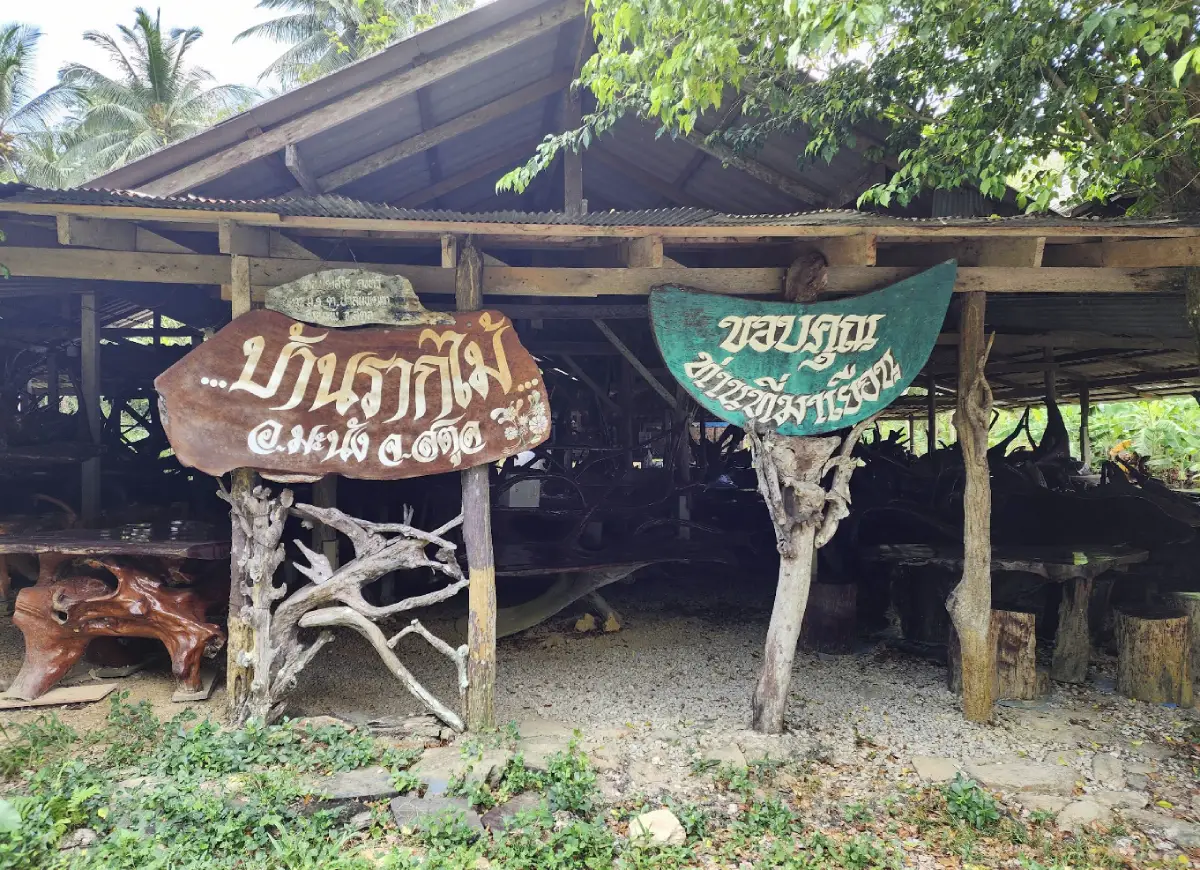
Rak Mai Museum, also known as Ban Rak Mai Museum, is a small local learning site in Moo 9, Ban Khuan Din Dam, Palm Phatthana Subdistrict, Manang District, Satun Province. Unlike a conventional museum, it began from the personal passion and craftsmanship of Prasert Kongthawee, a local resident who saw value in tree stumps and roots that many people would normally overlook. Through patience, observation, and hands-on skill, he transformed natural roots into distinctive wooden works, turning a personal hobby into a meaningful cultural stop for travelers interested in root wood art, local craft, and community knowledge in Satun.
The museum is a modest but memorable stop on the route to Phu Pha Phet Cave. It is located in Ban Khuan Din Dam, Palm Phatthana Subdistrict, an area closely associated with Manang District’s caves, waterfalls, limestone mountains, streams, and forested landscapes. Travelers heading toward Phu Pha Phet Cave can include Rak Mai Museum in the same route. The visit adds a cultural dimension to the trip, allowing visitors to experience not only the dramatic beauty of caves and natural scenery, but also the creative way local people work with materials from their surrounding environment.
The story of Rak Mai Museum centers on Prasert Kongthawee, the owner and creator of the collection. He settled in Palm Phatthana Subdistrict in 1995 and lived in an area shaped by rubber plantations, oil palm gardens, forest edges, limestone terrain, and local waterways. In this setting, he encountered tree stumps and roots left in the ground and began to imagine how these overlooked materials could be given new value. Instead of allowing them to decay naturally, he cleaned, shaped, and preserved them as wooden works that now serve both artistic and educational purposes.
The root wood pieces on display are valued for their natural forms. Rather than forcing every piece into a fixed design, the maker tries to preserve the original structure of each root or stump as much as possible. The wood is cleaned, adjusted, polished, and interpreted according to its existing shape. This makes each work unique. Some pieces resemble animals, some suggest movement, and others become furniture-like objects or sculptural forms. The beauty comes from a collaboration between nature and human craftsmanship.
One important material connected with the museum is lumpho wood, a durable hardwood found in southern Thailand, along with other roots from local trees. The twisting, branching, and irregular shapes of roots make them visually powerful. When handled carefully, the natural lines of the wood become part of the final artwork. The museum therefore helps visitors understand that nature often creates form before humans begin to design. The craftsperson’s role is to read that form, respect it, and enhance it without erasing its original character.
The educational value of Rak Mai Museum lies in its approach to conservation and reuse. Prasert originally worked with roots and stumps as a hobby and as a way to create furniture or useful objects. Over time, he became increasingly attached to the pieces because such materials are becoming harder to find. The collection therefore became more than a group of decorative wooden objects. It became a record of local natural materials, folk craftsmanship, patience, and the desire to preserve something meaningful for younger generations.
Visitors walking through the display area can observe how different each piece of root wood is. Some pieces are large and heavy, while others are elegant because of their curves and lines. Some can be imagined as animals or natural forms, while others invite more abstract interpretation. This openness is part of the museum’s charm. A single root may suggest different images to different visitors, depending on their own imagination and experience.
Rak Mai Museum also helps explain the relationship between people and natural resources in Manang District. Manang is known for forests, caves, streams, and limestone landscapes. Nearby attractions such as Phu Pha Phet Cave, Chet Khot Cave, Rakhang Thong Cave, and Wang Tai Nan Waterfall show the strong natural identity of the district. The museum adds another layer to this identity by showing how local people use natural materials not only for livelihood, but also for creativity, memory, and education.
For visitors interested in woodwork, the museum is a good example of working with natural material without completely destroying its original form. Root wood is different from processed timber. It has curves, knots, hollows, twists, and unpredictable shapes. Turning it into a finished work requires physical labor, patience, practical tools, and a careful eye. Digging, cleaning, moving, polishing, and deciding how to present each piece can take considerable time. Each finished object therefore reflects nature, time, and human effort.
The museum is also useful for learning about local materials. Children, students, and travelers can see how roots grow in complex forms because they anchor trees to soil and absorb water and minerals. The shape of a root is connected to soil, stones, moisture, and the surrounding environment. Seeing large root structures in person makes natural science easier to understand. It also encourages visitors to think about wood not just as a product, but as a living material with history.
From the perspective of folk art, Rak Mai Museum shows the creativity of a local maker who relies on observation and experience rather than industrial production. The works are direct, grounded, and closely connected to the landscape. They do not feel overly polished or artificial. This gives them a strong local character and makes the museum attractive to travelers who appreciate handmade objects, natural design, rustic furniture, and community-based creativity.
The museum is suitable for families because children can use their imagination while looking at the root forms. Adults can use the visit to explain conservation, responsible use of natural materials, and the value of turning overlooked objects into meaningful works. A visit does not have to be long, but it should be slow. Walking too quickly may make the collection look like a group of wooden objects. Looking carefully reveals differences in texture, weight, grain, shape, and intention.
Rak Mai Museum fits naturally into a Manang travel itinerary with Phu Pha Phet Cave. The cave is one of Satun’s major natural and geological attractions, known for limestone formations, sparkling stalactites and stalagmites, and archaeological evidence. The museum, meanwhile, presents local creativity through natural wood. Visiting both places in one trip gives travelers a balanced experience of Manang: the grandeur of limestone caves and the intimate detail of handmade root wood art.
Other nearby places can also be included in the same travel area, including Wang Tai Nan Waterfall, Chet Khot Cave, Rakhang Thong Cave, and sites connected with Satun Geopark. These attractions make Manang a district of caves, forests, streams, and geological learning. Rak Mai Museum broadens that experience by showing how the natural environment also inspires local art and community knowledge.
Getting to Rak Mai Museum is most convenient by private car, rental car, or motorcycle. From Satun town, travel toward Manang District, then continue to Ban Khuan Din Dam and the Phu Pha Phet Cave route. After entering the route toward Phu Pha Phet Cave for about 3 km, visitors will see signs leading toward Rak Mai Museum before the turnoff. Travelers should drive carefully because the route passes through local community areas, gardens, and natural tourism access roads.
Travelers coming from La-ngu or Pak Bara can combine the museum with a route connecting the coast and the inland cave area. This is especially useful for those who want to see more than beaches and piers. A morning visit to the cave area followed by a stop at the museum can create a richer day trip, combining nature, local craft, community knowledge, and a quieter side of Satun Province.
Because Rak Mai Museum is a small community-based learning site rather than a large formal museum, visitors should contact the local caretaker before arriving, especially when traveling as a group. Advance contact helps make the visit smoother and allows the local host or caretaker to prepare for visitors when possible.
Visitors should treat the displayed works with care. Even when some pieces resemble furniture, they should not be touched, moved, climbed on, or used without permission. Root wood pieces can be heavy, delicate in form, or personally important to the maker and community. Photography should be respectful, and visitors should avoid disrupting the display area or nearby local residents.
The best time to include the museum in a trip is in the morning or early afternoon, especially when combining it with Phu Pha Phet Cave. A general visit may take around 30 to 60 minutes. Visitors with a deeper interest in woodwork, natural materials, folk craft, or local stories may want to spend more time observing details and asking questions when a caretaker is available.
For travelers looking for a less typical attraction in Satun, Rak Mai Museum is a worthwhile stop. Satun is widely known for islands, beaches, and marine routes, but this museum presents another side of the province: agricultural communities, forests, local craftsmanship, and the creative reuse of natural materials. It helps make a Satun trip more complete by connecting natural tourism with human stories.
What makes Rak Mai Museum memorable is its simplicity and sincerity. The works were not created only to impress visitors. They grew from years of collecting, experimenting, and valuing materials that might otherwise have been ignored. Each piece carries both natural beauty and personal meaning. When visitors understand the maker’s story, the museum becomes more than a display of roots. It becomes a place about patience, local attachment, and the transformation of ordinary natural remains into a community learning resource.
Overall, Rak Mai Museum in Ban Khuan Din Dam is a small cultural attraction with strong educational value. It is suitable for travelers interested in nature, folk art, woodwork, local wisdom, and community-based tourism in Satun. When combined with nearby caves and waterfalls, the museum helps visitors understand Manang District more deeply. It shows both the power of nature and the ability of local people to turn natural forms into meaningful art.
| Name | Rak Mai Museum / Ban Rak Mai Museum |
| Location | Moo 9, Ban Khuan Din Dam, Palm Phatthana Subdistrict, Manang District, Satun Province |
| Address | House No. 132, Moo 9, Ban Khuan Din Dam, Palm Phatthana Subdistrict, Manang District, Satun Province, Thailand |
| Highlights | A local learning site displaying creative works made from natural roots and tree stumps by Prasert Kongthawee |
| History | Prasert Kongthawee settled in Palm Phatthana Subdistrict in 1995 and developed his hobby of creating works from roots and tree stumps into a local learning site |
| Name Origin | The name Rak Mai Museum refers to a place that collects and displays works made from tree roots and stumps, which are the core identity of the site |
| Distinctive Features | Root and stump works are shaped according to their natural forms, preserving the original structure of the material as much as possible |
| Main Areas / Zones | Root Wood Display Area, Natural Wood Form Viewing Area, And Local Root Wood Craft Learning Area |
| Facilities | Root wood display area, woodwork viewing space, and local route connection to Phu Pha Phet Cave |
| Travel Information | Drive along the route to Phu Pha Phet Cave for about 3 km; before the turnoff to Rak Mai Museum, there is a sign directing visitors to the site. Private car, rental car, or motorcycle is recommended |
| Current Status | Still listed as a local attraction and learning site of Palm Phatthana Subdistrict, Manang District, Satun Province |
| Open Days | Contact The Local Caretaker Before Visiting |
| Opening Hours | Contact The Local Caretaker Before Visiting |
| Fees | Free Admission |
| Caretaker | Prasert Kongthawee / Ban Khuan Din Dam Community Area |
| Local Contact Channel | Palm Phatthana Subdistrict Administrative Organization, Tel. 074-774-505 |
| Official Website / Official Page | Palm Phatthana Subdistrict Administrative Organization Website |
| Nearby Tourist Attractions | 1. Phu Pha Phet Cave, About 3 km 2. Wang Tai Nan Waterfall, About 10 km 3. Rakhang Thong Cave, About 15 km 4. Chet Khot Cave, About 19 km 5. Palm Phatthana Bamboo Rafting Route, About 22 km 6. Pak Bara Beach, About 45 km |
| Nearby Restaurants | 1. Suan Phai Restaurant, About 30 km, Tel. 074-781-425 2. Nong Nee Restaurant La-ngu Branch, About 30 km, Tel. 084-069-3118 3. Krua Rim Lay Seafood, About 45 km, Tel. 083-195-7844, 087-794-0699 4. Choo Restaurant Pak Bara, About 45 km, Tel. 086-697-2418 5. Andaman Restaurant Pak Nam La-ngu, About 46 km, Tel. 092-457-4961 |
| Nearby Accommodations | 1. Phukao Homestay Phu Pha Phet Cave, About 4 km, Tel. 081-275-4833 2. Engthan at Satun, About 25 km, Tel. 085-477-8688 3. The La-Ngu Boutique, About 30 km, Tel. 094-584-6910 4. La-ngu Phupha Resort, About 31 km, Tel. 074-781-277, 081-957-1864 5. Farm Suk Residence And Resort, About 32 km, Tel. 083-535-3535 6. Sweet Garden Home Resort, About 35 km, Tel. 080-545-3404 |
Frequently Asked Questions (FAQ)
Q: Where is Rak Mai Museum located?
A: Rak Mai Museum is located in Moo 9, Ban Khuan Din Dam, Palm Phatthana Subdistrict, Manang District, Satun Province, near the route to Phu Pha Phet Cave.
Q: What makes Rak Mai Museum special?
A: The museum displays creative works made from natural roots and tree stumps, with the original forms of the wood preserved as much as possible.
Q: Who created Rak Mai Museum?
A: The museum was initiated by Prasert Kongthawee, who settled in Palm Phatthana Subdistrict in 1995 and turned his hobby of working with roots and stumps into a local learning site.
Q: Is there an admission fee?
A: Verified information states that there is no admission fee.
Q: Should visitors contact the caretaker before visiting?
A: Yes. Visitors should contact the local caretaker before visiting, especially for group visits, because this is a small community-based learning site.
Q: How do travelers get to Rak Mai Museum?
A: Drive along the route to Phu Pha Phet Cave for about 3 km. Before the turnoff to the museum, there is a sign directing visitors to Rak Mai Museum. A private car, rental car, or motorcycle is recommended.
Q: What nearby attractions can be visited after Rak Mai Museum?
A: Nearby options include Phu Pha Phet Cave, Wang Tai Nan Waterfall, Rakhang Thong Cave, Chet Khot Cave, the Palm Phatthana bamboo rafting route, and Pak Bara Beach.
Q: Who is Rak Mai Museum suitable for?
A: It is suitable for travelers interested in woodwork, natural materials, folk art, local wisdom, families, students, and visitors who want to understand Manang District beyond its caves and waterfalls.
 Category: ●Art, Culture and Heritage
 Group: ●Museums
Last Update : 13 HourAgo
 Last Update : 13 HourAgo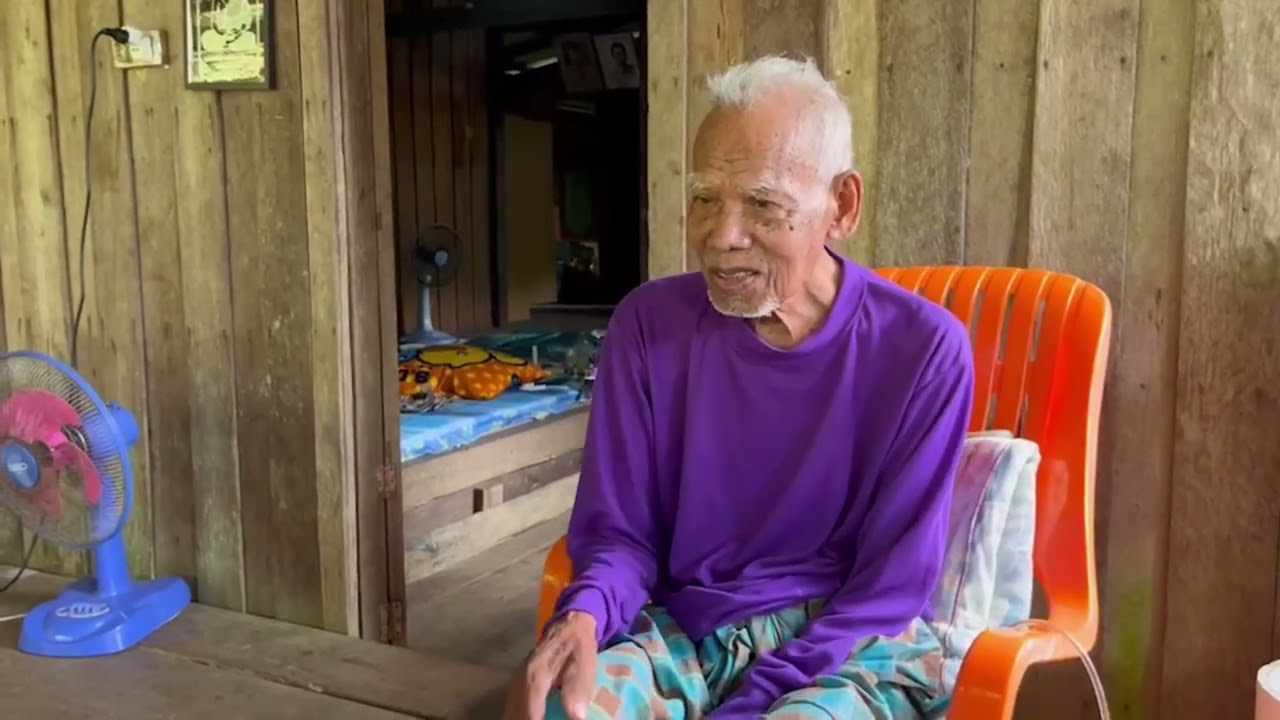
 Click to Access the Navigation Map GPS
Rak Mai Museum Map
Recommend

 Historical Sites and Monuments(1)
 Landmarks and Memorials(1)
 Art, Craft Centres, Tradition(5)
Museums(3)
Art, Craft Centres, Tradition(5)
Museums(3)
 Places of Worship
 Temple(3)
 Mosque(27)
 Suburban Living
 Village, Community(1)
 Local Market(2)
 Nature and Wildlife
 National Parks and Marine Reserves(7)
 Mountain (Doi)(1)
 Dam, Reservoir, Lake(2)
 Waterfalls(9)
 Hot Springs(1)
 Caves(9)
 Bays and Beaches(10)
 Islands(16)
 Other natural attractions(5)
 Entertainment and Agricultural
 Zoos and Aquariums(1)
 Farms, Parks and Ecotourism(4)
 Outdoor and Adventure Activities(1)


