
lovethailand home >South Travel Attractions >Ranong Travel Attractions >Suk Samran >Kam Phuan > Ban Thale Nok
TL;DR: Ban Thale Nok is located at Ban Thale Nok, Moo 1, Kamphuan Subdistrict, Suk Samran District, Ranong Province 85120, open Daily, hours The community area is accessible throughout the day / community-based tourism.
Ban Thale Nok
Open Days: Daily
Opening Hours: The community area is accessible throughout the day / community-based tourism contact hours are 09.00 – 18.00
Ban Thale Nok in Ranong Province is an eco-tourism community on the Andaman coast in Moo 1, Kamphuan Subdistrict, Suk Samran District. It is a Muslim fishing village whose way of life is closely connected with mangrove forests, the sea, canals, tropical forest, and local natural resources. The value of Ban Thale Nok does not come from large-scale tourism development. It comes from community-based tourism that allows visitors to learn from real local life through homestays, mangrove boat trips, beach walks, local fishing activities, herbal soap making, batik workshops, nipa palm knowledge, and the story of how this small coastal village recovered from the 2004 tsunami through conservation and community cooperation.
Ban Thale Nok is located in Moo 1, Kamphuan Subdistrict, Suk Samran District, Ranong Province 85120. The community lies on the Andaman coast, about 85 kilometres from Ranong town. It is reached from Highway 4, or Phetkasem Road, by turning into a local road for about 5 kilometres. The village has a distinctive location: it is separated from other settlements by hills, while its western side faces the Andaman Sea. The community landscape includes a long beach, mangrove forest, canals, coastal fishing areas, local homes, and community roads.
Ban Thale Nok is small, but it has a strong identity. Local areas within the village are commonly understood as “in the village” and “outside village” zones. The inner zone sits closer to the hill, while the outer zone lies nearer the coast. This spatial pattern shows how closely the village is connected with hill, settlement, mangrove, canal, and sea. A short walk within Ban Thale Nok can reveal local homes, sea breeze, coastal vegetation, fishing tools, and the quieter rhythm of an Andaman fishing community.
The name Ban Thale Nok is directly related to geography. The village lies outside other nearby settlements and is positioned on the seaward side of the landscape, with hills separating it from the communities behind it. The name therefore reflects both location and identity. Ban Thale Nok is literally a village on the outer side of the community landscape, facing the Andaman Sea.
The history of Ban Thale Nok began with small groups of local families settling along the Andaman shoreline in an area once known as Ban Luk Son. In the earliest period, only a few households lived there. People made a living through tin panning, collecting shrimp paste resources, gathering forest products, weaving nipa leaves, farming, gardening, and using natural water sources. Over time, some households moved to areas known locally as Ban Rang and Ban Thang Phan before the community developed into present-day Ban Thale Nok. This history shows that the village did not begin as a tourist attraction; it grew from coastal adaptation and local use of natural resources.
Ban Thale Nok is mainly a Muslim community. Residents follow Islamic practice, and the imam plays an important role as a religious and community figure. Social relationships are strongly kinship-based, with a high level of mutual support and participation in communal activities. This gives tourism in Ban Thale Nok a different character from ordinary beach visits. Visitors are entering a living community with its own customs, faith, etiquette, and social structure.
The most important modern event in the village’s history was the tsunami on 26 December 2004. The waves caused severe damage to the coastal part of the village, destroying homes, boats, fishing gear, livelihoods, and parts of the old settlement. After the disaster, Ban Thale Nok rebuilt not only its physical structures, but also its economic and environmental base. The community turned toward mangrove conservation, tropical forest protection, marine resource awareness, and community-based tourism as a new source of income alongside traditional fishing.
Post-tsunami recovery made Ban Thale Nok one of the meaningful examples of community-based tourism on the upper Andaman coast. Villagers developed homestay groups, local guides, boat services, handicraft groups, and cultural activities. These are managed through a rotational system so that benefits are distributed among participating households. Tourism here is therefore not simply a way to bring visitors into the village. It is a community mechanism for economic recovery, environmental care, and local pride.
Ban Thale Nok received an Outstanding Performance Award in the ecotourism attraction category at the Thailand Tourism Awards 2008. This recognition reflects the community’s ability to manage tourism, conserve the environment, and create meaningful learning experiences for visitors. The award is important because Ban Thale Nok is a small village that relies on natural and cultural capital rather than large infrastructure.
The mangrove forest is one of Ban Thale Nok’s most important environmental assets. It acts as a natural barrier, reduces wave impact, provides nursery grounds for marine life, supports local fisheries, and serves as an outdoor classroom for visitors. A mangrove boat trip is therefore more than a scenic activity. It helps visitors understand how mangrove trees, brackish water, crabs, fish, aquatic birds, canals, and fishing livelihoods form one connected ecosystem.
The community has diverse food resources from the sea, river mouths, mangroves, home gardens, fields, forest, and freshwater sources. These resources are treated as part of the shared foundation of community life. Most residents are involved in seasonal fishing, while some families also work in gardening, processed seafood, handicrafts, or tourism services. A visit to Ban Thale Nok clearly shows how food, natural resources, and local livelihoods are interdependent.
The homestay experience is central to Ban Thale Nok tourism. Guests stay with local families in simple village homes. Accommodation usually focuses on basic comfort, with bedding, pillows, mosquito nets, fans, and a private sleeping area depending on the host household. The value of staying here is not luxury. It is the chance to share meals with a local family, hear community stories, and understand the daily rhythm of a fishing village that still depends on the sea and mangroves.
A mangrove boat trip is ideal for visitors who want to understand the coastal ecosystem in detail. Local boatmen and guides take visitors through canals and waterways connecting the mangrove forest with the sea. Along the route, visitors can learn about mangrove species, root systems, aquatic habitats, and the way mangroves protect the village from waves, wind, and erosion. The activity depends on tides and weather, so advance coordination with the community is recommended.
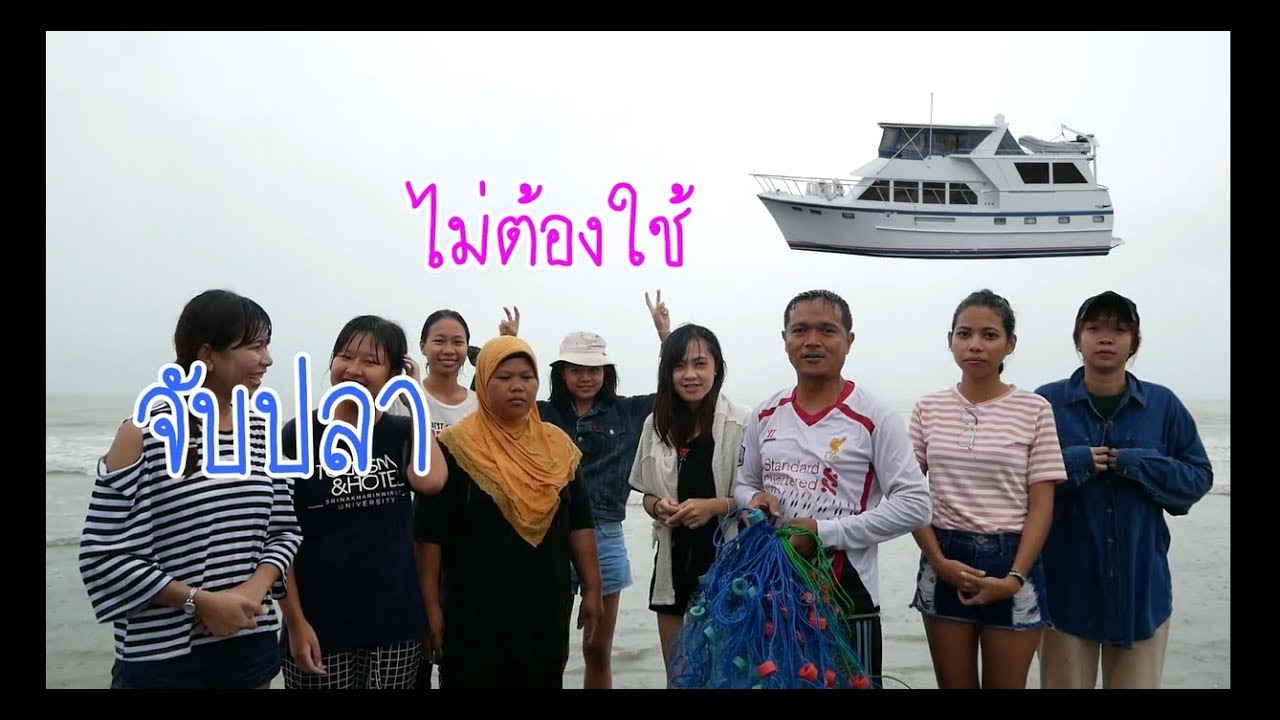
Beach net fishing is another activity that reflects the local fishing way of life. When conditions are suitable, villagers can demonstrate how nets are set and pulled from the shallow sea. Visitors can learn how fishing requires coordination, strength, patience, and knowledge of local waters. Small fish or unsuitable catch can be returned to the sea, while suitable catch may become part of a community meal depending on the programme.
Ban Thale Nok also has handicraft activities that grew out of the post-tsunami recovery process. The herbal soap group and batik group help generate additional household income. Soap making uses local knowledge and ingredients, while batik allows visitors to create patterns inspired by the sea, mangroves, coastal life, and local imagination. These activities are suitable for families, student groups, study trips, and visitors who want meaningful souvenirs connected to the community.
Nipa palm knowledge is another example of local wisdom connected with the mangrove and brackish-water environment. Nipa leaves have traditionally been used for thatching and practical household purposes. Learning how nipa materials are prepared and woven helps visitors understand that mangrove areas are not only beautiful landscapes; they are sources of materials, food, and knowledge passed through generations.
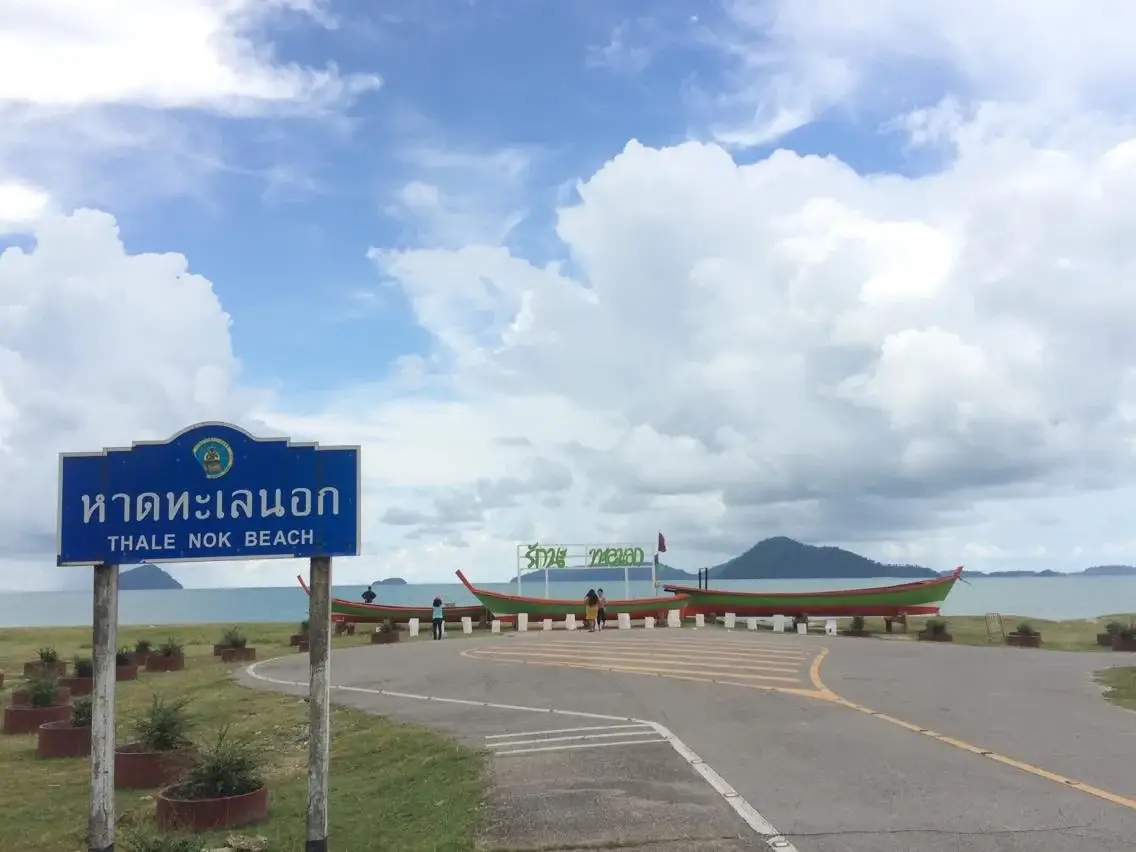
Thale Nok Beach is a central part of the community. It is both a resting place and a working coastal space connected with fishing life. The beach is quieter than major tourist beaches, making it suitable for walking, watching fishing boats, observing the shoreline, and spending time slowly. Its charm lies in its authenticity rather than commercial decoration.
Some community tourism programmes can connect Ban Thale Nok with nearby islands such as the Kam Islands, Ko Khang Khao, or islands within Laem Son National Park. These trips depend on season, sea conditions, and conservation-area regulations. The islands are known for beaches, clear water, and marine scenery, but some areas may close during the monsoon season or when boat travel is unsafe. Visitors should confirm conditions with the community or local operators before planning sea activities.
Ban Thale Nok is also suitable for study groups interested in community management, eco-tourism, post-disaster recovery, waste management, recycling, natural resource conservation, and income generation through local assets. The village shows that tourism can support conservation when local people own the process and benefits are shared fairly. Tourism here becomes a tool for protecting nature and strengthening community identity.
Waste and environmental management are important parts of the village identity. Ban Thale Nok is known for using discarded materials productively, reducing waste, and encouraging environmental awareness among residents and visitors. When tourism enters a village, waste and resource use inevitably increase. The community’s management approach helps prevent tourism from becoming a burden on the sea, mangroves, and local life.
Visitors should understand that Ban Thale Nok is a living community, not a theme-park attraction. Although the village and beach can be accessed, important activities such as homestays, boat trips, soap making, batik, forest walks, and fishing experiences should be arranged in advance. Advance booking allows the community to prepare host families, guides, boats, meals, and schedules without disrupting daily life.
Because Ban Thale Nok is a Muslim community, visitors should dress modestly, respect religious and private spaces, avoid loud behaviour in residential areas, and ask permission before photographing people. Respecting community etiquette is part of good travel. It helps visitors receive a more genuine welcome and preserves a positive relationship between travelers and local residents.
Food is one of the memorable parts of a Ban Thale Nok visit. Homestay meals often reflect ingredients from the sea, mangroves, local gardens, and household kitchens. Fish, crab, shellfish, prawns, southern-style curry pastes, local vegetables, and seasonal seafood may appear depending on availability. The appeal of village food lies in freshness, simplicity, and the direct connection between the sea and the table.
Kamphuan Subdistrict has a diverse social and cultural context. It includes Muslim and Buddhist communities, mosques, temples, schools, local health facilities, markets, coastal villages, and natural attractions. Ban Thale Nok is one village within this wider setting, but it stands out for its sea, mangroves, community-based tourism, and homestays. It is a strong base for a Suk Samran itinerary that can continue to Hat Praphat, Phu Khao Thong Archaeological Site, Laem Son National Park, and the Kam Islands.
Nearby places that pair well with Ban Thale Nok include Thale Nok Beach, the mangrove canals, Kamphuan Market, Hat Praphat, Phu Khao Thong Archaeological Site, and Laem Son National Park. Hat Praphat, also known as Hat Hin Thung, is a wide beach in Kamphuan Subdistrict connected with the Laem Son National Park landscape. Phu Khao Thong adds a historical dimension through archaeological evidence related to early coastal trade and settlement.
Laem Son National Park is one of the major attractions that can be combined with Ban Thale Nok. The park covers coastal areas of Ranong and parts of Phang Nga, including islands in the Andaman Sea such as Ko Khang Khao and the Kam Islands. Sea trips should be planned outside severe monsoon periods, and visitors should confirm opening conditions before traveling because safety depends on weather, waves, and park regulations.
Phu Khao Thong Archaeological Site adds another layer to a Ban Thale Nok route. Archaeological evidence includes glass beads, semi-precious stone beads, gold beads, pottery, and objects linked with contact beyond the local area. When combined with Ban Thale Nok, it shows that Suk Samran is not only a fishing and coastal destination, but also part of a wider Andaman history of movement, settlement, and exchange.
The best time to visit depends on the intended activity. Homestays and village learning can be arranged throughout the year with weather checks, while island trips, snorkeling, and longer sea excursions are better planned outside the monsoon season. Morning is suitable for boat trips and nature activities, while late afternoon is good for beach walks and learning about fishing life.
Getting There is easiest by private car, rental car, van, or local hired transport. From Ranong town, take Highway 4, also known as Phetkasem Road, south through Kapoe District toward Suk Samran District. Continue into Kamphuan Subdistrict and turn toward Ban Thale Nok for about 5 kilometres. Travelers coming from Phang Nga, Phuket, or Khura Buri can also use Phetkasem Road north toward Suk Samran and turn into the village from the main road.
Travelers without a private vehicle should use buses or vans running along the Ranong–Phang Nga route and arrange local transfer with the community or a local operator in advance. Ban Thale Nok is not directly on the main highway, so pre-arranged transfer from Ranong, Khura Buri, or Kamphuan makes the journey easier, especially for visitors who have booked homestays or activities.
A short visit to Ban Thale Nok can take half a day if the goal is to walk through the village, visit the beach, and do a brief community activity. However, the best format is 2 days and 1 night. Staying overnight allows visitors to experience evening, night, and morning village life, eat with a host family, join nature activities, and understand how community-based tourism differs from ordinary sightseeing.
Overall, Ban Thale Nok is one of Ranong’s most meaningful eco-tourism communities. It combines Muslim coastal life, fishing culture, mangroves, beach scenery, homestays, waste management, recycling, handicrafts, post-tsunami recovery, and community-led tourism. A visit here shows that good travel is not only about beautiful photographs. It is about understanding people, nature, and the careful balance that allows both to coexist. Ban Thale Nok is best for travelers who want to know Ranong in a deeper, calmer, and more responsible way.
| Name | Ban Thale Nok |
| Place Type | Eco-Tourism Community, Community Homestay, Muslim Fishing Village, And Mangrove Learning Destination |
| Location | Ban Thale Nok, Moo 1, Kamphuan Subdistrict, Suk Samran District, Ranong Province 85120 |
| Community Contact Address | 2/5 Moo 1, Kamphuan Subdistrict, Suk Samran District, Ranong Province 85120 |
| Coordinates | 9.464263957964429, 98.44181786845992 |
| Responsible Groups | Ban Thale Nok Conservation Tourism Group And Ban Thale Nok Homestay Group |
| Contact Numbers | 090-559-8433, 087-384-8437 |
| chaace@hotmail.com | |
| Highlights | Muslim Andaman Coastal Community, Fishing Life, Mangrove Forest, Homestays, Waste Management, Herbal Soap, Batik, And Award-Winning Eco-Tourism |
| Major Recognition | Outstanding Performance Award In The Ecotourism Attraction Category, Thailand Tourism Awards 2008 |
| Name Origin | The village is located outside other settlements and faces the Andaman coast, with hills separating it from the inland communities. |
| Community Context | A small Muslim fishing village whose life depends on mangroves, the sea, river mouths, tropical forest, agriculture, and natural food resources |
| Important History | The community was heavily affected by the 2004 tsunami and rebuilt through mangrove conservation, forest and marine resource care, and community-based tourism. |
| Main Zones | Inner Village Zone Near The Hill, Outer Coastal Zone, Thale Nok Beach, Mangrove Canals, Homestay Houses, Community Activity Area, Herbal Soap Group, And Batik Group |
| Main Activities | Homestay, Mangrove Boat Trip, Beach Walk, Local Fishing Learning, Beach Net Fishing, Herbal Soap Making, Batik, Nipa Palm Learning, Forest Walk, And Community Waste Management Study |
| Open Days | Daily |
| Opening Hours | The community area is accessible throughout the day / community-based tourism contact hours are 09.00 – 18.00 |
| Admission Fee | No admission fee for the community area. Homestays, meals, boats, and learning activities have programme-based fees. |
| Facilities | Community Homestays, Local Meals, Local Guides, Community Boats, Activity Areas, Toilets In Some Homestays/Community Points, Parking Areas, And Handicraft Learning Points |
| Visitor Etiquette | Dress modestly, respect Muslim community life, ask before photographing people, avoid littering, and book community activities in advance. |
| Travel Information | From Ranong town, take Highway 4 / Phetkasem Road south toward Suk Samran District, continue to Kamphuan Subdistrict, then turn into Ban Thale Nok for about 5 km. Private car, rental car, van, or local hired transport is recommended. |
| Nearby Tourist Attractions | 1. Thale Nok Beach, about 0.5 km 2. Ban Thale Nok Mangrove Forest And Community Canals, about 1 km 3. Kamphuan Market And Kamphuan Community Area, about 7 km 4. Hat Praphat / Hat Hin Thung, about 10 km 5. Phu Khao Thong Archaeological Site, about 12 km 6. Laem Son National Park And Bang Ben Beach, about 35 km 7. Kam Islands And Ko Khang Khao, continuing by boat from the coastal service area |
| Nearby Restaurants | 1. Ban Thale Nok Homestay Meals, about 0 km, Tel. 090-559-8433 2. Areerah Muslim Food, about 7 km, Tel. 083-390-7470 3. JP Coffee, about 8 km, Tel. 098-691-3553 4. Krua Suk Samran, about 8 km, Tel. 077-893-186 5. Alhamdulillah Food & Drinks, about 9 km, Tel. 061-548-6077 6. PunThai Coffee Suk Samran 1, about 10 km |
| Nearby Accommodations | 1. Baan Talay Nok Homestay, about 0 km, Tel. 090-559-8433 2. Baan Natacha, about 9 km 3. I-In Resort, about 10 km, Tel. 077-844-040 4. Ranong PK Guest House And Studio, about 12 km, Tel. 094-331-6969 5. Suan-Lung-Vorn Ranong Glamping, about 25 km, Tel. 084-148-9338 6. Laem Son National Park And Bang Ben Beach Camping Area, about 35 km |
Frequently Asked Questions (FAQ)
Q: Where is Ban Thale Nok located?
A: Ban Thale Nok is located in Moo 1, Kamphuan Subdistrict, Suk Samran District, Ranong Province 85120. It is reached from Phetkasem Road by turning into the village for about 5 km.
Q: What are the opening days and hours of Ban Thale Nok?
A: The community area is accessible daily. Community-based tourism and homestay contact hours are generally 09.00 to 18.00, and activities should be booked in advance.
Q: Is there an admission fee for Ban Thale Nok?
A: There is no admission fee for the community area, but homestays, meals, boats, and learning activities have programme-based fees.
Q: What is Ban Thale Nok known for?
A: It is known for Muslim coastal life, community homestays, mangrove forests, fishing culture, herbal soap making, batik, waste management, and post-tsunami eco-tourism recovery.
Q: What type of traveler is Ban Thale Nok best for?
A: It is best for travelers who want community-based tourism, homestays, mangrove learning, local food, ecological activities, and a respectful local experience.
Q: How long should visitors stay in Ban Thale Nok?
A: A half-day visit is possible, but 2 days and 1 night is the best format for experiencing homestay life, community meals, mangrove activities, and coastal village culture.
Q: What award has Ban Thale Nok received?
A: Ban Thale Nok received an Outstanding Performance Award in the ecotourism attraction category at the Thailand Tourism Awards 2008.
Q: How do travelers get to Ban Thale Nok?
A: From Ranong town, take Highway 4 or Phetkasem Road south toward Suk Samran District, continue to Kamphuan Subdistrict, then turn into Ban Thale Nok for about 5 km. Private car, rental car, van, or local hired transport is recommended.
 Category: ●Suburban Living
 Group: ●Village, Community
Last Update : 2 MonthAgo
 Last Update : 2 MonthAgo
 Click to Access the Navigation Map GPS
Ban Thale Nok Map
Recommend

 Art, Culture and Heritage
 Historical Sites and Monuments(4)
 Landmarks and Memorials(1)
 Royal Palace(1)
 Art, Craft Centres, Tradition(4)
 Educational Places
 Educational Gardens, Farm(1)
 Places of Worship
 Temple(12)
 Other Sacred Sites(2)
Village, Community(2)
 Nature and Wildlife
 National Parks and Marine Reserves(6)
 Mountain (Doi)(4)
 Waterfalls(15)
 Hot Springs(3)
 Caves(4)
 River, Canal(2)
 Bays and Beaches(10)
 Islands(8)
 Other natural attractions(3)
 Travel Articles, Recipes
 Travel Review, Food Review(1)


