
lovethailand home >South Travel Attractions >Phang Nga Travel Attractions >Takua Pa >Khuek Khak > Pakarang Cape
TL;DR: Pakarang Cape is located at Moo 2, Khuk Khak Subdistrict, Takua Pa District, Phang Nga Province, open Daily, hours 24 Hours.

Pakarang Cape
Open Days: Daily
Opening Hours: 24 Hours
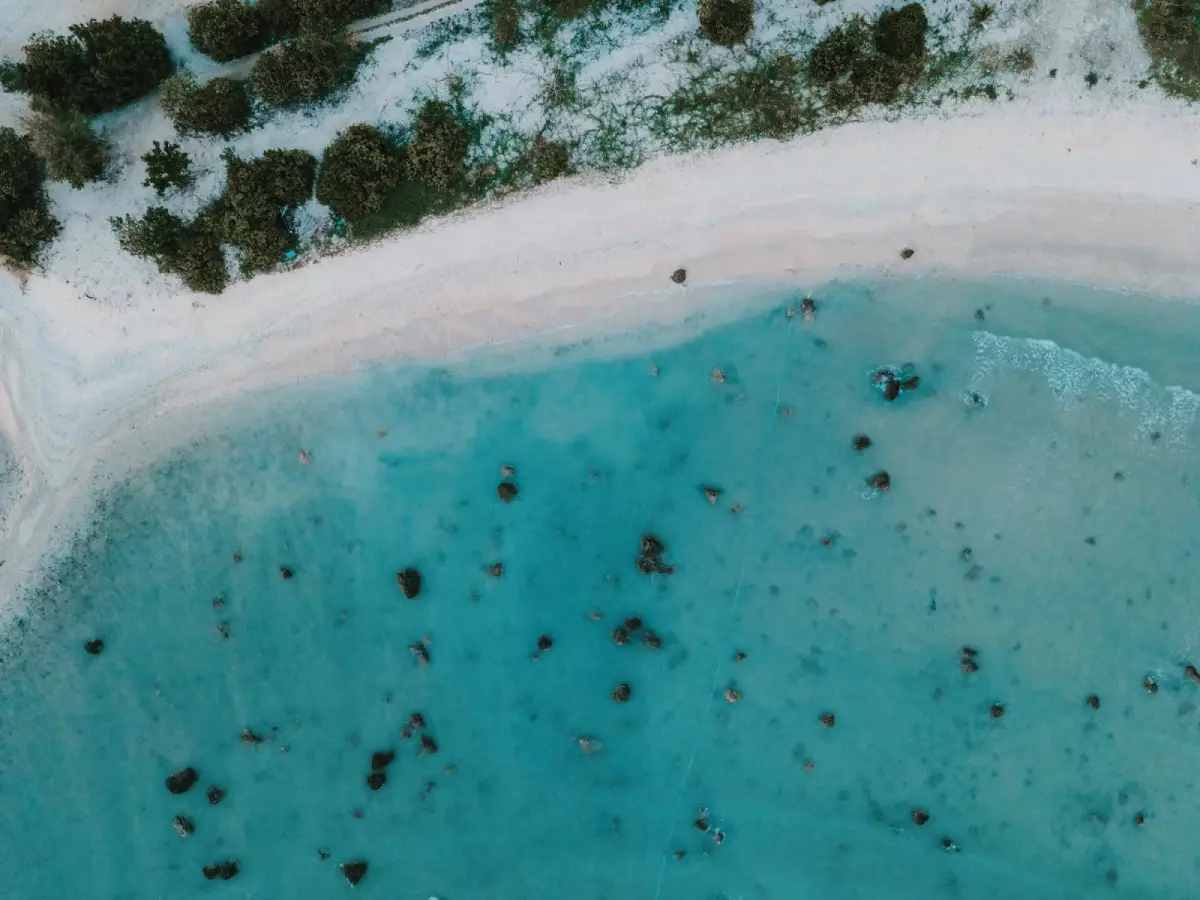
Pakarang Cape, also known as Laem Pakarang or Coral Cape, is a distinctive coastal cape in Khuk Khak Subdistrict, Takua Pa District, Phang Nga Province. Located along the Takua Pa–Khao Lak route, it can be reached by turning off around kilometer markers 78–79 and continuing for about 5 km toward the coast. The cape is known for its sandy beach covered with broken staghorn coral fragments, shaded pine trees, shallow coastal scenery, and peaceful sunset views over the Andaman Sea.
Pakarang Cape has a very different identity from a typical straight beach. Instead of only soft sand and open water, the landscape combines a sandy cape, coral fragments, shallow reef-like sections, rocky patches, coastal vegetation, and clear sea views. Walking here reveals pieces of broken coral spread across the beach, giving the place a distinctive visual character. This is the main reason the cape feels different from nearby beaches such as Khuk Khak Beach, Bang Niang Beach, Nang Thong Beach, or White Sand Beach.
The cape is part of the wider Khuk Khak coastal area in Khao Lak. To the south, it connects toward Khuk Khak Beach, while to the north it links with Pakarang Beach, White Sand Beach, Pak Weep Beach, and Bang Sak Beach. This position makes Pakarang Cape a useful midpoint for travelers planning a beach-hopping route along northern Khao Lak. Visitors can easily combine it with nearby beaches, local restaurants, and beachfront accommodation without making a long detour.
The name “Pakarang” means coral, and the name matches the landscape. The beach is known for large numbers of coral fragments, especially broken staghorn coral pieces washed ashore by waves and tides. These fragments are part of the coastal environment and should not be taken away as souvenirs. Visitors should enjoy them visually, take photographs, walk carefully, and avoid moving or damaging natural materials on the beach.
The atmosphere at Pakarang Cape is quiet, breezy, and natural. Pine trees and coastal plants create shade along parts of the beach, making the area suitable for relaxed sitting, walking, and photography. The place is not built around loud entertainment or dense beach activity. Its charm comes from the shape of the cape, the coral-covered sand, the sea breeze, and the calm rhythm of the Andaman shoreline.
Swimming is possible when the sea is calm and the selected area is safe, but visitors should be more careful here than on a pure sandy beach. Some sections contain coral fragments, rocks, and shallow uneven areas. Beach footwear is useful, and visitors should avoid running into the water without checking the ground. Swimming should be avoided during strong waves, rain, poor visibility, or warning-flag conditions. Families with children should stay in open sandy areas and supervise them closely.
Late afternoon is the most beautiful time to visit Pakarang Cape. Because the cape faces the Andaman Sea, it is well placed for sunset views. The last light of the day reflects on shallow water, pale sand, and coral fragments, giving the area a warm and textured atmosphere. On some days, low tide reveals more of the sandbars and shallow coastal shape, making the cape especially photogenic.
Photography is one of the best reasons to visit. Good compositions include the shape of the cape reaching into the sea, coral fragments on the sand, pine trees along the beach, waves moving across the shallow water, and sunset over the Andaman Sea. Visitors who want the best light should arrive 30–60 minutes before sunset, walk carefully, and avoid slippery rocks or uneven coral areas as the light becomes low.
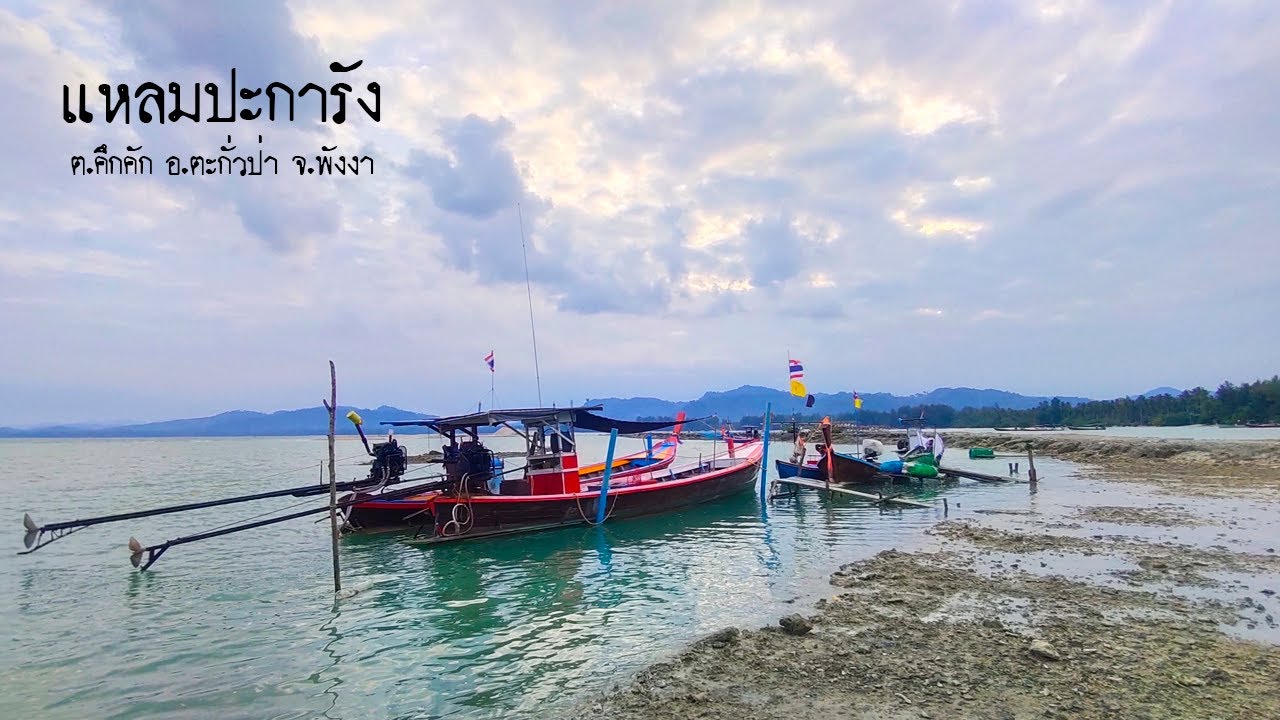
Pakarang Cape also has a community dimension. The local municipality has reported fieldwork at Laem Pakarang in Moo 2, Khuk Khak Subdistrict, related to shallow sand conditions near the creek mouth that affected local boat access, especially during low tide. This shows that the cape is not only a tourism viewpoint, but also part of a working coastal area used by local people and small-scale fishing activity. Visitors should avoid blocking access routes, respect local use of the shore, and keep the area clean.
The environmental value of Pakarang Cape is equally important. Marine and coastal agencies have joined conservation activities in the area, including mangrove planting and beach cleanup around Laem Pakarang. Recorded waste included plastic bottles, fishing nets, ropes, foam, and single-use plastics. These details show why responsible tourism matters here. Visitors should take rubbish away, avoid plastic waste, never collect coral, and avoid damaging the natural shoreline.
Recommended activities at Pakarang Cape are simple and low-impact. Visitors can walk along the beach, observe coral fragments, photograph the cape, sit under the pine trees, watch sunset, swim only in calm conditions, and continue to nearby beaches. This is not a destination for heavy water sports or loud entertainment. It is better suited to travelers who enjoy natural coastlines, quiet views, and distinctive beach landscapes.
Compared with nearby beaches, Pakarang Cape stands out for its coral fragments, cape shape, and sunset setting. Khuk Khak Beach is better known for a long and quiet sandy shoreline. White Sand Beach is known for its pale sand and relaxed swimming atmosphere. Pak Weep and Bang Sak are more open and spacious for beach relaxation. Understanding these differences helps travelers plan a better Khao Lak beach route instead of treating every beach in the area as the same experience.
Getting There is easiest by private car, rental car, taxi, or hotel transfer. From Takua Pa, follow the Takua Pa–Khao Lak route and turn off around kilometer markers 78–79, then continue for about 5 km to the cape area. From central Khao Lak or Bang Niang, drive north toward Khuk Khak Subdistrict and follow the local road to Laem Pakarang. From Phuket, cross Sarasin Bridge, continue through Thai Mueang and Khao Lak, then head toward Khuk Khak and Pakarang Cape.
Travelers without their own vehicle should arrange local transport or a hotel transfer. The road into the cape is more suitable for private vehicles than public transport. Visitors planning to stay for sunset should arrange a return pickup in advance, especially if they are staying outside the Pakarang or Khuk Khak area, because the cape becomes quieter after dark than the main tourist zones of Bang Niang or Khao Lak Center.
Accommodation near Pakarang Cape ranges from beachfront resorts and small hotels to wellness-focused retreats and quiet villas. Staying in this area allows travelers to experience the beach at different times of day, from morning light to sunset. The area is especially suitable for visitors who want a quieter stay than Bang Niang while still remaining within reach of restaurants, beaches, and Khao Lak attractions.
Dining near Pakarang Cape includes seafood restaurants, local Thai restaurants, resort dining venues, and beach bars. A practical half-day visit can begin with a walk at the cape in the afternoon, continue with sunset photography, and finish with dinner nearby. Restaurants around Khuk Khak and Laem Pakarang offer a relaxed coastal setting suitable for couples, families, and groups of friends.
Useful items to bring include beach footwear, a hat, sunglasses, sunscreen, drinking water, a towel, a personal rubbish bag, and a fully charged camera or phone. Visitors planning to swim should bring a change of clothes and check sea conditions before entering the water. Those coming for sunset should arrive early enough to choose a safe spot and avoid walking over coral or rocks after the light fades.
The most important safety point is the coral-covered shoreline. Visitors should not walk barefoot over sharp coral fragments, collect coral, climb slippery rocks, or step on shallow marine habitats. Swimming should only be considered during calm conditions. Pakarang Cape is beautiful because it still preserves many natural coastal elements, so safe and responsible behavior is essential.
The best travel season is generally from late year into the early hot season, when the Andaman Sea is calmer. During the monsoon period, visitors can still come for scenery on clear days, but should check weather and wave conditions before travel. When the sea is rough, the cape remains suitable for photography and sightseeing, but not for swimming.
Pakarang Cape can be included in several Khao Lak itineraries. A half-day route can combine Khuk Khak Beach, Pakarang Cape, White Sand Beach, and Pak Weep Beach. A full-day route can add Bang Niang Beach, the International Tsunami Museum, Nang Thong Beach, or Ton Chong Fa Waterfall. For travelers staying in Khao Lak, Pakarang Cape is also a strong choice for a quiet sunset stop.
Overall, Pakarang Cape is one of the most distinctive coastal attractions in Khao Lak, Phang Nga. It combines a sandy cape, broken staghorn coral fragments, pine trees, shallow sea views, local coastal life, and beautiful sunset scenery in one place. With proper footwear, good timing, careful attention to sea conditions, and respect for the environment, visitors can experience one of the most memorable natural seascapes on the Phang Nga coast.
| Name | Pakarang Cape / Laem Pakarang / Coral Cape |
| Location | Moo 2, Khuk Khak Subdistrict, Takua Pa District, Phang Nga Province |
| Address | Laem Pakarang, Khuk Khak Subdistrict, Takua Pa District, Phang Nga 82220, Thailand |
| Coordinates | P6PC+JX2, Khuk Khak, Takua Pa District, Phang Nga / 8.7391855, 98.2200050 |
| Highlights | Broken staghorn coral on the beach, pine trees, sandy cape, shallow coastal scenery, sunset views, and a quiet Khao Lak shoreline atmosphere |
| Distinctive Features | A coastal cape with sand, coral fragments, shallow reef-like areas, rocky patches, pine trees, and open Andaman Sea views |
| Importance | A distinctive coastal attraction of Khuk Khak and Khao Lak, valued for scenery, relaxation, coastal ecology, and local shoreline use |
| Name Origin | The name refers to the coral fragments found across the beach and coastal area |
| Recommended Activities | Beach walking, photography, coral-fragment observation, resting under pine trees, sunset watching, swimming in calm conditions, and visiting nearby Khuk Khak, White Sand, or Pak Weep beaches |
| Travel Information | Located along the Takua Pa–Khao Lak route. From Takua Pa, turn off around kilometer markers 78–79 and continue for about 5 km. From Khao Lak, drive toward Khuk Khak and follow the local road to Laem Pakarang. |
| Current Status | Open as a natural coastal attraction in Khuk Khak Subdistrict, Takua Pa District, Phang Nga Province |
| Open Days | Daily |
| Opening Hours | 24 Hours |
| Fees | No Admission Fee |
| Best Time To Visit | Morning and late afternoon. Sunset is best for photography, while low tide reveals more sand and coral-fragment texture. |
| Facilities | Road access, limited parking areas, nearby restaurants, nearby accommodation, and hotel transfer services from Khao Lak |
| Main Areas / Zones | Cape tip, coral-fragment beach, pine-lined shore, shallow sandy section, sunset viewpoint, creek-mouth area, and local fishing access zone |
| Caretaker / Local Authority | Khuk Khak Subdistrict Municipality, Takua Pa District, Phang Nga Province |
| Main Contact Number | Khuk Khak Subdistrict Municipality Tel. 076-406-338 |
| Nearby Tourist Attractions | 1. Pakarang Beach, about 1 km 2. White Sand Beach, about 3 km 3. Khuk Khak Beach, about 5–7 km 4. Pak Weep Beach, about 6–8 km 5. Bang Sak Beach, about 9–12 km 6. Bang Niang Beach / International Tsunami Museum, about 12–15 km |
| Nearby Restaurants | 1. Pakarang Seafood, about 1 km, Tel. 087-263-5019 2. Memories Beach Bar, about 2 km, Tel. 089-729-2251 3. White Sand Beach Khao Lak, about 3 km, Tel. 088-768-3674 4. Malamar Restaurant at Cape Pakarang, about 1 km, Tel. 088-169-9414 5. Takola Thai Restaurant at Devasom Khao Lak, about 7 km, Tel. 076-592-277 |
| Nearby Accommodations | 1. Cape Pakarang Wow Wild Wellness Escapes, about 1 km, Tel. 088-169-9414 2. Apsara Beachfront Resort and Villa, about 2 km, Tel. 076-584-444 3. Kantary Beach Hotel Villas & Suites, Khao Lak, about 3 km, Tel. 076-584-700 4. Devasom Khao Lak Beach Resort & Villas, about 7 km, Tel. 076-592-277 5. JW Marriott Khao Lak Resort & Spa, about 8 km, Tel. 076-327-230 |
Frequently Asked Questions (FAQ)
Q: Where is Pakarang Cape located?
A: Pakarang Cape is located in Moo 2, Khuk Khak Subdistrict, Takua Pa District, Phang Nga Province, along the Khao Lak coastline.
Q: What is Pakarang Cape known for?
A: It is known for broken staghorn coral fragments spread across the beach, pine trees, a sandy cape, shallow coastal scenery, and beautiful sunset views.
Q: Is Pakarang Cape open every day?
A: Yes. Pakarang Cape is open daily and can be accessed 24 hours, although morning and late afternoon are the most practical times to visit.
Q: Is there an entrance fee for Pakarang Cape?
A: No. There is no admission fee. Travelers only need to prepare for transport, food, and personal expenses.
Q: Can visitors swim at Pakarang Cape?
A: Swimming is possible when the sea is calm and the selected area is safe, but visitors should be careful of coral fragments, rocks, waves, and currents.
Q: Can visitors collect coral fragments from the beach?
A: No. Coral fragments should be left in place because they are part of the natural coastal environment.
Q: How do I get to Pakarang Cape from Takua Pa?
A: Follow the Takua Pa–Khao Lak route and turn off around kilometer markers 78–79, then continue for about 5 km toward Laem Pakarang.
Q: What nearby places can be visited with Pakarang Cape?
A: Nearby places include Khuk Khak Beach, White Sand Beach, Pak Weep Beach, Bang Sak Beach, Bang Niang Beach, and the International Tsunami Museum.
 Category: ●Nature and Wildlife
 Group: ●Bays and Beaches
Last Update : 2 MonthAgo
 Last Update : 2 MonthAgo
 Click to Access the Navigation Map GPS
Pakarang Cape Map
Recommend

 Art, Culture and Heritage
 Historical Sites and Monuments(2)
 Landmarks and Memorials(6)
 Art, Craft Centres, Tradition(3)
 Places of Worship
 Temple(18)
 Other Sacred Sites(8)
 Suburban Living
 Village, Community(3)
 National Parks and Marine Reserves(12)
 Mountain (Doi)(8)
 Waterfalls(21)
 Hot Springs(2)
 Caves(12)
 River, Canal(4)
Bays and Beaches(28)
 Islands(11)
 Other natural attractions(7)
 Entertainment and Agricultural
 Animal camps and shows(2)
 Farms, Parks and Ecotourism(2)
 Waterpark(3)
 Outdoor and Adventure Activities(3)
 Travel Articles, Recipes
 Travel Review, Food Review(1)
 Southern Food Menu, Southern Food Recipes(1)


