
lovethailand home >South Travel Attractions >Narathiwat Travel Attractions >Muang Narathiwat >Bang Nak > Ban Yakang Village
TL;DR: Ban Yakang Village, Narathiwat attractions : Suburban Living, Village, Community.

Ban Yakang Village
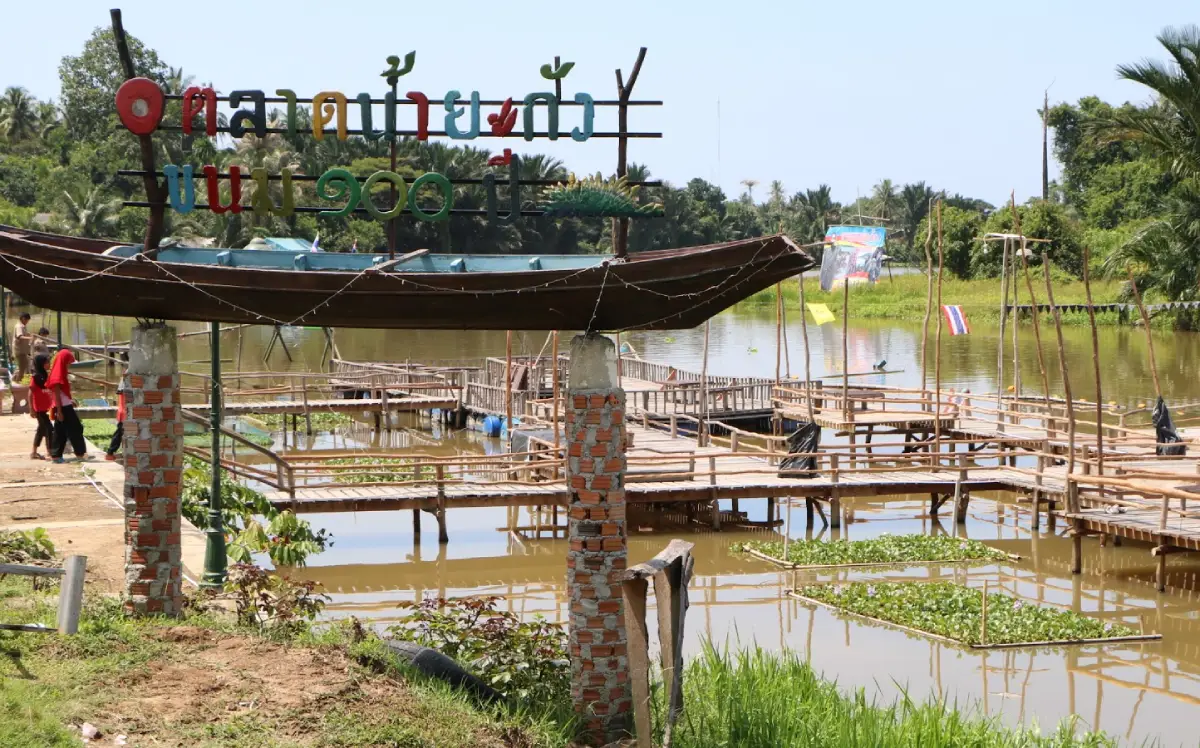
Open Days: The village can be visited daily / Yakang 100-Year Dessert Floating Market opens on Friday – Saturday
Opening Hours: Daytime visits are recommended for the village / Yakang 100-Year Dessert Floating Market opens 12.00 – 19.00
Ban Yakang Village in Narathiwat Province is an old community in Mueang Narathiwat District with roots that go back to the period when Narathiwat was still known as Bang Nara. Today, the area is known for its paté cloth, batik textiles, traditional desserts, local food, riverside community atmosphere, and Yakang 100-Year Dessert Floating Market. For travelers who want to understand Narathiwat through craft, food, and community life, Ban Yakang offers one of the most accessible cultural experiences in the city.
Ban Yakang is located close to the urban center of Narathiwat. From the provincial hall area, take Highway 4055, the Mueang Narathiwat – Rangae route, for about 4 km, then turn into Yakang 1 Road, Soi 6, for about 700 meters. Because the village is close to the city, it can be visited as a half-day cultural stop or combined with Yakang 100-Year Dessert Floating Market, Narathiwat Central Mosque, Kow Leng Jee Shrine, Narathat Beach, Khao Kong Buddhist Park, and local restaurants in Narathiwat town.
The significance of Ban Yakang is not limited to sightseeing. The village reflects the long development of Narathiwat from an old riverside settlement into a modern provincial city. In the past, Yakang was connected with local movement, trade, and riverside life. These connections brought together people, goods, food, language, and craft traditions, shaping the community’s identity. Today, this older layer of Narathiwat can still be felt through the village name, local streets, market areas, food culture, and community gatherings.
One of the strongest cultural identities of Ban Yakang is its association with paté cloth and batik. Paté cloth is widely connected with everyday dress and local identity in the deep south, while batik requires skilled design, wax work, color application, and careful pattern control. In Narathiwat, batik patterns often draw inspiration from nature, coastal landscapes, flowers, geometry, and Malay cultural aesthetics. These textiles are not just souvenirs; they are part of the visual language of the region.
Looking closely at paté and batik textiles in Ban Yakang helps visitors understand how cloth can carry cultural memory. Bright colors, detailed motifs, and the way patterns are arranged on fabric reflect taste, identity, and local pride. A piece of cloth can serve as clothing, a household item, a gift, and a record of local craftsmanship. For this reason, buying local textiles directly from community producers helps sustain household income and keeps the craft connected to the place where it was made.
Ban Yakang is also known today for its traditional desserts and community food culture, especially through Yakang 100-Year Dessert Floating Market. The market is located in Narathiwat Municipality and opens on Friday and Saturday. It brings together local vendors selling food, old-style desserts, and community products in a riverside setting. Visitors can sit by the water, enjoy local snacks, and experience a community market that supports small households and local food heritage.
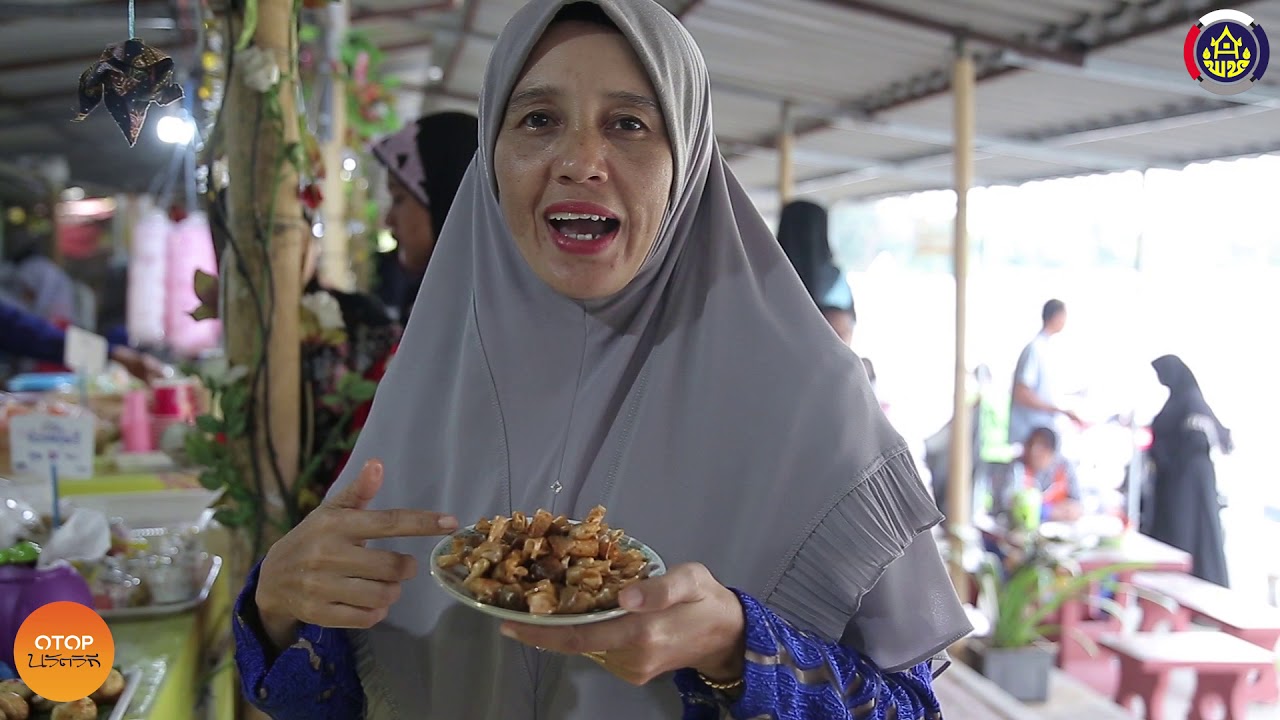
The desserts of Yakang deserve time and attention. Many are old local recipes that are not easy to find in large city markets. Names such as akoh, bataburo, ketayap, luepati ka, putu, jeh mae, chujo, khanom kho, and other southern-style sweets reflect a food culture shaped by Muslim households, Malay influence, and Narathiwat’s multicultural history. These desserts are important not only because of their flavor, but also because they preserve domestic knowledge passed down through families.
Yakang 100-Year Dessert Floating Market works as a community meeting point. Many sellers are local residents who bring their own food, desserts, and products to the market. A visit to the market is therefore more than a food stop; it is a way to see a small local economy built from household kitchens, inherited recipes, and community organization. Each stall has its own specialty, and many desserts are made with care to preserve their original taste.
The market becomes especially lively in the evening. Lights around the riverside area, food stalls, floating platforms, and visitors sitting together create a relaxed community atmosphere. During tourism promotion events, the market may also feature cultural performances, dessert demonstrations, boat-related activities, and local product displays. This helps turn Yakang into a living cultural space rather than a static historic village.
The riverside character of Yakang is another reason the area matters. Older communities along waterways often became centers of trade and exchange, and Yakang was part of this wider urban history of Bang Nara and Narathiwat. Food, desserts, textiles, and local knowledge grew from this movement of people and goods. The variety found in Yakang today is the result of that long exchange between communities, households, and regional cultures.
Travelers who enjoy textiles should spend time observing the details of Yakang’s paté and batik traditions. The colors and motifs of southern Thai border-region fabrics differ from generic printed cloth. Some designs are elegant and suited for garments or headscarves, while others work well as household items or gifts. The value of these fabrics lies in their local identity, careful craftsmanship, and connection to Narathiwat’s living culture.
Ban Yakang is best visited slowly. Start with the older community area, learn about paté and batik textiles, then visit the market for traditional desserts and local food. If vendors are not too busy, polite conversation can add depth to the visit. This slower approach allows travelers to experience Ban Yakang as a lived-in community rather than only a quick photo stop.
The village is also a good example of community-based tourism. Ban Yakang does not rely only on scenery; it uses cultural capital as its foundation. Batik, paté cloth, old desserts, local food, riverside activity, and stories of the old town all help generate income and strengthen local pride. This model makes tourism useful to residents while preserving practices that might otherwise fade from daily life.
Visitors should remember that Ban Yakang is a Thai Muslim community. Modest dress, polite behavior, and respect for local households are recommended. Ask permission before photographing people, private homes, or close-up craft and food-making processes. For textile browsing, daytime visits are best. For the floating market, Friday or Saturday afternoon to early evening is the most suitable time.
Getting There from Narathiwat city is simple. Take Highway 4055, the Mueang Narathiwat – Rangae route, for about 4 km from the provincial hall area, then turn into Yakang 1 Road, Soi 6, for about 700 meters. The route is suitable for private cars, motorcycles, rental cars, and arranged local transport. Travelers staying in Narathiwat town can reach the village quickly and continue to nearby city attractions on the same trip.
A good itinerary is to visit Ban Yakang in the late afternoon, explore the old community and textile-related areas, then walk through Yakang 100-Year Dessert Floating Market in the evening. After that, travelers can continue to dinner in Narathiwat town or visit the riverside area. This route gives a balanced view of textiles, traditional sweets, local food, community life, and old-town atmosphere.
With more time, Ban Yakang can be combined with Narathiwat Central Mosque, Kow Leng Jee Shrine, Narathat Beach, Khao Kong Buddhist Park, and Ao Manao – Khao Tanyong National Park. This broader route shows the different sides of Narathiwat: Muslim communities, Chinese heritage, religious landmarks, beaches, city life, and natural attractions.
Ban Yakang is therefore an important stop for travelers interested in southern Thai culture, batik, paté cloth, traditional desserts, and old community life. The village shows that Narathiwat is not defined only by beaches or borders. Its deeper character can be found in small streets, fabric patterns, dessert aromas, market conversations, and the continuity of a historic community that remains active today.
| Name | Ban Yakang Village |
| Location | Yakang 1 Road, Soi 6, Bang Nak Subdistrict, Mueang Narathiwat District, Narathiwat Province, Thailand |
| Address | Yakang Community, Bang Nak Subdistrict, Mueang Narathiwat District, Narathiwat Province 96000, Thailand |
| Coordinates | 6.4047, 101.82206 |
| Highlights | Old Narathiwat community, paté cloth, batik textiles, traditional desserts, Yakang 100-Year Dessert Floating Market, and riverside community life |
| History | An old community dating back to the time when Narathiwat was still known as Bang Nara, connected with riverside trade, food culture, textile craft, and old-town life |
| Name Origin | Yakang is the long-used name of an old community in Mueang Narathiwat, preserved in local street names, market names, and community identity |
| Distinctive Features | A historic Thai Muslim community with cultural assets in batik, paté cloth, traditional desserts, local food, and riverside community tourism |
| Travel Information | From Narathiwat Provincial Hall, take Highway 4055 for about 4 km, then turn into Yakang 1 Road, Soi 6, for about 700 meters |
| Current Status | Open as a cultural community destination, textile-related local area, traditional food area, and community market zone within Narathiwat Municipality |
| Open Days | The village can be visited daily / Yakang 100-Year Dessert Floating Market opens on Friday – Saturday |
| Opening Hours | Daytime visits are recommended for the village / Yakang 100-Year Dessert Floating Market opens 12.00 – 19.00 |
| Facilities | Community shops, floating market area, local food stalls, riverside seating, community product stalls, and road access into the village |
| Main Areas / Zones | Yakang community area, Yakang 1 Road Soi 6, Yakang 100-Year Dessert Floating Market, traditional dessert stalls, riverside area, community shops, and paté/batik textile areas |
| Caretaker / Related Organizations | Ban Yakang 1 Community, Narathiwat Municipality, and Narathiwat tourism-related agencies |
| Main Contact Number | Yakang 100-Year Dessert Floating Market, Tel. 082-2632923 Tourism Authority of Thailand, Narathiwat Office, Tel. 073-542345-6 |
| Nearby Tourist Attractions | 1. Yakang 100-Year Dessert Floating Market, about 1 km 2. Kow Leng Jee Shrine, about 3 km 3. Narathiwat Central Mosque, about 4 km 4. Narathat Beach, about 6 km 5. Khao Kong Buddhist Park / Phra Phuttha Thaksin Ming Mongkhon, about 8 km 6. Ao Manao – Khao Tanyong National Park, about 15 km |
| Nearby Restaurants | 1. Yakang 100-Year Dessert Floating Market, about 1 km, Tel. 082-2632923 2. Kai Ko Lae at Peace Dove Roundabout, about 3 km, Tel. 081-7677929 3. Akuwu Restaurant, about 3 km, Tel. 083-5051715 4. Mangkon Thong Restaurant, about 4 km, Tel. 073-511835 5. Namcha Tonmayom, about 4 km, Tel. 088-2690989 6. Summer Thon Beach Cafe & Eatery, about 16 km, Tel. 082-1934435 |
| Nearby Accommodations | 1. Tanyong Hotel Narathiwat, about 4 km, Tel. 073-511477 2. The Imperial Narathiwat Hotel, about 4 km, Tel. 073-515041 3. Paksina Hotel, about 5 km, Tel. 073-511800 4. Suptawee Home @ Narathiwat, about 5 km 5. Ruean Ram Resort, about 8 km, Tel. 089-8694141 |
Frequently Asked Questions (FAQ)
Q: Where is Ban Yakang Village located?
A: Ban Yakang Village is located around Yakang 1 Road, Soi 6, Bang Nak Subdistrict, Mueang Narathiwat District, Narathiwat Province. From the provincial hall area, take Highway 4055 for about 4 km, then continue into Yakang 1 Road, Soi 6, for about 700 meters.
Q: What is Ban Yakang known for?
A: Ban Yakang is known as an old Narathiwat community associated with paté cloth, batik textiles, traditional desserts, Yakang 100-Year Dessert Floating Market, and riverside Thai Muslim community life.
Q: When does Yakang 100-Year Dessert Floating Market open?
A: Yakang 100-Year Dessert Floating Market opens on Friday and Saturday from 12.00 to 19.00. Afternoon to early evening is the best time to visit for food, desserts, and market atmosphere.
Q: Who should visit Ban Yakang?
A: Ban Yakang is suitable for travelers interested in southern Thai culture, old communities, batik, paté cloth, local desserts, traditional food, and community-based tourism.
Q: What souvenirs should travelers buy in Ban Yakang?
A: Recommended souvenirs include paté cloth, batik textiles, community-made products, traditional desserts, and local food from Yakang 100-Year Dessert Floating Market.
Q: What is the best time to visit Ban Yakang?
A: Daytime is suitable for exploring the community and textile-related areas. Friday or Saturday afternoon to early evening is best for visiting the floating market and trying local desserts.
Q: How do travelers get to Ban Yakang from Narathiwat city?
A: Take Highway 4055, the Mueang Narathiwat – Rangae route, for about 4 km from the provincial hall area, then turn into Yakang 1 Road, Soi 6, for about 700 meters. Private cars, rental cars, motorcycles, or arranged local transport are convenient options.
Q: What nearby attractions can be combined with Ban Yakang?
A: Nearby places include Kow Leng Jee Shrine, Narathiwat Central Mosque, Narathat Beach, Khao Kong Buddhist Park, and Ao Manao – Khao Tanyong National Park.
 Category: ●Suburban Living
 Group: ●Village, Community
Last Update : 2 MonthAgo
 Last Update : 2 MonthAgo
 Click to Access the Navigation Map GPS
Ban Yakang Village Map

 Art, Culture and Heritage
 Landmarks and Memorials(8)
 Royal Palace(1)
 Art, Craft Centres, Tradition(7)
 Museums(4)
 Art Gallery(1)
 Places of Worship
 Temple(16)
 Mosque(23)
 Other Sacred Sites(5)
 Research and Development
 Royal Project(1)
Village, Community(9)
 Local Market(1)
 Nature and Wildlife
 National Parks and Marine Reserves(5)
 Mountain (Doi)(2)
 Dam, Reservoir, Lake(2)
 Waterfalls(16)
 River, Canal(3)
 Bays and Beaches(5)
 Islands(1)
 Other natural attractions(4)
 Entertainment and Agricultural
 Stadium(1)
 Farms, Parks and Ecotourism(7)
 Shopping
 Shopping and Night Market(1)
 Travel Articles, Recipes
 Travel Review, Food Review(1)


