
lovethailand home >South Travel Attractions >Krabi Travel Attractions >Muang >Khlong Prasong > Ban Ko Klang Community
TL;DR: Ban Ko Klang Community is located at Ban Ko Klang, Khlong Prasong Subdistrict, Mueang Krabi District, Krabi Province, open Please contact the community in advance to arrange a visit, hours Please contact the community in advance to arrange activity times.
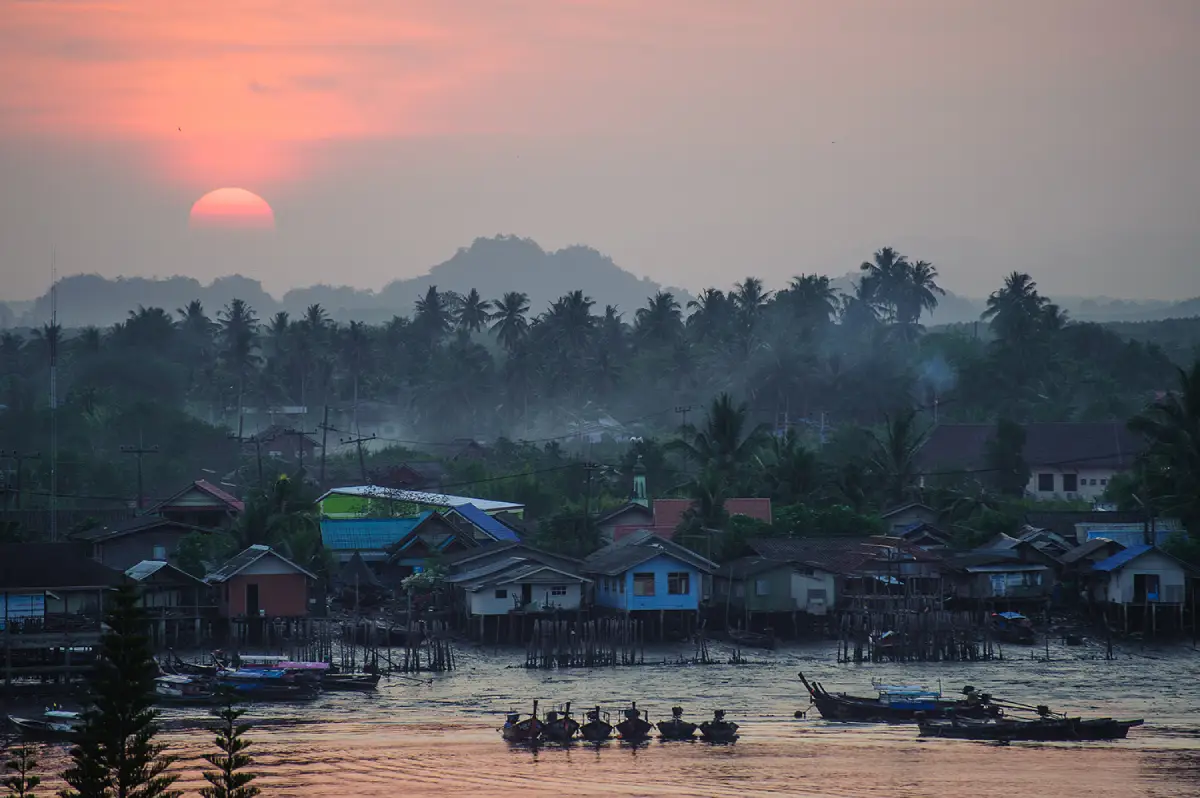
Ban Ko Klang Community
Open Days: Please contact the community in advance to arrange a visit
Opening Hours: Please contact the community in advance to arrange activity times
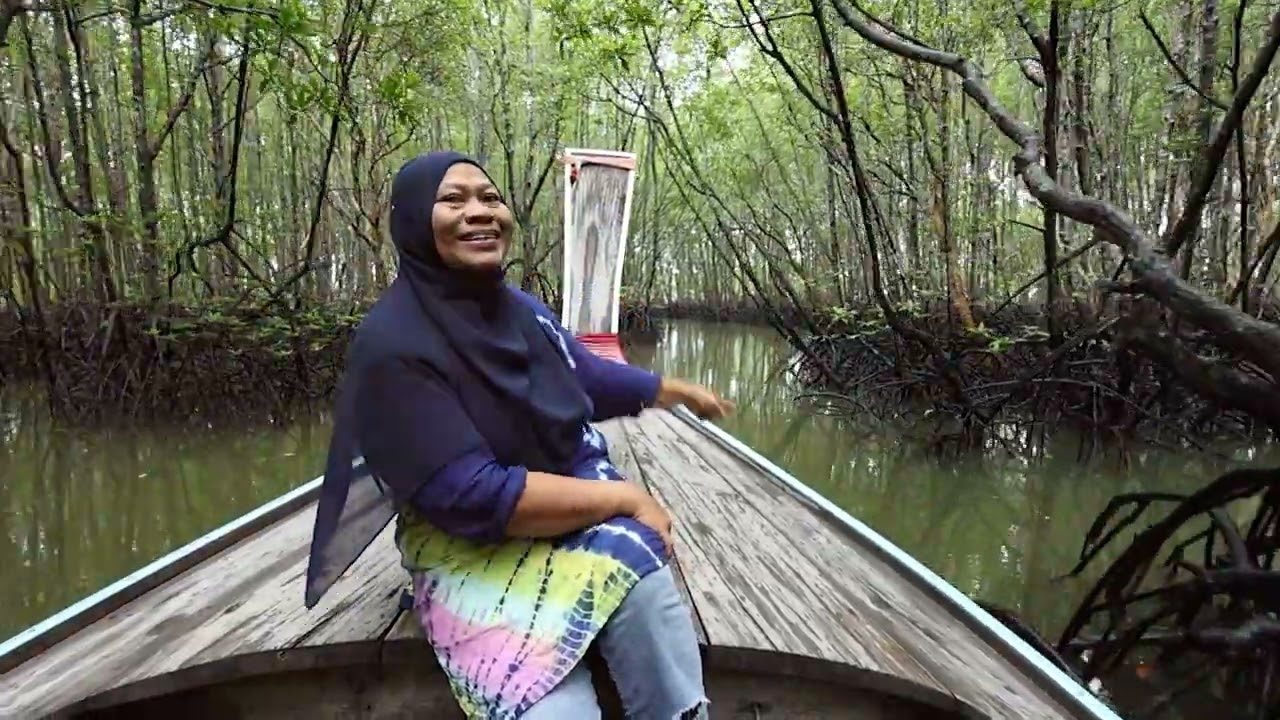
Ban Ko Klang Community in Krabi is a community-based tourism village located on an island in the Krabi River, surrounded by mangrove forests, the Krabi River, and the Andaman Sea. The community is known for its traditional fishing lifestyle, Muslim coastal culture, homestays, miniature long-tail boat making, pateh and batik cloth, Sangyod rice fields, chili paste, salted fish, long-tail boat services, fish cages, local seafood, and a slow travel experience only a short boat ride from Krabi Town.
Ban Ko Klang Community is one of the most meaningful community tourism destinations in Krabi Province. It offers travelers a view of Krabi that goes beyond beaches, islands, and limestone cliffs. Located on an island in the Krabi River near Krabi Town, Ban Ko Klang is close to the urban center but feels calm, local, and deeply connected to water, mangrove forests, fishing, agriculture, and handmade crafts. A short boat crossing brings visitors into a living Muslim coastal community where daily life still moves at a slower and more personal pace.
Ko Klang is part of Khlong Prasong Subdistrict in Mueang Krabi District. In the context of the island community, the area is commonly associated with three main villages: Ban Ko Klang, Ban Khlong Prasong, and Ban Khlong Kam, covering about 26 square kilometers. The island is surrounded by waterways, mangrove ecosystems, and the mouth of the Krabi River, making it closely linked to coastal fishing, small-scale agriculture, and community crafts. Tourism here is not separated from real life. It is built around what local people actually do, know, produce, and preserve.
The appeal of Ban Ko Klang lies in its simplicity. From Krabi Town, the island can be reached by boat in only a few minutes, yet the atmosphere is very different from the busier mainland. Roads on the island are small, and local travel is usually done by sidecar tricycle, motorcycle, bicycle, or walking. This makes the island suitable for slow travel. Visitors can pass homes, mosques, rice fields, craft groups, fishery areas, and mangrove scenery without the feeling of a crowded tourist zone.
Most residents of Ban Ko Klang are Muslim, and the community’s way of life reflects modesty, family ties, faith, and mutual support. Travelers will see local houses, mosques, fishing equipment, agricultural areas, craft spaces, and community businesses existing naturally together. Because Ban Ko Klang is a real village rather than a staged attraction, visitors should dress respectfully, ask permission before photographing people or private homes, and follow the guidance of local hosts.
One of the strongest highlights of Ban Ko Klang is the miniature long-tail boat craft group. The long-tail boat, or ruea hua tong, is an important symbol of Krabi’s coastal life. Traditionally, it was used for fishing and local transport. Its raised bow helps the boat handle waves and sea conditions. When local artisans make miniature versions of these boats, they are not simply producing souvenirs. They are preserving boat-building knowledge and the identity of Krabi’s fishing communities. Visitors can observe the careful shaping, painting, and finishing of the model boats, which have become well-known community products.
Another important learning point is the pateh and batik cloth group. Textile work on Ko Klang reflects both southern Thai textile traditions and the cultural identity of the Muslim community. The cloth often features bright colors and patterns inspired by the sea, mangrove forests, flowers, coastal plants, and village life. The process involves wax-resist patterning, hand drawing or stamping, coloring, dyeing, washing, and drying. Each piece carries the character of the maker’s hand, making the fabric suitable as a meaningful souvenir and a cultural object rather than a generic product.
Ban Ko Klang is also known for Sangyod rice. The rice fields on the island are part of the community’s agricultural identity. The local environment, influenced by river water, coastal air, and sea spray, gives the rice a special connection to the island landscape. Visitors interested in agriculture can learn about seasonal rice farming, community rice milling, and sufficiency-based farming practices. This shows that Ko Klang is not only a fishing village but also an agricultural community with its own food heritage.
The community’s fishing knowledge is another major reason to visit. Local practices include shallow-water fishing traps, fish cages, shellfish gathering during low tide, crab catching near mangrove areas, and seasonal fishing activities. These practices require a deep understanding of tides, weather, wind, water conditions, and marine behavior. For visitors, learning about local fishing helps explain why mangrove forests and clean waterways are essential to the community’s survival.
Food is an important part of the Ko Klang experience. The community has groups and local businesses connected with chili paste, salted fish, seafood, and floating seafood restaurants. Fresh fish, crab, shrimp, shellfish, and local sauces reflect the taste of a river-and-sea community. Eating in Ko Klang is not only about flavor; it is also a way to understand how local resources become meals, income, and cultural memory.
For travelers who want a deeper experience, Ban Ko Klang offers homestays and local accommodation. A homestay allows visitors to experience village life in the morning and evening, talk with host families, eat local food, and join community activities. Compared with a standard hotel stay, a homestay connects accommodation with learning. Advance booking is recommended so that hosts can prepare rooms, meals, transport, and activities according to the number of travelers and the season.
Ban Ko Klang is suitable for many types of travelers: families, students, cultural travelers, craft lovers, responsible tourism groups, and anyone who wants to see Krabi beyond the beach. A half-day trip can include a boat crossing from Krabi Town, a sidecar tricycle tour around the island, the miniature long-tail boat group, the pateh cloth group, the Sangyod rice fields, and a local seafood meal. A longer trip of two days and one night allows visitors to stay in the community and understand the rhythm of island life more deeply.
Getting There requires a short boat crossing. Travelers can take a boat from Thara Park Pier near the Black Crab Monument to Tha Le Pier, or from Chao Fah Pier to Tha Hin Pier. The crossing usually takes about 5 - 10 minutes depending on the pier and boat conditions. After arriving on Ko Klang, visitors can continue by sidecar tricycle, local motorcycle service, or bicycle. Because some activities depend on local hosts, tides, seasons, and group availability, advance contact is strongly recommended.
The boat access is part of the island’s charm. It helps Ko Klang remain a real island community and gives travelers a sense of crossing from the city into a different pace of life. Visitors should plan transport carefully, especially if they want to join craft demonstrations, visit fishing areas, explore rice fields, or stay overnight. Arranging a community guide or sidecar tricycle tour in advance usually creates a smoother and more complete visit.
Ban Ko Klang is also valuable because it shows the cultural diversity of Krabi. The province is often seen through the lens of islands and beaches, but Ko Klang highlights Muslim village life, local craftsmanship, fishing knowledge, small-scale agriculture, and community cooperation. This makes the island an important cultural counterpoint to Krabi’s more famous natural attractions.
Responsible travel matters here. Money spent on local transport, homestays, craft products, food, and activities goes directly to different groups in the community, including boat operators, sidecar drivers, artisans, food producers, fishers, farmers, and host families. Visitors should respect local prices, reduce waste, avoid disturbing mangrove areas, and support community-run services whenever possible.
The best time to visit depends on the activities travelers want. Craft visits, community tours, and local food experiences can usually be arranged throughout the year, while rice-field activities and some fishing experiences depend on season, tide, and weather. During the rainy season, visitors should allow extra time for transport and check conditions before combining Ko Klang with sea trips or island excursions.
Visitors should dress modestly and behave respectfully because Ban Ko Klang is a Muslim community and a real residential area. It is polite to ask before photographing people, homes, or private spaces. Travelers should avoid loud behavior near houses and mosques, follow local instructions, and keep the island clean. This approach helps protect the relationship between visitors and the host community.
In summary, Ban Ko Klang Community in Krabi is a destination for travelers who want a deeper understanding of the province. It brings together fishing life, mangrove ecosystems, Sangyod rice, miniature long-tail boats, pateh cloth, homestays, seafood, and a peaceful island atmosphere only minutes from Krabi Town. With advance planning and respectful travel behavior, Ban Ko Klang can become one of the most memorable cultural experiences in Krabi.
| Name | Ban Ko Klang Community |
| Location | Ban Ko Klang, Khlong Prasong Subdistrict, Mueang Krabi District, Krabi Province |
| Address | Moo 1, Ban Ko Klang, Khlong Prasong Subdistrict, Mueang Krabi District, Krabi Province 81000 |
| Coordinates | 8.0532, 98.9308 |
| Highlights | Community-based tourism on an island in the Krabi River, with mangroves, miniature long-tail boats, pateh cloth, Sangyod rice, homestays, local fishing, and seafood experiences |
| History | An old coastal fishing community near the mouth of the Krabi River, shaped by Muslim settlement, fishing, agriculture, and local crafts |
| Area Characteristics | The Ko Klang island community context includes Ban Ko Klang, Ban Khlong Prasong, and Ban Khlong Kam, covering about 26 square kilometers |
| Distinctive Features | A Muslim riverside island community where visitors travel locally by sidecar tricycle, motorcycle, bicycle, or walking, while learning about fishing, farming, and crafts |
| Travel Information | Take a long-tail boat or local ferry from Thara Park Pier to Tha Le Pier, or from Chao Fah Pier to Tha Hin Pier. The crossing takes about 5 - 10 minutes. Continue on the island by sidecar tricycle, local motorcycle service, or bicycle |
| Current Status | Open as a community-based tourism destination near Krabi Town for day trips and overnight stays. Advance contact is recommended for activities and homestays |
| Open Days | Please contact the community in advance to arrange a visit |
| Opening Hours | Please contact the community in advance to arrange activity times |
| Main Areas / Zones | Homestay group, miniature long-tail boat group, pateh and batik cloth group, chili paste group, salted fish group, long-tail boat service group, fish cage area, Sangyod rice fields, local fishing areas, mangroves, and community seafood restaurants |
| Main Contact Number | 089-475-0495 |
| Miniature Long-Tail Boat Group Contact | 081-569-0224 |
| Nearby Tourist Attractions | 1. Ban Ko Klang Miniature Long-Tail Boat Group, about 2 km 2. Ko Klang Sangyod Rice Fields, about 3 km 3. Khlong Prasong Mangrove Area, about 3 km 4. Khao Khanab Nam, about 5 km 5. Black Crab Monument and Thara Park, about 6 km 6. Krabi Walking Street, about 7 km |
| Nearby Restaurants | 1. Ko Klang Seafood, about 3 km, Tel. 086-690-6534 2. Kanab Nam View Seafood, about 5 km, Tel. 085-933-3971 3. Baan Ma-Ying Floating Restaurant, about 5 km, Tel. 081-271-6102 4. Ruen Thip, about 7 km, Tel. 075-656-222 5. Hom Koei, about 7 km, Tel. 098-017-0592 6. Easy Café, about 7 km, Tel. 087-625-0025 |
| Nearby Accommodations | 1. Ban Ko Klang Homestay Group, about 3 km, Tel. 089-475-0495, 081-535-9091 2. Kidthung Cottage, about 4 km, Tel. 081-494-7470 3. Baan Ma-Ying Homestay, about 5 km, Tel. 081-271-6102 4. Nisarine Homestay @ Ko Klang, about 4 km 5. Islanda Hideaway Resort, about 7 km, Tel. 083-636-7887 |
Frequently Asked Questions (FAQ)
Q: Where is Ban Ko Klang Community located?
A: Ban Ko Klang Community is located in Khlong Prasong Subdistrict, Mueang Krabi District, Krabi Province, on an island in the Krabi River near Krabi Town.
Q: What is Ban Ko Klang known for?
A: It is known for local fishing life, mangrove scenery, miniature long-tail boat making, pateh cloth, Sangyod rice, homestays, chili paste, salted fish, seafood, and community-based tourism.
Q: How do travelers get to Ban Ko Klang?
A: Travelers can take a boat from Thara Park Pier to Tha Le Pier or from Chao Fah Pier to Tha Hin Pier. The boat crossing takes about 5 - 10 minutes, followed by local transport on the island.
Q: Can cars be used on Ko Klang?
A: Travel on the island is usually done by sidecar tricycle, motorcycle, bicycle, or walking because the community roads are small and the island is best explored slowly.
Q: Can visitors stay overnight in Ban Ko Klang?
A: Yes. The island has homestays and local accommodation. Advance booking is recommended so that rooms, meals, transport, and activities can be arranged properly.
Q: Who is Ban Ko Klang suitable for?
A: It is suitable for cultural travelers, families, students, craft lovers, responsible tourism groups, seafood lovers, and visitors who want to experience a quieter side of Krabi near the town.
Q: When is the best time to visit Ban Ko Klang?
A: Community tours and craft visits can be arranged year-round, but rice-field and fishing activities depend on season, tide, and weather. Travelers should contact the community before visiting.
Q: What should visitors keep in mind when visiting Ban Ko Klang?
A: Visitors should dress modestly, respect the Muslim community, ask permission before taking photos of people or private homes, and keep the village and mangrove areas clean.
 Category: ●Suburban Living
 Group: ●Village, Community
Last Update : 2 MonthAgo
 Last Update : 2 MonthAgo
 Click to Access the Navigation Map GPS
Ban Ko Klang Community Map
Recommend

 Art, Culture and Heritage
 Historical Sites and Monuments(1)
 Landmarks and Memorials(7)
 Art, Craft Centres, Tradition(2)
 Museums(2)
 Educational Places
 Educational Gardens, Farm(1)
 Places of Worship
 Temple(3)
 Mosque(2)
 Other Sacred Sites(2)
 Research and Development
 Royal Project(1)
Village, Community(6)
 Nature and Wildlife
 National Parks and Marine Reserves(5)
 Mountain (Doi)(2)
 Dam, Reservoir, Lake(3)
 Waterfalls(12)
 Hot Springs(3)
 Caves(20)
 River, Canal(2)
 Bays and Beaches(36)
 Islands(23)
 Other natural attractions(7)
 Entertainment and Agricultural
 Farms, Parks and Ecotourism(1)
 Outdoor and Adventure Activities(1)
 Travel Articles, Recipes
 Travel Review, Food Review(2)
 Southern Food Menu, Southern Food Recipes(1)


