
lovethailand home >South Travel Attractions >Krabi Travel Attractions >Koh Lanta >Koh Lanta Yai > Ban Si Raya
TL;DR: Ban Si Raya, Krabi attractions : Suburban Living, Village, Community.
Ban Si Raya
Open Days: Ban Si Raya is a living old community and can be visited respectfully according to local life. Shops, restaurants, and the museum may operate on different schedules. Advance contact is recommended for museum visits or group activities
Opening Hours: There are no fixed opening hours like a gated attraction. Daytime to early evening visits are recommended, while early-morning or late-evening disturbance to residential areas should be avoided
Ban Si Raya in Krabi, also known as Lanta Old Town, is an old coastal community on the eastern side of Koh Lanta Yai. Located in Moo 2, Ko Lanta Yai Subdistrict, Ko Lanta District, Krabi Province, it was formerly known as “Patai Raya” or “Patan Raya,” a name associated with a beach of authority or noble residence. In the past, it served as a maritime trading port, a stopover for boats traveling between Phuket, Penang, Singapore, and the Andaman coast, and the administrative center of Ko Lanta District for many decades. Today, Ban Si Raya remains known for its old wooden waterfront houses, historic street, pier, Chinese shrine, local restaurants, cafés, souvenirs, the Koh Lanta Community Museum, and the coexistence of Thai Buddhists, Thai-Chinese families, Thai Muslims, and the Urak Lawoi sea people.
Ban Si Raya is one of the most historically important old communities on Koh Lanta in Krabi Province. Situated on the eastern side of Koh Lanta Yai, it is now widely known as Lanta Old Town. While the western side of Koh Lanta is associated with beaches, resorts, and sunset scenery, Ban Si Raya tells a different story: a story of maritime trade, wooden houses, coastal settlement, administrative history, and multicultural life along the Andaman Sea. It is a destination for travelers who want to understand Koh Lanta beyond its beach image.
The former name of Ban Si Raya, “Patai Raya” or “Patan Raya,” is linked to the meaning of a beach associated with authority or noble residence. This name reflects the area’s historical role as an administrative and trading center. Ban Si Raya was not just another seaside village; it was once the heart of Ko Lanta’s public administration, sea transport, commerce, and contact with other coastal settlements. Over time, Si Raya became the name of the old community that preserves the historical memory of Koh Lanta Yai.
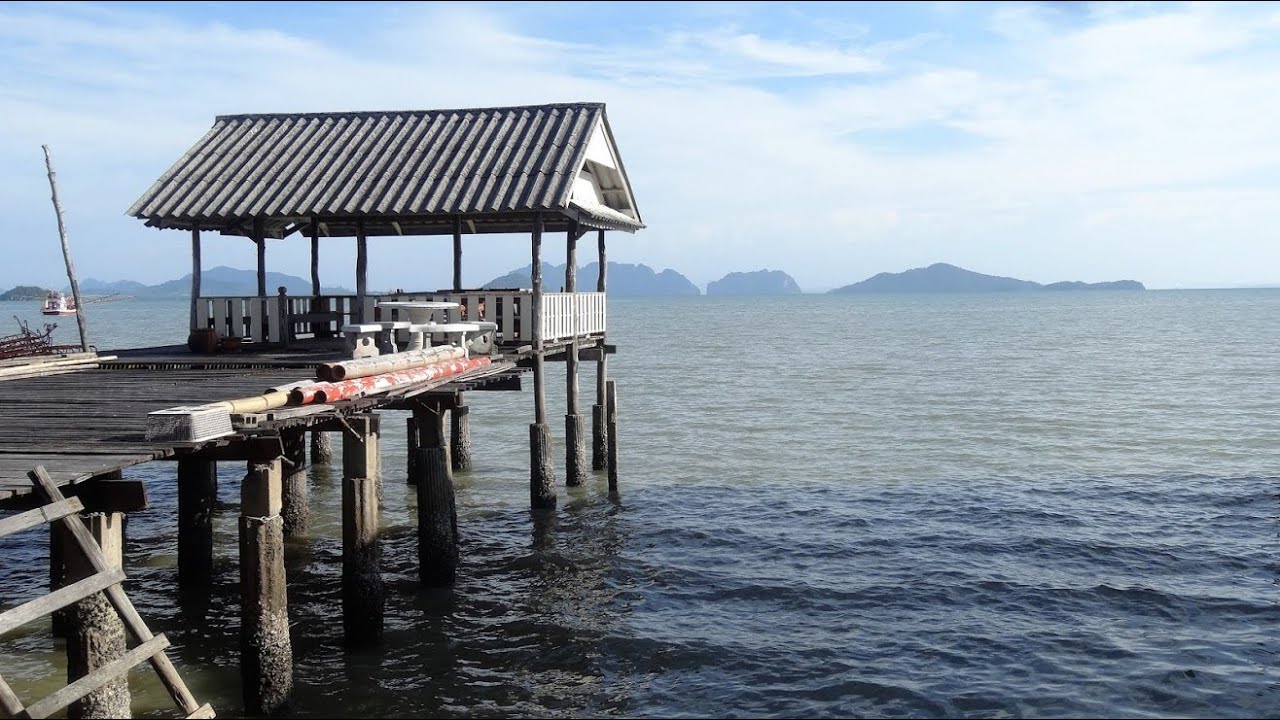
Ban Si Raya is located in Moo 2, Ko Lanta Yai Subdistrict, Ko Lanta District, Krabi Province, on the eastern shoreline of Koh Lanta Yai. The village faces a calm coastal bay that was suitable for anchoring, storm shelter, trade, and boat travel. Behind the community are inland roads and island routes, while the seafront once functioned as a working waterfront. This geography explains why Si Raya became prosperous before the beach tourism areas on the western coast. In the period when sea travel was more important than road transport, this eastern waterfront was the practical center of the island.
Historically, Ban Si Raya was a busy maritime town. Trading boats and passenger vessels traveling between Phuket, Penang, Singapore, Trang, Satun, and other Andaman coastal areas stopped here to rest, avoid monsoon winds, exchange goods, take supplies, and conduct business. Products linked to the old economy included seafood, salted fish, shrimp paste, mangrove charcoal, rubber-related products, coconuts, and local island goods. This made Si Raya a lively waterfront market where people from different cultural backgrounds met and traded.
The prosperity of Si Raya grew from its position on an important sea route. Before roads became convenient, boats connected Koh Lanta with the wider Andaman world. Chinese traders, Malay and Muslim communities, Thai Buddhists, local officials, and Urak Lawoi sea people all played roles in the community. Some families operated shops, some were involved in fishing, some produced goods for trade, and some served in administrative work. This diversity shaped the language, food, architecture, beliefs, and social life of Si Raya.
The people of Ban Si Raya include Thai Buddhists, Thai-Chinese families, Thai Muslims, and the Urak Lawoi sea people. The Chinese community became strongly associated with commerce and old shophouses. Muslim families were closely linked with fishing and coastal livelihoods. Thai Buddhist officials and families were connected with public administration. The Urak Lawoi were part of the older sea-based cultural landscape of Koh Lanta. Together, these groups created the layered identity of Si Raya, visible in its houses, shrines, mosque life, museum displays, food, and local stories.
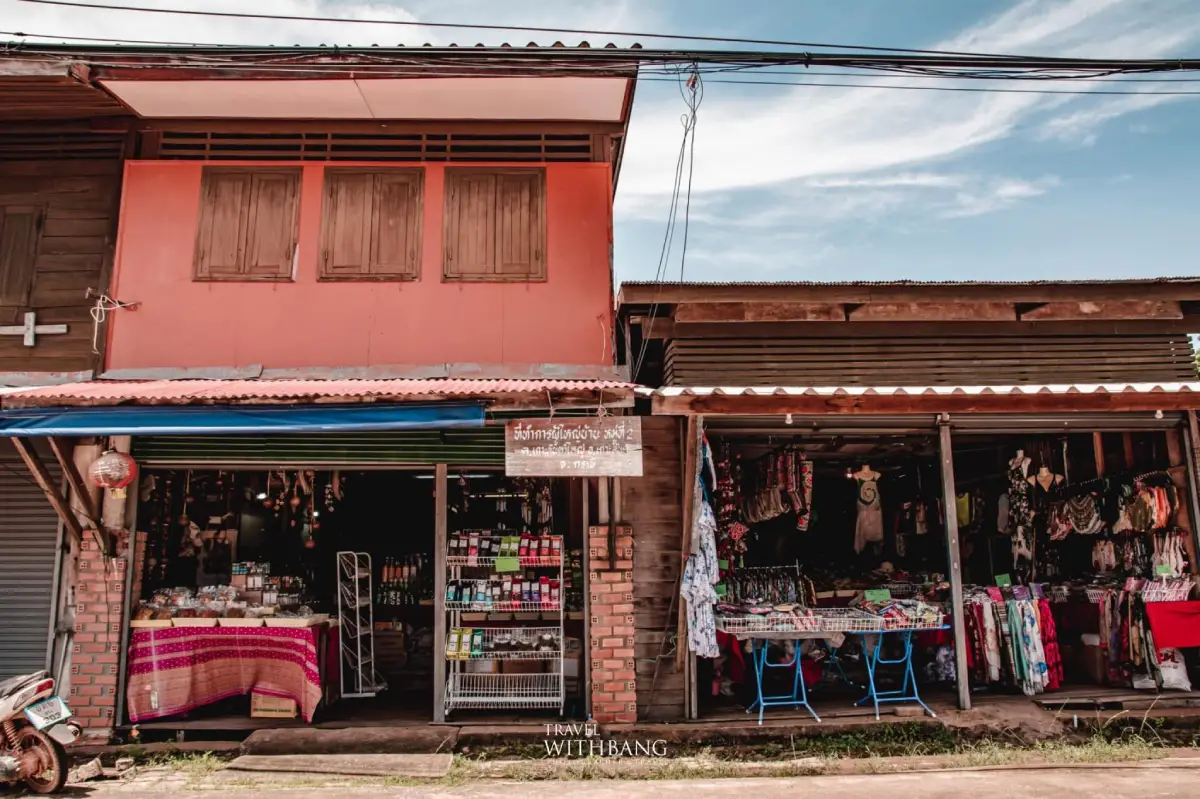
The most recognizable feature of Ban Si Raya is its wooden architecture. Many buildings are two-story wooden shophouses arranged along Sriraya Road. The front of each house faces the street, while the rear often extends toward or over the sea. Some houses have waterfront terraces or long wooden decks that open toward the bay. In the past, these buildings served as homes, shops, storage spaces, coffee houses, restaurants, and trade premises. Today, several have been adapted into restaurants, cafés, souvenir shops, galleries, guesthouses, and small accommodations while still preserving the old-town atmosphere.
The charm of Ban Si Raya lies not in a single building but in the continuity of the old street, wooden houses, shrine areas, waterfront views, and the sense of a former port town. Walking along Sriraya Road, visitors see wooden pillars, aged walls, old windows, red lanterns, simple shop signs, sea-facing decks, and houses shaped by sun, salt air, and time. This atmosphere cannot be recreated quickly. It is the result of long use, family memory, trade history, and community adaptation.
Some old houses in Si Raya extend from the street toward the sea, reflecting the community’s dual relationship with land and water. The street-facing side connected residents with shops, customers, neighbors, and public life, while the seaward side connected them with boats, goods, fishing, and trade. These waterfront houses are therefore historical evidence of how coastal communities used both road and sea as working spaces. They should be appreciated not only as photo backdrops, but as living traces of an old maritime economy.
Ban Si Raya also served as the location of the old Ko Lanta District Office for nearly a century. The old district office is a valuable two-story wooden building and one of the most important historic structures in the community. It once functioned as the administrative center of the island during the period when Si Raya was the heart of district governance. After the administrative center moved elsewhere, the building was preserved and adapted into the Koh Lanta Community Museum, now one of the key cultural sites in Lanta Old Town.
Koh Lanta Community Museum gathers the history of Koh Lanta and Ban Si Raya in one place. The museum displays documents, old photographs, objects from administrative life, items related to the former district chief’s office, and cultural materials from the island’s major communities. Its rooms include a library, the district chief’s room, a Chinese culture room, an Urak Lawoi sea-people culture room, a Malay or Muslim culture room, and a room with models showing local ways of life. This makes the museum useful for travelers who want context before exploring the old town.
Visiting the museum before walking through Ban Si Raya helps travelers understand the community more deeply. The wooden houses, shrines, pier, shops, and old street are not isolated attractions; they are parts of a former port town where different groups lived, traded, and adapted together. The museum is especially valuable for students, cultural travelers, history enthusiasts, and visitors who want to see Koh Lanta through people, memory, and heritage rather than beaches alone.
Shrines and sacred places are also part of Ban Si Raya’s cultural landscape. Chinese shrines reflect the role of Thai-Chinese families in the old trading community, while the Prince of Chumphon shrine is connected with sea-related respect and local ceremony. These places show how commerce, navigation, belief, and social identity existed side by side in the old town. They also illustrate the multicultural character of Si Raya, where different communities created shared public space while preserving their own traditions.
Ban Si Raya is still a living old town. Local restaurants, cafés, souvenir shops, batik products, craft items, galleries, small guesthouses, and seafront dining places keep Sriraya Road active. Visitors can walk along the wooden shophouses, buy local products, enjoy seafood, sit in a café, or simply look at the details of old houses and waterfront structures. The town is not frozen in the past; it continues to adapt to cultural tourism while trying to retain its historic character.
One cultural event closely linked with Si Raya is the Lanta Lanta Festival, held around the cultural area of the old town. The festival presents local food, crafts, community products, performances, and the cultural identities of different communities on Koh Lanta. For visitors who arrive during the festival period, Ban Si Raya becomes more animated and offers a wider view of the island’s multicultural heritage.
The decline of Si Raya’s old trading role came with changes in transportation. As roads improved and sea routes became less central to everyday travel and trade, the island’s economic center gradually shifted toward other areas, especially Sala Dan and the western beach zones. For a time, the old market became quieter. Later, cultural tourism and interest in historic waterfront communities helped bring Si Raya back to life. Old wooden houses were repaired, reused, and opened as restaurants, cafés, guesthouses, and shops.
Still, Ban Si Raya should be visited with respect. It is a real residential community, not a staged tourist set. Visitors should walk quietly, avoid entering private decks or homes without permission, avoid blocking entrances, ask before photographing people or private interiors, and support local businesses fairly. Responsible travel helps the old town retain both its charm and its community dignity.
Getting There is straightforward once travelers are on Koh Lanta Yai. From Sala Dan Pier or the western beach areas, visitors can drive or ride across the island to the eastern side and follow Sriraya Road into Lanta Old Town. The distance from Sala Dan to Lanta Old Town is around 20 km and usually takes about 30 to 40 minutes depending on road conditions. From Krabi Town, travelers first need to reach Koh Lanta by road and vehicle ferry, minivan, or transfer service, then continue to Ban Si Raya.
Ban Si Raya can be visited as a half-day or full-day trip. A half-day route can include Sriraya Road, the Koh Lanta Community Museum, old wooden houses, shrines, souvenir shops, cafés, and a seafood meal. A full-day itinerary can combine Ban Si Raya with Ban Thung Yee Pheng, Ban Sangka U, Khlong Nin Beach, Kantiang Bay, or Mu Ko Lanta National Park. This route gives travelers a fuller understanding of the eastern and southern sides of Koh Lanta.
The best time to walk around Ban Si Raya is from late morning to early evening. Many restaurants, cafés, and shops operate during the day. Afternoon light is suitable for photographing wooden houses and the old street, while early evening is good for relaxed seafront dining. Although Si Raya is not the main sunset side of Koh Lanta, it offers a calm old-town atmosphere that is more subtle and local than the busier western beach areas.
Food is a major part of the Si Raya experience. The old town has several restaurants and cafés, many near or above the water. Seafood, sour curry, fried fish, local vegetables, chili pastes, Muslim-style dishes, and dishes shaped by the island’s mixed cultural background are part of the area’s appeal. Eating here is not only about a meal; it is a way to experience the taste of an old maritime community.
Travelers who want to stay overnight near Ban Si Raya can choose from small guesthouses, seafront villas, boutique accommodations, and old-town stays. Staying in the old town gives a different experience from staying on the western beaches. After day visitors leave, the street becomes quieter, the sound of the sea becomes clearer, and the community atmosphere feels more intimate. Morning walks through the old street before shops fully open can be especially memorable.
Ban Si Raya is best suited for travelers interested in history, old communities, wooden architecture, maritime culture, seafood, cafés, souvenirs, and cultural travel. It is not a place to rush through quickly. Its value is found in details: the old timber, the shape of waterfront houses, the museum rooms, the shrine spaces, the pier, the seafront terraces, and the stories of families who have lived with the Andaman Sea for generations.
In summary, Ban Si Raya in Krabi is one of Koh Lanta’s most valuable historic communities. It was once a trading port, a boat stopover, an administrative center, and a shared home for several cultural groups. Its wooden houses, Sriraya Road, Koh Lanta Community Museum, shrines, restaurants, pier, and old-town atmosphere make it an essential stop for anyone who wants to understand Koh Lanta through history and people. With respectful travel and enough time to observe details, Ban Si Raya reveals a side of Krabi that is as meaningful as its beaches and islands.
| Name | Ban Si Raya / Lanta Old Town |
| Location | Moo 2, Ko Lanta Yai Subdistrict, Ko Lanta District, Krabi Province |
| Address | Sriraya Road, Ban Si Raya, Moo 2, Ko Lanta Yai Subdistrict, Ko Lanta District, Krabi Province 81150 |
| Coordinates | 7.5326, 99.0932 |
| Highlights | Historic waterfront old town, two-story wooden houses, Sriraya Road, Koh Lanta Community Museum, Chinese shrines, waterfront restaurants, cafés, souvenirs, and old port atmosphere |
| History | A historic coastal community that once served as a maritime trading town and boat stopover between Phuket, Penang, Singapore, and the Andaman coast. It was also the former administrative center of Ko Lanta District for many decades |
| Name Origin | The former name “Patai Raya” or “Patan Raya” is associated with the meaning of a beach of authority or noble residence, reflecting the area’s former administrative importance |
| Main Cultural Groups | Thai Buddhists, Thai-Chinese families, Thai Muslims, and the Urak Lawoi sea people of Koh Lanta |
| Community Character | Rows of old wooden shophouses and two-story houses along Sriraya Road, many extending toward the sea, reflecting the community’s old maritime trading role |
| Main Museum | Koh Lanta Community Museum, located in the former Ko Lanta District Office, with displays on local history, the district chief’s room, Chinese culture, Urak Lawoi sea-people culture, Malay or Muslim culture, and local life models |
| Local Festival / Event | Lanta Lanta Festival, held around the Si Raya cultural area and Lanta Old Town, featuring local food, crafts, community products, and cultural performances from Koh Lanta communities |
| Travel Information | From Sala Dan Pier or the western beach areas of Koh Lanta Yai, drive or ride across the island to the eastern side and follow Sriraya Road. From Krabi Town, travel to Koh Lanta first by road and vehicle ferry or transfer service, then continue to Lanta Old Town |
| Current Status | A living old community and cultural tourism area with restaurants, cafés, souvenir shops, small accommodations, waterfront houses, and a community museum |
| Open Days | Ban Si Raya is a living old community and can be visited respectfully according to local life. Shops, restaurants, and the museum may operate on different schedules |
| Opening Hours | There are no fixed opening hours like a gated attraction. Daytime to early evening visits are recommended, and advance contact is recommended for museum or group visits |
| Entrance Fee | There is no entrance fee for walking through the old community. Costs depend on actual services used, such as food, drinks, souvenirs, accommodation, or specific activities |
| Main Areas / Zones | Sriraya Road, waterfront wooden houses, Old Town Pier, Koh Lanta Community Museum, Chinese shrines, Prince of Chumphon shrine, waterfront restaurants, cafés, souvenir shops, and old-town walking area |
| Caretaker / Coordinating Office | Ko Lanta Yai Municipality and Koh Lanta Community Museum caretakers |
| Ko Lanta Yai Municipality Contact | 075-697-209 |
| Koh Lanta Community Museum Contact | 093-638-1419, 096-881-8608 |
| Nearby Tourist Attractions | 1. Koh Lanta Community Museum, about 0.2 km 2. Lanta Old Town Pier, about 0.3 km 3. Ban Thung Yee Pheng, about 8 km 4. Ban Sangka U, about 7 km 5. Khlong Nin Beach, about 11 km 6. Mu Ko Lanta National Park, about 22 km |
| Nearby Restaurants | 1. Fresh Restaurant Koh Lanta, about 0.2 km, Tel. 086-628-0378, 075-697-306 2. Apsara Restaurant, about 0.3 km, Tel. 093-576-1259 3. Big Tree Beer Garden, about 0.4 km, Tel. 098-071-9226 4. Krua Lanta Yai, about 0.8 km, Tel. 075-697-062 5. Sang Ga U Seafood, about 7 km, Tel. 080-526-9495 |
| Nearby Accommodations | 1. Mango House Seafront Villas and Suites, about 0.2 km, Tel. 089-867-1067 2. Tonmai Suites, about 0.4 km, Tel. 062-274-3750, 065-067-6398 3. Old Town Lanta Bungalows, about 0.8 km, Tel. 061-238-8997 4. Malee Sirin Old Town Resort, about 1 km, Tel. 089-724-2998 5. Andaman Lanta Old Town Resort, about 1 km, Tel. 092-515-9554 |
Frequently Asked Questions (FAQ)
Q: Where is Ban Si Raya located?
A: Ban Si Raya is located in Moo 2, Ko Lanta Yai Subdistrict, Ko Lanta District, Krabi Province, on the eastern side of Koh Lanta Yai. It is widely known as Lanta Old Town.
Q: Why is Ban Si Raya important?
A: Ban Si Raya was once a maritime trading port, boat stopover, and former administrative center of Ko Lanta District. Today, it preserves old wooden waterfront houses, historic streets, a community museum, shrines, and multicultural local life.
Q: What was the former name of Ban Si Raya?
A: Its former name was “Patai Raya” or “Patan Raya,” associated with the meaning of a beach of authority or noble residence, reflecting the area’s old administrative role.
Q: Is there an entrance fee for Ban Si Raya?
A: There is no entrance fee for walking through the old community. Costs depend on actual services used, such as food, drinks, souvenirs, accommodation, or specific activities.
Q: What are the main places to see in Ban Si Raya?
A: Visitors should see Sriraya Road, the old waterfront wooden houses, Koh Lanta Community Museum, Chinese shrines, Prince of Chumphon shrine, Old Town Pier, waterfront restaurants, cafés, and souvenir shops.
Q: How can travelers get to Ban Si Raya?
A: From Sala Dan or the western beach areas of Koh Lanta Yai, drive or ride across the island to the eastern side and follow Sriraya Road. From Krabi Town, travel to Koh Lanta first, then continue to Lanta Old Town.
Q: Who is Ban Si Raya suitable for?
A: It is suitable for travelers interested in old towns, local history, wooden waterfront architecture, seafood, cafés, souvenirs, multicultural communities, and a quieter side of Koh Lanta.
Q: What nearby places can be combined with Ban Si Raya?
A: Ban Si Raya can be combined with Ban Thung Yee Pheng, Ban Sangka U, Khlong Nin Beach, Kantiang Bay, Bamboo Bay, and Mu Ko Lanta National Park.
 Category: ●Suburban Living
 Group: ●Village, Community
Last Update : 2 MonthAgo
 Last Update : 2 MonthAgo
 Click to Access the Navigation Map GPS
Ban Si Raya Map
Recommend

 Art, Culture and Heritage
 Historical Sites and Monuments(1)
 Landmarks and Memorials(7)
 Art, Craft Centres, Tradition(2)
 Museums(2)
 Educational Places
 Educational Gardens, Farm(1)
 Places of Worship
 Temple(3)
 Mosque(2)
 Other Sacred Sites(2)
 Research and Development
 Royal Project(1)
Village, Community(6)
 Nature and Wildlife
 National Parks and Marine Reserves(5)
 Mountain (Doi)(2)
 Dam, Reservoir, Lake(3)
 Waterfalls(12)
 Hot Springs(3)
 Caves(20)
 River, Canal(2)
 Bays and Beaches(36)
 Islands(23)
 Other natural attractions(7)
 Entertainment and Agricultural
 Farms, Parks and Ecotourism(1)
 Outdoor and Adventure Activities(1)
 Travel Articles, Recipes
 Travel Review, Food Review(2)
 Southern Food Menu, Southern Food Recipes(1)


