
lovethailand home >North Travel Attractions >Nan Travel Attractions >Thung Chang >Thung Chang > Pang Kae Village
TL;DR: Pang Kae Village is located at Nan Province, Thailand, open Daily, hours Visitors can explore the village throughout the day. Highlights include Traditional Hmong tribal clothing and highland ethnic community lifestyle.
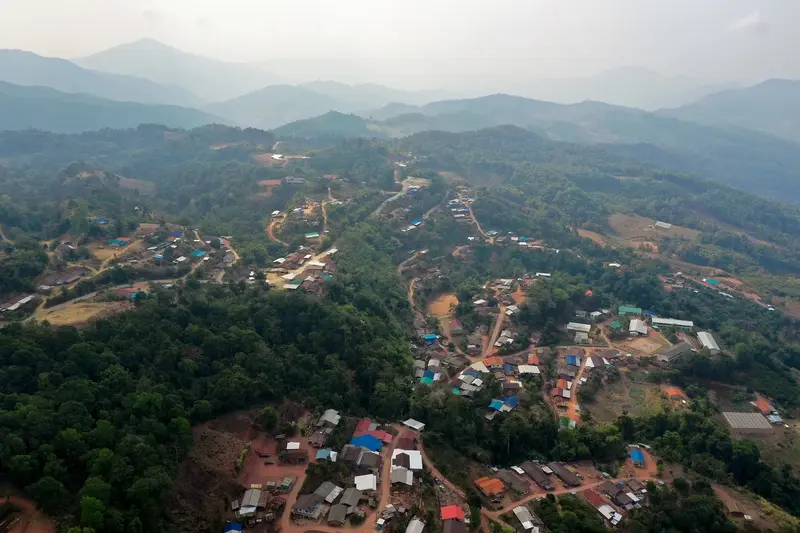
Pang Kae Village
Open Days: Daily
Opening Hours: Visitors can explore the village throughout the day
Pang Kae Village in Nan Province is a Hmong hill tribe community that continues to preserve its traditional lifestyle, ethnic identity, and colorful tribal clothing. One of the village’s most distinctive cultural highlights is the traditional Hmong costume worn by local residents, especially during festivals and important community events. Travelers visiting Pang Kae Village can experience mountain community life, local traditions, and the natural beauty of Nan’s highland landscapes.
The traditional clothing of the Hmong people in Pang Kae Village reflects the craftsmanship and identity of the Hmong ethnic group. The garments are decorated with colorful embroidery, handmade textile patterns, silver ornaments, and intricate stitching techniques that have been passed down through generations. These traditional costumes are not only beautiful cultural symbols but also representations of heritage, beliefs, and local wisdom.
Although younger generations may wear modern clothing in everyday life, traditional Hmong costumes remain important during festivals, ceremonies, and cultural celebrations. The Hmong New Year festival is one of the most vibrant periods in the village, when local residents proudly wear traditional outfits, perform cultural dances, and participate in community activities. During this time, visitors can fully appreciate the colors, textures, and details of Hmong cultural fashion.
Pang Kae Village also preserves the traditional lifestyle of a highland community. Agriculture, handicrafts, and close connections with nature remain important parts of daily life. Visitors can walk through the village, interact with local residents, and observe the unique atmosphere of a Hmong settlement surrounded by mountains and natural scenery.
Traditional Hmong clothing in Pang Kae Village is especially known for its bright colors and handmade embroidery. Women often wear pleated skirts, embroidered jackets, decorative belts, and silver accessories, while men typically wear darker traditional clothing with simpler patterns. Beyond aesthetics, these costumes also communicate age, social identity, and cultural belonging within the community.
Besides ethnic clothing, Pang Kae Village offers opportunities to learn about Hmong traditions, local food, agricultural practices, and highland culture. Travelers interested in ethnic tourism and cultural exploration will find the village to be one of the more authentic cultural destinations in Nan Province.
The village atmosphere is peaceful and surrounded by nature. During the cool season, the weather becomes especially pleasant, attracting visitors who want to photograph traditional Hmong clothing, mountain scenery, and the simple lifestyle of the local community. The combination of colorful tribal costumes and natural landscapes creates a memorable travel experience.
Tourism in Pang Kae Village also helps support the local economy through the sale of handicrafts, traditional clothing, embroidered fabrics, and agricultural products from the highlands. This allows the community to preserve its cultural heritage while developing sustainable tourism opportunities for visitors.
Getting There is most convenient by private car or rental vehicle. Some sections of the route pass through mountainous roads, so travelers should drive carefully, especially during the rainy season and winter months.
| Name | Pang Kae Village |
| Location | Nan Province, Thailand |
| Highlights | Traditional Hmong tribal clothing and highland ethnic community lifestyle |
| Distinctive Features | Colorful Hmong costumes, handmade embroidery, and preserved ethnic traditions |
| History | A long-established Hmong highland community preserving traditional culture and lifestyle |
| Travel Information | Accessible by private car or rental vehicle; some sections of the route are mountainous |
| Current Status | An active Hmong cultural village welcoming visitors interested in ethnic tourism |
| Open Days | Daily |
| Opening Hours | Visitors can explore the village throughout the day |
| Fees | No admission fee |
| Caretaker | Pang Kae Hmong Community |
| Nearby Tourist Attractions | 1. Doi Samer Dao, about 35 km 2. Si Nan National Park, about 36 km 3. Sao Din Na Noi, about 40 km 4. Wat Phumin, about 70 km 5. Nan Walking Street, about 70 km |
| Nearby Restaurants | 1. Doi Samer Dao Kitchen, about 35 km 2. Si Nan National Park Coffee Shop, about 36 km 3. Huan Hom Nan, about 70 km, Tel. 054-710-782 4. Gin Restaurant, about 70 km, Tel. 054-711-355 5. Ton Nam Khao Soi Nan, about 71 km, Tel. 081-960-9679 |
| Nearby Accommodations | 1. Doi Samer Dao Lodging, about 35 km 2. Si Nan National Park Campsite, about 36 km 3. NanNakara Boutique Hotel, about 70 km, Tel. 054-771-111 4. PX122 DBEST HOTEL, about 70 km, Tel. 054-774-455 5. Casa Foresta Nan, about 71 km, Tel. 054-050-898 |
Frequently Asked Questions (FAQ)
Q: What is Pang Kae Village famous for?
A: The village is known for traditional Hmong tribal clothing and preserved highland cultural traditions.
Q: What makes Hmong clothing in Pang Kae Village special?
A: The clothing features colorful embroidery, handmade details, and traditional silver accessories.
Q: What type of tourism is suitable for Pang Kae Village?
A: The village is ideal for cultural tourism and ethnic community experiences.
Q: Can visitors buy local products in the village?
A: Yes. Visitors can buy Hmong clothing, handicrafts, and local community products.
Q: When is the best time to visit Pang Kae Village?
A: The cool season is especially popular because of the pleasant weather and mountain scenery.
Q: Is it easy to travel to Pang Kae Village?
A: Visitors can travel by private car, but some mountain roads require careful driving.
 Category: ●Suburban Living
 Group: ●Village, Community
Last Update : 4 MonthAgo
 Last Update : 4 MonthAgo
 Click to Access the Navigation Map GPS
 Art, Culture and Heritage
 Landmarks and Memorials(6)
 Art, Craft Centres, Tradition(6)
 Museums(4)
 Historic Homes and Cities(1)
 Art Gallery(1)
 Educational Places
 Educational Gardens, Farm(1)
 Places of Worship
 Temple(68)
 Church(1)
 Other Sacred Sites(18)
 Research and Development
 Royal Project(2)
Village, Community(13)
Royal Project(2)
Village, Community(13)
 Local Market(1)
 Nature and Wildlife
 National Parks and Marine Reserves(9)
 Mountain (Doi)(6)
 Dam, Reservoir, Lake(16)
 Waterfalls(28)
 Hot Springs(1)
 Caves(11)
 River, Canal(5)
 Other natural attractions(10)
 Entertainment and Agricultural
 Farms, Parks and Ecotourism(4)
 Outdoor and Adventure Activities(2)


