
lovethailand home >Eastern Travel Attractions >Prachin Buri Travel Attractions > 20 Must-Visit Attractions in Prachinburi
TL;DR: 20 Must-Visit Attractions in Prachinburi. Prachinburi is a destination close to Bangkok with far more variety than its reputation as a simple stopover city might suggest. Within the.
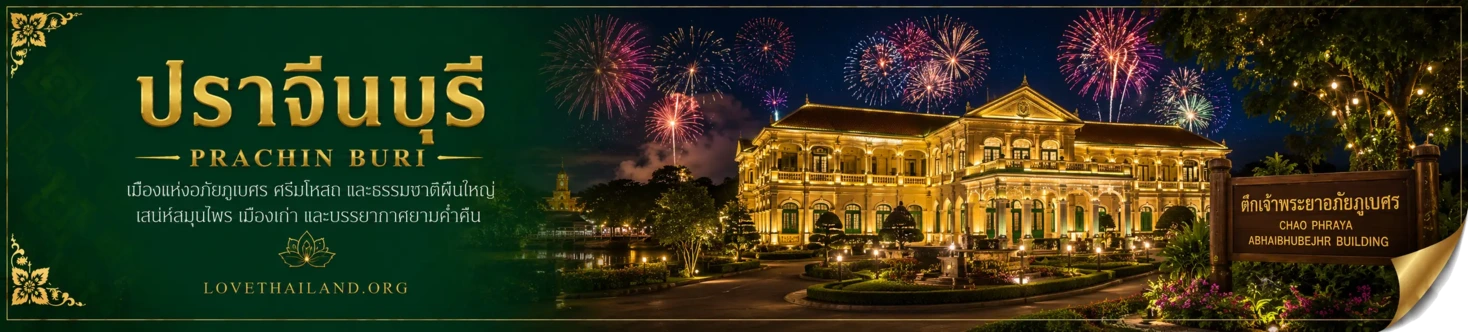
20 Must-Visit Attractions in Prachinburi
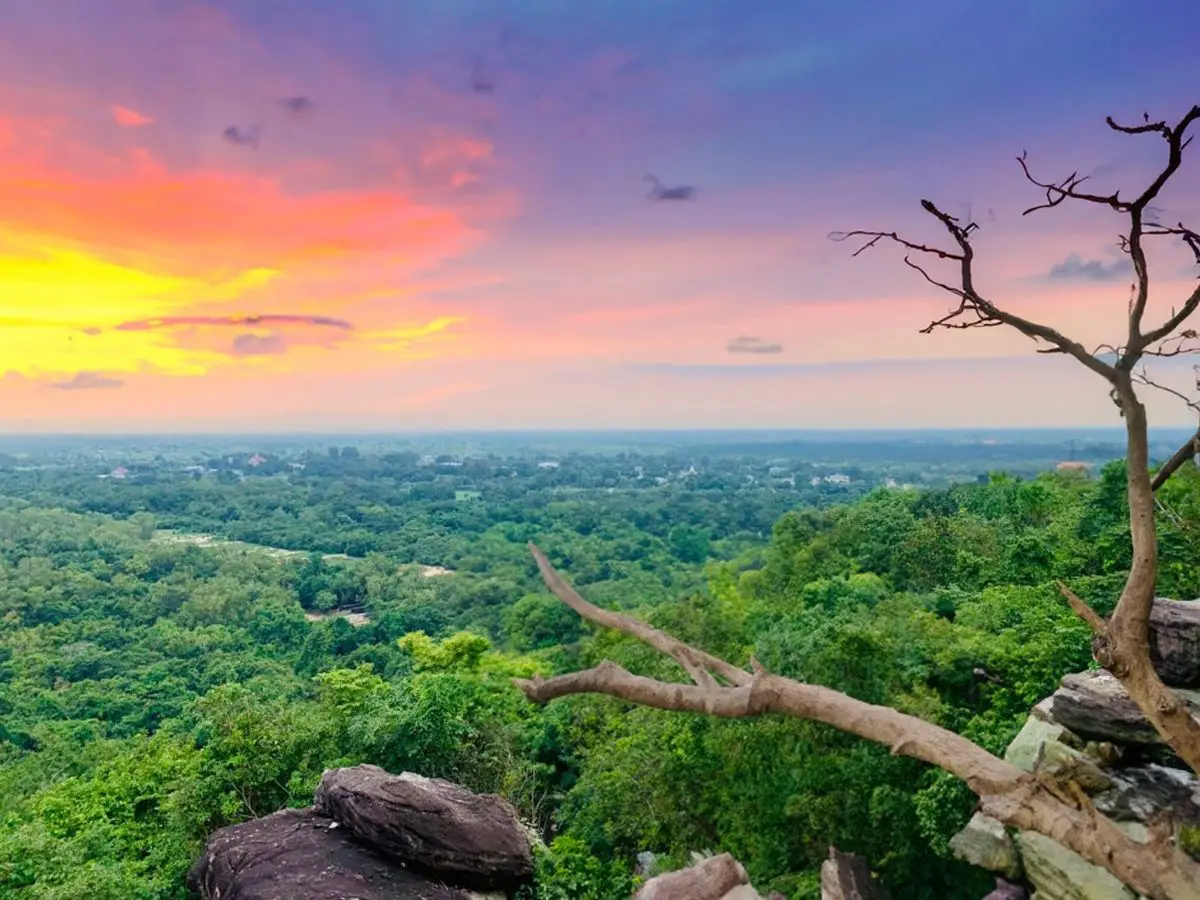
20 Must-Visit Attractions in Prachinburi Prachinburi is a destination close to Bangkok with far more variety than its reputation as a simple stopover city might suggest. Within the same province, travelers can explore an ancient Dvaravati city, a sacred Bodhi tree, historic architecture, archaeological museums, Thailand’s herbal-medicine heritage, World Heritage forests, waterfalls, mountains, reservoirs, and nationally known white-water rafting routes. It works equally well for a day trip from Bangkok, a 2-day, 1-night getaway, or a more detailed 3–5 day journey.
For travelers visiting Prachinburi for the first time, the top places to prioritize include Si Mahosot Ancient Town, Ton Pho Si Maha Pho, Khao Yai National Park, Thap Lan National Park, Kaeng Hin Phoeng, the Chao Phraya Abhaibhubejhr Building, Wat Kaeo Phichit, Prachin Buri National Museum, Khao Ito Waterfall, and Takhro–Salatdai Waterfalls. Together, these attractions reveal the province’s main identities through history, religion, nature, health and wellness, art and culture, and outdoor adventure.
Prachinburi’s geography is clearly divided between mountainous and forested areas in the north and east and lowland plains across the central and southern parts of the province. The Dong Phayayen mountain range connects with the forests of Khao Yai and Thap Lan, creating important watersheds, streams, waterfalls, and rich biodiversity. The lower plains are linked to the Prachinburi River and the Bang Pakong River Basin, which have long influenced settlement, agriculture, transportation, and local livelihoods.
One of Prachinburi’s greatest natural assets is that part of the province lies within the Dong Phayayen–Khao Yai Forest Complex, one of Thailand’s most significant forest landscapes and an internationally important conservation area. The region contains evergreen forest, dry dipterocarp forest, fan palm forest, streams, waterfalls, and a wide variety of wildlife. This makes Prachinburi particularly suitable for travelers interested in hiking, birdwatching, nature study, cycling, camping, and outdoor adventure.
Prachinburi also preserves major traces of ancient civilization, especially at Si Mahosot Ancient Town, one of Eastern Thailand’s most important archaeological cities. Evidence discovered in the area reflects Buddhist, Brahmanical–Hindu, and regional artistic influences connected to ancient cultural networks. A trip to Prachinburi can therefore shift naturally from a nature-focused journey into an archaeological and historical exploration without leaving the province.
In health and wellness, Prachinburi is widely associated with Thai herbs and traditional Thai medicine, with the Chao Phraya Abhaibhubejhr Building serving as one of the province’s most recognizable symbols. Within the grounds of Chao Phraya Abhaibhubejhr Hospital, visitors can encounter history, European-influenced architecture, and knowledge of medicinal herbs that has been developed into modern health products. This gives Prachinburi a distinctive identity as a wellness and herbal-tourism destination.
Local food and souvenirs are closely connected to the province’s natural resources, particularly tong bamboo shoots, known for their crisp texture, mild flavor, and versatility in local cuisine. Seasonal fruits, medicinal plants, herbal products, and regional dishes can also be found in markets and communities throughout the province.
For easier travel planning, Prachinburi can be divided into several main zones: Si Mahosot for the ancient city, sacred Bodhi tree, and archaeological sites; Mueang Prachinburi for Abhaibhubejhr, Wat Kaeo Phichit, museums, and Khao Ito; Prachantakham for waterfalls and nature routes; and Na Di for Thap Lan, Kaeng Hin Phoeng, and adventure activities. Planning by zone helps reduce unnecessary driving and makes each day more efficient.
If you have only 1 day, a good route is Si Mahosot Ancient Town – Ton Pho Si Maha Pho – Prachin Buri National Museum – Chao Phraya Abhaibhubejhr Building. With 2 days, add Khao Ito or Khao Yai National Park. Travelers with 3 days or more should include Thap Lan National Park, Kaeng Hin Phoeng, and waterfalls in Prachantakham District for a more complete combination of ancient history and forest landscapes.

1. Si Mahosot Ancient Town is located in Khok Pip Subdistrict, Si Mahosot District, and is one of the most important archaeological sites in Eastern Thailand. The large ancient settlement contains moats, earthen ramparts, ponds, religious structures, and settlement remains that reflect the prosperity of communities from the Dvaravati period and subsequent eras.
Highlight: The ancient city covers more than 700 rai and includes the central sanctuary group, Phu Khao Thong, Archaeological Site No. 25, Sa Kaeo, city moats, earthen embankments, and artifacts reflecting the influence of both Buddhism and Brahmanical–Hindu traditions.
Si Mahosot developed over a long period from approximately the 6th to the 13th centuries CE and once formed part of an important trade and cultural network in Eastern Thailand. Archaeological finds include religious sculptures, Shiva lingams, pottery, laterite structures, and remains of sacred architecture, turning the area into an open-air classroom for anyone interested in pre-Ayutthaya Thai history.
One of the key locations is Sa Kaeo, a water feature excavated into laterite and decorated with low-relief carvings of animals and sacred symbols such as elephants, lions, makaras, and mythological creatures. These carvings suggest that the area served not only as a water source but also had ritual and religious significance.
Visitors who want to understand Si Mahosot properly should allow at least 1–2 hours rather than stopping at only one point. The archaeological remains are spread across several areas, and walking around the moats, ponds, and religious structures gives a much clearer impression of the scale and layout of the ancient city.
The site is suitable for history enthusiasts, families, students, and travelers interested in archaeological photography. It can be combined with Ton Pho Si Maha Pho and Prachin Buri National Museum to connect the original excavation sites with artifacts preserved and displayed indoors.
Getting There: The site is located at Ban Khok Wat, Khok Pip Subdistrict, Si Mahosot District, approximately 20 kilometers from central Prachinburi. A private car is convenient. It is generally open daily from 08.00–18.00.
Map (GPS): https://www.google.com/maps/dir/?api=1&destination=13.892078,101.416623&travelmode=driving

2. Ton Pho Si Maha Pho is located in Khok Pip Subdistrict, Si Mahosot District, and is one of Prachinburi’s most important cultural and spiritual symbols. The enormous Bodhi tree has long been revered as a sacred site linked to Buddhist history and the ancient community of Si Mahosot.
Highlight: The large Bodhi tree is traditionally described as more than 2,000 years old, reaching approximately 30 meters in height with a massive trunk and broad canopy that provides shade over the surrounding area and serves as a spiritual focal point for the community.
Local tradition connects the tree with a cutting from the sacred Bodhi tree at Bodh Gaya in India. This association has made the site deeply respected among Buddhist visitors. Although its size and age attract attention immediately, its deeper importance lies in its long-standing role as a center of community faith.
The area around the tree is peaceful and shaded, suitable for paying respect, quiet reflection, and learning about the relationship between nature and Buddhism. Visitors should keep the area clean, avoid climbing or damaging roots and branches, and treat the site with respect.
Annual religious traditions and merit-making activities are also associated with the Bodhi tree. During important worship periods, local residents and Buddhist pilgrims gather for ceremonies, merit-making, and ritual activities, allowing the site to remain a living place of faith rather than simply an ancient tree for photography.
Ton Pho Si Maha Pho is best combined with Si Mahosot Ancient Town in the same district. Visiting the ancient city in the morning and the Bodhi tree afterward helps travelers understand both the archaeological evidence and the spiritual dimension of the ancient community.
Getting There: The site is located in Khok Pip Subdistrict, Si Mahosot District and can be reached easily by car from central Prachinburi or Si Mahosot Ancient Town. It is generally open daily from 08.00–17.00.
Map (GPS): https://www.google.com/maps/dir/?api=1&destination=13.870979,101.404546&travelmode=driving

3. Khao Yai National Park is Thailand’s first national park and a vast protected forest covering parts of several provinces, including Prachinburi. The Prachinburi side forms an important gateway into Khao Yai’s natural landscape and connects with the Dong Phayayen mountain range, which is ecologically important to both Central and Eastern Thailand.
Highlight: World Heritage forest, major watershed areas, rich wildlife, mountains, waterfalls, nature trails, and opportunities to encounter animals such as elephants, gaurs, birds, and many other species living in their natural habitat.
Khao Yai’s terrain consists of complex mountain ranges, tropical evergreen forest, montane forest, mixed forest, and open grasslands. These different ecosystems create a wide range of habitats within one protected area and serve as important headwaters for several river systems.
Exploring Khao Yai from the Prachinburi side works well for travelers who want to connect the park with Khao Ito, Takhro Waterfall, or other natural attractions in the province. Wildlife watchers should always follow speed limits, never feed animals, and keep a safe distance when wildlife appears along roads.
During the rainy season, the forest becomes especially lush and waterfalls carry more water, but trails can be slippery and flash floods are possible. The cool season is ideal for walking nature trails and enjoying mountain scenery. Longer hikes should only use authorized routes and should be coordinated with park staff.
The park is suitable for families, nature travelers, birdwatchers, photographers, and anyone looking for a break from urban areas. It can be visited as a full-day trip or with an overnight stay for a deeper forest experience.
Getting There: The Prachinburi side can be accessed from Noen Hom Subdistrict, Mueang Prachinburi District, connecting from Highway 33 to the road leading into the national park. It is generally open daily from 06.00–18.00, although access to certain natural areas may vary by season and park announcements.
Map (GPS): https://www.google.com/maps/dir/?api=1&destination=14.222192,101.405704&travelmode=driving

4. Thap Lan National Park is a vast protected area extending across Prachinburi and Nakhon Ratchasima provinces. Covering approximately 2,240 square kilometers, it forms a major part of the Dong Phayayen–Khao Yai Forest Complex. Its most distinctive feature is the conservation of one of Thailand’s most important natural fan palm forests.
Highlight: Large fan palm forests, extensive wilderness, mountains, waterfalls, viewpoints, and ecosystems connected to neighboring protected areas make Thap Lan ideal for travelers seeking a more immersive nature experience.
Thap Lan was officially designated a national park on December 23, 1981, becoming Thailand’s 39th national park. Its importance increased further when the Dong Phayayen–Khao Yai Forest Complex was recognized as a UNESCO World Heritage natural site.
The fan palm is a distinctive plant with a long life cycle. It flowers dramatically once it reaches maturity and then gradually dies after producing seeds. This unusual life cycle gives the fan palm forest a landscape and ecology very different from other forest types.
Beyond fan palms, the park contains dry dipterocarp forest, evergreen forest, streams, and a variety of wildlife. Travelers can visit for viewpoints, hiking, nature study, and relaxation in designated areas.
Travelers using the Na Di–Wang Nam Khiao route can make Thap Lan a major stop and combine it with Kaeng Hin Phoeng or other natural attractions in Na Di District. Check road conditions, rainfall, and current park access announcements before traveling.
Getting There: The Prachinburi section lies in Na Di District, with Highway 304 serving as the main access route. It is generally open daily from 06.00–18.00.
Map (GPS): https://www.google.com/maps/dir/?api=1&destination=14.216669,101.901267&travelmode=driving

5. Kaeng Hin Phoeng is located in Saphan Hin Subdistrict, Na Di District, and is one of Prachinburi’s best-known adventure attractions. The Sai Yai stream flows through rock formations and creates a series of rapids, transforming the rainy season into a major white-water rafting period that attracts outdoor travelers from many parts of Thailand.
Highlight: The rafting route is approximately 2–2.5 kilometers long and passes several notable rapids, including Kaeng Hin Phoeng, Kaeng Wang Nam Lom, Kaeng Wang Bon, Kaeng Luk Suea, Kaeng Wang Sai, and Kaeng Ngu Hao, combining adventure with forest scenery along both sides of the stream.
The main rafting season is usually around July–November, when rainy-season water levels create continuous flows and well-defined rapids. After the high-water period, water levels drop and exposed rock platforms make the area better suited to nature walks and photography than rafting.
Rafting should be arranged through operators with proper safety equipment, including life jackets, helmets, inflatable rafts, and experienced guides. Travelers must follow safety instructions closely because water speed and difficulty can change rapidly depending on rainfall upstream.
Kaeng Hin Phoeng is particularly suitable for groups of friends, adventure travelers, and visitors who want active outdoor experiences rather than simple sightseeing. Travelers with medical conditions or limited swimming ability should inform operators before joining the activity.
The area can be combined with Thap Lan National Park and other attractions in Na Di District. Staying overnight nearby makes it easier to avoid rushing and allows plans to be adjusted according to water conditions.
Getting There: Kaeng Hin Phoeng is located in Saphan Hin Subdistrict, Na Di District, near Khao Yai National Park Protection Unit 9 at Sai Yai. Use Highway 304 before turning onto local access roads. The area generally operates around 08.30–17.00, while rafting availability depends on water levels and safety announcements.
Map (GPS): https://www.google.com/maps/dir/?api=1&destination=14.179530,101.736885&travelmode=driving

6. Chao Phraya Abhaibhubejhr Building is located within Chao Phraya Abhaibhubejhr Hospital in Mueang Prachinburi District. It is one of the province’s best-known landmarks, combining history, European architecture, and the heritage of traditional Thai medicine in a single site.
Highlight: The elegant two-story European Renaissance-style building is distinguished by its projecting entrance, central dome, arched doors and windows, and detailed floral stucco decoration. Today, the site is closely associated with museum displays and Thai herbal knowledge.
The building was constructed in 1909 by Chao Phraya Abhaibhubejhr using his own funds. It was originally intended as a royal residence for King Chulalongkorn, Rama V, should the King return to Prachinburi. The building later became associated with members of the royal family and the development of hospital services in the province.
Over time, the building was used for medical functions including examination rooms, pharmaceutical services, and hospital administration before being transformed into a place for learning about history and traditional Thai medicine.
Prachinburi is now strongly associated with herbal medicine, and the Abhaibhubejhr name has become widely recognized through herbal products and traditional Thai medical knowledge. The site therefore appeals to history lovers, architecture enthusiasts, and travelers interested in health and wellness.
The building can easily be combined with Wat Kaeo Phichit and Prachin Buri National Museum in a single day because all are located within the Mueang Prachinburi area.
Getting There: The building is located inside Chao Phraya Abhaibhubejhr Hospital on Prachin Anuson Road, Tha Ngam Subdistrict, Mueang Prachinburi District, approximately 2.5 kilometers from the city center. It is generally open daily from 08.30–16.30.
Map (GPS): https://www.google.com/maps/dir/?api=1&destination=14.055005,101.395802&travelmode=driving

7. Wat Kaeo Phichit is located by the river in Na Mueang Subdistrict, Mueang Prachinburi District. It is a third-class royal temple and one of the province’s most distinctive architectural landmarks, especially for the unusual combination of Thai, Chinese, European, and Khmer artistic influences in its ordination hall.
Highlight: The ordination hall combines several cultural art styles, while the principal Buddha image, known as “Phra Aphai Wong” or “Luang Pho Aphai Wong,” and the decorative details reflect artistic tastes from the late reign of King Rama V into the early reign of King Rama VI.
The temple was founded in 1879 by Nang Pramun Phokha, also known as Kaeo Prasang Sit, together with Khun Pramun Phakdi. The temple’s name is connected to its founder and the idea of refinement and beauty. Chao Phraya Abhaibhubejhr later played an important role in constructing a new ordination hall in 1918.
The ordination hall deserves close attention because it does not follow a single Thai artistic tradition. Instead, forms and decorative motifs from several cultures are blended together, giving Wat Kaeo Phichit a distinctive identity unlike many temples of the same period.
Inside is the Phra Aphai Wong Buddha image in the gesture of granting protection. Its connection with Chao Phraya Abhaibhubejhr makes it easy to link a visit here with the nearby Chao Phraya Abhaibhubejhr Building.
Visitors should dress respectfully, remain quiet, and avoid touching decorative artwork. Morning or late afternoon is particularly suitable for appreciating the exterior details and taking photographs in softer light.
Getting There: The temple is located on Kaeo Phichit Road, Na Mueang Subdistrict, Mueang Prachinburi District, about 2 kilometers from the city center. It is generally open daily from 08.00–17.00.
Map (GPS): https://www.google.com/maps/dir/?api=1&destination=14.054455,101.385204&travelmode=driving

8. Prachin Buri National Museum is an important learning center for understanding the history and archaeology of Prachinburi and Eastern Thailand, particularly discoveries from Si Mahosot Ancient Town. Its collections also include artifacts from prehistoric, Dvaravati, ancient Khmer, Ayutthaya, and Rattanakosin periods.
Highlight: The museum displays artifacts from Si Mahosot, Buddha images, Hindu deities, Ganesha, Vishnu, Shiva lingams, bronze objects, inscriptions, and examples of Dvaravati and Khmer art that help explain the religious and cultural development of the region.
The museum officially opened on April 22, 1985 under the Fine Arts Department. It serves as a center for conservation, research, and public education, helping visitors understand the significance of archaeological sites across the province.
The exhibitions are especially valuable after visiting Si Mahosot Ancient Town because they connect outdoor ruins with actual excavated objects, including religious sculptures and ritual items. Seeing both the archaeological landscape and the preserved artifacts provides a much clearer understanding of the ancient city.
The museum is well suited to families, students, archaeology enthusiasts, and travelers looking for an indoor activity. Allow approximately 1–2 hours before continuing to Wat Kaeo Phichit or the Chao Phraya Abhaibhubejhr Building.
Visitors should follow museum regulations, avoid touching artifacts, and check official holiday closures before traveling because the museum is not open every day.
Getting There: The museum is located in Na Mueang Subdistrict, Mueang Prachinburi District and is easily reached from the city center. It is generally open Wednesday–Sunday from 09.00–16.00.
Map (GPS): https://www.google.com/maps/dir/?api=1&destination=14.046965,101.373060&travelmode=driving

9. Khao Ito Waterfall is located in the Khao Ito area of Ban Phra Subdistrict, Mueang Prachinburi District. It is a relatively small waterfall that can be reached easily from the city, with a stream flowing down a series of rocks in a shaded open forest.
Highlight: The natural stream flows over rock formations in several levels, creating a relaxing setting close to the city. The waterfall can also be combined easily with Chakkraphong Reservoir and other natural attractions around Khao Ito.
The waterfall is generally at its best from around July–October during the rainy season, when the stream carries more water and flows more fully across the rock surface. During the dry season, water levels fall and some areas may remain only as shallow pools or small streams.
Because the walking distance is short and access is relatively easy, Khao Ito Waterfall is suitable for families and travelers who do not want a long forest hike. However, rocks around the waterfall can become very slippery after rain, so footwear with good grip is recommended.
Khao Ito offers more than just the waterfall. The surrounding area connects with Chakkraphong Reservoir, cycling routes, viewpoints, and forest close to the city, making it possible to plan a half-day or full-day nature trip without traveling far.
Morning is a good time for walking and photography. During the rainy season, check recent rainfall before traveling and avoid entering streams or walking on rocks when water is strong.
Getting There: From central Prachinburi, follow Highway 33 for approximately 3 kilometers. Around kilometer 160–161, turn toward Chakkraphong Reservoir and continue for about 1 kilometer to the waterfall area. It is generally open daily from 08.00–16.30.
Map (GPS): https://www.google.com/maps/dir/?api=1&destination=14.151109,101.408973&travelmode=driving

10. Takhro Waterfall and Salatdai Waterfall are located around Ban Takhro in Bu Fai Subdistrict, Prachantakham District. The route offers two different nature experiences: an easily accessible waterfall for relaxation and a deeper forest hike to a more secluded waterfall within the Khao Yai forest ecosystem.
Highlight: Takhro Waterfall has a broad rocky stream and a suspension bridge that is popular for photography, while Salatdai Waterfall requires an additional hike of approximately 2 kilometers and is better suited to travelers looking for a quieter and more natural forest experience.
Takhro Waterfall lies about 500 meters from the Takhro checkpoint, making it more accessible than many waterfalls in forest areas. The stream flows through rock layers and broad rapids surrounded by open forest and low hills, with several places suitable for sitting and listening to the water.
Travelers seeking more adventure can continue from Takhro Waterfall to Salatdai Waterfall along a roughly 2-kilometer forest trail. The walk can take around 1–2 hours depending on fitness and trail conditions and includes forest terrain, rocks, roots, and slippery surfaces during the rainy season.
Salatdai Waterfall feels noticeably more secluded because it lies deeper within the forest. Mosses, ferns, and moisture-loving plants grow around the waterfall, creating a quieter environment for travelers who want a more serious forest experience.
Those continuing to Salatdai should wear hiking shoes with good grip and carry drinking water, rain protection, and insect repellent. Do not leave designated routes or enter the forest during periods of heavy rain because the area forms part of the Khao Yai ecosystem and may be affected by flash floods.
The route works well as a full-day trip. Older travelers and families can remain around Takhro Waterfall, while physically prepared visitors can continue to Salatdai, making the site flexible for groups with different interests and fitness levels.
Getting There: From central Prachinburi, travel toward Prachantakham District and Bu Fai Subdistrict, then follow local roads to Ban Takhro. Takhro Waterfall is near the forest protection unit, while Salatdai is reached on foot from there. The area generally opens around 06.00–18.00, and trail conditions to Salatdai should be checked with staff before every hike.
Map (GPS): https://www.google.com/maps/dir/?api=1&destination=14.188792,101.583543&travelmode=driving

11. Chak Phong Reservoir is located at the foot of Khao Ito in Mueang Prachinburi District. It is a peaceful recreation area close to the city, surrounded by a broad expanse of water, forest, and mountains. The atmosphere is ideal for walking, exercising, cycling, picnicking, and enjoying sunrise or sunset views beside the reservoir.
Highlight: The dam crest offers wide views across the reservoir and surrounding mountains. The area also has cycling routes, open spaces for relaxing, and the well-known “Mystery Hill,” an optical illusion created by the surrounding terrain and horizon that makes objects appear to move uphill.
The reservoir was constructed to store water flowing from streams around Khao Ito and later became a popular local recreation area. Because it is only a short distance from central Prachinburi, visitors can stop here early in the morning before exploring other attractions or return in the late afternoon for a quieter end to the day.
The dam crest opens onto a panoramic view of the water. On clear days, surrounding hills are reflected across the reservoir, making the area especially attractive for landscape photography. Late afternoon is one of the best times to visit because the sunlight is softer and the temperature is more comfortable.
Outdoor enthusiasts can combine the reservoir with cycling or walking routes around the Khao Ito area. Khao Ito Waterfall is also nearby, making the two attractions easy to combine into a half-day nature itinerary.
During the rainy season, check weather and road conditions before traveling, particularly on routes leading toward higher viewpoints where surfaces may become wet or slippery. Visitors experimenting with the Mystery Hill should do so carefully and must not obstruct traffic.
Getting There: From central Prachinburi, follow Highway 33 toward Noen Hom Intersection, then turn onto the road leading to Khao Ito and Chak Phong Reservoir. A private vehicle is the most convenient option, and Khao Ito Waterfall can be visited on the same route.
Map (GPS): https://www.google.com/maps/dir/?api=1&destination=14.153920,101.404132&travelmode=driving

12. Than Thip Waterfall is located at Ban Noen Hin Tang in Nong Kaeo Subdistrict, Prachantakham District. The waterfall is characterized by a stream flowing over several natural rock levels in a shaded forest environment, making it suitable for swimming, relaxing, and spending time in nature without requiring a long forest hike.
Highlight: Water flows across several layers of natural rock, creating pools, riverside resting areas, bridges, and photography spots where the stream can be seen winding through the forest.
The charm of Than Thip lies not in a single high waterfall but in the continuous movement of water across broad rock shelves. This creates several pools and resting areas along the stream, allowing visitors to choose between sitting beside the water and swimming in permitted zones.
Late rainy season through early cool season is especially attractive because water levels remain good while temperatures become more comfortable. The surrounding forest stays lush, and sunlight filtering through the trees creates appealing conditions for photography.
Than Thip Waterfall is suitable for families, groups of friends, and travelers who want a relaxed nature experience. Children should swim only in shallow sections and remain under close adult supervision because some pools are deeper and water levels vary seasonally.
Prachantakham District has several waterfalls, so Than Thip can be combined with Sompoi Waterfall or Takhro Waterfall. Plan travel times carefully and avoid entering forest routes too late in the day.
Getting There: Than Thip Waterfall is located at Ban Noen Hin Tang, Nong Kaeo Subdistrict, Prachantakham District. A private vehicle is convenient. The site generally opens during daytime hours, and visitors should check water conditions and current access times before traveling, especially during the rainy season.
Map (GPS): https://www.google.com/maps/dir/?api=1&destination=14.187944,101.544374&travelmode=driving

13. Sompoi Waterfall is located around Ban Khao Noi in Bu Fai Subdistrict, Prachantakham District. It is a relatively small waterfall valued for its natural setting and peaceful atmosphere. The stream descends over rocks for approximately 400 meters, creating a series of pools and resting points along the way.
Highlight: A long stream flows continuously over rock formations, forming several pools in a shaded forest environment. Access is suitable for families and groups of friends without requiring a deep trek into remote forest.
The surrounding area remains rich in trees and riverside vegetation. Moisture from the stream keeps the forest green during periods of good water flow, making the area suitable for sitting under the trees, reading, picnicking, or simply listening to the sound of running water.
Sompoi is more of a cascading stream than a high cliff waterfall. Different sections of the watercourse therefore have their own character, giving visitors several choices for swimming or resting. Always check the current strength of the water and the slipperiness of rocks before entering.
The rainy season usually brings the most attractive water flow, but swimming should be avoided after prolonged heavy rainfall because water levels can rise rapidly from upstream areas. Early cool season often combines green forest scenery with more comfortable temperatures.
Sompoi Waterfall lies in the same general zone as Takhro and Salatdai Waterfalls, making Prachantakham a strong nature-travel area. However, travelers should not try to rush through every waterfall in a single day if hiking or extended rest time is involved.
Getting There: The waterfall is located at Ban Khao Noi, Bu Fai Subdistrict, Prachantakham District. A private vehicle is the most convenient option. It generally opens around 08.00–17.00, and water conditions should be checked during the rainy season.
Map (GPS): https://www.google.com/maps/dir/?api=1&destination=14.182971,101.584901&travelmode=driving

14. Phan Hin Ancient Monument is located at Ban Khok Khwang in Nong Phrong Subdistrict, Si Maha Phot District. The laterite archaeological structure is important for understanding ancient religious architecture and belief systems in the Prachinburi area. Surrounded by farmland and local communities, the site illustrates the continuity between an ancient cultural landscape and present-day rural life.
Highlight: The laterite structure has a square base measuring approximately 15.5 meters on each side and around 3.5 meters high, with projecting sections on all 4 sides. Its form reflects concepts associated with ancient religious architecture.
The name “Phan Hin,” meaning stone pedestal or stone tray, is connected to the appearance of the monument, which resembles a large raised platform constructed from laterite. The durability of the material has allowed substantial parts of the structure to remain visible after many centuries.
The 4 projecting sides correspond with architectural concepts emphasizing orientation and a sacred center, making the site particularly interesting for visitors studying archaeology, ancient art, architecture, and religious cosmology.
Although much smaller than Si Mahosot Ancient Town, Phan Hin helps complete the picture of ancient settlements and religious sites across Prachinburi. It combines especially well with the Royal Handwriting Monument, which is also located in Si Maha Phot District.
The site is suitable for history travelers, students, and visitors interested in smaller archaeological remains preserved within living communities. Do not climb on the ancient structure or remove any material from the site.
Getting There: Phan Hin is located at Ban Khok Khwang, Nong Phrong Subdistrict, Si Maha Phot District. A private vehicle is the most practical option. It is generally open daily from 08.30–16.30.
Map (GPS): https://www.google.com/maps/dir/?api=1&destination=13.954421,101.504888&travelmode=driving

15. Sa Morakot Archaeological Site is located in Si Mahosot District and is one of the province’s most important archaeological areas associated with the development of Buddhism in Eastern Thailand. The complex contains religious structures, an ancient reservoir, a sacred well, and the Twin Buddha Footprints, all of which provide evidence of ancient religious activity.
Highlight: The Twin Buddha Footprints, the large ancient Sa Morakot reservoir, sacred well, remains of religious buildings, and artifacts reflecting Dvaravati culture and later periods are the major features of the site.
Sa Morakot itself is a large rectangular ancient reservoir measuring approximately 115 meters wide, 214 meters long, and around 3.5 meters deep. Covering more than 25 rai, it demonstrates the ability of ancient communities to manage water for both daily life and religious activities.
Another important feature is the sacred well, where archaeological discoveries have included sandstone Buddha images, stone pillars, ceramics, and architectural fragments. Water from the site has also played a role in important royal ceremonies, giving Sa Morakot both archaeological and continuing spiritual significance.
Visitors should allow at least 1 hour to explore the area because the important features are not concentrated in a single spot. Walking through the site makes it easier to understand the relationship between the reservoir, religious structures, and ceremonial spaces.
Sa Morakot can be combined with Si Mahosot Ancient Town, Ton Pho Si Maha Pho, and Luang Pho Dvaravati, creating a full-day route focused on the ancient history of Si Mahosot.
Getting There: The site is located in Si Mahosot District and can be reached easily by private vehicle from Si Mahosot town and Khok Pip. It is generally open daily from 09.00–16.00.
Map (GPS): https://www.google.com/maps/dir/?api=1&destination=13.863211,101.426125&travelmode=driving

16. Twin Buddha Footprints are located within the Sa Morakot archaeological complex in Si Mahosot District. They are among Prachinburi’s most significant Buddhist and archaeological remains. The footprints were carved directly into natural laterite and date to the Dvaravati cultural period.
Highlight: The large pair of Buddha footprints is carved into laterite, with a Dharma Wheel at the center of each sole. Their details reflect an early Buddhist tradition in which sacred symbols were used to represent the Buddha.
The footprints resemble human feet, with 5 toes arranged across the front. At the center of each sole is a carved Dharma Wheel, symbolizing the Buddha’s teachings. These details make the site important for the study of early Buddhist art in Thailand.
A sacred well cut into the laterite lies nearby, and numerous archaeological objects have been discovered in the surrounding area. This shows that the footprints did not stand alone but formed part of a larger sacred complex used for religious and ceremonial activities.
Visitors should spend time reading the interpretation signs and observing the details carefully. The site’s importance lies less in monumental scale than in its symbolism and archaeological context.
The Twin Buddha Footprints are especially suitable for travelers interested in Buddhism, history, art, and archaeology. They can be visited on the same route as Sa Morakot, Ton Pho Si Maha Pho, and Si Mahosot Ancient Town.
Getting There: The footprints are located within the Sa Morakot archaeological area in Si Mahosot District. A private vehicle is the most convenient option. The site is generally open daily from 08.00–17.00.
Map (GPS): https://www.google.com/maps/dir/?api=1&destination=13.863660,101.424074&travelmode=driving

17. Wat Bot is located beside the Prachinburi River in Wat Bot Subdistrict, Mueang Prachinburi District. The historic temple has long been connected with the riverside community and covers an area of approximately 45 rai. It remains an important spiritual center for local residents.
Highlight: Three important Buddha images stand near the river: Phra Siri Mongkhon Nimit, Phra Sappha Sitthi Nawa, and Phra Maha Chin Saiyat. Each image represents a different posture and Buddhist meaning.
Wat Bot was founded in 1278, during a period when rivers served as major transport routes in Eastern Thailand. The temple therefore played important roles in religion, education, and community life for people traveling and settling along the Prachinburi River.
Phra Siri Mongkhon Nimit is a walking Buddha image, Phra Sappha Sitthi Nawa is a seated Buddha with legs pendant, and Phra Maha Chin Saiyat is a reclining Buddha. Having 3 different Buddha postures in one riverside area makes the site an important place for worship and photography.
Beyond religious functions, the temple historically served as a place of education and local knowledge transmission, including merit-making traditions, community ceremonies, and cultural activities. This reflects the wider role of Thai temples as social centers rather than places used only for worship.
Morning and late afternoon are particularly pleasant because softer light over the river creates a peaceful atmosphere. Visitors should dress modestly and remain respectful throughout the temple grounds.
Getting There: Wat Bot is located in Wat Bot Subdistrict, west of central Prachinburi, beside the Prachinburi River. It is easily reached by car and is generally open daily from 08.30–16.30.
Map (GPS): https://www.google.com/maps/dir/?api=1&destination=14.037766,101.334030&travelmode=driving

18. Chom Tawan Beach is a freshwater beach within Thap Lan National Park, located beside the Lam Plai Mat Reservoir. The attraction offers a landscape unlike most other places in Prachinburi because sandy shoreline, broad water, distant mountains, and the forests of Thap Lan appear together in one setting.
Highlight: The freshwater beach stretches for approximately 300 meters and is suitable for shallow-water recreation, picnicking, sightseeing, photography, and relaxing beside the reservoir and surrounding mountains.
The beach-like landscape developed along the edge of the large reservoir, creating a sandy shoreline that gives visitors an experience different from typical forest or waterfall trips. Travelers can simply relax here without needing to take part in physically demanding activities.
Morning and late afternoon are best for photography because softer light reflects across the water and the mountain outlines are easier to see. On clear days, the broad open landscape can resemble a lake surrounded by mountain scenery.
Chom Tawan Beach is suitable for families, couples, groups of friends, and photographers. Visitors may picnic in permitted areas but should take all rubbish away and avoid leaving food waste in or near the water.
Because the site is managed as part of Thap Lan National Park, swimming and water activities should always follow staff guidance, especially when water levels or weather conditions change.
Getting There: Chom Tawan Beach lies within Thap Lan National Park and can be reached by car through Na Di District and the road leading toward the reservoir. It is generally open from around 08.00–18.00.
Map (GPS): https://www.google.com/maps/dir/?api=1&destination=14.304820,102.435312&travelmode=driving

19. Luang Pho Dvaravati is an important Buddha image of Si Mahosot District, enshrined near the front of the Si Mahosot District Office. Carved from green sandstone, the standing Buddha in the teaching gesture is an important example of Dvaravati Buddhist art in Eastern Thailand.
Highlight: The standing green-sandstone Buddha image dates to approximately the 7th–9th centuries CE and displays distinctive Dvaravati artistic characteristics directly connected with the ancient city of Si Mahosot.
The image was discovered in an area south of Si Mahosot Ancient Town during agricultural work. In 1971, a systematic archaeological investigation was conducted, during which a sandstone Dharma Wheel was also discovered nearby. Together, these finds reinforce the importance of Buddhism in ancient Si Mahosot.
The Buddha image has a strong and restrained appearance quite different from later Thai sculptural styles. The raised hand in the teaching gesture reflects Buddhist concepts commonly found in Dvaravati religious art.
Today, Luang Pho Dvaravati is both an important archaeological object and a sacred image respected by local residents. Visitors therefore encounter both artistic value and a living tradition of faith that continues into the present.
The site can be combined with Si Mahosot Ancient Town, Ton Pho Si Maha Pho, Sa Morakot Archaeological Site, and the Twin Buddha Footprints to create a connected route through the area’s religious and artistic history.
Getting There: Luang Pho Dvaravati is enshrined near the front of the Si Mahosot District Office in Khok Pip Subdistrict. It is easily reached by private vehicle and is generally accessible daily from 08.30–16.30.
Map (GPS): https://www.google.com/maps/dir/?api=1&destination=13.895178,101.409136&travelmode=driving

20. Royal Handwriting Monument is located in Nong Phrong Subdistrict, Si Maha Phot District. The historic site connects ancient archaeological remains with Thailand’s Rattanakosin royal history through an inscription personally made by King Chulalongkorn, Rama V.
Highlight: The inscription “จ.ป.ร. 41 / ร.ศ. 127” was carved onto an ancient laterite slab during King Rama V’s visit to Prachinburi in 1908. A pavilion was later built over the stone to preserve this important royal trace.
The laterite slab itself is not modern material but part of an older archaeological structure. This gives the site unusual historical depth because evidence from different eras overlaps in one place—from ancient remains to a direct record of a royal visit in the Rattanakosin period.
After the royal inscription was made, a pavilion was constructed to protect it, and the surrounding area has undergone several stages of conservation and improvement. Today, the grounds also function as a public park and local history-learning space.
The Fine Arts Department has registered the area as a national ancient monument, recognizing its archaeological and historical significance. Visitors should avoid touching, scratching, or writing on the stone and surrounding structures.
The Royal Handwriting Monument can be combined with Phan Hin Ancient Monument in Si Maha Phot District, creating a route that connects ancient archaeological evidence with the history of King Rama V’s travels.
Getting There: The monument is located in the Si Maha Phot Royal Handwriting Public Park in Nong Phrong Subdistrict, Si Maha Phot District. It is easily reached by car and is generally open daily from 08.00–17.00.
Map (GPS): https://www.google.com/maps/dir/?api=1&destination=13.956434,101.508237&travelmode=driving
| Topic | Details |
| Province Overview | Prachinburi is a province close to Bangkok that combines Dvaravati-era ancient cities, World Heritage forests, waterfalls, mountains, reservoirs, temples, museums, Thai herbal medicine, and white-water rafting. It works well for both day trips and more complete 3–5 day itineraries. |
| Top 10 Highlights | 1. Si Mahosot Ancient Town 2. Ton Pho Si Maha Pho 3. Khao Yai National Park 4. Thap Lan National Park 5. Kaeng Hin Phoeng 6. Chao Phraya Abhaibhubejhr Building 7. Wat Kaeo Phichit 8. Prachin Buri National Museum 9. Khao Ito Waterfall 10. Takhro Waterfall and Salatdai Waterfall |
| Mueang Prachinburi Zone | 1. Chao Phraya Abhaibhubejhr Building 2. Wat Kaeo Phichit 3. Prachin Buri National Museum 4. Khao Ito Waterfall 5. Chak Phong Reservoir 6. Wat Bot This zone is especially suitable for a day trip from Bangkok because several attractions are relatively close together and combine history, religion, herbal medicine, and nature. |
| Si Mahosot Zone | 1. Si Mahosot Ancient Town 2. Ton Pho Si Maha Pho 3. Sa Morakot Archaeological Site 4. Twin Buddha Footprints 5. Luang Pho Dvaravati This is the most important zone for travelers interested in Dvaravati culture, archaeology, Buddhism, and the history of ancient cities in Eastern Thailand. |
| Si Maha Phot Zone | 1. Phan Hin Ancient Monument 2. Royal Handwriting Monument This zone is ideal for travelers who want to follow archaeological remains together with the history of King Rama V’s travels in Prachinburi. |
| Prachantakham Zone | 1. Takhro Waterfall and Salatdai Waterfall 2. Than Thip Waterfall 3. Sompoi Waterfall This area is suitable for nature lovers, families, and travelers looking for different waterfall experiences, from easy-access streams to forest hiking routes. |
| Na Di Zone | 1. Thap Lan National Park 2. Kaeng Hin Phoeng 3. Chom Tawan Beach This is one of the best zones for forests, mountains, rafting, freshwater beach scenery, and outdoor activities. Staying at least 1 night is recommended. |
| Nature and Forests | 1. Khao Yai National Park 2. Thap Lan National Park 3. Khao Ito Waterfall 4. Takhro Waterfall and Salatdai Waterfall 5. Than Thip Waterfall 6. Sompoi Waterfall 7. Chak Phong Reservoir 8. Chom Tawan Beach |
| History and Archaeology | 1. Si Mahosot Ancient Town 2. Sa Morakot Archaeological Site 3. Twin Buddha Footprints 4. Phan Hin Ancient Monument 5. Luang Pho Dvaravati 6. Royal Handwriting Monument 7. Prachin Buri National Museum |
| Religion and Culture | 1. Ton Pho Si Maha Pho 2. Wat Kaeo Phichit 3. Wat Bot 4. Luang Pho Dvaravati 5. Twin Buddha Footprints These attractions reflect Dvaravati Buddhist art, riverside community culture, and architecture combining Thai, Chinese, European, and Khmer influences. |
| Herbal Medicine and Wellness | The Chao Phraya Abhaibhubejhr Building is the province’s key landmark linking history, architecture, traditional Thai medicine, and herbal knowledge. It plays a major role in Prachinburi’s identity as a Thai herbal-medicine and wellness destination. |
| Adventure | 1. Kaeng Hin Phoeng — white-water rafting when seasonal water levels are suitable 2. Salatdai Waterfall — forest hiking from Takhro Waterfall 3. Khao Yai National Park — nature trails and outdoor activities 4. Thap Lan National Park — hiking and exploring extensive forest landscapes |
| Best for Families | 1. Chao Phraya Abhaibhubejhr Building 2. Prachin Buri National Museum 3. Si Mahosot Ancient Town 4. Chak Phong Reservoir 5. Khao Ito Waterfall 6. Than Thip Waterfall 7. Chom Tawan Beach |
| Best for Nature Lovers | 1. Khao Yai National Park 2. Thap Lan National Park 3. Takhro Waterfall and Salatdai Waterfall 4. Than Thip Waterfall 5. Sompoi Waterfall 6. Khao Ito Waterfall 7. Chak Phong Reservoir 8. Chom Tawan Beach |
| Best for History Lovers | 1. Si Mahosot Ancient Town 2. Sa Morakot Archaeological Site 3. Twin Buddha Footprints 4. Phan Hin Ancient Monument 5. Prachin Buri National Museum 6. Chao Phraya Abhaibhubejhr Building 7. Royal Handwriting Monument |
| Best for Photography | 1. Chao Phraya Abhaibhubejhr Building 2. Wat Kaeo Phichit 3. Chak Phong Reservoir 4. Chom Tawan Beach 5. Than Thip Waterfall 6. Si Mahosot Ancient Town 7. Sa Morakot Archaeological Site |
| Local Food | Tong bamboo shoots are one of Prachinburi’s best-known local products. They have a crisp texture and mild flavor and are used in several traditional dishes. Seasonal fruits, local ingredients, and herbal products are also important parts of the province’s food culture. |
| Souvenirs | 1. Tong bamboo shoots and processed bamboo-shoot products 2. Seasonal fruits 3. Herbal products 4. Herbal balms and oils 5. Wellness products based on traditional Thai medicine |
| Traditions and Seasonal Activities | Prachinburi has Buddhist merit-making events, community traditions, activities associated with Ton Pho Si Maha Pho, agricultural festivals, and seasonal tourism activities such as rafting at Kaeng Hin Phoeng when water levels are suitable. |
| 1-Day History Itinerary | Morning: Si Mahosot Ancient Town – Ton Pho Si Maha Pho Late Morning to Noon: Sa Morakot Archaeological Site – Twin Buddha Footprints Afternoon: Prachin Buri National Museum – Chao Phraya Abhaibhubejhr Building |
| 1-Day Nature Itinerary Near the City | Morning: Khao Ito Waterfall Late Morning: Chak Phong Reservoir Afternoon: Explore the Khao Ito area or return to town Evening: Wat Kaeo Phichit or a riverside stop in Prachinburi |
| 2 Days, 1 Night | Day 1: Si Mahosot – Sa Morakot – Prachin Buri National Museum – Chao Phraya Abhaibhubejhr Building Day 2: Khao Ito – Chak Phong Reservoir, or choose Takhro Waterfall – Than Thip Waterfall for a nature-focused day. |
| 3 Days, 2 Nights | Day 1: Si Mahosot and archaeological sites Day 2: Mueang Prachinburi – Abhaibhubejhr – Wat Kaeo Phichit – Khao Ito Day 3: Na Di District – Thap Lan National Park – Kaeng Hin Phoeng or Chom Tawan Beach |
| 4–5 Day Itinerary | Add Khao Yai National Park, waterfalls in Prachantakham District, Phan Hin Ancient Monument, Royal Handwriting Monument, Wat Bot, and herbal-medicine attractions in the city to cover nature, history, and culture more thoroughly. |
| Best Time to Visit | Prachinburi can be visited throughout the year. Historical and cultural attractions work well in every season. Waterfalls and rafting are best when water levels are sufficient, while the cool season is especially suitable for forests, mountains, and outdoor activities. |
| Travel from Bangkok | A private car is the most convenient option for visiting multiple zones. Travelers can travel through Chachoengsao into Prachinburi and use Highway 33 or Highway 304 depending on the destination. Bus and Eastern Line train services also connect Bangkok with Prachinburi. |
| Getting Around Prachinburi | A private car or rental car is the most practical option because attractions are spread across several districts, especially national parks, waterfalls, and archaeological sites outside the city. Local transport and hired vehicles can be used for attractions within the urban area. |
| Safety | Check weather conditions before visiting forests, waterfalls, or rafting areas. Avoid streams after heavy rainfall, wear footwear suitable for slippery terrain, follow national park staff instructions, and check museum and attraction opening hours before traveling. |
| Responsible Travel | Do not leave rubbish in forests, waterfalls, or archaeological sites. Avoid climbing or unnecessarily touching ancient structures, never feed wildlife, do not remove plants or objects from protected areas, and support local food, products, and community services. |
Frequently Asked Questions (FAQ)
Q: What are the most popular attractions in Prachinburi?
A: Major highlights include Si Mahosot Ancient Town, Ton Pho Si Maha Pho, Khao Yai National Park, Thap Lan National Park, Kaeng Hin Phoeng, the Chao Phraya Abhaibhubejhr Building, and several waterfalls. Together, they cover history, nature, religion, wellness, and adventure.
Q: Where should I go for a 1-day trip in Prachinburi?
A: For history, visit Si Mahosot Ancient Town, Ton Pho Si Maha Pho, Sa Morakot Archaeological Site, Prachin Buri National Museum, and the Chao Phraya Abhaibhubejhr Building. For nature, choose Khao Ito Waterfall and Chak Phong Reservoir instead.
Q: How many days should I spend in Prachinburi?
A: 2 days and 1 night are enough for the main attractions in Mueang Prachinburi and Si Mahosot. With 3 days and 2 nights, you can add Na Di or Prachantakham. For Khao Yai, Thap Lan, rafting, waterfalls, and archaeological attractions without rushing, 4–5 days is ideal.
Q: Is Prachinburi suitable for family travel?
A: Yes. Family-friendly choices include the Chao Phraya Abhaibhubejhr Building, Prachin Buri National Museum, Si Mahosot Ancient Town, Chak Phong Reservoir, Khao Ito Waterfall, and Chom Tawan Beach.
Q: Which Prachinburi attractions are suitable for older travelers?
A: Good choices include the Chao Phraya Abhaibhubejhr Building, Wat Kaeo Phichit, Prachin Buri National Museum, Ton Pho Si Maha Pho, Chak Phong Reservoir, and Wat Bot. Long forest hikes and rafting should be considered according to individual fitness and health.
Q: Which natural attractions in Prachinburi should not be missed?
A: Khao Yai National Park, Thap Lan National Park, Takhro Waterfall, Salatdai Waterfall, Than Thip Waterfall, Sompoi Waterfall, Khao Ito Waterfall, Chak Phong Reservoir, and Chom Tawan Beach are among the main choices for nature travelers.
Q: When is the best time for rafting at Kaeng Hin Phoeng?
A: Rafting is generally best during the rainy season when water levels are sufficient, especially around July–November. Always check current water levels, weather conditions, and safety announcements before traveling.
Q: What should I visit in Si Mahosot?
A: The main attractions are Si Mahosot Ancient Town, Ton Pho Si Maha Pho, Sa Morakot Archaeological Site, Twin Buddha Footprints, and Luang Pho Dvaravati. Together, they make an excellent full-day archaeological and historical route.
Q: Why are the Twin Buddha Footprints important?
A: They are carved into natural laterite within the Sa Morakot archaeological complex and feature Dharma Wheel symbols at the center of the soles. They are important evidence of Buddhism during the Dvaravati cultural period in Eastern Thailand.
Q: Where can I learn about Thai herbs and wellness in Prachinburi?
A: The Chao Phraya Abhaibhubejhr Building is the province’s most important attraction for this theme because it connects history, architecture, traditional Thai medicine, and herbal knowledge.
Q: What are the best photography spots in Prachinburi?
A: Recommended locations include the Chao Phraya Abhaibhubejhr Building, Wat Kaeo Phichit, Si Mahosot Ancient Town, Sa Morakot Archaeological Site, Chak Phong Reservoir, Than Thip Waterfall, and Chom Tawan Beach.
Q: What local food and souvenirs are Prachinburi known for?
A: Tong bamboo shoots are one of the province’s best-known products. Other popular choices include seasonal fruits, local dishes, herbal products, herbal balms and oils, and wellness products based on traditional Thai medicine.
Q: What is the best season to visit Prachinburi?
A: Ancient sites, temples, and museums can be visited throughout the year. The rainy season is suitable for waterfalls and rafting when conditions are safe, while the cool season is especially good for Khao Yai, Thap Lan, and other outdoor activities.
Q: Can I travel around Prachinburi without a private car?
A: You can reach the province by bus or train, but many attractions are spread outside the city. Renting a car or hiring local transport is therefore more convenient, especially for Si Mahosot, Na Di District, national parks, and waterfalls.
Q: What itinerary is best for travelers who want both nature and history?
A: Plan at least 2 days. Spend the first day at Si Mahosot, Sa Morakot, Prachin Buri National Museum, and the Chao Phraya Abhaibhubejhr Building. On the second day, choose Khao Ito, Chak Phong Reservoir, waterfalls in Prachantakham, or Thap Lan National Park depending on your interests.
 Category: ●Travel Articles, Recipes
 Group: ●Travel Review, Food Review
Last Update : 3 WeekAgo
 Last Update : 3 WeekAgo

 Art, Culture and Heritage
 Historical Sites and Monuments(5)
 Landmarks and Memorials(4)
 Royal Palace(1)
 Art, Craft Centres, Tradition(4)
 Museums(4)
 Art Gallery(1)
 Educational Places
 Educational Gardens, Farm(2)
 Places of Worship
 Temple(23)
 Other Sacred Sites(7)
 Research and Development
 Royal Project(1)
 Suburban Living
 Village, Community(3)
 Local Market(2)
 Nature and Wildlife
 National Parks and Marine Reserves(4)
 Mountain (Doi)(3)
 Dam, Reservoir, Lake(1)
 Waterfalls(14)
 Caves(1)
 River, Canal(2)
 Bays and Beaches(1)
 Entertainment and Agricultural
 Farms, Parks and Ecotourism(2)
 Outdoor and Adventure Activities(1)
Travel Review, Food Review(1)


