
lovethailand home >Central Travel Attractions >Chachoengsao Travel Attractions >Muang Chachoengsao >Na Mueang > Rajabhat Rajanagarindra University
TL;DR: Rajabhat Rajanagarindra University, open Monday–Friday (Administrative Offices; Closed on Public Holidays), hours 08:30 – 16:30 (Administrative Office Hours; Access to Campus Facilities May.
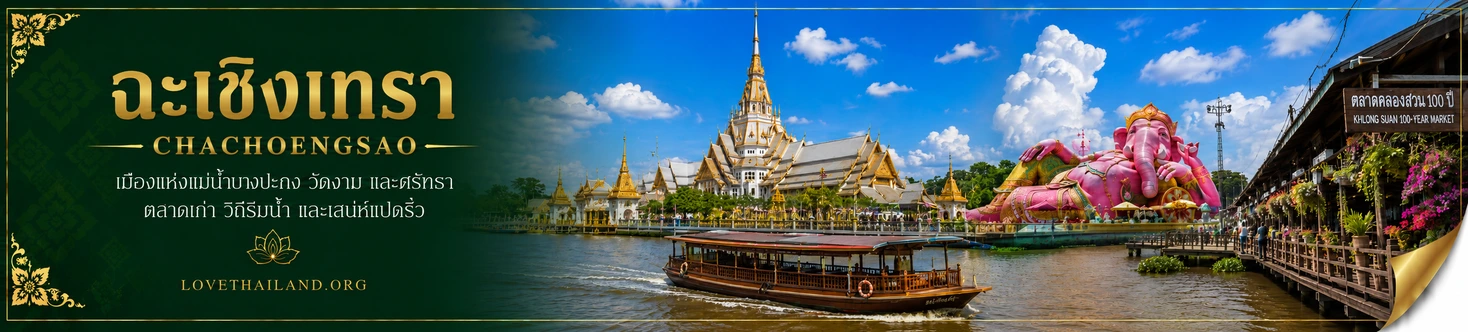
Rajabhat Rajanagarindra University
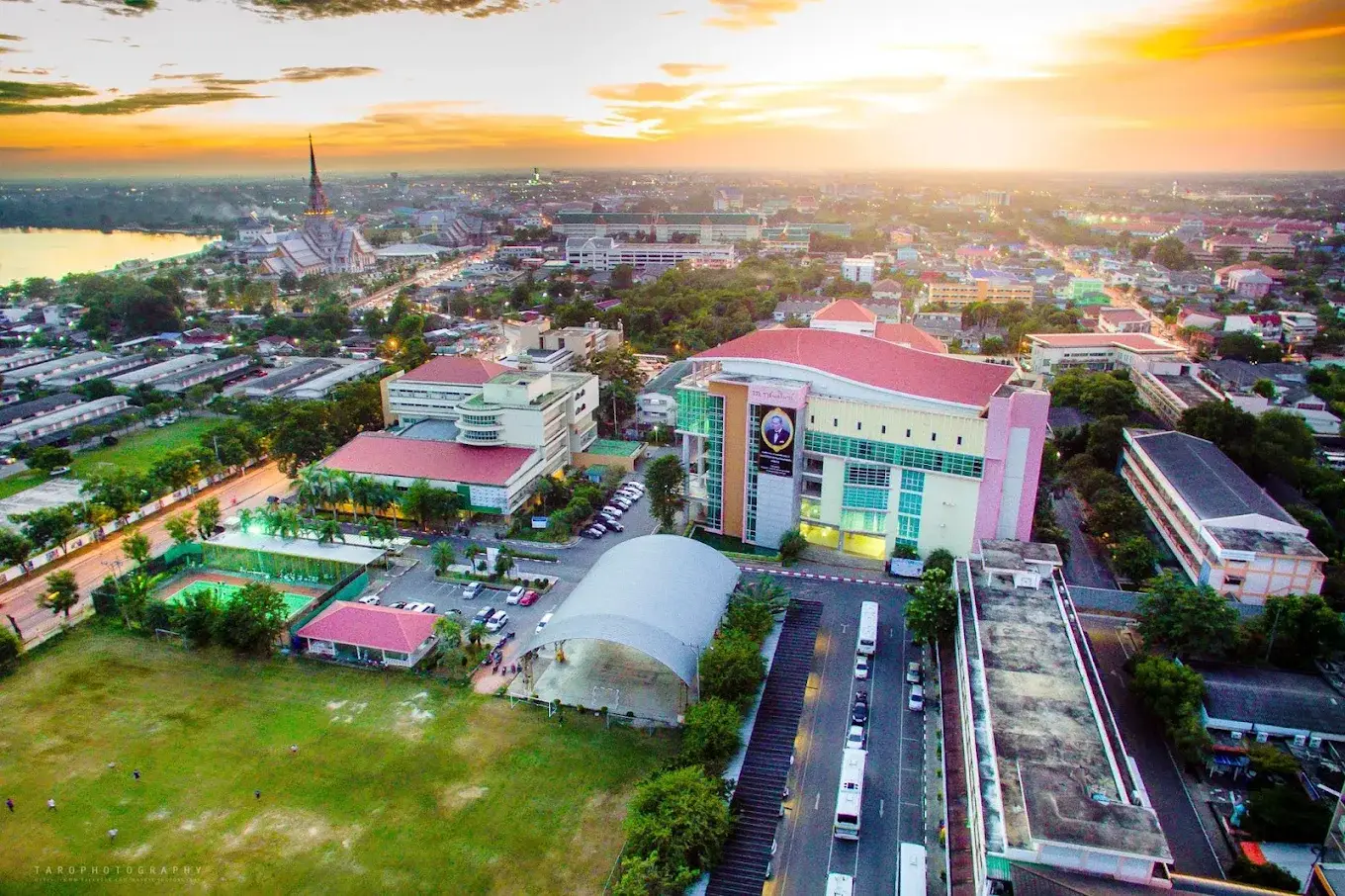
Open Days: Monday–Friday (Administrative Offices; Closed on Public Holidays)
Opening Hours: 08:30 – 16:30 (Administrative Office Hours; Access to Campus Facilities May Follow Different Schedules)
Rajabhat Rajanagarindra University (RRU) is a public university in Chachoengsao Province, eastern Thailand. Its history dates back to 1940, when it was established as a teacher-training institution. Over the following decades, it developed into a teachers college, a Rajabhat institute, and eventually a university on June 15, 2004. Today, RRU provides higher education in teacher education, humanities, social sciences, science and technology, management, industrial technology, and nursing. The university also contributes to regional development through research, innovation, community services, cultural preservation, and partnerships with public and private organizations. Its educational facilities are located in Mueang Chachoengsao District and Bang Khla District.
Rajabhat Rajanagarindra University has a strong historical connection with Chachoengsao, a province widely known by its traditional name, Paet Riu. The university's development reflects the evolution of Thailand's education system, particularly the expansion of educational opportunities beyond Bangkok. What began as an institution dedicated to preparing teachers has become a multidisciplinary university serving students, communities, government agencies, and local businesses.
The university's main address is 422 Maruphong Road, Na Mueang Subdistrict, Mueang Chachoengsao District, Chachoengsao Province 24000. This urban location provides access to important areas of the provincial capital. The university also maintains facilities on Si Sothon Tat Mai Road and operates its Bang Khla educational center in Hua Sai Subdistrict, Bang Khla District.
These different locations support the university's diverse academic responsibilities. The central Chachoengsao facilities are closely connected with the city's communities and administrative services, while the Bang Khla center provides a larger environment for educational activities, practical training, and institutional development. Students and visitors should identify the correct campus location before traveling, as academic departments and scheduled activities may operate at different sites.
The history of Rajabhat Rajanagarindra University began in 1940 with the establishment of a provincial teacher-training school. At that time, Thailand was expanding its educational system, and provincial institutions were essential for preparing qualified teachers to serve local schools. The establishment of a teacher-training institution in Chachoengsao helped improve educational access and supported the development of schools throughout the surrounding region.
In 1942, the institution became known as Chachoengsao Women's Teacher Training School. Its educational programs continued to evolve in response to the needs of the teaching profession. By 1955, Chachoengsao Teacher Training School was offering the Certificate in Education, an important qualification that strengthened professional teacher preparation.
Another significant milestone occurred on October 1, 1970, when the institution became Chachoengsao Teachers College. This change marked an expansion of its academic responsibilities and strengthened its position as an institution for training teachers and educational personnel. The college subsequently developed additional educational opportunities, including advanced teacher-training qualifications and programs for practicing teachers.
In 1979, the college further expanded its opportunities for in-service teacher development. By 1984, it had introduced bachelor's degree programs in a broader range of academic disciplines, including education, science, and the liberal arts. This represented an important transition from a specialized teacher-training college toward a more comprehensive higher education institution.
In 1992, Chachoengsao Teachers College became Chachoengsao Rajabhat Institute. The change was part of the development of Rajabhat institutions across Thailand, which were increasingly expected to provide higher education in multiple disciplines while maintaining close relationships with local communities. In 1998, the institution adopted the name Rajabhat Rajanagarindra Institute, establishing the name by which it would later become widely recognized.
The Rajabhat University Act B.E. 2547 (2004) provided the legal framework for another major transformation. On June 15, 2004, Rajabhat Rajanagarindra Institute officially became Rajabhat Rajanagarindra University. University status enabled the institution to develop its academic administration, degree programs, research activities, and community engagement within a broader higher education framework.
By 2026, the university had reached 86 years since its establishment in 1940 and 22 years since attaining university status in 2004. These milestones reflect a continuous commitment to education through several generations of institutional change. Although its name, academic structure, and degree offerings have evolved, its historical mission of developing skilled graduates and supporting local communities remains central to its identity.
The university's historical significance extends beyond its official institutional status. For generations, it has provided opportunities for students from Chachoengsao and surrounding provinces to pursue higher education closer to home. Its graduates have contributed to schools, public administration, businesses, industries, and community organizations, reinforcing the university's role in regional social and economic development.
Like other Rajabhat universities, RRU uses the royal emblem associated with the Rajabhat university system. The saraphi flower is closely associated with the university's identity and appears in the names of student recognition programs and alumni activities. These symbols help maintain a sense of institutional continuity and shared belonging among students, faculty members, staff, and graduates.
The university's guiding maxim can be translated as “Study what ought to be studied.” This principle emphasizes meaningful learning and the responsible application of knowledge. The university also promotes the student identity “Volunteer Spirit, Eagerness to Learn, and Dedication to Work,” highlighting service to others, continuous learning, and commitment to practical responsibilities.
In 2026, the university is led by Associate Professor Dr. Duangporn Phuphaka as President. University administration covers academic planning, research, educational quality assurance, student development, community partnerships, and institutional strategies that support sustainable local development.
Rajabhat Rajanagarindra University comprises six faculties: the Faculty of Education, Faculty of Humanities and Social Sciences, Faculty of Science and Technology, Faculty of Management Science, Faculty of Industrial Technology, and Faculty of Nursing. Supporting academic and administrative units provide library services, information technology resources, research coordination, student services, and cultural activities.
The Faculty of Education is particularly significant because it represents the university's historical foundation. Its academic work focuses on preparing future teachers and developing the professional capabilities of educational personnel. Fields of study include early childhood education, language and social studies education, mathematics and science education, technology education, art education, and performing arts education.
Teacher education involves more than mastering a particular subject. Students must also understand educational psychology, classroom management, curriculum design, teaching methods, learning assessment, and professional ethics. Practical teaching experience is an essential component of preparing graduates to work effectively in schools and other educational settings.
The Faculty of Humanities and Social Sciences offers learning opportunities associated with languages, culture, creative arts, law, politics, public administration, and social development. These disciplines help students develop analytical, communication, and interpersonal skills relevant to a wide range of occupations. They also contribute to the study and preservation of cultural heritage and to understanding changes within contemporary society.
The Faculty of Science and Technology supports education in scientific and applied disciplines. Its academic areas are connected to important regional issues such as agriculture, food services, environmental management, computing, and occupational health. The practical application of scientific knowledge can support local enterprises, improve resource management, and encourage innovation within communities.
The Faculty of Management Science prepares students for careers in business administration, marketing, human resource management, accounting, communication, tourism, and other service-related fields. Its disciplines are relevant to the operations of public and private organizations, including small and medium-sized enterprises that form an important part of the provincial economy.
The Faculty of Industrial Technology focuses on engineering, product design, manufacturing systems, industrial management, and technological applications. Its academic activities are particularly relevant to Thailand's eastern region, where manufacturing, logistics, and industrial development create demand for specialized technical knowledge. Students in these fields develop capabilities connected to production processes, machinery, automation, and industrial operations.
The Faculty of Nursing contributes to the education of healthcare professionals. Nursing education combines scientific knowledge, practical clinical skills, professional ethics, and a commitment to patient care. The faculty's work is connected to the broader need for qualified personnel who can support healthcare services and community well-being.
Beyond undergraduate education, RRU offers graduate study in areas including educational administration, curriculum and instruction, business administration, health management, and science and innovation for development. Doctoral study is also available in science and innovation for development. These programs support professional advancement, specialized research, and the development of expertise among educators, administrators, researchers, and other professionals.
One of RRU's defining strengths is its emphasis on the practical needs of the communities it serves. Its academic disciplines can contribute to teacher development, agricultural innovation, food production, environmental management, business improvement, and the preparation of skilled workers. This approach encourages students to connect theoretical knowledge with the challenges and opportunities they encounter outside the classroom.
Research and innovation form an important part of the university's mission. Scientific and technological knowledge can be applied to agricultural production, food processing, environmental protection, and product improvement. Meanwhile, management and social science disciplines can support local enterprises, public organizations, and community participation. Partnerships with external organizations help connect academic expertise with practical development needs.
Chachoengsao provides a particularly interesting setting for this work. The province includes agricultural communities, historic settlements, traditional markets, religious landmarks, and modern industrial activities. The Bang Pakong River has long influenced local settlement patterns, trade, and community life. These diverse characteristics create opportunities for interdisciplinary research into culture, economics, environmental change, and regional development.
The university's Center for Arts, Culture and Local Studies contributes to the preservation and promotion of cultural knowledge. Its work connects academic learning with local traditions, creative activities, heritage, and community identity. Such initiatives help younger generations appreciate traditional skills, cultural practices, and historical knowledge while encouraging their meaningful continuation in contemporary society.
University traditions and student activities also play an important role in campus life. Events such as teacher appreciation ceremonies, student orientation activities, cultural programs, recognition ceremonies, and alumni gatherings strengthen relationships within the university community. Beyond their ceremonial purposes, these activities help transmit institutional values and create a shared sense of identity across generations.
In 2026, the university organized the Phet Saraphi student recognition program to honor students who brought distinction to the institution through achievements in arts and culture. The event reflected the university's emphasis on student development, cultural participation, and the qualities expressed through its institutional identity. Student recognition programs provide opportunities to celebrate accomplishments both inside and outside the classroom.
Alumni activities are especially meaningful for an institution with more than eight decades of history. Former students from the teachers college, Rajabhat institute, and university eras represent different chapters in the institution's development. Their continued involvement helps preserve institutional memories and can support scholarships, student activities, and professional networks.
For visitors interested in educational tourism, Rajabhat Rajanagarindra University offers an opportunity to explore the history of teacher education and regional higher education in Thailand. Its development illustrates how a provincial teacher-training school gradually became a multidisciplinary public university. Understanding this transformation also provides insight into the changing needs of Thai society over the past several decades.
Rajanagarindra Building is among the university's important facilities, housing offices associated with student development and university activities. Other facilities include classroom buildings, administrative offices, meeting rooms, and academic areas operated by the different faculties. These spaces support teaching, academic administration, student services, and institutional events.
The Office of Academic Resources and Information Technology provides resources that support academic study, research, and information access. Facilities at the Bang Khla educational center also contribute to academic activities and practical learning. Access to libraries, laboratories, classrooms, and specialized facilities is governed by the regulations and operating schedules of the relevant departments.
The contrast between the university's urban and Bang Khla settings is another point of interest. The main facilities are connected with Chachoengsao's historic city environment and communities near the Bang Pakong River, while Bang Khla offers a different perspective on the province's landscapes and local ways of life. Together, these settings reflect the university's relationship with both urban and non-urban communities.
Visitors planning an academic visit or wishing to participate in a university event should contact the relevant office in advance. Access to laboratories, specialized teaching facilities, and certain educational areas may require authorization. The general administrative office hours are Monday through Friday, 08:30 – 16:30, excluding Thai public holidays. Individual facilities and special events may follow different schedules.
Prospective students, parents, and visitors should also confirm the location of their intended appointment. Registration services, faculty activities, and academic events may take place in Mueang Chachoengsao or at the Bang Khla center. Identifying the correct destination beforehand helps avoid unnecessary travel between locations.
Getting There is relatively straightforward for visitors traveling to central Chachoengsao. From Bangkok, drivers can follow the main roads leading to Chachoengsao city and continue to Maruphong Road in Na Mueang Subdistrict, where the university's main address is located. Checking the latest road conditions and the exact building location is recommended before departure, particularly when large university events are scheduled.
Travelers using public transportation can reach Chachoengsao by available bus or train services and then continue to the university by local hired transport. Giving the destination as “Rajabhat Rajanagarindra University, Maruphong Road” helps distinguish the main location from the Bang Khla educational center. Those attending activities at Bang Khla should use the specific center location when planning their journey.
A visit to the university can also be combined with cultural sightseeing around Chachoengsao. Notable attractions include Wat Sothon Wararam Worawihan, Ban Mai 100-Year Market, the historic Chachoengsao City Fort, Chachoengsao City Pillar Shrine, and Wat Chin Pracha Samoson, also known as Wat Leng Hok Yi. Together, these places illustrate the province's religious traditions, commercial history, and cultural diversity.
Wat Sothon Wararam Worawihan is one of Chachoengsao's most important Buddhist landmarks and is associated with the highly revered Luang Pho Sothon Buddha image. Ban Mai 100-Year Market offers insight into traditional riverside commerce and community life along the Bang Pakong River. The city fort and City Pillar Shrine reflect aspects of the province's historical development and local beliefs.
With a history extending back to 1940, Rajabhat Rajanagarindra University is more than a place of higher education. It represents an important part of Chachoengsao's educational and social heritage. Its transition from a teacher-training school into a multidisciplinary university illustrates the expansion of educational opportunities and the growing importance of higher education in regional development.
Today, RRU continues to connect academic learning with community needs through teaching, research, cultural preservation, professional development, and cooperation with local organizations. Its importance lies both in the generations of graduates it has educated and in its continuing contribution to the future of Chachoengsao and eastern Thailand.
| University Name | Rajabhat Rajanagarindra University |
| Thai Name | มหาวิทยาลัยราชภัฏราชนครินทร์ |
| Abbreviation | RRU |
| Institution Type | Public University, Rajabhat University System |
| Province | Chachoengsao, Thailand |
| Main Address | 422 Maruphong Road, Na Mueang Subdistrict, Mueang Chachoengsao District, Chachoengsao 24000, Thailand |
| Other Locations | 40 Si Sothon Tat Mai Road, Na Mueang Subdistrict, Mueang Chachoengsao District; Bang Khla Educational Center, 6 Moo 4, Hua Sai Subdistrict, Bang Khla District, Chachoengsao 24110 |
| Founding Year | 1940 (B.E. 2483) |
| University Status Granted | June 15, 2004 |
| Institutional History in 2026 | 86 Years Since Establishment |
| Former Institutional Names | Provincial Teacher Training School, Chachoengsao Women's Teacher Training School, Chachoengsao Teacher Training School, Chachoengsao Teachers College, Chachoengsao Rajabhat Institute, and Rajabhat Rajanagarindra Institute |
| University President in 2026 | Associate Professor Dr. Duangporn Phuphaka |
| Guiding Maxim | Study What Ought to Be Studied |
| Student Identity | Volunteer Spirit, Eagerness to Learn, and Dedication to Work |
| University Flower | Saraphi Flower |
| Faculties | 1. Faculty of Education 2. Faculty of Humanities and Social Sciences 3. Faculty of Science and Technology 4. Faculty of Management Science 5. Faculty of Industrial Technology 6. Faculty of Nursing |
| Academic Levels | Bachelor's, Master's, Doctoral, and Relevant Professional Certificate Programs |
| Academic Strengths | Teacher Education, Community Development, Science and Technology, Management, Industrial Technology, and Health Sciences |
| Important Facilities | Rajanagarindra Building, Academic and Administration Building, Office of Academic Resources and Information Technology, Center for Arts, Culture and Local Studies, and Bang Khla Educational Center |
| University Activities | Teacher Appreciation Ceremonies, Student Development Activities, Cultural Programs, Phet Saraphi Student Recognition, and Alumni Events |
| Administrative Open Days | Monday–Friday, Excluding Public Holidays |
| Administrative Opening Hours | 08:30 – 16:30 |
| Visitor Access | Academic Visits and Access to Specialized Facilities Are Subject to Departmental Rules and Prior Authorization |
| Transportation | Drive to Maruphong Road in Central Chachoengsao, or Travel to Chachoengsao by Bus or Train and Continue by Local Hired Transport. Use the Separate Bang Khla Location When Visiting That Center. |
| Nearby Tourist Attractions | 1. Wat Sothon Wararam Worawihan 2. Ban Mai 100-Year Market 3. Chachoengsao City Fort 4. Chachoengsao City Pillar Shrine 5. Wat Chin Pracha Samoson (Wat Leng Hok Yi) |
| Restaurants in the City Area | 1. Pa Khiao Samrap Tai 2. Mathurot Ruean Phae 3. Ma Der Ra 4. Me Restaurant 5. Prachasan Cafe & Restaurant |
| Accommodation in the City Area | 1. JK Living Hotel and Service Apartment 2. Heaven Hotel Chachoengsao 3. Yenjit Resort 4. V-Verve Hotel 5. BB House Chachoengsao |
| Telephone | +66 38 500 000 |
| saraban@rru.ac.th | |
| Official Website | https://www.rru.ac.th/ |
| Current Status | Operating Public University |
Academic Programs and Fields of Study at Rajabhat Rajanagarindra University, Academic Year 2026
| Faculty / Unit | Academic Level | Published Academic Programs and Fields |
| Faculty of Education | Bachelor's Degree | Bachelor of Education: Early Childhood Education, Thai Performing Arts Education, and Art Education Teaching Mathematics, Science, and Technology Language and Social Studies Education, Including Thai, English, Chinese, and Social Studies |
| Faculty of Humanities and Social Sciences | Bachelor's Degree | Public Administration, Political Science, Law, Social Development, English, Thai for Foreigners, Visual Arts and Media Art, and Music-Related Fields |
| Faculty of Science and Technology | Bachelor's Degree | Agricultural Technology, Food Business and Services, Environmental Management, Chemistry, Computer Science, Information Technology, Occupational Health and Safety, and Public Health-Related Study |
| Faculty of Management Science | Bachelor's Degree | Management, Marketing, Human Resource Management, Business Computing, Accounting, Communication Arts, Tourism and Hospitality, and Modern Business Innovation Management |
| Faculty of Industrial Technology | Bachelor's Degree | Automotive Mechanical Engineering, Electrical Engineering, Product Design, Industrial Management Engineering, Automated Manufacturing Engineering, and Logistics and Process Engineering |
| Faculty of Nursing | Bachelor's Degree | Bachelor of Nursing Science |
| Graduate Studies | Master's Degree | Master of Education in Educational Administration Master of Education in Curriculum and Instruction Master of Business Administration Master of Public Health in Health Management Master of Science in Science and Innovation for Development |
| Graduate Studies | Doctoral Degree | Doctor of Philosophy in Science and Innovation for Development |
Frequently Asked Questions (FAQ)
Q: Where is Rajabhat Rajanagarindra University located?
A: The university's main address is 422 Maruphong Road, Na Mueang Subdistrict, Mueang Chachoengsao District, Chachoengsao Province 24000, Thailand. It also operates an educational center in Bang Khla District.
Q: What are Rajabhat Rajanagarindra University's opening days and hours?
A: General administrative offices operate Monday through Friday from 08:30 to 16:30, excluding public holidays. Individual campus facilities and special activities may follow different schedules.
Q: When was Rajabhat Rajanagarindra University established?
A: The institution was founded as a teacher-training school in 1940 and officially attained university status on June 15, 2004.
Q: How many faculties does Rajabhat Rajanagarindra University have?
A: The university has six faculties: Education, Humanities and Social Sciences, Science and Technology, Management Science, Industrial Technology, and Nursing.
Q: What is Rajabhat Rajanagarindra University known for?
A: The university has a long history in teacher education and also provides programs in science, technology, business, industrial technology, nursing, and other disciplines. Community development remains an important part of its mission.
Q: Does Rajabhat Rajanagarindra University have a center in Bang Khla?
A: Yes. Its Bang Khla Educational Center is located at 6 Moo 4, Hua Sai Subdistrict, Bang Khla District, Chachoengsao Province.
Q: Can members of the public visit the university?
A: Access to public activities and organized academic visits depends on the relevant department or event organizer. Laboratories, classrooms, and specialized facilities may require prior authorization.
Q: How can visitors reach Rajabhat Rajanagarindra University?
A: Visitors can drive to Maruphong Road in central Chachoengsao or travel to the city by bus or train and continue by local hired transport. Those visiting the Bang Khla Educational Center should navigate to its separate address.
 Category: ●University
 Group: ●Rajabhat University
Last Update : 4 DayAgo
 Last Update : 4 DayAgo
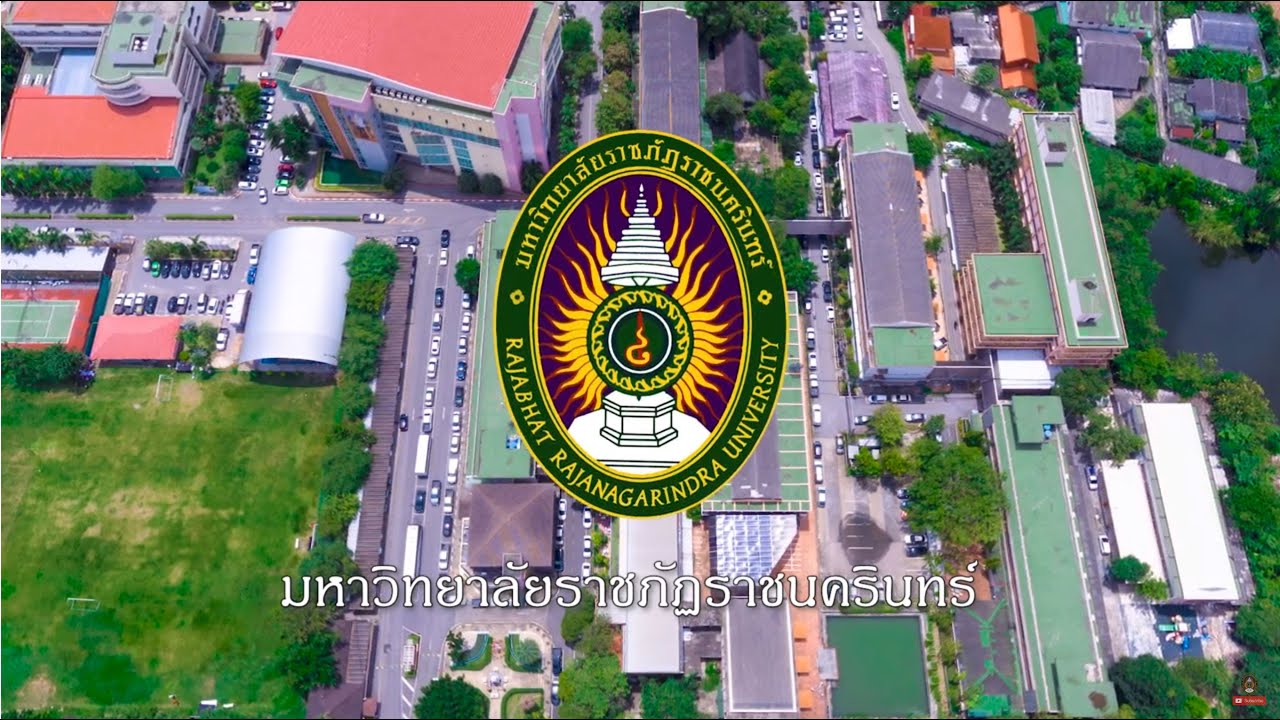
 Click to Access the Navigation Map GPS
Rajabhat Rajanagarindra University Map
Recommend

 Art, Culture and Heritage
 Historical Sites and Monuments(3)
 Landmarks and Memorials(4)
 Royal Palace(1)
 Art, Craft Centres, Tradition(10)
 Museums(2)
 Historic Homes and Cities(1)
 Educational Places
 Museum for Study(1)
 Library(1)
 Educational Gardens, Farm(2)
Rajabhat University(1)
 Places of Worship
 Temple(50)
 Mosque(2)
 Other Sacred Sites(7)
 Research and Development
 Royal Project(4)
 Suburban Living
 Village, Community(5)
 Local Market(4)
 Floating Market(1)
 Nature and Wildlife
 National Parks and Marine Reserves(2)
 Mountain (Doi)(1)
 Dam, Reservoir, Lake(6)
 Waterfalls(1)
 Caves(1)
 River, Canal(2)
 Bays and Beaches(1)
 Islands(2)
 Other natural attractions(2)
 Entertainment and Agricultural
 Zoos and Aquariums(1)
 Animal camps and shows(1)
 Farms, Parks and Ecotourism(6)
 Waterpark(1)
 Spas and Wellness
 Spas and Wellness(1)
 Travel Articles, Recipes
 Travel Review, Food Review(3)


