
lovethailand home >Northeastern Travel Attractions >Ubon Ratchathani Travel Attractions >Sirinthon >Chong Mek > Sirindhorn Dam
TL;DR: Sirindhorn Dam is located at Nikhom Lam Dom Noi Subdistrict, Sirindhorn District, Ubon Ratchathani Province, open Daily, hours 06.00 – 20.00.
Sirindhorn Dam
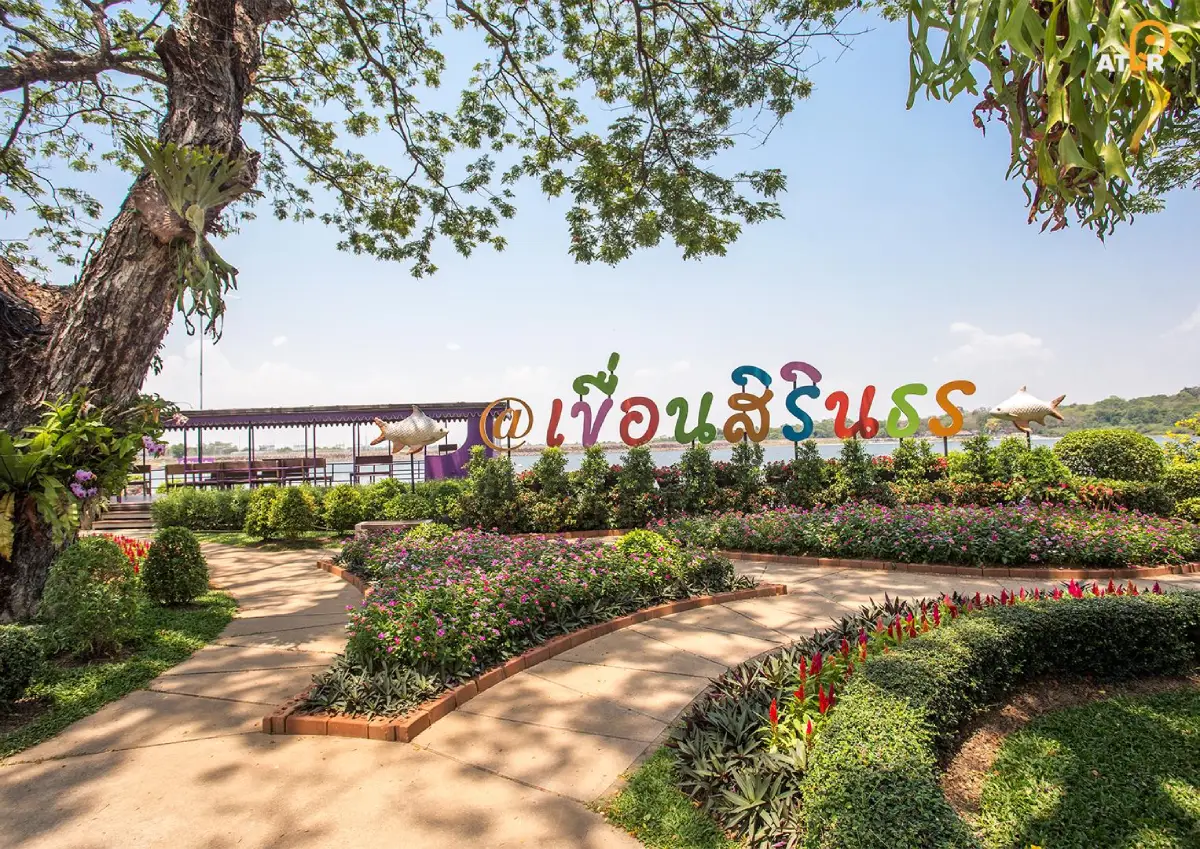
Open Days: Daily
Opening Hours: 06.00 – 20.00
Sirindhorn Dam in Ubon Ratchathani Province is one of the most important multipurpose dams in northeastern Thailand. Located in Nikhom Lam Dom Noi Subdistrict, Sirindhorn District, the dam is about 70 km from Ubon Ratchathani city along Highway 217. Travelers turn right around kilometer marker 71 and continue for about 500 meters to reach the dam area. Built as a clay-core rock-fill dam across the Lam Dom Noi River, a tributary of the Mun River, Sirindhorn Dam combines hydropower generation, irrigation, fisheries, flood alleviation, tourism, and renewable-energy learning in one large riverside landscape.
In simple terms, Sirindhorn Dam is a scenic and educational destination where visitors can see a large reservoir, a long dam crest, a peaceful garden, a nature walkway, a hydropower plant, and Thailand’s landmark hydro-floating solar hybrid project. It is suitable for Thai visitors looking for an easy nature trip near Ubon Ratchathani, and it is equally valuable for foreign travelers who want to understand how water, sunlight, engineering, energy, and local communities are connected in lower northeastern Thailand.
The dam was originally known as Lam Dom Noi Dam because it was built across the Lam Dom Noi River. Construction began in June 1968 and was completed in 1971. The dam later received the royal name “Sirindhorn Dam.” From the beginning, it was designed as a multipurpose project, not only to generate electricity but also to support irrigation, fisheries, flood control, local livelihoods, and recreation. This makes the dam more than a viewpoint. It is an active piece of infrastructure that continues to shape the landscape and economy of Sirindhorn District.
From an engineering perspective, Sirindhorn Dam is a clay-core rock-fill dam. The dam is 42 meters high from its foundation, 940 meters long, and 7.50 meters wide at the crest. Its reservoir covers about 288 square kilometers and can store approximately 1,966.50 million cubic meters of water. The hydropower station has an installed capacity of 36 MW and generates about 52 million kilowatt-hours of electricity per year. These figures help visitors understand the scale of the dam and its continuing role in Thailand’s energy and water-management systems.
The scenery around Sirindhorn Dam is calm and expansive. The reservoir stretches across a wide area, surrounded by gentle hills, trees, local communities, and open skies. The atmosphere is especially pleasant in the morning and late afternoon, when the sunlight is softer and the water reflects the sky. Visitors can enjoy panoramic views from the dam crest, relax in garden areas, take photographs, or simply slow down and appreciate the quiet reservoir landscape of Ubon Ratchathani.
One of the strongest reasons to visit Sirindhorn Dam today is the Hydro-Floating Solar Hybrid Project. This 45 MW project combines floating solar power on the reservoir with hydropower from the existing dam. It is a pilot project by the Electricity Generating Authority of Thailand and represents a practical model for using reservoir surfaces to generate clean energy without taking additional farmland or community land. The project also helps visitors understand how solar power and hydropower can work together to make renewable energy more stable.
The floating solar panels are arranged across the water surface in large groups. From the viewing areas and the nature walkway, visitors can see the panels stretching across the reservoir like a modern energy landscape. During the day, solar panels generate electricity from sunlight. When sunlight is unavailable or when the power system needs support, hydropower can help supply electricity. This hybrid approach reduces the limitations of renewable energy and makes the dam an important clean-energy learning destination in Thailand.
The Nature Walkway is one of the most popular check-in points inside Sirindhorn Dam. The walkway is more than 415 meters long and is surrounded by local trees and natural scenery. It allows visitors to walk through a green area and see the floating solar project from an elevated viewpoint. Some sections are designed for scenic photography, including glass-floor viewing areas that create a more exciting experience. This walkway is especially suitable for visitors who want a clear view of the reservoir, the landscape, and the hydro-floating solar project in one place.
Sirinthan Praphakon Building is another important area in the dam complex. It serves as a visitor reception and learning space, presenting information about the dam’s history, renewable energy, and the hydro-floating solar hybrid project. The building was designed with concepts related to sunlight, energy, and nature. It connects with the Nature Walkway and helps make the area more suitable for students, families, general travelers, and international visitors interested in clean energy.
Sirindhorn Garden provides a softer and more relaxing side of the dam. With trees, green spaces, walking areas, and viewpoints, the garden allows visitors to rest after a long drive, enjoy the reservoir view, or take family photos. It also makes the dam feel more welcoming as a travel destination, balancing the large engineering structures with natural and recreational spaces.
The dam crest is one of the best places to understand the physical structure of Sirindhorn Dam. From this area, visitors can see the vast reservoir on one side and the hydropower system on the other. This view helps explain how the dam works as more than a wall across the river. It is a connected system of water storage, electricity generation, irrigation support, flood control, and local resource management.
The Lam Dom Noi River is closely connected with the Mun River and the broader water system of lower Isan. The reservoir created by Sirindhorn Dam supports agriculture, freshwater fisheries, and local livelihoods around Sirindhorn District. For travelers who enjoy deeper cultural and environmental understanding, the dam offers a real example of how water infrastructure shapes farming, food production, energy, and daily life in northeastern Thailand.
Fisheries are also part of the dam’s local importance. A large reservoir creates opportunities for freshwater fishery activities and related community livelihoods. In the wider area, fisheries agencies help protect and manage aquatic resources. Around the reservoir, visitors may see boats, fish-related activities, raft services, local restaurants, and community life connected with water. This makes the dam both an energy site and a living water landscape.
Rafting and floating-raft activities on Sirindhorn Reservoir are popular among families and groups of friends. These activities allow visitors to experience the reservoir from the water level, enjoy local food, relax with a group, and see the dam landscape from a different angle. Travelers should contact local operators in advance and choose safe weather conditions, especially during periods of changing water level or strong wind.
Sirindhorn Dam is also easy to combine with several important attractions. Wat Sirindhorn Wararam Phu Phrao, widely known as the glowing temple, is a short drive away and is especially beautiful around sunset and after dark. Chong Mek border market and the Thai-Lao border area are also accessible from the dam. Travelers can continue toward Khong Chiam, Pak Mun Dam, the Two-Color River, Kaeng Tana National Park, and Pha Taem National Park for a complete southern Isan travel route.
Wat Sirindhorn Wararam Phu Phrao is one of the best nearby attractions to pair with Sirindhorn Dam. A practical plan is to visit the dam in the afternoon, walk along the nature walkway, have a drink or meal in the dam area, then continue to the temple before sunset. This timing allows visitors to enjoy reservoir views in daylight and then see the temple’s famous glowing tree mural in the evening.
The dam area also includes recreational facilities such as a golf course, restaurants, cafés, guesthouses, and service areas. This makes it convenient for travelers who want to spend several hours at the site without leaving immediately for food or rest. The food court, Khun Sai Chon coffee shop, and clubhouse restaurant are useful options for visitors who prefer to stay within the dam area.
Sirindhorn Dam is suitable for many types of visitors. Families can enjoy the reservoir view and garden. Elderly visitors can relax in accessible areas without strenuous walking. Children and students can learn about water, hydropower, and floating solar technology. Photographers can capture the reservoir, solar panels, dam crest, and sunset light. Foreign travelers can use the visit to understand Thailand’s renewable-energy development in a real landscape rather than only reading about it.
The best time to visit Sirindhorn Dam is in the morning or late afternoon. Morning is good for cooler weather, soft light, and peaceful walks. Late afternoon is suitable for photography and for continuing to Wat Sirindhorn Wararam Phu Phrao in the evening. Since many parts of the dam are open and exposed to sunlight, visitors should bring water, a hat, and sun protection when walking around the dam crest or nature walkway.
The cool season and the transition from the rainy season into the cool season are especially pleasant. During these periods, the sky is often clear, the reservoir looks fresh, and the surrounding greenery is attractive. The rainy season can also be beautiful, but visitors should check the weather before traveling. In the hot season, the scenery remains open and bright, but it is better to plan activities in the morning or late afternoon.
Getting There from Ubon Ratchathani city is straightforward by private car, rental car, or motorcycle. Take Highway 217 toward Sirindhorn District. Around kilometer marker 71, turn right and continue for about 500 meters to the dam area. The distance from the city is about 70 km, and travel time is usually a little over 1 hour depending on traffic and starting point. Travelers without a private vehicle can take transport toward Sirindhorn or Chong Mek and then arrange local transport to the dam.
Travel planning is important because Sirindhorn Dam connects naturally with many other places. A half-day trip can include the dam, the nature walkway, a meal or coffee stop, and Wat Sirindhorn Wararam Phu Phrao in the evening. A full-day or overnight route can continue to Chong Mek, Pak Mun Dam, Khong Chiam, the Two-Color River, Kaeng Tana National Park, or Pha Taem National Park. This makes Sirindhorn Dam a strong starting point for a deeper journey through eastern Ubon Ratchathani.
Visitors who want a deeper experience should spend more than a few minutes at the viewpoint. Walking slowly through the dam area, observing the reservoir, reading energy information, seeing the floating solar project, and understanding the hydropower function will make the visit more meaningful. Sirindhorn Dam tells the story of water, sunlight, electricity, local communities, and sustainable tourism in one connected place.
Safety is important because Sirindhorn Dam remains an active infrastructure site. Visitors should stay in public areas, avoid restricted zones, avoid climbing barriers, avoid entering unsafe water areas, and follow warning signs and staff instructions. Responsible travel helps protect both visitors and the dam’s operations.
Visitors should also respect the surrounding communities. The reservoir supports local life, including fishing, food businesses, accommodation, and community-based tourism. Keeping the area clean, avoiding litter, supporting local restaurants and accommodations, and traveling politely will help keep the destination pleasant and beneficial for the people who live around the dam.
Restaurants near Sirindhorn Dam include food outlets inside the dam area, Thai restaurants, fish restaurants, cafés, and restaurants along the route toward Chong Mek. Many visitors enjoy freshwater fish dishes, Isan food, simple Thai dishes, coffee, and cold drinks. Restaurants inside the dam area are convenient for short visits, while restaurants along the Chong Mek route are suitable for travelers continuing to the glowing temple or the border area.
Accommodation near Sirindhorn Dam includes EGAT guesthouses, lakeside resorts, pool villas, and hotels around Chong Mek. Visitors who want to stay close to the dam can choose accommodation inside or near the reservoir area. Those planning to continue toward Chong Mek or Wat Sirindhorn Wararam Phu Phrao may prefer the Chong Mek area. Travelers heading toward Khong Chiam and Pha Taem the next morning may choose to stay farther along the river route.
Sirindhorn Dam is therefore a complete travel destination for visitors who want both scenery and substance. It has engineering history, hydropower, renewable energy, a large reservoir, local livelihoods, green spaces, restaurants, accommodations, and nearby attractions. Rather than being only a viewpoint, it is a place where visitors can understand how water and sunlight contribute to life, energy, and tourism in Ubon Ratchathani.
For international visitors, Sirindhorn Dam provides a clear example of how Thailand is combining natural resources with renewable-energy technology. The reservoir reflects the region’s need for water management, while the floating solar hybrid project reflects the country’s move toward cleaner energy. A visit here offers more than a beautiful view; it provides insight into how infrastructure, local communities, and sustainable development meet in lower Isan.
When all elements are combined, Sirindhorn Dam deserves a place in any Ubon Ratchathani itinerary that includes Sirindhorn District, Chong Mek, and Khong Chiam. It can be visited as a half-day stop, a full-day nature and energy trip, or the beginning of a deeper southern Isan route linking hydropower, solar energy, temples, border culture, rivers, and local communities.
| Name | Sirindhorn Dam |
| Location | Nikhom Lam Dom Noi Subdistrict, Sirindhorn District, Ubon Ratchathani Province |
| Address | 30 Moo 11, Nikhom Lam Dom Noi Subdistrict, Sirindhorn District, Ubon Ratchathani 34350 |
| Highlights | Clay-core rock-fill dam, large reservoir, Nature Walkway, 45 MW Hydro-Floating Solar Hybrid Project, Sirinthan Praphakon Building, Sirindhorn Garden, and scenic reservoir viewpoints |
| History | Originally known as Lam Dom Noi Dam, construction began in June 1968 and was completed in 1971. It was built across the Lam Dom Noi River, a tributary of the Mun River. |
| Name Origin | The dam received the royal name Sirindhorn Dam after being known locally as Lam Dom Noi Dam, following the river it was built across. |
| Distinctive Features | The dam is 42 meters high, 940 meters long, and 7.50 meters wide at the crest. The reservoir covers about 288 square kilometers and stores about 1,966.50 million cubic meters of water. |
| Travel Information | From Ubon Ratchathani city, take Highway 217 for about 70 km, turn right around kilometer marker 71, and continue for about 500 meters. Suitable for private car, rental car, or motorcycle. |
| Current Status | Open as a dam area, renewable-energy learning destination, recreation area, and major attraction in Sirindhorn District, Ubon Ratchathani Province |
| Open Days | Daily |
| Opening Hours | 06.00 – 20.00 |
| Fees | No admission fee |
| Facilities | Viewpoints, garden areas, Nature Walkway, restaurants, café, guesthouses, parking areas, golf course, and visitor service areas |
| Main Areas / Zones | Dam crest, reservoir, hydropower plant, Hydro-Floating Solar Hybrid Project, Nature Walkway, Sirinthan Praphakon Building, Sirindhorn Garden, welfare restaurant, Khun Sai Chon Coffee Shop, Khun Sai Chon Villa, and Sirindhorn Dam Golf Course |
| Caretaker | Electricity Generating Authority of Thailand (EGAT), Sirindhorn Dam Power Plant Division |
| Main Contact Number | Sirindhorn Dam, Tel. 0 4536 6081-3 Guesthouse / Restaurant, Tel. 045-366-085, 089-280-3197 |
| Official Website / Official Page | Electricity Generating Authority of Thailand (EGAT) website and Khun Sai Chon Villa Sirindhorn Dam website |
| Nearby Tourist Attractions | 1. Nature Walkway, Sirindhorn Dam, 1 km 2. Sirindhorn Dam Hydro-Floating Solar Hybrid Project, 2 km 3. Sirindhorn Dam Rafting Area, 2 km 4. Sirindhorn Dam Golf Course, 4 km 5. Wat Sirindhorn Wararam Phu Phrao, 15 km 6. Chong Mek, 18 km 7. Kaeng Tana National Park, 24 km |
| Nearby Restaurants | 1. Khun Sai Chon Coffee Shop, Sirindhorn Dam, 0.1 km, Tel. 066-162-4134 2. Sirindhorn Dam Food Center @ Ubon, 0.2 km, Tel. 089-425-4599 3. Club House Restaurant, Sirindhorn Dam, 0.5 km, Tel. 045-366-085 4. Por Phochana Restaurant, Sirindhorn Dam, 1 km, Tel. 094-787-9422 5. Araya Sirindhorn Dam, 4 km, Tel. 086-877-4204 6. Kanuengnij Cafe, 13 km, Tel. 096-154-2246 |
| Nearby Accommodations | 1. Khun Sai Chon Villa, Sirindhorn Dam, 0.5 km, Tel. 045-366-085, 089-280-3197 2. Suan Rim Khuean Resort, 3 km, Tel. 045-476-808 3. Pool Villa Bunmark, 4 km, Tel. 097-085-2411 ext. 6500 4. Khammanee Pool Villa, 10 km, Tel. 096-402-9169 5. Chill Pool Villa Sirindhorn, 12 km, Tel. 098-275-9964, 090-359-7868 6. Ban Kiang Fah Resort Chongmek, 18 km, Tel. 099-249-8916 |
Frequently Asked Questions (FAQ)
Q: Where is Sirindhorn Dam located?
A: Sirindhorn Dam is located in Nikhom Lam Dom Noi Subdistrict, Sirindhorn District, Ubon Ratchathani Province, about 70 km from Ubon Ratchathani city along Highway 217.
Q: What are the opening days and hours of Sirindhorn Dam?
A: Sirindhorn Dam is open daily from 06.00 to 20.00.
Q: Is there an admission fee for Sirindhorn Dam?
A: No. There is no admission fee.
Q: What are the main highlights of Sirindhorn Dam?
A: The main highlights are the large reservoir, long dam crest, Nature Walkway, 45 MW Hydro-Floating Solar Hybrid Project, Sirinthan Praphakon Building, Sirindhorn Garden, and scenic reservoir viewpoints.
Q: Who is Sirindhorn Dam suitable for?
A: It is suitable for families, photographers, clean-energy learners, nature travelers, students, and international visitors who want to learn about hydropower and Thailand’s floating solar technology.
Q: When is the best time to visit Sirindhorn Dam?
A: Morning and late afternoon are the best times because the weather is more comfortable, the light is better for photography, and visitors can continue to Wat Sirindhorn Wararam Phu Phrao in the evening.
Q: How can travelers get from Ubon Ratchathani city to Sirindhorn Dam?
A: Take Highway 217 toward Sirindhorn District, turn right around kilometer marker 71, and continue for about 500 meters. The total distance from the city is about 70 km.
Q: What attractions can be visited together with Sirindhorn Dam?
A: Nearby attractions include Wat Sirindhorn Wararam Phu Phrao, Chong Mek, Kaeng Tana National Park, Pak Mun Dam, the Two-Color River, and Khong Chiam.
 Category: ●Nature and Wildlife
 Group: ●Dam, Reservoir, Lake
Last Update : 3 MonthAgo
 Last Update : 3 MonthAgo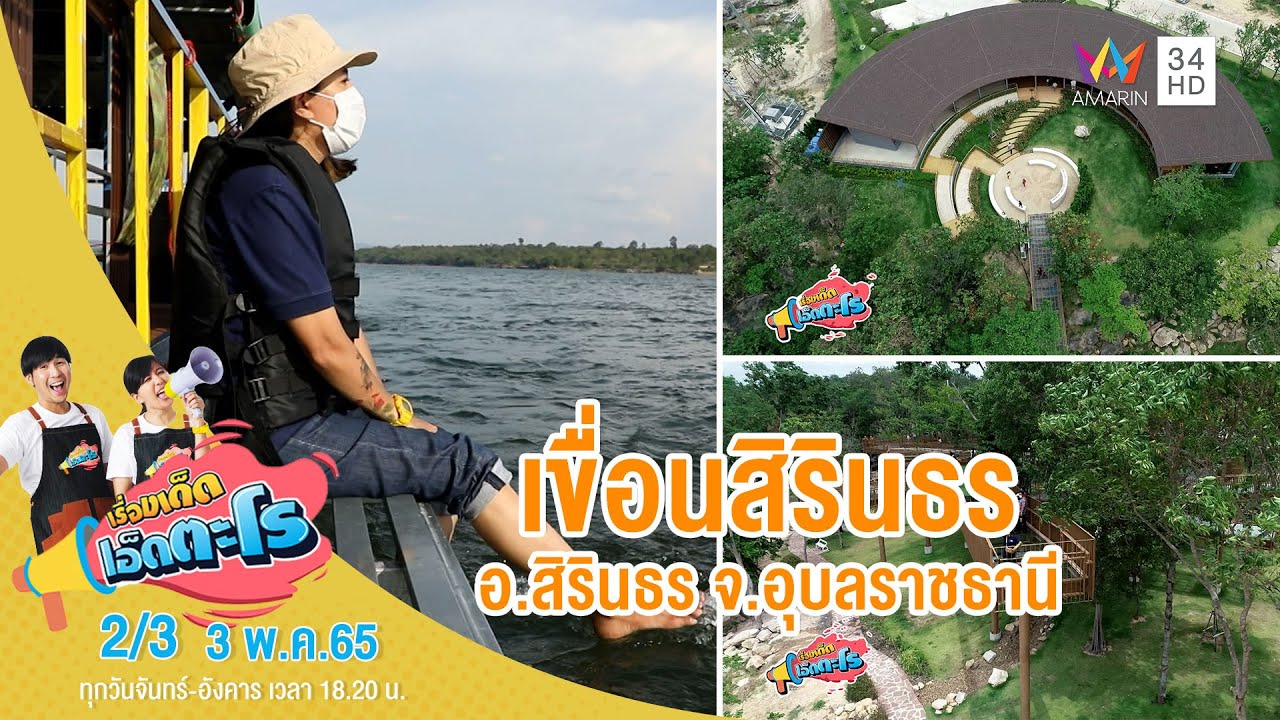
 Click to Access the Navigation Map GPS
Sirindhorn Dam Map
Recommend

 Art, Culture and Heritage
 Historical Sites and Monuments(5)
 Landmarks and Memorials(2)
 Royal Palace(1)
 Art, Craft Centres, Tradition(7)
 Museums(3)
 Places of Worship
 Temple(37)
 Other Sacred Sites(4)
 Research and Development
 Royal Project(2)
 Suburban Living
 Village, Community(2)
 Local Market(4)
 National Parks and Marine Reserves(5)
 Mountain (Doi)(6)
Dam, Reservoir, Lake(8)
Mountain (Doi)(6)
Dam, Reservoir, Lake(8)
 Waterfalls(12)
 Hot Springs(1)
 Caves(2)
 River, Canal(11)
 Bays and Beaches(8)
 Islands(2)
 Other natural attractions(6)
 Entertainment and Agricultural
 Zoos and Aquariums(2)
 Animal camps and shows(1)
 Farms, Parks and Ecotourism(1)
 Waterpark(1)
 Travel Articles, Recipes
 Travel Review, Food Review(1)


