
lovethailand home >Northeastern Travel Attractions >Nong Bua Lamphu Travel Attractions >Muang Nong Bua Lamphu >Nong Bua > Shrine of King Naresuan the Great
TL;DR: Shrine of King Naresuan the Great is located at Nong Bua Lake public park area, in front of Mueang Nong Bua Lam Phu District Office, Mueang Nong Bua Lam Phu District, Nong Bua Lam Phu, open Daily, hours Open 24 Hours.
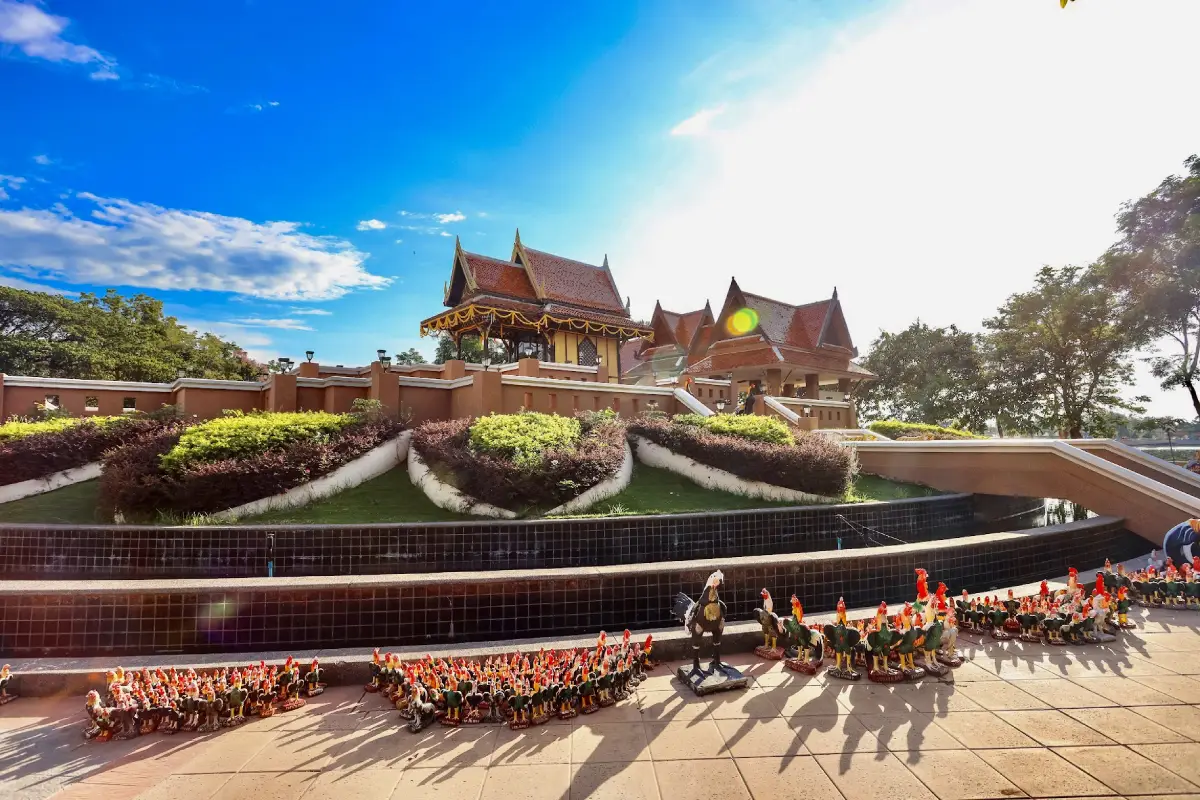
Shrine of King Naresuan the Great
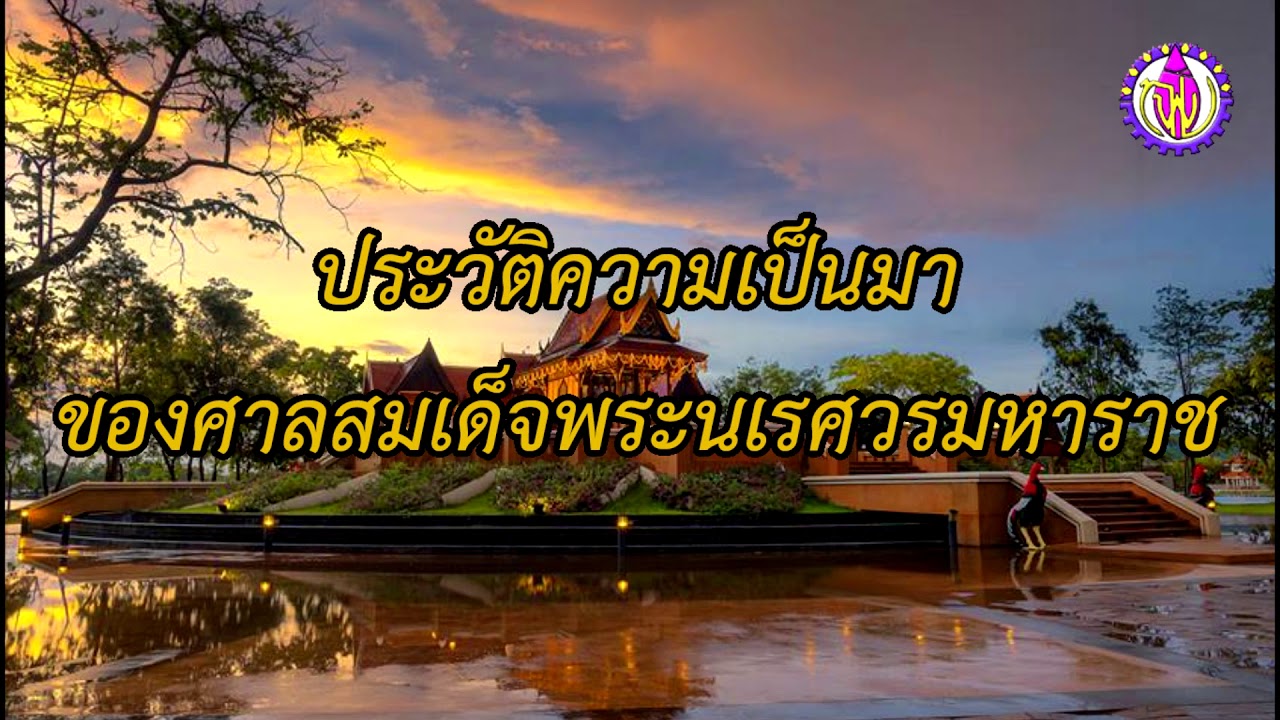
Open Days: Daily
Opening Hours: Open 24 Hours
The Shrine of King Naresuan the Great in Nong Bua Lam Phu is one of the most meaningful historical landmarks in the city center. It stands beside Nong Bua Lake, in the public park area in front of Mueang Nong Bua Lam Phu District Office. The shrine was built to commemorate the moment when King Naresuan the Great, then still a young prince, led an army to the Nong Bua Lam Phu area in 1574. At that time, Ayutthaya was under the power of Hongsawadi, and the Siamese army was ordered to join the Hongsawadi campaign toward Si Sattanakhanahut, or Vientiane. During the journey, King Naresuan became seriously ill at Nong Bua Lam Phu, and the army was allowed to return to Ayutthaya. This historical episode gives the shrine deep meaning for the province and makes it a place where local memory, Thai history, and public devotion come together.
The shrine is not only a monument but also a living public space. Visitors will find the statue of King Naresuan the Great enshrined within a dignified pavilion structure, surrounded by an open courtyard, parkland, walkways, and the lakefront atmosphere of Nong Bua. Because of its location in the heart of the city, the site is easy to access and is closely connected with everyday life. Local people come to pay respect, ask for blessings, exercise around the lake, join public events, or simply rest in the park. This makes the shrine different from an isolated historical monument. It is part of the daily rhythm of Nong Bua Lam Phu.
The first impression for many travelers is the harmony between the shrine, the lake, the public park, and the surrounding government district. The site is open and spacious, with a broad ceremonial area in front of the shrine and greenery around the lake. In ordinary times, the atmosphere is calm and respectful. During the annual ceremony and Red Cross fair, the same area becomes a major gathering place for the entire province. This dual role gives the shrine a strong identity: it is both a sacred place for personal worship and a civic space for public memory.
The historical background of the shrine is connected with a significant moment in the life of King Naresuan. In 1574, Hongsawadi launched a military campaign toward Vientiane after political instability in Lan Xang. Because Ayutthaya was then under Hongsawadi authority, the Siamese army was required to support the campaign. King Maha Thammaracha and Prince Naresuan joined the army. Prince Naresuan was about 19 years old at the time. When the forces reached Nong Bua Lam Phu, he fell ill, traditionally described in historical accounts as a severe illness during the march. The Hongsawadi king then permitted the Siamese forces to return to Ayutthaya. This event took place before Naresuan became the great warrior king later remembered for restoring Siamese independence.
For the people of Nong Bua Lam Phu, the shrine confirms that their city is part of a wider national historical narrative. It marks the place where a crucial figure of Thai history once passed through, and where the journey of a young prince intersected with the landscape of the old Nong Bua frontier. By locating the shrine in the center of the city, history becomes visible in daily life. People who come to the district office, walk around the lake, attend public events, or pass through the park encounter a monument that reminds them of the city’s connection with the story of King Naresuan.
The statue of King Naresuan is the spiritual and visual center of the shrine. Many visitors come to pay respect to his bravery, leadership, sacrifice, and importance in Thai history. Around the shrine, rooster statues are commonly seen as offerings. In Thai popular belief, rooster figures are strongly associated with King Naresuan, symbolizing courage, intelligence, fighting spirit, and success. The many rooster offerings around the shrine show that devotion to King Naresuan remains active and personal. For travelers, these offerings help illustrate how history, reverence, and folk practice blend together at the site.
On a normal day, visitors can pay respect quietly with flowers, garlands, incense, candles, or other appropriate offerings. After that, they can walk around Nong Bua Park, take photos of the shrine, and enjoy the lakefront atmosphere. The best time for a calm visit is early morning or late afternoon, when the light is softer and the weather is more comfortable. The lake gives the place a peaceful character, and the open setting allows visitors to understand how the shrine functions within the city rather than as a separate tourist object.
Every year, the shrine becomes the center of the King Naresuan worship ceremony and Nong Bua Lam Phu Red Cross Fair, usually held in January at Somdet Phra Naresuan Field and the surrounding area. The event includes formal tribute ceremonies, ritual offerings, cultural performances, public activities, local booths, and provincial celebrations. It is one of the most important annual events in Nong Bua Lam Phu because it brings together government agencies, local communities, residents, and visitors. During this period, the shrine becomes both a sacred ceremonial place and a festive public venue.
During the annual event, the area around the shrine changes dramatically. The quiet shrine and park become a large ceremonial and cultural space. The field nearby hosts stages, fairs, exhibitions, community activities, and Red Cross booths. The event is more than entertainment. It is a living continuation of historical memory, allowing the province to honor King Naresuan through modern ritual and community participation. Visitors who come during the festival can experience worship, history, local culture, and provincial life in one place.
The shrine is also important because it stands within the symbolic landscape of Nong Bua Lam Phu city. Nong Bua Lake has long been associated with the identity of the city, and the shrine’s position beside the lake strengthens the connection between landscape and history. The city is not defined only by roads, buildings, or government offices. It is shaped by water, settlement, memory, public space, and historical belief. For this reason, visitors should take time to look beyond the statue itself and observe the surrounding environment. The lake, park, open field, and civic buildings all form part of the meaning of the place.
Architecturally, the shrine is designed to make the statue the focal point of devotion. The pavilion and courtyard support both individual worship and large public ceremonies. The open space in front allows orderly gatherings during annual events, while the park and lakefront make the site pleasant for everyday use. This flexibility gives the shrine a distinctive role. It works as a historical monument, a place of reverence, a city park landmark, and a ceremonial ground at the same time.
Visitors should behave respectfully at the shrine. Although the site is open and easily accessible, it is connected with the Thai monarchy and provincial ceremonies. Dress politely, do not climb onto the statue base, do not place offerings in ways that block walkways, and avoid loud behavior near people who are praying. If bringing rooster statues or larger offerings, place them only in appropriate areas so that the shrine remains orderly and safe for everyone. Responsible behavior helps preserve the dignity of the site.
The Shrine of King Naresuan the Great is suitable for several types of travelers. History lovers can learn about the 1574 campaign and the place of Nong Bua Lam Phu in the route of the army. Spiritual travelers can pay respect and ask for blessings related to courage, success, and protection. General visitors can enjoy a short stop in the city center and walk around the lake. Families can use the visit as a simple way to introduce children to Thai history and the memory of an important national figure.
For foreign travelers, the site can be understood as a shrine and monument dedicated to King Naresuan the Great, one of Thailand’s most respected warrior kings. It is not a Buddhist temple in the strict sense, but a public shrine and memorial space where people pay respect to a historical king. Its importance comes from both national history and local memory. The shrine marks the connection between King Naresuan’s early military journey and Nong Bua Lam Phu. It is free to visit, easy to access, and located in a pleasant lakefront park.
The shrine is also a good photography location. The front angle captures the statue, pavilion, and rooster offerings. Wider angles from the park show the relationship between the shrine, ceremonial field, and Nong Bua Lake. Morning light gives a calm and respectful atmosphere, while late afternoon is suitable for lakefront walking and city-life photography. Visitors should avoid inappropriate poses near the statue and allow space for people who are praying or making offerings.
Getting There is straightforward because the shrine is located in the center of Nong Bua Lam Phu city, near Pho Chai Road and Naresuan Road, close to Mueang Nong Bua Lam Phu District Office. Travelers arriving by private car can use Highway 210 from Udon Thani or Loei to enter the city, then head toward Nong Bua Lake and the district office area. From Nong Bua Lam Phu Bus Terminal, local transport or a short ride by private vehicle can bring visitors to the shrine quickly. Its central location makes it suitable as either a first stop in the city or a short visit between other attractions.
Travelers coming from Udon Thani can follow Highway 210 toward Nong Bua Lam Phu for about 45 km. Travelers coming from Loei can also use Highway 210 to reach the city. Once inside Nong Bua Lam Phu, head toward the lakefront public park and the district office. The shrine is easy to recognize as a major local landmark. Visitors staying in town can reach the area conveniently and can combine it with nearby sites such as Wat Mahachai, the City Pillar Shrine of Phra Wo and Phra Ta, the 150-Million-Year-Old Shell Fossil and Dinosaur Museum at Non Than, or Thao To Waterfall Forest Park.
Nearby attractions help travelers understand the city more completely. Wat Mahachai is an important temple in town and makes a good next stop after the shrine. The City Pillar Shrine of Phra Wo and Phra Ta introduces the founders and protective spirits connected with the city’s identity. The 150-Million-Year-Old Shell Fossil and Dinosaur Museum opens a geological and fossil dimension of the province. Thao To Waterfall Forest Park and Phu Phan Noi eco-tourism areas allow visitors to continue from city history to nature. Beginning the trip at the shrine gives travelers a strong historical foundation before exploring wider Nong Bua Lam Phu.
Food options are available around the city. Since the shrine is centrally located, travelers can easily find local restaurants, cafés, breakfast places, and casual dining options. Belief Cafe & Garden is suitable for visitors who want a spacious café and restaurant setting. Other local restaurants and breakfast spots in town are practical for visitors who plan to pay respect in the morning or continue sightseeing afterward. This makes the shrine a convenient stop for families, road-trip travelers, and visitors passing through the city.
Accommodation options are also available within a short driving distance. Nearby choices include Ruean Thong Resort, Nordic House and Coffee, Phu Fa Resort, Wiphaphon Hotel, 39000 Resort, and Nongbua Garden Ville. Staying in Mueang Nong Bua Lam Phu is practical because visitors can reach the shrine, restaurants, Wat Mahachai, the City Pillar Shrine, and other city attractions easily. During the annual worship ceremony and Red Cross fair, choosing accommodation in or near the city helps visitors attend evening events more conveniently.
The most comfortable time to visit on an ordinary day is early morning or late afternoon. Morning is suitable for quiet worship, cooler weather, and clear photographs with fewer people. Late afternoon is good for walking around Nong Bua Lake, exercising, and enjoying the atmosphere of the park. During the annual event, visitors should plan travel time and parking carefully because the shrine area and Somdet Phra Naresuan Field become much busier than usual.
There is no admission fee to visit the Shrine of King Naresuan the Great. Visitors can enter the area free of charge and may bring appropriate offerings if they wish. Because the shrine is located in a public park, travelers should share the space respectfully with worshippers, local residents, people exercising, and other visitors. Keeping the area clean and orderly helps preserve the atmosphere of this important provincial landmark.
In summary, the Shrine of King Naresuan the Great in Nong Bua Lam Phu is a highly worthwhile stop for anyone visiting the city. It offers history, reverence, lakefront scenery, and a clear sense of provincial identity in one accessible location. Visitors can learn about the 1574 military episode, pay respect to one of Thailand’s most admired kings, walk around Nong Bua Park, and continue easily to nearby temples, shrines, museums, restaurants, and accommodations. For both Thai and international travelers, the shrine is one of the best places to begin understanding Nong Bua Lam Phu from the heart of the city.
| Name | Shrine of King Naresuan the Great, Nong Bua Lam Phu |
| Location | Nong Bua Lake public park area, in front of Mueang Nong Bua Lam Phu District Office, Mueang Nong Bua Lam Phu District, Nong Bua Lam Phu Province |
| Address | 53/1 Pho Chai Road, Nong Bua Subdistrict, Mueang Nong Bua Lam Phu District, Nong Bua Lam Phu Province 39000 |
| Coordinates | 17.2052, 102.44237 |
| Highlights | Statue and shrine of King Naresuan the Great, lakefront public park, rooster offerings, ceremonial courtyard, and annual provincial worship ceremony |
| History | Built as a memorial to King Naresuan the Great’s arrival at Nong Bua Lam Phu in 1574 during a military route toward Si Sattanakhanahut, or Vientiane, while Ayutthaya was under Hongsawadi power |
| Name Origin | Named after King Naresuan the Great, one of Thailand’s most important historical kings and a figure connected with the 1574 military passage through Nong Bua Lam Phu |
| Distinctive Features | A public shrine and historical monument beside Nong Bua Lake, with rooster offerings, a ceremonial courtyard, public parkland, and civic event space |
| Travel Information | Located in the city center near Mueang Nong Bua Lam Phu District Office; accessible by private car, local transport, or a short ride from Nong Bua Lam Phu Bus Terminal |
| Current Status | Open to the public as a key city landmark, worship site, and venue for the annual King Naresuan worship ceremony and Nong Bua Lam Phu Red Cross Fair |
| Open Days | Daily |
| Opening Hours | Open 24 Hours |
| Fees | No Admission Fee |
| Facilities | Lakefront public park, ceremonial courtyard, walking area, exercise area, nearby parking around the city center, and nearby government offices |
| Main Areas / Zones | 1. Shrine and statue of King Naresuan the Great 2. Worship courtyard and offering area 3. Rooster offering area 4. Nong Bua Lake public park 5. Somdet Phra Naresuan Field and annual event area 6. Lakefront walking area |
| Caretaker | Nong Bua Lam Phu Municipality, local government agencies in Mueang Nong Bua Lam Phu District, Nong Bua Lam Phu Province, and Nong Bua Lam Phu Provincial Administrative Organization for annual event coordination |
| Main Contact Number | Nong Bua Lam Phu Municipality Tel. 042-312616 Tourism Authority of Thailand Contact Center Tel. 1672 Tourism listing inquiry number Tel. +66-648308848 |
| Official Website / Official Page | Tourism Authority of Thailand website, Nong Bua Lam Phu Provincial Administrative Organization website, and Nong Bua Lam Phu Municipality website |
| Nearby Tourist Attractions | 1. Nong Bua Lake Public Park, about 0 km 2. Chao Mae Song Nang Shrine, about 1 km 3. Wat Mahachai, about 2 km 4. City Pillar Shrine of Phra Wo and Phra Ta, about 2 km 5. 150-Million-Year-Old Shell Fossil and Dinosaur Museum at Non Than, about 8 km 6. Thao To Waterfall Forest Park, about 12 km |
| Nearby Restaurants | 1. A Sor @ 5.59, about 2 km 2. Ploy Restaurant, about 2 km 3. Wae Im Isan Restaurant, about 3 km 4. Belief Cafe & Garden, about 5 km, Tel. 062-545-1955, 088-057-9827 5. The Triple B Bar, about 2 km 6. Milk Station Nong Bua Lam Phu, about 2 km |
| Nearby Accommodations | 1. Ruean Thong Resort, about 5 km, Tel. 089-572-4880 2. Nordic House and Coffee Nong Bua Lam Phu, about 5 km 3. 39000 Resort, about 6 km, Tel. 042-313-109 4. Wiphaphon Hotel, about 7 km 5. Phu Fa Resort, about 8 km, Tel. 042-311-866 6. Nongbua Garden Ville, about 8 km |
Frequently Asked Questions (FAQ)
Q: Where is the Shrine of King Naresuan the Great in Nong Bua Lam Phu located?
A: It is located beside Nong Bua Lake in the public park area in front of Mueang Nong Bua Lam Phu District Office, in the city center of Nong Bua Lam Phu.
Q: Why was the Shrine of King Naresuan the Great built?
A: It was built to commemorate King Naresuan the Great’s arrival at Nong Bua Lam Phu in 1574 during a military route toward Si Sattanakhanahut, or Vientiane.
Q: Is the shrine open every day?
A: Yes. The shrine is open daily and can be accessed 24 hours a day because it is located within a public park area.
Q: Is there an admission fee?
A: No. Visitors can enter the shrine and surrounding public park free of charge.
Q: When is the annual King Naresuan worship ceremony held?
A: The annual King Naresuan worship ceremony and Nong Bua Lam Phu Red Cross Fair are held in January each year at Somdet Phra Naresuan Field and the area around the shrine.
Q: What offerings are commonly brought to the shrine?
A: Common offerings include garlands, flowers, incense, candles, and rooster statues, which are strongly associated with King Naresuan in Thai popular belief.
Q: How do travelers get to the shrine?
A: Travelers can take Highway 210 into Nong Bua Lam Phu city, then head toward Nong Bua Lake and Mueang Nong Bua Lam Phu District Office. The shrine is centrally located and easy to reach.
Q: What nearby places can be visited together with the shrine?
A: Nearby places include Wat Mahachai, the City Pillar Shrine of Phra Wo and Phra Ta, the 150-Million-Year-Old Shell Fossil and Dinosaur Museum at Non Than, and Thao To Waterfall Forest Park.
 Category: ●Art, Culture and Heritage
 Group: ●Landmarks and Memorials
Last Update : 3 MonthAgo
 Last Update : 3 MonthAgo
 Click to Access the Navigation Map GPS
Shrine of King Naresuan the Great Map

 Historical Sites and Monuments(4)
Landmarks and Memorials(1)
 Art, Craft Centres, Tradition(1)
 Museums(3)
 Places of Worship
 Temple(10)
 Other Sacred Sites(6)
 Suburban Living
 Village, Community(3)
 Nature and Wildlife
 National Parks and Marine Reserves(3)
 Mountain (Doi)(5)
 Dam, Reservoir, Lake(5)
 Waterfalls(1)
 Caves(6)
 River, Canal(2)
 Bays and Beaches(1)
 Other natural attractions(3)
 Travel Articles, Recipes
 Travel Review, Food Review(1)


