
lovethailand home >Northeastern Travel Attractions >Nakhon Ratchasima Travel Attractions >Si Da >Si Da > Prang Sida
TL;DR: Prang Sida is located at Inside Wat Phra Prang Sida, Ban Sida, Sida Subdistrict, Sida District, Nakhon Ratchasima Province 30430, open Daily, hours 08.00 – 17.00.
Prang Sida
Open Days: Daily
Opening Hours: 08.00 – 17.00
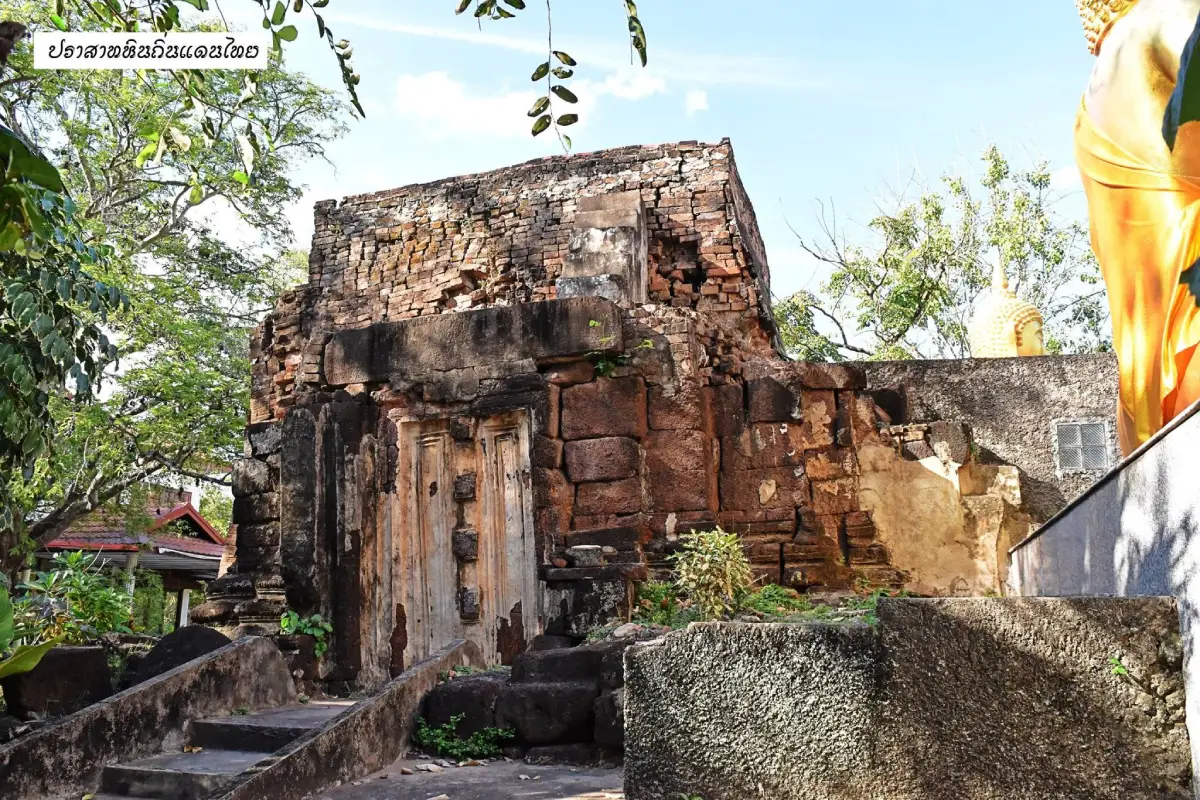
Prang Sida in Nakhon Ratchasima is located inside Wat Phra Prang Sida in Ban Sida, Sida Subdistrict, Sida District, Nakhon Ratchasima Province 30430. It is an ancient laterite monument of strong historical, artistic, and cultural value for the local community. The monument is associated with Brahman-Hindu belief and ancient Khmer art, dating roughly to the 12th–13th centuries CE, or around the 17th–18th Buddhist centuries. Prang Sida consists of a single laterite prang facing east, surrounded by a boundary wall, with traces of stucco decoration still visible in some areas. Although the monument is compact in size, it clearly reflects the spread of ancient Khmer religious architecture into local communities in the northern part of Nakhon Ratchasima.
The most distinctive feature of Prang Sida is its architectural form. It is similar in general character to small Khmer-style sanctuaries or prang ku found in northeastern Thailand, but Prang Sida is closed on all four sides. This gives the monument a solid, compact, and sacred appearance. Unlike some sanctuaries that have an inner chamber or a visible entrance space, Prang Sida presents itself as a sealed sacred structure. This form gives the monument a quiet and solemn atmosphere, suggesting a function connected with symbolic presence, fixed sacred power, or a devotional focus rather than an open ritual chamber.
Laterite is the main material used in Prang Sida. This reddish-brown stone was widely used in ancient construction across the lower northeastern region because it was strong, locally available, and suitable for sacred architecture. The body of the prang and the surrounding boundary wall were built with laterite, showing the practical skill of ancient builders. The rough texture of laterite also gives the monument a powerful visual identity. When visitors look closely at the surface of the structure, they can see the passage of time on the material itself.
The east-facing orientation of Prang Sida is an important feature. In many ancient Hindu and Buddhist-influenced monuments, the east is associated with sunrise, purity, auspicious beginnings, and the sacred order of the universe. The entrance axis and front orientation of the monument therefore reflect an intentional religious layout rather than a random placement. Visitors who approach the monument from the eastern side can clearly sense the ancient idea of direction and sacred space.
The boundary wall surrounding Prang Sida helps define the sacred zone of the monument. In ancient Khmer religious architecture, walls, gateways, and boundaries were not simply physical barriers. They marked a transition from the ordinary world into a sacred space. At Prang Sida, the boundary wall allows visitors to understand that the prang was part of a carefully organized religious compound, even though the monument is small compared with major historical parks.
Traces of stucco decoration on the monument are especially important because they reveal that Prang Sida was once more richly decorated than it appears today. These decorative elements may have included divine figures, celestial beings, floral forms, or ornamental patterns used in ancient Khmer sacred architecture. Although many details have been lost over time, the remaining traces help visitors imagine the former appearance of the monument and the skill of the artisans who created it.
The estimated age of Prang Sida places it in the 17th–18th Buddhist centuries, a period when the lower northeastern region and the Mun River basin were closely connected with ancient Khmer cultural networks. Nakhon Ratchasima was an important cultural corridor, especially because of its relationship with Phimai and other ancient sites. Prang Sida shows that Khmer-style religious architecture did not exist only in major centers. It also appeared in smaller local communities that formed part of a wider sacred and cultural landscape.
The setting of Prang Sida inside Wat Phra Prang Sida gives the site a layered religious identity. The original monument was associated with Brahman-Hindu belief, while the present temple compound functions as a Buddhist community temple. This coexistence is common in many parts of Thailand, especially in northeastern provinces where ancient Khmer sanctuaries later became part of Buddhist temple grounds or local sacred spaces. At Prang Sida, the past and present remain visible together.
Wat Phra Prang Sida is a local Buddhist temple under the Maha Nikaya order. It stands in Sida Subdistrict and plays an important role for the local community. The temple was originally located east of the village in an area known as Nong Wat before being moved to the area of the old prang north of the village. This movement gave the temple its present identity and connected the temple name directly with the ancient monument. The name Wat Phra Prang Sida therefore reflects both the sacred structure and the identity of Ban Sida.
For the people of Ban Sida, Prang Sida is not merely an old structure. It is a local heritage landmark and a point of pride. The monument has remained part of community memory for generations. Because it is located inside the temple, people can visit, make merit, pay respect, walk around the monument, and use the temple space as part of everyday religious life. This gives Prang Sida the character of a living heritage site rather than a detached archaeological ruin.
The monument is modest in size, measuring approximately 15 wa wide, 16 wa long, and 5 wa high. Its compact scale makes it easy for visitors to observe the whole structure closely. Unlike a large historical park that may require several hours to explore, Prang Sida can be understood through slow observation of its main elements: the laterite body, the sealed sides, the eastern orientation, the boundary wall, and the remaining stucco traces.
The compact scale of Prang Sida makes it suitable for family visits, student trips, and cultural learning. Visitors can use the monument as an introduction to ancient Khmer-style sanctuaries before continuing to larger sites such as Phimai Historical Park. Seeing a small community-based monument helps travelers understand that ancient heritage is not limited to major tourist destinations. It is also found in temples, villages, and local landscapes that remain part of daily life.
Prang Sida is useful for comparing different Khmer-style monuments in Nakhon Ratchasima. It shares certain features with other prang ku or small sanctuaries, yet its closed structure and location within Wat Phra Prang Sida give it a distinct identity. Comparing Prang Sida with Prang Ban Prang, Phimai Historical Park, and other ancient sites helps reveal the variety of sacred architecture in the region.
Visitors should explore the monument slowly. A good visit begins by viewing the structure from the east, observing the front axis and the relationship between the prang and the boundary wall. Walking around the sides and rear of the monument helps visitors understand its closed form. Details such as the laterite surface, repaired sections, remaining stucco traces, and surrounding temple space all contribute to the meaning of the site.
Since Prang Sida is both an ancient monument and part of a temple compound, visitors should dress modestly and behave respectfully. Climbing, scratching, removing stones, touching fragile stucco, or leaning against the monument should be avoided. Ancient laterite and stucco are vulnerable to weathering and human contact. Respectful behavior helps preserve the site for the local community and future visitors.
Prang Sida is best suited for travelers who appreciate quiet heritage sites. It is not a large or crowded attraction, but it offers a meaningful experience for those interested in ancient architecture, local history, Khmer art, and the relationship between temples and community memory. A short visit can add depth to a journey through Sida District and the northern part of Nakhon Ratchasima.
Getting There is easiest by private car. From Nakhon Ratchasima city, take Highway 2, the Nakhon Ratchasima–Khon Kaen route, for about 84–87 km toward Sida District. At Sida Intersection, turn right onto Highway 202 toward Prathai District for about 1.5 km. Then turn left onto the local road leading to Wat Phra Prang Sida for another 1.5–2 km. The monument is located inside the temple compound.
Travelers driving from Bangkok can enter Nakhon Ratchasima via Mittraphap Road and continue northward toward Khon Kaen until reaching Sida Intersection. From there, follow the route toward Prathai and turn into Wat Phra Prang Sida. A private car is the most practical option because visitors can easily combine Prang Sida with Prang Ban Prang, Sai Ngam, Phimai Historical Park, and Ban Prasat Archaeological Site in the same trip.
Travelers without a private car can first reach Sida District or a nearby roadside transport point, then continue by local hired vehicle to Wat Phra Prang Sida. Public transportation on smaller local roads may not be frequent, so advance planning is useful. For travelers who want to visit several sites in Sida, Khong, Prathai, and Phimai, renting a car or hiring a local vehicle is the more efficient option.
The best time to visit is in the morning or late afternoon during the general visiting hours of 08.00 to 17.00. Morning offers cooler weather and is suitable for observing the laterite details. Late afternoon provides softer light for photography. During the hot season, visitors should bring drinking water, a hat, or an umbrella because some parts of the temple grounds may be sunny.
A typical visit takes about 30 minutes to 1 hour. This is enough time to view the prang, take photographs, and walk around the temple compound. Visitors who want to study the structure carefully or combine the visit with worship inside the temple may spend 1 to 1.5 hours. The value of Prang Sida lies in careful observation rather than fast sightseeing.
Prang Sida fits well into a historical route through northern Nakhon Ratchasima. A good route can begin with Prang Sida, continue to Prang Ban Prang in Khong District, and then proceed to Sai Ngam and Phimai Historical Park. This route allows visitors to see the continuity of ancient heritage in Nakhon Ratchasima, from small community monuments to one of Thailand’s most important ancient sanctuaries.
Phimai Historical Park is a particularly useful comparison point. If Prang Sida represents a small community-level monument, Phimai represents the large-scale architecture and urban planning of an ancient center. Visiting both places helps travelers understand the diversity of Khmer heritage in Nakhon Ratchasima, from local shrines to major historical sites.
For visitors who want to stay near the area, accommodation can be found in Sida District and Bua Yai District. Hotels near Sida are convenient for travelers passing along Mittraphap Road, while Bua Yai offers more town services. Travelers who prefer wider hotel, restaurant, and transport options can stay in Nakhon Ratchasima city and visit Prang Sida as a half-day or full-day trip.
Food options around Sida include local restaurants, cafés, roadside eateries, and restaurants near main roads or petrol stations. Visitors can stop for food before or after visiting the monument, especially around Phon Thong Subdistrict and the Mittraphap Road corridor. Those continuing to Phimai will find additional restaurant choices in Phimai town.
For families, Prang Sida is an accessible place to learn about ancient monuments. The site is small, easy to walk around, and visually clear. Children can see laterite blocks, a boundary wall, the east-facing orientation, and the way an ancient monument can exist inside a living temple. Learning from a real site helps make local history easier to understand.
For photography, Prang Sida offers strong visual elements: the laterite texture, the compact form of the prang, the boundary wall, the surrounding temple grounds, and the traces of time on the structure. The eastern front is a good position for showing the main form, while side and rear views reveal the closed character of the monument. Photography should be done without disturbing worshippers or damaging the ancient structure.
Overall, Prang Sida is an important ancient monument in Sida District, Nakhon Ratchasima. Its highlights include a single laterite prang, ancient Khmer-style architecture, an estimated age of the 17th–18th Buddhist centuries, closed walls on all four sides, east-facing orientation, a surrounding boundary wall, and its location inside Wat Phra Prang Sida. The site is suitable for worship, cultural travel, local history learning, and a route connecting Sida, Phimai, and other Khmer-style monuments in Nakhon Ratchasima.
| Name | Prang Sida |
| Location | Inside Wat Phra Prang Sida, Ban Sida, Sida Subdistrict, Sida District, Nakhon Ratchasima Province 30430 |
| Address | Ban Sida, Sida Subdistrict, Sida District, Nakhon Ratchasima Province 30430 |
| Coordinates | 15.551277, 102.566504 |
| Highlights | A single laterite prang in ancient Khmer style, dating to around the 17th–18th Buddhist centuries, closed on all four sides, facing east, and surrounded by a boundary wall |
| History | An ancient Brahman-Hindu monument in Khmer style, now located within the grounds of Wat Phra Prang Sida, a community Buddhist temple in Ban Sida |
| Name Origin | The name Prang Sida comes from the ancient prang located in Ban Sida and is also reflected in the present name of Wat Phra Prang Sida |
| Distinctive Features | Built of laterite, with traces of stucco decoration, closed on all four sides, facing east, and enclosed by a boundary wall |
| Approximate Size | About 15 wa wide, 16 wa long, and 5 wa high |
| Religious Context | Originally a Brahman-Hindu sacred monument in the ancient Khmer cultural tradition, now located within a Buddhist temple compound |
| Travel Information | From Nakhon Ratchasima city, take Highway 2 toward Khon Kaen for about 84–87 km to Sida Intersection, turn right onto Highway 202 toward Prathai for about 1.5 km, then turn left into Wat Phra Prang Sida for about 1.5–2 km |
| Current Status | Restored and maintained in stable condition, open for respectful visits within Wat Phra Prang Sida |
| Open Days | Daily |
| Opening Hours | 08.00 – 17.00 |
| Admission Fee | Free Admission |
| Facilities | Ancient monument viewing area, worship area within the temple, walkway around the prang, temple parking area, and resting areas within Wat Phra Prang Sida |
| Main Areas / Zones | Prang Sida, boundary wall area, east-facing front area, Wat Phra Prang Sida temple grounds, Buddha image area, and community activity areas |
| Abbot / Temple Caretaker | Phra Athikan Somphong Yanawaro, Abbot of Wat Phra Prang Sida |
| Sangha Zone | Northeastern local temple zone, Isan 1 |
| Nearby Tourist Attractions | 1. Wat Phra Prang Sida – within the same area 2. Prasat Nang Ram – about 8 km 3. Prang Ban Prang, Khong District – about 25 km 4. Sai Ngam, Phimai – about 36 km 5. Phimai Historical Park – about 38 km 6. Ban Prasat Archaeological Site – about 50 km |
| Nearby Restaurants | 1. chillchill chillchill – about 1 km – Tel. 061-310-7377 2. Krua Sida By Chao Khiao – about 2 km – Tel. 061-343-8031 3. Sida Cafe – about 4 km – Tel. 081-528-7805 4. Jungle Cafe, Sida Nakhon Ratchasima Branch – about 7 km – Tel. 098-203-4240 5. Chai Si PTT Sida – about 8 km – Tel. 089-896-9295 |
| Nearby Accommodations | 1. CHILL CHILL HOTEL – about 4 km – Tel. 044-461-588 2. Crystal Place Sida – about 8 km – Tel. 080-001-0021 3. Bua Yai Hotel – about 22 km – Tel. 086-720-4470 4. Bua Yai Resort Hotel – about 24 km – Tel. 081-997-2366 5. Ban Suan Hiso Accommodation, Bua Yai – about 25 km – Tel. 081-966-0499 |
Frequently Asked Questions (FAQ)
Q: Where is Prang Sida located?
A: Prang Sida is located inside Wat Phra Prang Sida in Ban Sida, Sida Subdistrict, Sida District, Nakhon Ratchasima Province 30430.
Q: What are the opening days and hours of Prang Sida?
A: Prang Sida is open daily from 08.00 to 17.00.
Q: Is there an admission fee for Prang Sida?
A: Admission is free. Visitors can enter the temple compound and view the monument during opening hours.
Q: What is the main highlight of Prang Sida?
A: The main highlight is the single laterite prang in ancient Khmer style, closed on all four sides, facing east, with traces of stucco decoration and a surrounding boundary wall.
Q: How old is Prang Sida?
A: Prang Sida dates to around the 17th–18th Buddhist centuries and is associated with Brahman-Hindu belief and ancient Khmer art.
Q: How can travelers get to Prang Sida?
A: From Nakhon Ratchasima city, take Highway 2 to Sida Intersection, turn right onto Highway 202 toward Prathai for about 1.5 km, then turn left into Wat Phra Prang Sida for about 1.5–2 km.
Q: What attractions are near Prang Sida?
A: Nearby attractions include Wat Phra Prang Sida, Prasat Nang Ram, Prang Ban Prang, Sai Ngam in Phimai, Phimai Historical Park, and Ban Prasat Archaeological Site.
 Category: ●Places of Worship
 Group: ●Other Sacred Sites
Last Update : 1 WeekAgo
 Last Update : 1 WeekAgo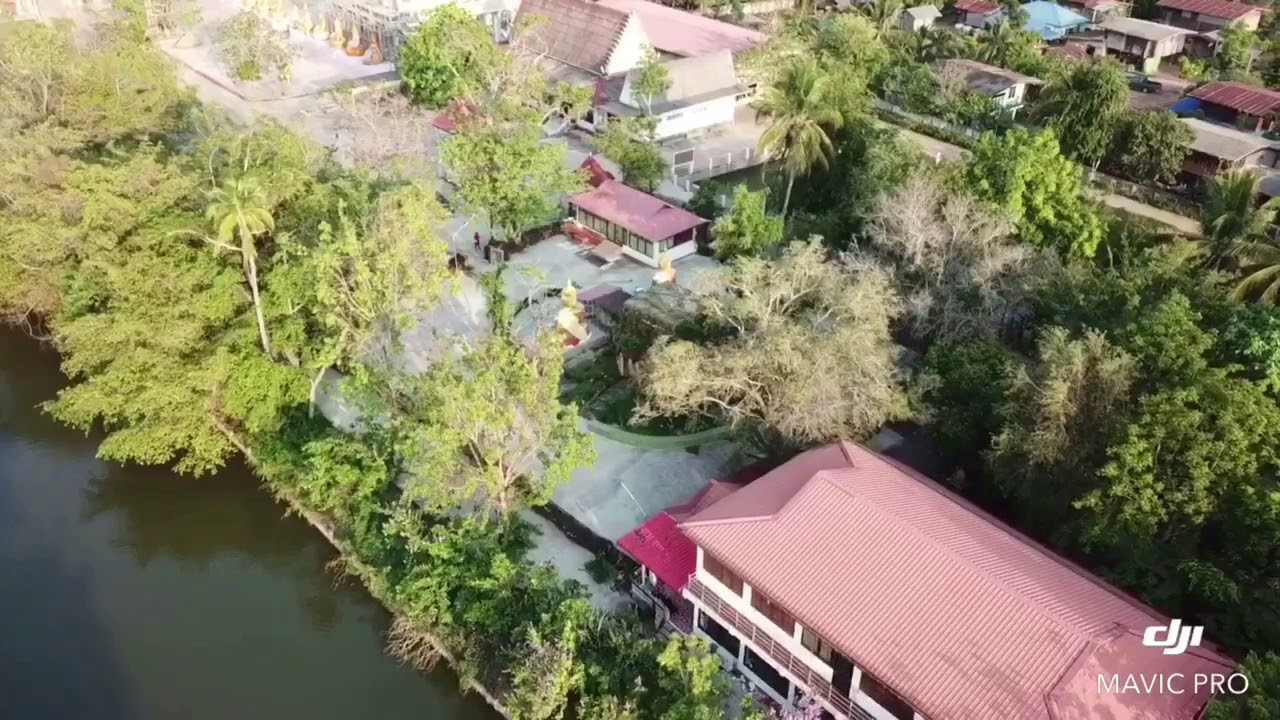
 Click to Access the Navigation Map GPS
Prang Sida Map
Recommend

 Art, Culture and Heritage
 Historical Sites and Monuments(20)
 Landmarks and Memorials(5)
 Art, Craft Centres, Tradition(7)
 Museums(6)
 Art Gallery(1)
 Educational Places
 Educational Gardens, Farm(4)
 Temple(29)
 Mosque(1)
Other Sacred Sites(6)
Mosque(1)
Other Sacred Sites(6)
 Research and Development
 Royal Project(3)
 Suburban Living
 Village, Community(6)
 Local Market(4)
 Floating Market(1)
 Nature and Wildlife
 National Parks and Marine Reserves(3)
 Mountain (Doi)(5)
 Dam, Reservoir, Lake(8)
 Waterfalls(9)
 Hot Springs(1)
 Caves(2)
 Flower Field(1)
 River, Canal(8)
 Bays and Beaches(2)
 Other natural attractions(3)
 Entertainment and Agricultural
 Zoos and Aquariums(1)
 Animal camps and shows(1)
 Farms, Parks and Ecotourism(21)
 Waterpark(2)
 Outdoor and Adventure Activities(6)
 Shopping
 Shopping and Night Market(2)
 Travel Articles, Recipes
 Travel Review, Food Review(5)


