
lovethailand home >Northeastern Travel Attractions >Khon Kaen Travel Attractions >Phu Pha Man >Wang Sawap > Phu Ta Lo Cave (Tham Phu Ta Lor)
TL;DR: Phu Ta Lo Cave (Tham Phu Ta Lor) is located at Ban Wang Sawap, Wang Sawap Subdistrict, Phu Pha Man District, Khon Kaen Province, open Daily, hours 08.30 – 16.30.

Phu Ta Lo Cave (Tham Phu Ta Lor)

Open Days: Daily
Opening Hours: 08.30 – 16.30
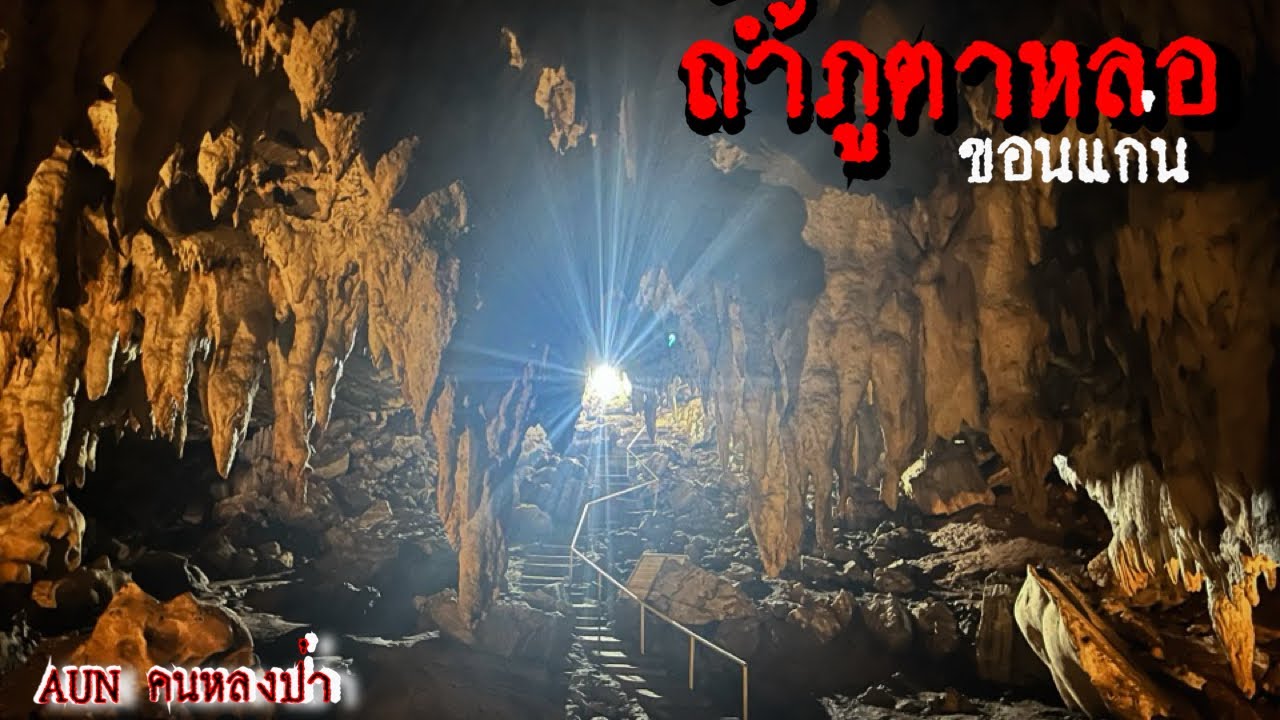
Phu Ta Lo Cave in Phu Pha Man District, Khon Kaen Province, is a large limestone cave located in the Phu Pha Man National Park area, near Ban Wang Sawap, Wang Sawap Subdistrict. It is one of the most beautiful cave attractions in Phu Pha Man, known for its impressive stalactites, stalagmites, spacious cave chamber, cool interior atmosphere, and distinctive karst landscape. The cave is suitable for travelers who want to experience the hidden beauty beneath the limestone mountains of northeastern Thailand and learn how water, minerals, and time shape underground natural formations.
Phu Ta Lo Cave has a special charm because the outside landscape may appear as a quiet rural mountain area, while the interior reveals a completely different world. Once visitors reach the cave entrance and enter with local officers or a guide, the atmosphere changes from open daylight to cool, dim, and mysterious underground space. The beauty here is not created by decoration. It is formed naturally by limestone, mineral-rich water, slow dripping, and geological processes that have continued over a very long period of time.
The cave lies within a karst landscape, a type of terrain usually found in limestone areas. When rainwater and underground water slowly dissolve limestone, they create caves, hollows, ridges, rock surfaces, and unusual landforms. Phu Pha Man is one of the areas in Khon Kaen where this limestone character can be seen clearly through cliffs, caves, and mountain scenery. Phu Ta Lo Cave is therefore more than a photo stop; it is a natural classroom where travelers can understand the hidden structure of the mountains.
The name “Phu Ta Lo Cave” is strongly associated with Wang Sawap and Phu Pha Man. Many travelers remember the cave because of its distinctive name and because it is not a cave that should be entered casually without coordination. Visiting requires advance contact with local officers or responsible agencies, as the cave is a natural site where safety, lighting, and conservation are important. This guided approach helps protect both visitors and the delicate cave formations.
The main highlight of Phu Ta Lo Cave is its natural stalactites and stalagmites. Some formations appear as hanging curtains, pointed teeth, stone columns, and layered mineral surfaces. Certain areas contain rocks that shine when light touches them, and some formations are described locally as resembling “Hanuman fang” stone. These natural details give the cave both visual beauty and geological value. With a guide, visitors can observe the formations safely and understand which areas should be viewed, which should be avoided, and why touching the rocks is harmful.
Inside the cave, the chamber feels more open than many visitors expect. Some sections are spacious, and the ceiling rises high enough to create a strong sense of scale beneath the mountain. The cave floor is relatively level in several areas, making it easier to walk than caves with sharp rocks or very steep sections. Even so, visitors still need to walk carefully. Cave floors can be damp, lighting is limited, and some areas may be slippery. A guide and proper lighting are essential for a safe visit.
Phu Ta Lo Cave is best suited to travelers who enjoy slow and attentive nature travel. This is not a place to rush through. The cave requires visitors to walk slowly, adjust their eyes to the low light, and observe details gradually. The beauty of the formations becomes clearer when light falls on different angles. The texture of the limestone, the shape of the stalactites, the mineral surfaces, and the chamber scale all reveal themselves slowly as visitors move deeper into the cave.
Before visiting, travelers should understand that Phu Ta Lo Cave should only be entered with officers or experienced local guides. Although parts of the cave may not be extremely difficult to walk through, it remains a natural cave with darkness, humidity, uneven surfaces, possible slippery spots, and sensitive formations. A guide helps manage safety and ensures that visitors stay within appropriate areas. This is especially important for first-time visitors, families, older travelers, and anyone unfamiliar with limestone caves.
Responsible cave travel is essential here. Stalactites and stalagmites grow extremely slowly. Some formations may take hundreds or thousands of years to develop even a small amount. Touching, climbing, scratching, writing on, or breaking cave formations can cause permanent damage. Visitors should enjoy the cave visually, take photos carefully, and avoid touching the rocks. The most important rule is simple: look closely, but leave everything exactly as it is.
Phu Ta Lo Cave is important as a geological learning site in Khon Kaen because it explains the limestone character of Phu Pha Man better than any viewpoint alone. The district is not only a place of mountains and cliffs visible from roads and cafes. It also contains underground spaces that were shaped by water and limestone over long periods of time. The cave helps travelers understand that the beauty of Phu Pha Man exists both above ground and beneath the surface.
The cave is also part of conservation-based tourism in Phu Pha Man. Visiting does not focus on loud entertainment or heavy commercial activity. Instead, it focuses on guided nature viewing, safety, and learning. Travelers should allow enough time for the experience rather than treating the cave as a quick check-in point. For those who appreciate caves, geology, and quiet natural places, Phu Ta Lo Cave can become one of the most memorable parts of a trip to Phu Pha Man.
Getting to Phu Ta Lo Cave generally involves traveling to Ban Wang Sawap, Wang Sawap Subdistrict, Phu Pha Man District, Khon Kaen Province. The cave is about 17 km from the Phu Pha Man District Office. The access route depends on local road and seasonal conditions, and the dry season is usually more convenient for travel than the rainy season. Visitors should check the route with local officers before traveling, especially if visiting for the first time or driving a private vehicle into the area.
The dry season is generally a more practical time to visit because local roads and natural tracks are less likely to be muddy or slippery. The rainy season can make the surrounding landscape greener and more beautiful, but it may also affect accessibility and cave safety. This is why advance coordination matters. Phu Ta Lo Cave is not a typical attraction where visitors can arrive at any time and walk in independently. It is a natural cave that requires attention to actual field conditions.
The best visiting time is during daytime within the operating hours of the responsible area. Entering too late in the afternoon is not recommended because there must be enough time to coordinate with officers, prepare lighting, enter the cave, walk slowly, and exit safely. Travelers should arrive early enough to avoid rushing. A calm pace makes the cave easier to appreciate and safer to explore.
Useful items for the visit include proper walking shoes with good grip, comfortable clothing, drinking water, a small personal flashlight or headlamp, and any necessary personal medicine. A small bag is better than a large one because the cave space and walking route can be narrow in some sections. Slippery sandals are not suitable. Visitors should avoid carrying too many items and should not bring food into the cave, as food waste and smells can affect the cleanliness of this natural environment.
For families, Phu Ta Lo Cave can be a meaningful outdoor learning experience. Children can see real stalactites and stalagmites, learn how limestone caves form, and understand why nature takes a very long time to create underground beauty. Before entering, children should be told not to run, not to shout, not to touch the formations, and to stay close to adults or the guide at all times. A cave visit can become both an adventure and an educational experience when handled carefully.
Older travelers may also enjoy Phu Ta Lo Cave if they are physically ready and walk at a suitable pace. Some areas are relatively level, but the cave is still a natural environment and not designed for wheelchairs. Older visitors should wear stable shoes, walk slowly, and rest when needed. Those with breathing, knee, heart, or balance issues should assess their condition before entering and inform the guide before starting the walk.
The interior atmosphere of Phu Ta Lo Cave is cool and quiet, very different from the warmer air outside. As visitors go farther in, outside sounds gradually fade, leaving only footsteps, low voices, and occasional dripping sounds. This quietness is part of the experience. It gives visitors a sense of being inside the mountain and makes the cave feel more mysterious and contemplative than an outdoor viewpoint.
The stalactites and stalagmites are impressive because they remain natural and irregular. They do not look symmetrical like human-made structures. Instead, their forms reflect the flow of water, the accumulation of minerals, and the shape of the cave itself. Some formations resemble curtains, some resemble fangs, and some appear as pillars connecting the cave ceiling and floor. Looking at them slowly is the best way to notice the details.
The beauty of Phu Ta Lo Cave is not only in its large chamber or striking formations. It is also in the feeling that nature is still active. Water droplets, damp stone surfaces, mineral reflections, and cool cave air all show that geological processes continue quietly. Visitors should see the cave not as a static object, but as a living geological environment that changes very slowly over time.
From a conservation perspective, Phu Ta Lo Cave must be protected carefully. Beautiful caves are often fragile. If too many visitors enter without control, formations can be damaged, rubbish can accumulate, and safety risks can increase. Requiring visitors to contact officers before entry is a sensible practice. It helps manage visitor flow, guide the route, reduce accidents, and preserve the cave for future generations.
Phu Ta Lo Cave can be combined with other attractions in Phu Pha Man. For a one-day itinerary, the cave is best visited in the morning or early afternoon, followed by a cafe or scenic restaurant, and then the Bat Cave at Phu Pha Man in the evening. For a two-day trip, travelers can add Phu Pha Man National Park, Tad Yai Waterfall, Plan Thong Waterfall, Nong Samo Viewpoint, Blue Lagoon Phu Pha Man, and mountain-view accommodations.
Phu Ta Lo Cave and the Bat Cave show two very different sides of Phu Pha Man’s cave landscape. The Bat Cave is famous for wildlife, where millions of bats fly out from the cliff at dusk. Phu Ta Lo Cave is famous for interior beauty, stalactites, stalagmites, cave chambers, and geological value. Travelers who visit both places will understand that Phu Pha Man has caves that are best observed from outside and caves that are best explored inside with a guide.
For photography, visitors should prepare for low-light conditions. A phone or camera that works well in dim places is useful. Good images include wide views of the chamber, close views of limestone formations, rock textures, and compositions that show the scale of the cave. Strong flash should be used carefully, and visitors should avoid blocking the walking route. Tripods should only be used if permitted by officers and if they do not disturb other visitors.
Cleanliness is extremely important inside a cave. Because caves are enclosed environments, even small pieces of rubbish can remain for a long time. Visitors should take all trash out, avoid leaving tissues, bottles, food wrappers, or any objects inside, and keep the cave exactly as they found it. A good cave visit leaves no trace except careful footprints and responsible memories.
Visitors should also never remove rocks or minerals from the cave. Some stones and mineral surfaces may look attractive, but every piece belongs to the cave system and contributes to its natural and scientific value. Taking anything away reduces the completeness of the site and deprives future visitors of the chance to see the cave in its natural condition. Seeing without taking is one of the core principles of responsible cave travel.
Phu Ta Lo Cave is especially suitable for slow travel. Its beauty is not revealed all at once. Visitors need time to adjust to the darkness, walk carefully, look upward at the ceiling, observe mineral details, and feel the coolness of the underground space. A rushed visit may miss many important details. A slower pace makes the experience deeper and more memorable.
At the provincial level, Phu Ta Lo Cave helps expand the image of Khon Kaen. The province is often known for its city, university, temples, food, and transport connections, but it also has limestone mountains, caves, waterfalls, forests, and rural communities. Phu Pha Man is one of the districts that shows this natural side clearly. Phu Ta Lo Cave is therefore a valuable destination for travelers who want to understand Khon Kaen beyond the city center.
For international travelers, Phu Ta Lo Cave offers a different view of northeastern Thailand. The Isan region is often imagined as a plateau of rice fields and towns, but Phu Pha Man has dramatic limestone mountains, hidden caves, underground chambers, and karst landscapes. Clear visitor information is important for foreign travelers, especially the need to contact officers before entering, wear proper shoes, and avoid touching stalactites and stalagmites.
Planning a trip to Phu Ta Lo Cave should begin with contacting Phu Pha Man National Park or Wang Sawap Subdistrict Administrative Organization to confirm access, route conditions, available visiting time, and guided entry. Once at the site, visitors should follow officer instructions strictly, stay with the group, and avoid entering unapproved sections of the cave. This preparation makes the visit safer and more enjoyable.
A well-balanced Phu Pha Man itinerary can place Phu Ta Lo Cave in the morning or early afternoon, then continue to mountain-view cafes or restaurants, and end the day at the Bat Cave around dusk. This route gives travelers three different experiences in one day: the underground limestone world, the visible mountain landscape, and the evening wildlife phenomenon. It is one of the best ways to experience Phu Pha Man without rushing.
In summary, Phu Ta Lo Cave is a limestone cave with strong value in beauty, nature, geology, and conservation-based tourism. Its highlights include natural stalactites and stalagmites, a spacious cave chamber, cool underground air, and the karst character of Phu Pha Man. It should be visited with respect and with local officers or guides. Travelers who appreciate caves, limestone mountains, and meaningful nature experiences will find Phu Ta Lo Cave one of the most worthwhile places to visit in Khon Kaen Province.
Getting There from Khon Kaen city, travel toward Chum Phae District and continue to Phu Pha Man District. From Phu Pha Man town, continue to Ban Wang Sawap, Wang Sawap Subdistrict, about 17 km away, to reach the Phu Ta Lo Cave area. Private vehicles should check route conditions before traveling, especially during the rainy season. Travelers without private transport should contact local accommodations, Phu Pha Man National Park, or Wang Sawap Subdistrict Administrative Organization for access information and guided entry arrangements. Daytime travel is strongly recommended for safer access and enough time inside the cave.
| Name | Phu Ta Lo Cave |
| Location | Ban Wang Sawap, Wang Sawap Subdistrict, Phu Pha Man District, Khon Kaen Province |
| Address | Wang Sawap Subdistrict, Phu Pha Man District, Khon Kaen 40350, Thailand |
| Reference Location | Ban Wang Sawap, Wang Sawap Subdistrict, Phu Pha Man District, Khon Kaen Province |
| Highlights | A large limestone cave in the Phu Pha Man National Park area with natural stalactites, stalagmites, a spacious cave chamber, natural cave floor, and outstanding karst landscape |
| Distinctive Features | Beautiful natural limestone formations, relatively level cave floor in some areas, cool cave air, and rock formations that may resemble mineral teeth or sparkling quartz-like surfaces |
| History / Importance | An important natural attraction and geological conservation site in Phu Pha Man, recognized as part of Khon Kaen’s notable karst and cave landscape |
| Name Origin | Phu Ta Lo Cave is the local name of the cave in Ban Wang Sawap, associated with a large cave chamber and the underground limestone beauty of Phu Pha Man |
| Travel Information | From Phu Pha Man town, travel to Ban Wang Sawap, Wang Sawap Subdistrict, about 17 km away. The route is more convenient in the dry season, and visitors should contact officers before entering the cave |
| Current Status | Open for guided visits with prior coordination for visitor safety and cave conservation |
| Open Days | Daily |
| Opening Hours | 08.30 – 16.30 |
| Facilities | Guided access by prior coordination, cave access path, nearby parking area, lighting support for cave visits, and natural surroundings around the cave |
| Main Areas / Zones | 1. Route to Ban Wang Sawap 2. Meeting and officer coordination point 3. Walking route to the cave entrance 4. Spacious cave chamber 5. Stalactite and stalagmite zone 6. Mineral-like rock formation area 7. Natural cave floor and guided viewing sections |
| Caretaker / Local Authority | Phu Pha Man National Park and Wang Sawap Subdistrict Administrative Organization, Phu Pha Man District, Khon Kaen Province |
| Area Information Contact | Phu Pha Man National Park, Tel. 043-001753 Wang Sawap Subdistrict Administrative Organization, Tel. 043-040066 |
| Official Website / Official Page | Phu Pha Man National Park and Wang Sawap Subdistrict Administrative Organization |
| Nearby Tourist Attractions | 1. Phu Pha Man National Park, about 0 km 2. Bat Cave, Phu Pha Man, about 20 km 3. Blue Lagoon Phu Pha Man, about 22 km 4. Nong Samo Viewpoint, about 24 km 5. Plan Thong Waterfall, Phu Pha Man National Park, about 25 km 6. Tad Yai Waterfall, Phu Pha Man National Park, about 30 km |
| Nearby Restaurants | 1. Hug Phaman, about 20 km, Tel. 081-636-4787 2. EKIA Cafe At The Bat Cave, about 20 km, Tel. 086-607-6957 3. Takayai Cafe’ de Phuphaman, about 22 km, Tel. 061-059-8337 4. Phu Pha Man Lan View, about 23 km, Tel. 089-422-0362 5. Lae Phu Du Na Cafe, about 24 km, Tel. 082-496-1119 6. Pha Man Fun Cafe & Restaurant, about 20 km |
| Nearby Accommodations | 1. Hai-Na Garden House, about 20 km, Tel. 096-640-2999 2. Phu Pha Man Country View Resort, about 20 km, Tel. 091-159-8282, 093-329-3643 3. Baan Pha Suk, about 22 km, Tel. 081-965-6599, 092-778-3613 4. Phu Pha Man River Hill, about 23 km, Tel. 088-159-8249, 084-798-6009 5. Phu Pha Man Hannaew, about 20 km, Tel. 064-571-1117 6. Pha Man Yen Sabai, about 23 km, Tel. 061-307-3777 |
Frequently Asked Questions (FAQ)
Q: Where is Phu Ta Lo Cave located?
A: Phu Ta Lo Cave is located near Ban Wang Sawap, Wang Sawap Subdistrict, Phu Pha Man District, Khon Kaen Province, within the Phu Pha Man National Park area. It is about 17 km from Phu Pha Man District Office.
Q: What is special about Phu Ta Lo Cave?
A: The cave is known for its spacious chamber, natural stalactites and stalagmites, relatively level cave floor, cool interior air, and distinctive limestone karst landscape.
Q: Do visitors need to contact officers before entering Phu Ta Lo Cave?
A: Yes. Visitors should contact officers before entering the cave because Phu Ta Lo Cave is a natural cave that should be explored with a guide for safety and conservation.
Q: What are the opening hours of Phu Ta Lo Cave?
A: The cave is open daily from 08.30 to 16.30. Daytime visits with prior coordination are recommended.
Q: Is Phu Ta Lo Cave suitable for children and older travelers?
A: It is suitable for children and older travelers who can walk safely in a natural cave environment. They should wear proper shoes, walk slowly, and stay close to the guide or family members.
Q: What should visitors prepare before visiting Phu Ta Lo Cave?
A: Visitors should wear shoes with good grip, bring drinking water, prepare a flashlight, wear comfortable clothing, and avoid bringing food into the cave or touching the cave formations.
Q: What nearby places can be combined with Phu Ta Lo Cave?
A: The cave can be combined with the Bat Cave at Phu Pha Man, Blue Lagoon Phu Pha Man, Nong Samo Viewpoint, Plan Thong Waterfall, Tad Yai Waterfall, and mountain-view cafes in Phu Pha Man District.
Q: What is the best season to visit Phu Ta Lo Cave?
A: The dry season is generally more convenient for access because local routes are easier to travel. During the rainy season, the surrounding landscape is greener, but visitors should check route conditions with officers before traveling.
 Category: ●Nature and Wildlife
 Group: ●Caves
Last Update : 3 MonthAgo
 Last Update : 3 MonthAgo
 Click to Access the Navigation Map GPS
Phu Ta Lo Cave (Tham Phu Ta Lor) Map
Recommend

 Art, Culture and Heritage
 Historical Sites and Monuments(7)
 Landmarks and Memorials(3)
 Art, Craft Centres, Tradition(2)
 Museums(4)
 Educational Places
 Museum for Study(2)
 Places of Worship
 Temple(27)
 Other Sacred Sites(5)
 Suburban Living
 Village, Community(3)
 Local Market(1)
 National Parks and Marine Reserves(5)
 Mountain (Doi)(1)
 Dam, Reservoir, Lake(4)
 Waterfalls(8)
Caves(9)
 River, Canal(10)
 Bays and Beaches(3)
 Islands(1)
 Other natural attractions(5)
 Entertainment and Agricultural
 Zoos and Aquariums(2)
 Animal camps and shows(2)
 Farms, Parks and Ecotourism(7)
 Waterpark(3)
 Travel Articles, Recipes
 Travel Review, Food Review(1)


