
lovethailand home >Northeastern Travel Attractions >Khon Kaen Travel Attractions >Muang Khon Kaen >Nai Muang > Hong Moon Mung Khon Kaen City Museum
TL;DR: Hong Moon Mung Khon Kaen City Museum is located at 200-Year Public Park Building, beside Bueng Kaen Nakhon Lake, Rop Bueng Road, Nai Mueang Subdistrict, Mueang Khon Kaen District, Khon Kaen, open Monday – Saturday, hours 09.00 – 17.00.
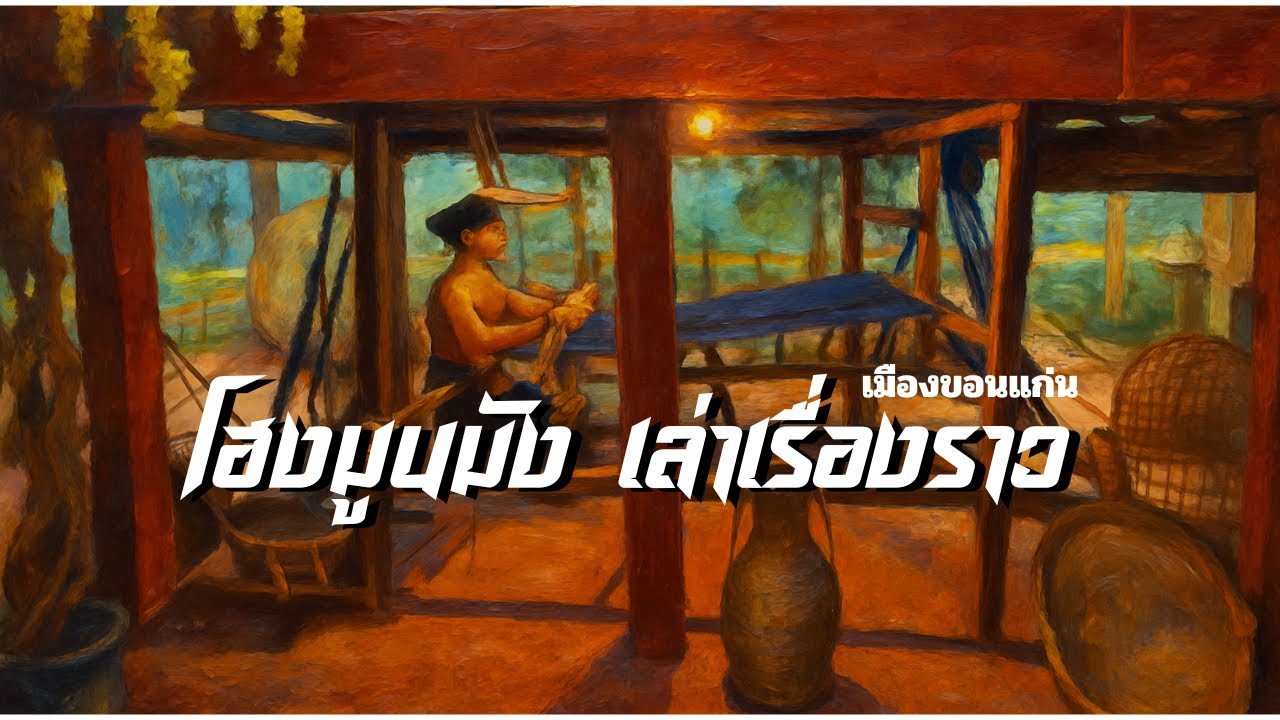
Hong Moon Mung Khon Kaen City Museum

Open Days: Monday – Saturday
Opening Hours: 09.00 – 17.00
Hong Moon Mung Khon Kaen City Museum is a local history museum located at the 200-Year Public Park Building beside Bueng Kaen Nakhon Lake, on Rop Bueng Road in Nai Mueang Subdistrict, Mueang Khon Kaen District, Khon Kaen Province. The museum serves as a treasure house of Khon Kaen’s origin, identity, local memory, and cultural heritage. It presents the story of the city from ancient settlement and migration to community life, local wisdom, traditions, urban development, and the present-day identity of Khon Kaen.
The name “Hong Moon Mung” comes from the Isan language. “Hong” means a large hall or building, while “moon mung” means treasure, inheritance, or heritage. Together, the name can be understood as a hall that preserves the inherited treasures of Khon Kaen. These treasures are not only physical objects, but also memories, stories, beliefs, customs, ways of life, and knowledge passed down through generations.
The museum was created to help local communities develop awareness, pride, and affection for their own city. Khon Kaen is widely known today as an economic, educational, medical, and transportation hub of Northeastern Thailand, but the city also has a deep local history. Hong Moon Mung helps visitors understand that modern Khon Kaen did not appear suddenly. It grew from settlement, migration, cultural exchange, local leadership, community labor, and the gradual transformation of people and place.
The museum was developed with support from the Tourism Authority of Thailand in 1997 and was completed in 2003. Inside, the exhibition uses many forms of presentation, including text panels, photographs, illustrations, models, computers, video media, old objects, replica items, and real objects donated by local people. The museum does not simply display objects; it tells the story of Khon Kaen in a sequence that visitors can follow and understand.
One of the most important features of Hong Moon Mung Khon Kaen City Museum is that it presents the city from many different perspectives. Visitors can learn about geography, ancient civilization, prehistoric evidence, dinosaurs, the founding of the city, local rulers, traditional livelihoods, ethnic diversity, Isan customs, and the modern development of Khon Kaen. This makes the museum an ideal first stop for travelers who want to understand the city before exploring its streets, temples, markets, and public spaces.
For travelers with limited time, the museum is a compact but meaningful introduction to Khon Kaen. A visit usually takes around 1-2 hours, but it provides a broader understanding of the province than a short travel sign or general guidebook. Visitors can see how Khon Kaen is connected to prehistoric life, ancient communities, migration routes, local beliefs, civic identity, and present-day urban growth.
The exhibition is divided into 5 main zones. The 1st zone introduces Khon Kaen city through beliefs about the city’s name, physical geography, landscape, and ancient evidence. This section also includes information about dinosaur discoveries in the Phu Wiang area, including Phuwiangosaurus sirindhornae and Siamotyrannus isanensis. These discoveries show that Khon Kaen is significant not only in human history, but also in geology and paleontology.
The 1st zone helps visitors see that Khon Kaen’s story began long before the rise of the modern city. Geography, water sources, settlement locations, and natural resources shaped how people lived in this area. By understanding the land first, visitors can better understand the social and historical content that follows in later zones.
The 2nd zone focuses on the history of Khon Kaen and the culture of its people, dating back approximately 3,000-5,000 years. This section introduces prehistoric and historic communities, cultural traditions, local beliefs, and the formation of social life in the region. It helps visitors see Khon Kaen as part of the wider cultural landscape of Northeastern Thailand, where communities developed through long-term relationships with land, belief, water, agriculture, and seasonal cycles.
A key topic in the 2nd zone is “Heet Sip Song,” the 12-month cycle of Isan traditions. These traditions reflect the connection between people, Buddhism, local beliefs, agriculture, and community life. Examples include merit-making rituals related to rice, seasonal festivals, Buddhist observances, and community ceremonies. This section helps visitors understand that Isan festivals are not just celebrations, but part of a social and spiritual system that organizes community life throughout the year.
The 3rd zone presents the founding of Khon Kaen city. It explains the migration and relocation of earlier communities before the city became established in the present area. This zone includes stories of movement, settlement, local leadership, city founding, city pillar rituals, and important figures who played roles in Khon Kaen’s formation. Portraits and names of former city leaders help make the city’s founding history more concrete and easier to understand.
City founding is not only about choosing a place to live. It involves security, water, transportation routes, trade, belief, leadership, and relationships with surrounding communities. Learning about the repeated relocation of Khon Kaen’s early settlements helps visitors understand that the city was shaped through decisions, challenges, adaptation, and the lived experience of many generations.
The 4th zone presents the town and the way of life of Khon Kaen people over the past 100 years. This is one of the most accessible and engaging sections because it shows everyday life through life-size models, photographs, objects, and scenes related to occupations such as farming, weaving, trade, and community activities. Visitors can see how ordinary people lived, worked, dressed, exchanged goods, and maintained relationships within the town.
The 4th zone also shows the ethnic and cultural diversity of Khon Kaen. Over time, Lao, Chinese, Vietnamese, Indian, and Western communities became part of the city’s social and economic landscape. These groups contributed to trade, food culture, language, dress, beliefs, and urban character. The city of Khon Kaen was therefore formed not by a single group alone, but by the interaction of many communities.
The 5th zone focuses on present-day Khon Kaen. It presents contemporary life, cultural traditions, economy, politics, administration, education, and the city’s ongoing development. This final zone connects the past with the present, helping visitors understand how earlier history continues to influence modern Khon Kaen. It also introduces important people connected with Khon Kaen and highlights attractions, festivals, natural sites, archaeological sites, and cultural destinations in the province.
The 5th zone is useful for travelers who want to continue exploring the province. After seeing how Khon Kaen developed, visitors can better understand the meaning of nearby attractions such as Wat Nong Waeng, Bueng Kaen Nakhon, the City Pillar Shrine, local markets, and cultural festivals. The museum therefore acts as a gateway to the wider province.
Beyond the 5 main exhibition zones, the museum is valuable because its content was built from research and local memory. Historical information was not gathered only from written documents. Teams also explored older communities such as Ban Don Bom, Ban Non Mueang, Ban Don Phan Chat, and Ban Thum, which are connected with earlier settlements of Khon Kaen. This makes the museum a result of both academic research and community-based knowledge.
For students, Hong Moon Mung Khon Kaen City Museum is an excellent learning site. Its content connects with history, social studies, geography, anthropology, culture, Thai language, local studies, and civic education. Learning inside a museum makes local history more tangible because students can see images, models, objects, maps, and media rather than only reading from textbooks.
For residents of Khon Kaen, the museum is a place to revisit the identity of the city. Many people may know Bueng Kaen Nakhon, Wat Nong Waeng, Klang Mueang Road, or the central business area, but may not know how these places are connected with the city’s history. A visit to Hong Moon Mung helps local people see that Khon Kaen was built by many generations, many communities, and many layers of cultural experience.
For Thai travelers visiting Khon Kaen for the first time, the museum is a useful starting point. After learning about the city’s founding, local customs, migration history, and urban development, other attractions become more meaningful. Visiting Wat Nong Waeng, Bueng Kaen Nakhon, the City Pillar Shrine, Ton Tann Market, or Khon Kaen University after the museum gives travelers a stronger sense of context.
For foreign visitors, Hong Moon Mung is a practical introduction to Isan and Khon Kaen. Even visitors who do not know much about local history can understand the city through visual displays, models, photographs, and reconstructed scenes. The museum shows that Khon Kaen is not only a university city or business hub, but also a city with deep cultural roots, local beliefs, and community memory.
The museum’s location beside Bueng Kaen Nakhon is another major advantage. Bueng Kaen Nakhon is one of Khon Kaen’s most important public parks and recreational spaces. After visiting the museum, visitors can walk along the lake, enjoy the view of Phra Mahathat Kaen Nakhon in the distance, take photographs, exercise, or relax in the green public area. This combination of museum and lakeside space makes the visit pleasant and easy to include in a city itinerary.
Bueng Kaen Nakhon is an important place in the daily life of Khon Kaen residents. Around the lake are walking paths, viewpoints, pavilions, food areas, and spaces used for exercise and local activities in the morning and evening. A visit to Hong Moon Mung can therefore be combined with a relaxing walk around the lake, especially in the late afternoon when the weather is more comfortable.
Getting There is convenient because the museum is located in central Khon Kaen on the road around Bueng Kaen Nakhon. Visitors can travel by private car, taxi, local transport, or ride-hailing service. From Khon Kaen Railway Station or the bus terminal, the lake area is within easy reach. From Khon Kaen Airport, visitors can take a taxi or hired car into the city and continue to Bueng Kaen Nakhon.
Visitors traveling by private car can set the destination to Bueng Kaen Nakhon or the 200-Year Public Park Building on Rop Bueng Road. The museum is located near several important city attractions, including Wat Nong Waeng and Phra Mahathat Kaen Nakhon, Chao Mae Song Nang Shrine, Chao Pho Mahesak Shrine, and public areas around the lake.
Admission is affordable. The entry fee is 10 Baht for children, 20 Baht for Thai adults, and 90 Baht for foreign visitors. This makes the museum accessible for general visitors, students, families, and travelers. The small admission fee also supports the care and operation of the museum.
The best time to visit is in the morning or early afternoon, allowing enough time to see all 5 zones and read the displays. Visitors who also want to enjoy the lake should allow extra time in the late afternoon or early evening, when the area around Bueng Kaen Nakhon becomes more active and comfortable for walking.
Group visitors should contact the museum in advance, especially school groups, university groups, or educational tour groups. Advance coordination allows staff to prepare for the visit and helps the group focus on specific learning themes such as the founding of Khon Kaen, Heet Sip Song traditions, community life, or modern Khon Kaen.
Visitors should follow museum rules during the visit. Display objects should not be touched without permission, exhibition models should be respected, and photography should be done only in permitted areas. These rules help preserve the museum’s materials and ensure that future visitors can continue to learn from them.
Good photography spots include the museum entrance sign, the exterior of the building, the green areas around the museum, and the lakeside atmosphere of Bueng Kaen Nakhon. Inside the museum, visitors should check photography rules before taking pictures, especially in zones with models, old objects, or sensitive display materials.
Restaurants near the museum are easy to find because the Bueng Kaen Nakhon area and central Khon Kaen have many dining options. Visitors can choose from Isan food, Thai restaurants, lakeside restaurants, cafés, and family dining spots. Many travelers plan lunch or dinner before or after visiting the museum, especially in the evening when the lakeside atmosphere becomes more relaxed.
Accommodation near the museum is also convenient. Travelers can stay around Bueng Kaen Nakhon, Klang Mueang Road, Ruen Rom Road, Si Chan Road, or other central areas. Staying in the city center makes it easy to visit the museum, temples, markets, restaurants, and shopping areas. It is also convenient for continuing to Khon Kaen University, the airport, or other parts of the province.
A 1-day city itinerary can begin at Wat Nong Waeng and Phra Mahathat Kaen Nakhon in the morning, followed by a visit to Hong Moon Mung Khon Kaen City Museum to understand the city’s history. After lunch near Bueng Kaen Nakhon, visitors can continue to Khon Kaen City Pillar Shrine, Treasury Museum Khon Kaen, Central Khon Kaen, or Ton Tann Market, depending on time and interest.
Hong Moon Mung Khon Kaen City Museum adds depth to a trip in Khon Kaen because it helps visitors understand what lies behind the city’s modern face. It explains how people settled, moved, traded, believed, worked, celebrated, and built communities. It shows that Khon Kaen is a city of many layers, shaped by memory, migration, cultural exchange, and local pride.
In summary, Hong Moon Mung Khon Kaen City Museum is a valuable city museum for anyone who wants to understand Khon Kaen in a deeper way. Located beside Bueng Kaen Nakhon, it is easy to reach, affordable to enter, and divided into 5 exhibition zones covering geography, archaeology, dinosaurs, city history, migration, local life, Isan culture, important people, and modern Khon Kaen. It is suitable for students, families, cultural travelers, educational groups, and foreign visitors who want to see Khon Kaen beyond ordinary sightseeing.
| Name | Hong Moon Mung Khon Kaen City Museum |
| Location | 200-Year Public Park Building, beside Bueng Kaen Nakhon Lake, Rop Bueng Road, Nai Mueang Subdistrict, Mueang Khon Kaen District, Khon Kaen Province |
| Address | 200-Year Public Park Building, Bueng Kaen Nakhon, Rop Bueng Road, Nai Mueang Subdistrict, Mueang Khon Kaen District, Khon Kaen 40000 |
| Highlights | A city museum presenting Khon Kaen’s history, local life, wisdom, city founding, cultural diversity, and development from the past to the present |
| History | Developed with support from the Tourism Authority of Thailand in 1997 and completed in 2003 as a city museum and learning center for Khon Kaen history |
| Name Origin | “Hong” means a large hall, while “Moon Mung” means treasure or heritage; the name refers to a hall preserving the inherited heritage of Khon Kaen |
| Distinctive Features | The museum uses text panels, illustrations, photographs, models, computers, video media, old objects, replicas, and donated real objects to tell the story of Khon Kaen |
| Travel Information | Located beside Bueng Kaen Nakhon in central Khon Kaen; accessible by private car, taxi, local transport, or ride-hailing service by setting the destination to Bueng Kaen Nakhon or the 200-Year Public Park Building on Rop Bueng Road |
| Current Status | Open |
| Open Days | Monday – Saturday; closed on Sunday and public holidays |
| Opening Hours | 09.00 – 17.00 |
| Fees | Children 10 Baht / Thai Adults 20 Baht / Foreign Visitors 90 Baht |
| Facilities | Indoor exhibition area, parking area, public lakeside space at Bueng Kaen Nakhon, and visitor services managed by the museum |
| Main Areas / Zones | 1. Introduction To Khon Kaen: City name beliefs, physical geography, landscape, ancient evidence, and Phu Wiang dinosaur discoveries 2. Khon Kaen History And Culture: 3,000-5,000 years of history, traditions, beliefs, and Heet Sip Song 3. City Founding: Migration, settlement, former city leaders, and city pillar rituals 4. Town And Local Way Of Life: Everyday life over the past 100 years, occupations, farming, weaving, trade, and cultural diversity 5. Khon Kaen Today: Culture, economy, politics, administration, education, important people, and tourist attractions in Khon Kaen Province |
| City History And Local Wisdom | The museum presents Khon Kaen’s roots, early settlement, community memory from older villages such as Ban Don Bom, Ban Non Mueang, Ban Don Phan Chat, and Ban Thum, as well as the interaction of Lao, Chinese, Vietnamese, Western, and other communities that shaped modern Khon Kaen |
| Caretaker | Local Administrative Organization / Khon Kaen Municipality |
| Main Contact Number | 0 4327 1173, 0 4322 4031 ext. 1603, 09 5596 2644 |
| Official Website / Official Page | Hong Moon Mung Khon Kaen City Museum page and Khon Kaen Municipality public information channels |
| Nearby Tourist Attractions | 1. Bueng Kaen Nakhon, about 0.1 km 2. Chao Mae Song Nang Shrine, Bueng Kaen Nakhon, about 0.5 km 3. Wat Nong Waeng And Phra Mahathat Kaen Nakhon, about 1 km 4. Khon Kaen City Pillar Shrine, about 3 km 5. Treasury Museum Khon Kaen, about 4 km 6. Central Khon Kaen, about 4 km 7. Ton Tann Market, about 5 km |
| Nearby Restaurants | 1. Pa Auan 2 Restaurant, Bueng Kaen Nakhon, about 1 km, Tel. 043-222-808 2. Miles, Bueng Kaen Nakhon Branch, about 1 km, Tel. 093-919-4246 3. Krua Rom Yen By SUPERKO, Bueng Kaen Nakhon, about 1 km 4. Kai Yang Rabiab Khao Suan Kwang, City Branch, about 3 km, Tel. 043-243-413, 081-662-3851 5. Cham Charm Kitchen, Si Chan Road, about 4 km, Tel. 064-858-9988 6. PLEASE.KKC, Si Chan Road, about 4 km, Tel. 099-246-6196 |
| Nearby Accommodations | 1. Mantra Varee Hotel, about 0.5 km, Tel. 043-227-772 2. 185 Residence, about 0.6 km 3. Fun-D City View, about 0.8 km 4. Khon Kaen Ruenrom Hotel, about 1.2 km, Tel. 043-223-522 5. Charoen Thani Khon Kaen Hotel, about 1.3 km 6. HOP INN Khon Kaen Srichan Road, about 1.2 km 7. Kosa Hotel Khon Kaen, about 2 km, Tel. 043-320-320 |
Frequently Asked Questions (FAQ)
Q: Where is Hong Moon Mung Khon Kaen City Museum located?
A: It is located at the 200-Year Public Park Building beside Bueng Kaen Nakhon Lake on Rop Bueng Road, Nai Mueang Subdistrict, Mueang Khon Kaen District, Khon Kaen Province.
Q: What are the opening days and opening hours?
A: The museum is open Monday to Saturday from 09.00 to 17.00 and is closed on Sunday and public holidays.
Q: What is the admission fee?
A: Admission is 10 Baht for children, 20 Baht for Thai adults, and 90 Baht for foreign visitors.
Q: How many exhibition zones are inside the museum?
A: The museum is divided into 5 zones: Introduction to Khon Kaen, Khon Kaen History and Culture, City Founding, Town and Local Way of Life, and Khon Kaen Today.
Q: Who should visit this museum?
A: It is suitable for students, families, cultural travelers, local history enthusiasts, visitors who want to understand Khon Kaen, and foreign travelers interested in Isan culture through a city museum.
Q: How long does a visit usually take?
A: Most visitors spend around 1-2 hours. Those who want to read the displays carefully and explore all 5 zones should allow extra time.
Q: How can visitors get there?
A: Visitors can travel by private car, taxi, local transport, or ride-hailing service by setting the destination to Bueng Kaen Nakhon or the 200-Year Public Park Building on Rop Bueng Road.
Q: What nearby attractions can be visited on the same trip?
A: Nearby attractions include Bueng Kaen Nakhon, Chao Mae Song Nang Shrine, Wat Nong Waeng and Phra Mahathat Kaen Nakhon, Khon Kaen City Pillar Shrine, Treasury Museum Khon Kaen, Central Khon Kaen, and Ton Tann Market.
 Category: ●Art, Culture and Heritage
 Group: ●Museums
Last Update : 4 MonthAgo
 Last Update : 4 MonthAgo
 Click to Access the Navigation Map GPS
Hong Moon Mung Khon Kaen City Museum Map
Recommend

 Historical Sites and Monuments(7)
 Landmarks and Memorials(3)
 Art, Craft Centres, Tradition(2)
Museums(4)
 Educational Places
 Museum for Study(2)
 Places of Worship
 Temple(27)
 Other Sacred Sites(5)
 Suburban Living
 Village, Community(3)
 Local Market(1)
 Nature and Wildlife
 National Parks and Marine Reserves(5)
 Mountain (Doi)(1)
 Dam, Reservoir, Lake(4)
 Waterfalls(8)
 Caves(9)
 River, Canal(10)
 Bays and Beaches(3)
 Islands(1)
 Other natural attractions(5)
 Entertainment and Agricultural
 Zoos and Aquariums(2)
 Animal camps and shows(2)
 Farms, Parks and Ecotourism(7)
 Waterpark(3)
 Travel Articles, Recipes
 Travel Review, Food Review(1)


