
lovethailand home >North Travel Attractions >Uthai Thani Travel Attractions >Ban Rai >Ban Rai > Wat Tham Khao Wong
TL;DR: Wat Tham Khao Wong is located at Ban Rai Subdistrict, Ban Rai District, Uthai Thani Province, open Daily, hours Best Visited During Daylight Hours.
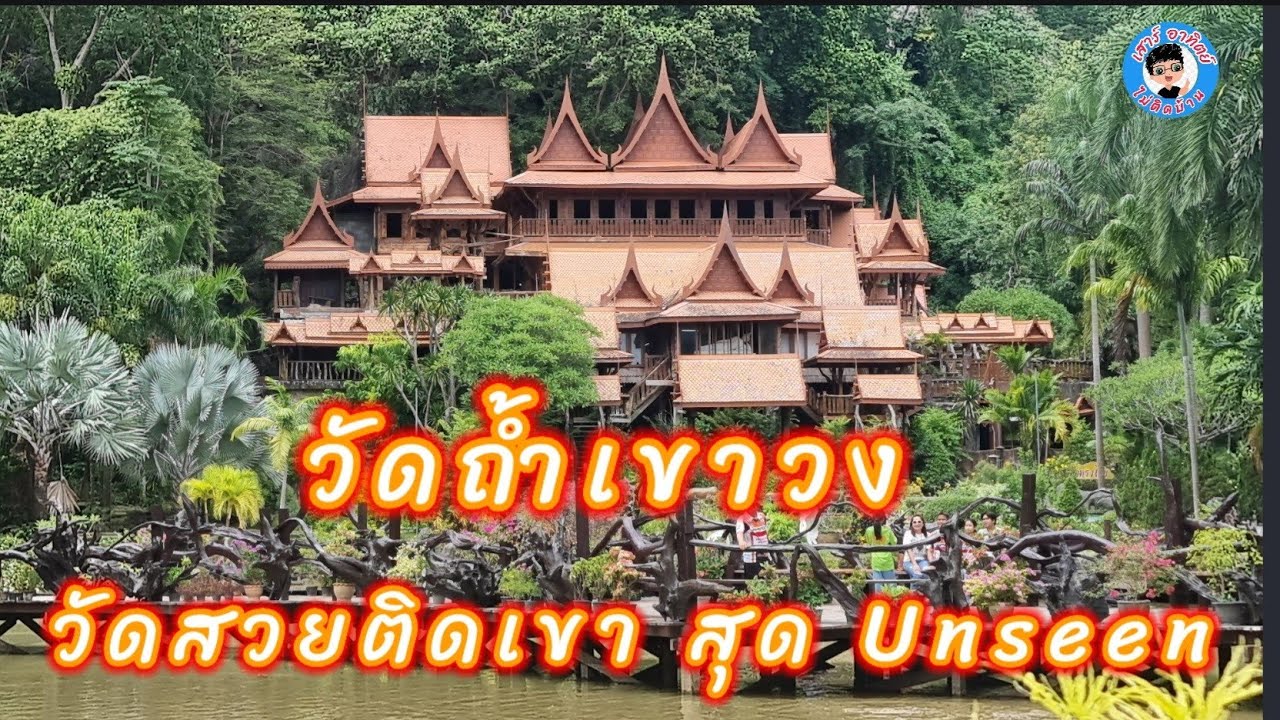
Wat Tham Khao Wong

Open Days: Daily
Opening Hours: Best Visited During Daylight Hours
Wat Tham Khao Wong in Uthai Thani Province is one of the most distinctive religious and nature-based attractions in Ban Rai District. Located in Ban Rai Subdistrict, the temple sits beside a large limestone mountain and is surrounded by green scenery, gardens, a pond, and cave landscapes. It is especially known for its impressive four-storey Thai-style wooden building, built with teak, makha wood, and old timber from traditional Thai houses. For foreign travelers, Wat Tham Khao Wong offers a rare combination of Buddhist worship, Thai wooden architecture, mountain scenery, cave exploration, photography, and peaceful reflection.
The temple is memorable because it blends architecture and nature in a balanced way. The wooden structure rises in front of a limestone mountain, while a pond and landscaped garden create a calm foreground. From the front, the temple looks like a traditional Thai house set deep in a mountain valley. This unique visual character has made Wat Tham Khao Wong one of the most recognizable places in Uthai Thani, especially for travelers who enjoy architecture and quiet natural settings.
To reach Wat Tham Khao Wong from Ban Rai District town, visitors travel about 12 kilometers along Highway 3011, passing the curve near Chao Pho Khao Rak Shrine. After that, turn right at the junction and continue for about 6 kilometers. Then turn left toward Khao Wong for another 8 kilometers, and shortly before reaching the temple there is another small turn of about 300 meters. The final section gradually becomes steeper and follows the curves of the hill, offering beautiful views of cliffs, greenery, and mountain scenery along the way.
The journey to the temple is part of the experience. The road passes rural communities, forested hills, and winding mountain sections. Visitors should drive carefully, especially around curves and slopes, but the route can be reached by private car or rental car. Starting early in the morning is recommended for travelers who want enough time to explore the temple, take photographs, and continue to other attractions around Ban Rai District.
The main temple building has 4 levels, each serving a different purpose. The ground floor is an open multi-purpose area with shops and resting space for visitors. The second level is a vihara, or worship hall, used for Buddhist ceremonies, prayer, and meditation. The third level is used as monks’ living quarters, while the fourth level contains the ordination hall, which is the architectural highlight of the temple.
The ordination hall on the fourth level is built from teak, makha wood, and old wood from traditional Thai houses in Ayutthaya and Ang Thong. Some roof elements were brought from Lamphun. These materials give the building strong cultural depth because each piece of old wood carries traces of traditional Thai domestic architecture and craftsmanship. When reused in a sacred temple building, the old timber gains a new life and connects past and present through religious architecture.
The details of the Thai-style wooden structure show the skill of traditional craftsmen. Elements such as gable ends, wind boards, roof details, pillars, balconies, and carved wooden parts all contribute to the building’s identity. The beauty of Wat Tham Khao Wong does not come only from its large size, but from the craftsmanship and careful integration of wooden architecture with the mountain landscape.
The ground floor functions as a practical open area for visitors, pilgrims, and local people. This follows the logic of traditional Thai houses, where the open space beneath a raised house can be used flexibly. In the temple context, the ground floor becomes a welcoming zone between the outside world and the sacred spaces above.
The second level, the vihara, is a place for paying respect, meditation, and religious activities. Visitors can stop here to pray, sit quietly, and experience the peaceful atmosphere of the temple. Even travelers who do not come specifically for meditation may find the space helpful for calming the mind before continuing upward.
The third level is the monks’ quarters. Visitors should treat this area with respect and avoid disturbing monks or entering private areas without permission. This level reminds visitors that Wat Tham Khao Wong is not only a tourist attraction. It is still an active Buddhist temple where monks live and practice.
The fourth level, where the ordination hall is located, gives the strongest impression of sacred elevation. Reaching the upper level creates a sense of moving from ordinary space toward a more spiritual area. From higher points of the building, visitors can look out toward the mountain, pond, garden, and surrounding landscape, making worship and nature observation part of the same experience.
The front landscape is one of the most beautiful parts of the temple. A large pond, a small bridge, decorative rocks, bonsai-like plants, ornamental trees, and the limestone mountain behind the temple create a highly photogenic scene. The pond reflects the wooden building and the mountain backdrop, giving the temple a calm and balanced appearance. Many visitors photograph the temple from this front area because it captures the full character of Wat Tham Khao Wong.
The garden design complements the natural setting rather than competing with it. Trees, plants, stones, and water are arranged to make the wooden temple appear even more graceful against the mountain. Visitors can walk slowly through the garden before or after visiting the main building. This makes the temple suitable not only for worship, but also for quiet walking and scenic relaxation.
Behind the temple, a path leads toward caves and the natural mountain area. Along the way, visitors will find an artificial waterfall designed to match the surrounding landscape. The sound of flowing water and shaded greenery make the walk toward the caves more refreshing. This water feature helps connect the temple building with the mountain and cave environment behind it.
On the mountain behind the temple, there are about 7 to 8 caves. Each cave has a different character. Some are used as meditation spaces for monks, some are habitats for bats, and some contain stalactites and stalagmites. This diversity gives Wat Tham Khao Wong more depth than a temple with only a beautiful building. It is also a natural site where visitors can observe caves, forests, wildlife, and the relationship between Buddhism and nature.
The caves used for meditation show the importance of caves in Thai Buddhist practice. Caves are quiet, cool, and separated from outside distractions. They are suitable for contemplation and mental training. Visitors should keep quiet near these areas and avoid disturbing monks or practitioners who may be meditating.
Some caves are home to bats, which are part of the natural ecosystem. Bats help maintain ecological balance, including insect control and seed dispersal in some environments. Visitors should not disturb them, shine strong lights directly at them, or make loud noise. A responsible cave visit means respecting both the sacred space and the wildlife that lives there.
Caves with stalactites and stalagmites should also be visited carefully. These formations are created through slow natural processes over a very long period of time. Visitors should not touch, break, or write on cave surfaces. Even small damage can affect natural formations that may have taken hundreds or thousands of years to develop.
The mountain area behind the temple includes natural vegetation such as yang, makha, sala, and other forest trees. These trees create shade, coolness, and a living natural environment. Visitors may hear birds, insects, or other small wildlife while walking. This makes the temple a suitable place for travelers who want a light nature experience without needing a difficult trek.
The construction cost of the temple was about 30 million baht, reflecting the commitment of supporters and builders who wanted to create a place for Buddhist practice, cultural learning, and Thai architectural appreciation. Building a large wooden structure in front of a mountain required planning, craftsmanship, and strong faith. The result is a temple with a unique identity and long-lasting visual impact.
Wat Tham Khao Wong is suitable for many types of visitors. Buddhist visitors can make merit, pay respect, and meditate. Architecture lovers can study the Thai-style wooden building and traditional craftsmanship. Nature lovers can explore the caves, forested slopes, and mountain setting. Travelers looking for rest can enjoy the pond, garden, and peaceful atmosphere at a slower pace.
For photography, the temple offers many excellent viewpoints: the wooden building from across the pond, the bridge, the landscaped garden, the mountain background, wooden balconies, roof details, and the cave path behind the temple. Morning light gives the place a fresh and gentle feeling, while late afternoon light adds warmth to the wooden surfaces and mountain backdrop. Photography should be done respectfully, especially around worship areas and monks.
A visit to Wat Tham Khao Wong should allow at least 1 to 2 hours. This gives enough time to see the main building, take photographs from the front pond area, pay respect inside the temple, and walk toward the caves behind the temple. Visitors who want to explore slowly, rest in the garden, or observe architectural details may want to spend longer.
Visitors should dress modestly because this is an active Buddhist temple. Comfortable walking shoes are recommended, especially for those who plan to walk toward the caves or mountain areas. Drinking water, a hat, and sun protection are useful during hot weather. After rain, visitors should be careful on damp paths and slopes.
Getting There is easiest by private car or rental car. From Ban Rai District town, take Highway 3011 past the curve near Chao Pho Khao Rak Shrine, turn right at the junction and continue for about 6 kilometers, then turn left toward Khao Wong for about 8 kilometers. Shortly before the temple, take the final access road for about 300 meters. The last section has slopes and curves, so careful driving is recommended. Travelers without private transport can first reach Ban Rai town and then hire a local vehicle to the temple.
Wat Tham Khao Wong can be included in a Ban Rai travel route with Ban Rai District town, Pha Rom Yen Waterfall, Wat Khao Tham Taphap, Ban Chai Khao, Khao Pla Ra, and Hup Pa Tat. Travelers coming from Uthai Thani town should start early because Ban Rai is relatively far and has several worthwhile attractions in the same area.
In summary, Wat Tham Khao Wong is one of Uthai Thani’s most distinctive temple destinations. Its 4-storey Thai-style wooden building, mountain backdrop, pond, garden, artificial waterfall, meditation caves, bat caves, stalactites and stalagmites, and peaceful Ban Rai setting make it a place where Buddhist faith, Thai architecture, and nature meet beautifully. For Thai and foreign travelers, the temple offers both visual beauty and a quiet cultural experience.
| Name | Wat Tham Khao Wong, Uthai Thani |
| Location | Ban Rai Subdistrict, Ban Rai District, Uthai Thani Province |
| Address | Ban Rai Subdistrict, Ban Rai District, Uthai Thani 61140, Thailand |
| Highlights | Four-storey Thai-style wooden temple building beside a limestone mountain, pond, bridge, landscaped garden, artificial waterfall, meditation caves, bat caves, and natural cave formations |
| Distinctive Features | Ground floor as a multi-purpose area, second floor as a vihara, third floor as monks’ quarters, and fourth floor as the wooden ordination hall |
| Important Features | Vihara, wooden ordination hall, monks’ quarters, multi-purpose ground floor, pond, bridge, garden, artificial waterfall, and caves behind the temple |
| Architectural Value | Thai-style wooden architecture using teak, makha wood, and old timber from traditional Thai houses in Ayutthaya and Ang Thong, with some roof elements from Lamphun and detailed wooden craftsmanship |
| Nature And Caves | About 7–8 caves behind the temple; some are used for meditation, some are bat habitats, and some contain stalactites and stalagmites |
| Rituals And Local Beliefs | Merit-making, Buddhist worship, chanting, meditation, sermons, Makha Bucha Day, Visakha Bucha Day, Buddhist Lent, and end-of-Lent activities |
| Main Areas / Zones | Multi-purpose ground floor, vihara, monks’ quarters, wooden ordination hall, pond, bridge, landscaped garden, artificial waterfall, cave path, meditation areas, and mountain nature area |
| Abbot / Caretaker | Phra Khru Sangkharak Poramet |
| Travel Information | From Ban Rai District town, take Highway 3011 past Chao Pho Khao Rak Shrine, turn right at the junction for about 6 km, then turn left toward Khao Wong for about 8 km. Shortly before the temple, take the final access road for about 300 meters. Best reached by private car, rental car, or local hired vehicle |
| Distance From Ban Rai Town | About 12 km before entering the temple access route |
| Current Status | Active Buddhist temple and nature-based cultural attraction open for worship, merit-making, and visits |
| Open Days | Daily |
| Opening Hours | Best visited during daylight hours |
| Facilities | Parking area, multi-purpose area, shops, worship area, vihara, garden, pond, bridge, photo spots, and walking path to the caves behind the temple |
| Visitor Precautions | Dress modestly, wear comfortable shoes, be careful on slopes and damp paths, keep quiet near meditation areas, do not disturb bats, and do not touch or damage cave formations |
| Nearby Tourist Attractions | 1. Ban Rai District Town, about 12 km 2. Wat Khao Tham Taphap, about 18 km 3. Pha Rom Yen Waterfall, about 19 km 4. Ban Chai Khao, about 22 km 5. Khao Pla Ra, about 38 km 6. Hup Pa Tat, about 45 km |
| Nearby Restaurants | 1. Nicha House, about 3 km 2. GoodView CafeHouse, about 4 km 3. Huai Pa Pok Pizza, about 6 km 4. Lemone Cafe & Resort Ban Rai, about 7 km, Tel. 095-487-6000, 089-761-9449 5. Baan Suan Restaurant, about 10 km, Tel. 056-539-061 |
| Nearby Accommodations | 1. Lemone Cafe & Resort Ban Rai, about 7 km, Tel. 095-487-6000, 089-761-9449 2. Ban Rai Nai Suan Resort, about 9 km, Tel. 089-267-6174 3. Baan Suan Resort Ban Rai, about 10 km, Tel. 056-539-060, 098-864-1258 4. Watthana Resort Ban Rai, about 11 km, Tel. 056-539-133, 081-886-6042 5. Huai Kha Khaeng Country Home Resort, about 18 km |
Frequently Asked Questions (FAQ)
Q: Where is Wat Tham Khao Wong located?
A: Wat Tham Khao Wong is located in Ban Rai Subdistrict, Ban Rai District, Uthai Thani Province. It is a cave temple set beside a limestone mountain with a large Thai-style wooden building, pond, garden, and caves behind the temple.
Q: What makes Wat Tham Khao Wong special?
A: The temple is known for its 4-storey Thai-style wooden building made with teak, makha wood, and old timber from traditional Thai houses, set beautifully against a limestone mountain backdrop.
Q: What are the 4 floors of Wat Tham Khao Wong used for?
A: The ground floor is a multi-purpose area with shops, the second floor is a vihara, the third floor is monks’ quarters, and the fourth floor is the wooden ordination hall.
Q: Are there caves at Wat Tham Khao Wong?
A: Yes. Behind the temple are about 7–8 caves. Some are used for meditation, some are bat habitats, and some contain stalactites and stalagmites.
Q: What type of visit is Wat Tham Khao Wong suitable for?
A: It is suitable for Buddhist worship, merit-making, architecture study, photography, nature walking, cave visits, and peaceful travel in Ban Rai District.
Q: How can travelers get to Wat Tham Khao Wong?
A: From Ban Rai District town, take Highway 3011, pass Chao Pho Khao Rak Shrine, then follow the local road toward Khao Wong. A private car, rental car, or local hired vehicle is recommended.
Q: Is there an admission fee for Wat Tham Khao Wong?
A: Wat Tham Khao Wong is a Buddhist temple where visitors can make merit, pay respect, and visit the temple grounds as usual.
Q: What nearby places can be visited with Wat Tham Khao Wong?
A: Nearby places include Ban Rai District town, Wat Khao Tham Taphap, Pha Rom Yen Waterfall, Ban Chai Khao, Khao Pla Ra, and Hup Pa Tat.
 Category: ●Places of Worship
 Group: ●Temple
Last Update : 5 MonthAgo
 Last Update : 5 MonthAgo
 Click to Access the Navigation Map GPS
Wat Tham Khao Wong Map
Recommend

 Art, Culture and Heritage
 Historical Sites and Monuments(3)
 Landmarks and Memorials(1)
 Art, Craft Centres, Tradition(5)
 Museums(1)
Temple(31)
 Other Sacred Sites(3)
 Suburban Living
 Village, Community(4)
 Local Market(1)
 Nature and Wildlife
 National Parks and Marine Reserves(2)
 Mountain (Doi)(7)
 Dam, Reservoir, Lake(5)
 Waterfalls(5)
 Hot Springs(1)
 Caves(9)
 Flower Field(2)
 River, Canal(2)
 Islands(1)
 Other natural attractions(1)
 Entertainment and Agricultural
 Farms, Parks and Ecotourism(2)
 Shopping
 Shopping and Night Market(1)
 Travel Articles, Recipes
 Travel Review, Food Review(1)


