
lovethailand home >North Travel Attractions >Phitsanulok Travel Attractions >Muang Phitsanulok >Nai Muang > Phitsanulok University
TL;DR: Phitsanulok University, Phitsanulok attractions : University, Private University.

Phitsanulok University
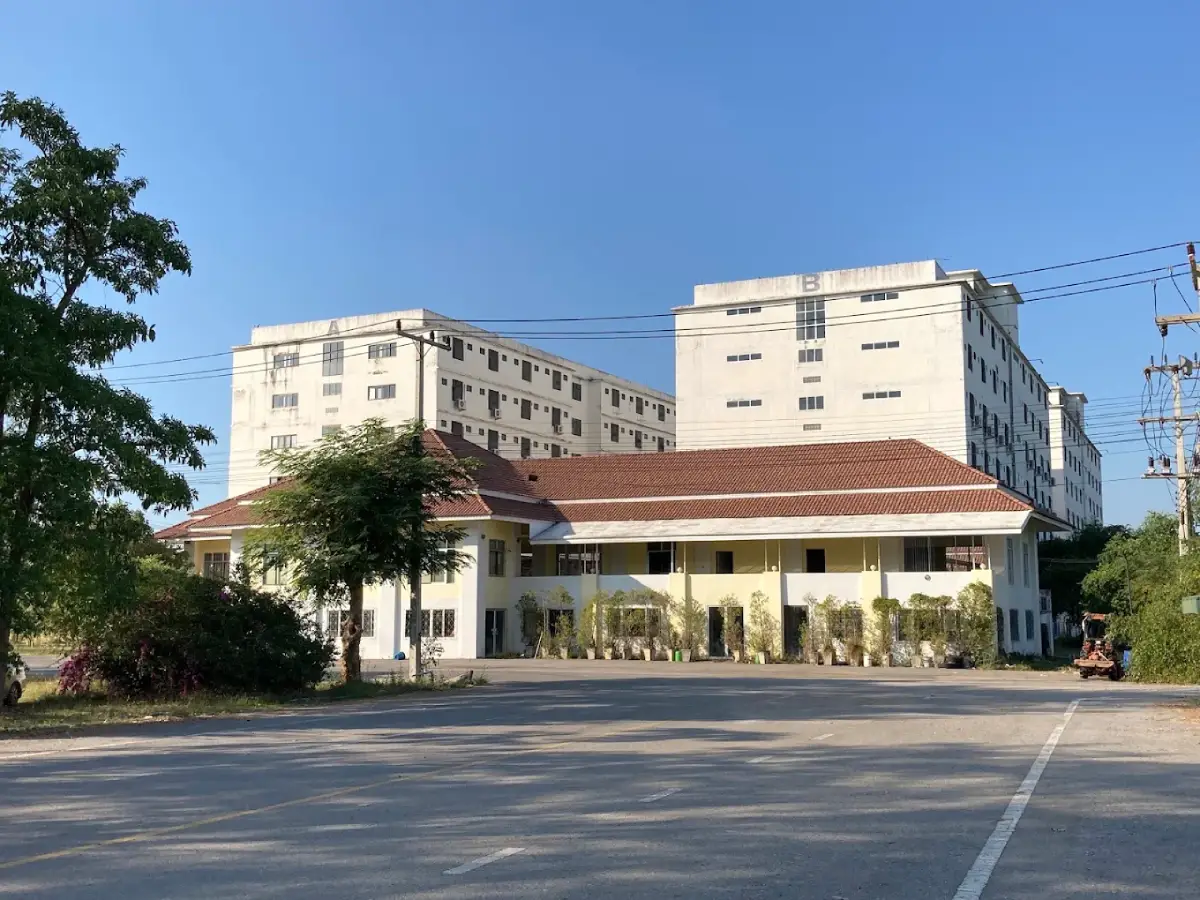
Open Days: Monday – Friday (Admissions and general office inquiries during regular working days, excluding public holidays)
Opening Hours: 08:30 – 16:30 (Regular admissions inquiry hours; some academic programs hold classes on Saturdays and Sundays)
Phitsanulok University (PLU) is a private university in Phitsanulok Province, Thailand, located at 93 Moo 5, Samo Khae Subdistrict, Mueang Phitsanulok District, Phitsanulok 65000, near the Indochina Intersection on the Phitsanulok–Wang Thong Road. The institution was originally established as Phitsanulok College on April 19, 2002 (B.E. 2545), began offering academic programs in 2004, and received approval to become Phitsanulok University in 2011. It is historically significant as the first private higher education institution established in Phitsanulok Province. Today, its five faculties offer education in business administration and accounting, law, public administration, education, and public health. The university provides bachelor's degree, graduate diploma, and master's degree programs, supported by online admissions, digital learning systems, and academic services. Its educational mission focuses on expanding access to higher education, developing professional knowledge, and preparing graduates to contribute to organizations and communities in Thailand's lower northern region.
Phitsanulok University occupies a distinctive position within the province's higher education system because it is a private institution established to provide additional educational opportunities. Its programs serve students interested in business, accounting, law, public administration, teaching, and occupational health and safety. Undergraduate and graduate education offer pathways for people with different academic backgrounds and professional goals, including secondary school graduates, working adults, and individuals seeking further professional qualifications.
The university's present campus is located in Samo Khae Subdistrict, east of central Phitsanulok. This area is connected to important roads and the Indochina Intersection, a transport junction linking the city with eastern routes and neighboring provinces. The location is accessible to travelers arriving by private car, intercity bus, or locally arranged transport. It is particularly convenient for people traveling through Phitsanulok Bus Terminal 2, which is situated in the wider Indochina Intersection area.
The campus contains academic buildings, administrative offices, meeting facilities, and student service units. One of its principal buildings is the Rak Thanasat Building, which accommodates important educational and administrative services. The Division of Academic and Educational Services is located on the second floor, while the Faculty of Education uses fourth-floor facilities for certain academic and admissions activities. Having several service units in the same building helps visitors coordinate registration, academic documentation, and program inquiries.
The origins of Phitsanulok University can be understood within the expansion of Thailand's higher education system during the early 2000s. Demand for degree-level education was growing, and regional educational institutions were becoming increasingly important for students who wished to study closer to home. The development of private higher education outside Bangkok helped create additional options for people seeking professional qualifications without necessarily relocating to major metropolitan centers.
On April 19, 2002, Phitsanulok College was officially authorized as a private higher education institution. Its original location was at 693 Mittraphap Road, Nai Mueang Subdistrict, Mueang Phitsanulok District, on a site measuring approximately eight rai. Ajarn Sunthorn Rakliang was an important figure in the institution's foundation and development. The establishment of Phitsanulok College represented an effort to expand higher education opportunities in the province through a privately operated academic institution.
During the initial development period, the college focused on preparing classrooms, administrative facilities, teaching staff, support personnel, and curricula suited to labor market needs. Its educational approach emphasized academic knowledge, professional competence, and practical experience. At the same time, the institution considered Phitsanulok's position as a regional center for commerce and transportation, including its potential connections with economic activity across mainland Southeast Asia.
Phitsanulok College began offering courses in the 2004 academic year. Its original academic fields included accounting, business computing, and management. These subjects were especially relevant to organizations adapting to increased computer use and changing business practices. The first programs provided the foundations for the university's later development in business administration, accounting, information technology, and organizational management.
Beginning with business-related programs reflected the college's aim of preparing graduates for employment in regional enterprises and public and private organizations. Accounting, business administration, and computer applications were becoming increasingly important in daily operations. Education in these fields helped students develop skills useful for financial administration, office management, data processing, and business decision-making.
As the college expanded, additional land was acquired near the Indochina Intersection in Samo Khae Subdistrict. Historical accounts describe the acquisition of approximately 92 additional rai, together with the development of new academic buildings and facilities. Combined with the original site, the institution's historical land holdings were reported at approximately 100 rai. The expansion provided space for the increasing academic activities and student services associated with institutional growth.
The choice of the Indochina Intersection area reflected Phitsanulok's urban development and transportation potential. The campus became connected with important regional roads serving northern, central, and northeastern Thailand. This location supported access for students and visitors traveling from neighboring districts and provinces and provided opportunities for the university to accommodate a broader educational community.
On May 6, 2011, Phitsanulok College was granted university status and became "Phitsanulok University." This marked a major stage in the institution's development under Thailand's private higher education system. The change reflected the expansion of academic administration, educational programs, academic personnel, and supporting facilities required for broader university-level education.
The transition from Phitsanulok College to Phitsanulok University strengthened the institution's capacity to provide multidisciplinary higher education. Its academic responsibilities developed to include teaching, research, academic services, professional development, and engagement with wider society. Nevertheless, its original mission of expanding education and developing graduates with employable knowledge and skills remained central.
The university's history can therefore be divided into several important stages. In 2002, Phitsanulok College was established; in 2004, academic instruction began; in 2011, the institution gained university status; and in subsequent years, the university developed undergraduate and graduate programs across a broader range of disciplines. By 2026, 24 years had passed since its original foundation, while 15 years had passed since its transition to university status.
The name Phitsanulok University directly reflects its geographical and institutional identity. The university takes its name from Phitsanulok Province, where it was founded and continues to operate. Using the province's name expresses the institution's connection with regional development, its role in expanding higher education access, and its commitment to serving students from Phitsanulok and surrounding areas.
The university's traditional motto is "คุณภาพ คุณธรรม นำสังคม มีอุดมการณ์," expressing the importance of quality, morality, social leadership, and principled commitment. These ideals emphasize the development of graduates who combine professional knowledge with ethical responsibility. Education is therefore presented not only as a means of acquiring qualifications but also as a foundation for constructive participation in society.
The university's strategic development also emphasizes leadership, integrity, intellectual growth, hope, and the achievement of shared goals. Its L.I.G.H.T. framework brings together Leadership, Integrity, Growth, Hope, and Triumph. The framework reflects an institutional approach to improving academic quality, organizational development, innovation, and cooperation with wider society.
In 2026, Ajarn Namo Rakliang serves as President of Phitsanulok University, with official university documents and announcements issued under his authority. University leadership plays an important role in guiding academic programs, faculty development, research, and student services. These responsibilities are particularly significant as higher education institutions respond to changing student expectations, professional requirements, and the expansion of digital learning.
Phitsanulok University organizes its academic programs through five faculties: the Faculty of Business Administration and Accounting, Faculty of Law, Faculty of Public Administration, Faculty of Education, and Faculty of Public Health. Together, these faculties cover professional and academic fields related to organizational management, legal studies, public administration, education, workplace health, and community well-being.
The Faculty of Business Administration and Accounting has a particularly strong historical connection with the college's original programs. It provides education in business administration, accounting, and information technology. The Bachelor of Business Administration program includes majors in Digital Business Management and Business Computing, reflecting the growing role of information systems, digital tools, and data in contemporary organizations.
Accounting education is essential for financial management and organizational decision-making. Students study concepts related to recording, analyzing, and reporting financial information, while information technology education provides a foundation for understanding digital systems and their application in professional workplaces. Together, these disciplines support the development of skills needed in modern businesses and organizations.
The Faculty of Business Administration and Accounting also offers graduate study in Business Administration. Its master's degree program provides opportunities for graduates and working professionals to develop advanced knowledge of management, business analysis, and organizational planning. Graduate education in business is especially relevant for individuals seeking to strengthen their decision-making and strategic management capabilities.
The Faculty of Law offers the Bachelor of Laws program. Legal education provides a foundation for understanding rights, duties, legislation, legal procedures, and the principles underlying the administration of justice. Graduates may use this knowledge in legal-related careers, public administration, business, and other fields, subject to any professional licensing or qualification requirements applicable to their chosen occupation.
Law is also important beyond professional legal practice because it affects daily life, contracts, business operations, and the responsibilities of individuals and organizations. Developing legal knowledge can improve public understanding of rights and obligations while supporting responsible participation in society.
The Faculty of Public Administration provides both bachelor's and master's degree programs in Public Administration. The discipline covers public-sector management, organizational administration, public policy, and public services. It is particularly relevant to individuals working in government agencies, local administrative organizations, and institutions responsible for delivering services to communities.
Public administration education supports the development of effective management, transparent organizational practices, and responses to public challenges. The master's degree program allows learners to explore these areas in greater depth and apply advanced administrative knowledge in their professional responsibilities.
The Faculty of Education plays a significant role in teacher preparation and professional educational development. Its listed programs include a Bachelor of Education in Elementary Education, a Graduate Diploma in the Teaching Profession, and a Master of Education in Educational Administration. The university's academic program directory also lists a Bachelor of Arts in Tourism and Hotel Studies under the Faculty of Education.
The Bachelor of Education in Elementary Education focuses on children's learning, instructional planning, classroom management, and educational assessment. Students preparing for the teaching profession must develop both educational knowledge and communication skills for working with children, families, and educational personnel. Practical experience in schools is an important component of professional teacher development.
The Graduate Diploma in the Teaching Profession is another educational pathway for individuals seeking professional teaching knowledge and qualifications. Areas of study include instructional methods, educational psychology, assessment, and practical educational experience. Admission requirements and the relationship between the qualification and professional teaching standards are governed by the applicable university announcements and professional requirements.
For the 2026 academic year, Phitsanulok University issued official admissions announcements for the Graduate Diploma in the Teaching Profession, together with announcements identifying successful applicants. This confirms that the program was included in the university's 2026 admissions activities. Prospective students should consult current university announcements to verify admission conditions and documentation requirements.
The Master of Education in Educational Administration provides advanced study in school leadership, institutional management, educational systems, and research related to teaching and learning quality. The university issued an official 2026 admissions announcement for this program, specifying Saturday and Sunday classes from 09:00 to 16:00 according to the published schedule.
Graduate study in Educational Administration is particularly relevant to individuals wishing to develop expertise in school management and educational leadership. Its academic content relates to planning, professional development, organizational leadership, and research or independent study. The weekend schedule makes it possible for working professionals to organize their educational commitments around their weekday employment.
The Tourism and Hotel Studies program listed under the Faculty of Education is associated with the service economy and tourism industry. Relevant areas of knowledge include hospitality management, guest services, communication, and tourism business operations. Phitsanulok itself has a rich concentration of cultural and historical attractions, providing a regional context for studying tourism and hospitality.
The Faculty of Public Health offers the Bachelor of Science in Occupational Health and Safety. This field concerns the protection of health and safety in workplaces, assessment of occupational hazards, accident prevention, and management of working environments. It is relevant to industrial enterprises, service organizations, construction activities, and other workplaces where risk prevention and safety management are essential.
Occupational health and safety combines scientific knowledge, relevant legislation, and practical approaches to identifying and controlling workplace risks. The discipline contributes to professional development in organizations seeking to protect employees and improve working conditions. Its inclusion in the university's academic offerings provides an additional pathway for students interested in workplace health and safety professions.
Phitsanulok University supports its educational programs through online student services. Prospective students can access the university's online admissions platform, while enrolled students can use registration systems to obtain information about academic schedules, grades, and other services. Such facilities improve access to educational information, particularly for learners who live outside Phitsanulok or need to manage administrative tasks remotely.
The university also uses digital educational platforms, including Moodle for online learning management and a platform for online courses. These technologies support access to educational materials, learning activities, and communication with instructors. They are particularly useful for programs that combine classroom instruction with digital learning resources.
The Division of Academic and Educational Services is one of the university's principal support units. Its responsibilities include curriculum development, academic administration, student registration, graduate education, student affairs, and related academic services. The division is located on the second floor of the Rak Thanasat Building and provides different service contacts according to students' academic and administrative needs.
The university also supports the development of English-language and digital competencies. The Division of Academic and Educational Services publishes announcements relating to English and digital competency assessments for undergraduate and graduate students. These capabilities are important for graduates entering professional environments where communication and technological proficiency are increasingly necessary.
Research and scholarly publication form another part of the university's academic activities. Phitsanulok University operates an online journal platform that includes the Journal of Research and Innovation for Social Development, also known in Thai as Sunthorn Parithat. The journal system provides a venue for academic and research publications associated with fields such as education, business, public administration, law, and social development.
In 2025, Phitsanulok University publicized initiatives associated with a development and training center for public-sector personnel. Such activities contribute to professional capacity building and relate closely to the university's academic strengths in Public Administration and organizational management. Training and professional development help connect academic knowledge with the needs of individuals working outside the regular student population.
Academic services are important for a regional private university because they provide opportunities to connect education with community and organizational development. Training programs, professional skills development, and knowledge exchange can support improved workplace practices and create links between educational institutions, government agencies, and private organizations.
University traditions reflect established Thai educational values, particularly the Wai Khru ceremony in which students express gratitude and respect toward their teachers. On July 6, 2023, Phitsanulok University held its Wai Khru ceremony for the 2023 academic year in the TO BE NUMBER ONE Room, attended by university administrators, lecturers, staff, and students. The event illustrated the university's participation in the Thai tradition of honoring teachers.
The Wai Khru ceremony is significant because it creates an opportunity for students to recognize the importance of education and the people who guide their learning. It also reinforces a sense of respect, responsibility, and connection within the academic community. Preserving this tradition is one way a modern university can maintain an important aspect of Thai educational culture.
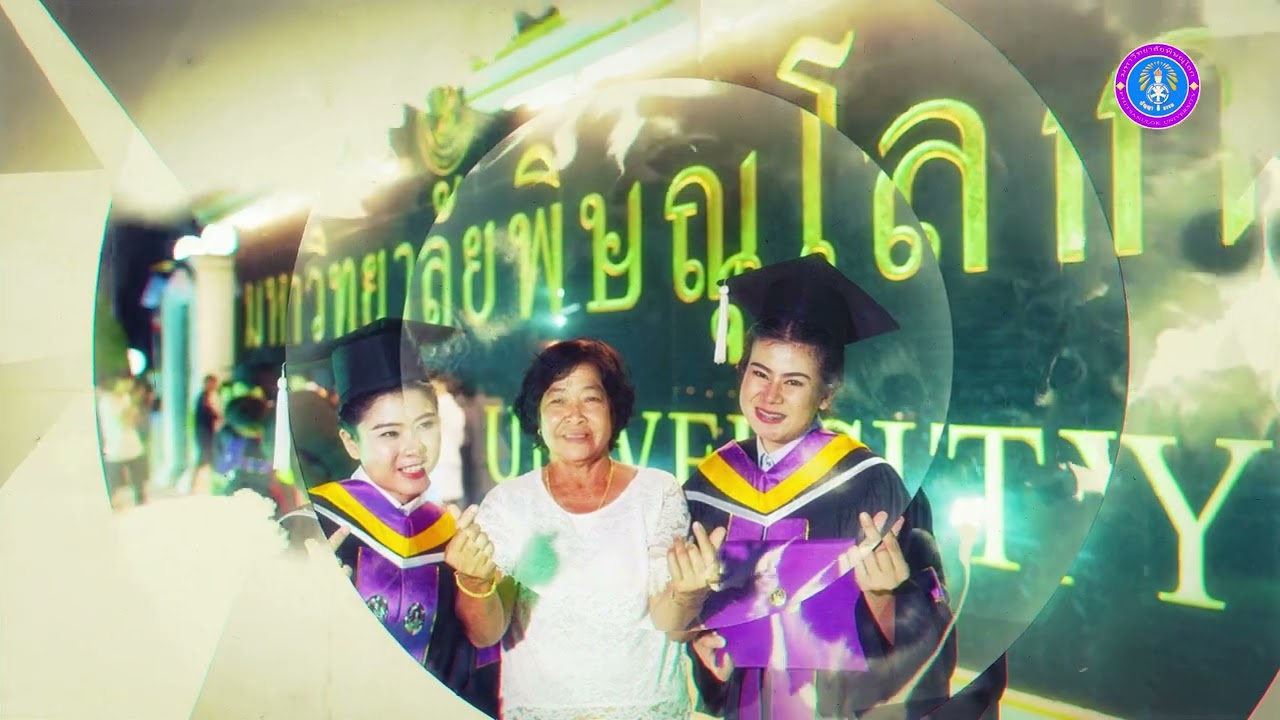
Graduation ceremonies are another major part of university life. On January 30, 2026, Phitsanulok University held a royal degree conferment ceremony for graduates from the academic years 2019–2024. The ceremony took place at the 100-Year Khun Ya Prasat Rakliang Memorial Auditorium at the university's Indochina Intersection campus, with 700 graduates participating. The event represented an important occasion for the graduates and their families.
The 100-Year Khun Ya Prasat Rakliang Memorial Auditorium is an important campus venue used for major institutional ceremonies and gatherings. Hosting degree conferment ceremonies on campus provides graduates and their families with an opportunity to celebrate academic achievement within the university community. Such events mark the transition from student life to professional responsibilities and lifelong learning.
The Rak Thanasat Building is another central university facility. It houses important administrative and educational service departments, including the Division of Academic and Educational Services on the second floor. Certain graduate admissions and Faculty of Education activities are coordinated through fourth-floor facilities. The building is therefore particularly relevant to prospective students, current students, and visitors dealing with academic documentation.
The university's library and information technology services support access to educational resources and scholarly information. These services form part of its academic support system and can be contacted through the relevant university offices. Information resources and digital services help students conduct research, prepare academic assignments, and develop independent learning skills.
Other campus facilities include classrooms, meeting spaces, and academic service areas used by the different faculties. Access to these facilities depends on their educational functions and scheduled activities. Visitors wishing to attend an event or arrange an educational visit should confirm the relevant venue and contact the responsible department in advance.
For the 2026 academic year, Phitsanulok University published admissions information and provided an online application system. Applicants can review the eligibility requirements, supporting documents, program details, and procedures through the official university website. Since academic program directories may include curricula revised in different years, prospective students should consult current admission announcements to identify the programs accepting new students.
Applicants interested in teacher education and educational administration should pay particular attention to professional requirements and qualifications. Those considering business, law, public administration, or occupational health and safety should review curriculum details, tuition fees, study schedules, and any relevant professional conditions before making a decision.
Some programs offer classes on weekends, particularly graduate programs with schedules designed for working adults. These arrangements can make further education more accessible to individuals with weekday employment. However, a weekend teaching schedule should not be confused with the operating hours of all administrative offices. Visitors should confirm office availability separately when planning an in-person appointment.
The university's position near the Indochina Intersection makes it accessible from the wider Phitsanulok area. Students and visitors can travel by private car or arrange local transport from central Phitsanulok. Restaurants, hotels, and Phitsanulok Bus Terminal 2 are located in the surrounding Samo Khae area, providing practical options for people visiting from other provinces for interviews, registration, examinations, or university activities.
Phitsanulok also offers important historical and cultural attractions that can complement an academic visit. These include Wat Phra Si Rattana Mahathat Woramahawihan, home to the revered Phra Buddha Chinnarat image; the Chan Royal Palace Historical Center; the Phra Buddha Chinnarat National Museum; and Wat Ratchakhiri Hiranyaram in the Khao Samo Khlaeng area. These sites provide opportunities to explore Buddhist heritage, regional history, and local culture.
Visitors interested in community life around the university can also visit Wat Samo Khae, a Buddhist temple in the same subdistrict. The surrounding area reflects the expansion of Phitsanulok from its historical riverside center toward modern educational, commercial, and transportation districts. Exploring both the traditional urban center and the expanding eastern suburbs provides a broader perspective on the development of the province.
Getting There: Phitsanulok University is located at 93 Moo 5, Samo Khae Subdistrict, Mueang Phitsanulok District, Phitsanulok 65000, Thailand. Visitors traveling by private car can use a navigation application and search for Phitsanulok University near the Indochina Intersection on the Phitsanulok–Wang Thong Road. Travelers from central Phitsanulok can reach the area using Mittraphap Road and Highway 12, following the route shown by their navigation system.
Travelers arriving from Bangkok or other provinces can use intercity buses serving Phitsanulok Bus Terminal 2 near the Indochina Intersection and continue to the university by local transport. Train passengers can arrive at Phitsanulok Railway Station, while air travelers can use Phitsanulok Airport. From either location, a private car or locally arranged transfer is recommended for the final journey to Samo Khae.
Prospective students attending admissions appointments should prepare the identification and academic documents required by their chosen program. Applicants seeking credit transfers or graduate admission should confirm their supporting documents and procedures in advance. The online application system can reduce the need for repeated campus visits and make the admissions process more convenient.
The university's main telephone number is +66 55 303411, and its official email address is saraban@plu.ac.th. The official website is www.plu.ac.th. The Division of Academic and Educational Services can be reached through extension 1214, the Registration and Academic Records Office through extension 1211, and Graduate Education Services through extension 1212. These contact points can assist with admissions, registration, academic documentation, and other university services.
In 2026, Phitsanulok University continues to operate as a private higher education institution in Phitsanulok Province, with admissions announcements and academic activities available through its official channels. Its five-faculty structure, digital student services, and undergraduate and graduate programs contribute to higher education opportunities for students and working professionals with different educational goals.
Phitsanulok University is an important part of the development of private higher education in lower northern Thailand. From its foundation as Phitsanulok College on April 19, 2002, to its transition to university status in 2011 and its continuing educational activities in 2026, the institution reflects an ongoing effort to expand access to academic and professional qualifications. Through education in business, accounting, law, public administration, teacher preparation, and occupational health and safety, together with research and digital learning services, Phitsanulok University contributes to the development of graduates and the wider community while maintaining an emphasis on educational quality, ethical responsibility, and social progress.
| University Name | Phitsanulok University (มหาวิทยาลัยพิษณุโลก) |
| Abbreviation | PLU / มพล. |
| Institution Type | Private Higher Education Institution |
| Current Address | 93 Moo 5, Samo Khae Subdistrict, Mueang Phitsanulok District, Phitsanulok 65000, Thailand |
| Location | Phitsanulok–Wang Thong Road, near the Indochina Intersection, Samo Khae |
| Former Name | Phitsanulok College |
| Foundation Date | April 19, 2002 |
| First Academic Year | 2004 |
| University Status Date | May 6, 2011 |
| Institutional Age in 2026 | 24 years since establishment and 15 years since university status |
| Original Location | 693 Mittraphap Road, Nai Mueang Subdistrict, Mueang Phitsanulok District, Phitsanulok |
| Historical Land Area | Approximately eight rai at the original location, followed by an additional 92 rai near the Indochina Intersection, totaling approximately 100 rai in historical institutional accounts |
| Important Founding Figure | Ajarn Sunthorn Rakliang |
| University President in 2026 | Ajarn Namo Rakliang |
| Traditional Motto | Quality, Morality, Social Leadership, and Principled Commitment |
| Institutional Development Values | Educational Quality, Integrity, Innovation, Cooperation, and Social Responsibility |
| Faculties | 1. Faculty of Business Administration and Accounting 2. Faculty of Law 3. Faculty of Public Administration 4. Faculty of Education 5. Faculty of Public Health |
| Degree Levels | Bachelor's Degrees, Graduate Diplomas, and Master's Degrees according to published academic programs |
| Academic Fields | Business Administration, Accounting, Information Technology, Law, Public Administration, Elementary Education, Teaching Profession, Educational Administration, Tourism and Hospitality, and Occupational Health and Safety |
| Important Campus Facilities | 1. Rak Thanasat Building 2. 100-Year Khun Ya Prasat Rakliang Memorial Auditorium 3. Division of Academic and Educational Services 4. TO BE NUMBER ONE Room 5. Library and Information Technology Services |
| Traditions and Activities | Wai Khru Ceremony, Royal Degree Conferment Ceremony, Student Development Programs, Academic Services, and Professional Training |
| Regular Admissions Inquiry Days | Monday – Friday, excluding public holidays. Some programs also have weekend classes. |
| Regular Admissions Inquiry Hours | 08:30 – 16:30 |
| Educational Visits | Contact the responsible department in advance for academic visits, classroom access, and participation in scheduled university activities. |
| Getting There | Travel to Phitsanulok by private car, bus, train, or domestic flight, then continue toward Samo Khae and the Indochina Intersection using the Phitsanulok–Wang Thong Road. |
| Nearby Attractions and Phitsanulok Landmarks | 1. Wat Samo Khae, Samo Khae Subdistrict 2. Wat Phra Si Rattana Mahathat Woramahawihan, Central Phitsanulok 3. Chan Royal Palace Historical Center, Central Phitsanulok 4. Phra Buddha Chinnarat National Museum, Central Phitsanulok 5. Wat Ratchakhiri Hiranyaram, Wang Thong District |
| Restaurants Around Samo Khae | 1. Auntie Ke's Papaya Salad, Tel. +66 91 837 9919 2. Som Tam Ban Chan Samo Khae, Tel. +66 84 306 3245 3. Sor Mahachai Chicken Rice, Tel. +66 95 638 5455 4. Khao Lao 2 Larb Restaurant, Tel. +66 97 123 9555 5. Clay Pot Grilled Chicken Samo Khae, Tel. +66 81 688 8374 |
| Accommodation Around Samo Khae | 1. Taman Spa Resort, Tel. +66 83 955 8855 2. Baan Sanpoom Hotel, Tel. +66 55 338 085 3. The Pride Hotel Phitsanulok, Tel. +66 61 662 2887 4. Baan Duangkamol Hotel, Tel. +66 93 389 7995 5. Nont Na, Tel. +66 85 195 9111 |
| Main Telephone | +66 55 303411 |
| Division of Academic and Educational Services | +66 55 303411, extension 1214 |
| Registration and Academic Records | +66 55 303411, extension 1211 |
| Graduate Education Services | +66 55 303411, extension 1212 |
| Official Email | saraban@plu.ac.th |
| Official Website | www.plu.ac.th |
| Current Status in 2026 | Operating private university with published admissions and undergraduate and graduate academic activities |
Phitsanulok University Academic Programs and Fields of Study, Academic Year 2026 (B.E. 2569)
| Faculty of Business Administration and Accounting | Bachelor's Degree 1. Bachelor of Business Administration in Business Administration Major in Digital Business Management Major in Business Computing 2. Bachelor of Accountancy in Accounting 3. Bachelor of Science in Information Technology Master's Degree 4. Master of Business Administration in Business Administration |
| Faculty of Law | Bachelor's Degree 1. Bachelor of Laws in Law |
| Faculty of Public Administration | Bachelor's Degree 1. Bachelor of Public Administration in Public Administration Master's Degree 2. Master of Public Administration in Public Administration |
| Faculty of Education | Bachelor's Degree 1. Bachelor of Arts in Tourism and Hotel Studies 2. Bachelor of Education in Elementary Education Graduate Diploma 3. Graduate Diploma in the Teaching Profession Master's Degree 4. Master of Education in Educational Administration |
| Faculty of Public Health | Bachelor's Degree 1. Bachelor of Science in Occupational Health and Safety |
Frequently Asked Questions (FAQ)
Q: Where is Phitsanulok University located?
A: Phitsanulok University is located at 93 Moo 5, Samo Khae Subdistrict, Mueang Phitsanulok District, Phitsanulok 65000, Thailand, near the Indochina Intersection on the Phitsanulok–Wang Thong Road.
Q: Is Phitsanulok University public or private?
A: Phitsanulok University is a private university. It was established as Phitsanulok College on April 19, 2002, before receiving university status in 2011.
Q: When was Phitsanulok University founded?
A: The institution was authorized on April 19, 2002, began teaching in the 2004 academic year, and became Phitsanulok University on May 6, 2011.
Q: How many faculties does Phitsanulok University have?
A: It has five faculties: Business Administration and Accounting, Law, Public Administration, Education, and Public Health.
Q: What are the opening hours of Phitsanulok University?
A: Regular weekday admissions inquiries are handled Monday to Friday from 08:30 to 16:30, excluding public holidays. Certain academic programs also hold classes on Saturdays and Sundays according to their individual schedules.
Q: Does Phitsanulok University offer master's degrees?
A: Its published academic programs include master's degrees in Business Administration, Public Administration, and Educational Administration. Availability for new applicants depends on the university's current admissions announcements.
Q: Does Phitsanulok University offer a graduate diploma in teaching?
A: Yes. The university lists a Graduate Diploma in the Teaching Profession and issued admissions announcements for the program in the 2026 academic year. Applicants should review eligibility and professional qualification requirements.
Q: Can I apply to Phitsanulok University online?
A: Yes. The university operates an online application system. Applicants should prepare the supporting documents required by their chosen program and follow the procedures published on the official university website.
Q: How can I get to Phitsanulok University?
A: Travelers can reach Phitsanulok by private car, intercity bus, train, or domestic flight. From the city, continue to Samo Khae near the Indochina Intersection. Phitsanulok Bus Terminal 2 is a useful transport reference point for visitors arriving by intercity bus.
 Category: ●University
 Group: ●Private University
Last Update : 5 HourAgo
 Last Update : 5 HourAgo
 Click to Access the Navigation Map GPS
Phitsanulok University Map
Recommend

 Art, Culture and Heritage
 Historical Sites and Monuments(1)
 Landmarks and Memorials(2)
 Art, Craft Centres, Tradition(3)
 Museums(3)
 Educational Places
 Educational Gardens, Farm(1)
 Public university(1)
 Rajamangala University of Technology(1)
 Rajabhat University(1)
Private University(1)
 Places of Worship
 Temple(29)
 Mosque(1)
 Other Sacred Sites(3)
 Research and Development
 Royal Project(1)
 Suburban Living
 Village, Community(1)
 Nature and Wildlife
 National Parks and Marine Reserves(7)
 Mountain (Doi)(4)
 Dam, Reservoir, Lake(5)
 Waterfalls(19)
 Caves(3)
 River, Canal(9)
 Other natural attractions(1)
 Entertainment and Agricultural
 Farms, Parks and Ecotourism(2)
 Outdoor and Adventure Activities(1)
 Travel Articles, Recipes
 Travel Review, Food Review(1)


