
lovethailand home >North Travel Attractions >Phichit Travel Attractions >Muang Phichit >Pa Ma Khap > Ban Dong Ho Chi Minh Museum
TL;DR: Ban Dong Ho Chi Minh Museum is located at Village No. 5, Pa Makhap Subdistrict, Mueang Phichit District, Phichit Province, open Tuesday – Sunday, hours 09.00 – 16.00.
Ban Dong Ho Chi Minh Museum
Open Days: Tuesday – Sunday
Opening Hours: 09.00 – 16.00
Ban Dong Ho Chi Minh Museum is located in Village No. 5, Pa Makhap Subdistrict, Mueang Phichit District, Phichit Province. It is one of the most meaningful cultural and historical learning sites in Phichit, especially for travelers interested in Thai-Vietnamese relations, ASEAN history, community heritage, and the life of President Ho Chi Minh. The museum preserves the story of Ban Dong, a local community that became part of a wider historical route connected with Vietnam’s struggle for independence and the long-standing friendship between Thai and Vietnamese people.
The museum was established through cooperation between Phichit Province, Pa Makhap Subdistrict Administrative Organization, the National Discovery Museum Institute, and the Ho Chi Minh Museum in Hanoi, the Socialist Republic of Vietnam. Its purpose is to create a learning space where local history becomes a gateway to understanding ASEAN history. For foreign visitors, the museum offers a rare opportunity to see how a quiet village in central Thailand became connected with one of the most important political figures of the 20th century.
Ban Dong Ho Chi Minh Museum covers an area of approximately 6,400 square meters. The site was formerly a cemetery of Thai people of Vietnamese descent before being transformed into a cultural learning center and community-based museum. The main building is a two-storey structure designed for permanent exhibitions and educational visits. It welcomes students, researchers, general travelers, Thai visitors, Vietnamese visitors, and international guests who want to understand the historical traces of President Ho Chi Minh in Thailand.
What makes this museum especially valuable is its approach to storytelling. It does not present Ho Chi Minh only as a national leader of Vietnam, but also as a person whose revolutionary journey passed through ordinary communities, local homes, and networks of human support. Ban Dong was not a major capital city or a battlefield, yet it became part of a larger historical movement because of the hospitality, courage, and quiet contribution of local people. This makes the museum deeply human and accessible to visitors from different backgrounds.
The permanent exhibition is divided into several zones that help visitors follow the story step by step. The Ban Dong in the Past zone presents the local way of life, settlement patterns, occupations, beliefs, and memories of the village. The Thai-Vietnamese Relationship zone explains the friendship between the two peoples and the presence of Vietnamese communities in Thailand. The Geography of Ban Dong, Phichit Province zone helps visitors understand the location, landscape, and social context of the community.
One of the most important sections is the Ho Chi Minh, the Liberator of Vietnam zone. This exhibition introduces President Ho Chi Minh not only as a political leader, but also as a disciplined and simple person with a lifelong commitment to national independence. His time in Thailand forms an important part of his revolutionary journey, and Ban Dong in Phichit is remembered as one of the places connected with that history. For Vietnamese visitors, this section can be emotionally meaningful; for Thai and international travelers, it offers a clearer understanding of how Thailand and Vietnam are linked through people, memory, and shared regional history.
Other exhibition areas include the Movement in Siam zone, the Ban Dong Community zone, the Secret Mission at Ban Dong zone, the Heroes zone, and the Tireless Struggle for Liberation zone. These sections expand the visitor’s understanding of the social and political context of the period. They show that history is not created only by famous leaders, but also by local communities, families, supporters, and unnamed individuals whose actions helped sustain wider movements for freedom and justice.
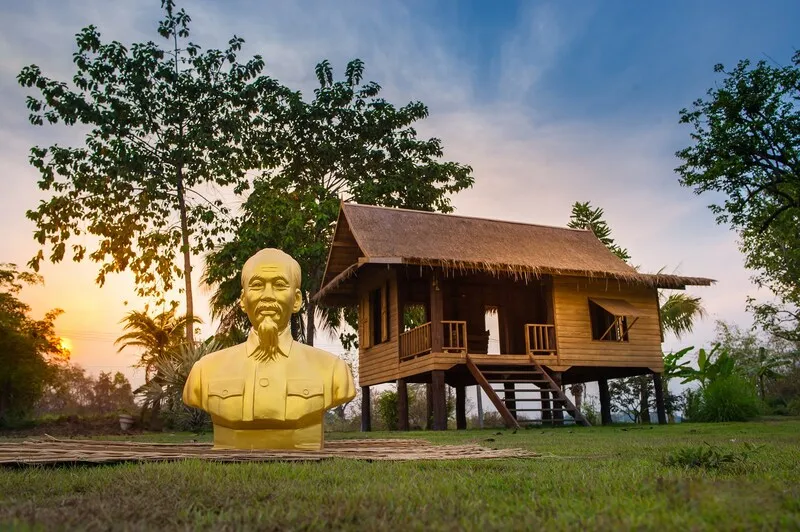
Outside the main building, visitors can see a replica of President Ho Chi Minh’s house. The structure is built as a raised Vietnamese-style wooden house. Inside are a statue of President Ho Chi Minh, an altar, and personal objects such as a wooden cabinet, an old oil lamp, and everyday items associated with his simple way of life. This replica house gives visitors a more intimate sense of the atmosphere surrounding Ho Chi Minh’s life and values. It allows travelers to understand that his influence came not from luxury, but from discipline, endurance, and dedication.
The museum is also a living community museum. Visitors do not learn only from display panels and objects, but also from the surrounding community of Pa Makhap and Ban Dong. Local families, memories, and stories still exist around the site. Some families are connected to Vietnamese ancestry, while others grew up hearing stories about Uncle Ho and Thai-Vietnamese friendship. This living context gives the museum a warmth that is different from a conventional exhibition hall.
For Phichit Province, Ban Dong Ho Chi Minh Museum broadens the image of the province beyond its well-known associations with Chalawan folklore, temples, Bueng Si Fai, and old city history. It shows that Phichit also has an international historical dimension. Travelers who visit the museum can understand how a small rural community became part of a wider Southeast Asian story. This makes the museum an important stop for cultural travelers who want to explore Thailand beyond mainstream attractions.
The museum is suitable for families, students, educational groups, cultural travelers, and foreign visitors. School groups can learn about Ho Chi Minh through a Thai context. University students can study museum interpretation, community history, and regional memory. General travelers can enjoy a thoughtful cultural visit, while Vietnamese visitors can follow an important historical route connected with their national leader. The museum therefore works both as a tourist attraction and as a serious educational space.
A visit usually takes about 1 to 2 hours. This allows enough time to read the displays, walk through the exhibition zones, visit the replica house, take photographs, and understand the story without rushing. Group visits should contact the museum in advance. Visiting in the morning or early afternoon is recommended, especially for travelers who plan to continue to other attractions in Phichit such as Bueng Si Fai, Wat Tha Luang, Wang Krot Old Market, or Phichit Old City Park.
Getting There from Phichit town is convenient by private car, rental car, or local transport. The museum is located in Pa Makhap Subdistrict, not far from the town area. Travelers arriving by train can get off at Phichit Railway Station and continue by local vehicle. The museum can be included in a half-day cultural route around Phichit, especially for visitors who prefer meaningful learning experiences rather than fast sightseeing.
From a conservation perspective, Ban Dong Ho Chi Minh Museum is important because it preserves memory in a form that younger generations can access. A site that was once a cemetery of Thai people of Vietnamese descent has been transformed into a learning space that respects the past while opening itself to the future. This transformation shows how a local community can use history as cultural capital, create pride, and support quality tourism.
At the level of international relations, the museum stands as a visible symbol of Thai-Vietnamese friendship. It is not merely a diplomatic symbol between governments, but a people-to-people story rooted in real places, real communities, and shared memories. The story of Ho Chi Minh in Ban Dong helps visitors see that Thailand was part of a significant chapter in Vietnamese revolutionary history, and that local people in Phichit continue to preserve this memory with pride.
Ban Dong Ho Chi Minh Museum is therefore a worthwhile destination for anyone interested in history, ASEAN culture, community heritage, and educational travel in Phichit Province. It offers knowledge, perspective, and inspiration. A visit here is not simply a walk through a museum building; it is an entry into a place of memory where friendship, perseverance, and ideals connect people across borders.
| Name | Ban Dong Ho Chi Minh Museum |
| Location | Village No. 5, Pa Makhap Subdistrict, Mueang Phichit District, Phichit Province |
| Address | Village No. 5, Pa Makhap Subdistrict, Mueang Phichit District, Phichit 66000 |
| Highlights | Thai-Vietnamese historical museum, replica house of President Ho Chi Minh, Ban Dong community exhibitions, and displays on Thai-Vietnamese friendship |
| History | Established through cooperation between Phichit Province, Pa Makhap Subdistrict Administrative Organization, the National Discovery Museum Institute, and the Ho Chi Minh Museum in Hanoi as a learning center for ASEAN history and Thai-Vietnamese relations |
| Area | Approximately 6,400 square meters; formerly a cemetery of Thai people of Vietnamese descent |
| Distinctive Features | Two-storey museum building, permanent exhibitions, and a raised Vietnamese-style replica house of President Ho Chi Minh |
| Main Areas / Zones | Thai-Vietnamese Relationship, Ban Dong in the Past, Ho Chi Minh the Liberator of Vietnam, Geography of Ban Dong in Phichit, Ban Dong Community, Secret Mission at Ban Dong, Movement in Siam, Tireless Struggle for Liberation, and Heroes zones |
| Travel Information | Accessible from Phichit town by private car, rental car, or local transport; train travelers can get off at Phichit Railway Station and continue by local vehicle |
| Current Status | Open as a cultural learning site and historical attraction in Phichit Province |
| Open Days | Tuesday – Sunday |
| Opening Hours | 09.00 – 16.00 |
| Closed | Mondays and public holidays |
| Facilities | Parking available; group visits can be arranged in advance |
| Caretaker | Managed by a local administrative organization; Mr. Phuri Hong Thong is identified in English-language public information as being in charge of museum management |
| Main Contact Number | 056-039-869 |
| Group Visit Contact | 087-198-8699 or 056-039-869 |
| Official Website / Official Page | Facebook: Ban Dong Ho Chi Minh Museum, Mueang Phichit District, Phichit |
| Nearby Tourist Attractions | 1. Phichit Railway Station, about 8 km 2. Wang Krot Old Market, about 13 km 3. Wang Krot Railway Station, about 13 km 4. Bueng Si Fai, about 14 km 5. Wat Tha Luang Royal Monastery, about 14 km 6. Phichit Old City Park, about 22 km |
| Nearby Restaurants | 1. Tiaw Pinto Tai Ha, Wang Krot Old Area, about 13 km, Tel. 082-603-5018 2. Pa Lang Traditional Noodle Shop, Wang Krot, about 13 km, Tel. 088-619-9548 3. Chim Hong Cafe, about 13 km, Tel. 097-216-2389 4. Darling202 Coffee and Eatery, about 14 km, Tel. 063-247-4695 5. Restaurants in Phichit town area, about 9 km |
| Nearby Accommodations | 1. Grand Flower, about 9 km 2. Rabeang Nam Resort, about 10 km, Tel. 081-859-4907 3. The Nest Hotel Phichit, about 10 km, Tel. 095-623-9761 4. Fahluang Residence, about 10 km, Tel. 085-151-5696 5. Bed Hub X Cafe Phichit, about 11 km |
Frequently Asked Questions (FAQ)
Q: Where is Ban Dong Ho Chi Minh Museum located?
A: Ban Dong Ho Chi Minh Museum is located in Village No. 5, Pa Makhap Subdistrict, Mueang Phichit District, Phichit Province.
Q: What days is Ban Dong Ho Chi Minh Museum open?
A: The museum is open from Tuesday to Sunday, 09.00 to 16.00, and is closed on Mondays and public holidays.
Q: Why is Ban Dong Ho Chi Minh Museum important?
A: It is an important cultural and historical learning site that tells the story of Ban Dong, Thai-Vietnamese relations, and President Ho Chi Minh’s revolutionary activities in Thailand.
Q: What can visitors see inside the museum?
A: Visitors can see exhibition zones about Ban Dong in the past, Thai-Vietnamese friendship, Ho Chi Minh, revolutionary movements in Siam, secret missions at Ban Dong, and a replica house of President Ho Chi Minh.
Q: Who should visit Ban Dong Ho Chi Minh Museum?
A: The museum is suitable for students, families, cultural travelers, history enthusiasts, and foreign visitors interested in ASEAN history and Thai-Vietnamese relations.
Q: How long should visitors spend at the museum?
A: Visitors should allow about 1 to 2 hours to explore the exhibition zones, read the displays, and visit the replica house comfortably.
Q: How can travelers get to Ban Dong Ho Chi Minh Museum?
A: Travelers can drive from Phichit town or use local transport. Those arriving by train can get off at Phichit Railway Station and continue by local vehicle.
Tel : 056039869
 Tel : 056039869
Mobile : 0871988699
 Mobile : 0871988699
 Category: ●Art, Culture and Heritage
 Group: ●Museums
Last Update : 5 MonthAgo
 Last Update : 5 MonthAgo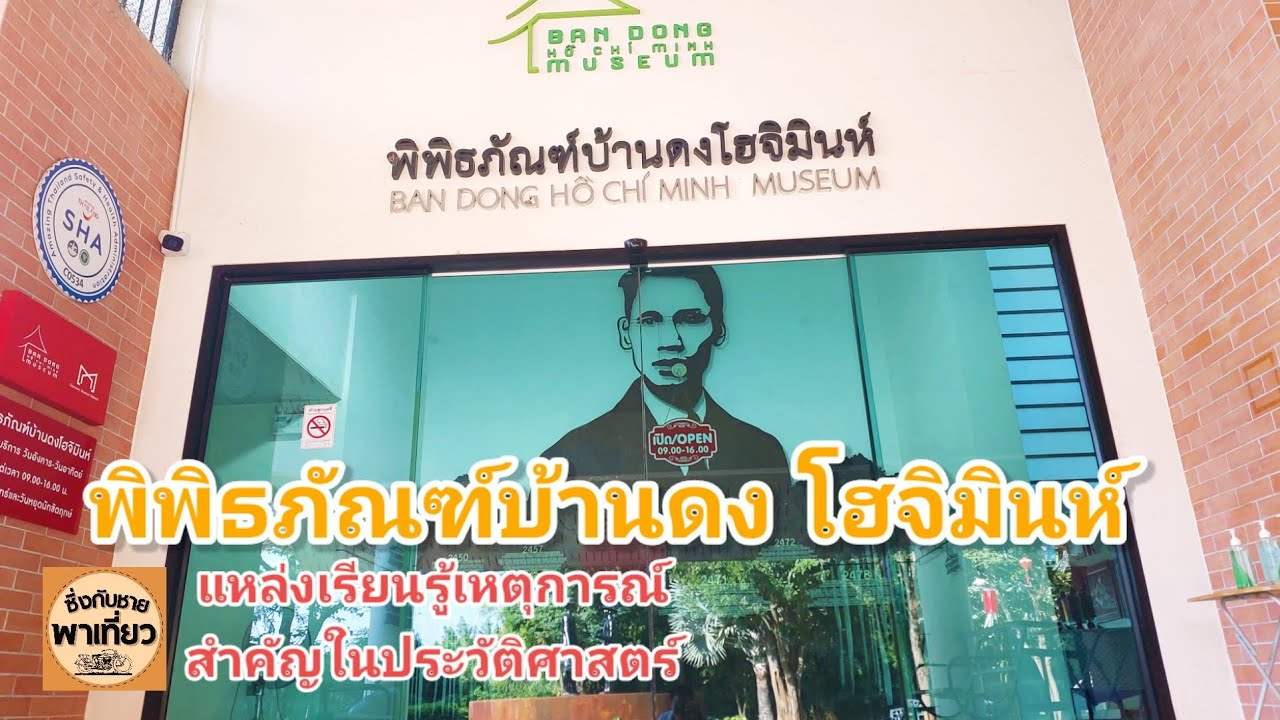
 Click to Access the Navigation Map GPS
Ban Dong Ho Chi Minh Museum Map
Gellery
Recommend

 Historical Sites and Monuments(1)
 Art, Craft Centres, Tradition(1)
Museums(1)
Art, Craft Centres, Tradition(1)
Museums(1)
 Places of Worship
 Temple(32)
 Other Sacred Sites(5)
 Research and Development
 Royal Project(1)
 Suburban Living
 Floating Market(1)
 Nature and Wildlife
 National Parks and Marine Reserves(1)
 Dam, Reservoir, Lake(3)
 River, Canal(2)
 Other natural attractions(1)
 Entertainment and Agricultural
 Animal camps and shows(1)
 Farms, Parks and Ecotourism(4)
 Travel Articles, Recipes
 Travel Review, Food Review(1)


