
lovethailand home >Central Travel Attractions >Nakhon Pathom Travel Attractions >Phuta Monthon >Sala Ya > Mahidol University (Salaya Campus)
TL;DR: Mahidol University (Salaya Campus) is located at 999 Phutthamonthon Sai 4 Road, Salaya Subdistrict, Phutthamonthon District, Nakhon Pathom 73170, Thailand, open Monday – Friday (General Administrative Offices), hours 08:30 – 16:30.
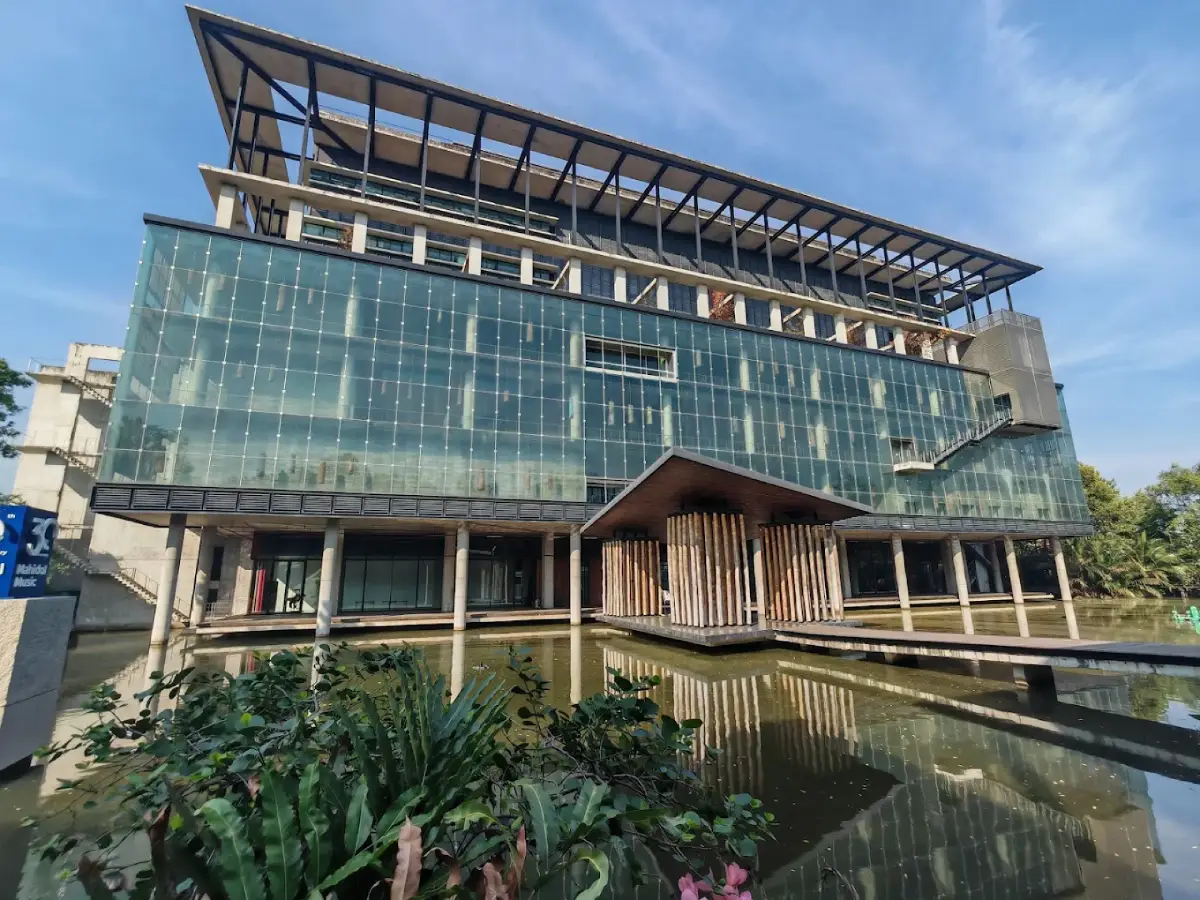
Mahidol University (Salaya Campus)
Open Days: Monday – Friday (General Administrative Offices)
Opening Hours: 08:30 – 16:30
Office Closures: Saturdays, Sundays, and Official Public Holidays
Mahidol University, Salaya Campus is located at 999 Phutthamonthon Sai 4 Road, Salaya Subdistrict, Phutthamonthon District, Nakhon Pathom Province 73170, Thailand. It serves as Mahidol University's principal administrative and educational center and is an important part of one of Thailand's oldest traditions of medical and public health education. The institution received the name Mahidol University in 1969, admitted its first students to Salaya in the 1982 academic year, and officially opened the Salaya campus on July 23, 1983. Today, Salaya is home to the Office of the President, numerous faculties, colleges, research institutes, libraries, and learning facilities. Its notable destinations include Prince Mahidol Hall, the Mahidol Learning Center, university museums, and Sireeruckhachati Nature Learning Park.
A distinctive characteristic of Mahidol University's Salaya campus is the combination of health sciences with natural sciences, engineering, digital technology, humanities, social sciences, and the arts. Academic buildings are set among landscaped roads, gardens, ponds, and open spaces, creating a learning environment noticeably different from the dense urban settings of central Bangkok. The campus was developed around the idea of creating a learning community where education, research, residential life, recreation, and the natural environment could exist together.
Salaya is situated in Phutthamonthon District, Nakhon Pathom, west of metropolitan Bangkok. Its location provides convenient connections to Bangkok and other provinces in central and western Thailand. The growth of Mahidol University has also contributed to Salaya's development as a university-oriented community, with student housing, restaurants, cafes, shopping centers, markets, and transportation services. The university's relationship with the surrounding area extends beyond its physical presence to employment, cultural activities, health-related services, and the exchange of academic knowledge with local residents.
The history of Mahidol University begins with the establishment of Siriraj Hospital during the reign of King Chulalongkorn, Rama V. Siriraj Hospital officially opened on April 26, 1888, and subsequently became a center for modern medical education in Thailand. In 1889, a medical school was established to train physicians, later receiving the name Royal Medical College in 1900. These early institutions formed the foundations of the educational tradition from which Mahidol University eventually developed.
Modern medical education in Thailand emerged from the need to improve public health services and develop professionals capable of providing effective medical care. The early system gradually expanded to include scientific training, professional instruction, hospital development, and organized health services. The transformation from medical school to university was therefore part of Thailand's wider social and educational development during an era when modern medicine was becoming increasingly important.
His Royal Highness Prince Mahidol Adulyadej, the Prince Father, played an exceptionally important role in developing medical and public health education in Thailand. He supported professional education, scholarships, academic cooperation, and improvements in medical training. His contributions helped establish foundations for the long-term development of Thai healthcare. He is widely recognized as the Father of Modern Medicine and Public Health in Thailand and remains a central figure in the university's identity and values.
On February 2, 1943, the University of Medical Sciences was established to provide a dedicated institutional framework for medical and health professional education. Its creation allowed the teaching, research, and development of healthcare personnel to progress within a university structure, responding to Thailand's expanding need for medical expertise and health services.
On March 2, 1969, the University of Medical Sciences was renamed Mahidol University in honor of Prince Mahidol Adulyadej. The new name symbolized the institution's historical legacy while marking an important stage in the expansion of its academic mission. The university increasingly developed disciplines beyond medicine and public health, including natural sciences, humanities, social sciences, and, in later decades, engineering and other professional fields.
This broader academic mission required additional space. The original sites at Siriraj and Phaya Thai had limitations in the availability of land for classrooms, laboratories, student housing, and new academic facilities. University leaders therefore sought a much larger site capable of supporting a comprehensive academic community rather than a collection of buildings concentrated in crowded urban areas.
Salaya was selected because it offered extensive land, relatively convenient transportation links, and a suitable setting for academic development. Through arrangements involving the Crown Property Bureau, land of approximately 1,240 rai became available for the university's expansion in the early 1970s. In 1974, royal permission was granted for the transfer of a site measuring approximately 1,242 rai and 20 square wah to Mahidol University.
The first master plan for Mahidol University's Salaya campus was prepared in 1974. The plan addressed the arrangement of related academic buildings, circulation systems, internal roads, pedestrian routes, residential areas, and connections with transportation outside the campus. Its underlying purpose was to create an integrated university environment where teaching, research, student life, and community services could be accommodated within a single well-planned setting.
Major development work began in 1976. Initial construction involved land improvement, roads, bridges, drainage facilities, and other essential infrastructure. Academic buildings, libraries, administrative offices, residential facilities, cafeterias, sports grounds, and research facilities were added during subsequent stages. The project faced economic and administrative challenges, but development continued toward the goal of welcoming students to the new campus.
On November 24, 1977, Professor Sanya Dharmasakti represented the King at the foundation stone ceremony for the administration building at Salaya. The event marked an important stage in the campus's physical development and reflected the long-term intention to establish a major center for higher education beyond Bangkok's original medical campuses.
In the 1982 academic year, approximately 1,000 first-year students began studying and residing at Salaya. They became the first student cohort to experience university life at the newly developed campus. The relocation of early undergraduate instruction to Salaya helped bring students from different disciplines into a shared environment, encouraging interaction across academic fields and contributing to the development of campus traditions.
Mahidol University's Salaya campus was officially inaugurated on July 23, 1983, by Her Royal Highness Princess Maha Chakri Sirindhorn. This event marked a major historical transition in the university's development, transforming it from an institution centered mainly around urban medical education into a comprehensive university with a large campus designed for multiple academic disciplines.
The campus continued to expand after its official inauguration. A revised master plan in 1997 focused on land use, transportation networks, landscaping, and infrastructure improvements. Another master plan, developed in 2008, placed greater emphasis on creating a learning community that could coexist harmoniously with the natural environment. Physical and mental well-being, sustainable planning, and the quality of everyday campus life became important considerations in its ongoing development.
The Office of the President had previously operated in the Siriraj area and later near the Somdet Phra Pinklao Bridge. It moved to Salaya in 2000, strengthening the campus's position as the central administrative location of Mahidol University. This relocation improved the coordination of university-wide administration with the faculties, colleges, and research institutions located at Salaya.
Mahidol University maintains several educational locations. Salaya is a major center for administration, teaching, and research, while Phaya Thai and Bangkok Noi remain especially important for medicine, healthcare, and professional clinical training. The university also has provincial campuses and educational projects associated with Kanchanaburi, Nakhon Sawan, and Amnat Charoen. Applicants should distinguish these locations carefully because individual degree programs may involve different teaching sites or move between campuses during different stages of study.
In 2026, Mahidol University is led by Professor Dr. Piyamitr Sritara, M.D., as Rector. The university continues to develop academic programs, research, healthcare services, and international cooperation. One of its major strengths is the ability to bring together expertise from medicine, public health, engineering, natural sciences, digital technology, environmental management, music, and social sciences to address complex problems affecting Thailand and the wider world.
The name Mahidol University honors Prince Mahidol Adulyadej and his contributions to Thai medical education. The university's emblem incorporates his royal insignia in gold against a dark blue background. Its official color is dark blue, granted by Princess Srinagarindra, the Princess Mother, in 1969. These symbols reflect the institution's royal heritage and historical commitment to medical education, knowledge, and service to humanity.
Kan Phai Mahidol is the university's symbolic plant, associated with the commemoration of the university's name and identity in 1999. The university's determination statement, “Wisdom of the Land,” expresses the importance of developing knowledge and applying it for the benefit of society. It reflects the belief that a university should serve the country through intellectual development, research, professional education, and public engagement.
Mahidol University's educational philosophy emphasizes that genuine success is achieved not simply through learning but through applying knowledge for the benefit of humankind. This principle reflects the example set by Prince Mahidol, who placed public service and the well-being of others at the center of his work. The university's core values include mastery, altruism, harmony, integrity, determination, originality, and leadership.
September 24 is Mahidol Day, commemorating the anniversary of Prince Mahidol's passing. It is an important annual occasion for the university community to remember his contributions to Thai medicine and public health. Activities may include wreath-laying ceremonies, exhibitions, historical presentations, and volunteer initiatives. On September 24, 2026, Mahidol University held a wreath-laying ceremony at the Prince Mahidol monument near the Mahidol Learning Center at Salaya.
The university also organizes public academic events, including its Open House activities for prospective students and families. In 2026, the Mahidol University Open House took place on September 5 and 6, from 08:30 to 17:00 at Salaya. The event introduced visitors to academic faculties, admissions procedures, scholarships, university facilities, and educational workshops. Such events help prospective students understand the breadth of educational opportunities available at Mahidol University.
One of Salaya's most recognizable architectural landmarks is Prince Mahidol Hall, also known in Thai as Mahidol Sitthakarn. The building features distinctive contemporary architecture with an imposing roof structure and a landscaped forecourt. Princess Maha Chakri Sirindhorn officially opened the hall on April 17, 2014. The facility serves as a concert venue, auditorium, conference space, and setting for major university ceremonies.
Prince Mahidol Hall is particularly important to the development of classical music and the performing arts in Thailand. It hosts performances by the Thailand Philharmonic Orchestra and other musical events, providing opportunities for students and the public to experience high-quality live performances. Its acoustically designed concert spaces also support professional music training and artistic exchange. Public access to the interior depends on scheduled performances, ceremonies, and organized events.
The Mahidol Learning Center is another important landmark of Salaya. It brings together educational activities, student services, community spaces, and facilities associated with university life. The complex also includes historical exhibition areas dedicated to the university and Prince Mahidol. It is therefore a useful starting point for visitors interested in learning about the institution's identity, development, and commitment to public service.
The Prince Mahidol Hall of Royal Biography and the Mahidol University Hall of Fame preserve and present important aspects of institutional history. Exhibits introduce visitors to the university's medical origins, its transformation from the University of Medical Sciences, and the achievements of scholars, healthcare professionals, and alumni who have contributed to Thai society. Historical objects, photographs, and archival evidence help make this development accessible to a wider audience.
The University Archives and Museum department is responsible for preserving documents, photographs, historical records, and other materials related to Mahidol University's development. Its collections include information on the creation and expansion of the Salaya campus. These resources illustrate the complexity of developing a large university, from obtaining land and designing its physical layout to constructing facilities and relocating departments over several decades.
Mahidol University Library and Knowledge Center provides academic information and research resources for students, lecturers, researchers, and eligible users. Its collections include books, journals, online databases, digital materials, and research support services. Individual university libraries have different service hours, access policies, and arrangements during academic breaks, so visitors should check the specific library they intend to use.
Sireeruckhachati Nature Learning Park is a significant botanical and educational destination on the Salaya campus. It focuses on medicinal plants, biodiversity, conservation, and the relationship between traditional herbal knowledge and scientific research. The park helps visitors understand the characteristics of Thai medicinal plants and the importance of preserving plant genetic resources and natural environments.
The park provides educational opportunities for visitors of different ages, including schoolchildren, university students, teachers, researchers, farmers, and members of the public. Its outdoor collections and exhibition facilities explain how plants are used, classified, studied, and conserved. Visitors interested in exhibitions, educational workshops, or group visits should confirm the latest schedule with the park because the operating hours of outdoor areas and exhibition buildings may differ.
In academic terms, the Salaya campus brings together a wide range of disciplines. The Faculty of Science contributes fundamental scientific education and research that can support medicine and technology. The Faculty of Engineering develops knowledge in engineering systems and applied innovation. The Faculty of Information and Communication Technology focuses on computer science and digital technologies, while the Faculty of Environment and Resource Studies addresses natural resource management, environmental protection, and sustainability.
The Faculty of Engineering was established in 1990 and has developed undergraduate and postgraduate education in areas including mechanical, electrical, chemical, industrial, civil, computer, and biomedical engineering. Its location within a university with major strengths in healthcare creates opportunities for interdisciplinary work involving medical devices, digital health systems, assistive technology, and other innovations supporting clinical care and human well-being.
The Faculty of Information and Communication Technology is another major academic unit located at Salaya. Its international undergraduate program covers information and communication technology, including programming, software systems, data management, networks, and digital innovation. These capabilities are increasingly important for healthcare, education, public services, research, and business operations.
The Faculty of Physical Therapy and other health-related units with activities at Salaya contribute to professional education, rehabilitation research, and community services. Physical therapy and occupational therapy are important for restoring mobility, supporting people with disabilities, and improving quality of life. The Faculty of Veterinary Science also supports animal health education, professional training, research, and services that connect animal welfare with human and environmental health.
The Faculty of Liberal Arts and the Faculty of Social Sciences and Humanities contribute academic perspectives on languages, cultures, communication, society, administration, and human development. These disciplines help students and researchers understand human behavior, public policy, social change, and the challenges of communication in diverse communities. They also provide opportunities for interdisciplinary collaboration in health communication and social development.
Mahidol University International College, commonly known as MUIC, offers English-medium education in a multicultural environment at Salaya. In the 2026 academic year, it welcomed students in 17 undergraduate majors covering business, science, engineering, creative technology, communications, international relations, languages, and tourism. Its fields of study include finance, marketing, international business, computer science, computer engineering, communication design, and travel and service business entrepreneurship. Several majors are offered within broader degree programs rather than functioning as separate independent degree titles.
The College of Music is a particularly distinctive academic institution at Salaya. It provides education in classical performance, Thai and Eastern music, jazz, popular music, composition, music education, music business, and music technology. Students receive practical performance training alongside academic study, while opportunities to perform at professional venues, including Prince Mahidol Hall, help connect formal education with public artistic activities.
The Institute of Nutrition plays an important role in developing knowledge related to food, diet, and human health. The Institute for Population and Social Research contributes research on demographic change, population trends, and social policy. The Institute of Molecular Biosciences and other biological research units produce scientific knowledge that can contribute to biotechnology and medical research. Together, these institutions demonstrate the breadth of interdisciplinary research undertaken at Salaya.
The National Institute for Child and Family Development focuses on human development, children, family relationships, and educational environments. Its work intersects with education, psychology, social development, and child well-being. The Institute for Innovative Learning supports the development of teaching methods, educational media, and learning processes that connect academic research with modern educational practice.
Mahidol University's Faculty of Graduate Studies coordinates graduate admissions and academic arrangements for numerous master's and doctoral programs offered by faculties, colleges, and research institutes. Programs span health sciences, natural sciences, engineering, environmental studies, social sciences, music, and interdisciplinary fields. For the 2026 academic year, admission periods and entry requirements are published through the university's graduate admissions system. Prospective students should verify each program's teaching location, degree title, eligibility criteria, and admission schedule with the responsible department.
Research at Salaya addresses a range of challenges affecting Thailand and the international community. These include health promotion, aging populations, disease prevention, healthcare technologies, environmental sustainability, resource management, digital transformation, and social well-being. Many research questions require cooperation between specialists from different fields, making the university's academic diversity an important institutional strength.
Sustainable campus development is also central to Mahidol University's approach to managing Salaya. Its plans include green space management, transport improvements, sustainable building design, and outdoor facilities supporting recreation and physical activity. These measures help transform the campus into more than a collection of academic buildings, creating a living environment that supports both learning and personal well-being.
Internal transportation services include university tram and shuttle routes connecting academic buildings, administrative offices, student residences, and other facilities. Because Salaya covers a large area, visitors should identify the nearest entrance, tram stop, and destination building before traveling. Internal public transportation also reduces the need for short car journeys and supports a more pedestrian-friendly campus.
Mahidol University regularly hosts public activities that connect academic life with the wider community. These include open house events, academic conferences, exhibitions, concerts, health education programs, and community workshops. Some activities are open to all visitors, while others require prior registration or admission tickets. Official event announcements are the most reliable source for participation arrangements.
For visitors interested in educational tourism, Salaya offers an unusual combination of institutional history, performing arts, medicinal plants, and environmental learning. A visit might include the Mahidol Learning Center and its historical exhibits, a concert at Prince Mahidol Hall, or a botanical learning experience at Sireeruckhachati Nature Learning Park. Each location operates according to its own schedule and visitor regulations.
Visitors should remember that Salaya is an active university campus. Photography in public areas should not disturb academic activities, and unauthorized access to classrooms, research laboratories, residential buildings, and restricted facilities should be avoided. Visitors should also comply with parking, safety, and access regulations. Groups interested in formal educational visits should contact the relevant university department in advance.
Getting There from Bangkok is possible by private car via Borommaratchachonnani Road toward Phutthamonthon, followed by Phutthamonthon Sai 4 Road. An alternative route uses Phet Kasem Road before connecting with Phutthamonthon Sai 4. Drivers should identify their destination building in advance, since the campus has several access points and its academic buildings are spread across a large area.
Public transportation options include bus services connecting Bangkok with Salaya. University travel information lists routes such as 515, 547, 124, and 125, although routes and stopping points may change as transport services are reorganized. Visitors should check current schedules and service information before departure.
Another option is the Salaya Link bus service connecting Bang Wa BTS Station with Mahidol University's Salaya campus. The service operates according to schedules published by the College of Music. Visitors should verify current operating days, departure times, and fares before traveling. Train passengers may also use southern-line rail services stopping at Salaya Railway Station and continue by local transport to the university.
Several nearby attractions make Salaya suitable for an educational and cultural day trip. Phutthamonthon is an important Buddhist park with extensive landscaped grounds. The Thai Film Archive preserves Thailand's film heritage and offers museum experiences. Wat Suwannaram is associated with the canal-side communities of Khlong Maha Sawat, while Don Wai Floating Market is known for traditional food and riverside culture along the Tha Chin River. These destinations provide opportunities to combine academic visits with local history, religious heritage, nature, and regional cuisine.
Mahidol University's Salaya campus is therefore far more than a large educational complex. It represents the transformation of an institution rooted in early modern medical education into a comprehensive university covering a wide range of academic disciplines. From the acquisition and development of land in the 1970s to the establishment of research facilities, museums, libraries, a major concert hall, and botanical learning spaces, Salaya reflects a continuing commitment to using knowledge for the public good. This purpose remains closely associated with the university's determination to serve as the “Wisdom of the Land.”
| University Name | Mahidol University, Salaya Campus |
| Thai Name | มหาวิทยาลัยมหิดล ศาลายา |
| Institution Type | Autonomous Public University |
| Address | 999 Phutthamonthon Sai 4 Road, Salaya Subdistrict, Phutthamonthon District, Nakhon Pathom 73170, Thailand |
| Historical Origin | Siriraj Hospital, officially opened April 26, 1888 |
| University of Medical Sciences Established | February 2, 1943 |
| Mahidol University Naming Date | March 2, 1969 |
| Early Salaya Development | First Master Plan in 1974; Major Construction Began in 1976 |
| First Student Intake at Salaya | Academic Year 1982, approximately 1,000 students |
| Official Salaya Opening Date | July 23, 1983 |
| Original Land Area | Approximately 1,242 Rai and 20 Square Wah, according to historical land acquisition records |
| Important Historical Figures | King Chulalongkorn (Rama V), Prince Mahidol Adulyadej, and King Bhumibol Adulyadej (Rama IX) |
| Rector in 2026 | Professor Dr. Piyamitr Sritara, M.D. |
| University Color | Dark Blue |
| Symbolic Plant | Kan Phai Mahidol |
| Determination Statement | Wisdom of the Land |
| Other University Locations | Phaya Thai, Bangkok Noi, Kanchanaburi, Nakhon Sawan, and Amnat Charoen |
| Major Faculties and Colleges at Salaya | Faculty of Science, Faculty of Engineering, Faculty of Information and Communication Technology, Faculty of Environment and Resource Studies, Faculty of Physical Therapy, Faculty of Veterinary Science, Faculty of Liberal Arts, Faculty of Social Sciences and Humanities, Faculty of Nursing (Salaya Facilities), Mahidol University International College, College of Music, and College of Sports Science and Technology |
| Major Research Institutions | Institute for Population and Social Research, Institute of Nutrition, Institute of Molecular Biosciences, National Institute for Child and Family Development, and Institute for Innovative Learning |
| Important Campus Landmarks | Prince Mahidol Hall, Mahidol Learning Center, Prince Mahidol Royal Biography Exhibition, Mahidol University Hall of Fame, University Library and Knowledge Center, Sireeruckhachati Nature Learning Park, and Prince Mahidol Monument |
| Important University Events | Mahidol Day on September 24, University Open House, Graduation Ceremonies, Concerts, Exhibitions, and Academic Conferences |
| Mahidol Open House 2026 | September 5 – 6, 2026, from 08:30 to 17:00 |
| General Administrative Office Hours | Monday – Friday, 08:30 – 16:30, excluding Official Public Holidays |
| Sireeruckhachati Nature Learning Park | Published Department Schedule: Monday – Friday, 08:30 – 16:30; Exhibition Rooms 09:00 – 16:00. Tel. +66 2 441 5272 – 5274 |
| Prince Mahidol Hall Access | According to Scheduled Performances and Public Events |
| Transportation | Private Car via Borommaratchachonnani Road and Phutthamonthon Sai 4 Road; Buses Serving Salaya; Salaya Link from Bang Wa BTS; Train to Salaya Railway Station |
| Nearby Attractions | 1. Prince Mahidol Hall, within the Campus 2. Sireeruckhachati Nature Learning Park, within the Campus 3. Phutthamonthon Buddhist Park, Salaya 4. Thai Film Archive, Phutthamonthon Sai 5 Road 5. Wat Suwannaram, Salaya 6. Don Wai Floating Market, Sam Phran District |
| Nearby Restaurants and Cafes | 1. Hua Seng Hong, Salaya Branch, Tel. +66 2 441 0696 2. Santoku Curry Salaya, Tel. +66 94 305 6587 3. Tigerburnsfire Teppanyaki, Mahidol Salaya, Tel. +66 89 717 0133 4. Nobu Shabu & Sushi Salaya, Tel. +66 97 112 1178 5. Starbucks, Mahidol University, Tel. +66 65 919 4053 |
| Nearby Accommodation | 1. Salaya One Hotel & Service Apartment, Tel. +66 2 441 4888 2. The Palm Hotel, Tel. +66 61 525 2099 3. Yellow House Salaya Homestay, Tel. +66 90 325 1641 4. LOFT Salaya, Tel. +66 82 580 5005 5. The September Salaya, Tel. +66 81 911 5866 |
| University Telephone | +66 2 849 6000 |
| Official Website | https://mahidol.ac.th |
| Undergraduate Admissions | https://tcas.mahidol.ac.th |
| Graduate Admissions | https://graduate.mahidol.ac.th |
| Current Status | Active University Campus for Education, Research, Administration, and Academic Services in 2026 |
Academic Programs and Fields of Study at Mahidol University, Salaya Campus, Academic Year 2026 (B.E. 2569)
| Faculty of Science | Bachelor's Degree 1. Bachelor of Science in Bioresources and Environmental Biology (International Program) 2. Bachelor of Science in Materials Science and Nano Engineering (International Program) 3. Bachelor of Science in Bioinnovation (International Program) 4. Bachelor of Science in Chemical Innovation and Technology (International Program) The faculty organizes courses and laboratory instruction at Salaya and Phaya Thai according to program and year of study. |
| Faculty of Engineering | Bachelor's Degree 1. Bachelor of Engineering in Mechanical Engineering Master's Degree2. Bachelor of Engineering in Chemical Engineering 3. Bachelor of Engineering in Electrical Engineering 4. Bachelor of Engineering in Industrial Engineering 5. Bachelor of Engineering in Civil Engineering 6. Bachelor of Engineering in Computer Engineering 7. Bachelor of Engineering in Biomedical Engineering 8. Bachelor of Engineering in Computer Engineering (International Program) 1. Master of Engineering in Computer Engineering 2. Master of Engineering in Industrial Engineering |
| Faculty of Information and Communication Technology | Bachelor's Degree 1. Bachelor of Science in Information and Communication Technology (International Program) |
| Faculty of Environment and Resource Studies | Bachelor's Degree 1. Bachelor of Science in Environmental Science and Technology |
| Faculty of Nursing | Bachelor's Degree 1. Bachelor of Nursing Science Educational activities are conducted at Salaya alongside professional training at designated healthcare facilities. |
| Faculty of Physical Therapy | Bachelor's Degree 1. Bachelor of Physical Therapy 2. Bachelor of Science in Occupational Therapy |
| Faculty of Veterinary Science | Professional Undergraduate Degree 1. Doctor of Veterinary Medicine |
| College of Music | Bachelor's Degree 1. Bachelor of Music, with majors in Classical Performance, Jazz, Thai and Eastern Music, Popular Music, Composition, Musical Theatre, Music Education and Pedagogy, Music Business, and Music Technology Master's Degree1. Master of Music Doctoral Degree2. Master of Arts in Music-Related Fields 1. Doctoral Studies in Music as Provided by the College's Degree Structure |
| Mahidol University International College (MUIC) | Bachelor's Degree 1. Bachelor of Arts: Intercultural Studies and Languages; International Relations and Global Affairs 2. Bachelor of Science: Applied Mathematics; Biological Sciences; Chemistry; Computer Science; Food Science and Technology; Physics 3. Bachelor of Engineering: Computer Engineering 4. Bachelor of Business Administration: Business Economics; Finance; Marketing; International Business 5. Degree Programs and Majors in Creative Technology, Communication Design, Media and Communication, and Travel and Service Business Entrepreneurship MUIC reported 17 undergraduate majors for Academic Year 2026. Some majors share the same official degree-program title. Master's Degree1. Master of Business Administration (MBA) |
Frequently Asked Questions (FAQ)
Q: Where is Mahidol University's Salaya campus located?
A: The campus is located at 999 Phutthamonthon Sai 4 Road, Salaya Subdistrict, Phutthamonthon District, Nakhon Pathom Province 73170, Thailand. It is an important center of the university's academic and administrative activities.
Q: What are the opening days and hours of Mahidol University, Salaya Campus?
A: General administrative offices commonly operate Monday through Friday, from 08:30 to 16:30, excluding public holidays. Libraries, healthcare services, performance venues, and learning attractions operate on separate schedules.
Q: When was Mahidol University's Salaya campus established?
A: The first students began studying at Salaya in the 1982 academic year, and the campus was officially opened on July 23, 1983. The institution received the name Mahidol University on March 2, 1969.
Q: How is Mahidol University historically connected to Siriraj Hospital?
A: The university traces its origins to Siriraj Hospital, which opened in 1888, and to the development of modern medical education in Thailand. The University of Medical Sciences was founded in 1943 and renamed Mahidol University in 1969.
Q: What are the main attractions at Mahidol University's Salaya campus?
A: Important places include Prince Mahidol Hall, the Mahidol Learning Center, the Prince Mahidol historical exhibitions, the Mahidol University Hall of Fame, and Sireeruckhachati Nature Learning Park. Visiting arrangements vary by location.
Q: What faculties and academic programs are offered at Salaya?
A: Salaya has academic units in science, engineering, information technology, environment, physical therapy, veterinary science, music, and international education. Applicants should verify the teaching location and current admission status of each program with the responsible faculty or college.
Q: Can members of the public visit Mahidol University's Salaya campus?
A: Visitors may attend public events and access areas designated for guests, subject to university regulations. Entry to classrooms, research laboratories, and restricted buildings requires appropriate authorization.
Q: How can visitors travel from Bangkok to Mahidol University's Salaya campus?
A: Visitors can drive via Borommaratchachonnani Road and Phutthamonthon Sai 4 Road, take public buses serving Salaya, use the Salaya Link bus from Bang Wa BTS Station, or travel by train to Salaya Railway Station and continue by local transport.
 Category: ●University
 Group: ●Autonomous Universities
Last Update : 2 DayAgo
 Last Update : 2 DayAgo

 Click to Access the Navigation Map GPS
Mahidol University (Salaya Campus) Map
Recommend

 Art, Culture and Heritage
 Historical Sites and Monuments(6)
 Landmarks and Memorials(4)
 Royal Palace(3)
 Art, Craft Centres, Tradition(5)
 Museums(13)
 Art Gallery(1)
 Educational Places
 Educational Gardens, Farm(2)
 Public university(2)
Autonomous Universities(4)
 Rajamangala University of Technology(1)
 Rajabhat University(1)
 Private University(1)
 Places of Worship
 Temple(77)
 Other Sacred Sites(5)
 Research and Development
 Royal Project(1)
 Suburban Living
 Village, Community(3)
 Local Market(3)
 Floating Market(8)
 Nature and Wildlife
 River, Canal(4)
 Other natural attractions(3)
 Entertainment and Agricultural
 Animal camps and shows(1)
 Stadium(1)
 Farms, Parks and Ecotourism(5)
 Theater(1)
 Outdoor and Adventure Activities(2)
 Spas and Wellness
 Spas and Wellness(1)
 Travel Articles, Recipes
 Travel Review, Food Review(1)


