
lovethailand home >Central Travel Attractions >Bangkok Travel Attractions >Nong Khaem >Nong Khaem > Wat Lak Sam
TL;DR: Wat Lak Sam is located at Nong Khaem Subdistrict, Nong Khaem District, Bangkok, open Daily, hours 06.00 – 17.00. Highlights include Canal-side community temple with Luang Pho Yai, Guan Yin, Ai Khai, and a peaceful waterside atmosphere.
Wat Lak Sam
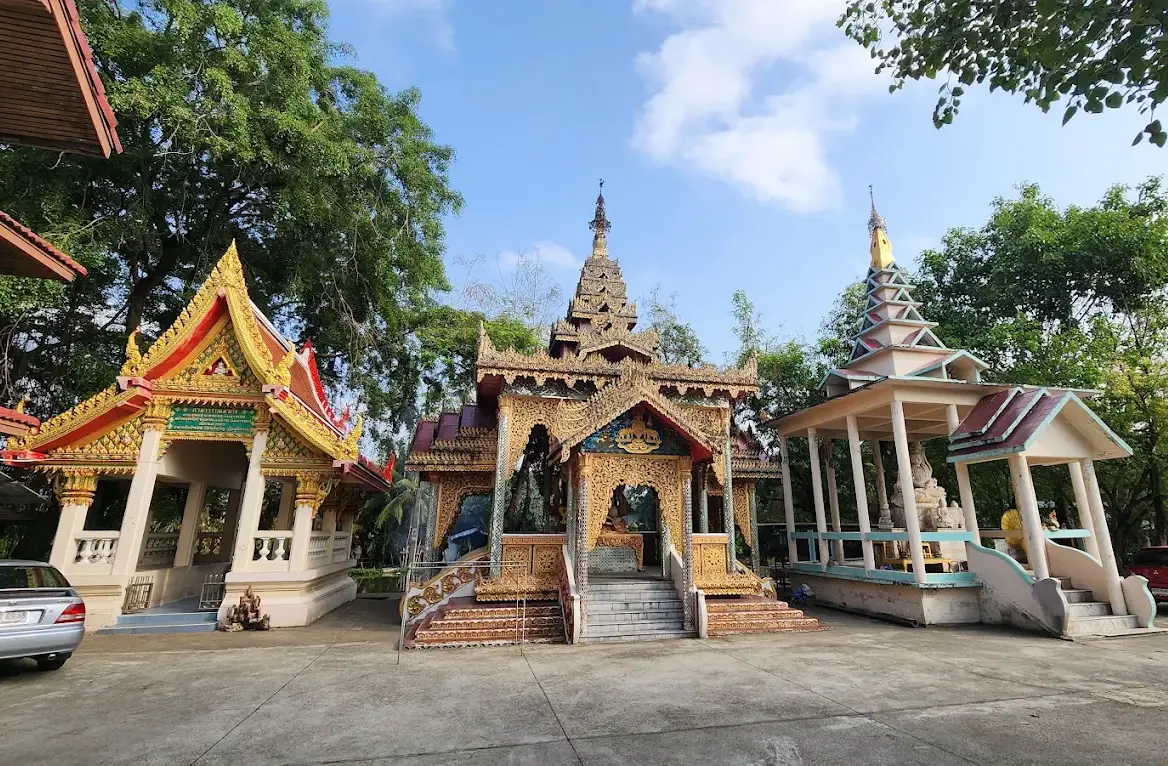
Open Days: Daily
Opening Hours: 06.00 – 17.00
Wat Lak Sam is a local Buddhist temple under the Mahanikaya order, located along Khlong Phasi Charoen in Nong Khaem Subdistrict, Nong Khaem District, Bangkok. The temple is an important community religious site for residents of Nong Khaem, Nong Khang Phlu, and nearby areas. It is suitable for visitors who want to make merit, pay respect to sacred images, experience a quiet canal-side temple, and learn about the religious life of western Bangkok.
Wat Lak Sam is notable because it developed directly from local faith. The temple was originally known as “Samnak Song Phra Athit Phra Chan,” or the Sun and Moon Monastic Residence. It was established in 1972 by Chawalit Ngernlan and a group of supporters who wished to create a Buddhist place for worship and community merit-making. The first abbot was Phra Khru Sangkarak Kaew Satchawaro.
On 31 August 1988, the Ministry of Education officially declared the monastic residence a Buddhist temple under the name “Wat Lak Sam.” The applicants for the establishment of the temple were Lek Si Fueang and Police Sergeant Major Bunchuay Pindakhup. Wat Lak Sam later received its royal consecrated boundary on 16 February 2001, giving the temple a complete ecclesiastical boundary for formal Buddhist rites.
The identity of Wat Lak Sam is closely tied to the community and the canal-side landscape of Khlong Phasi Charoen. Before the surrounding area became increasingly urban, this part of Nong Khaem was connected with canals, homes, markets, and local transport routes. The temple is therefore more than a place of worship. It is part of the memory of a canal-side community that gradually changed into a residential district within modern Bangkok.
The main sacred objects at Wat Lak Sam include Luang Pho Yai, the principal Buddha image in the ordination hall, Guan Yin, Phra Naga Prok, Ai Khai, and the Takian spirit shrine near the canal. Worshippers visit the temple to pray for blessings, work success, good fortune, protection, and peace of mind. These sacred points reflect the coexistence of Thai Buddhism, local devotional practice, and community-based beliefs.
The ordination hall is the main religious area of Wat Lak Sam. Inside, Luang Pho Yai is enshrined as the principal Buddha image. The space is calm and suitable for prayer, meditation, and quiet reflection. The hall also includes Buddhist artwork and decorative elements that give the temple a sincere local character. Although Wat Lak Sam is not a large monumental temple, its simplicity and community atmosphere make the visit feel close to everyday Buddhist life.
Guan Yin is another important sacred figure at the temple. Visitors often pay respect to Luang Pho Yai first, then continue to Guan Yin and other sacred areas within the temple grounds. For many worshippers, Guan Yin represents compassion, protection, and inner calm. The presence of several sacred points makes Wat Lak Sam suitable for traditional merit-making as well as personal prayer during important moments in life.
The temple also has a canal-side setting and a waterside area connected with Khlong Phasi Charoen. This gives Wat Lak Sam a quieter atmosphere than many urban temples located only along main roads. In the morning and late morning, visitors can make merit, walk through the temple grounds, and experience the surrounding community at a comfortable pace.
Wat Lak Sam is closely connected with the community beside the temple. Local households around the temple use it for religious ceremonies, merit-making, community activities, and annual Buddhist events. The temple therefore functions as a social and spiritual center, not merely as a place for individual worship. It continues to support the relationship between monks, residents, and the wider Nong Khaem community.
The temple remains active in the Buddhist calendar of Nong Khaem District. It is connected with important religious activities such as merit-making days, Kathin ceremonies, Buddhist Lent candle processions, and community temple-cleaning activities. These ongoing events show that Wat Lak Sam is still a living religious site with monks in residence and regular participation from local residents.
For travelers interested in temples in western Bangkok, Wat Lak Sam offers a different experience from major sightseeing temples in the city center. It reflects neighborhood life rather than grand royal architecture. A visit here reveals a part of Bangkok where canals, homes, markets, temples, and local faith still exist together in a direct and practical way.
The best time to visit is from morning to late morning, when the temple is quiet and the weather is more comfortable. Visitors can pay respect to the sacred images, walk around the temple grounds, and continue to nearby local food shops or markets. On Buddhist holy days, weekends, or temple event days, visitors should allow extra time because the temple and surrounding community may be busier than usual.
Visitors should dress respectfully, behave quietly, and treat the temple as an active religious place. This is especially important inside the ordination hall, around sacred shrines, and near monastic areas. Photography should be done respectfully without disturbing monks, worshippers, or temple activities. Parking and basic facilities are available for visitors who come to make merit.
Getting There is possible via Phet Kasem Road, Bang Bon Road, and Liap Khlong Phasi Charoen Fang Tai Road. Visitors traveling by private car can navigate to Wat Lak Sam in Nong Khaem District. Those using public transport can take the MRT Blue Line and continue by local transport into Nong Khaem, or use buses and local vehicles serving the Phet Kasem and Khlong Phasi Charoen corridors.
Wat Lak Sam is suitable for a half-day local temple route. Nearby places include Wat Rat Bamrung, Wat Udom Rangsi, Wat Muang, Wat Thong Niam, and Wat Lak Sam Market. This route works well for visitors who want to explore temples in Nong Khaem and Bang Khae while seeing a quieter side of Bangkok away from the main tourist districts.
Overall, Wat Lak Sam is a meaningful canal-side community temple with a clear history, beginning as the Sun and Moon Monastic Residence before becoming an officially recognized Buddhist temple. It has several sacred objects, a strong connection with the community, and an active role in local Buddhist life. For visitors looking for a peaceful temple in Bangkok with authentic neighborhood character, Wat Lak Sam is a worthwhile stop.
| Name | Wat Lak Sam |
| Former Name | Samnak Song Phra Athit Phra Chan |
| Type | Local Buddhist temple under the Mahanikaya order |
| Location | Nong Khaem Subdistrict, Nong Khaem District, Bangkok |
| Address | 19/9 Liap Khlong Phasi Charoen Fang Tai Road, Nong Khaem, Nong Khaem District, Bangkok 10160, Thailand |
| Coordinates | 13.68433, 100.36341 |
| Highlights | Canal-side community temple with Luang Pho Yai, Guan Yin, Ai Khai, and a peaceful waterside atmosphere |
| History | Established as a monastic residence in 1972, officially declared a Buddhist temple on 31 August 1988, and granted its royal consecrated boundary on 16 February 2001 |
| Founder / Temple Establishment Applicants | Chawalit Ngernlan and supporters founded the monastic residence; the temple establishment applicants were Lek Si Fueang and Police Sergeant Major Bunchuay Pindakhup |
| First Abbot | Phra Khru Sangkarak Kaew Satchawaro |
| Abbot / Caretaker | Phra Khru Suwithan Wihanakit |
| Distinctive Features | Canal-side temple in Nong Khaem with an ordination hall, principal Buddha image, several sacred shrines, a pier, and community merit-making areas |
| Main Areas / Zones | Ordination hall, Luang Pho Yai, Guan Yin shrine, Phra Naga Prok, Ai Khai shrine, Takian shrine by the canal, temple courtyard, pier, and religious activity areas |
| Important Sacred Objects | Luang Pho Yai, Guan Yin, Phra Naga Prok, Ai Khai, and the Takian spirit shrine by the canal |
| Related Rituals / Traditions | Major Buddhist merit-making days, Kathin ceremonies, Buddhist Lent candle processions, and community temple-cleaning activities in Nong Khaem District |
| Facilities | Parking area and basic facilities for worshippers |
| Travel Information | Reachable via Phet Kasem Road, Bang Bon Road, and Liap Khlong Phasi Charoen Fang Tai Road by private car, taxi, bus, or local transport connecting from the MRT Blue Line |
| Current Status | Active community temple in Nong Khaem with monks in residence and continuing religious activities |
| Open Days | Daily |
| Opening Hours | 06.00 – 17.00 |
| Main Contact Number | 085-922-9272 |
| Nearby Tourist Attractions | 1. Wat Lak Sam Market, about 0.1 km 2. Wat Thong Niam, about 2 km 3. Wat Rat Bamrung, about 2.5 km 4. Wat Udom Rangsi, about 3 km 5. Wat Muang, about 3.5 km 6. Wat Wonglaparam, about 4 km |
| Nearby Restaurants | 1. Kuai Chap Nam Khon Mor Manida, about 0 km, Tel. 086-979-9919 2. Kaprao Pen Nueng Wat Lak Sam Khang Lotus, about 0.2 km, Tel. 098-529-4289 3. Kruay Noodles Nai Thong Poon, about 0.2 km, Tel. 065-515-7335, 095-569-1771, 095-253-9904 4. F&G Premium Bubble Milk Tea and Toast, about 0.2 km, Tel. 083-845-3022 5. THREE SISTERS, about 2 km, Tel. 099-489-6302 6. Yum Nua Phet Kasem, about 3 km, Tel. 080-369-4577, 064-013-4251 |
| Nearby Accommodations | 1. 10 Park Resort, about 7 km, Tel. 062-396-4888 2. Penyos Residence, about 10 km, Tel. 02-809-2913, 087-018-7193 3. Penyos Suite, about 10 km, Tel. 02-809-2913, 087-018-7193 4. Penyos Apartment & Mansion, about 10 km, Tel. 02-809-2913, 087-018-7193 5. Icare Residence & Hotel, about 11 km, Tel. 065-991-9989 6. Diamond Sweet Hotel, about 13 km, Tel. 02-455-2031 |
Frequently Asked Questions (FAQ)
Q: Where is Wat Lak Sam located?
A: Wat Lak Sam is located at 19/9 Liap Khlong Phasi Charoen Fang Tai Road, Nong Khaem, Nong Khaem District, Bangkok 10160.
Q: What was the former name of Wat Lak Sam?
A: Wat Lak Sam was formerly known as Samnak Song Phra Athit Phra Chan. It was established in 1972 and officially declared a Buddhist temple on 31 August 1988.
Q: What sacred objects can visitors pay respect to at Wat Lak Sam?
A: Important sacred objects include Luang Pho Yai, Guan Yin, Phra Naga Prok, Ai Khai, and the Takian spirit shrine by the canal.
Q: What are the opening hours of Wat Lak Sam?
A: The temple is open daily from 06.00 to 17.00.
Q: When did Wat Lak Sam receive its royal consecrated boundary?
A: Wat Lak Sam received its royal consecrated boundary on 16 February 2001.
Q: How can visitors get to Wat Lak Sam?
A: Visitors can travel via Phet Kasem Road, Bang Bon Road, or Liap Khlong Phasi Charoen Fang Tai Road by private car, taxi, bus, or local transport from the MRT Blue Line.
Q: Which nearby places can be visited with Wat Lak Sam?
A: Nearby places include Wat Lak Sam Market, Wat Thong Niam, Wat Rat Bamrung, Wat Udom Rangsi, Wat Muang, and Wat Wonglaparam.
Q: What should visitors wear when visiting Wat Lak Sam?
A: Visitors should dress respectfully, behave quietly, and avoid disturbing monks, worshippers, or religious activities inside the temple.
 Category: ●Places of Worship
 Group: ●Temple
Last Update : 2 DayAgo
 Last Update : 2 DayAgo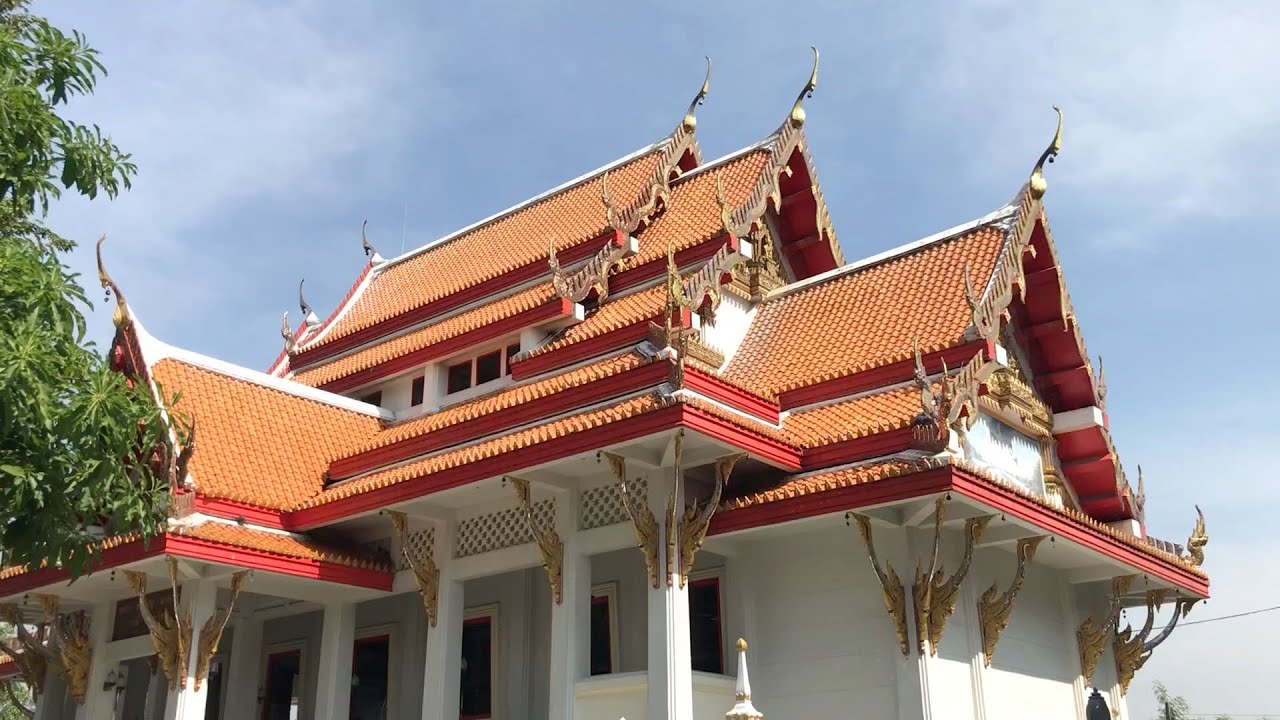
 Click to Access the Navigation Map GPS
Wat Lak Sam Map
Recommend

 Phra Nakhon(24)Dusit(17)Khlong San(7)Khlong Toei(3)Jatujak(2)Don Muang(5)Taling Chan(26)Thon Buri(23)Bangkok Noi(31)Bangkok Yai(13)Bang Kapi(5)Bang Kun Tien(15)Bang Khen(3)Bang Kholam(10)Bang Sue(9)Bang Plad(23)Bang Rak(6)Chom Thong(16)Bung Kum(5)Pra Wet(6)Patum Wan(6)Pom Prap Sattru Phai(11)Paya Thai(1)Pra Kanong(4)Pa Sri Charoen(23)Min Buri(7)Yan Na Wa(8)Ratchathewi(4)Rat Burana(6)Lat Krabang(13)Nong Chok(16)Lat Phrao(4)Sathorn(4)Sam Phan Tha Wong(12)Nong Khaem(7)Huai Khwang(3)Suan Luang(7)Din Daeng(2)Lak Si(1)Sai Mai(8)Khan Na Yao(2)Wang Thong Lang(1)Klong Sam Wa(10)Watthana(2)Bang Na(4)Thawi Watthana(3)Bang Khae(5)Thung Khru(4)Bang Bon(3)


