
lovethailand home >North Travel Attractions >Tak Travel Attractions >Muang Tak >Rahaeng > Wat Sitalaram
TL;DR: Wat Sitalaram is located at Rahaeng Subdistrict, Mueang Tak District, Tak Province, open Daily, hours Daytime visits are recommended.

Wat Sitalaram
Open Days: Daily
Opening Hours: Daytime visits are recommended
Wat Sitalaram, also known locally as Wat Nam Hak, is an old Buddhist temple in Rahaeng Subdistrict, Mueang Tak District, Tak Province. Located along Taksin Road in Tak’s old town area, the temple is closely connected with the history of the Ping River and the riverside community of old Tak. It is a peaceful cultural site where visitors can experience local history, Buddhist faith, old wooden architecture, European-influenced temple buildings, and stories of a changing river landscape.
Wat Sitalaram is not only a place for merit-making. It is also a meaningful stop for travelers who want to understand Tak beyond its role as a transit city. The temple stands near the historic Ban Chin community, the Ping River, and several old-town attractions. This makes it a suitable destination for travelers interested in walking through Tak’s cultural quarter, visiting old temples, photographing heritage buildings, and learning how the town developed along the river.
The local name “Wat Nam Hak” comes from a natural phenomenon remembered by the community. In the past, the western side of the temple was close to a bend of the Ping River. During the flood season, strong water from Mae Tho stream flowed into the Ping River and cut across the current, causing the water to bend and swirl toward the landing area in front of the temple. Local people remembered this turning current and began calling the temple Wat Nam Hak, which can be understood as the temple of the broken or diverted current.
Although the old watercourse has changed after land reclamation and changes along the riverbanks, the name Wat Nam Hak remains an important part of local memory. It preserves the relationship between the temple, the river, and the people of Tak. Visiting the temple therefore allows travelers to imagine how strongly the Ping River once shaped settlement, trade, travel, and everyday life in this part of the town.
The atmosphere inside Wat Sitalaram is quiet and shaded by large trees. Even though the temple is located in an accessible urban area, it feels calm once visitors step inside. This peaceful environment makes it suitable for prayer, reflection, slow walking, and cultural observation. For travelers who prefer modest and meaningful heritage sites, Wat Sitalaram offers a gentler experience than crowded tourist landmarks.
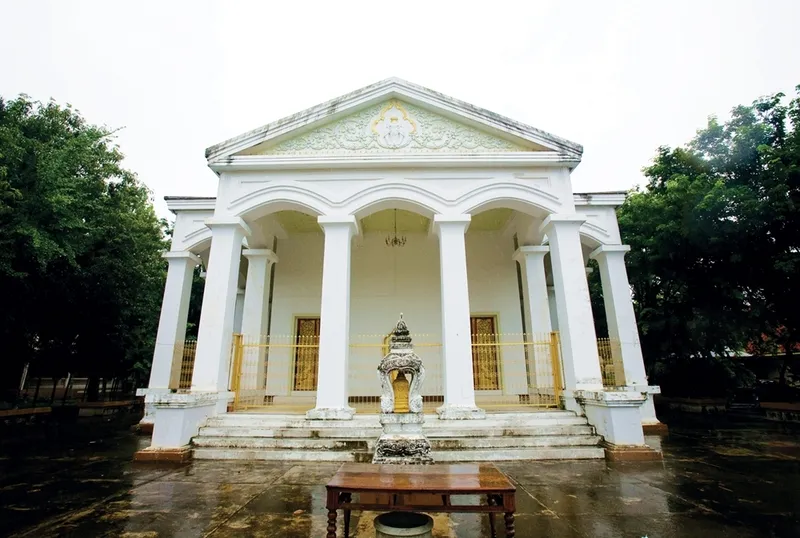
One of the most distinctive features of the temple is its architecture. The temple includes old wooden buildings, monks’ residences, and an ordination hall with European-influenced design elements. This type of architecture is not commonly seen in every northern Thai temple, making Wat Sitalaram especially interesting for visitors who enjoy architectural diversity. The combination of Buddhist function and European style reflects a period when Western design influences were adapted into Thai religious and civic buildings.
The old wooden buildings inside the temple also deserve attention. Their proportions, timber structure, openings, and simple detailing show the beauty of older local craftsmanship. Rather than being grand or ornamental, the charm of these wooden buildings lies in their restraint, material character, and relationship with the shaded temple environment. They give the temple a sense of age and continuity.
The ordination hall of Wat Sitalaram has its own story. The original hall was once damaged by fire and later rebuilt. This shows the commitment of the local Buddhist community to maintaining the temple as a living religious center. Even when buildings were damaged by time and events, faith and community support helped the temple continue its role in local life.
In front of the ordination hall stands a carved wooden cloister-like structure. Inside is an Ayutthaya-period Buddha image, an important sacred object and historical treasure of the temple. The presence of this old Buddha image gives Wat Sitalaram deeper historical value and connects Tak with the broader development of Buddhist art and faith in Thailand.
For travelers interested in Buddhist art, the Ayutthaya-period Buddha image is one of the temple’s key highlights. It is not merely an object for viewing; it is a sacred image that local people respect. Visitors should approach it with proper manners, speak quietly, and avoid touching sacred objects or entering restricted areas without permission.
Wat Sitalaram is also significant because it belongs to the old urban fabric of Tak. The surrounding area, including Ban Chin, was historically linked with trade, settlement, and riverside life. The temple therefore functions as part of a wider cultural landscape rather than an isolated monument. Travelers who combine the temple with Ban Chin Alley, the riverside, and other nearby heritage sites will gain a fuller understanding of old Tak.
The temple is suitable for photography, especially for those who enjoy old wooden architecture, quiet temple corners, shaded trees, and heritage details. Good photo opportunities include the wooden buildings, the European-influenced temple structures, the ordination hall, the carved wooden structure, and the general atmosphere of the temple. Photography should always be done respectfully, without disturbing monks, worshippers, or religious activities.
Wat Sitalaram remains a living Buddhist temple. Local residents continue to use the temple for merit-making, Buddhist ceremonies, and important religious days. Visitors should dress modestly, behave calmly, and remember that the temple is not only a tourist attraction but also a sacred place for the community. This respectful approach helps preserve the dignity of cultural tourism.
The story of Wat Nam Hak gives the temple a special identity. Many temples are known mainly for architecture or sacred objects, but Wat Sitalaram also preserves a memory of the river itself. The former swirling current in front of the temple may no longer be visible, yet the name keeps the old landscape alive in local language. This is why the temple is valuable not only as a religious site, but also as a record of environmental and community history.
Getting There is convenient from Tak town center. The temple is located in Rahaeng Subdistrict along Taksin Road, near the Ban Chin old community. Travelers staying in central Tak or along the Ping River can reach the temple by private car, local transport, or as part of a short old-town walking route. It is easy to combine the visit with Ban Chin Alley, the Ping riverside, King Taksin Shrine, and other nearby cultural attractions.
The best time to visit is in the morning or late afternoon, when the weather is more comfortable and the light is softer for photography. A visit of around 30 minutes to 1 hour is usually enough for prayer, slow walking, and observing the architectural details. Visitors who want to understand the temple more deeply should also explore the surrounding old-town area.
Wat Sitalaram is suitable for cultural travelers, Buddhist pilgrims, photographers, families, senior travelers, and anyone interested in the history of Tak’s old riverside community. It is a small but layered destination, combining faith, architecture, river memory, and local identity in one peaceful temple compound.
When all elements are considered together, Wat Sitalaram or Wat Nam Hak is one of the cultural sites in Tak that deserves a careful visit. Its shaded atmosphere, old buildings, European-influenced architecture, Ayutthaya-period Buddha image, and story of the Ping River current make it more than a simple temple stop. It is a place where visitors can quietly enter the historical memory of Tak town.
| Name | Wat Sitalaram / Wat Nam Hak |
| Location | Rahaeng Subdistrict, Mueang Tak District, Tak Province |
| Address | 1097 Rahaeng Subdistrict, Mueang Tak District, Tak Province, Thailand |
| Approximate Coordinates / Area | Taksin Road, Ban Chin old-town area, Rahaeng Subdistrict, Mueang Tak District, Tak Province |
| Highlights | Old temple in Tak town known as Wat Nam Hak, with stories of the Ping River current, European-influenced temple architecture, old wooden buildings, a carved wooden cloister, and an Ayutthaya-period Buddha image |
| History | An old temple in Tak Province connected with the historic Rahaeng community and the riverside development of Tak town |
| Name Origin | The name Wat Nam Hak comes from a former bend of the Ping River where floodwater from Mae Tho stream caused the river current to bend and swirl toward the temple landing |
| Distinctive Features | Shaded temple grounds, large trees, old wooden buildings, monks’ residences and ordination hall with European-influenced architectural elements |
| Sacred Objects / Key Features | Ayutthaya-period Buddha image inside the carved wooden structure in front of the ordination hall |
| Travel Information | Travel from Tak town center to Taksin Road in Rahaeng Subdistrict. The temple is near Ban Chin old community and can be combined with an old-town walking route. |
| Current Status | Active Buddhist temple and cultural attraction in Tak old town |
| Open Days | Daily |
| Opening Hours | Daytime visits are recommended |
| Facilities | Temple grounds for worship, merit-making, and cultural visits; located near restaurants, cafes, accommodations, and old-town attractions in Tak |
| Main Areas / Zones | Ordination hall, carved wooden structure, old wooden buildings, European-influenced monks’ residences, shaded temple grounds, and the area associated with the former Ping River bend |
| Abbot / Caretaker | Phra Sumethee Thammaphan, Ecclesiastical Provincial Governor of Tak (Dhammayuttika) |
| Main Contact Number | 055-511546 |
| Temple / Abbot Contact | 095-1956653 |
| Nearby Tourist Attractions | 1. Ban Chin Alley, about 0.2 km 2. Ping River riverside area, about 0.5 km 3. King Taksin the Great Shrine, about 1 km 4. Rattanakosin 200th Anniversary Bridge, about 2 km 5. Wat Bot Mani Si Bun Rueang, about 2 km |
| Nearby Restaurants | 1. Pad Thai Trok Ban Chin, about 0.2 km, Tel. 055-511330 2. Im Aroi Khao Tom Mueang Tak, about 2 km, Tel. 062-6156415 3. Khao Tom Mueang Tak Im Aroi, about 2 km, Tel. 081-8872438 4. TARA Kaffee&Patisserie, about 3 km 5. Khanom Chin Khayum Khun Noi, about 85 km, Tel. 055-533916 |
| Nearby Accommodations | 1. Viang Tak Riverside Hotel, about 1 km, Tel. 055-512507, 055-512508 2. Berich Hotel Tak, about 3 km, Tel. 082-4446242 3. HOP INN Tak, about 4 km, Tel. 02-0802222 4. White House Hotel Tak, about 5 km, Tel. 099-2347774 5. BanRai ChernMa Resort, about 8 km, Tel. 055-893030 |
Frequently Asked Questions (FAQ)
Q: Where is Wat Sitalaram located?
A: Wat Sitalaram is located in Rahaeng Subdistrict, Mueang Tak District, Tak Province, along Taksin Road near the Ban Chin old-town community.
Q: Why is Wat Sitalaram also called Wat Nam Hak?
A: The name comes from a former bend of the Ping River where floodwater from Mae Tho stream caused the current to bend and swirl toward the temple landing.
Q: What are the highlights of Wat Sitalaram?
A: Highlights include the shaded temple grounds, old wooden buildings, European-influenced architecture, carved wooden structure, and an Ayutthaya-period Buddha image.
Q: What type of trip is Wat Sitalaram suitable for?
A: It is suitable for merit-making, Buddhist temple visits, old-town walking routes, architectural photography, and learning about Tak’s riverside history.
Q: Who is the abbot of Wat Sitalaram?
A: The abbot is Phra Sumethee Thammaphan, Ecclesiastical Provincial Governor of Tak (Dhammayuttika).
Q: How can travelers get to Wat Sitalaram?
A: From Tak town center, travel to Taksin Road in Rahaeng Subdistrict. The temple is near Ban Chin Alley and can be visited by private car, local transport, or as part of an old-town walking route.
Q: What nearby places can be visited with Wat Sitalaram?
A: Nearby places include Ban Chin Alley, the Ping River riverside area, King Taksin the Great Shrine, Rattanakosin 200th Anniversary Bridge, and Wat Bot Mani Si Bun Rueang.
Q: How should visitors behave at Wat Sitalaram?
A: Visitors should dress modestly, speak quietly, avoid disturbing monks or worshippers, avoid touching sacred objects, and ask permission before photographing private or restricted areas.
 Category: ●Places of Worship
 Group: ●Temple
Last Update : 5 MonthAgo
 Last Update : 5 MonthAgo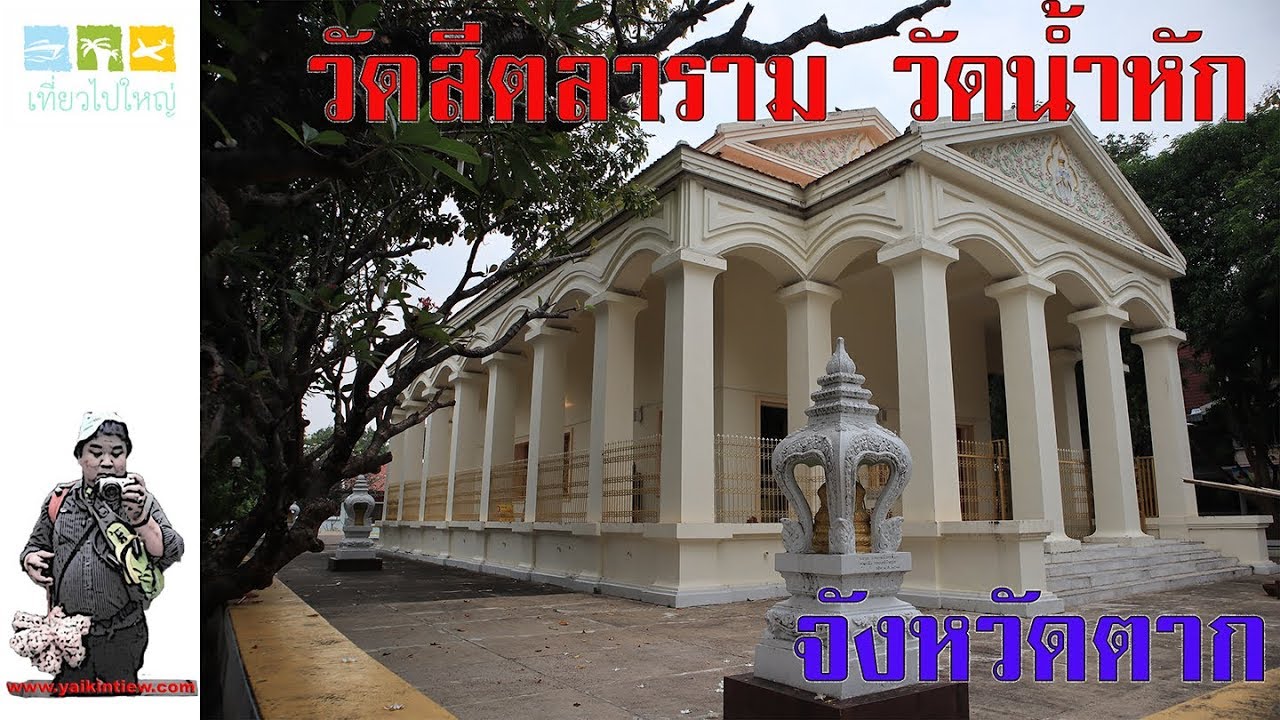
 Click to Access the Navigation Map GPS
Wat Sitalaram Map
Recommend

 Art, Culture and Heritage
 Historical Sites and Monuments(2)
 Landmarks and Memorials(3)
 Art, Craft Centres, Tradition(6)
 Historic Homes and Cities(2)
 Educational Places
 Educational Gardens, Farm(2)
Temple(22)
Educational Gardens, Farm(2)
Temple(22)
 Other Sacred Sites(9)
 Research and Development
 Royal Project(1)
 Suburban Living
 Village, Community(5)
 Local Market(3)
 Nature and Wildlife
 National Parks and Marine Reserves(11)
 Mountain (Doi)(9)
 Dam, Reservoir, Lake(14)
 Waterfalls(23)
 Hot Springs(2)
 Caves(6)
 River, Canal(1)
 Bays and Beaches(1)
 Islands(1)
 Other natural attractions(1)
 Entertainment and Agricultural
 Farms, Parks and Ecotourism(5)
 Outdoor and Adventure Activities(4)
 Travel Articles, Recipes
 Travel Review, Food Review(1)


