
lovethailand home >Central Travel Attractions >Ratchaburi Travel Attractions >Chom Bung >Chom Bung > Muban Chom Bueng Rajabhat University
TL;DR: Muban Chom Bueng Rajabhat University, Ratchaburi attractions : University, Rajabhat University.
Muban Chom Bueng Rajabhat University
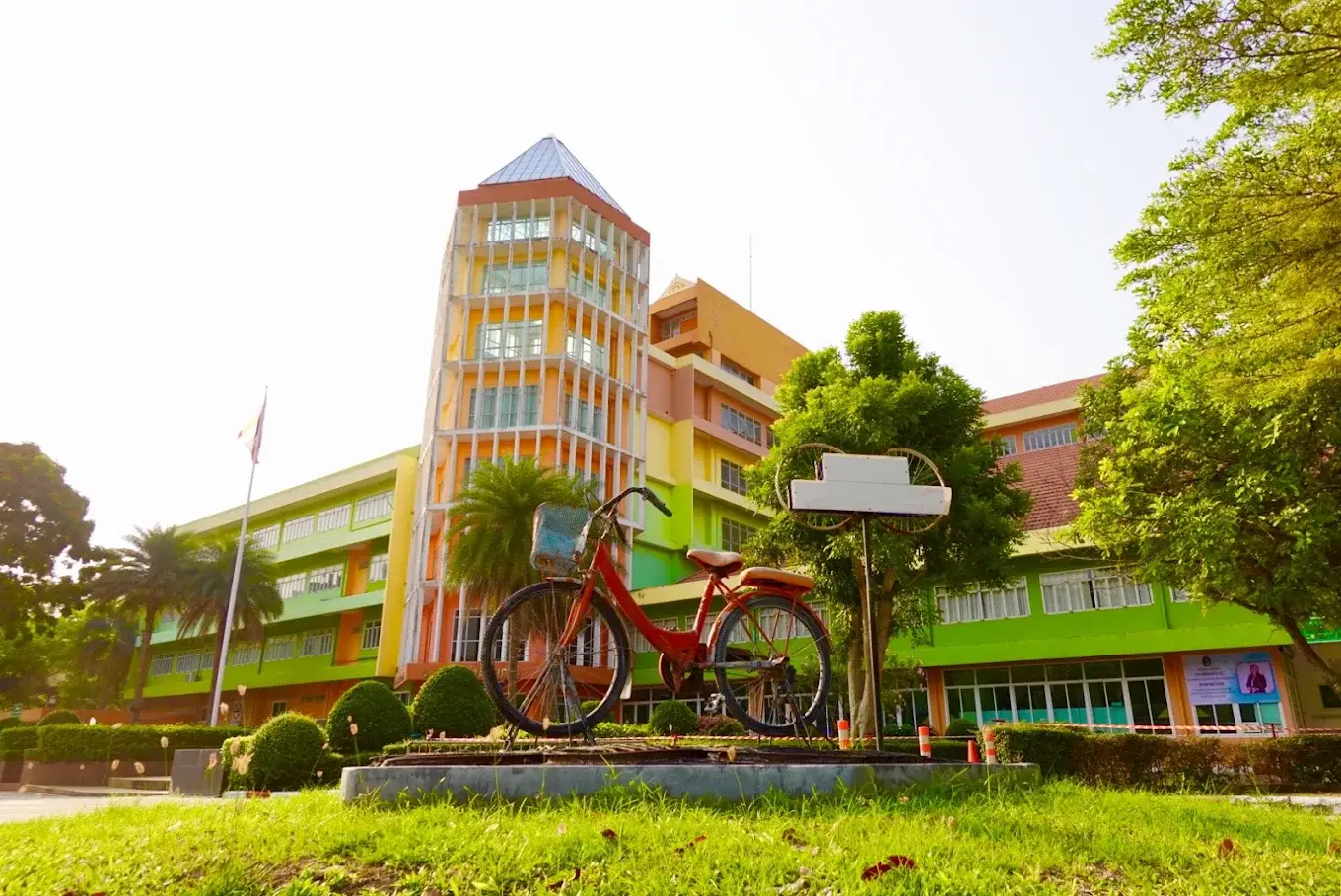
Open Days: Monday–Friday (General Administrative Offices; Closed on Weekends and Public Holidays)
Opening Hours: 08:30 – 12:00 and 13:00 – 16:30 (General Administrative Offices; the Office of Academic Promotion and Registration lists daily service from 08:30 – 16:30, excluding Public Holidays)
Muban Chombueng Rajabhat University (MCRU) is a public university located at 46 Moo 3, Chom Bueng Subdistrict, Chom Bueng District, Ratchaburi Province 70150, Thailand. Established on March 1, 1954, as Chombueng Village Institute, the university was inspired by Turkey's Village Institute educational model, which emphasized preparing teachers for rural communities and encouraging graduates to return home to support local development. The institution subsequently evolved into a teachers college and a Rajabhat institute before officially becoming Muban Chombueng Rajabhat University on June 15, 2004. Today, it provides education through five faculties and one college, covering teacher education, humanities and social sciences, science and technology, management, industrial technology, Muay Thai studies, and traditional Thai medicine. The university is also widely associated with the Chombueng Marathon, a long-established sporting event in Ratchaburi, and plays an important role in regional education, research, cultural preservation, and community development in western Thailand.
Muban Chombueng Rajabhat University has a distinctive educational background. Unlike institutions originally established as large urban universities, it began with a mission to address the shortage of teachers in rural Thailand. Its early educational philosophy emphasized practical knowledge, professional responsibility, community participation, and the ability to apply learning to everyday life. This approach encouraged students to understand the needs of rural communities rather than viewing education solely as preparation for individual careers.
The university's main campus is situated in Chom Bueng District, an area characterized by agricultural landscapes, limestone hills, and natural attractions. Nearby landmarks include Chomphon Cave, Chomphon Cave Arboretum, and Khao Bin Cave. The surrounding environment provides a connection between academic life, nature, and the traditions of local communities, creating a setting quite different from that of a university in a major metropolitan center.
In addition to its principal campus in Chom Bueng, the university maintains an educational center in Ratchaburi city at 174 Moo 5, Don Tako Subdistrict, Mueang Ratchaburi District. This location supports educational activities and related university services and is also associated with the university demonstration school. The two locations provide additional opportunities for educational services and institutional activities across the province.
The origins of the university can be traced to Thailand's efforts to improve rural education after World War II. During this period, many communities faced shortages of qualified teachers, particularly in isolated villages. Training teachers who understood the realities of rural life was therefore an important national educational priority.
One of the most significant figures in the institution's establishment was General Mangkon Phromyothi, who served as Thailand's Minister of Education at the time. After studying the Village Institute model in Turkey, he supported adapting its principles to Thailand. The approach focused on preparing teachers who could contribute not only to classroom instruction but also to broader improvements in rural society.
Turkey's Village Institutes were notable for combining academic education with practical work and community life. Students developed professional and life skills while learning to cooperate with others and contribute to local development. These ideas were particularly relevant to Thailand in the 1950s, when agriculture and village communities formed an important part of national life.
On February 26, 1954, General Mangkon Phromyothi and a delegation traveled to the Chom Bueng area of Ratchaburi to examine a potential location for the proposed village institute. The visit took place shortly after the delegation had returned from studying the Turkish system. Selecting Chom Bueng enabled the institution to develop in a rural setting compatible with its educational philosophy.
Chombueng Village Institute was officially established on March 1, 1954. Its principal objective was to recruit academically capable students from rural and remote communities, provide them with scholarships and teacher education, and encourage them to return to their home areas after graduation. The original program lasted five years and combined educational knowledge with practical skills, personal discipline, and social responsibility.
The foundation of Chombueng Village Institute represented more than the opening of a new educational institution. It was an attempt to create a system of teacher preparation based on an understanding of community needs. Students were expected to develop professional knowledge while acquiring the resilience, cooperation, and practical abilities needed to work effectively in rural environments.
The institution's early mission included addressing teacher shortages, cultivating dedication to the teaching profession, developing social and practical skills, and serving as an educational center for surrounding communities. These principles became an important foundation for the university's later emphasis on regional development and the socially responsible application of knowledge.
As Thailand's education system expanded and professional teacher qualifications became increasingly important, the institution's academic responsibilities also developed. In 1970, Chombueng Village Institute became Muban Chombueng Teachers College, marking its transition into a more formal system of teacher education aligned with Thailand's national educational structure.
The Teachers College Act of 1975 provided a framework for further academic and administrative development. The college organized academic divisions supporting education, science, humanities, and social sciences. This restructuring created the foundations for many of the faculties that would later operate within the university.
In 1976, the college reorganized its academic departments. The Humanities and Social Sciences division included 12 departments covering History, Philosophy and Religion, Thai, English, Music, Dramatic Arts, Library Science, Cooperatives, Art Education, Economics and Politics, Sociology, and Geography. The development of these departments reflected the broadening educational mission of the institution.
Throughout the following decades, the college continued to improve its academic programs, administration, and teaching capabilities. Its educational responsibilities gradually extended beyond preparing schoolteachers to include knowledge relevant to social development, economic activities, and technology. This transition reflected changing expectations for provincial institutions of higher education.
On January 19, 1995, Muban Chombueng Teachers College became Muban Chombueng Rajabhat Institute under the Rajabhat Institute Act B.E. 2538. This change expanded the institution's role in higher education and strengthened its responsibility for research, academic services, and community development alongside teacher education.
On March 6, 1995, the institute received the royal emblem associated with the Rajabhat institutions. The emblem incorporates the royal seal of King Bhumibol Adulyadej, Rama IX, and became an important symbol of institutional identity and pride. It continues to represent the university's membership in the Rajabhat higher education tradition.
Another major institutional milestone occurred in 2004 with the enactment of the Rajabhat University Act. As a result, Muban Chombueng Rajabhat Institute officially became Muban Chombueng Rajabhat University on June 15, 2004. University status created a broader framework for academic administration, multidisciplinary degree programs, research, and regional community engagement.
Following its transition to university status, MCRU expanded its academic responsibilities beyond teacher education. New programs and educational activities developed in science, technology, management, humanities, social sciences, Muay Thai studies, and traditional Thai medicine. The university also increased its involvement in graduate education, research, and professional development.
By 2026, Muban Chombueng Rajabhat University had completed 72 years since its establishment on March 1, 1954, and 22 years since receiving university status in June 2004. These milestones demonstrate the institution's ability to adapt to changing educational and social needs while maintaining its original commitment to developing graduates who can contribute meaningfully to their communities.
In 2026, the university is led by Assistant Professor Attaphon Usaiphan, who was appointed University President with effect from January 14, 2026. University administration encompasses academic planning, personnel development, budget management, research, academic services, and institutional strategies supporting regional development.
The university's vision emphasizes becoming a leading institution that makes meaningful contributions to local communities while preparing practically skilled graduates for employment. This direction remains closely connected to the philosophy of the original village institute, especially the belief that education should produce knowledge and capabilities that benefit society.
MCRU promotes the student identity “Committed to Goodness, Eager to Learn, and Dedicated to Work.” These qualities emphasize personal integrity, continuous learning, and professional perseverance. The university also describes its distinctive identity as a center of Eastern wisdom in Thailand's western region, reflecting the application of cultural knowledge and practical learning within its local context.
The university's official colors are blue, green, and yellow, reflecting values associated with natural resources, environmental responsibility, and local wisdom. Its guiding moral maxim is “Sukammiko Kittimavahati,” meaning that honorable work brings dignity. The university tree is the golden shower tree, or Ratchaphruek, a culturally significant flowering tree in Thailand.
Other elements of institutional identity include Buddhist images associated with Luang Pu To and Luang Pho Sot, together with traditional university songs. These include the Muban Chombueng Rajabhat University March, Chom Bueng Thi Rak, and Mai Luem Chom Bueng. Such cultural expressions help preserve memories of the institution and reinforce the relationship between students, graduates, and their university.
The university's academic organization comprises five faculties and one college: the Faculty of Education, Faculty of Humanities and Social Sciences, Faculty of Science and Technology, Faculty of Management Science, Faculty of Industrial Technology, and College of Muay Thai Studies and Traditional Thai Medicine. Together, these units offer undergraduate and selected postgraduate programs across a range of academic and professional disciplines.
The Faculty of Education is particularly important because it represents the historical foundation of the university. Its programs are connected with Early Childhood Education, Elementary Education, English Education, Digital Technology for Education, and Physical Education. The faculty also contributes to the professional development of educators through postgraduate and teacher-related qualification programs.
Preparing professional teachers involves more than academic subject knowledge. Teacher education also includes educational psychology, curriculum development, learning design, classroom management, assessment, and practical teaching experience. These elements help graduates develop the skills required to teach in schools serving communities with different educational needs.
The Faculty of Humanities and Social Sciences provides education in languages, cultural studies, public administration, law, and community development. Fields associated with the faculty include Thai, Chinese, Music Education, Social Studies Education, Art Education, Public Administration, Business English, Community Management, and Law.
Humanities and social sciences contribute to regional development by strengthening understanding of language, history, culture, government, and society. Graduates can apply their knowledge in public administration, private businesses, creative industries, community organizations, and professions requiring communication and analytical skills.
The Faculty of Science and Technology offers programs in Mathematics, Computer Education, General Science, Biology, Computer Science, Animal Science, Computer Technology and Innovation, and Food Processing Technology. These disciplines contribute to scientific education, agricultural development, food-related industries, and information technology.
Science and technology education is particularly relevant to Ratchaburi, where agriculture, livestock production, food processing, and manufacturing are important economic activities. Scientific knowledge can contribute to improvements in product quality, food processing, resource management, and technological applications within local enterprises.
The Faculty of Management Science focuses on business administration, accounting, marketing, digital business management, tourism and hospitality, and communication-related fields. Its programs are relevant to the needs of organizations, entrepreneurs, and small and medium-sized enterprises that increasingly depend on professional management and digital technologies.
The Faculty of Industrial Technology provides education in Smart Manufacturing Technology, Digital Media Technology, Electrical and Electronics Technology, Civil and Architectural Technology, and Occupational Health and Safety. These disciplines develop technical skills relevant to manufacturing, construction, digital production, workplace safety, and modern industrial processes.
One of the university's most distinctive academic units is the College of Muay Thai Studies and Traditional Thai Medicine. Its programs cover Muay Thai Studies, Muay Thai Studies and Physical Education, Traditional Thai Medicine, and Public Health. The college connects Thailand's martial arts heritage with formal higher education and health-related professional disciplines.
Muay Thai is both a martial art and a sport with deep connections to Thai history and culture. Academic study of Muay Thai can encompass its historical development, movement techniques, coaching methods, sports management, physical training, and cultural traditions such as Wai Khru Muay Thai, the ceremonial expression of respect toward teachers and martial arts masters.
On October 7, 2026, the College of Muay Thai Studies and Traditional Thai Medicine organized ceremonies honoring Nai Khanom Tom and the Wai Khru Muay Thai tradition as part of activities marking the college's 21st anniversary. These activities reflected the importance of cultural transmission and respect for teachers within the formal study of Thai martial arts.
Traditional Thai Medicine and Public Health extend the college's academic responsibilities into health and well-being. Traditional Thai Medicine focuses on established Thai medical knowledge and healthcare practices, while Public Health emphasizes disease prevention, health promotion, and community health systems. These disciplines complement the university's broader commitment to practical knowledge and regional quality of life.
At postgraduate level, the university provides educational opportunities associated with Educational Administration, Industrial Technology Management, and Muay Thai. Its postgraduate educational offerings also include professional teacher certification and advanced graduate certification in Learning Management Innovation. These programs support the development of teachers, educational administrators, researchers, and professionals seeking specialized qualifications.
The university's information dashboard for fiscal year 2026 reports a total of 4,024 students based on academic year 2025 records. This includes 3,781 undergraduate students and 243 postgraduate students. The university also reports 510 personnel for fiscal year 2026, consisting of 293 academic staff members and 217 support staff members.
These figures illustrate the size and diversity of MCRU's academic operations. The university must support teaching across several disciplines while also coordinating research, student activities, academic services, and community programs. Students from different faculties have opportunities to exchange ideas and develop perspectives that extend beyond their own academic specializations.
Research and innovation are important parts of the university's mission. The Research and Development Institute supports academic work and the application of knowledge to practical challenges. The Muban Chombueng Rajabhat National Research Conference provides a platform for researchers, academic staff, students, and partner organizations to exchange findings and discuss approaches to sustainable development.
Community-oriented research is especially important in Ratchaburi because the province has diverse natural resources, agricultural activities, traditions, and ethnic communities. Research related to local products, cultural heritage, community tourism, environmental management, and technology transfer offers opportunities to connect university knowledge with improvements in local livelihoods.
The university's Office of Arts and Culture contributes to the study, preservation, and promotion of cultural heritage in Ratchaburi and western Thailand. Its responsibilities reflect the institution's distinctive identity as a center of learning that connects cultural wisdom with contemporary education and regional development.
Ratchaburi is known for its cultural diversity, including local Thai, Mon, Thai Yuan, and other ethnic traditions. Studying these communities helps reveal the historical development of settlements, languages, food cultures, traditional clothing, celebrations, and ways of life. The university's location therefore offers a valuable setting for interdisciplinary learning about social and cultural change.
Among the activities most closely associated with MCRU is the Chombueng Marathon, a long-running annual sporting tradition that has brought recognition to Chom Bueng District and Ratchaburi Province. The event is more than a race: it brings together university personnel, students, alumni, local residents, businesses, volunteers, and runners from across Thailand.
The Chombueng Marathon is particularly notable for the participation of local communities and the welcoming atmosphere created for runners. Organizing the event involves coordination of race routes, road safety, medical support, food and drink services, volunteer activities, transportation, and public communications. It demonstrates how a university can connect sports with community involvement, regional tourism, and practical learning.
On January 17–18, 2026, the university helped organize the 39th Chombueng Marathon under the theme “Every Smile, Every Route.” The program included running activities for different age groups, including young participants and families, reinforcing the event's role in promoting community health and participation.
MCRU has also organized educational activities linked to running, including the Run & Learn program. These sessions address subjects such as running preparation, health, nutrition, and physical well-being. They demonstrate how the university uses sporting events as opportunities to share academic knowledge and encourage healthy lifestyles.
During 2026, preparations were underway for the 40th Chombueng Marathon, scheduled for January 16–17, 2027, under the theme “40 Years of Routes, Memories, and Friendship.” The anniversary event highlights the long-standing relationship between the university, runners, alumni, and surrounding communities.
Other university traditions include teacher appreciation ceremonies, Rajabhat Day commemorations, royal emblem processions, student orientation activities, and alumni events. During the 2026 academic year, teacher appreciation ceremonies were organized to encourage gratitude and respect for educators, reflecting an important tradition shared by many Thai educational institutions.
The royal emblem procession is symbolically important within the Rajabhat university system. It connects students with the history and identity of their institution. Rajabhat Day activities, generally associated with February, provide another opportunity for university communities to commemorate their heritage and express institutional pride.
Alumni activities also contribute to the preservation of MCRU's history. The university has graduates from its village institute, teachers college, Rajabhat institute, and university periods. Meetings and alumni networks help maintain relationships across generations while creating opportunities for professional cooperation, scholarships, and support for educational initiatives.
The university's important facilities include its Administration Building, academic buildings, laboratories, Language and Computer Center, Office of Academic Resources and Information Technology, and various student activity spaces. The Administration Building accommodates essential administrative services, including the Office of Academic Promotion and Registration, while the Language and Computer Center supports language learning and information technology education.
The Office of Academic Resources and Information Technology supports academic study through library resources, research materials, digital services, and information systems. These facilities are important for both undergraduate and postgraduate students, enabling independent learning and access to academic knowledge beyond classroom teaching.
Sports facilities are another important part of campus life. Football grounds and other athletic areas support physical education, exercise, and university sporting activities. The university stadium also plays a role in the Chombueng Marathon, making the campus a focal point for community participation during major sporting events.
MCRU also operates Chomphon Palace Hotel within the university area, providing an accommodation option associated with campus visitors and activities. In addition, university services include an enterprise incubation center, which supports the application of academic knowledge to entrepreneurial development and business-related activities.
For visitors interested in educational tourism, MCRU combines an unusual institutional history with opportunities to learn about Thai culture, sports, and community development. Those interested in the history of rural teacher education can explore the university's origins, while visitors interested in Thai martial arts and sports culture can learn about Muay Thai studies and the long-established Chombueng Marathon tradition.
Chomphon Cave is one of the most important natural and historical attractions near the university. Located within the Chomphon Cave Arboretum area, the cave features stalactites, stalagmites, and a reclining Buddha image. Its name is associated with King Chulalongkorn, Rama V, who visited the cave and gave it a name inspired by a rock formation resembling the insignia of a field marshal.
Chomphon Cave Arboretum provides a green natural setting where visitors can appreciate local plants and the environment surrounding the limestone hills. Khao Bin Cave is another notable geological attraction in Ratchaburi, with illuminated chambers and impressive limestone formations. Together, these sites offer opportunities to learn about local geology and natural landscapes.
Other attractions in Chom Bueng include Wat Tham Singto Thong and the associated Mongkhon Nawin Museum, which offer opportunities for religious and cultural learning. Khao Talu Miti, in Rang Bua Subdistrict, is known for its distinctive natural opening through a limestone hill. These sites can be combined with a university visit to explore the natural and cultural heritage of the wider district.
Visitors wishing to arrange an academic visit or participate in organized university activities should contact the relevant department in advance. Laboratories, specialized teaching facilities, and professional training areas may have restricted access, particularly where safety considerations or scheduled teaching activities apply.
General administrative offices operate Monday through Friday from 08:30 to 12:00 and from 13:00 to 16:30, excluding weekends and public holidays. The Office of Academic Promotion and Registration separately advertises daily service from 08:30 to 16:30, excluding public holidays. Prospective students and other visitors should therefore check the schedule of the particular office they need rather than assuming all campus facilities follow identical opening hours.
When planning a visit, it is important to distinguish the main campus in Chom Bueng District from the university's city educational center in Don Tako, Mueang Ratchaburi District. Visitors attending activities at the main campus should use 46 Moo 3, Chom Bueng Subdistrict, Chom Bueng District, Ratchaburi, while those attending the city center should use the separate Don Tako address.
Getting There from Bangkok by private car is possible via Phet Kasem Road through Nakhon Pathom Province toward Ratchaburi. From the Ratchaburi area, continue along the Ratchaburi–Chom Bueng route toward Chom Bueng District and follow directions to Muban Chombueng Rajabhat University. Checking an updated navigation map before departure is recommended to select the most suitable route and account for current traffic conditions.
Public transportation users can reach Ratchaburi by available train or bus services and then continue to Chom Bueng by local transport or hired vehicle. Because transport schedules and connections can change, travelers should confirm the available services before departure. Giving the destination as “Muban Chombueng Rajabhat University, Chom Bueng District” helps distinguish the main campus from the Ratchaburi city educational center.
Visitors attending examinations, admissions appointments, conferences, or other university events should allow sufficient time for onward travel from Ratchaburi city. Additional planning is particularly useful during the Chombueng Marathon and other large campus activities, when special traffic arrangements and route restrictions may be implemented.
Accommodation in Chom Bueng includes Chomphon Palace Hotel within the university area, Reuan Chomdao Resort, Baan Rai Dok Kaew, Kanvela Hotel Chom Bueng, and Sujira Resort. Local dining options include Viang Khao Soi, Art Moo Kratha Korat, Talew Restaurant, Lanrin Somtam & Coffee, and BaanBoon Cafe. These establishments provide food and lodging choices for people visiting the university or exploring attractions around Chom Bueng.
With a history dating back to 1954, Muban Chombueng Rajabhat University occupies an important place in Thailand's educational development. The institution began with a rural education model inspired by Turkey's Village Institutes and gradually developed into a multidisciplinary university, while maintaining a commitment to preparing graduates who can apply their knowledge to the needs of society.
Its distinctive strengths in Muay Thai studies, traditional Thai medicine, and the Chombueng Marathon give MCRU a cultural and social role that extends beyond conventional university teaching. These activities connect higher education with sports, health, Thai traditions, and the participation of local communities.
Muban Chombueng Rajabhat University therefore represents an example of a rural educational institution that evolved into an important regional center of knowledge. Its historical foundation in teacher education continues to influence its broader mission in research, innovation, academic services, cultural preservation, and sustainable community development in Ratchaburi and western Thailand.
| University Name | Muban Chombueng Rajabhat University |
| Thai Name | มหาวิทยาลัยราชภัฏหมู่บ้านจอมบึง |
| Abbreviation | MCRU |
| Institution Type | Public University, Rajabhat University System |
| Location | Chom Bueng Subdistrict, Chom Bueng District, Ratchaburi Province, Thailand |
| Main Address | 46 Moo 3, Chom Bueng Subdistrict, Chom Bueng District, Ratchaburi 70150, Thailand |
| Main Campus Coordinates | 13.6232, 99.5886 |
| Ratchaburi City Educational Center | 174 Moo 5, Don Tako Subdistrict, Mueang Ratchaburi District, Ratchaburi Province |
| Establishment Date | March 1, 1954 |
| University Status Granted | June 15, 2004 |
| Institutional History in 2026 | 72 Years Since Establishment |
| Former Institutional Names | 1. Chombueng Village Institute 2. Muban Chombueng Teachers College 3. Muban Chombueng Rajabhat Institute |
| Important Founding Figure | General Mangkon Phromyothi, Former Minister of Education, Who Played a Major Role in Adapting Turkey's Village Institute Model to the Establishment of Chombueng Village Institute |
| University President in 2026 | Assistant Professor Attaphon Usaiphan |
| Student Identity | Committed to Goodness, Eager to Learn, and Dedicated to Work |
| Institutional Identity | A Center of Eastern Wisdom in Thailand's Western Region |
| Moral Maxim | Sukammiko Kittimavahati – Honorable Work Brings Dignity |
| University Colors | Blue, Green, and Yellow |
| University Tree | Golden Shower Tree (Ratchaphruek) |
| Faculties and College | 1. Faculty of Education 2. Faculty of Humanities and Social Sciences 3. Faculty of Science and Technology 4. Faculty of Management Science 5. Faculty of Industrial Technology 6. College of Muay Thai Studies and Traditional Thai Medicine |
| Academic Levels | Bachelor's Degrees, Graduate Diplomas, Higher Graduate Diplomas, Master's Degrees, and Doctoral Degrees According to Available Programs |
| Student Enrollment Data | 4,024 Students, Based on Academic Year 2025 Records Published in the Fiscal Year 2026 Information Dashboard |
| Personnel in Fiscal Year 2026 | 510 Personnel: 293 Academic Staff and 217 Support Staff |
| Academic Strengths | Teacher Education, Muay Thai Studies, Traditional Thai Medicine, Public Health, Science and Technology, Management, and Community Development |
| Important Campus Facilities | 1. Administration Building 2. Office of Academic Resources and Information Technology 3. Language and Computer Center 4. Faculty and College Academic Facilities 5. Sports Grounds and Football Field 6. Chomphon Palace Hotel 7. Enterprise Incubation Center |
| Traditions and Major Activities | Chombueng Marathon, Teacher Appreciation Ceremonies, Rajabhat Day, Royal Emblem Procession, Wai Khru Muay Thai, Alumni Activities, and Community Development Programs |
| General Administrative Open Days | Monday–Friday, Excluding Weekends and Public Holidays |
| General Administrative Opening Hours | 08:30 – 12:00 and 13:00 – 16:30 |
| Academic Registration Office Hours | Daily, 08:30 – 16:30, Excluding Public Holidays, According to the Office of Academic Promotion and Registration |
| Visitor Access | Public Events and Academic Visits Are Subject to the Organizer's Conditions. Laboratories and Specialized Facilities May Require Prior Authorization. |
| Transportation | From Bangkok, Take Phet Kasem Road Through Nakhon Pathom Toward Ratchaburi, Then Continue to Chom Bueng District. Alternatively, Travel to Ratchaburi by Bus or Train and Arrange Onward Local Transportation. |
| Nearby Tourist Attractions | 1. Chomphon Cave 2. Chomphon Cave Arboretum 3. Khao Bin Cave 4. Wat Tham Singto Thong 5. Khao Talu Miti, Chom Bueng |
| Restaurants in Chom Bueng | 1. Viang Khao Soi, Chom Bueng 2. Art Moo Kratha Korat, Chom Bueng, Tel. +66 95 078 3999 3. Talew Restaurant 4. Lanrin Somtam & Coffee 5. BaanBoon Cafe |
| Accommodation in Chom Bueng | 1. Chomphon Palace Hotel, Tel. +66 96 939 1410 2. Reuan Chomdao Resort, Tel. +66 89 536 0966 3. Baan Rai Dok Kaew, Tel. +66 80 093 3556 4. Kanvela Hotel Chom Bueng 5. Sujira Resort |
| University Telephone | +66 32 720 536 to +66 32 720 539 |
| Academic Registration Office Telephone | +66 32 720 536 to +66 32 720 539, Extensions 1090–1093 |
| saraban@mcru.ac.th | |
| Official Website | https://www.mcru.ac.th/ |
| Current Status | Operating Public University |
Academic Programs and Fields of Study at Muban Chombueng Rajabhat University, Academic Year 2026
| Faculty / College | Academic Programs and Fields of Study |
| Faculty of Education | Bachelor's Degree Programs 1. Bachelor of Education in Early Childhood Education 2. Bachelor of Education in Elementary Education 3. Bachelor of Education in English Education 4. Bachelor of Education in Digital Technology for Education 5. Bachelor of Education in Physical Education |
| Faculty of Humanities and Social Sciences | Bachelor's Degree Programs and Fields 1. Thai 2. Chinese 3. Music Education 4. Social Studies Education 5. Art Education 6. Public Administration 7. Business English 8. Community Management 9. Law |
| Faculty of Science and Technology | Bachelor's Degree Programs and Fields 1. Mathematics 2. Computer Education 3. General Science 4. Biology 5. Computer Science 6. Animal Science 7. Computer Technology and Innovation 8. Food Processing Technology |
| Faculty of Management Science | Bachelor's Degree Programs and Fields 1. Communication Arts and Media Innovation 2. General Management 3. Digital Business Management 4. Tourism and Hospitality 5. Marketing Innovation 6. Accounting 7. Modern Trade Business Management, as Listed in the University's Admission Information |
| Faculty of Industrial Technology | Bachelor's Degree Programs and Fields 1. Occupational Health and Safety 2. Digital Media Technology 3. Smart Manufacturing Technology 4. Electrical and Electronics Technology 5. Civil and Architectural Technology |
| College of Muay Thai Studies and Traditional Thai Medicine | Bachelor's Degree Programs 1. Bachelor of Arts in Muay Thai Studies 2. Bachelor of Education in Muay Thai Studies and Physical Education 3. Bachelor of Traditional Thai Medicine 4. Bachelor of Public Health |
| Graduate Studies | Graduate Diploma 1. Teaching Profession Higher Graduate Diploma 2. Learning Management Innovation Master's Degree Programs 3. Master of Education in Educational Administration 4. Master of Science in Industrial Technology Management 5. Master of Arts in Muay Thai Doctoral Degree Programs 6. Doctor of Philosophy in Educational Administration 7. Doctor of Philosophy in Industrial Technology Management |
Frequently Asked Questions (FAQ)
Q: Where is Muban Chombueng Rajabhat University located?
A: The main campus is located at 46 Moo 3, Chom Bueng Subdistrict, Chom Bueng District, Ratchaburi Province 70150, Thailand. The university also has an educational center in Don Tako Subdistrict, Mueang Ratchaburi District.
Q: What are Muban Chombueng Rajabhat University's opening days and hours?
A: General administrative offices operate Monday through Friday, 08:30–12:00 and 13:00–16:30, excluding public holidays. The Office of Academic Promotion and Registration separately lists daily service from 08:30–16:30, excluding public holidays.
Q: When was Muban Chombueng Rajabhat University founded?
A: It was founded on March 1, 1954, as Chombueng Village Institute and officially became Muban Chombueng Rajabhat University on June 15, 2004.
Q: Who played an important role in founding Muban Chombueng Rajabhat University?
A: General Mangkon Phromyothi, Thailand's Minister of Education at the time, played a major role in adapting the Turkish Village Institute model to establish a teacher-training institution serving rural communities.
Q: How many faculties does Muban Chombueng Rajabhat University have?
A: The university has five faculties and one college: Education, Humanities and Social Sciences, Science and Technology, Management Science, Industrial Technology, and the College of Muay Thai Studies and Traditional Thai Medicine.
Q: What is Muban Chombueng Rajabhat University best known for?
A: The university has a long history of rural teacher education and is particularly recognized for Muay Thai studies, traditional Thai medicine, community development, and its association with the Chombueng Marathon.
Q: What programs are offered by the College of Muay Thai Studies and Traditional Thai Medicine?
A: Its academic fields include Muay Thai Studies, Muay Thai Studies and Physical Education, Traditional Thai Medicine, and Public Health. Graduate-level study in Muay Thai is also included in the university's published academic program information.
Q: How is the Chombueng Marathon connected with the university?
A: The university is a major organizer of the Chombueng Marathon in cooperation with local communities and partner organizations. The 39th event took place in January 2026, with the 40th edition scheduled for January 2027.
Q: What attractions can visitors explore near the university?
A: Nearby attractions include Chomphon Cave, Chomphon Cave Arboretum, Khao Bin Cave, Wat Tham Singto Thong, and Khao Talu Miti, offering opportunities to experience the natural, historical, and cultural heritage of Chom Bueng and the surrounding area.
 Category: ●University
 Group: ●Rajabhat University
Last Update : 4 DayAgo
 Last Update : 4 DayAgo
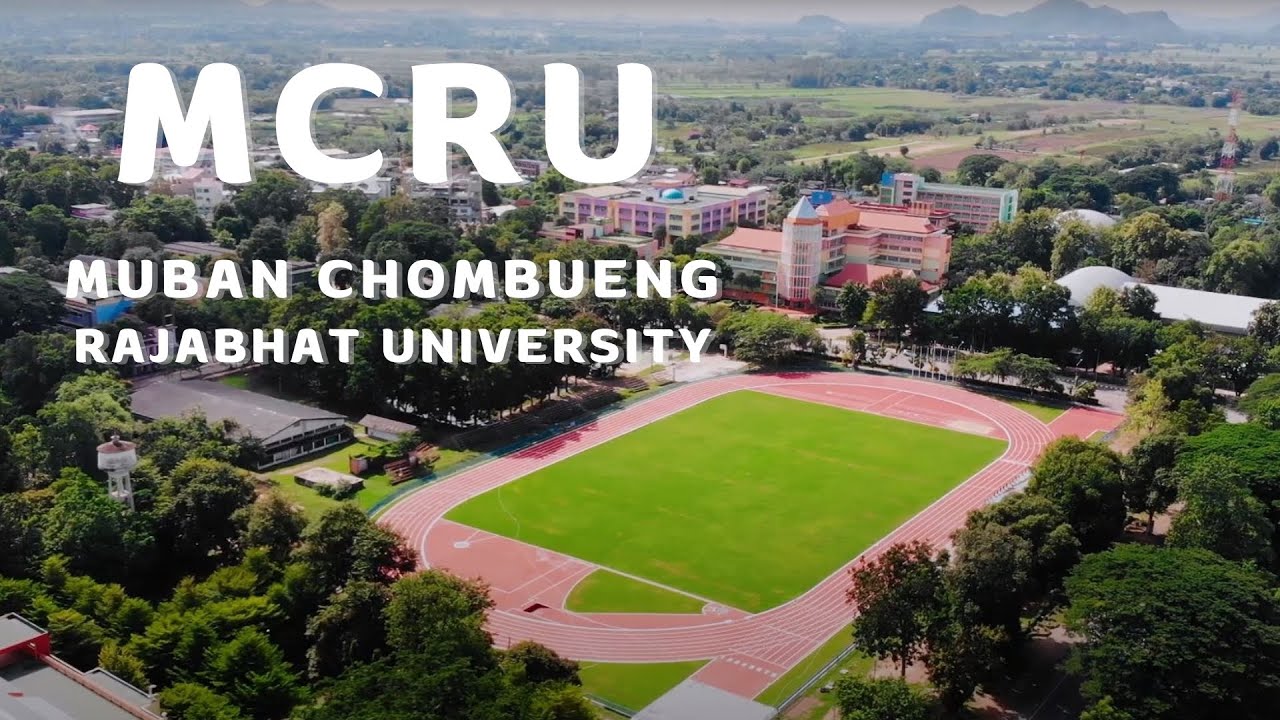
 Click to Access the Navigation Map GPS
Muban Chom Bueng Rajabhat University Map
Recommend

 Art, Culture and Heritage
 Historical Sites and Monuments(2)
 Landmarks and Memorials(1)
 Art, Craft Centres, Tradition(5)
 Museums(7)
 Art Gallery(1)
 Educational Places
 Educational Gardens, Farm(2)
 Autonomous Universities(1)
Rajabhat University(1)
 Places of Worship
 Temple(18)
 Other Sacred Sites(3)
 Research and Development
 Royal Project(1)
 Suburban Living
 Village, Community(4)
 Local Market(1)
 Floating Market(3)
 Nature and Wildlife
 National Parks and Marine Reserves(2)
 Mountain (Doi)(5)
 Dam, Reservoir, Lake(1)
 Waterfalls(4)
 Hot Springs(2)
 Caves(4)
 Flower Field(2)
 River, Canal(1)
 Other natural attractions(3)
 Entertainment and Agricultural
 Zoos and Aquariums(2)
 Animal camps and shows(1)
 Farms, Parks and Ecotourism(3)
 Waterpark(1)
 Outdoor and Adventure Activities(4)
 Shopping
 Shopping and Night Market(2)
 Spas and Wellness
 Spas and Wellness(1)
 Travel Articles, Recipes
 Travel Review, Food Review(1)


