
lovethailand home >South Travel Attractions >Yala Travel Attractions >Raman >Ke Ro > Bua Phut Source
TL;DR: Bua Phut Source is located at Kalor Community Forest, Kalor Mountain Range, Kalor Subdistrict, Raman District, Yala Province, open Open Only During The Rafflesia Blooming Season, hours Daytime Visits With A Local Guide Are Recommended.

Bua Phut Source
Open Days: Open Only During The Rafflesia Blooming Season
Opening Hours: Daytime Visits With A Local Guide Are Recommended
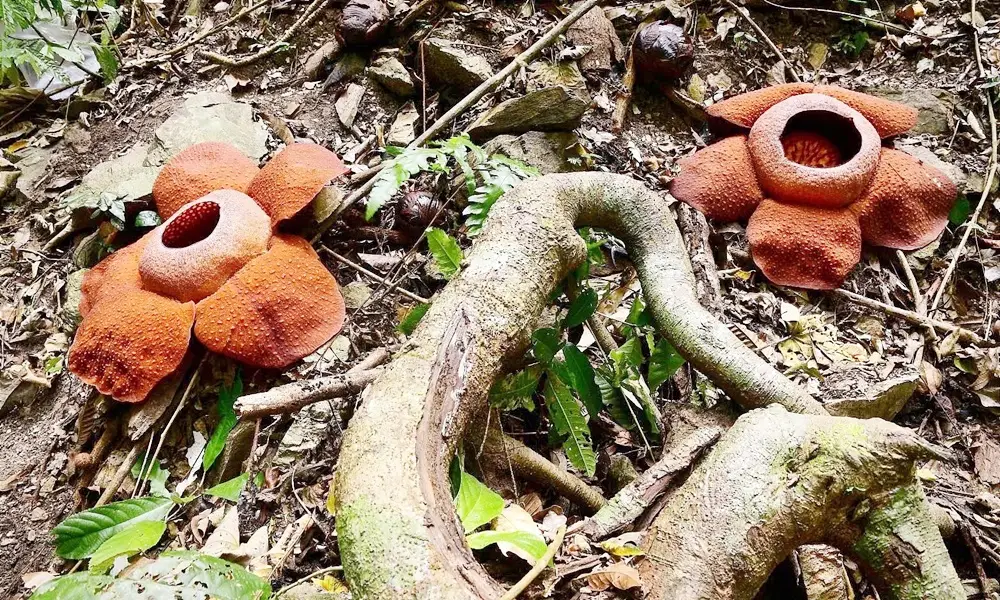
The Bua Phut Site On The Kalor Mountain Range in Yala Province is a seasonal nature attraction and community forest learning route in Raman District. Its main highlight is the appearance of Bua Phut, Thailand’s giant Rafflesia flower, within the Kalor community forest. This rare forest plant emerges from the ground only during suitable seasonal conditions. With its large reddish-brown flower, unusual structure, and dependence on a healthy humid forest ecosystem, Bua Phut makes the Kalor area one of Yala’s most interesting nature-based learning destinations. A visit here is not only about seeing a rare flower; it is also a chance to understand community forest conservation, Malay Muslim village life, and the fragile biodiversity of Thailand’s southern border region.
The site is located on the Kalor Mountain Range in Kalor Subdistrict, Raman District, Yala Province. The nearest accessible point is about 2 km from the main road, after which visitors need to walk into the community forest along a natural trail. This makes the destination suitable for travelers who enjoy light forest walking, rare plants, and ecological learning rather than quick sightseeing. Visitors should contact local people or a community guide before traveling because Bua Phut is seasonal, does not bloom all year, and may appear in different spots depending on forest conditions, moisture, host plants, and the flower’s natural growth cycle.
Bua Phut is a parasitic plant that does not look like ordinary green plants. It has no visible green leaves above the ground, no obvious stem, and cannot produce its own food through photosynthesis like most forest plants. It lives by attaching to host vines in the Tetrastigma group, locally associated with Yan Kai Tom or wild grape-like vines. When conditions are right, the flower bud slowly develops and pushes through the forest floor. This gives the impression that a giant flower has suddenly emerged from the earth, which is why it is called Bua Phut in Thai. In Malay-speaking southern communities, it is also known by local names such as Bu Ngo Ke Mo, reflecting the connection between plants, language, and local knowledge.
The value of Bua Phut lies not only in the size of its flower but also in its delicate life cycle. The flower bud takes many months to develop, yet once it blooms, it remains attractive for only a few days before darkening, wilting, and decomposing back into the forest floor. Travelers therefore need to visit at the right time. Planning a trip to see Bua Phut is different from visiting a waterfall, temple, or ordinary viewpoint. Even if visitors reach the forest, they may not see a blooming flower if the timing is wrong. This uncertainty is part of the experience because visitors must respect the rhythm of the forest rather than expect nature to appear on demand.
The Kalor community forest is important beyond its role as a flower-viewing site. It is closely connected with the history of Ban Kalor, an old community in Raman District with a long relationship with forest, water, farming, and local knowledge. In the past, local residents lived by farming, fishing, hunting, gathering forest products, and cultivating hill areas. Over time, agriculture shifted more toward fruit trees and rubber plantations, but memories of the forest, water sources, local crops, and community wisdom remain part of Kalor’s identity. The Bua Phut site therefore represents both ecological richness and cultural continuity.
The name Kalor itself carries several layers of local meaning. One explanation connects it with the Kalor tree, also known locally as Mai Khai Khiao, a large tree once found in abundance on the Kalor Mountain Range. Other explanations link the name with local legends and old sites connected to elephants and weapons storage. These stories show that a journey to the Bua Phut site is more than a botanical trip. It is a journey through a landscape shaped by names, memories, forest resources, and community narratives passed down through generations.
The 2 km forest route from the nearest road is an important part of the visit. Along the way, travelers can observe the character of the community forest, understory plants, climbing vines, leaf litter, roots, moisture, and shaded ground conditions that help support rare forest species. Visitors should walk carefully, stay on the path, avoid stepping into sensitive areas, and never touch flower buds or host vines. Bua Phut and its host plants are extremely fragile. A single careless step can damage a bud that has taken many months to develop.
For this reason, visitors should always walk with a local guide or someone who knows the area. A guide can help identify the safe route, confirm the seasonal blooming point, explain plants along the trail, and prevent visitors from getting lost. Guided visits also help create income for the community and encourage local conservation. Good ecotourism is not about bringing as many people into the forest as possible. It is about helping people learn from the forest while leaving the smallest possible impact.
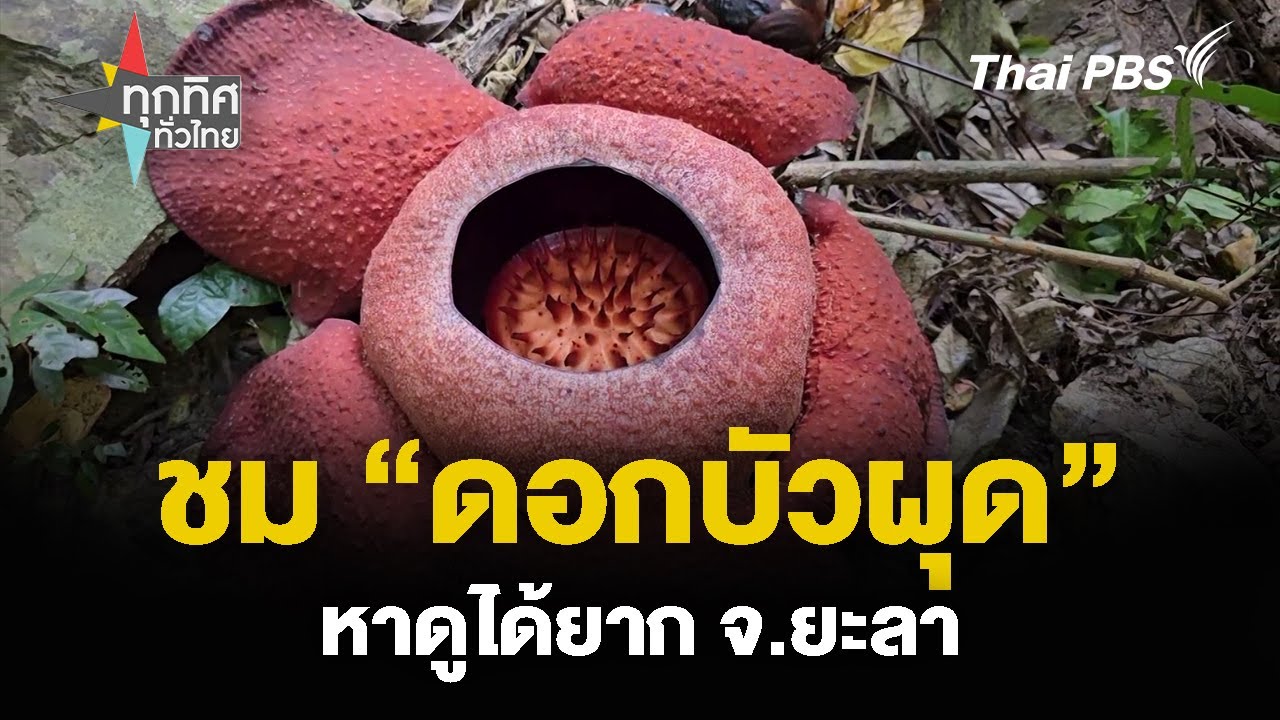
Bua Phut attracts insects through its strong natural odor. Its open flower is deep red and has a distinctive inner structure. The odor helps draw certain insects that assist in pollination. This makes the flower very different from ornamental flowers that people usually associate with pleasant fragrance and butterflies. Understanding this helps visitors appreciate Bua Phut correctly. It is not a flower to collect, decorate, or touch for curiosity. It is a living organism with a specific ecological role in the humid evergreen forest.
Seasonality is the key to visiting the Bua Phut site on the Kalor Mountain Range. The flower can only be seen during the blooming season, and the blooming period is short. Visitors should check with the local community or relevant local offices before departure. Do not assume that a flower will be visible every time. Rainfall, humidity, forest health, and host vines all affect its growth. The most practical plan is to travel only after local confirmation that a flower is blooming, and to allow at least half a day for travel, walking, nature observation, and returning safely.
What makes Kalor’s Bua Phut site especially meaningful is its community forest context. It is not a large commercial attraction. A community forest serves conservation, learning, and shared local use. Local people know the trails, the seasons, the plant locations, and the precautions needed to protect the forest. With careful management, this site can become a strong model for high-quality ecotourism in Yala Province, functioning as a natural classroom, a rare plant viewing area, and a living example of how people and forests can support one another.
Ban Kalor has varied geography, including hills, uplands, lowland areas, water sources, local waterfalls, and agricultural land around the village. These features make the Kalor Mountain Range an important green area for the community. The presence of Bua Phut reflects ecological health because the plant requires a humid forest, suitable host vines, and a relatively intact environment. When these elements remain in place, Bua Phut can continue to grow and bloom naturally.
Culturally, Kalor is a Malay Muslim community where local Malay is still important in daily life. The community calendar is connected with Islamic practices and important events such as Ramadan fasting, Hari Raya Puasa, Hari Raya Haji, Mawlid al-Nabi, daily prayers, and the Asura communal food tradition. Kalor’s strength comes not only from its natural resources but also from kinship, community cooperation, and the preservation of local identity. Visiting the Bua Phut site should therefore be understood through both nature and culture, rather than separating the flower from the people who help protect the forest.
The Asura tradition is one example of local cooperation. Many ingredients are cooked together in a large pan for several hours and shared with people in the community. This practice reflects patience, generosity, and collective effort. Community forest conservation follows the same spirit. Protecting Bua Phut cannot be done by one person alone. It requires the cooperation of local residents, visitors, local authorities, and travelers who respect community rules.
Visitors who want to photograph Bua Phut should use angles that do not require getting too close to the flower. Do not repeatedly step around the bloom, remove leaves, move branches, or arrange the forest floor for a cleaner picture. The flower is most beautiful in its natural condition, surrounded by leaf litter, vines, moist soil, roots, and the shade of the forest. Conservation-minded photography records the truth of the place rather than changing the forest into a staged scene.
Clothing should suit a forest trail. Long sleeves, long trousers, sturdy closed-toe shoes or hiking shoes, a hat, and drinking water are recommended. Avoid sandals or slippery footwear because the trail may include damp soil, wet leaves, roots, and sloped sections. After rain, the ground can become slippery and visitors should be more careful of insects, leeches, and muddy paths. Proper preparation makes the visit safer and more comfortable.
For safety, travelers should visit in a group, stay on the trail, and inform local people before entering the forest. A community forest is not necessarily a deep wilderness, but natural conditions can change with rain, runoff, humidity, and season. Visitors unfamiliar with the area may misjudge the route or walking time. Daytime is the best period for this visit because there is enough light for walking, observing nature, taking photographs, and returning before dark.
The Kalor Bua Phut site is suitable for nature lovers, students, researchers, rare plant enthusiasts, nature photographers, and travelers who want to understand Yala beyond ordinary tourist routes. It is not suitable for noisy, rushed, or careless visits. The flower and surrounding forest require calm, patience, and respect. Travelers who understand this will gain a deeper experience than simply taking a photograph of a rare flower.
From Yala town, travel toward Raman District and continue to Kalor Subdistrict and Ban Kalor. The overall distance is about 30 km from Yala town. From the community area, continue to the starting point of the natural trail on the Kalor Mountain Range. The nearest viewing access point is about 2 km from the main road. Private car or rental car is the most convenient option because it allows flexible timing and makes it easier to coordinate with local guides. Travelers using public transport should first reach Raman District and then arrange local transport or a community guide.
Getting There should begin with contacting the community before the trip to confirm whether Bua Phut is blooming. After reaching Ban Kalor in Kalor Subdistrict, Raman District, Yala Province, visitors should park where the community advises and follow a local guide into the community forest. The walking distance from the nearest road access is about 2 km. During the walk, stay on the trail, avoid littering, keep noise low, and do not touch flower buds or host vines.
The Bua Phut site can be combined with nearby attractions in Raman District and Yala Province. Cultural stops can include Ban Bae Ho, the old town of Kota Bharu, and Wat Khuhaphimuk. Nature-based stops can include Bueng Nam Sai, Bu Ke Pilo Waterfall, and Khwan Mueang Park in Yala town. This kind of route makes the trip more balanced, especially because Bua Phut is seasonal. Even if the flower is not blooming, visitors can still learn about the community forest, local life, and other destinations in Yala.
The Bua Phut site on the Kalor Mountain Range should be visited with understanding and respect. Its value does not come only from a giant flower. It comes from a living community forest, an old village, a rare plant that needs protection, and a local landscape with strong potential as a nature-learning destination. If every visitor walks carefully, photographs responsibly, and supports local guided tourism, Kalor’s Bua Phut site can remain a living natural treasure and continue to pass knowledge to future generations.
| Name | Bua Phut Site On The Kalor Mountain Range |
| Location | Kalor Community Forest, Kalor Mountain Range, Kalor Subdistrict, Raman District, Yala Province |
| Address | Ban Kalor, Village No. 2, Kalor Subdistrict, Raman District, Yala 95140, Thailand |
| Reference Coordinates Of Ban Kalor Community | 6.402884301, 101.3717321 |
| Highlights | Seasonal viewing site for Bua Phut, Thailand’s giant Rafflesia flower, along a nature trail in Kalor Community Forest |
| History / Importance | Ban Kalor is an old community in Raman District with strong ties to forest, farming, and local knowledge. The Bua Phut site reflects the ecological richness of the community forest and the importance of rare plant conservation. |
| Name Origin | Kalor is associated with local explanations including the Kalor tree, a large tree once found on the mountain range. Bua Phut refers to the flower’s appearance as it emerges from the forest floor. |
| Distinctive Features | A rare parasitic plant with a large flower, short blooming period, humid forest habitat, and dependence on suitable host vines |
| Travel Information | From Yala town, travel to Raman District and continue to Ban Kalor in Kalor Subdistrict. From the nearest main-road access, visitors walk about 2 km into the forest and should be accompanied by a local guide. |
| Current Status | A seasonal natural site within Kalor Community Forest. Visits should be made during confirmed blooming periods and coordinated with the local community or relevant local authority. |
| Open Days | Open Only During The Bua Phut Blooming Season |
| Opening Hours | Daytime Visits With A Local Guide Are Recommended |
| Facilities | Natural forest trail, community area, and main-road access point before entering the forest |
| Main Areas / Zones | Kalor Community Forest, 2 km forest walking route, seasonal Bua Phut blooming points, host-vine habitat, and community nature-learning area |
| Caretaker / Local Authority | Kalor Subdistrict Administrative Organization and Ban Kalor Community Forest Committee |
| Main Contact Number | Kalor Subdistrict Administrative Organization, Tel. 0-7372-9792 |
| Nearby Tourist Attractions | 1. Ban Bae Ho, about 4 km 2. Old Town Of Kota Bharu, about 12 km 3. Raman Railway Station, about 13 km 4. Bueng Nam Sai, The Birthplace Of Dragon Fish, about 24 km 5. Bu Ke Pilo Waterfall Or Tawan Ratsami Waterfall, about 26 km 6. Wat Khuhaphimuk Or Wat Na Tham, about 29 km |
| Nearby Restaurants | 1. Sami Junee Kitchen, about 13 km, Tel. 080-220-3907 2. Fadel Food, about 13 km, Tel. 096-212-1911 3. OWL CHA Yala Raman Branch, about 13 km, Tel. 098-729-4638 4. Krua Ma Kan Islamic Food, about 13 km, Tel. 084-720-0323 5. Kana Khanom Jeen Chao Kao Talo Halo, about 24 km, Tel. 088-398-3180 |
| Nearby Accommodations | 1. Ban Benyakat Raman, about 15 km, Tel. 086-110-6555 2. Parkview Hotel Yala, about 31 km, Tel. 073-217001-5 3. The Linux Garden Hotel, about 32 km, Tel. 065-372-0700 4. Yala Rama Hotel, about 32 km, Tel. 073-212563, 073-212815, 073-212841 5. Nibong Resort, about 33 km, Tel. 073-224-341 |
Frequently Asked Questions (FAQ)
Q: Where Is The Bua Phut Site On The Kalor Mountain Range Located?
A: It is located in Kalor Community Forest on the Kalor Mountain Range, Kalor Subdistrict, Raman District, Yala Province. The nearest access point requires a forest walk of about 2 km from the main road.
Q: Can Visitors See Bua Phut All Year Round?
A: No. Bua Phut can be seen only during its blooming season because the flower follows a natural growth cycle and blooms for only a short time.
Q: Is A Local Guide Needed To Visit The Bua Phut Site?
A: Yes. A local guide is strongly recommended because the site is inside a community forest, blooming points change by season, and visitors must avoid damaging buds or host vines.
Q: What Makes Bua Phut Special?
A: Bua Phut is a rare parasitic plant with no visible green leaves. Its large flower emerges from the forest floor, takes months to develop, and remains in bloom for only a few days.
Q: How Do Travelers Get There From Yala Town?
A: Travel from Yala town to Raman District, continue to Ban Kalor in Kalor Subdistrict, and then coordinate with local people for a guided walk into Kalor Community Forest.
Q: What Should Visitors Wear?
A: Long sleeves, long trousers, sturdy closed-toe shoes or hiking shoes, and a hat are recommended. Visitors should also bring drinking water for the forest walk.
Q: What Should Visitors Avoid During The Visit?
A: Visitors should not touch, step on, dig, collect, or move Bua Phut flowers, buds, host vines, or surrounding forest material. Stay on the trail and keep the community forest clean.
 Category: ●Nature and Wildlife
 Group: ●Other natural attractions
Last Update : 2 MonthAgo
 Last Update : 2 MonthAgo

 Art, Culture and Heritage
 Landmarks and Memorials(1)
 Art, Craft Centres, Tradition(2)
 Museums(2)
 Educational Places
 Educational Gardens, Farm(1)
 Places of Worship
 Temple(6)
 Mosque(2)
 Other Sacred Sites(3)
 Suburban Living
 Village, Community(4)
 National Parks and Marine Reserves(2)
 Mountain (Doi)(5)
 Dam, Reservoir, Lake(5)
 Waterfalls(13)
 Hot Springs(2)
 Caves(7)
 River, Canal(4)
 Islands(1)
Other natural attractions(8)
 Entertainment and Agricultural
 Stadium(1)
 Farms, Parks and Ecotourism(4)
 Outdoor and Adventure Activities(1)
 Travel Articles, Recipes
 Travel Review, Food Review(2)


