
lovethailand home >South Travel Attractions >Trang Travel Attractions >Kan Trang >Kan Trang > Phraya Ratsadanupradit Mahison Phakdi Museum
TL;DR: Phraya Ratsadanupradit Mahison Phakdi Museum is located at Behind Kantang Municipality Office, Kantang Subdistrict, Kantang District, Trang Province, open Tuesday–Sunday, hours 09.00 – 16.00.
Phraya Ratsadanupradit Mahison Phakdi Museum
Open Days: Tuesday–Sunday
Opening Hours: 09.00 – 16.00
Phraya Ratsadanupradit Mahison Phakdi Museum in Kantang District, Trang Province, is the former governor’s residence of Phraya Ratsadanupradit Mahison Phakdi, also known as Khaw Sim Bee Na Ranong. The museum preserves a two-storey wooden house, a lifelike wax figure, bedrooms, reception rooms, a working room, old photographs, and personal belongings connected with one of Trang’s most important historical figures. It is one of the best places to understand Kantang’s port-town history and the foundations of modern Trang.
Phraya Ratsadanupradit Mahison Phakdi Museum is located at No. 1 Khai Phithak Road, Kantang Subdistrict, Kantang District, Trang Province, behind Kantang Municipality Office and about 200 meters from the municipal area. This museum is one of Kantang’s key historical attractions because it is not just an old wooden house. It is a place where visitors can connect the story of one person with the wider history of Trang, including local administration, transport development, agriculture, rubber cultivation, and Kantang’s role as a former port town on the Andaman side of southern Thailand.
The museum was originally the residence of Phraya Ratsadanupradit Mahison Phakdi, whose original name was Khaw Sim Bee Na Ranong. He was a former governor of Trang and one of the most influential figures in the history of Thailand’s western southern coast. The house therefore carries more meaning than a preserved domestic building. It was connected with the life, work, decisions, and vision of a leader whose policies helped shape Trang’s development for generations.
Phraya Ratsadanupradit Mahison Phakdi is highly respected by the people of Trang because of his contributions to transport, administration, education, agriculture, animal husbandry, and local livelihoods. One of his best-known achievements was the promotion of rubber cultivation in Trang, which later became a major economic crop across southern Thailand. For this reason, his story is not limited to local history. It also belongs to the wider economic history of southern Thailand and the country as a whole.
Kantang District is central to his story. Kantang was once an important administrative and port-town center of Trang. Its river access and coastal location allowed it to function as a gateway for trade and movement. By looking at the museum together with Kantang’s old town, pier history, railway heritage, and agricultural landmarks, visitors can understand why the district became one of the most important places in Trang’s historical landscape.
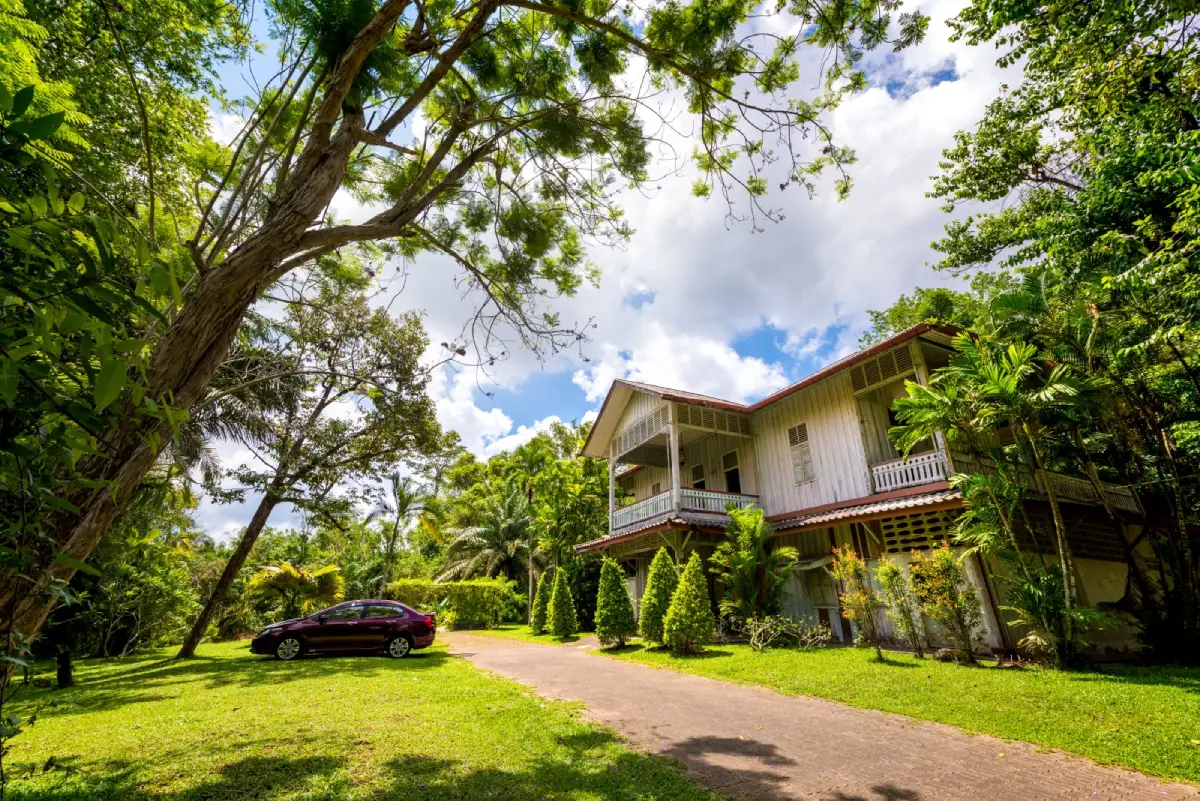
The museum building is a two-storey wooden house. Its architecture is simple, graceful, and well suited to the southern climate. Timber walls, ventilation panels, balconies, and open interior spaces help the house receive air and natural light. The building reflects both the lifestyle of an important provincial residence and the practical design of wooden houses in a humid tropical environment. Its value lies in the combination of architecture, memory, and place.
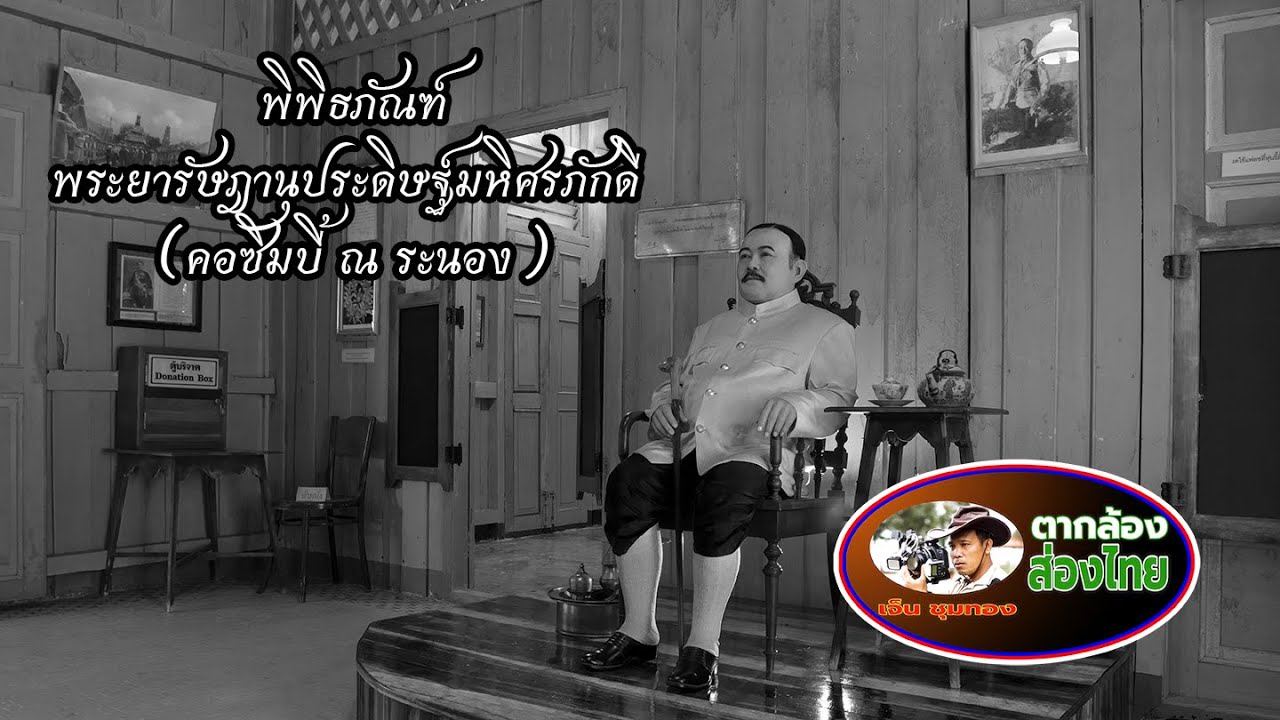
Inside the museum, visitors will find objects associated with the life of Phraya Ratsadanupradit Mahison Phakdi. Important exhibits include a lifelike seated wax figure, a bedroom, a reception room, a working room, old photographs, and personal objects such as a typewriter, measuring tape, cabinets, bed, chairs, and other period household items. These displays help visitors understand the atmosphere of his daily life more clearly than a short written biography could.
The wax figure is one of the museum’s most memorable features. It presents Phraya Ratsadanupradit in a seated posture within a carefully arranged domestic setting. Together with antique furniture and personal objects, the display gives the impression of entering a lived-in house rather than a detached exhibition room. This is one reason the museum feels intimate and historically meaningful.
The bedroom and reception areas show the domestic side of a former governor’s residence. Old furniture, a bed, tables, chairs, and household objects are arranged to preserve the feeling of the original house. The modesty of the setting is part of its strength. Instead of turning the house into a heavily redesigned tourist venue, the museum keeps much of the atmosphere of a genuine historical residence.
The working room is especially important for understanding Phraya Ratsadanupradit as an administrator. The objects in this area suggest the work of communication, planning, record keeping, and local governance in an earlier period. A visitor can imagine the practical tasks behind provincial development: improving transport, managing local affairs, supporting agriculture, and linking Trang with wider trade networks.
The old photographs displayed in the museum add another layer of historical value. They help visitors see people, places, events, clothing, and urban life from an earlier Trang. Photographs are powerful because they make the past visible. They also place the life of Phraya Ratsadanupradit within the larger story of Trang and the western southern coast.
The transformation of the house into a museum came from the shared awareness of Kantang residents and Kantang Municipality that the former residence was an important historical asset. The house was used as a memorial and museum to honor the contributions of Phraya Ratsadanupradit Mahison Phakdi. It was formally established as a museum on 10 September 1992, allowing later generations to study his life and work through a real historical place.
The museum has a strong community character. The Na Ranong family descendants are connected with the preservation of the house and its objects, while Kantang Pittayakorn School is an important contact point for group visits that require a guide. This gives the museum a local and educational role. It is not only a historical building; it is a shared memory space maintained by family, school, municipality, and community networks.
A visit to the museum is useful for anyone who wants to understand Trang beyond beaches, food, and townscape. The museum shows that provincial development depended on leadership, infrastructure, agriculture, trade, and public administration. It also shows why Kantang was historically important and why the name Phraya Ratsadanupradit Mahison Phakdi remains deeply respected in Trang.
Rubber history is one of the major themes connected with the museum. Phraya Ratsadanupradit Mahison Phakdi is remembered for introducing and promoting rubber cultivation in Trang. Rubber later became a major crop that supported many households, plantation owners, rubber tappers, traders, and processing businesses in southern Thailand. Visitors who continue from the museum to the First Para Rubber Tree of Thailand will understand this connection more clearly.
The museum also helps explain Kantang as an old port town. Kantang once had important links with river transport, sea trade, the railway, and local commercial communities. A visit to the museum can be naturally combined with Kantang Railway Station, Kantang Historical Study Center, local street art, and the First Para Rubber Tree of Thailand. Together, these places form a coherent cultural route through Kantang’s past.
The architecture of the museum deserves close attention. The two-storey timber house reflects how older southern residences were designed for climate and daily life. Balconies and ventilation openings allowed air to pass through the house. Wooden floors, stairs, window panels, and room layout all tell visitors something about lifestyle, status, and practical living conditions in the past. The building itself is therefore part of the exhibition.
For photography, the museum offers several strong angles: the front of the two-storey wooden house, the balcony, the stairs, the old windows, interior rooms, antique furniture, and the wax-figure display. The atmosphere is calm, warm, and classic. Visitors should photograph the site respectfully, avoid touching the objects, and avoid flash when it may affect the exhibits or the mood of the interior.
The best time to visit is in the morning or early afternoon, allowing enough time to walk through the rooms, read the information, and continue to other places in Kantang. A normal visit takes about 45 minutes to 1 hour. Groups that need a guide should contact the museum in advance through Kantang Pittayakorn School so that the visit can be arranged properly.
Getting There is straightforward from Trang city. Drive along the Trang–Kantang route for about 25 km, which usually takes around 30 minutes depending on traffic. Once in Kantang, head to Khai Phithak Road behind Kantang Municipality Office. Travelers using public transport can take a Trang–Kantang van or local bus, get off in Kantang town, and continue by local transport or on foot depending on the drop-off point.
A good half-day Kantang itinerary can begin at Phraya Ratsadanupradit Mahison Phakdi Museum, followed by Kantang Historical Study Center, Kantang Railway Station, Kantang street art, and the First Para Rubber Tree of Thailand. This route gives visitors a clear overview of the district through biography, port history, railway heritage, agricultural history, and old-town identity.
Visitors with more time can add Khuan Tamnak Chan Public Park, Wat Trangkhaphum Phutthawat, local cafés, or Kantang restaurants to the same trip. Kantang is compact and easy to explore at a slow pace. The town rewards visitors who take time to notice old houses, historic roads, small community details, and the relationship between the museum and its surrounding heritage sites.
Visitors should dress politely and move carefully through the house. Do not touch displayed objects, move furniture, make loud noise, or leave waste in the area. The museum is a historic wooden residence, so responsible visitor behavior helps preserve the site for future generations.
In terms of learning value, Phraya Ratsadanupradit Mahison Phakdi Museum is one of the most important places in Kantang. It turns the name of a historical figure into a tangible experience. Instead of encountering Phraya Ratsadanupradit only through a road name, a monument, or a textbook, visitors meet his story through a real house, real objects, and a town that still carries the memory of his work.
Overall, Phraya Ratsadanupradit Mahison Phakdi Museum is a key stop for understanding Kantang and Trang Province. It combines a historic wooden house, the memory of a major provincial leader, the story of rubber cultivation, port-town development, and local preservation in one place. For travelers who want to understand why Kantang matters in Trang’s history, this museum is the most suitable starting point.
| Name | Phraya Ratsadanupradit Mahison Phakdi Museum |
| Thai Name | พิพิธภัณฑ์พระยารัษฎานุประดิษฐ์มหิศรภักดี |
| Other Names | Phraya Ratsada Museum, Former Trang Governor’s Residence, Khaw Sim Bee Na Ranong Museum |
| Location | Behind Kantang Municipality Office, Kantang Subdistrict, Kantang District, Trang Province |
| Address | No. 1 Khai Phithak Road, Kantang Subdistrict, Kantang District, Trang 92110, Thailand |
| Coordinates | 7.40794, 99.51537 |
| Category | Local Museum / Historic House / Kantang Historical Learning Site |
| Highlights | Two-Storey Wooden House, Wax Figure, Bedroom, Reception Room, Working Room, Old Photographs, And Personal Belongings Of The Former Governor Of Trang |
| History | Former Residence Of Phraya Ratsadanupradit Mahison Phakdi; Established As A Museum On 10 September 1992 To Commemorate His Contributions To Trang Province |
| Historical Figure | Phraya Ratsadanupradit Mahison Phakdi, Also Known As Khaw Sim Bee Na Ranong, Former Governor Of Trang And A Key Figure In Trang’s Development |
| Importance | Important Evidence Of Kantang And Trang History, Linked With Administration, Transport, Education, Agriculture, And The Rubber Economy Of Southern Thailand |
| Architectural Features | A Two-Storey Wooden House With Open Interior Space, Balconies, Ventilation Panels, And Rooms Arranged To Preserve The Atmosphere Of The Former Residence |
| Main Areas / Zones | Wax-Figure Area, Bedroom, Reception Room, Working Room, Old Photograph Display, Personal Belongings Area, And Wooden Balcony |
| Open Days | Tuesday–Sunday |
| Opening Hours | 09.00 – 16.00 |
| Admission Fee | Free Admission |
| Caretakers / Related Parties | Na Ranong Family Descendants And Local Networks In Kantang District |
| Main Contact Number | Kantang Pittayakorn School Tel. 075-251-100 |
| Group Visits | Groups Requiring A Guide Should Contact Kantang Pittayakorn School In Advance |
| Facilities | Exhibition Rooms, Historic House Displays, Information Boards, Old Photographs, Learning Areas, And Group-Visit Arrangement Through Prior Contact |
| Travel Information | About 25 km From Trang City Via The Trang–Kantang Route. In Kantang, Head To Khai Phithak Road Behind Kantang Municipality Office. Public Transport Users Can Take A Trang–Kantang Van Or Local Bus And Continue By Local Transport |
| Current Status | Open As A Museum And Historical Learning Site In Kantang District |
| Nearby Tourist Attractions | 1. Kantang Railway Station, About 0.3 km 2. Khuan Tamnak Chan Public Park, About 0.6 km 3. The First Para Rubber Tree Of Thailand, About 0.9 km 4. Kantang Historical Study Center, About 1 km 5. Kantang Street Art, About 1 km 6. Wat Trangkhaphum Phutthawat, About 1 km |
| Nearby Restaurants | 1. Sathani Rak Kantang Station, About 0.4 km, Tel. 081-979-6806 2. TROPICAL CAFE Trang, About 0.5 km, Tel. 087-627-2174 3. Ling Chen Cafe, About 0.7 km, Tel. 066-165-4453 4. Bang Den Dim Sum Kantang, About 1 km, Tel. 084-723-7543 5. Khao Tom Ko Sut Kantang, About 1 km, Tel. 087-622-1494, 084-735-9620, 081-272-6308 6. TonYang Cafe At Kantang, About 3 km, Tel. 089-723-1733 |
| Nearby Accommodations | 1. @Kantang Loftel, About 0.3 km, Tel. 062-080-3555 2. Sirichai Hotel Na Kantang, About 0.7 km, Tel. 083-812-4192 3. Matou Hostel And Cafe, About 1 km, Tel. 063-246-5954 4. Pa Phrao Resort Kantang, About 1 km, Tel. 093-783-7592 5. Thana Inn Hotel & Garden, About 2 km, Tel. 075-252-624 |
Frequently Asked Questions (FAQ)
Q: Where Is Phraya Ratsadanupradit Mahison Phakdi Museum Located?
A: The museum is located at No. 1 Khai Phithak Road, Kantang Subdistrict, Kantang District, Trang Province, behind Kantang Municipality Office and about 200 meters from the municipal area.
Q: What Are The Museum’s Opening Days And Hours?
A: The museum is open from Tuesday to Sunday, from 09.00 to 16.00.
Q: Is There An Admission Fee?
A: No. Admission is free, making the museum suitable for general travelers, families, students, and cultural study groups.
Q: What Can Visitors See Inside The Museum?
A: Visitors can see a wax figure of Phraya Ratsadanupradit Mahison Phakdi, a bedroom, reception room, working room, old photographs, a typewriter, measuring tape, cabinets, bed, chairs, and personal belongings from the former residence.
Q: Who Was Phraya Ratsadanupradit Mahison Phakdi?
A: He was a former governor of Trang, also known as Khaw Sim Bee Na Ranong, who played a major role in developing Trang through administration, transport, education, agriculture, and rubber cultivation.
Q: How Can Travelers Get There From Trang City?
A: Travelers can drive from Trang city to Kantang via the Trang–Kantang route for about 25 km, taking around 30 minutes, or take a Trang–Kantang van or local bus and continue by local transport.
Q: How Should A Group Request A Guide?
A: Groups that need a guide should contact Kantang Pittayakorn School in advance at 075-251-100.
Q: What Nearby Places Should Be Combined With This Museum?
A: Good nearby places include Kantang Railway Station, the First Para Rubber Tree of Thailand, Kantang Historical Study Center, Kantang Street Art, Khuan Tamnak Chan Public Park, and Wat Trangkhaphum Phutthawat.
 Category: ●Art, Culture and Heritage
 Group: ●Museums
Last Update : 2 MonthAgo
 Last Update : 2 MonthAgo
 Click to Access the Navigation Map GPS
Phraya Ratsadanupradit Mahison Phakdi Museum Map
Recommend

 Historical Sites and Monuments(1)
 Landmarks and Memorials(2)
 Art, Craft Centres, Tradition(3)
Museums(2)
 Places of Worship
 Temple(15)
 Mosque(1)
 Other Sacred Sites(7)
 Research and Development
 Royal Project(1)
 Suburban Living
 Village, Community(5)
 Nature and Wildlife
 National Parks and Marine Reserves(6)
 Mountain (Doi)(8)
 Dam, Reservoir, Lake(1)
 Waterfalls(20)
 Hot Springs(1)
 Caves(11)
 Bays and Beaches(11)
 Islands(12)
 Other natural attractions(3)
 Entertainment and Agricultural
 Farms, Parks and Ecotourism(8)
 Outdoor and Adventure Activities(1)
 Travel Articles, Recipes
 Travel Review, Food Review(1)
 Southern Food Menu, Southern Food Recipes(1)


