
lovethailand home >Northeastern Travel Attractions >Nakhon Phanom Travel Attractions >Muang Nakhon Phanom >Nai Muang > Vietnamese Memorial Clock Tower
TL;DR: Vietnamese Memorial Clock Tower is located at Nakhon Phanom Old Town near Sunthon Wijit Road, Si Thep Road, and the Mekong riverfront, open Daily, hours Open 24 Hours.
Vietnamese Memorial Clock Tower
Open Days: Daily
Opening Hours: Open 24 Hours
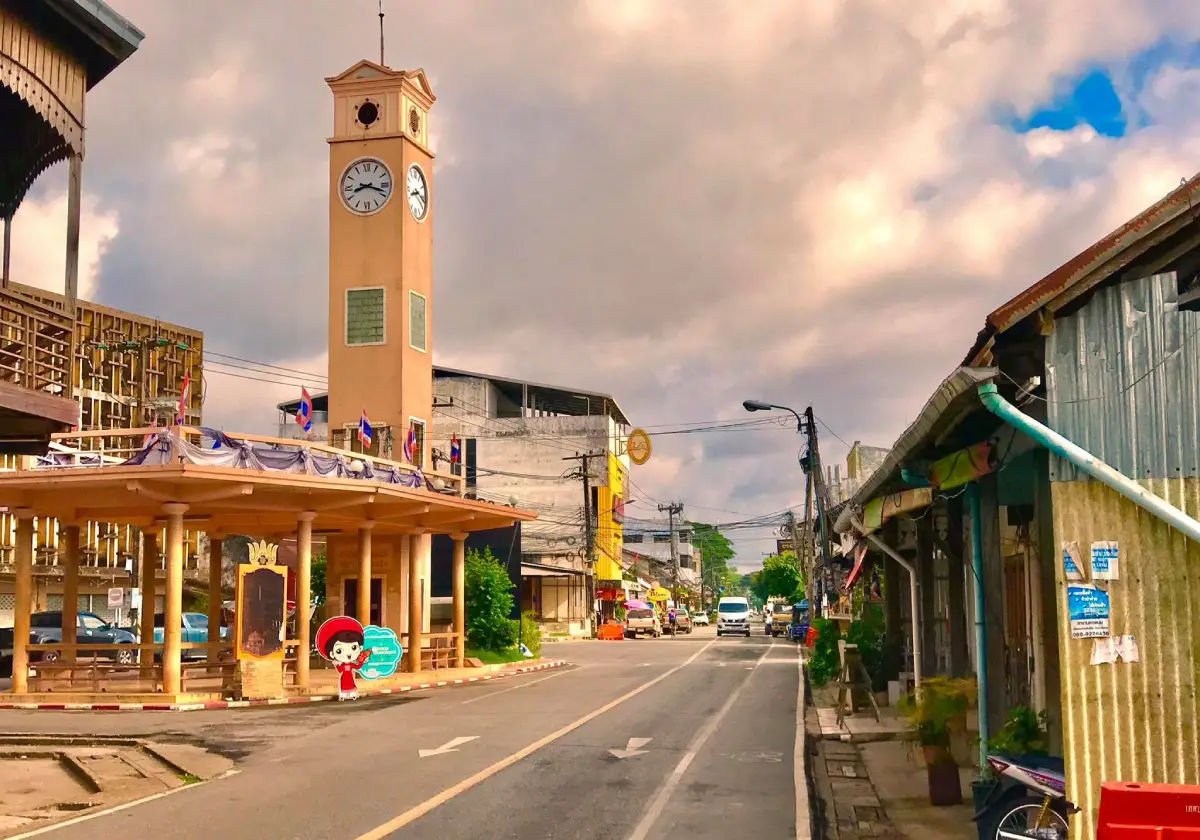
The Vietnamese Memorial Clock Tower in Nakhon Phanom is a historic public monument built by the Vietnamese community in Thailand in 1960. It was created as a lasting expression of gratitude to the Thai monarchy, the Thai government, and the people of Thailand, particularly the residents of Nakhon Phanom who had provided shelter and assistance to Vietnamese refugees. Before a group of Vietnamese residents returned to their homeland, they raised funds to leave this memorial to the city that had protected them. Standing approximately 18 meters high near the Mekong riverfront, the clock tower is now a major landmark of Nakhon Phanom Old Town, the starting point of the weekend walking street, and one of the clearest symbols of friendship between the people of Thailand and Vietnam.
Visitors to Nakhon Phanom often recognize the province through the Phaya Si Sattanakharat monument, the Mekong promenade, Wat Phra That Phanom, or the historic house associated with Ho Chi Minh at Ban Na Chok. In the center of the old town, however, stands a more modest structure that preserves an equally important story. Locally known as the Nakhon Phanom Clock Tower, the Vietnamese Memorial Clock Tower rises among old commercial buildings, restaurants, small hotels, and streets leading toward the Mekong River. It does not contain an indoor museum or observation deck, but its architecture and inscriptions provide an accessible introduction to migration, war, humanitarian assistance, cultural exchange, and the relationships that ordinary people created across national borders.
From a Farewell Memorial to a Symbol of Thai–Vietnamese Friendship
The purpose of the tower is clearly expressed in the Thai inscription commemorating the Vietnamese people on the occasion of their return to their ancestral homeland. The Thai term traditionally used for homeland carries the meaning of the land of one's ancestors. The structure can therefore be understood as a public letter of gratitude built in brick and concrete. It was intended to remind both the Vietnamese families who departed and the Thai communities who remained that the years of refuge and assistance would not be forgotten.
This makes the tower different from conventional war memorials, which are often constructed to commemorate military victories, national leaders, or those who died in battle. The Vietnamese Memorial Clock Tower was created from gratitude, mutual respect, and the emotional bonds between displaced people and the communities that gave them protection. It commemorates practical acts of humanity: sharing shelter, food, medical assistance, work, and personal security during a period of political violence. For this reason, the monument belongs not only to the Thai-Vietnamese community but also to the wider history of Nakhon Phanom and the humanitarian history of the Mekong region.
Vietnamese Migration in the Mekong Borderlands Nakhon Phanom lies on the western bank of the Mekong River opposite Thakhek, the capital of Khammouane Province in Laos. Its geographical position has made the city a place of trade, movement, and cultural exchange for generations. Long before modern borders were fully established, families, merchants, religious communities, and workers traveled throughout the Mekong basin. The river functioned not only as a political boundary but also as a major transport route connecting Thai, Lao, Vietnamese, Chinese, and other communities.
During the first half of the 20th century, political conditions in French Indochina became increasingly unstable. A decisive event occurred on March 21, 1946, when French forces attacked Thakhek after returning to reassert colonial control following the Second World War. Vietnamese residents and other civilians fled the fighting, and many attempted to cross the Mekong River into Thailand. Families abandoned homes and possessions, while some lost relatives during the violence and the dangerous river crossing. Those who reached the Thai bank had to rebuild their lives in an unfamiliar environment.
Residents of Nakhon Phanom and other provinces in northeastern Thailand helped the refugees obtain shelter, food, medical care, and opportunities to work. Vietnamese communities gradually developed in Nakhon Phanom, Sakon Nakhon, Udon Thani, Nong Khai, Mukdahan, and surrounding areas. Vietnamese migrants contributed knowledge of commerce, food preparation, craftsmanship, agriculture, and small business. Their relationships with local people developed beyond temporary assistance and became connections between neighbors, trading partners, friends, and families who shared the same towns.
The legacy of these communities remains visible in Nakhon Phanom today. Vietnamese-influenced breakfasts include pan-fried eggs served with Vietnamese pork sausage, stuffed baguettes, rice-noodle soup, Vietnamese-style rice noodles, fermented pork, spring rolls, and strong coffee. Cultural traces also survive in family histories, local shops, religious communities, architecture, and the identities of Thai citizens of Vietnamese descent. The clock tower serves as a physical reference point connecting these everyday cultural influences to the larger history of migration.
Repatriation and the Construction of the Clock Tower As political conditions changed, the Thai and Vietnamese Red Cross organizations reached an agreement in August 1959 to assist Vietnamese residents who wished to return to Vietnam. Repatriation did not erase the relationships they had formed in Thailand. Many families had lived in the country for years, raised children, established businesses, and become part of local communities. Returning to Vietnam brought the prospect of going home, but it also meant leaving friends and neighborhoods that had provided safety during a period of crisis.
Before their departure, Vietnamese residents in Nakhon Phanom and Vietnamese organizations in other Thai provinces collected donations to construct a public memorial. Choosing a clock tower was meaningful in several ways. A clock tower could be seen and used by everyone rather than being limited to a private community. Time itself also represents memory, transition, and movement from the past into the future. As the clock continues to mark each hour, the structure reminds residents that the assistance once given to displaced families remains part of the city's history.
The tower was built in 1960 and officially inaugurated on December 22 of that year. On March 1, 1961, the Vietnamese association in Nakhon Phanom formally transferred the monument to Nakhon Phanom Municipality. Municipal responsibility ensured that it would remain a public place of memory rather than property belonging to one organization. Since then, the municipality has maintained the tower and its surroundings for residents, visitors, and future generations.
Architecture and Appearance The Vietnamese Memorial Clock Tower is approximately 18 meters high. Its principal form is a slender square tower with clock faces oriented toward the surrounding streets. The building is painted in a pale yellow or cream tone that complements the historic shophouses of central Nakhon Phanom. Its upper roof reflects Vietnamese architectural influence, distinguishing it from a typical European-style municipal clock tower. The vertical proportions make it visible from several approaches and allow it to function as an urban landmark.
Thai and Vietnamese inscriptions appear around the lower part of the monument, explaining its connection with the return of Vietnamese residents to their homeland. These inscriptions are essential historical elements rather than decorative details. Visitors should walk around the tower, read the text, and observe how the two languages appear on the same public structure. Their presence reinforces the idea that the monument was produced through the shared history of two peoples.
The base is integrated into a small landscaped public area with decorative features, a fountain, and space for visitors to stand and take photographs. The tower is not separated from the city by a large enclosed compound. Shops, streets, homes, and pedestrian routes surround it directly. This setting allows the monument to remain part of daily life. Residents pass it while traveling to work, shopping, meeting friends, eating at nearby restaurants, or walking toward the riverfront.
During daylight, the light-colored tower stands clearly against the sky and the surrounding buildings. Architectural details, clock faces, inscriptions, and the roofline are easier to examine. At night, decorative lighting emphasizes the shape of the tower and creates a warm focal point at the entrance to the walking street. The period shortly after sunset is particularly attractive for photography because the remaining blue light in the sky balances the illuminated monument and surrounding old-town buildings.
Restoration and Municipal Care Outdoor monuments are continuously exposed to sunlight, rain, humidity, traffic pollution, and the physical pressures of an active urban environment. Provincial authorities and Nakhon Phanom Municipality have therefore played an important role in maintaining the clock mechanism, paintwork, lighting, landscaping, and public space. In 2020, the 60th anniversary of the tower, the monument was repaired and repainted. A commemorative ceremony brought together more than a thousand Vietnamese residents and Thai citizens of Vietnamese descent, demonstrating that the tower continues to carry emotional and cultural significance.
Nakhon Phanom Municipality remains the principal caretaker. Its responsibilities include not only the physical structure but also lighting, cleanliness, traffic arrangements, public safety, and activities in the surrounding walking-street area. Continued municipal care allows the tower to serve simultaneously as a memorial, city landmark, meeting place, photography site, and part of the local tourism economy.
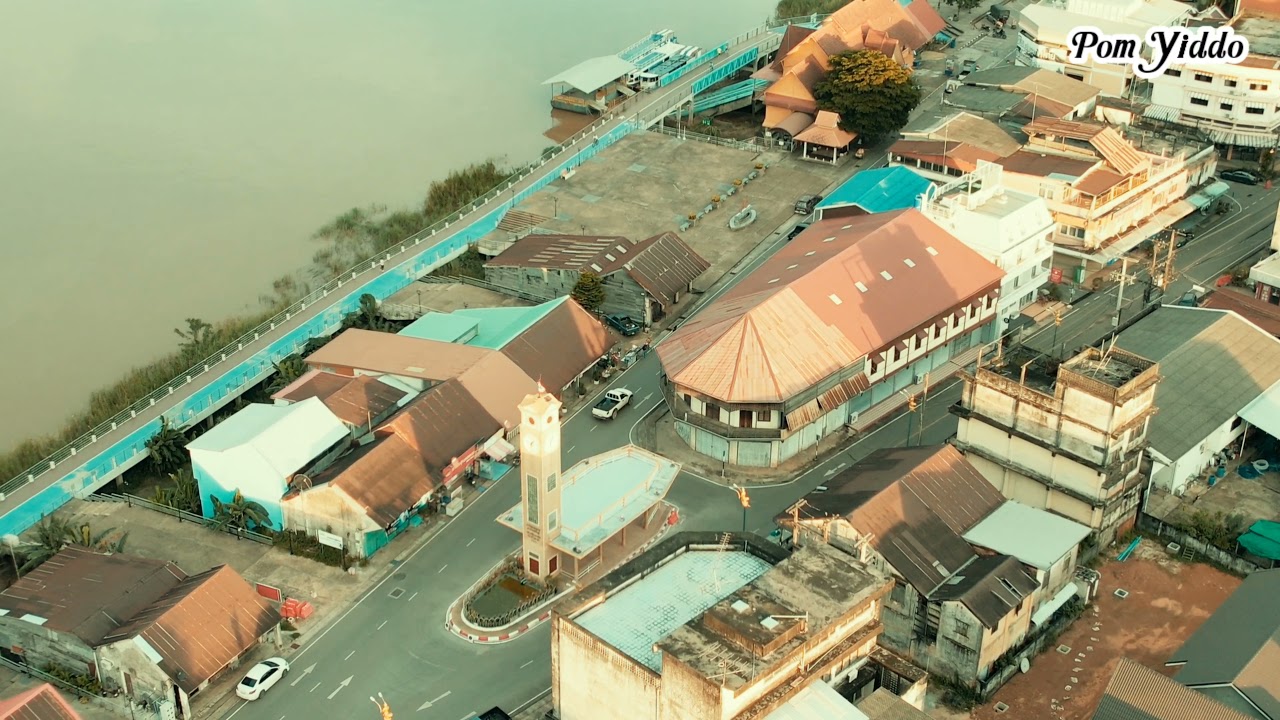
The Clock Tower within Nakhon Phanom Old Town The significance of the clock tower becomes clearer when it is viewed as part of the old-town landscape. Commercial buildings in the surrounding streets display Western, Chinese, Vietnamese, and local influences, reflecting the city's long history of migration and cross-border trade. Sunthon Wijit Road and Si Thep Road connect restaurants, markets, temples, accommodation, and the Mekong riverfront. Visitors should therefore look beyond the tower itself and notice old windows, balconies, doors, signs, and building façades that reveal different periods of urban development.
The Mekong River is within walking distance. From the tower, visitors can continue toward the promenade and look across the water to Thakhek and the mountains of Laos. This geographical relationship is central to the tower's history, because the river was the route crossed by many Vietnamese refugees seeking safety in Thailand. Standing near the memorial and then looking across the Mekong helps transform an abstract historical account into a visible landscape.
Main Areas to Explore Although the site does not have officially designated visitor zones, it can be explored in several parts. The first is the base and inscription area, where visitors can understand the purpose of the memorial. The second is the main tower and its multiple clock faces, which reveal the architectural design. The third is the landscaped plaza, fountain, and close-range photography area. The fourth consists of the old shophouses and streets around the intersection. The fifth is the route leading toward Nakhon Phanom Walking Street and the Mekong promenade.
Visitors should walk around the tower carefully and remain on pedestrian areas. The monument stands near an active intersection on ordinary weekdays, and standing in the roadway for photographs is unsafe. Each side presents a different background: historic buildings, local businesses, the walking-street route, or the direction of the river. A complete circuit requires only a short time but provides a better understanding of how the structure relates to its urban surroundings.
Nakhon Phanom Walking Street The area becomes especially lively on Friday, Saturday, and Sunday evenings, when part of Sunthon Wijit Road is transformed into Nakhon Phanom Walking Street. The market route begins near the clock tower and continues along the riverfront toward the Phaya Si Sattanakharat monument. From approximately 16:30 to 20:30, local vendors sell food, drinks, clothing, handicrafts, souvenirs, and community products. The clock tower changes from a daytime traffic landmark into a gateway to the evening market.
A weekend visit allows travelers to experience history and contemporary life in the same place. After examining the tower and its inscriptions, visitors can sample local dishes such as rice-noodle soup, Vietnamese pork sausage, stuffed baguettes, Vietnamese-style noodles, fermented pork, local desserts, and regional drinks. The walk can then continue to the Mekong promenade for the evening view or to the Phaya Si Sattanakharat monument. This active use of the historic district supports local small businesses and prevents the heritage area from becoming disconnected from modern urban life.
Drivers should plan to park outside the closed market section and walk into the area. Streets used for the market may restrict vehicle access during operating hours. Walking is generally the most convenient way to explore the district because restaurants, attractions, and small hotels are located close together. Families with children and older travelers should select a parking area that does not require an excessively long walk and should take care in crowded sections of the market.
Morning Atmosphere The period from approximately 06:00 to 08:00 is ideal for travelers who prefer a quiet experience. Soft morning light makes the pale color of the clock tower appear warmer and reduces harsh shadows in photographs. Traffic is generally lighter, and visitors can walk through the old town and continue toward the Mekong without the crowds of the evening market. The cool river breeze is particularly pleasant during the winter months.
A morning visit also reveals local routines more clearly. Shops begin to open, residents travel to work, monks may be seen collecting alms in nearby areas, and breakfast restaurants become active. The memorial forms a background to these everyday activities. Seeing the monument in ordinary use demonstrates that history remains present within the living city rather than being isolated inside a museum.
Evening and Night Atmosphere From around 16:30 onward, temperatures become more comfortable and the light is suitable for walking and photography. Visitors can examine the tower before continuing to the riverfront for sunset. After dark, the illuminated structure has a different character from its daytime appearance. The blue-hour period between sunset and full darkness offers balanced photographs showing the sky, tower lights, clock faces, and historic buildings together.
Weekend evenings are busy because of the walking street, restaurants, and local visitors. Weekday evenings are generally quieter and better suited to travelers who want to study the monument without crowds. As the site is an outdoor public space open throughout the day and night, it can also be visited after dinner. Visitors should remain in well-lit areas, use sidewalks, and exercise caution around the intersection.
Best Seasons to Visit Nakhon Phanom can be visited throughout the year. November to February usually provides the most comfortable weather for walking outdoors. Temperatures are cooler, skies are often clear, and the Mekong breeze can be refreshing. This period is also suitable for cycling along the riverfront and exploring old buildings without excessive heat.
March to May is the hot season, so morning or late-afternoon visits are preferable. Travelers should carry drinking water, wear a hat, and use sun protection. June to October brings seasonal rain and greener riverfront scenery. An umbrella or raincoat is useful, and paved surfaces may become slippery after heavy rain. In every season, avoiding the strongest midday sun makes the visit more comfortable.
Photography Guidelines The tower can be photographed in several ways. A close vertical composition captures the structure from its base to the Vietnamese-influenced roof. A wider viewpoint includes shophouses, streets, local activity, and the broader old-town environment. A low viewpoint emphasizes the vertical lines, while evening photographs can incorporate shop lights and walking-street activity.
Travelers should not stand in the roadway to obtain a wider image. The tower is beside an active intersection, and safe viewpoints are available from sidewalks and the landscaped area. Early morning offers uncluttered photographs, while Friday to Sunday evenings are better for scenes filled with market activity and illumination. Photographing inscriptions, roof details, and the surrounding historic buildings will create a more meaningful visual record than taking only a distant landmark image.
Respectful Conduct Although the clock tower is an open public landmark, it commemorates displacement, suffering, and gratitude. Visitors should not climb the monument, sit on sensitive architectural elements, damage the inscriptions, or leave rubbish. Photography is permitted in the public space, but consideration should be given to residents, shops, traffic, and any commemorative activities taking place.
The tower is not open as an interior attraction and does not contain an exhibition hall, ticket office, or public staircase to the top. The visit consists of viewing the exterior, reading the inscriptions, and exploring the surrounding district. Travelers seeking a more extensive account of Vietnamese history in Nakhon Phanom can continue to the Ho Chi Minh historic house and the Thai–Vietnamese Friendship Village Museum at Ban Na Chok.
Getting to the Vietnamese Memorial Clock Tower The tower stands in Nai Mueang Subdistrict, Mueang Nakhon Phanom District, near Sunthon Wijit Road, Si Thep Road, and the Mekong riverfront. Its approximate coordinates are 17.4039, 104.7878. Drivers can enter central Nakhon Phanom and search for “Vietnamese Memorial Clock Tower” or “Clock Tower Nakhon Phanom” in a navigation application. Drivers should slow down when entering the old town because streets may be narrow and busy with pedestrians and local businesses.
Travelers arriving at Nakhon Phanom Airport can use a taxi, rental car, or hotel transfer to reach the city center and the Mekong riverfront. Those arriving by interprovincial bus can take a local taxi or hired vehicle from Nakhon Phanom Bus Terminal. The clock tower is a well-known local landmark, so drivers generally recognize its Thai name.
Visitors staying in the old town can easily reach the monument on foot or by bicycle. Many attractions are within 2–3 kilometers, and the riverfront is largely level. Cycling allows travelers to stop at temples, markets, historic buildings, and public plazas without repeatedly finding parking. Bicycles should be left in appropriate locations without blocking pedestrian routes.
Parking and Traffic There is no dedicated visitor parking lot at the clock tower. Drivers should use legally permitted spaces in surrounding streets and walk to the monument. Vehicles must not block shop entrances, building access, pedestrian crossings, or the intersection. On Friday, Saturday, and Sunday evenings, market-related road closures make parking outside the walking-street zone the most practical option. Staying at a nearby hotel eliminates much of the parking difficulty and allows travelers to visit both early in the morning and after dark.
A Short 1–2 Hour Route Travelers with limited time can begin at the clock tower and spend 20–30 minutes examining the architecture, inscriptions, and surrounding streets. From there, walk to Wat Okat Si Bua Ban, continue through the Indochina Market area, and follow Sunthon Wijit Road toward the Mekong. The route can end at the Phaya Si Sattanakharat plaza. Including a drink or short meal, this compact old-town walk takes approximately one to two hours.
A Half-Day Old-Town Route A half-day visit can begin with a Nakhon Phanom-style breakfast, followed by the clock tower, Wat Okat Si Bua Ban, the Indochina Market, the river promenade, and the Phaya Si Sattanakharat monument. Travelers can then continue to the Former Nakhon Phanom Governor's Residence Museum or Saint Anna Nong Saeng Catholic Church. Together, these sites show that Nakhon Phanom's identity developed through Buddhist, Christian, Thai, Lao, Vietnamese, Chinese, and colonial-era influences.
A Full-Day Thai–Vietnamese Heritage Route Travelers with a strong interest in Thai–Vietnamese history can begin at the clock tower to learn about repatriation and gratitude. The next stop can be Saint Anna Nong Saeng Catholic Church, which is associated with the history of the Christian and Vietnamese communities. Continue to Ban Na Chok to visit the Ho Chi Minh historic house and the Thai–Vietnamese Friendship Village Museum. These places expand the story from refugee settlement to Vietnamese anticolonial history and the long relationship between the two nations.
Returning to the old town in the evening allows travelers to experience the walking street, local Vietnamese-influenced food, and the illuminated clock tower. Beginning and ending at the same monument reveals its changing role during the day. In the morning it appears as a quiet historical memorial; in the evening it becomes a center of contemporary urban activity.
Nearby Cultural Attractions Wat Okat Si Bua Ban is within walking distance and represents the Buddhist heritage of the riverfront community. The nearby Indochina Market reflects Nakhon Phanom's role as a border-trading city, offering local products, food, and goods associated with the Mekong region. These attractions allow visitors to see religious, commercial, and migrant histories within a compact area.
The Phaya Si Sattanakharat monument is another major riverfront destination. Its golden Naga sculpture represents beliefs shared throughout the Mekong region and has become a modern symbol of Nakhon Phanom. Walking from the clock tower to the Naga plaza leads visitors from the enclosed streetscape of the old commercial district to the open riverfront, connecting migration history, spiritual belief, and contemporary tourism development.
The Former Nakhon Phanom Governor's Residence Museum is valuable for travelers interested in architecture and provincial administration. Saint Anna Nong Saeng Catholic Church reflects the history of Catholic and Vietnamese communities. When these places are visited together with the clock tower, Nakhon Phanom emerges as a genuinely multicultural city shaped by the coexistence of several religions and ethnic communities.
Food and Vietnamese Community Memory The history of the Vietnamese community is also preserved through food. Local breakfasts commonly include pan-fried eggs with Vietnamese pork sausage, Chinese sausage, and bread; rice-noodle soup; Vietnamese-style stuffed baguettes; fermented pork; spring rolls; and strong coffee. These dishes have been adapted to northeastern Thai ingredients and preferences over several generations. They are not simply tourist products but examples of cultural exchange that occurred in homes, markets, and family restaurants.
Several breakfast shops, noodle restaurants, cafés, and dessert shops operate near the clock tower. Morning visitors can eat before walking through the old town, while evening visitors can combine the illuminated monument with the walking-street market. Staying nearby makes it possible to return after dinner without using a vehicle. Eating in the district also supports local businesses and connects historical learning with the tastes and routines of the community.
Visiting with Families, Older Travelers, and International Visitors The clock tower is suitable for families because admission is free and visiting time is flexible. Children can learn about neighboring countries, migration, and gratitude through a physical landmark. Adults should supervise children near traffic and prevent climbing on the monument. Older travelers do not need to climb long staircases, although assistance may be useful when crossing roads or moving through crowded weekend markets.
For international travelers, the tower provides a concise introduction to Nakhon Phanom's history. Vietnamese visitors may recognize connections to family migration and overseas Vietnamese communities. Visitors from other countries can learn that Thai–Vietnamese relations developed not only through diplomacy but also through humanitarian assistance and everyday coexistence. The bilingual inscriptions and the view toward the Mekong make this history understandable without a large exhibition.
Facilities and Limitations The surrounding area provides lighting, sidewalks, photography space, restaurants, cafés, shops, markets, and accommodation within walking distance. The tower itself does not provide a tourist-information center, exhibition hall, ticket counter, or dedicated public restroom. Visitors can use facilities at nearby businesses and attractions according to the conditions of each establishment.
As the monument stands in an urban intersection, some pavements may include curbs or uneven surfaces. Wheelchair users and travelers with limited mobility should visit with a companion and choose a quieter traffic period. There is no interior access or staircase to the tower, and the main experience involves walking around a relatively level outdoor area.
More Than a Photography Landmark A traveler can photograph the clock tower in a few minutes and continue onward, but reading its history changes the meaning of the visit. The monument demonstrates how assistance during a crisis can create relationships that outlast war and political upheaval. Its builders chose a useful public landmark rather than a closed private memorial. The clock continues to mark time for everyone in the city, while reminding each generation that humanitarian actions should not be forgotten.
The tower also transforms regional history into a visible experience. The attack on Thakhek, the crossing of the Mekong, settlement in Thailand, repatriation, and construction of the memorial are complex events, but they converge in one structure. When visitors stand beside the tower and look toward the river and Thakhek on the opposite bank, the distances described in historical accounts become physically understandable.
The Clock Tower in Contemporary Nakhon Phanom Today, the Vietnamese Memorial Clock Tower serves several functions. It marks the old-town district, introduces the walking-street route, hosts commemorative activities, provides a recognizable meeting point, and represents the Thai-Vietnamese community. Residents use the clock tower's name to identify nearby shops, streets, and businesses. This everyday familiarity has made it an essential part of the city's identity.
Preserving the site requires more than repainting the structure. Its original meaning must also be communicated to younger generations. Commemorative ceremonies, maintenance of the inscriptions, public interpretation, and inclusion in cultural routes help keep the memorial relevant. Visitors contribute by learning the history, respecting the public space, supporting local businesses, and sharing accurate information.
The Vietnamese Memorial Clock Tower should be included in any visit to central Nakhon Phanom. Its importance does not come from physical size but from the human story it represents. Built through Vietnamese community donations in 1960, it commemorates the assistance given by Thailand before Vietnamese residents returned to their homeland. The exterior can be visited free of charge at any time, and Nakhon Phanom Municipality maintains the monument and surrounding public area.
Early morning provides quiet streets and soft photography light, while late afternoon and evening offer illumination, local food, and the weekend walking market. Visitors can spend 20–30 minutes at the tower itself or use it as the starting point for several hours of exploration through the old town, temples, markets, and the Mekong riverfront. As the clock continues to mark each passing hour, the memories of migration, assistance, gratitude, and friendship remain present in the heart of Nakhon Phanom.
| Name | Vietnamese Memorial Clock Tower, Nakhon Phanom |
| Alternative Names | Nakhon Phanom Clock Tower, Clock Tower Nakhon Phanom, Vietnamese Repatriation Memorial Clock Tower |
| Location | Nakhon Phanom Old Town near Sunthon Wijit Road, Si Thep Road, and the Mekong riverfront |
| Address | Nai Mueang Subdistrict, Mueang Nakhon Phanom District, Nakhon Phanom 48000, Thailand |
| Coordinates | 17.4039, 104.7878 |
| Year Built | 1960 |
| Opening Ceremony | December 22, 1960 |
| Municipal Handover | Transferred by the Vietnamese association in Nakhon Phanom to Nakhon Phanom Municipality on March 1, 1961 |
| Height | Approximately 18 meters |
| Builders | Funded by Vietnamese residents in Nakhon Phanom and Vietnamese community organizations in Thailand |
| Purpose | Built to express gratitude to the Thai monarchy, government, and people who sheltered Vietnamese refugees before their return to Vietnam |
| Highlights | Historic Mekong riverfront landmark, symbol of Thai–Vietnamese friendship, entrance to Nakhon Phanom Walking Street, and a defining feature of the old town |
| Distinctive Features | Pale-yellow square tower with multiple clock faces, a Vietnamese-influenced roof, and commemorative inscriptions in Thai and Vietnamese |
| Main Areas / Zones | 1. Base and commemorative inscriptions 2. Tower and clock faces 3. Landscaped plaza and fountain 4. Historic shophouses around the intersection 5. Route connecting the walking street and Mekong promenade |
| Current Status | Open as an active tourist landmark and public space in central Nakhon Phanom |
| Open Days | Daily |
| Opening Hours | Open 24 hours for exterior viewing |
| Admission Fee | Free admission |
| Suggested Visit Duration | 20–30 minutes for the tower, or 1–3 hours when combined with the old town, walking street, and Mekong riverfront |
| Best Time to Visit | 06:00–08:00 for a quiet visit, or after 16:30 for evening light, illumination, and the weekend market |
| Walking Street | Friday–Sunday evenings, approximately 16:30–20:30 along Sunthon Wijit Road |
| Facilities | Public lighting, sidewalks, photography areas, restaurants, cafés, shops, markets, and accommodation within walking distance |
| Limitations | No interior visitor access, observation deck, dedicated parking lot, ticket office, or restroom belonging to the monument |
| Travel Information | Accessible by private car, rental car, local taxi, bicycle, or on foot from accommodation in the old town. Search for “Vietnamese Memorial Clock Tower” or “Clock Tower Nakhon Phanom” in navigation applications. |
| Caretaker | Nakhon Phanom Municipality |
| Main Contact Number | Nakhon Phanom Municipality: 042-512-005 |
| Official Website / Official Page | Nakhon Phanom Municipality website and Nakhon Phanom Municipality Facebook page |
| Nearby Tourist Attractions | 1. Wat Okat Si Bua Ban, 0.2 km 2. Indochina Market Nakhon Phanom, 0.3 km 3. Nakhon Phanom Walking Street, 0 km 4. Phaya Si Sattanakharat Plaza, 0.7 km 5. Former Nakhon Phanom Governor's Residence Museum, 1.8 km 6. Saint Anna Nong Saeng Catholic Church, 2.4 km, Tel. 042-516-050 7. Ho Chi Minh Historic House and Thai–Vietnamese Friendship Village Museum, 6 km |
| Nearby Restaurants | 1. Tom Sen Clock Tower, 0.1 km, Tel. 095-429-7966 2. N Nom Original, 0.1 km, Tel. 095-563-0434, 065-417-8999 3. Ban Pa BANPA Nakhon Phanom, 0.5 km, Tel. 083-026-9297 4. Phorn Thep Breakfast, Si Thep Road Branch 1, 0.9 km, Tel. 093-546-1596 5. Cafe' Le Landmark, 0.8 km, Tel. 091-006-8246 |
| Nearby Accommodations | 1. Racha Khong Hotel, 0.1 km, Tel. 095-194-1641 2. The P Hometel, 0.1 km, Tel. 082-829-1655 3. 777 Bliss Hometel, 0.3 km, Tel. 087-770-7413, 042-514-777 4. Porpiang Hotel, 0.8 km, Tel. 099-669-8992 5. Landmark Nakhonphanom Hotel, 0.8 km, Tel. 091-740-3001 |
Frequently Asked Questions (FAQ)
Q: Why was the Vietnamese Memorial Clock Tower built?
A: Vietnamese residents in Thailand built the tower in 1960 to express gratitude to the Thai monarchy, government, and people, particularly the residents of Nakhon Phanom who sheltered and assisted Vietnamese refugees before their return to Vietnam.
Q: How tall is the Vietnamese Memorial Clock Tower?
A: The tower is approximately 18 meters high. It has a pale-yellow square structure, several clock faces, and a roof influenced by Vietnamese architecture.
Q: What are the opening hours?
A: The monument is an outdoor public landmark and can be viewed 24 hours a day, every day.
Q: Is there an admission fee?
A: No. Exterior viewing, photography, and access to the surrounding public area are free.
Q: Can visitors enter or climb the clock tower?
A: No. The tower does not operate as an observation deck or indoor museum. Visitors can examine the exterior, inscriptions, and surrounding public space.
Q: What is the best time to visit?
A: Visit between 06:00 and 08:00 for quiet streets and soft morning light, or after 16:30 for evening illumination and the Friday–Sunday walking street.
Q: Which attractions are nearby?
A: Nearby places include Wat Okat Si Bua Ban, the Indochina Market, Nakhon Phanom Walking Street, the Phaya Si Sattanakharat monument, the Former Governor's Residence Museum, and Saint Anna Nong Saeng Catholic Church.
Q: Who maintains the Vietnamese Memorial Clock Tower?
A: Nakhon Phanom Municipality maintains the monument and surrounding public area. The municipal contact number is 042-512-005.
 Category: ●Art, Culture and Heritage
 Group: ●Landmarks and Memorials
Last Update : 3 MonthAgo
 Last Update : 3 MonthAgo
 Click to Access the Navigation Map GPS
Vietnamese Memorial Clock Tower Map
Recommend

 Historical Sites and Monuments(3)
Landmarks and Memorials(2)
 Art, Craft Centres, Tradition(3)
 Museums(3)
 Educational Places
 Library(1)
 Places of Worship
 Temple(23)
 Church(1)
 Other Sacred Sites(11)
 Suburban Living
 Village, Community(5)
 Nature and Wildlife
 National Parks and Marine Reserves(1)
 Dam, Reservoir, Lake(5)
 Waterfalls(2)
 River, Canal(3)
 Bays and Beaches(3)
 Other natural attractions(2)
 Entertainment and Agricultural
 Zoos and Aquariums(1)
 Farms, Parks and Ecotourism(2)
 Shopping
 Shopping and Night Market(1)
 Travel Articles, Recipes
 Travel Review, Food Review(1)


