
lovethailand home >Northeastern Travel Attractions >Loei Travel Attractions >Erawan >Pha In Plaeng > Ban Lek Nai Pa Yai Project (Pha Nang-Pha Koeng)
TL;DR: Ban Lek Nai Pa Yai Project (Pha Nang-Pha Koeng) is located at Ban Pha Nang, Village No. 5, Pha In Plaeng Subdistrict, Erawan District, Loei Province, open Daily, hours 08.00 – 16.00.

Ban Lek Nai Pa Yai Project (Pha Nang-Pha Koeng)
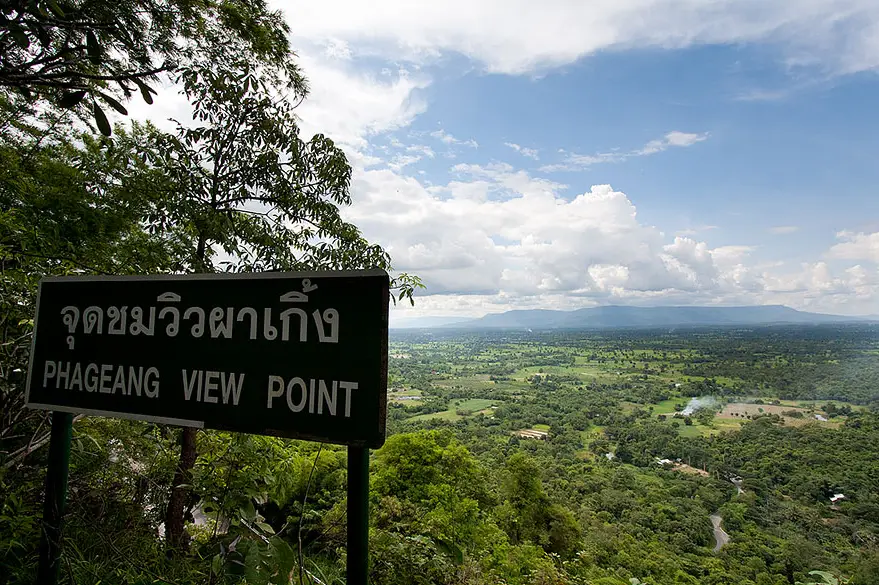
Open Days: Daily
Opening Hours: 08.00 – 16.00
Small Houses in the Big Forest Project, Pha Nang-Pha Koeng, Loei Province is a nature-based royal initiative learning site located at Ban Pha Nang, Village No. 5, Pha In Plaeng Subdistrict, Erawan District, Loei Province. The project combines forest conservation, community livelihoods, agricultural learning, silk weaving, local handicrafts, mushroom cultivation, outdoor recreation, and community-based tourism in one peaceful mountain setting. It is suitable for travelers who want to experience a quieter side of Loei while learning how people and forests can live together in a balanced way.
The project was developed under the royal initiative of Her Majesty Queen Sirikit The Queen Mother, with the aim of helping people who lacked secure farmland and stable occupations. Rather than separating local residents from the forest, the project follows the idea of allowing people to live responsibly within a forest environment. Residents are supported with housing, farmland, occupational training, and practical skills, while also taking part in forest protection and environmental care. This makes the site an important example of rural development that connects livelihood security with natural resource conservation.
The landscape around Pha Nang-Pha Koeng is shaped by hills, forested areas, agricultural plots, community homes, and learning zones. Loei Province is known for its mountainous terrain, cooler air, and strong rural character. When visitors enter the project area, they can see how houses, forests, farming areas, craft spaces, mushroom cultivation buildings, and local activity zones exist together. The atmosphere is simple, calm, and closely connected with the rhythm of village life, making the project feel very different from heavily commercialized tourist attractions.
The project covers a large area that includes community land, forest land, agricultural areas, occupational learning spaces, and visitor facilities. Local families in the project have been allocated farmland so they can build stable livelihoods. This approach helps reduce pressure on forest resources because residents can earn income from defined occupations rather than relying on forest encroachment or shifting cultivation. At the same time, they receive training in royal craft work, agriculture, local product development, and forest-friendly occupations.
One of the most meaningful features of the project is its occupational development work. Visitors can learn about silk weaving, mulberry cultivation, silkworm raising, handicraft production, basketry, and household items made from bamboo, teak wood, coconut shell, and other local materials. These crafts represent local wisdom and practical rural skills. Silk weaving, in particular, requires patience and detailed knowledge, from growing mulberry leaves and raising silkworms to producing silk yarn, dyeing, and weaving fabric. The finished products are not only souvenirs but also the result of time, skill, and community effort.
The mushroom cultivation area is another highlight. The project includes mushroom houses for reishi mushrooms, shiitake mushrooms, and oyster mushrooms. Each type has its own value and cultivation method. Reishi mushrooms are widely known in Thailand as medicinal mushrooms, shiitake mushrooms are valued for cooking, and oyster mushrooms are versatile ingredients that can support local income. The mushroom houses allow visitors to see how agricultural learning can be turned into practical household and community income, even without relying on very large plots of land.
Products from the project’s occupational groups are available for visitors to purchase. These may include silk textiles, woven items, bamboo products, wood-based kitchenware, handicrafts, and agricultural products from local groups. Buying directly from the community is one of the most meaningful ways to support the project, because income returns to the people who produce the goods. For travelers, these products are more than ordinary souvenirs; they carry the story of royal development work, local craftsmanship, and community self-reliance.
The project is also designed for slow and relaxed travel. Visitors can walk around the area, enjoy mountain views, observe farming zones, visit mushroom cultivation areas, see local crafts, and rest in the natural surroundings. The scenery is especially pleasant in the morning, when the air is cooler and the light is soft. Late afternoon is also a good time for relaxed walking and photography. Travelers who enjoy rural landscapes will find the area suitable for quiet observation, nature photography, and learning about village life.
In addition to occupational learning, Small Houses in the Big Forest, Pha Nang-Pha Koeng, offers a range of recreational activities. Visitors can enjoy fishing, cycling around the project area, feeding animals, viewing the surrounding scenery, and spending time in a peaceful natural environment. These activities make the site suitable for families, students, study groups, and travelers who prefer community-based and nature-based experiences. Children can enjoy animal feeding and open-air activities, while adults can appreciate the project’s deeper story and its role in improving rural livelihoods.
The animal-feeding activity is particularly suitable for families with children because it allows young visitors to interact with animals in a gentle and educational setting. Fishing and cycling add simple outdoor experiences that match the quiet character of the project. The combination of crafts, agriculture, nature, and recreation makes the site suitable for a half-day or full-day visit, depending on how deeply visitors want to explore the area and learn from the community.
The project also provides accommodation for visitors, making it possible to stay overnight and experience the area in the evening and early morning. Staying within or near the project offers a different feeling from staying in a city hotel. Visitors can enjoy a slower rhythm, fresh air, and closer contact with the local environment. Those who plan to stay should contact the relevant local area or responsible agencies in advance to confirm room availability and current service arrangements.
As a learning destination, the project is highly suitable for groups interested in community development, natural resource management, integrated agriculture, handicrafts, and community-based tourism. It shows how several issues can be addressed together: poverty, lack of farmland, pressure on forests, and limited income opportunities. Rather than viewing forest conservation and local livelihoods as separate concerns, the project brings them together. Residents become both beneficiaries of development and caretakers of the forest environment.
The name “Small Houses in the Big Forest” expresses the heart of the project. It suggests a picture of modest homes existing within a large forest, not as intruders, but as responsible parts of the landscape. This idea is especially important in mountainous areas where communities often depend on forests for their daily lives. Without proper management, forests can become degraded and communities can lose the very resources they rely on. This project offers a model where people gain secure livelihoods while helping to conserve the land around them.
The names Pha Nang and Pha Koeng add a strong sense of place. In Thai, the word “pha” often refers to a cliff, rocky hill, or elevated landscape. Together, Pha Nang-Pha Koeng gives the project a distinctive identity rooted in local geography. Travelers visiting the area therefore encounter not only a development project but also the natural setting that shapes the community’s character.
Visitors should travel respectfully when exploring the project. It is important to walk only in areas open to visitors, avoid disturbing homes or workspaces, keep the area clean, and ask permission before taking close-up photographs of residents or craft processes. Respectful travel helps preserve the balance between tourism and everyday community life. It also allows visitors to gain a more meaningful understanding of the people and the purpose behind the project.
The best times to visit are morning and late afternoon, when the weather is more comfortable and the light is suitable for photography. The cool season and the transition from rainy season to winter are especially pleasant in Loei. During the rainy season, the landscape becomes green and fresh, but visitors should prepare appropriate footwear and take extra care on wet paths or community roads.
Getting There is most convenient by private car, rental car, or motorcycle. From Loei city, take the Loei-Wang Saphung route for about 20 km, then turn left toward Erawan District for about 31 km. Continue until reaching Ban Wang Samran School, then turn left and proceed for another 1.5 km to the project area. First-time visitors should use a navigation map and pay attention to local signs. Asking local residents for directions can also be helpful.
From Loei city, the route can be completed as a day trip, especially if visitors leave in the morning. Travelers may visit the project, then continue to nearby cafes, restaurants, religious sites, or local attractions in Erawan District and nearby areas. Those who prefer a slower trip can stay in Erawan District, Wang Saphung District, or Loei city depending on their itinerary and comfort.
Nearby places that can be combined with the visit include Pha Nang Cafe & Water Park, Wat Pa Phuttha Tham Pha Bong, Wat Tham Pha Sawan, Wat Tham Erawan, and Poonchap Farm. This makes the area suitable for a travel route that includes nature, local food, agricultural learning, community products, and religious sites. Travelers with more time can extend the route toward Wang Saphung or Loei city.
Visitors interested in community products should carry some cash, as not every local sales point may support digital payment. Purchasing silk textiles, woven goods, bamboo items, wood-based products, or agricultural products directly from the community supports local income and gives travelers meaningful souvenirs. For group visits or bulk purchases, contacting the area in advance is recommended so the community can prepare suitable activities and services.
Useful items to bring include comfortable walking shoes, a hat, drinking water, a camera, a light jacket during the cool season, and a reusable bag for community products. Visitors who plan to cycle or explore outdoor areas should wear comfortable clothing. Families with children should supervise them during animal-feeding, fishing, or activities near water. With good preparation, visitors can enjoy the project safely and gain a deeper appreciation of its meaning.
Small Houses in the Big Forest, Pha Nang-Pha Koeng, is valuable in many dimensions: nature, royal initiative history, community occupations, forest conservation, and educational tourism. It shows that community development does not have to come at the cost of nature. With careful land management, people can live with forests, earn income through suitable occupations, and help protect the resources that support their lives. For travelers seeking more than a quick photo stop, this project offers a meaningful way to understand Loei Province through its people, forest, and living wisdom.
| Name | Small Houses in the Big Forest Project, Pha Nang-Pha Koeng |
| Location | Ban Pha Nang, Village No. 5, Pha In Plaeng Subdistrict, Erawan District, Loei Province |
| Address | Ban Pha Nang, Village No. 5, Pha In Plaeng Subdistrict, Erawan District, Loei 42220, Thailand |
| Coordinates / Area Code | 8XQQ+FQ3 Ban Pha Nang, Pha In Plaeng Subdistrict, Erawan District, Loei 42220 |
| Highlights | Royal initiative learning site, Pha Nang-Pha Koeng scenery, silk weaving, handicrafts, bamboo and teak kitchenware, mushroom houses, fishing, cycling, animal feeding, viewpoints, and accommodation for visitors. |
| History | A royal initiative project of Her Majesty Queen Sirikit The Queen Mother, designed to help local people live with the forest, develop occupations, reduce forest destruction, and improve rural livelihoods. The project area expanded to around 500 rai. |
| Name Origin | The name Small Houses in the Big Forest reflects the idea of allowing local residents to live responsibly within a forest environment, while Pha Nang-Pha Koeng refers to important local landscape names. |
| Distinctive Features | A combined space for nature, community life, royal craft work, agriculture, handicrafts, mushroom cultivation, and educational tourism. |
| Travel Information | Take the Loei-Wang Saphung route for about 20 km, then turn left toward Erawan District for about 31 km. At Ban Wang Samran School, turn left and continue about 1.5 km to the project. |
| Current Status | Open as a nature attraction, occupational learning site, community product area, and educational tourism destination. |
| Open Days | Daily |
| Opening Hours | 08.00 – 16.00 |
| Facilities | Rest areas, activity zones, viewpoints, occupational learning areas, mushroom houses, community product areas, fishing, cycling, animal-feeding activities, and visitor accommodation. |
| Main Areas / Zones | Silk weaving and royal craft zone Bamboo, teak, and local material handicraft zone Reishi, shiitake, and oyster mushroom cultivation zone Fishing and animal-feeding activity zone Cycling and viewpoint zone Accommodation and rest area |
| Caretaker / Responsible Agencies | A royal initiative project supported by several government and local agencies. |
| Local Authority Information | Pha In Plaeng Subdistrict Municipality, Tel. 042-870-416 |
| Nearby Tourist Attractions | 1. Pha Nang Cafe & Water Park, about 2 km 2. Wat Pa Phuttha Tham Pha Bong, about 12 km 3. Wat Tham Pha Sawan, about 15 km 4. Wat Tham Erawan, about 18 km 5. Poonchap Farm, about 22 km 6. Wang Saphung District Area, about 50 km |
| Nearby Restaurants | 1. Phanang Cafe' & Water Park, about 2 km, Tel. 062-8965524 2. Choeng Khao Coffee, about 12 km, Tel. 089-3958153 3. Wan Wela Cafe, about 14 km, Tel. 062-2945932 4. Poonchap Farm, about 22 km, Tel. 086-0080874 5. Local Thai Food, Larb, Tom Saep, Som Tam and Made-To-Order Food, Sap Phaiwan Subdistrict, about 23 km |
| Nearby Accommodations | 1. Erawan Resort Hotel, about 14 km, Tel. 086-8764667 2. The Cozy Hotel Wang Saphung, about 50 km, Tel. 042-870565, 095-6548965 3. Suan Lamyai Resort, about 50 km, Tel. 081-8375458 4. OuabIm Resort, about 55 km 5. Loei Palace Hotel, about 70 km 6. Loei Village Hotel, about 70 km |
Frequently Asked Questions (FAQ)
Q: Where is Small Houses in the Big Forest, Pha Nang-Pha Koeng located?
A: It is located at Ban Pha Nang, Village No. 5, Pha In Plaeng Subdistrict, Erawan District, Loei Province.
Q: Why is this project important?
A: It is a royal initiative project that helps local residents develop stable occupations, live with the forest, and participate in forest conservation.
Q: What can visitors do inside the project?
A: Visitors can see silk weaving, handicrafts, mushroom houses, community products, fishing areas, cycling routes, animal-feeding activities, viewpoints, and natural surroundings.
Q: What are the opening hours?
A: The project is open daily from 08.00 to 16.00.
Q: How can travelers get there?
A: From Loei, take the Loei-Wang Saphung route for about 20 km, turn left toward Erawan District for about 31 km, then turn left at Ban Wang Samran School and continue about 1.5 km.
Q: Is accommodation available inside the project?
A: Accommodation is available within the project area, and travelers may also stay in Erawan District, Wang Saphung District, or Loei city depending on their travel plan.
Q: Who is this destination suitable for?
A: It is suitable for families, study groups, students, nature lovers, cultural travelers, and visitors interested in community-based tourism, agriculture, handicrafts, and forest conservation.
Q: What should visitors prepare before going?
A: Comfortable walking shoes, a hat, drinking water, a camera, cash for community products, and respectful behavior toward local residents and working areas are recommended.
Tel : 042812290
 Tel : 042812290
 Category: ●Research and Development
 Group: ●Royal Project
Last Update : 2 MonthAgo
 Last Update : 2 MonthAgo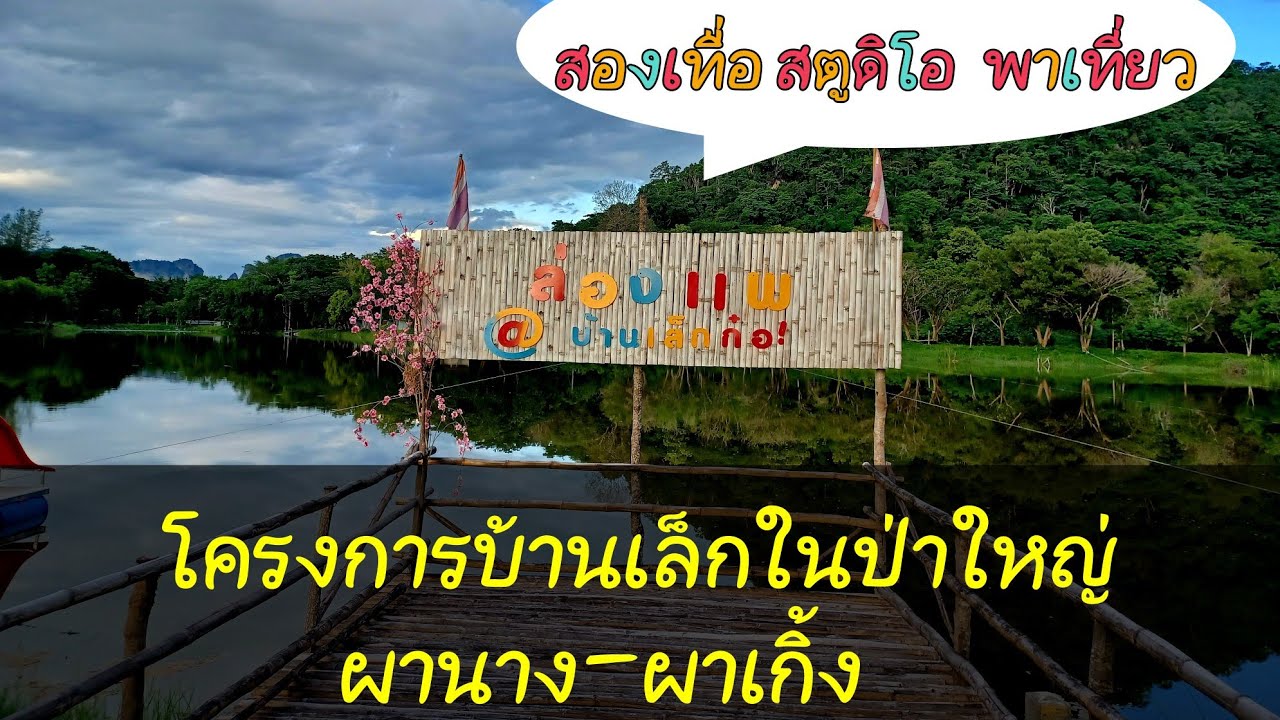
 Click to Access the Navigation Map GPS
Ban Lek Nai Pa Yai Project (Pha Nang-Pha Koeng) Map
Recommend

 Art, Culture and Heritage
 Historical Sites and Monuments(2)
 Landmarks and Memorials(3)
 Art, Craft Centres, Tradition(2)
 Museums(4)
 Art Gallery(1)
 Educational Places
 Educational Gardens, Farm(2)
 Places of Worship
 Temple(16)
 Other Sacred Sites(8)
Royal Project(3)
Other Sacred Sites(8)
Royal Project(3)
 Suburban Living
 Village, Community(3)
 Local Market(1)
 Nature and Wildlife
 National Parks and Marine Reserves(5)
 Mountain (Doi)(10)
 Dam, Reservoir, Lake(7)
 Waterfalls(21)
 Caves(3)
 River, Canal(5)
 Bays and Beaches(1)
 Other natural attractions(1)
 Entertainment and Agricultural
 Farms, Parks and Ecotourism(8)
 Waterpark(1)
 Outdoor and Adventure Activities(2)


