
lovethailand home >Northeastern Travel Attractions >Loei Travel Attractions >Nong Hin >Puan Phu > Suan Hin Pha Ngam Park
TL;DR: Suan Hin Pha Ngam Park is located at Ban Pha Ngam, Moo 10, Puan Phu Subdistrict, Nong Hin District, Loei Province, Thailand, open Daily, hours 08.00 – 16.00.

Suan Hin Pha Ngam Park
Open Days: Daily
Opening Hours: 08.00 – 16.00
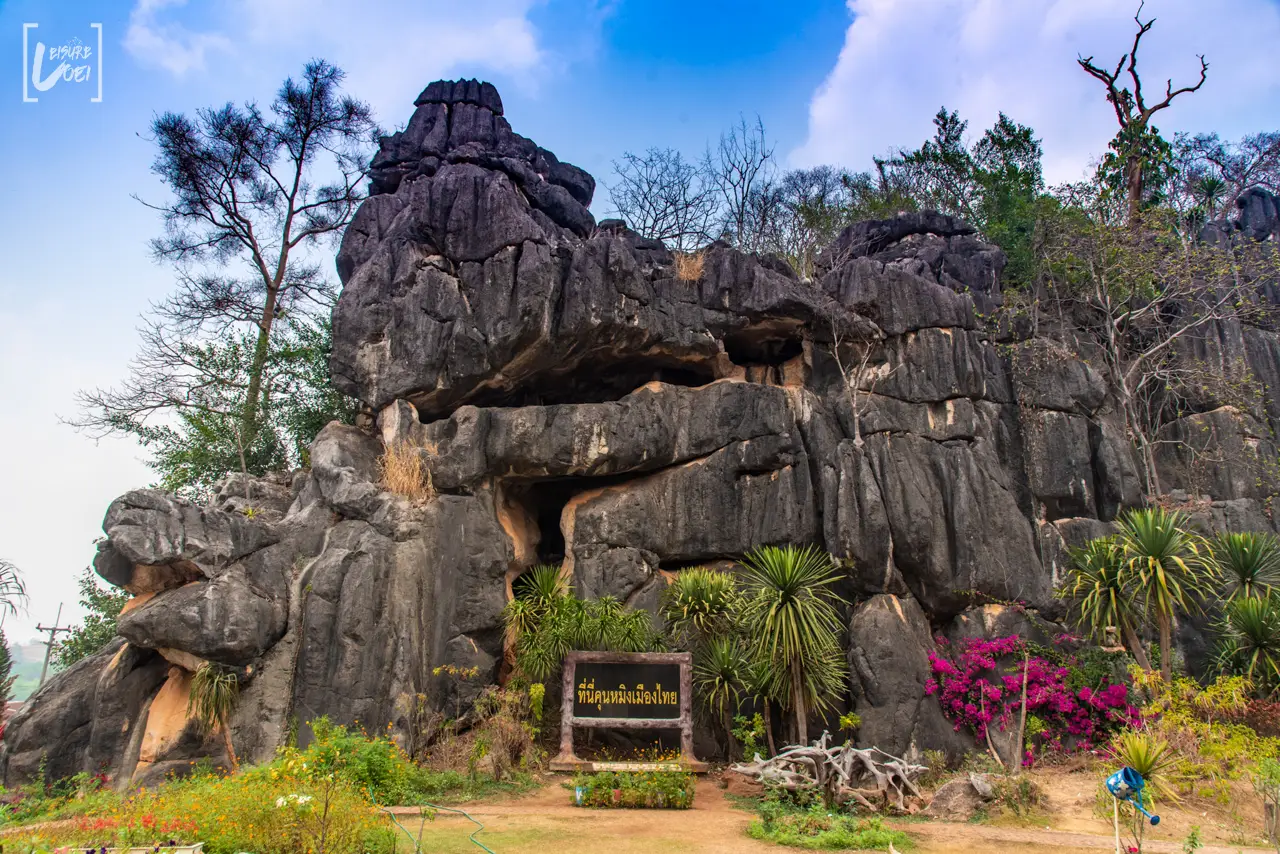
Suan Hin Pha Ngam in Loei Province, widely known as the “Kunming of Thailand” or “Kunming of Loei,” is a remarkable limestone rock garden in Ban Pha Ngam, Puan Phu Subdistrict, Nong Hin District. The area features small and large limestone formations scattered across a broad natural landscape, with maze-like walking routes, rock tunnels, narrow passages, viewpoints, rare plants, a visitor center, local guides, tractor-style community transport, food services, restrooms, and camping space. It is one of the best destinations in Loei for travelers who enjoy geology, nature, light adventure, photography, and community-based tourism.
Suan Hin Pha Ngam in Loei Province is one of Nong Hin District’s most distinctive natural attractions. The destination is also called the “Kunming of Thailand” because of its dramatic limestone formations, which resemble a natural stone forest. Large and small limestone hills rise from the green landscape, creating an extraordinary scene of cliffs, arches, narrow passages, stone corridors, and rocky chambers. The contrast between grey limestone, green vegetation, open sky, and rural surroundings gives Suan Hin Pha Ngam a landscape identity unlike ordinary mountain destinations in Thailand.
The rock garden is located at Ban Pha Ngam, Moo 10, Puan Phu Subdistrict, Nong Hin District, Loei Province, about 18 kilometers from Nong Hin town. The journey into the site is part of the experience. Travelers pass through local roads, farming areas, villages, and rural scenery before arriving at the visitor center. This visitor center is the correct starting point for contacting staff, arranging a local guide, checking service fees, and using the tractor-style community vehicle before entering the rock garden route.
The main highlight of Suan Hin Pha Ngam is its natural limestone landscape. The area contains many limestone hills and rock formations scattered across a wide terrain. Some rocks form narrow gateways, some rise like towers, some resemble animals or ancient structures, and some can be walked through like natural tunnels. Many formations have been given names based on their appearance, such as Dinosaur Rock, Stone Pagoda, Mekong Arch, Chinese Wall, Crown Rock, Natural Photo Frame, Orathai Cave, Despair Cliff, Stone Labyrinth, and other locally named features. These names make the walk more engaging because visitors can use imagination while observing nature.
Geologically, Suan Hin Pha Ngam is an important limestone landscape shaped by time, erosion, weathering, water, temperature changes, and natural geological processes. Over a very long period, the limestone mass was broken, dissolved, and sculpted into cliffs, stone pillars, hollows, crevices, tunnels, and layered rock walls. This is why the walking route feels like a natural maze. The terrain is beautiful but also complex, so visitors should stay on the prepared route and enter with a local guide. The guide helps prevent visitors from getting lost and also explains the names and characteristics of the major rock formations.
The nickname “Kunming of Thailand” comes from the visual similarity between this limestone rock garden and the famous stone forest landscape associated with Kunming in China. Suan Hin Pha Ngam is not a copy of that place; it has its own identity rooted in Loei’s local geography and community. Its charm comes from the combination of limestone geology, tropical vegetation, adventurous walking passages, local storytelling, community guides, and the rural atmosphere of Nong Hin District.
A visit should begin at the visitor center. This is where travelers receive information about the route, service fees, local guides, tractor transport, and visitor guidelines. Entering with a guide is strongly recommended because the route is winding and includes narrow stone passages, uneven ground, small climbs, and areas that may be confusing for first-time visitors. The guide also turns the walk into a learning experience by pointing out the most important rocks, the safest way through the trail, and the stories behind different formations.
There are two main ways to experience Suan Hin Pha Ngam: using the local tractor-style vehicle and walking along the nature trail. The tractor service is convenient for reaching key areas and is especially useful for groups, families, or visitors who want to conserve energy. The walking route offers a closer encounter with the limestone formations, rock crevices, shaded passages, rare plants, and the atmosphere of the stone garden. Both options are part of the local tourism system and help support the surrounding community.
The walking route has an adventurous character. Some sections require visitors to move through narrow rock corridors, bend under stone passages, step over uneven surfaces, or walk carefully between rock walls. This is not an extreme trekking route, but it is more challenging than a typical garden walk. Visitors should wear practical shoes, avoid carrying large bags, and follow the guide’s instructions. Running, climbing outside the safe route, or leaving the group is not recommended.
The vegetation inside the rock garden is another reason the area is valuable. Limestone terrain often supports plants adapted to shallow soil, rocky surfaces, heat, and limited moisture. One of the most notable plants found in the area is the mountain cycad, an ancient-looking plant often associated with limestone and prehistoric landscapes. These plants add character to the stone garden and should be observed without touching, cutting, stepping on, or removing anything from the area.
Each named rock formation adds a different rhythm to the visit. Dinosaur Rock evokes the image of an ancient creature. Stone Pagoda resembles a natural spire. Mekong Arch and other stone gateways create dramatic passages through the rocks. The Chinese Wall suggests a long line of connected limestone. The Natural Photo Frame is a favorite spot for photography because the rock opening creates a ready-made composition. These features give visitors many opportunities to stop, observe, photograph, and appreciate the natural creativity of the limestone landscape.
Despair Cliff and the Stone Labyrinth are good examples of the more adventurous parts of the park. Their names reflect the challenge and complexity of the route. The trail may feel winding, enclosed, and surprising, with stone walls changing direction and creating a sense of discovery. This is the reason a local guide is important. The guide controls the pace, keeps the group together, and helps visitors move safely through the most confusing sections.
Suan Sawan, or the heavenly garden viewpoint, is another important area. From this higher point, visitors can see the broader arrangement of limestone hills, forest patches, and the surrounding countryside. The view from above is different from the feeling of walking inside the maze. It helps travelers understand the scale and structure of the rock garden. This viewpoint is also a good place for photography and a short rest after walking through the stone passages.
Nearby natural attractions make Suan Hin Pha Ngam suitable for a half-day or full-day route. Suan Hom Waterfall is close to the rock garden and offers a shaded natural setting. Phiang Din Waterfall is another local waterfall associated with Nong Hin District. Phu Pa Po, also known as the “Fuji of Loei,” is nearby and offers wide views of Phu Ho and the surrounding countryside. Combining these places gives visitors a stronger sense of Nong Hin’s landscape: limestone rocks, waterfalls, viewpoints, rural roads, and community tourism.
Suan Hin Pha Ngam is suitable for several types of travelers, including families, students, photographers, nature lovers, local culture travelers, and visitors who enjoy light adventure. However, everyone should take safety seriously. The area has sharp rocks, uneven ground, narrow paths, and sections where visitors may need to step carefully or use hands for balance. Children should be supervised closely. Visitors should not climb outside the designated route, walk alone, or enter the trail after operating hours.
The best time to visit is from morning to early afternoon. Morning is cooler and more comfortable for walking, while afternoon light can create strong contrasts on the limestone. During the rainy season, the landscape becomes greener, but the ground and rocks can be slippery. During the cool season, the weather is more pleasant and the trail is easier to enjoy. During the hot season, visitors should bring enough drinking water, wear a hat, and avoid walking under strong midday sun for too long.
Traveling from Loei town to Suan Hin Pha Ngam is most convenient by private car. Follow Highway 201 toward Nong Hin District, then continue toward Puan Phu Subdistrict and Ban Pha Ngam. The final section uses local roads, with signs leading toward Suan Hin Pha Ngam and Phu Pa Po. A private vehicle also makes it easier to continue to nearby attractions in the same route. Groups should contact the visitor center in advance, especially during holidays, to arrange guides and local transport.
Getting There from Nong Hin town, drive toward Puan Phu Subdistrict and Ban Pha Ngam for about 18 kilometers. On arrival, contact the visitor center before entering the rock garden route. Visitors can use the local tractor-style vehicle to reach the starting area or walk the nature trail with a guide. The guide is an important part of the experience because the route includes stone corridors, crevices, tunnels, and maze-like sections that require local knowledge.
The service fee is structured around local guiding and community transport. The guide fee is 100 baht per group of up to 10 visitors, and the round-trip tractor-style vehicle fee is 30 baht per person. These fees help support the local tourism system, including guides, drivers, site maintenance, and community services. Using local services is therefore not only convenient but also part of responsible community-based tourism.
Facilities at Suan Hin Pha Ngam are appropriate for a natural attraction. The area includes a visitor center, local guides, tractor-style transport, restrooms, food services in the rock garden area, camping space, and parking. These facilities help make the site accessible without turning it into an overly commercial destination. Visitors should use the facilities responsibly and keep the natural trail clean.
The visitor center is the best source of practical information on the day of travel. Visitors can ask about route conditions, tractor rounds, guide availability, weather, safety rules, and suitable visiting times. During long holidays or high season, waiting times may be longer, so travelers should allow extra time. Anyone who enjoys slow photography or detailed nature observation should plan at least half a day for the visit.
The atmosphere changes by season. The rainy season brings rich greenery but requires extra caution on slippery surfaces. The cool season is the most comfortable period for walking. The hot season offers clear light and strong rock textures, but midday heat can be tiring. For the best photographs, morning or late afternoon light works well because it creates shadows, depth, and texture on the limestone formations.
For photographers, Suan Hin Pha Ngam offers a wide range of subjects: limestone towers, natural arches, stone tunnels, narrow passages, ancient plants, shaded corridors, and panoramic viewpoints. The most effective images often include people for scale, showing how large the rock formations are. Photography should be done safely, without stepping on plants, climbing unsafe rocks, blocking narrow paths, or delaying the group unnecessarily.
Suan Hin Pha Ngam is also a valuable outdoor classroom. It illustrates limestone geography, erosion, cave-like passages, ecological adaptation, community tourism, and local conservation in one place. Students and curious travelers can learn how natural forces shape landforms over time and how local communities transform a natural landscape into a managed tourism experience without removing its essential character.
From a community perspective, Suan Hin Pha Ngam is more than a tourist attraction. It creates income for local guides, tractor drivers, food vendors, local shops, accommodations, and nearby services. When visitors pay for guide and transport services, buy food locally, and stay in the area, they support the community economy. This makes conservation more meaningful because the natural landscape becomes a source of shared value for local people.
Responsible travel is essential here. Visitors can enjoy crawling through rock passages, walking between limestone walls, and taking photographs with unusual formations, but they should never write on rocks, remove plants, take stones, leave trash, or make unnecessary noise. A landscape shaped over millions of years can be damaged by careless behavior in minutes. Protecting the site ensures that future visitors can experience the same natural wonder.
A half-day route can begin with the visitor center, guide arrangement, the tractor service, and the main rock garden walk, followed by lunch near the site and a short visit to Suan Hom Waterfall or Phiang Din Waterfall. A full-day route can add Phu Pa Po in the afternoon for a panoramic view of Phu Ho, the famous Fuji-like mountain of Loei. This combination gives travelers a complete experience of Nong Hin’s limestone, waterfalls, viewpoints, and community-based tourism.
International visitors will find Suan Hin Pha Ngam especially interesting because it shows a lesser-known side of Thailand. It is not a beach, a major temple, or an old town. It is a limestone landscape shaped by nature and cared for by a local community. The use of local tractor vehicles, community guides, rural roads, and natural trails gives the visit a very local character that many foreign travelers do not expect from Loei Province.
Staying overnight in Nong Hin District is useful for travelers who want to explore at a slower pace. Local accommodations include resorts, homestays, and small guesthouses. Because Nong Hin is not a major hotel town, travelers should call ahead before visiting, especially during weekends or long holidays. Staying nearby makes it easier to visit Suan Hin Pha Ngam in the morning and continue to Phu Pa Po, waterfalls, and other local attractions without rushing.
Restaurants around Suan Hin Pha Ngam include local eateries, coffee shops, and food services near the visitor area and in Nong Hin town. The closest restaurants are convenient after walking the rock trail, while restaurants in Nong Hin town are useful before continuing to other destinations or returning to Loei. Travelers should check opening hours before visiting because some local businesses may adjust their hours according to season and visitor numbers.
Suan Hin Pha Ngam captures the essence of Nong Hin District: limestone mountains, natural beauty, adventure trails, ancient plants, waterfalls, tractor rides, local guides, and a peaceful rural atmosphere. It is not merely a photo stop. It is a place where each step reveals rock textures, shadows, narrow passages, named formations, and local stories. Travelers who appreciate nature and geology will find it one of Loei’s most memorable destinations.
A meaningful visit should not be rushed. Start at the visitor center, listen to the guide, enter the stone garden carefully, enjoy the major formations, use local transport, eat at nearby community restaurants, and continue to Phu Pa Po or waterfalls if time allows. With this approach, Suan Hin Pha Ngam becomes more than the “Kunming of Thailand.” It becomes a living landscape of geology, time, and community care in Nong Hin District, Loei Province.
| Name | Suan Hin Pha Ngam / Kunming Of Thailand / Kunming Of Loei |
| Location | Ban Pha Ngam, Moo 10, Puan Phu Subdistrict, Nong Hin District, Loei Province, Thailand |
| Address | Ban Pha Ngam, Moo 10, Puan Phu Subdistrict, Nong Hin District, Loei 42190, Thailand |
| Coordinates | 17.050506, 101.743228 or search Google Maps for: Suan Hin Pha Ngam Kunming Of Loei |
| Highlights | Large and small limestone formations, maze-like walking routes, rock tunnels, natural arches, viewpoints, and rare plants such as mountain cycads |
| History / Name Origin | The site is nicknamed the “Kunming Of Thailand” because its limestone formations resemble a natural stone forest |
| Distinctive Features | A natural limestone rock garden with complex walking routes, narrow passages, rock crevices, and formations that visitors can walk through in some sections |
| Travel Information | From Nong Hin town, travel toward Puan Phu Subdistrict and Ban Pha Ngam for about 18 km. Contact the visitor center before entering the rock garden route. |
| Current Status | Open as a natural and geological attraction in Nong Hin District, Loei Province |
| Open Days | Daily |
| Opening Hours | 08.00 – 16.00 |
| Entrance / Service Fees | Local guide fee 100 baht per group of up to 10 visitors; round-trip tractor-style vehicle 30 baht per person |
| Facilities | Visitor center, local guides, tractor-style vehicles, restrooms, food services in the rock garden area, camping area, and parking |
| Main Areas / Zones | 1. Visitor Center 2. Tractor Vehicle Boarding Area 3. Nature Study Trail 4. Limestone Maze Area 5. Dinosaur Rock 6. Salutation Arch 7. Orathai Cave 8. Despair Cliff 9. Stone Pagoda 10. Mekong Arch 11. Natural Photo Frame 12. Chinese Wall 13. Suan Sawan Viewpoint |
| Caretaker | Puan Phu Subdistrict Administrative Organization, Nong Hin District, Loei Province, together with local staff and the community tourism group |
| Main Contact Number | Puan Phu Subdistrict Administrative Organization Tel. 0-4289-4254 / Suan Hin Pha Ngam Visitor Center Tel. 090-592-0567 |
| Visitor Guidelines | Contact the visitor center before entering, use a local guide, stay on the prepared route, do not climb unsafe rocks, do not write on stones, do not remove plants or rocks, and take all trash back out |
| Nearby Tourist Attractions | 1. Suan Hom Waterfall, about 1 km 2. Phiang Din Waterfall, about 5 km 3. Phu Pa Po / Fuji Of Loei, about 4 km 4. Ban Pha Wai, about 5 km 5. Wat Tham Phothisat, about 18 km 6. Nong Hin Town / Nong Hin Market, about 18 km 7. Phu Kradueng National Park, about 35 km 8. Erawan Cave, Nong Bua Lamphu Province, about 45 km |
| Nearby Restaurants | 1. Ban Phi Nong Restaurant Kunming Fresh Coffee, about 0.2 km, Tel. 089-598-6917 2. Larb Yasothon Suan Hin Pha Ngam, about 0.5 km, Tel. 091-793-0420 3. Chitangme Home Cafe, Nong Hin District, about 18 km, Tel. 093-357-0060 4. Green Space Loei, about 35 km, Tel. 098-605-2636 5. Krua Mae Mot, Highway 201, about 35 km, Tel. 042-874-205 6. Local Food Stalls Around The Visitor Center, about 0 km |
| Nearby Accommodations | 1. Phu Pha Fai Resort & Homestay Kunming Mueang Loei, about 2 km, Tel. 096-659-5713 2. Maan Mek Talay Mok Resort, about 4 km, Tel. 089-992-0300 3. Smile Box Coffee & Resort, about 18 km, Tel. 062-859-6941 4. Panida Goodwill, about 19 km, Tel. 083-328-8474, 098-605-2579, 081-057-1292 5. Suan Sawan Resort Nong Hin, about 20 km, Tel. 089-710-8559 6. Sister Resort, Nong Hin District, about 18 km |
Frequently Asked Questions (FAQ)
Q: Where is Suan Hin Pha Ngam located?
A: Suan Hin Pha Ngam is located at Ban Pha Ngam, Moo 10, Puan Phu Subdistrict, Nong Hin District, Loei Province, about 18 kilometers from Nong Hin town.
Q: Why is Suan Hin Pha Ngam called the Kunming Of Thailand?
A: It is called the Kunming Of Thailand because the area contains many unusual limestone formations that resemble a natural stone forest.
Q: What are the opening hours of Suan Hin Pha Ngam?
A: Suan Hin Pha Ngam opens daily from 08.00 to 16.00. Visitors should contact the visitor center before entering the trail.
Q: How much are the service fees?
A: The local guide fee is 100 baht per group of up to 10 visitors, and the round-trip tractor-style vehicle fee is 30 baht per person.
Q: Is a local guide required?
A: A local guide is strongly recommended because the route includes maze-like stone passages, narrow crevices, tunnels, uneven surfaces, and several areas that can be confusing for first-time visitors.
Q: Is Suan Hin Pha Ngam suitable for families?
A: Yes, it is suitable for families who enjoy nature and light adventure. Children should be supervised closely, especially in narrow passages, on uneven rocks, and in sections where visitors must bend or step through rock openings.
Q: What nearby places can be visited on the same trip?
A: Nearby attractions include Suan Hom Waterfall, Phiang Din Waterfall, Phu Pa Po, Ban Pha Wai, Wat Tham Phothisat, Nong Hin Market, Phu Kradueng National Park, and Erawan Cave.
Q: What should visitors prepare before going to Suan Hin Pha Ngam?
A: Wear comfortable walking shoes, bring drinking water, a hat, a camera, and a bag for carrying trash back out. Follow the local guide, stay on the route, and avoid visiting the trail during heavy rain.
 Category: ●Nature and Wildlife
 Group: ●Mountain (Doi)
Last Update : 3 MonthAgo
 Last Update : 3 MonthAgo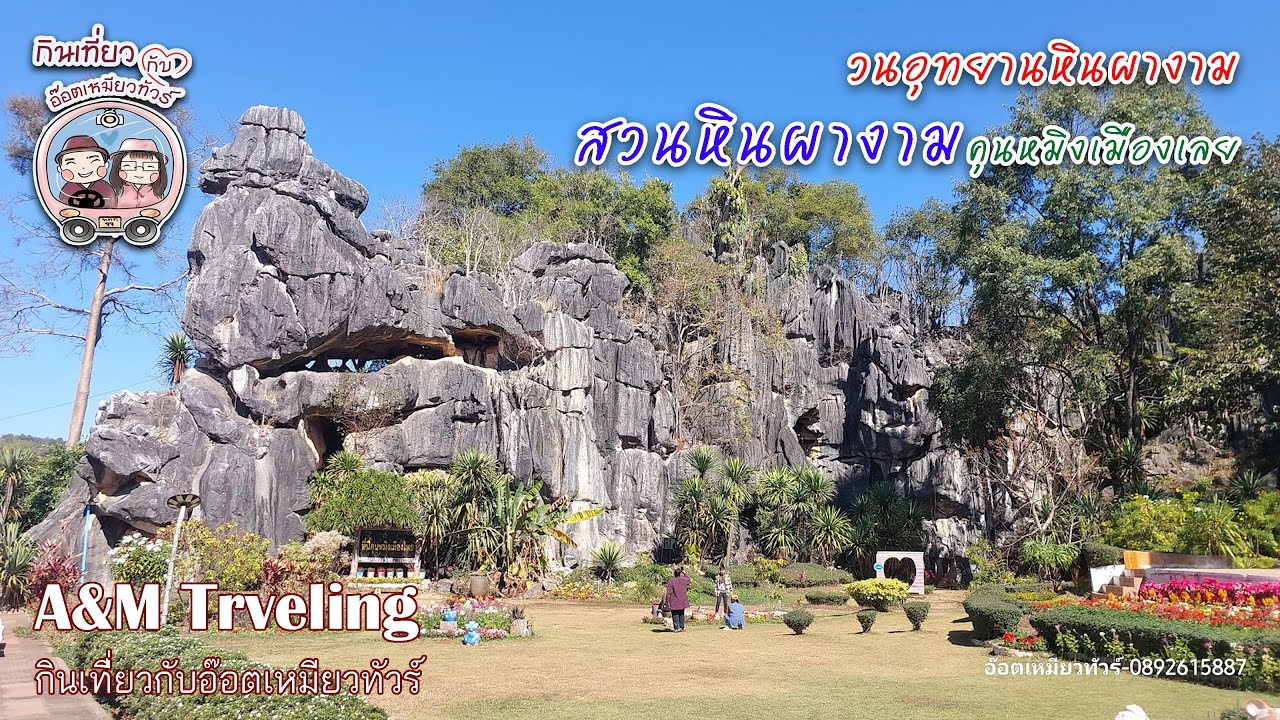
 Click to Access the Navigation Map GPS
Suan Hin Pha Ngam Park Map
Recommend

 Art, Culture and Heritage
 Historical Sites and Monuments(2)
 Landmarks and Memorials(3)
 Art, Craft Centres, Tradition(2)
 Museums(4)
 Art Gallery(1)
 Educational Places
 Educational Gardens, Farm(2)
 Places of Worship
 Temple(16)
 Other Sacred Sites(8)
 Research and Development
 Royal Project(3)
 Suburban Living
 Village, Community(3)
 Local Market(1)
 National Parks and Marine Reserves(5)
Mountain (Doi)(10)
National Parks and Marine Reserves(5)
Mountain (Doi)(10)
 Dam, Reservoir, Lake(7)
 Waterfalls(21)
 Caves(3)
 River, Canal(5)
 Bays and Beaches(1)
 Other natural attractions(1)
 Entertainment and Agricultural
 Farms, Parks and Ecotourism(8)
 Waterpark(1)
 Outdoor and Adventure Activities(2)
 Travel Articles, Recipes
 Travel Review, Food Review(1)


