
lovethailand home >Northeastern Travel Attractions >Loei Travel Attractions >Muang Loei >Na O > Loei City Museum
TL;DR: Loei City Museum is located at Former Mueang Loei District Office Building, Charoen Rat Road, Kut Pong Subdistrict, Mueang Loei District, Loei Province 42000, open Monday – Friday, hours 08.30 – 16.30.
Loei City Museum
Open Days: Monday – Friday
Opening Hours: 08.30 – 16.30
Loei City Museum is one of the most meaningful cultural attractions in Loei Province. It is housed in the former Mueang Loei District Office building on Charoen Rat Road, Kut Pong Subdistrict, Mueang Loei District, Loei Province. The building itself is a registered historic site and an important part of the city’s civic memory. The ground floor is associated with the Tourism Authority of Thailand, Loei Office, while the upper floor serves as a local museum presenting the history, culture, ethnic diversity, traditional wisdom, everyday life, and royal visit memories of Loei. For foreign travelers who want to understand Loei beyond mountains, cool weather, and scenic viewpoints, this museum is one of the best places to begin.
Loei is often remembered as a province of mountains, mist, cool seasons, Phu Kradueng, Chiang Khan, Dan Sai, and the Mekong River. Yet the identity of Loei is much deeper than its natural landscape. The province has long been shaped by geography, borderland connections, local communities, ethnic groups, religious traditions, and cultural exchange along the Mekong basin. Loei City Museum brings these elements together in one accessible place, allowing visitors to see how the province developed from local settlements into a culturally rich border province of northeastern Thailand.
The museum is especially valuable because its building is part of the story. The former district office was built around 1933 and reflects the character of early provincial government architecture. Its calm façade, historic atmosphere, and central location make it more than a simple exhibition venue. It is an old public building that has been given a new role as a space for learning, memory, and heritage conservation. Walking through the museum therefore means experiencing both the displays and the historic structure that once served the city.
The museum presents Loei through a clear narrative. Visitors are introduced to the province as a whole before moving into deeper themes such as archaeology, ethnic groups, local customs, cultural traditions, geology, territory, administration, and royal visits. This structure helps visitors understand that Loei was not shaped by one single factor. It is the result of nature, history, people, faith, borderland movement, and local knowledge. The museum is therefore useful not only for sightseeing but also for building context before traveling further into the province.
The main exhibitions are commonly understood through 3 principal rooms. The first room presents the history of Loei. The second room focuses on important cultural traditions of the province and displays objects used in the daily life of the Tai Loei people in the past. The third room is the royal visit room, displaying royal chairs and stories related to the visits of King Bhumibol Adulyadej and Queen Sirikit to Loei Province. Together, these 3 rooms provide a balanced view of place, people, culture, and memory.
In more detailed terms, the museum content is organized into 7 learning zones. The first zone, Getting to Know Loei, introduces the province’s symbols, identity, and distinctive local features. It serves as the gateway to the rest of the museum and is especially useful for first-time visitors. This opening section helps travelers see that Loei is not only a destination for mountain scenery but also a province with deep cultural roots, symbolic landmarks, and a strong local identity.
The second zone, Looking Back into History, presents archaeological evidence and the long development of human settlement in the Loei area. This section helps visitors understand that the region has a much older history than many travelers may expect. The story of Loei is connected to ancient human activity, local communities, and broader cultural movements in northeastern Thailand and the Mekong region. For anyone interested in the historical layers behind present-day Loei, this zone is particularly important.
The third zone, Ethnic Groups of Loei, explores the diversity of people who have lived in the province. Loei is home to several communities and ethnic identities, including Tai Loei, Tai Dam, Tai Phuan, and people of Vietnamese descent. Their languages, clothing, foodways, beliefs, and traditions give the province a rich human landscape. This section shows that the charm of Loei lies not only in mountains and rivers but also in the people who have preserved their ways of life while adapting to modern society.
The fourth zone, Culture as the Foundation of Loei, focuses on customs, rituals, beliefs, and traditional practices. It connects Loei to the cultural world of the Mekong basin and the concept of Heet Sip Song Khong Sip Si, the traditional cycle of customs and social conduct found in many communities of northeastern Thailand and Laos. This zone helps visitors understand that local festivals are not merely colorful events. They are social systems that connect people with religion, ancestors, nature, seasonal cycles, and community values.
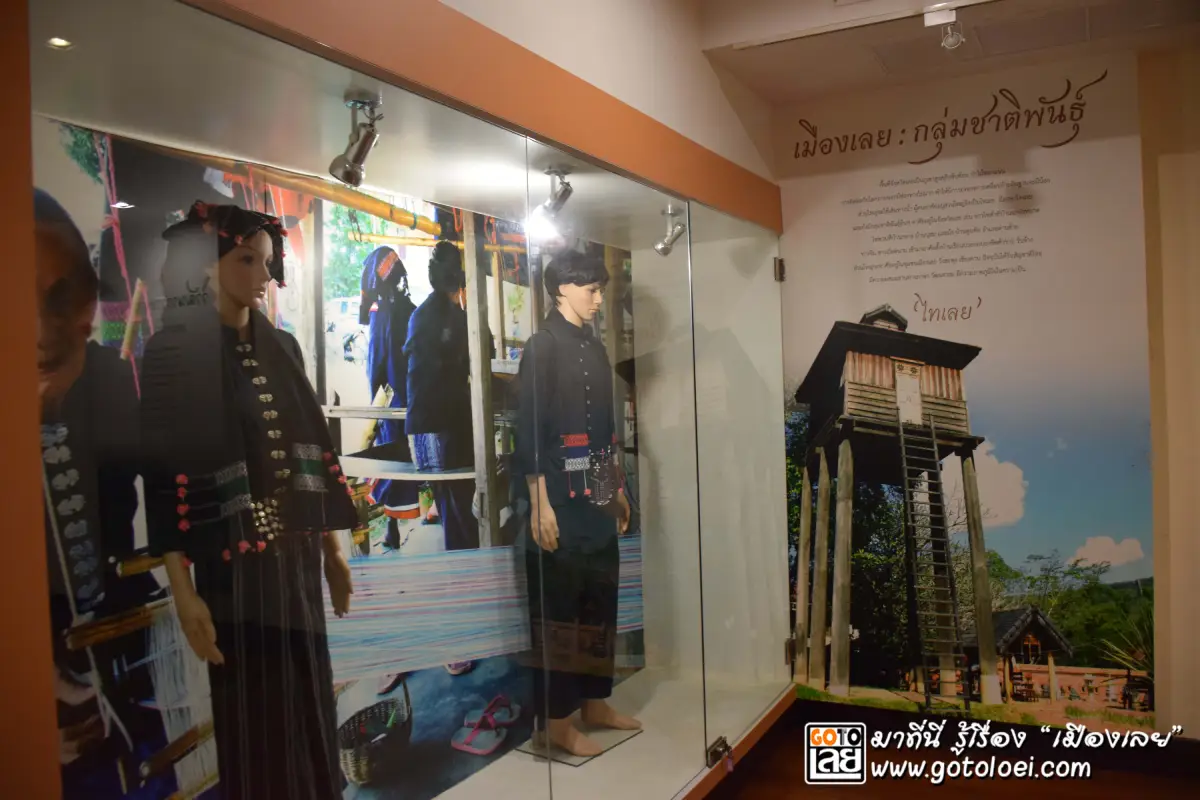
The cultural exhibition also displays daily-life objects once used by the Tai Loei people. These items are important because they tell stories that written history alone cannot fully explain. Household tools, local utensils, textiles, and objects related to everyday work reveal how people lived, cooked, farmed, dressed, and organized family life. Through these displays, visitors can see local wisdom as something created through practical experience and passed down across generations.
The fifth zone, Strategy and Territory, presents the geography and geology of Loei. The province contains high mountains, foothills, plains, valleys, rivers, and border areas connected to Laos. These natural conditions influenced settlement, travel routes, agriculture, trade, and political importance. The zone explains why Loei is often described as a land of mountain seas and the coldest edge of Siam, while also showing how its borderland position shaped its history and cultural exchange.
The sixth zone, Administration and Governance, traces the development of Loei as an administrative town. It explains major events in the formation of the province and the changes that took place from older systems of authority to modern provincial administration. This theme is closely connected to the building itself, because the museum is located in a former government office. Visitors can therefore read the history of local administration through both the exhibitions and the old building that houses them.
The seventh zone, Royal Grace and Remembrance, is one of the most emotionally significant parts of the museum. It is associated with the visits of King Bhumibol Adulyadej and Queen Sirikit to Loei Province. The room displays royal chairs and presents memories of royal visits that remain meaningful to the people of Loei. This section is not only a historical display but also a place of remembrance, reflecting the relationship between the Thai monarchy and people in a border province.
The royal visit room refers to 3 important visits. In 1955, King Bhumibol Adulyadej and Queen Sirikit visited Loei and planted a pine tree on Phu Kradueng. In 1973, they visited local people in Dan Sai District. In 1981, the royal visit brought encouragement to Thai volunteer defense groups at the field in front of the provincial hall. These events are part of Loei’s modern memory and give the museum a strong emotional dimension for local residents.
Loei City Museum also reflects the cooperation of local institutions. Its development involved Loei Provincial Administrative Organization, Loei Provincial Cultural Office, tourism-related agencies, local authorities, scholars, schools, and the public. Many local museums gain their strength from community participation, and this museum is no exception. Objects donated or collected from local sources help transform the exhibitions into a shared memory of the province rather than a detached academic display.
For visitors interested in architecture, the museum building deserves careful attention. Its form reflects the simplicity and dignity of early provincial government architecture. The doors, windows, roofline, and quiet atmosphere give a sense of old Loei, even as the surrounding city has become busier and more modern. This contrast between historic architecture and contemporary urban life makes the site valuable for travelers interested in heritage conservation and old-town character.
A visit to Loei City Museum usually takes about 45 minutes to 1.5 hours, depending on how carefully visitors read the displays. Travelers who plan to continue to Phu Kradueng, Chiang Khan, Dan Sai, Phu Ruea, or Mekong-side communities will benefit from starting here. The museum provides background that makes later destinations more meaningful. After learning about royal visits, ethnic communities, local customs, geography, and borderland history, travelers can see other parts of Loei with a deeper understanding.
The museum is also a good place to understand the meaning of Tai Loei identity. Tai Loei is not only a label for local people but also a cultural identity shaped by language, everyday practices, seasonal customs, food, textiles, and community memory. The displays of household tools and traditional objects help visitors see how people lived in relation to mountains, rivers, agriculture, and religious traditions. This makes the museum particularly useful for travelers who want to understand local culture rather than simply pass through the city.
For families, the museum offers an accessible learning experience. Children can see old photographs, traditional objects, historic architecture, and cultural displays in a physical space rather than only reading about them. Parents can use the exhibitions to explain how people lived in the past, why old buildings are conserved, and how traditions help communities stay connected. This makes the museum a worthwhile stop for educational travel.
For foreign travelers, some information may be easier to appreciate with a local guide or Thai-speaking companion, but the museum remains valuable even without one. Photographs, objects, clothing, tools, architectural details, and the atmosphere of the building all communicate meaningful stories. A visit here helps international visitors understand Loei as a living province with history and culture, not just a landscape of scenic mountains.
Getting There is convenient because the museum is located in central Loei on Charoen Rat Road, Kut Pong Subdistrict. It is near Loei Municipality Office and the provincial post office area. Visitors can travel by private car, rental car, motorcycle, or local transport within the city. Those staying in central Loei may be able to reach the museum by a short ride from nearby hotels. Visiting in the morning or early afternoon is recommended so that there is enough time to explore the displays before closing.
Because the museum is housed in a historic building and includes important cultural and royal-memory displays, visitors should dress politely, speak quietly, avoid touching exhibits, and follow staff instructions. Photography should be done with care, especially in areas displaying important objects. Responsible behavior helps preserve the atmosphere of the museum and protects the heritage it presents.
The museum does not charge an admission fee, making it an accessible cultural site for students, local residents, families, and travelers. Its modest size is part of its charm. Visitors do not need an entire day, but those who take time to read and observe the details will gain a broad understanding of Loei’s history, people, landscape, and traditions.
Loei City Museum should not be treated merely as a quick stop before visiting other attractions. It is a meaningful destination in its own right. It answers important questions about the province: who the people of Loei are, how the city developed, why geography matters, how local traditions are preserved, and why royal visit memories remain important to the community. After visiting the museum, Loei becomes more than a cold mountain province; it becomes a place with layers of history, culture, memory, and identity.
The museum also helps connect other travel routes in Loei. A visit to Phu Kradueng becomes more meaningful after learning about the 1955 royal visit. A trip to Dan Sai becomes richer after understanding local traditions and belief systems. A journey to Chiang Khan and the Mekong area becomes clearer after seeing how borderland geography shaped the province. In this sense, the museum works as a cultural map for the entire province.
Travelers staying in town can combine Loei City Museum with nearby attractions such as Kut Pong Public Park, Chao Pho Kut Pong Shrine, Loei Walking Street, the Naga landmark area, and Phu Bo Bit Forest Park. This creates an easy route that blends local history, city life, food, walking areas, and mountain views. For those who want a balanced day in Mueang Loei, the museum is a practical and meaningful starting point.
In summary, Loei City Museum is one of the best cultural introductions to Loei Province. It combines a historic building, local-history exhibitions, ethnic-group stories, cultural traditions, geographical context, administrative history, and a royal visit room. It is centrally located, free to enter, and easy to combine with nearby attractions, restaurants, and accommodations. For travelers who want to understand Loei beyond sightseeing, this museum offers a concise but deeply meaningful foundation.
| Name | Loei City Museum |
| Location | Former Mueang Loei District Office Building, Charoen Rat Road, Kut Pong Subdistrict, Mueang Loei District, Loei Province 42000 |
| Address | Charoen Rat Road, Kut Pong Subdistrict, Mueang Loei District, Loei Province 42000, Thailand |
| Highlights | Local museum in a historic government building, presenting Loei history, culture, ethnic groups, Tai Loei daily life, and royal visit memories |
| History | The former Mueang Loei District Office building dates to around 1933 and was later restored as Loei City Museum. The museum officially opened on 9 September 2009. |
| Distinctive Features | A historic building and learning center that gathers Loei’s local history, traditional wisdom, arts, culture, customs, and everyday life |
| Key Exhibits | Royal chairs in the royal visit room, old photographs, Tai Loei daily-life objects, ethnic-group stories, Heet Sip Song Khong Sip Si cultural traditions, and information on the development of Loei |
| Main Areas / Zones | 3 main exhibition rooms: 1. Loei History Room 2. Culture and Traditions Room 3. Royal Visit Room 7 content zones: 1. Getting to Know Loei 2. Looking Back into History 3. Ethnic Groups of Loei 4. Culture as the Foundation of Loei 5. Strategy and Territory 6. Administration and Governance 7. Royal Grace and Remembrance |
| Caretaker | Loei Provincial Administrative Organization, Loei Provincial Cultural Office, and related local agencies |
| Travel Information | Use Charoen Rat Road in central Loei. The museum is located in the former Mueang Loei District Office building near Loei Municipality Office and the provincial post office area. It is accessible by private car, rental car, motorcycle, or local transport. |
| Current Status | Open |
| Open Days | Monday – Friday |
| Opening Hours | 08.30 – 16.30 |
| Fees | Free admission |
| Facilities | Indoor exhibitions, local-history information, nearby Tourism Authority of Thailand Loei Office, and convenient access to services in central Loei |
| Main Contact Number | 0 4281 1053 |
| Official Website / Official Page | Loei City Museum Facebook page and the Museum Database of Thailand |
| Nearby Tourist Attractions | 1. Kut Pong Public Park, about 1 km 2. Chao Pho Kut Pong Shrine, about 1 km 3. Loei Walking Street, about 1 km 4. Pu Lai Kham Ma Naga Landmark, about 1 km 5. Phu Bo Bit Forest Park, about 6 km |
| Nearby Restaurants | 1. Loei Danang 1, about 1 km, Tel. 042-830413 2. Noi Tam Sua, Loei Branch, near Kut Pong Public Park, about 1 km, Tel. 081-471-5904 3. PunThai Coffee, Charoen Rat Road, Loei, about 1 km, Tel. 093-321-5923 4. DrinKii Cafe’, Charoen Rat Road, about 1 km, Tel. 064-951-4462 5. Ran Duang Lap Koi, about 1 km, Tel. 086-229-6645 |
| Nearby Accommodations | 1. Loei Palace Hotel, about 1 km, Tel. 042-815668 2. Indiego Space, about 1 km, Tel. 090-974-2926 3. Loei Village Hotel, about 2 km, Tel. 042-811599 4. HOP INN Loei, about 2 km, Tel. 02-080-2222 5. Fortune D Hotel Loei, about 2 km, Tel. 042-036630 |
Frequently Asked Questions (FAQ)
Q: Where is Loei City Museum located?
A: Loei City Museum is located in the former Mueang Loei District Office building on Charoen Rat Road, Kut Pong Subdistrict, Mueang Loei District, Loei Province 42000.
Q: What are the opening days and hours of Loei City Museum?
A: The museum is open Monday to Friday from 08.30 to 16.30.
Q: Is there an admission fee for Loei City Museum?
A: No. Admission to Loei City Museum is free.
Q: What can visitors see inside Loei City Museum?
A: Visitors can see exhibitions on Loei history, local culture, ethnic groups, Tai Loei daily life, geology, administration, and the royal visit room.
Q: Why is the royal visit room important?
A: The royal visit room displays royal chairs and stories connected to visits by King Bhumibol Adulyadej and Queen Sirikit to Loei Province, which remain important in local memory.
Q: Is Loei City Museum suitable for foreign travelers?
A: Yes. Foreign travelers can learn about the cultural and historical background of Loei before continuing to destinations such as Chiang Khan, Phu Kradueng, Dan Sai, and Phu Ruea.
Q: How long should visitors spend at Loei City Museum?
A: Most visitors should allow about 45 minutes to 1.5 hours, depending on how carefully they read the displays.
Q: What nearby places can be visited after Loei City Museum?
A: Nearby places include Kut Pong Public Park, Chao Pho Kut Pong Shrine, Loei Walking Street, Pu Lai Kham Ma Naga Landmark, and Phu Bo Bit Forest Park.
 Category: ●Art, Culture and Heritage
 Group: ●Museums
Last Update : 3 MonthAgo
 Last Update : 3 MonthAgo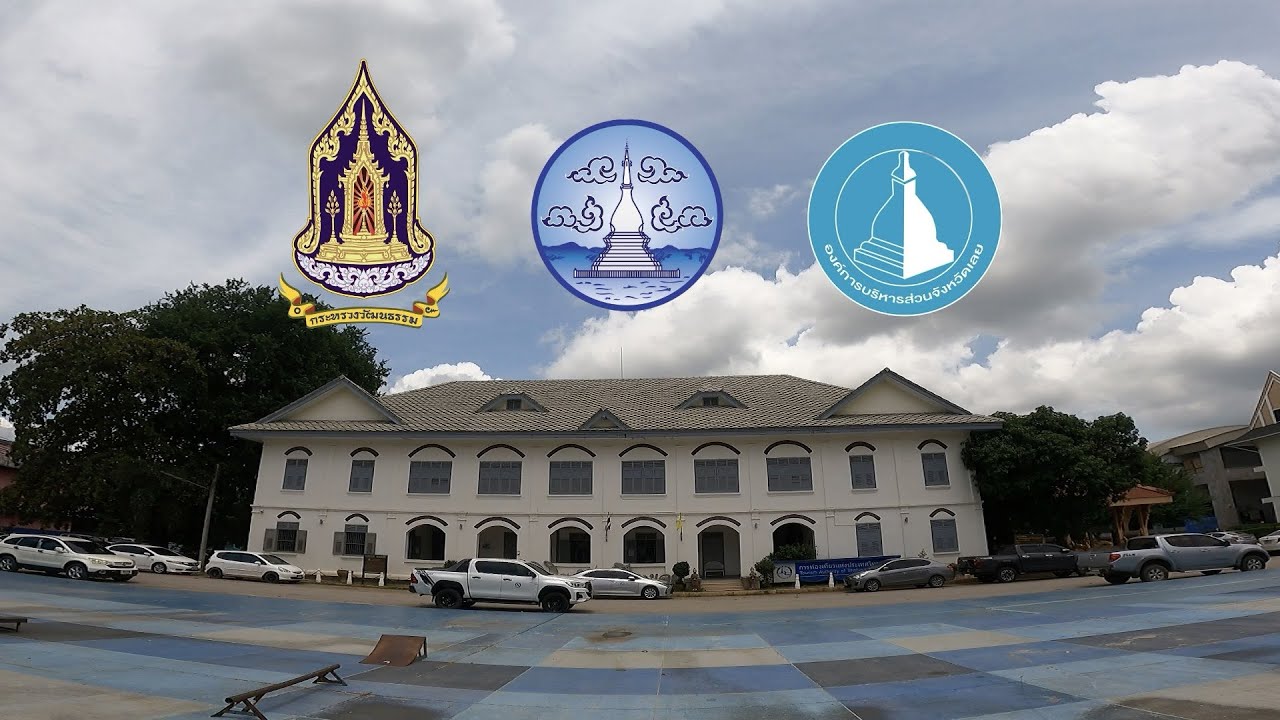
 Click to Access the Navigation Map GPS
Loei City Museum Map
Recommend

 Historical Sites and Monuments(2)
 Landmarks and Memorials(3)
 Art, Craft Centres, Tradition(2)
Museums(4)
Art, Craft Centres, Tradition(2)
Museums(4)
 Art Gallery(1)
 Educational Places
 Educational Gardens, Farm(2)
 Places of Worship
 Temple(16)
 Other Sacred Sites(8)
 Research and Development
 Royal Project(3)
 Suburban Living
 Village, Community(3)
 Local Market(1)
 Nature and Wildlife
 National Parks and Marine Reserves(5)
 Mountain (Doi)(10)
 Dam, Reservoir, Lake(7)
 Waterfalls(21)
 Caves(3)
 River, Canal(5)
 Bays and Beaches(1)
 Other natural attractions(1)
 Entertainment and Agricultural
 Farms, Parks and Ecotourism(8)
 Waterpark(1)
 Outdoor and Adventure Activities(2)
 Travel Articles, Recipes
 Travel Review, Food Review(1)


