
lovethailand home >North Travel Attractions >Sukhothai Travel Attractions >Muang Sukhothai >Ban Lum > Sangkhalok Museum
TL;DR: Sangkhalok Museum is located at Mueang Ake Plaza, Bypass Road, Ban Lum Subdistrict, Mueang Sukhothai District, Sukhothai Province, open Daily, hours 08.00 – 17.00.
Sangkhalok Museum
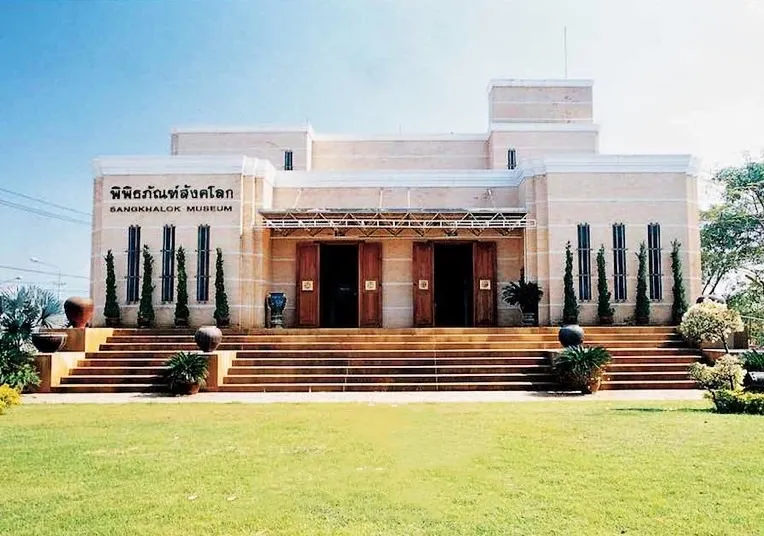
Open Days: Daily
Opening Hours: 08.00 – 17.00
Sangkhalok Museum in Sukhothai Province is one of the most meaningful cultural museums for travelers who want to understand Sukhothai beyond its temples and ancient ruins. The museum presents Sangkhalok ceramics, Buddha images, household objects, tools, architectural clay pieces, and other artifacts that reflect the daily life, craftsmanship, beliefs, and commercial networks of ancient Sukhothai. It is a compact but valuable place where visitors can see how pottery and ceramics became part of the identity of one of Thailand’s most important historic cities.
The museum is especially important because it helps explain Sukhothai through objects that people once used, traded, admired, or placed in religious and domestic spaces. While Sukhothai Historical Park reveals the grandeur of temples, city walls, ponds, moats, Buddha images, and urban planning, Sangkhalok Museum brings visitors closer to the human side of the old kingdom. Through ceramics and everyday objects, travelers can imagine how people lived, worked, worshipped, stored water, prepared food, decorated buildings, and expressed artistic taste more than 700 years ago.
Sangkhalok Museum was founded through the vision and dedication of Mr. Damrong and Mrs. Kusol Suwatthanamekhin, Sukhothai natives who valued the cultural heritage of their hometown. They collected Sangkhalok ware and related antiquities for more than 50 years before presenting them in a museum setting for Thai visitors, students, researchers, collectors, and international travelers. Their private collection became a public cultural learning space, allowing future generations to appreciate the artistic and historical importance of Sukhothai ceramics.
For many visitors, Sukhothai is associated with Wat Mahathat, Wat Si Chum, the Phra Achana Buddha image, and the atmospheric ruins of the UNESCO-listed historical city. Sangkhalok Museum adds another essential layer to that experience. It explains that Sukhothai was not only a spiritual and political center but also a place of advanced craftsmanship, ceramic production, technological skill, and regional trade. A single ceramic bowl or jar can reveal information about clay, kiln technology, design preferences, trade routes, household life, and cultural exchange.
The term “Sangkhalok” generally refers to ceramic wares associated with Sukhothai and Si Satchanalai. These pieces are admired for their forms, glazes, painted motifs, and technical quality. Some pieces display soft greenish celadon tones, while others feature brown, white, or black underglaze patterns. Common motifs include fish, flowers, plants, animals, auspicious symbols, and geometric patterns. Their beauty lies not only in decoration but also in proportion, texture, firing technique, and the quiet confidence of ancient craftsmanship.
Inside the museum, visitors can view a wide range of Sangkhalok ceramics collected from Thailand and abroad. The displays allow travelers to compare different styles, shapes, and artistic influences. This is one of the strengths of the museum: it does not present ceramics as isolated objects, but as cultural evidence connected to real people, real communities, and real historical processes. Visitors can see how ceramic forms developed, how design ideas traveled, and how craftsmanship responded to both local needs and wider regional connections.
Among the museum’s interesting highlights are ceramic plates, architectural clay pieces, figurines, large water vessels, and objects that help visitors visualize domestic life in the Sukhothai period. Some pieces show motifs related to architecture and houses, offering a rare visual clue about how people may have lived. Others reflect beliefs, social status, clothing, symbolic animals, and the role of ceramics in ritual and everyday life. These artifacts make history more tangible because they connect abstract historical knowledge to real objects that once belonged to living communities.
Large storage jars and water vessels are particularly useful for understanding practical wisdom in ancient society. Making a large ceramic vessel requires careful control of clay, thickness, balance, shaping, drying, and firing. These objects show that Sukhothai artisans were not only artists but also skilled technicians. Their work had to be beautiful, durable, and functional. In this sense, Sangkhalok ceramics are both works of art and evidence of technological knowledge.
Figurines and household objects also help visitors understand social life. Human figures may suggest clothing styles, gestures, occupations, or social roles, while animal figures and symbolic forms often relate to auspicious meanings, prosperity, protection, or religious ideas. Together, these objects show that ceramics were part of many layers of life: domestic use, decoration, belief, ritual, trade, and identity.
Sangkhalok Museum is also a valuable educational stop for students and travelers because it allows people to learn history through direct observation. Reading about ancient ceramics is useful, but seeing the real surfaces, glazes, proportions, firing marks, and handmade details creates a different kind of understanding. Visitors can observe how each piece carries traces of production and use. Some pieces appear simple, while others are highly refined; both types reveal the skill and thoughtfulness of Sukhothai artisans.
The museum building is modern and organized, making it easy for visitors to walk through the displays at a comfortable pace. The layout introduces the broader cultural context before drawing attention to specific types of ceramics and objects. This helps visitors understand that Sangkhalok ware was not merely decorative pottery. It was connected to the economy, religious life, household activity, architecture, and regional exchange. For travelers interested in ceramics, design, archaeology, or Southeast Asian art, the museum offers many details worth observing slowly.
One of the best ways to appreciate the museum is to look carefully at the relationship between shape and function. Some vessels were designed for storing water, some for food, some for ritual use, some for architectural decoration, and some for symbolic or aesthetic purposes. When visitors consider the purpose behind each form, the objects become easier to understand. A bowl, jar, tile, pipe, or figurine is no longer just an artifact; it becomes a small record of how people organized their lives.
For travelers planning a cultural route in Sukhothai, Sangkhalok Museum pairs very well with Sukhothai Historical Park, Ramkhamhaeng National Museum, Wat Mahathat, Wat Si Chum, Wat Traphang Thong, and other sites in the old city. Visiting the museum before the historical park gives travelers useful background knowledge. Visiting it after the historical park helps deepen the meaning of what they have already seen. Either way, the museum makes the Sukhothai travel experience more complete.
The museum is located in the Mueang Sukhothai area, at Mueang Ake Plaza on Bypass Road in Ban Lum Subdistrict. The location is convenient for travelers staying in the new town and for those continuing to the old city. Visitors can reach the museum by private car, rental car, local transport, or taxi-style local service arranged through hotels. Because Sukhothai attractions are spread across different zones, travelers should plan their route in advance and allow enough time for transportation between the new town and the historical park area.
The atmosphere inside the museum is calm and suitable for visitors who prefer meaningful cultural travel rather than rushed sightseeing. A visit of at least 1 hour is recommended, especially for those who want to read descriptions and observe the objects carefully. Families can use the museum as an educational stop for children, while adults interested in Thai heritage will find the collection especially rewarding. It is also a useful stop for artists, designers, ceramic collectors, and anyone interested in ancient technologies.
The value of Sangkhalok Museum lies not only in its collection but also in its act of preservation. Without dedicated collectors, caretakers, and proper display spaces, many cultural objects could be scattered, misunderstood, damaged, or lost. The museum gives these objects a context and allows them to tell stories again. It creates a bridge between the ancient Sukhothai world and present-day visitors, making the past visible through clay, glaze, shape, and human creativity.
Sangkhalok ceramics also reveal the economic importance of ancient Sukhothai. Ceramic production in Sukhothai and Si Satchanalai was significant, and these wares were used locally as well as traded more widely. Their presence in different regions reflects networks of exchange and cultural contact. For foreign travelers, this museum is a good introduction to why Sukhothai ceramics are historically important and why they continue to inspire contemporary artists, designers, and cultural researchers.
Visitors should also notice the aesthetic restraint of many Sangkhalok pieces. Some works are not heavily decorated, yet they are elegant because of their balance, surface, and proportion. Others have lively painted motifs or distinctive symbolic forms. This variety demonstrates that Sukhothai ceramics were created for many purposes and audiences. The objects were practical, beautiful, meaningful, and commercially valuable at the same time.
Getting There is convenient from Sukhothai new town by private car, rental car, or local hired transport. The museum is located on Bypass Road in Mueang Sukhothai District, and travelers can continue from there to Sukhothai Historical Park and other old city attractions. Visitors should allow time for a relaxed walk through the museum and may combine the visit with nearby restaurants, accommodations, and historical sites in the same day.
In summary, Sangkhalok Museum is a highly worthwhile stop for anyone who wants to understand Sukhothai more deeply. It gives meaning to the word “Sangkhalok” through real objects, thoughtful displays, and a collection rooted in local pride. Travelers who visit this museum will leave with a richer understanding of Sukhothai ceramics, ancient craftsmanship, trade, daily life, and cultural memory. For those who want to see more than ruins and temples, Sangkhalok Museum deserves a place in the itinerary.
| Name | Sangkhalok Museum |
| Location | Mueang Ake Plaza, Bypass Road, Ban Lum Subdistrict, Mueang Sukhothai District, Sukhothai Province |
| Address | No. 10, Moo 4, Bypass Road, Ban Lum Subdistrict, Mueang Sukhothai District, Sukhothai 64000, Thailand |
| Highlights | A cultural museum displaying Sangkhalok ceramics, Buddha images, household objects, tools, and artifacts related to ancient Sukhothai life |
| History | Founded in 2001 by Mr. Damrong and Mrs. Kusol Suwatthanamekhin, based on a collection built over more than 50 years |
| Name Origin | Named after Sangkhalok ware, the historic glazed ceramics associated with Sukhothai and Si Satchanalai |
| Distinctive Features | Large collection of Sangkhalok ceramics and artifacts explaining ancient craftsmanship, trade, beliefs, and daily life |
| Key Evidence | Sangkhalok ceramics, architectural clay pieces, figurines, large pottery vessels, and ceramic objects over 700 years old |
| Travel Information | Accessible by private car, rental car, or local transport from Sukhothai new town; convenient for continuing to the old city area |
| Current Status | Open to visitors |
| Open Days | Daily |
| Opening Hours | 08.00 – 17.00 |
| Fees | Thai adult 50 THB, child 20 THB, student in uniform 20 THB / foreign adult 100 THB, child 20 THB |
| Main Areas / Zones | Sangkhalok ceramic displays, ancient Sukhothai lifestyle exhibits, tools, household objects, artifacts, and ceramic works from different sources |
| Caretaker | Privately managed museum |
| Main Contact Number | 055-614-333 |
| Nearby Tourist Attractions | 1. Sukhothai Historical Park, about 12 km 2. Ramkhamhaeng National Museum, about 12 km 3. Wat Mahathat, about 13 km 4. Wat Si Chum, about 15 km 5. Wat Saphan Hin, about 16 km 6. Wat Traphang Thong, about 12 km |
| Nearby Restaurants | 1. Na Khothai, about 2 km 2. Krua Sukho, about 3 km 3. Ruean Thai Restaurant & Bar, about 4 km 4. Mai Klang Krung Restaurant, about 12 km 5. Poo Restaurant, about 4 km 6. Thara Restaurant, about 4 km |
| Nearby Accommodations | 1. Ananda Museum Gallery Hotel, about 1 km, Tel. 055-622428 2. Pailyn Sukhothai Hotel, about 8 km, Tel. 055-613310 3. Poo Dee Hotel, about 4 km, Tel. 055-651041 4. Sukhothai Treasure Resort & Spa, about 8 km 5. Ruean Thai Hotel, about 4 km 6. Sawasdipong Hotel, about 4 km |
Frequently Asked Questions (FAQ)
Q: Where is Sangkhalok Museum located?
A: Sangkhalok Museum is located at Mueang Ake Plaza, No. 10, Moo 4, Bypass Road, Ban Lum Subdistrict, Mueang Sukhothai District, Sukhothai Province.
Q: What are the opening hours of Sangkhalok Museum?
A: The museum is open daily from 08.00 to 17.00.
Q: How much is the admission fee?
A: Admission is 50 THB for Thai adults, 20 THB for children, 20 THB for students in uniform, 100 THB for foreign adults, and 20 THB for foreign children.
Q: What can visitors see inside Sangkhalok Museum?
A: Visitors can see Sangkhalok ceramics, Buddha images, ancient tools, household objects, figurines, architectural clay pieces, and artifacts related to Sukhothai history and daily life.
Q: Who founded Sangkhalok Museum?
A: The museum was founded by Mr. Damrong and Mrs. Kusol Suwatthanamekhin, who collected Sangkhalok ware and cultural objects for more than 50 years.
Q: How long should travelers spend at the museum?
A: Visitors should allow at least 1 hour, or longer if they want to read the descriptions and observe the ceramics carefully.
Q: Is Sangkhalok Museum suitable for foreign travelers?
A: Yes. It is a useful cultural stop for foreign travelers who want to understand Sukhothai ceramics, ancient craftsmanship, and the historical importance of the old kingdom.
Q: What attractions can be visited nearby?
A: Nearby attractions include Sukhothai Historical Park, Ramkhamhaeng National Museum, Wat Mahathat, Wat Si Chum, Wat Saphan Hin, and Wat Traphang Thong.
Tel : 055614333
 Tel : 055614333
 Category: ●Art, Culture and Heritage
 Group: ●Museums
Last Update : 5 MonthAgo
 Last Update : 5 MonthAgo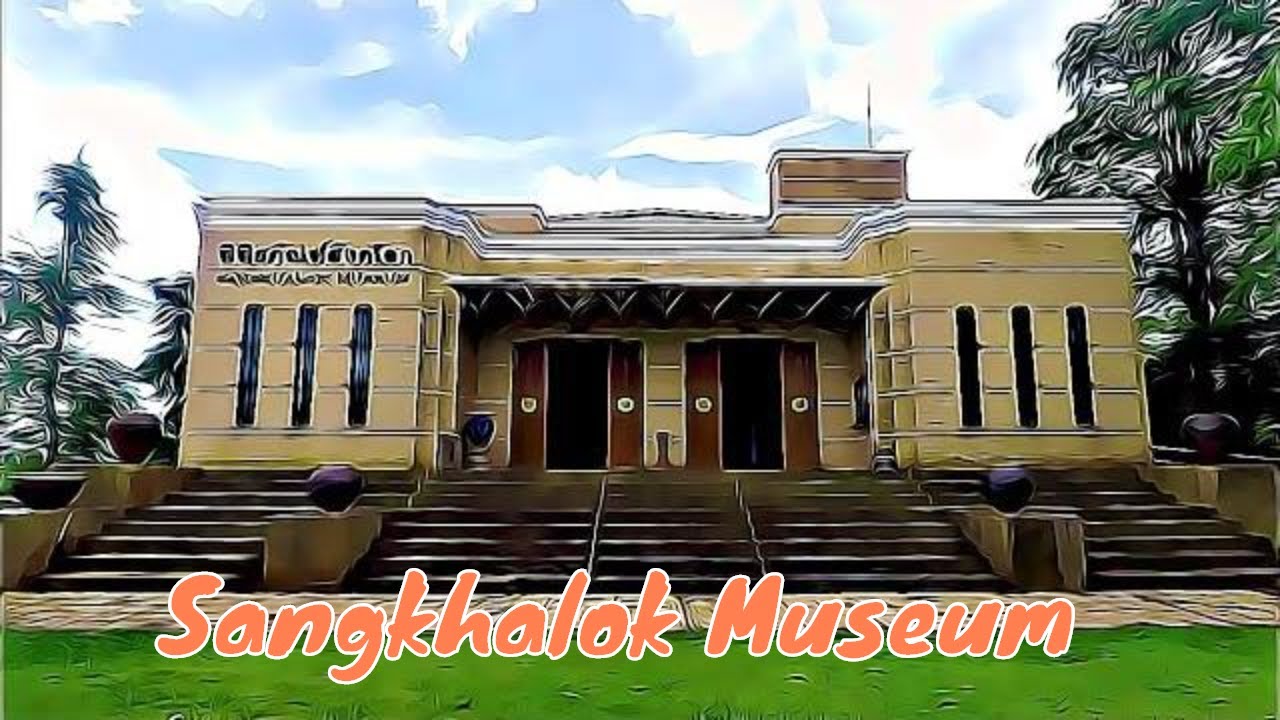
 Click to Access the Navigation Map GPS
Sangkhalok Museum Map
Recommend

 Historical Sites and Monuments(4)
 Landmarks and Memorials(5)
 Art, Craft Centres, Tradition(11)
Museums(5)
Art, Craft Centres, Tradition(11)
Museums(5)
 Places of Worship
 Temple(40)
 Other Sacred Sites(10)
 Suburban Living
 Village, Community(3)
 Nature and Wildlife
 National Parks and Marine Reserves(3)
 Mountain (Doi)(2)
 Dam, Reservoir, Lake(4)
 Waterfalls(8)
 Caves(4)
 River, Canal(2)
 Entertainment and Agricultural
 Farms, Parks and Ecotourism(3)
 Travel Articles, Recipes
 Travel Review, Food Review(1)


