
lovethailand home >North Travel Attractions >Phetchabun Travel Attractions >Lom Kao >Wang Ban > Wat Pa Phu Thap Boek
TL;DR: Wat Pa Phu Thap Boek is located at Wang Ban Subdistrict, Lom Kao District, Phetchabun Province, open Open Daily, hours 06.00–18.00. Highlights include 37-Spire Pagoda, mountain views, peaceful forest temple atmosphere.
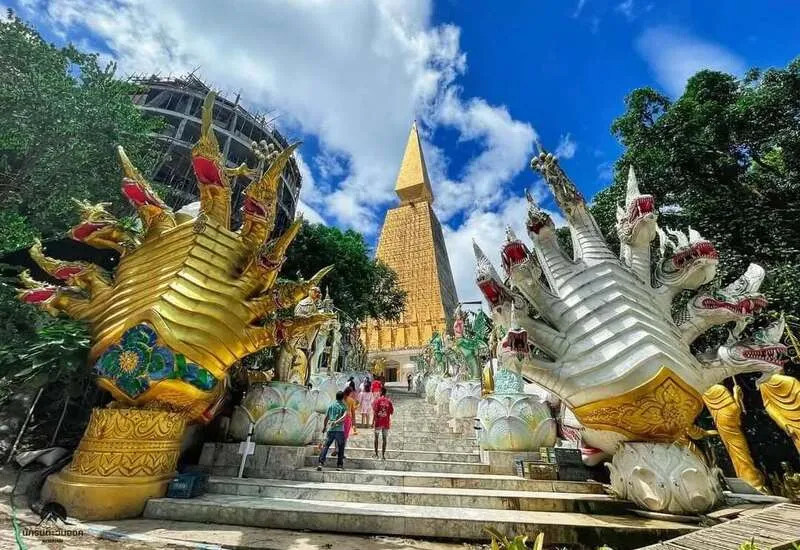
Wat Pa Phu Thap Boek
Open Days: Open Daily
Opening Hours: 06.00–18.00
Wat Pa Phu Thap Boek is one of the most remarkable temples in Phetchabun Province, located in Wang Ban Subdistrict, Lom Kao District, on the highlands of Phu Thap Boek. This forest temple is widely known for its peaceful atmosphere, panoramic mountain views, and the iconic Phra Maha That Chedi of the 37 Factors of Enlightenment, often referred to as the “37-Spire Pagoda.” Situated approximately 6 km from the main Phu Thap Boek viewpoint area, the temple requires travelers to drive through Thap Boek Village and follow a local road leading uphill toward the temple.
For travelers planning a trip to Phu Thap Boek, this temple is a highly recommended stop. While most visitors come to the area for its famous sea of mist, cabbage fields, and cool climate, Wat Pa Phu Thap Boek offers a deeper cultural and spiritual dimension. It allows visitors to combine sightseeing with merit-making and to experience a tranquil environment that reflects both Buddhist practice and local community life.
The temple was established in 1991 (B.E. 2534) by the local Hmong community and Thai residents of Thap Boek Village. Covering an area of more than 50 rai, the temple is surrounded by natural forest and mountain landscapes. The elevation and natural environment create a cool climate throughout the year, making it an ideal place for meditation, spiritual reflection, and peaceful travel away from crowded tourist areas.
One of the most significant features of Wat Pa Phu Thap Boek is the Phra Maha That Chedi representing the 37 Factors of Enlightenment, or Bodhipakkhiya Dhamma. This structure is designed with 37 spires, symbolizing the key principles leading to enlightenment in Buddhism. These include the Four Foundations of Mindfulness, the Four Right Efforts, the Four Bases of Power, the Five Spiritual Faculties, the Five Powers, the Seven Factors of Enlightenment, and the Noble Eightfold Path. The architectural design is not only visually impressive but also deeply symbolic, offering insight into Buddhist teachings.
Another important historical aspect of the temple is its role in a national religious ceremony. On September 9, 1999, Wat Pa Phu Thap Boek was selected as one of the locations to collect sacred “sky water” for use in the royal ceremony celebrating the 72nd birthday anniversary of His Majesty King Bhumibol Adulyadej on December 5, 1999. This event elevated the temple’s significance as a spiritually important site associated with royal merit-making traditions in Thailand.
The journey to the temple itself is part of the experience. Upon entering Thap Boek Village, travelers must drive toward the center of the village and look for a right-hand turn leading up to the temple. A useful landmark is the Thap Boek Christian Cooperative Shop, as the temple road is located directly opposite it. Another reference point is a golden candle tree nearby. Clear signage marked “Wat Pa Phu Thap Boek” helps guide visitors, and the large entrance sign at the temple confirms arrival.
The atmosphere of the temple reflects its identity as a forest monastery. Unlike urban temples, Wat Pa Phu Thap Boek is quiet, spacious, and surrounded by nature. The sound of wind, the view of layered mountains, and the cool air create an environment that supports mindfulness and relaxation. Visitors often find that spending time here provides both mental calm and visual inspiration.
From a tourism perspective, the temple integrates seamlessly into a Phu Thap Boek itinerary. Visitors can explore the viewpoint, enjoy local food, visit cabbage farms, and then come to the temple for spiritual reflection. This combination creates a balanced travel experience that includes nature, culture, and religion.
Photography enthusiasts will find the temple particularly appealing. The pagoda stands prominently against the mountain backdrop, especially during early morning or late afternoon when lighting conditions are soft. During the rainy season or early winter, mist often surrounds the temple, creating dramatic and atmospheric scenes. However, visitors should follow temple etiquette, avoid using flash in sensitive areas, and respect religious practices while taking photos.
Getting There is best done by private car. From the main Phu Thap Boek area, drive approximately 6 km into Thap Boek Village. Continue to the village center and look for the right turn near the Christian Cooperative Shop. The road leading up to the temple is a local uphill route with curves and slopes, so drivers should proceed carefully, especially during rainy or foggy conditions.
Travelers coming from Phetchabun city can drive toward Lom Sak and Lom Kao Districts before ascending to Phu Thap Boek. Visitors from nearby provinces such as Phitsanulok or Loei can also access the area via mountain routes. It is recommended to check road conditions before traveling, particularly during peak tourist seasons.
The best time to visit Wat Pa Phu Thap Boek is in the early morning or late afternoon. Morning visits offer cooler temperatures and a chance to see mist, while afternoon visits provide beautiful lighting for photography. Evening visits should be planned carefully, as mountain roads can be challenging in low visibility.
The temple is also an excellent destination for spiritual tourism. Visitors interested in meditation, Buddhist teachings, or peaceful retreats will appreciate the quiet environment. The connection between the temple, the natural landscape, and Buddhist philosophy makes the experience unique compared to standard tourist attractions.
In conclusion, Wat Pa Phu Thap Boek is more than just a scenic temple. It represents a blend of natural beauty, religious significance, community heritage, and historical importance. Whether you are traveling for photography, spirituality, or cultural exploration, this temple adds depth and meaning to any trip to Phu Thap Boek.
| Name | Wat Pa Phu Thap Boek |
| Location | Wang Ban Subdistrict, Lom Kao District, Phetchabun Province |
| Highlights | 37-Spire Pagoda, mountain views, peaceful forest temple atmosphere |
| History | Established in 1991 by local community, located on over 50 rai of mountainous land |
| Distinctive Features | High-altitude forest temple with cool climate and panoramic views |
| Important Landmark | Phra Maha That Chedi of the 37 Factors of Enlightenment |
| Travel Information | 6 km from Phu Thap Boek, accessible via Thap Boek Village |
| Current Status | Open to visitors and religious activities |
| Open Days | Open Daily |
| Opening Hours | 06.00–18.00 |
| Fees | Free Admission |
| Nearby Tourist Attractions | 1. Phu Thap Boek Village 6 km 2. Phu Thap Boek Viewpoint 6 km 3. Cabbage Fields 6 km 4. Phu Thap Boek Observatory 7 km 5. Wat Pha Sorn Kaew 28 km 6. Tai Lom Walking Street 33 km |
| Nearby Restaurants | 1. Grandpa's Garden Cafe 2 km 2. Rai Suwit Restaurant 2 km 3. Ban Ing Mok Restaurant 3 km 4. Krua Phu View Mok 4 km 5. Phu Thap Boek View Cafe 4 km 6. Si Fa Phu Thap Boek Restaurant 6 km, Tel. 095-295-0224 |
| Nearby Accommodations | 1. Phu Nub Dao Resort 2 km 2. Viman Mok Resort 2 km 3. Rai Panya Resort 3 km 4. Rai Aranya Viewpoint Resort 3 km 5. Phu Pha View Resort 4 km 6. Thap Boek Village Resort 6 km, Tel. 095-307-1683 |
Frequently Asked Questions (FAQ)
Q: Where is Wat Pa Phu Thap Boek located?
A: It is located in Wang Ban Subdistrict, Lom Kao District, Phetchabun Province, on the Phu Thap Boek highlands.
Q: How far is the temple from Phu Thap Boek?
A: It is approximately 6 km from the main Phu Thap Boek area.
Q: What is the highlight of the temple?
A: The 37-Spire Pagoda representing the 37 Factors of Enlightenment.
Q: Is there an entrance fee?
A: No, entry is free for all visitors.
Q: What is the best time to visit?
A: Early morning or late afternoon for cooler weather and better views.
Q: How do I get there?
A: Drive into Thap Boek Village and follow the road leading uphill near the village center.
 Category: ●Places of Worship
 Group: ●Temple
Last Update : 6 MonthAgo
 Last Update : 6 MonthAgo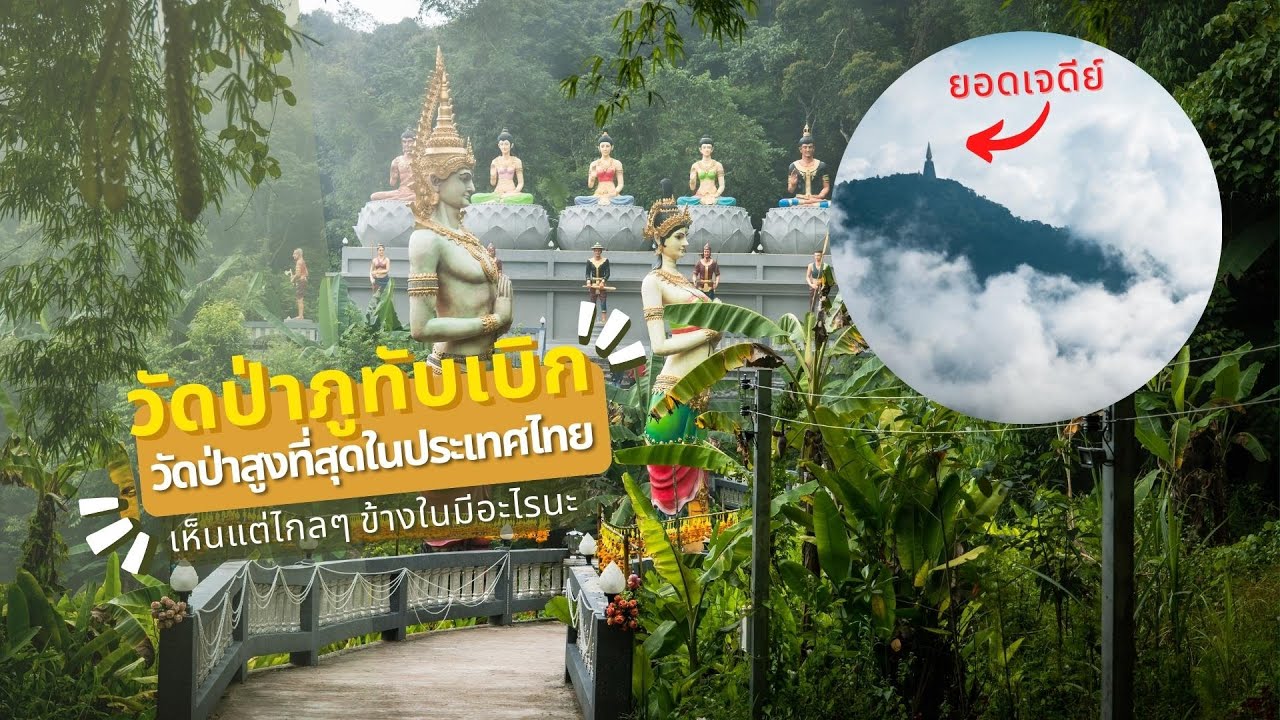
 Click to Access the Navigation Map GPS
Wat Pa Phu Thap Boek Map
Recommend

 Art, Culture and Heritage
 Historical Sites and Monuments(4)
 Landmarks and Memorials(3)
 Art, Craft Centres, Tradition(4)
 Art Gallery(1)
 Educational Places
 Library(1)
 Educational Gardens, Farm(3)
Temple(31)
Educational Gardens, Farm(3)
Temple(31)
 Other Sacred Sites(8)
 Suburban Living
 Village, Community(4)
 Nature and Wildlife
 National Parks and Marine Reserves(5)
 Mountain (Doi)(11)
 Dam, Reservoir, Lake(14)
 Waterfalls(21)
 Hot Springs(1)
 Caves(11)
 Flower Field(1)
 River, Canal(12)
 Other natural attractions(13)
 Entertainment and Agricultural
 Zoos and Aquariums(1)
 Farms, Parks and Ecotourism(4)
 Outdoor and Adventure Activities(2)
 Travel Articles, Recipes
 Travel Review, Food Review(1)


