
lovethailand home >Central Travel Attractions >Chai Nat Travel Attractions > 20 Best Places to Visit in Chai Nat Central Thaila..
TL;DR: 20 Best Places to Visit in Chai Nat Central Thailand.
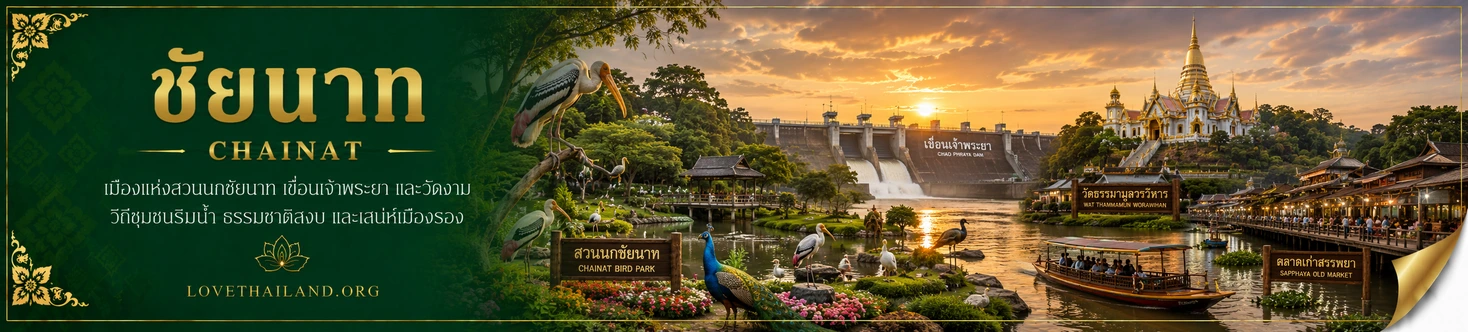
20 Best Places to Visit in Chai Nat Central Thailand
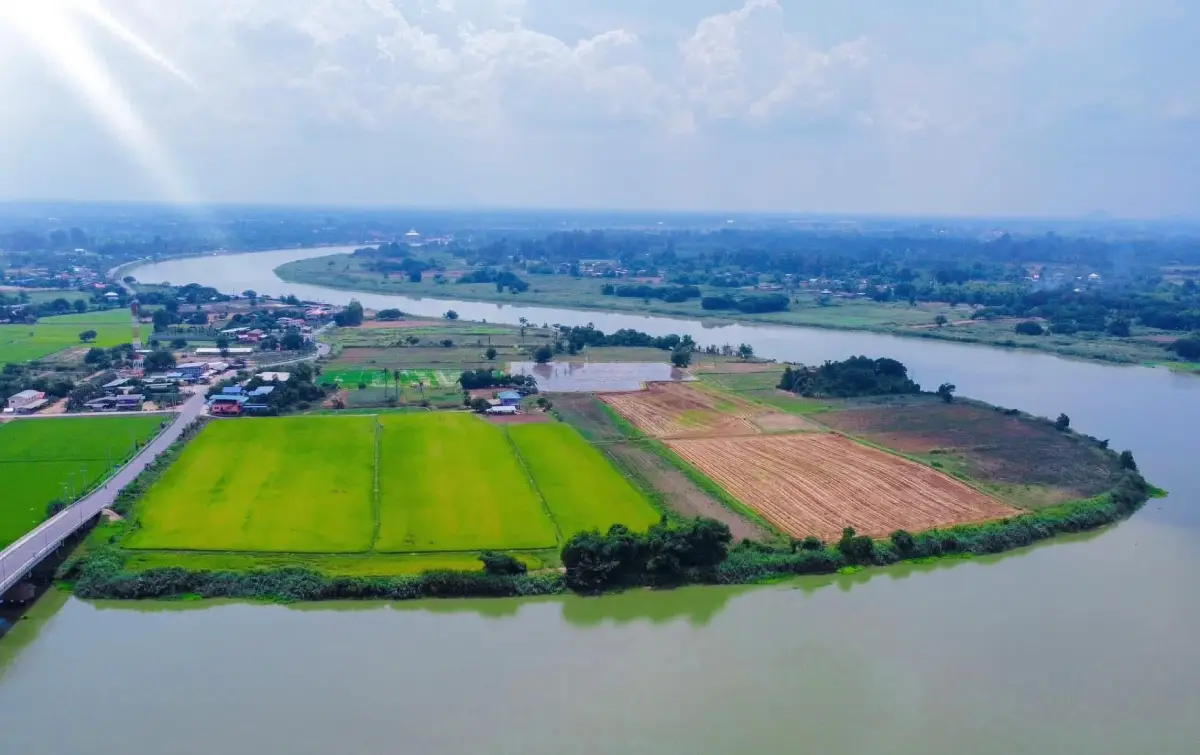
20 Best Places to Visit in Chai Nat — Top Attractions in Central Thailand brings together the province’s major highlights, including Chainat Bird Park, Chao Phraya Dam, Wat Pak Khlong Makham Thao, Wat Thammamun Worawihan, Wat Phra Borommathat Worawihan, the historic town of Sankhaburi, museums, learning centers, natural attractions, local communities, regional food, and traditional culture. Chai Nat works well for both a one-day trip and a relaxed 2-day, 1-night getaway from Bangkok or nearby provinces.
20 Best Places to Visit in Chai Nat — Top Attractions in Central Thailand explores a compact Central Thai province shaped by the Chao Phraya River, historic towns, ancient temples, agricultural communities, natural landscapes, and stories spread across several districts. Although Chai Nat is not one of Thailand’s largest tourism destinations, it is especially suitable for travelers who prefer an unhurried journey, as many important attractions can be connected naturally into practical routes covering Chai Nat town, Khao Tha Phra, Thammamun, Manorom, Wat Sing, Sapphaya, and Sankhaburi.
One of the province’s most recognizable landmarks is Chainat Bird Park, a long-established family attraction and learning center. The same area also connects visitors with science and freshwater-life attractions. Meanwhile, Chao Phraya Dam in Sapphaya District is another major landmark, important both as a large irrigation structure supporting Central Thailand’s agricultural areas and as a riverside viewpoint that clearly reflects the close relationship between the Chao Phraya River and everyday life in Chai Nat.
Travelers interested in history and religion will find a large number of important temples and historic sites throughout the province. Among the best known is Wat Pak Khlong Makham Thao, closely associated with Luang Pu Suk Kesaro, one of Thailand’s highly revered Buddhist masters. Wat Thammamun Worawihan stands at the foot of Khao Thammamun beside the Chao Phraya River, while Wat Phra Borommathat Worawihan is an ancient temple whose sacred relic stupa remains an important spiritual center for people in Chai Nat and surrounding areas.
Sankhaburi District is another area that should not be overlooked. The historic town contains traces of several periods of history and religious art, including Wat Mahathat, Wat Phra Kaeo, Khun San Monument, and Dong Khon Archaeological Site. Exploring this zone reveals that Chai Nat is not only a modern riverside province but also home to ancient communities and religious sites that reflect the long development of settlement in Thailand’s Central Plains.
Nature in Chai Nat is closely connected with rivers, agricultural lowlands, wetlands, and low hills. Khao Phlong is a natural attraction close to the provincial town where visitors can enjoy broad views of the surrounding landscape, while local ponds and wetland areas support fish, birds, and community ecosystems. These destinations offer a useful change of atmosphere for travelers who want to alternate temple and museum visits with open landscapes and the natural environment of Central Thailand.
Local food adds another layer to a trip through Chai Nat. One of the province’s best-known specialties is Khao Taeng Kwa Pomelo, valued for its firm flesh and sweet-tart flavor and closely associated with local agriculture. Travelers may also find dishes using pomelo, such as pomelo salad, together with Central Thai home-style cooking, freshwater fish dishes, and meals prepared with locally grown ingredients at markets, restaurants, and communities across the province.
Chai Nat also has a distinctive cultural identity shaped by traditional communities and ethnic heritage, particularly Tai Krang culture, known for weaving, textile patterns, color traditions, and craftsmanship passed down through families and communities. The Tai Krang Textile Museum provides an important introduction to this aspect of the province. The textiles are not simply functional objects; they also express identity, beliefs, craftsmanship, and social connections within the community.
Many of Chai Nat’s traditions are connected with Buddhism, agricultural communities, and local devotion to important temples. These include merit-making activities during Buddhist festivals, the tradition of wrapping sacred cloth around a relic stupa, and community ceremonies maintained by temples and local residents. The province is also strongly associated with the Straw Bird Fair, where agricultural materials are transformed into large bird sculptures, reflecting creativity as well as the long connection between Chai Nat, Chainat Bird Park, and the province’s farming heritage.
For accommodation, Chai Nat is best approached by choosing a base according to the travel route rather than staying close to only one attraction. Travelers who want convenient access to Chainat Bird Park, the City Pillar Shrine, museums, and attractions around the provincial center should consider staying in Mueang Chai Nat District, where there are mid-range hotels, locally operated accommodation, and riverside properties. Visitors focusing on Chao Phraya Dam and Sapphaya can choose accommodation closer to the Chao Phraya River route, while those planning to spend more time around Wat Pak Khlong Makham Thao and Wat Sing District can stay in smaller resorts or local accommodation in that area to reduce driving back to town.
Staying in Chai Nat for at least one night makes the journey considerably more relaxed than trying to visit the entire province in a single day. A practical plan is to spend the first day at Chainat Bird Park, Khao Phlong, Chai Nat town, and Chao Phraya Dam before staying overnight in the provincial center. On the second day, travelers can continue to Wat Phra Borommathat Worawihan, Wat Thammamun Worawihan, and Wat Pak Khlong Makham Thao, or head south to explore Sankhaburi according to personal interests. Dividing the trip into geographic zones helps reduce unnecessary backtracking and allows more time to understand each place.
Chai Nat therefore suits families, older travelers, Buddhist pilgrims, history enthusiasts, and anyone looking for an easy self-drive trip in Central Thailand. Its appeal does not depend on a single famous landmark. Instead, it comes from the way the Chao Phraya River, ancient temples, old settlements, local communities, Tai Krang culture, regional food, Khao Taeng Kwa pomelo, and family-oriented learning attractions come together within one province. This guide selects 20 places to visit in Chai Nat that reveal the province from several perspectives, ranging from popular landmarks to historical, cultural, and natural attractions worth adding to a Central Thailand itinerary.

1. Chainat Bird Park is one of the best-known landmarks in Chai Nat and a long-established family attraction. Located along Phahonyothin Road in Khao Tha Phra Subdistrict, Mueang Chai Nat District, the large complex includes bird displays, natural-learning areas, landscaped spaces, and educational attractions connected with science and freshwater life, making it suitable for children, students, families, and general travelers.
Highlights: Bird and nature learning, family-friendly areas, the Freshwater Fish Exhibition Building, the planetarium science center, and a convenient location for combining with Khao Phlong and attractions in central Chai Nat.
Chainat Bird Park is more than simply a place to see birds. The grounds have been developed as a nature and environmental learning destination with extensive green spaces suitable for walking and spending several hours. Families can combine bird-related attractions with freshwater-life and science activities within the same general area.
The park is also closely connected with one of Chai Nat’s strongest cultural images: the Straw Bird Fair, where agricultural materials are transformed into large decorative bird sculptures. The tradition links the province’s farming background, natural attractions, and tourism identity in a distinctive way.
Getting There: Chainat Bird Park is located at Moo 4, Phahonyothin Road, Khao Tha Phra Subdistrict, Mueang Chai Nat District, a short drive from the provincial center. It can easily be combined with Khao Phlong, Chainat City Pillar Shrine, and other attractions around town in the same day.
Map (GPS):Open Directions to Chainat Bird Park

2. Chao Phraya Dam is located around the Bang Krabian river bend in Bang Luang Subdistrict, Sapphaya District. It is a major diversion dam on the Chao Phraya River and plays an important role in the irrigation system of Central Thailand. For travelers, it is also one of the province’s most distinctive riverside landmarks.
Highlights: Major Chao Phraya River diversion dam, wide river views, riverside relaxation, sunset scenery, and a convenient base for exploring Sapphaya District.
The dam is important for water management and for distributing water into irrigation systems serving agricultural areas across Central Thailand. This gives the site engineering, economic, and historical significance in addition to its tourism value. Visitors can also enjoy expansive views of the Chao Phraya River and the relaxed riverside atmosphere.
Late afternoon is particularly suitable for enjoying the river breeze and scenery. Nearby attractions include Wat Karuna and communities in Sapphaya District, making the dam easy to include in a half-day or full-day route from Chai Nat town.
Getting There: From Chai Nat town, travel toward Sapphaya District and Bang Luang Subdistrict. Private vehicles provide convenient access. Visitors should follow all posted safety signs and restrictions around dam infrastructure.
Map (GPS):Open Directions to Chao Phraya Dam
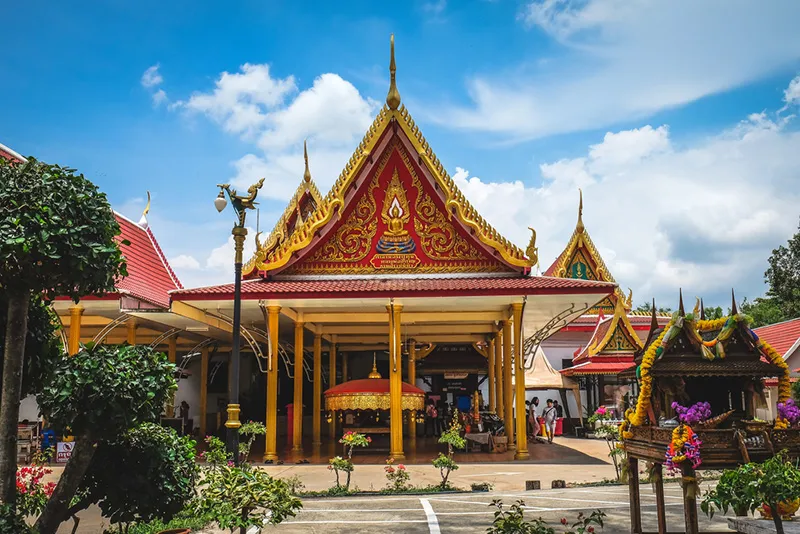
3. Wat Pak Khlong Makham Thao is located in Makham Thao Subdistrict, Wat Sing District. The temple is widely known for its association with Luang Pu Suk Kesaro, one of Thailand’s highly respected Buddhist masters and an important figure in the history of Thai revered monks.
Highlights: Luang Pu Suk Kesaro, shrines and religious structures associated with the revered monk, temple art, stories of an important Buddhist master, and the local atmosphere around Pak Khlong Makham Thao.
The temple is significant both as a Buddhist site and as part of local history. Luang Pu Suk remains widely respected among Thai Buddhists, and stories connected with him also intersect with important personalities in Thai history. A visit therefore offers both a devotional experience and an opportunity to understand the enduring faith surrounding one of the country’s best-known revered monks.
Several religious structures and places within the temple grounds are associated with Luang Pu Suk. Visitors should allow enough time to explore quietly and dress respectfully. Buddhist holidays and major temple events tend to attract considerably larger numbers of worshippers than ordinary days.
Getting There: The temple is located at Moo 1, Makham Thao Subdistrict, Wat Sing District. It is easily reached by car from Chai Nat town and can be combined with Wat Song Sawoei and other cultural attractions in Wat Sing District.

4. Wat Thammamun Worawihan is an important royal temple in Chai Nat, located at the foot of Khao Thammamun beside the Chao Phraya River in Thammamun Subdistrict, Mueang Chai Nat District. The temple is notable for its long history, religious art, revered Buddha images, and setting between the hill and the river.
Highlights: Royal temple, revered Buddha images, Khao Thammamun, views of the Chao Phraya River, hillside steps, and the atmosphere of an old religious site in Chai Nat.
Wat Thammamun Worawihan has been respected by local people for generations. Important religious structures within the temple continue to attract worshippers, while the hillside behind the temple opens broad views over the surrounding plains and the Chao Phraya River basin. A visit therefore combines both spiritual and natural experiences.
Religious festivals and important temple events can draw large numbers of visitors. On ordinary days the atmosphere is generally quieter, allowing more time to observe the architecture and climb toward the higher parts of the temple area according to individual fitness.
Getting There: Wat Thammamun Worawihan is located in Thammamun Subdistrict, Mueang Chai Nat District. From the provincial center, follow the main road north toward the Khao Thammamun area. Comfortable footwear is recommended for visitors planning to climb the hillside sections.
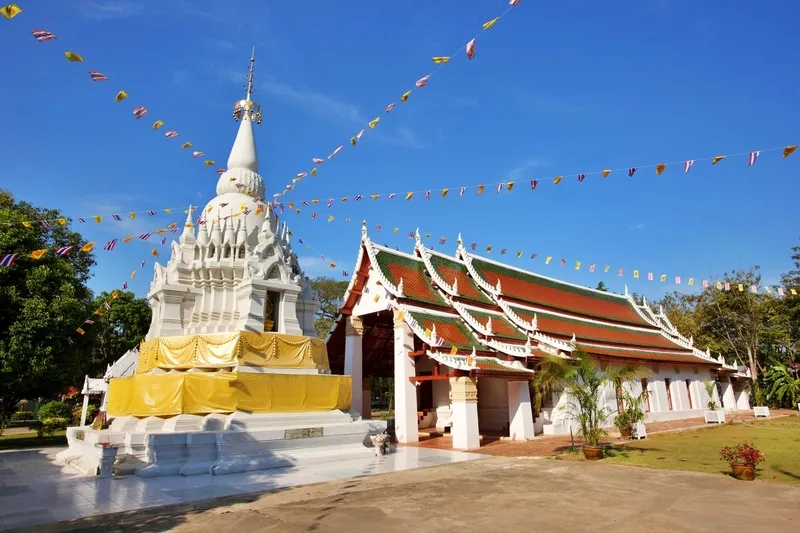
5. Wat Phra Borommathat Worawihan is an ancient and important Buddhist temple at Ban Thai Mueang in Chai Nat Subdistrict, Mueang Chai Nat District. Its sacred relic stupa is a major spiritual focus for local people and forms an important part of the historical identity of Chai Nat.
Highlights: Sacred relic stupa, historic Buddhist architecture, religious art, the tradition of wrapping sacred cloth around the stupa, and the temple’s importance to the history of Chai Nat.
The sacred relic stupa is the central feature of the temple and remains an important place of worship. The site also helps visitors understand the development of Buddhist religious architecture in the Chao Phraya basin and the long relationship between temples and surrounding settlements.
An important cultural tradition associated with the temple is the ceremonial wrapping of sacred cloth around the relic stupa, reflecting the community’s devotion to Buddhism and the sacred monument. For travelers interested in local culture, the temple is as important as the province’s better-known tourism landmarks.
Getting There: Wat Phra Borommathat Worawihan is located at Ban Thai Mueang, Moo 6, Chai Nat Subdistrict, Mueang Chai Nat District. It is within convenient driving distance of both Chai Nat town and Chao Phraya Dam. Visitors should dress respectfully and maintain appropriate behavior within the temple grounds.
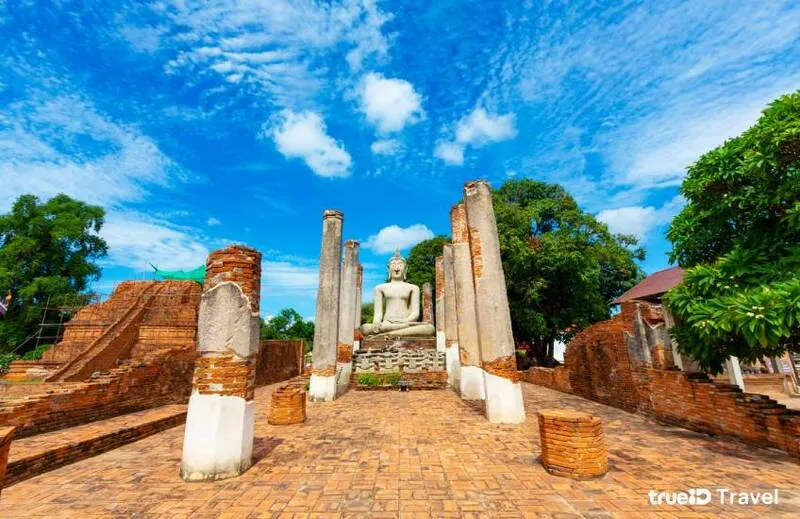
6. Wat Mahathat is located in Phraek Si Racha Subdistrict, Sankhaburi District. This ancient temple is important to the history of old Sankhaburi and is one of the best places in Chai Nat for travelers interested in understanding the province through archaeological remains, religious art, and the historic urban landscape.
Highlights: Historic Sankhaburi ruins, old stupas and religious structures, ancient Buddhist art, historic-town atmosphere, and an easy connection with Wat Phra Kaeo and Khun San Monument.
The temple grounds retain architectural and archaeological traces that reflect the prosperity of the former community. This gives Wat Mahathat a different character from temples visited primarily for worship, as travelers can observe architectural forms, construction materials, and the spatial arrangement of an old religious complex.
Wat Mahathat is best explored together with other attractions in Sankhaburi, particularly Wat Phra Kaeo, Khun San Monument, and Dong Khon Archaeological Site. Visiting these sites as one route gives a clearer picture of the district’s history than seeing each location in isolation.
Getting There: The temple is located at Moo 8, Phraek Si Racha Subdistrict, Sankhaburi District. From Chai Nat town, travel south toward Sankhaburi. Daytime visits are best for observing archaeological and architectural details clearly.
Map (GPS):Open Directions to Wat Mahathat
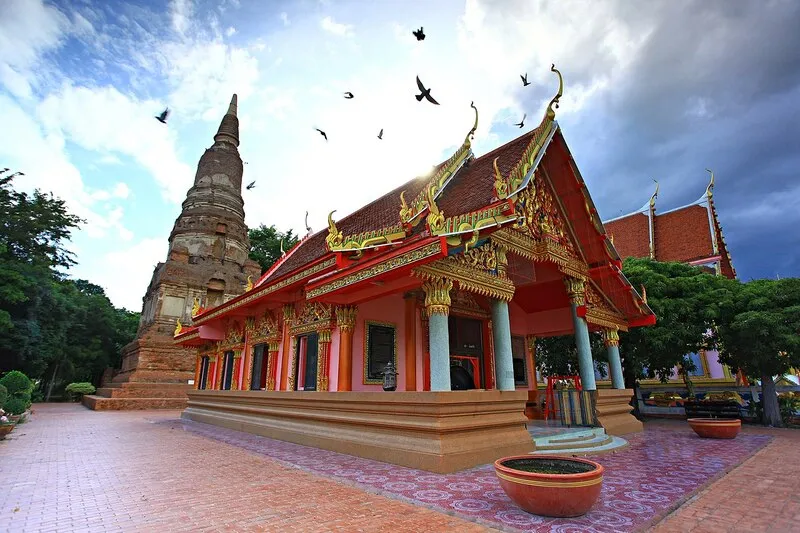
7. Wat Phra Kaeo is located at Ban Bang Nam Phra in Phraek Si Racha Subdistrict, Sankhaburi District. It is an old temple within the historic Sankhaburi area and has value for both Buddhist art and local history, making it a natural companion to Wat Mahathat and nearby archaeological sites.
Highlights: Historic Sankhaburi temple, Buddhist art, Buddha images and old religious structures, traditional community atmosphere, and an important stop on the Sankhaburi historical route.
The appeal of Wat Phra Kaeo lies partly in its position within a wider historic landscape where temples and communities are located relatively close to one another. Travelers therefore gain more by viewing the site as part of Sankhaburi’s long religious and urban development rather than treating each temple as an isolated attraction.
Visitors interested in Buddhist art can spend time observing the Buddha images, religious architecture, and layout of the temple before continuing to Wat Mahathat or Khun San Monument nearby.
Getting There: Wat Phra Kaeo is located at Moo 10, Ban Bang Nam Phra, Phraek Si Racha Subdistrict, Sankhaburi District. It is easily reached by car from Chai Nat town along the route toward Sankhaburi. Visitors should dress respectfully when entering temple areas.
Map (GPS):Open Directions to Wat Phra Kaeo

8. Wat Karuna is located in Bang Luang Subdistrict, Sapphaya District, close to Chao Phraya Dam. The temple is closely connected with communities along the Chao Phraya River and fits naturally into a sightseeing route through Sapphaya.
Highlights: Riverside-area temple, important Buddha images and religious structures, peaceful atmosphere, and a convenient location near Chao Phraya Dam.
A visit to Wat Karuna adds a religious and community dimension to a Chao Phraya Dam itinerary. Travelers can combine river views and dam scenery with a quieter temple visit, while the surrounding area reflects the traditional role of Buddhist temples as spiritual centers for riverside communities.
The temple suits travelers who prefer an unhurried itinerary. It can be visited in the morning or afternoon before continuing to Chao Phraya Dam later in the day for riverside scenery.
Getting There: Wat Karuna is located in Bang Luang Subdistrict, Sapphaya District and can be reached conveniently along the same general route as Chao Phraya Dam. A private car is the easiest option for a half-day trip around Sapphaya.
Map (GPS):Open Directions to Wat Karuna

9. Wat Song Sawoei is located at Ban Nong Khae in Nong Noi Subdistrict, Wat Sing District. The temple is associated with historical stories of royal travel and provides another cultural perspective on the Wat Sing area beyond its better-known religious sites.
Highlights: History associated with royal travel, religious structures and local stories, the atmosphere of Wat Sing District, and convenient access to Wat Pak Khlong Makham Thao.
The name and history of Wat Song Sawoei are linked with events from the past, allowing visitors to learn not only about the temple itself but also about local communities and travel through Central Thailand in earlier periods. The experience therefore goes beyond worship and connects the site with broader social and historical contexts.
Travelers exploring Wat Sing District should combine Wat Song Sawoei with Wat Pak Khlong Makham Thao to experience the area’s connections with Buddhist faith, revered monks, and local history in a single route.
Getting There: The temple is located at Ban Nong Khae, Moo 1, Nong Noi Subdistrict, Wat Sing District. From Chai Nat town, drive toward Wat Sing District and continue to Nong Noi Subdistrict. Visitors should dress respectfully and maintain a quiet manner within the temple grounds.
Map (GPS):Open Directions to Wat Song Sawoei

10. Khao Phlong is located in Khao Tha Phra Subdistrict, Mueang Chai Nat District. This natural hill close to the provincial center is suitable for travelers who want a change from temples and historic sites and would like to experience green surroundings and elevated views across Chai Nat.
Highlights: Hill close to Chai Nat town, viewpoint, natural scenery, uphill walking route, and a convenient location near Chainat Bird Park.
Khao Phlong adds geographical variety to a trip through Chai Nat. Much of the province consists of low-lying plains, but the Khao Tha Phra area includes low hills that provide broader views over the surrounding landscape. Travelers can therefore experience both the river-plain environment and higher ground within a relatively short distance.
Morning and late afternoon are generally more comfortable than midday for walking in the area. Visitors planning to climb steps or sloping sections should wear secure footwear, carry drinking water, and assess their physical condition before going higher.
Getting There: Khao Phlong is located in Khao Tha Phra Subdistrict, Mueang Chai Nat District, close to Chainat Bird Park. Both attractions can easily be combined in the same itinerary by traveling from Chai Nat town along Phahonyothin Road toward Khao Tha Phra.
Map (GPS):Open Directions to Khao Phlong

11. Chainat Bird Park Planetarium Science Center is a science-learning attraction within the Chainat Bird Park complex in Khao Tha Phra Subdistrict, Mueang Chai Nat District. It adds an educational dimension to a visit to the bird park and is particularly suitable for families, children, students, and young travelers interested in astronomy, space, and basic science.
Highlights: Planetarium, astronomy and space learning, science-based activities for children and young people, and a convenient location where several family attractions can be explored within the same complex.
The center turns a sightseeing trip into an accessible learning experience. Visitors can connect subjects such as the sky, stars, space, and natural phenomena with other educational activities around Chainat Bird Park, making the area especially suitable for family outings and school trips that combine entertainment with learning.
Travelers already planning to visit Chainat Bird Park should allow additional time for both the Planetarium Science Center and the Freshwater Fish Exhibition Building. All three attractions are located within the same general complex, reducing travel time and making it practical to spend half a day or even most of a day in the area.
Getting There: The center is located inside Chainat Bird Park in Khao Tha Phra Subdistrict, Mueang Chai Nat District. Follow the same route used for Chainat Bird Park from the provincial center along Phahonyothin Road.

12. Freshwater Fish Exhibition Building is located within Chainat Bird Park and serves as a learning center focused on freshwater fish and aquatic ecosystems. It is well suited to families and visitors who want to understand the diversity of freshwater species in Thailand, particularly the ecosystems associated with the river basins of Central Thailand.
Highlights: Freshwater fish species, aquatic ecosystem learning, family-friendly exhibitions, and a convenient location alongside Chainat Bird Park and the Planetarium Science Center.
Life in Chai Nat has long been closely connected with the Chao Phraya River and irrigation networks. The Freshwater Fish Exhibition Building therefore helps visitors understand another aspect of the province’s natural resources, from fish found in rivers and freshwater habitats to the wider importance of aquatic ecosystems for food, fisheries, and local communities.
The attraction is particularly suitable for children and families. It can be visited before or after exploring Chainat Bird Park, creating a varied itinerary that covers birds, aquatic animals, natural environments, and science without requiring long transfers between attractions.
Getting There: The building is located inside Chainat Bird Park at Moo 4, Phahonyothin Road, Khao Tha Phra Subdistrict, Mueang Chai Nat District. Visitors can use the main access route to Chainat Bird Park and continue to the exhibition area within the complex.

13. Chainat City Pillar Shrine is an important sacred site in central Chai Nat, located beside the Chao Phraya River near the river embankment area. It serves as a spiritual landmark for local people and makes a suitable starting point for exploring the provincial center.
Highlights: City pillar shrine, important local place of worship, riverside setting, and a convenient starting point for a sightseeing route through Chai Nat town.
The shrine is a place where residents and visitors come to pay respects and pray for good fortune, particularly during important occasions and local festivals. Its riverside setting also reinforces the historical importance of the Chao Phraya River to Chai Nat and the development of the provincial community.
The surrounding area can be used as a convenient starting point for continuing to riverside attractions, Chainat Bird Park, or important temples in Mueang Chai Nat District. It is especially suitable for travelers who prefer to begin their visit by paying respects to the province’s sacred city pillar.
Getting There: Chainat City Pillar Shrine is located beside the Chao Phraya River in Mueang Chai Nat District near the river embankment area. It is easily reached by car from central Chai Nat.

14. Khun San Monument stands in front of the Sankhaburi District Office and commemorates Khun San, an important figure in local history who has become a symbol of courage and community pride in Sankhaburi.
Highlights: Monument to an important Sankhaburi historical figure, local history, an introduction to the old town of Sankhaburi, and a convenient location near Wat Mahathat, Wat Phra Kaeo, and the historic community.
The story of Khun San helps visitors understand that Sankhaburi’s significance extends beyond its temples and archaeological remains. The district also preserves stories of local people and historical events associated with the defense and identity of the community.
When exploring Sankhaburi, the monument works well as a connecting point between Wat Mahathat, Wat Phra Kaeo, and Dong Khon Archaeological Site. Visiting these places together provides a more complete understanding of the historic town.
Getting There: Khun San Monument is located in front of the Sankhaburi District Office in Phraek Si Racha Subdistrict, Sankhaburi District. From Chai Nat town, drive south toward Sankhaburi.
Map (GPS):Open Directions to Khun San Monument
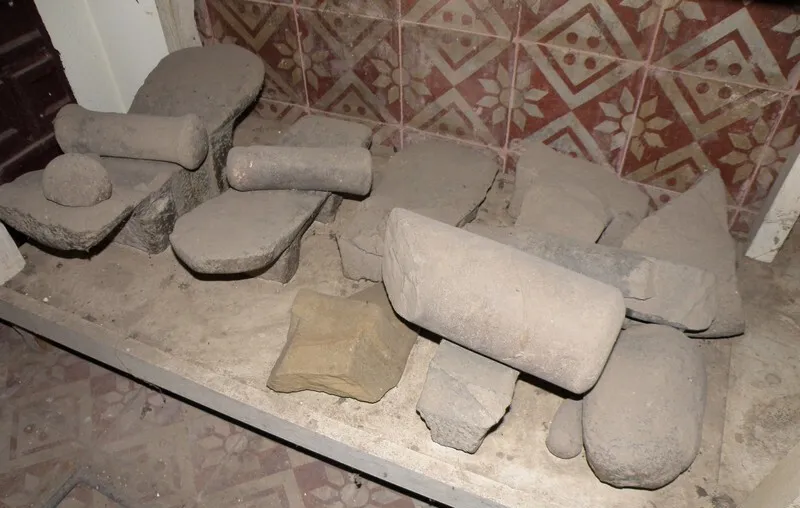
15. Dong Khon Archaeological Site is located in Dong Khon Subdistrict, Sankhaburi District. The archaeological area preserves evidence of ancient settlement and the development of communities in southern Chai Nat, making it particularly interesting for travelers who want to explore the province beyond temples that remain in active religious use.
Highlights: Ancient settlement area, archaeological traces, settlement history, Sankhaburi historical route, and the wider context of historic communities in the Chao Phraya basin.
The Dong Khon area helps explain how communities in southern Chai Nat developed over long periods of time. Archaeological evidence provides insight into relationships between settlements, religious sites, transportation routes, and water sources, all of which were important factors in the formation of towns across Central Thailand.
History-oriented travelers can combine Dong Khon Archaeological Site with Wat Mahathat, Wat Phra Kaeo, and Khun San Monument, creating a Sankhaburi itinerary that covers archaeology, Buddhism, and important local historical figures in one route.
Getting There: The site is located in Dong Khon Subdistrict, Sankhaburi District, Chai Nat. Private vehicles are the most practical option from central Sankhaburi. Daylight visits are preferable for viewing the archaeological landscape clearly.
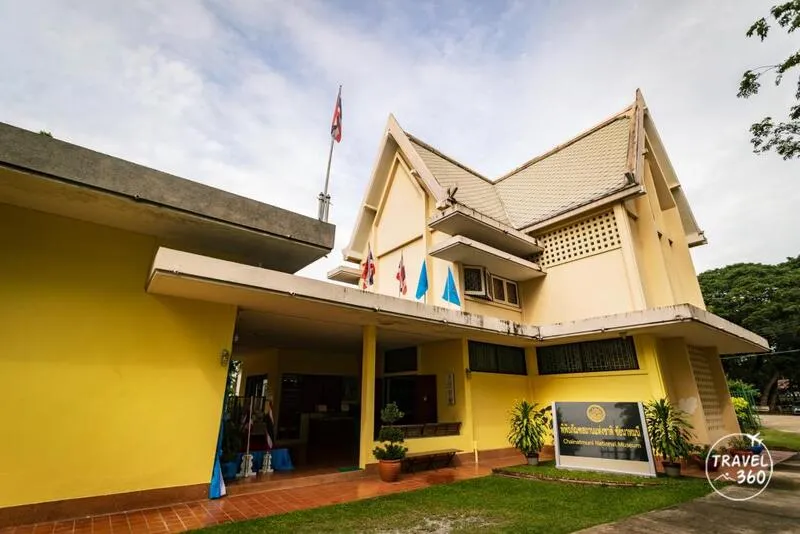
16. Chai Nat Muni National Museum is located within the grounds of Wat Phra Borommathat Worawihan in Chai Nat Subdistrict, Mueang Chai Nat District. The museum preserves archaeological objects, works of art, and historical evidence from Chai Nat and surrounding areas.
Highlights: Archaeological objects, works of art, Chai Nat history, Buddhist and archaeological heritage, and a location within the Wat Phra Borommathat Worawihan complex.
The museum adds considerable depth to a visit to Wat Phra Borommathat Worawihan. Rather than seeing only the religious buildings outside, visitors can use the collections to understand ancient objects, artistic traditions, and the development of communities in the region through physical historical evidence.
Travelers interested in history should allow time for the museum either before or after visiting the sacred relic stupa. Its collections provide useful cultural context for understanding Chai Nat and the wider Chao Phraya basin.
Getting There: Chai Nat Muni National Museum is located within Wat Phra Borommathat Worawihan at Moo 6, Chai Nat Subdistrict, Mueang Chai Nat District. Visitors can use the same route as Wat Phra Borommathat Worawihan and explore both attractions in one visit.
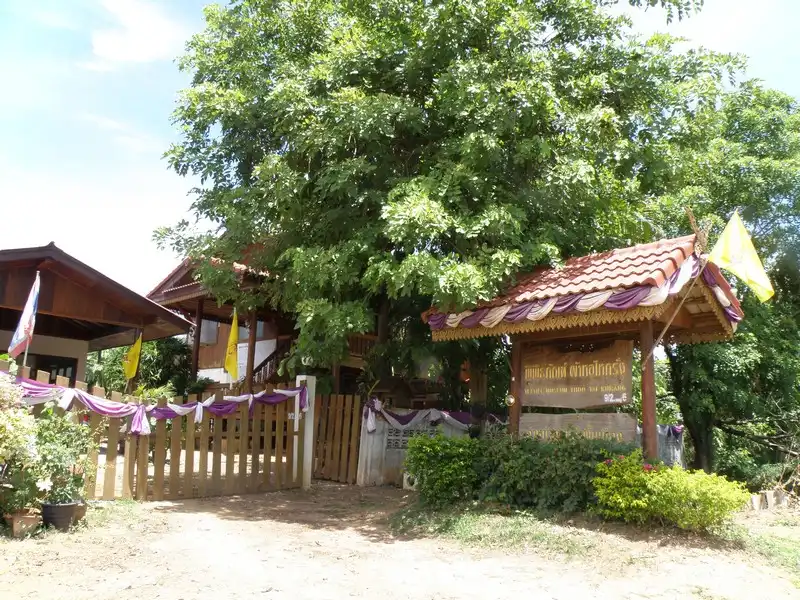
17. Tai Krang Textile Museum is located in Noen Kham District and serves as an important cultural learning center for the Tai Krang community, whose identity is strongly associated with weaving, textile patterns, distinctive colors, and traditional knowledge passed from one generation to the next.
Highlights: Tai Krang textiles, traditional woven patterns, weaving knowledge, ethnic identity, and the cultural heritage of communities in Noen Kham.
Tai Krang textiles are much more than handicraft products. They communicate history, beliefs, family relationships, skills, and community identity. Their patterns and colors therefore carry cultural significance in addition to their aesthetic value.
A museum visit provides a perspective very different from Chai Nat’s temples and natural attractions. Travelers can learn about the ethnic communities of the province and understand the role of traditional craft in both local identity and community livelihoods.
Getting There: The museum is located in Noen Kham District, Chai Nat Province. Traveling by private car is the most convenient option, and the museum can be included in a cultural and community route through the western part of the province.

18. Bueng Lahan Yai is a large wetland extending across areas of Phraek Si Racha Subdistrict in Sankhaburi District and Wang Kai Thuean Subdistrict in Hankha District. The wetland plays an important role in local ecosystems, agricultural water resources, and the livelihoods of surrounding communities.
Highlights: Wetland environment, waterside nature, birds and aquatic life, agricultural communities, and the rural landscape of Chai Nat.
Bueng Lahan Yai is another example of a natural resource with both ecological and community importance. Wetlands help store water, provide habitat for fish and birds, and support agricultural and livelihood activities in the surrounding area.
Early morning and late afternoon are more comfortable than midday for enjoying the scenery, and these periods may also offer better opportunities to observe birdlife and community activity around the wetland. The area suits travelers interested in nature photography and rural landscapes.
Getting There: The wetland extends between Phraek Si Racha Subdistrict in Sankhaburi District and Wang Kai Thuean Subdistrict in Hankha District. A private vehicle is the most convenient option. Visitors should use public access areas and established community roads when exploring the wetland.
Map (GPS):Open Directions to Bueng Lahan Yai

19. Space Water Park is located within the Chainat Bird Park complex in Khao Tha Phra Subdistrict, Mueang Chai Nat District. It is a recreational area designed for families and adds water-based activities to a visit that can also include the bird park and nearby educational attractions.
Highlights: Family water activities, children’s recreation, location within Chainat Bird Park, and easy combination with the planetarium and Freshwater Fish Exhibition Building.
The main advantage of Space Water Park is its location within the same tourism cluster as Chainat Bird Park. Families can combine educational attractions and recreational activities without repeatedly driving between different parts of the province.
Families planning to visit several attractions in the same day should allow rest time between activities, as combining Chainat Bird Park, the planetarium, freshwater fish exhibitions, and water activities can easily take several hours.
Getting There: Space Water Park is located within Chainat Bird Park in Khao Tha Phra Subdistrict, Mueang Chai Nat District. Use the main entrance to Chainat Bird Park and continue to the recreation zones within the complex.
Map (GPS):Open Directions to Space Water Park
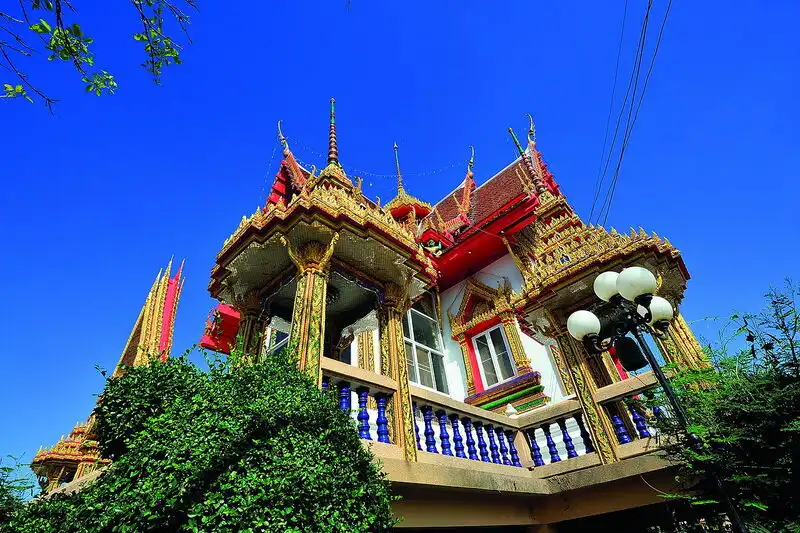
20. Wat Intharam (Taluk) is located at Moo 2, Taluk Subdistrict, Sapphaya District. It is an important community temple reflecting Buddhist faith, local life, and the cultural landscape of communities in the Chao Phraya River basin of Chai Nat.
Highlights: Historic community temple in Sapphaya District, local religious architecture, Taluk community life, and a cultural route near Chao Phraya Dam.
Wat Intharam is well suited to travelers who want to experience a quieter side of Chai Nat and visit a community temple that continues to play a role in the everyday lives of local residents, rather than focusing only on large or nationally recognized temples.
A visit also reveals the close relationship between temples, communities, agricultural land, and water management in Sapphaya District. These elements have long shaped settlement patterns and everyday life in this part of Chai Nat.
Getting There: Wat Intharam (Taluk) is located at Moo 2, Taluk Subdistrict, Sapphaya District, Chai Nat. It can be combined with Chao Phraya Dam, Wat Karuna, and other attractions in Sapphaya by private car. Visitors should dress respectfully and maintain appropriate behavior inside the temple grounds.
Map (GPS):Open Directions to Wat Intharam (Taluk)
| Category | Details |
| Mueang Chai Nat Zone | 1. Chainat Bird Park 2. Khao Phlong 3. Chainat Bird Park Planetarium Science Center 4. Freshwater Fish Exhibition Building 5. Chainat City Pillar Shrine 6. Wat Thammamun Worawihan 7. Wat Phra Borommathat Worawihan 8. Chai Nat Muni National Museum 9. Space Water Park Suitable for families, Buddhist travelers, history enthusiasts, and visitors who want to explore several types of attractions without traveling long distances between stops. |
| Sapphaya Zone | 1. Chao Phraya Dam 2. Wat Karuna 3. Wat Intharam (Taluk) Suitable for riverside sightseeing, learning about irrigation and water management, experiencing local communities, and visiting important temples along the same route. |
| Sankhaburi Zone | 1. Wat Mahathat 2. Wat Phra Kaeo 3. Khun San Monument 4. Dong Khon Archaeological Site Ideal for travelers interested in historic towns, archaeological remains, religious art, local history, and the story of Khun San. |
| Wat Sing Zone | 1. Wat Pak Khlong Makham Thao 2. Wat Song Sawoei Best for Buddhist travelers, visitors interested in revered monks, and those exploring historical connections with important figures in Thai history. |
| Noen Kham Zone | 1. Tai Krang Textile Museum Recommended for travelers interested in Tai Krang ethnic heritage, traditional weaving, community knowledge, and cultural preservation. |
| Nature and Wetland Zone | 1. Bueng Lahan Yai 2. Khao Phlong 3. Chao Phraya River area around Chao Phraya Dam Suitable for scenic views, nature photography, birdwatching, and experiencing the rural landscapes of Central Thailand. |
| Best for Families and Children | Chainat Bird Park, Chainat Bird Park Planetarium Science Center, Freshwater Fish Exhibition Building, and Space Water Park. |
| Best for Buddhist Travelers | Wat Pak Khlong Makham Thao, Wat Thammamun Worawihan, Wat Phra Borommathat Worawihan, Wat Mahathat, Wat Phra Kaeo, Wat Karuna, Wat Song Sawoei, and Wat Intharam (Taluk). |
| Best for History | Wat Mahathat, Wat Phra Kaeo, Khun San Monument, Dong Khon Archaeological Site, Chai Nat Muni National Museum, and Wat Song Sawoei. |
| Best for Culture | Tai Krang Textile Museum, Wat Phra Borommathat Worawihan, Wat Pak Khlong Makham Thao, and the provincial Straw Bird Fair. |
| Local Food and Specialties to Try | Khao Taeng Kwa Pomelo, pomelo salad, freshwater fish dishes, Central Thai home-style food, and community products from different districts. |
| Distinctive Local Culture | Tai Krang culture and traditional weaving, the sacred-cloth wrapping tradition at the relic stupa, riverside community life along the Chao Phraya River, and the Chai Nat Straw Bird Fair and local products festival. |
| Recommended Accommodation Areas | Central Chai Nat is the most convenient base for travelers covering several zones because it provides easy access to Chainat Bird Park, Khao Phlong, Wat Phra Borommathat Worawihan, and Sapphaya. Travelers focusing on Wat Pak Khlong Makham Thao or Wat Sing District can consider smaller local accommodation in that area to reduce driving time. |
| 1 Day in Chai Nat – Family Trip | Morning: Chainat Bird Park – Freshwater Fish Exhibition Building Midday: Lunch in Chai Nat town Afternoon: Chainat Bird Park Planetarium Science Center – Khao Phlong Evening: Chainat City Pillar Shrine and the Chao Phraya riverside |
| 1 Day in Chai Nat – Buddhist Route | Morning: Wat Phra Borommathat Worawihan – Chai Nat Muni National Museum Late Morning: Wat Thammamun Worawihan Afternoon: Wat Pak Khlong Makham Thao Evening: Wat Song Sawoei |
| 1 Day in Sankhaburi | Morning: Wat Mahathat – Wat Phra Kaeo Midday: Lunch in Sankhaburi District Afternoon: Khun San Monument – Dong Khon Archaeological Site Evening: Enjoy the rural scenery on the return journey |
| Chai Nat 2 Days 1 Night | Day 1: Chainat Bird Park – Khao Phlong – Chainat City Pillar Shrine – Chao Phraya Dam, then stay overnight in central Chai Nat Day 2: Wat Phra Borommathat Worawihan – Wat Thammamun Worawihan – Wat Pak Khlong Makham Thao, or choose a Sankhaburi route according to your interests |
| Chai Nat 3 Days 2 Nights | Day 1: Chai Nat town – Chainat Bird Park – Khao Phlong Day 2: Wat Phra Borommathat Worawihan – Wat Thammamun Worawihan – Wat Pak Khlong Makham Thao – Wat Song Sawoei Day 3: Sankhaburi – Wat Mahathat – Wat Phra Kaeo – Khun San Monument – Dong Khon Archaeological Site |
| Best Way to Get Around | A private car is the most convenient option because attractions are spread across several districts. Travelers without their own vehicle should focus on the provincial center and attractions that can be reached by local transport, or arrange a vehicle in advance. |
| Best Time to Visit | Chai Nat can be visited throughout the year. November to February generally offers more comfortable weather, while the rainy season makes rural and natural areas greener. Check local weather before visiting open landscapes or wetland areas during periods of heavy rain. |
Frequently Asked Questions (FAQ)
Q: What are the must-visit attractions in Chai Nat?
A: For a first visit, recommended highlights include Chainat Bird Park, Chao Phraya Dam, Wat Pak Khlong Makham Thao, Wat Thammamun Worawihan, Wat Phra Borommathat Worawihan, and the historic Sankhaburi route. Together they provide a good introduction to Chai Nat’s nature, history, Buddhism, and local way of life.
Q: Can I visit Chai Nat in one day?
A: Yes. A one-day trip works well if you focus on one or two zones, such as central Chai Nat and Sapphaya, or the important temples around Mueang Chai Nat and Wat Sing. If you also want to explore Sankhaburi, Noen Kham, and Wat Sing in more depth, staying at least one night is more practical.
Q: Where should I stay for a 2-day, 1-night trip to Chai Nat?
A: Central Chai Nat is the most convenient base for first-time visitors because it provides easy access to Chainat Bird Park, Khao Phlong, Chao Phraya Dam, Wat Phra Borommathat Worawihan, and routes to other districts. Travelers concentrating on Wat Sing or Noen Kham can also choose accommodation closer to those areas to reduce driving time.
Q: Are there family-friendly attractions in Chai Nat?
A: Yes. Chainat Bird Park, Chainat Bird Park Planetarium Science Center, the Freshwater Fish Exhibition Building, and Space Water Park are particularly suitable for families and children. Because these attractions are located close together, they can be combined into a half-day or full-day family itinerary.
Q: Where should history lovers visit in Chai Nat?
A: Sankhaburi District is one of the best areas for history enthusiasts. A route can include Wat Mahathat, Wat Phra Kaeo, Khun San Monument, and Dong Khon Archaeological Site. Chai Nat Muni National Museum in Mueang Chai Nat District adds further historical and archaeological context.
Q: What local food is Chai Nat famous for?
A: Khao Taeng Kwa Pomelo is one of Chai Nat’s best-known agricultural products. Travelers can also try freshwater fish dishes, Central Thai home-style food, and dishes using pomelo, such as pomelo salad, at local markets, restaurants, and community food stops.
Q: What traditions and cultural heritage are distinctive in Chai Nat?
A: Chai Nat is known for Tai Krang culture and traditional weaving, Buddhist traditions such as wrapping sacred cloth around a relic stupa, and the Straw Bird Fair, which has become one of the province’s most recognizable cultural events.
Q: What is the best way to travel around Chai Nat?
A: Traveling by private car is the most convenient option because attractions are spread across several districts. Dividing the trip into geographic zones such as Mueang Chai Nat–Sapphaya, Wat Sing, or Sankhaburi helps reduce unnecessary backtracking and makes the itinerary more comfortable.
 Category: ●Travel Articles, Recipes
 Group: ●Travel Review, Food Review
Last Update : 3 WeekAgo
 Last Update : 3 WeekAgo

 Art, Culture and Heritage
 Historical Sites and Monuments(1)
 Landmarks and Memorials(1)
 Art, Craft Centres, Tradition(2)
 Museums(2)
 Educational Places
 Museum for Study(1)
 Places of Worship
 Temple(21)
 Other Sacred Sites(4)
 Nature and Wildlife
 Mountain (Doi)(2)
 Dam, Reservoir, Lake(1)
 River, Canal(1)
 Entertainment and Agricultural
 Zoos and Aquariums(1)
 Animal camps and shows(3)
 Waterpark(1)
Travel Review, Food Review(1)


