
lovethailand home >North Travel Attractions >Mae Hong Son Travel Attractions >Mae Sariang >Mae Sariang > Mae Sariang City Pillar Shrine
TL;DR: Mae Sariang City Pillar Shrine is located at Mae Sariang Subdistrict, Mae Sariang District, Mae Hong Son 58110, Thailand, open Daily, hours 06:00 – 18:00.
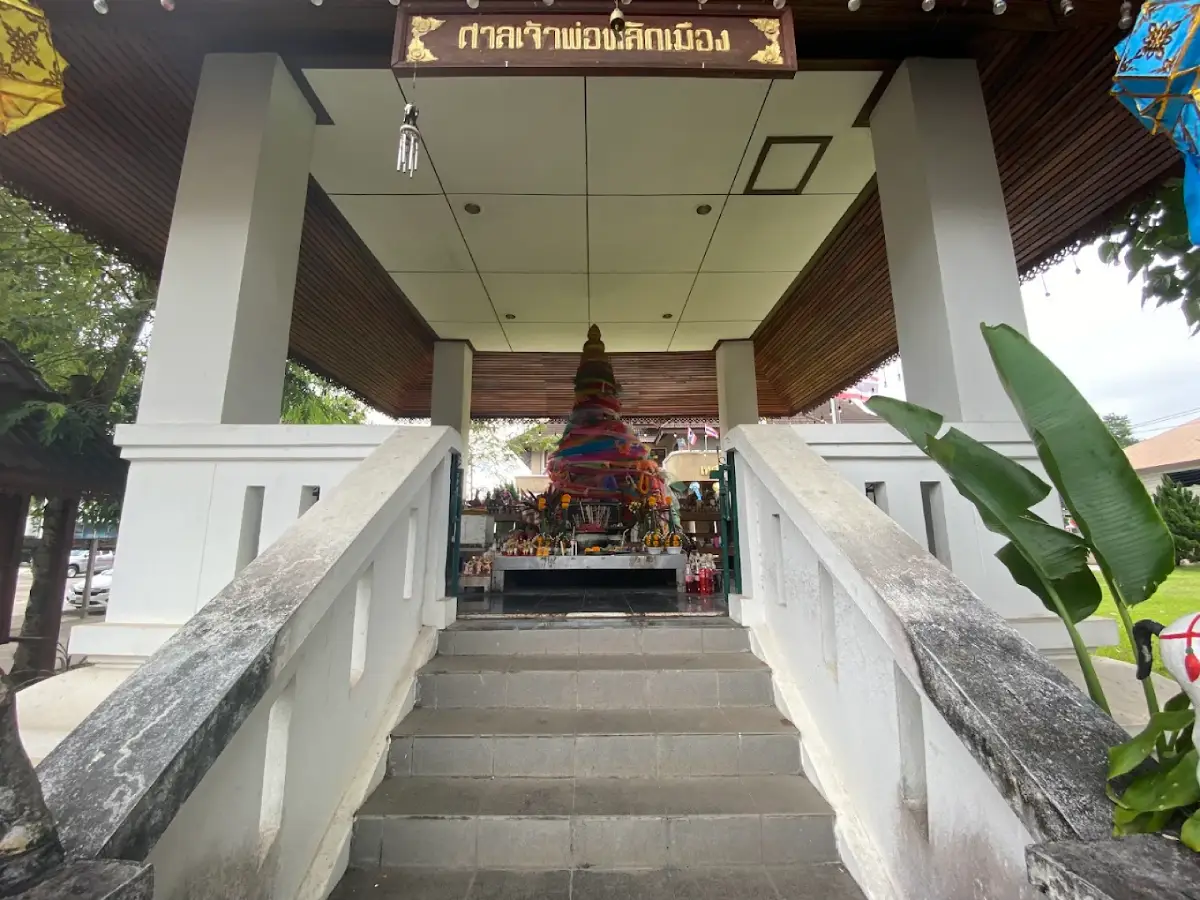
Mae Sariang City Pillar Shrine
Open Days: Daily
Opening Hours: 06:00 – 18:00
Mae Sariang City Pillar Shrine, also known as San Chao Pho Lak Mueang Mae Sariang, is an important sacred landmark and spiritual center for the people of Mae Sariang District in Mae Hong Son Province, northern Thailand. Located in Mae Sariang Subdistrict, Mae Sariang District, Mae Hong Son 58110, the shrine is dedicated to the town's guardian spirit, traditionally believed to protect the community and bring peace, stability, and good fortune. It also serves as a cultural attraction connected to the history of Mueang Yuam Tai, the ancient settlement from which modern Mae Sariang developed.
The significance of Mae Sariang City Pillar Shrine lies in its role as a center of local faith and an enduring element of the town's cultural landscape. Although Mae Sariang is not the administrative capital of Mae Hong Son Province, it has historically been an important center of government, trade, and communication in the southern part of the province. The shrine consequently represents more than an individual place of worship. It is connected with the historical identity of a town that has maintained its cultural traditions through many periods of social and administrative change.
Mae Sariang has a distinctive atmosphere compared with Thailand's larger tourist cities. Its traditional riverside communities, historic temples, local markets, and religious landmarks reflect the everyday life of a northern town shaped by mountains, rivers, and cultural diversity. The City Pillar Shrine forms part of this environment, allowing visitors to experience local spiritual traditions while discovering the close relationship between sacred places and community life.
The history of Mae Sariang is closely connected with the names Mueang Yuam and Mueang Yuam Tai, which appear in historical accounts of northern Thailand. Mueang Yuam Tai was an important settlement in what is now southern Mae Hong Son Province. It maintained connections with the Lanna Kingdom and with routes linking mountain communities, river valleys, and territories to the west. This historical background provides essential context for understanding the meaning of the City Pillar Shrine and its place within the cultural identity of Mae Sariang.
The name Yuam is associated with the Yuam River, an important waterway flowing through Mae Sariang District. The river has influenced agriculture, settlement patterns, and everyday life in the surrounding valley. Together with mountain routes, it helped connect different communities and ethnic groups. Among the peoples historically associated with the area are Lawa, Karen, and Shan communities, all of which have contributed to the cultural diversity of Mae Sariang.
In Lanna history, Mueang Yuam Tai held importance as a frontier settlement and a strategically located community. Western Lanna was characterized by forested mountains and natural routes connecting settlements across the region. Mueang Yuam Tai consequently played a role in transportation, regional administration, and the movement of people and goods. This background helps explain why modern Mae Sariang continues to function as a significant transportation and commercial center for the southern districts of Mae Hong Son Province.
Historical accounts of Mueang Yuam Tai also connect the area with developments during the Lanna Kingdom. Northern chronicles refer to Mueang Yuam in discussions of territorial administration and relations with Chiang Mai. The history of Mae Sariang therefore extends beyond the modern district boundaries and forms part of the broader political and cultural history of northern Thailand.
During the administrative reforms of the Rattanakosin period, the former town became incorporated into a modern district system. The name Mueang Yuam was used before the area eventually became known as Mae Sariang District. This change reflects the transition from traditional northern towns to the provincial administration of the modern Thai state. Nevertheless, the memory of Mueang Yuam Tai remains visible through local historical narratives, place names, and cultural traditions.
Throughout these administrative changes, Mae Sariang City Pillar Shrine has continued to represent a spiritual connection between the community and its town. In Thai and northern regional traditions, guardian spirits are associated with protection, harmony, and the well-being of settlements. A city pillar consequently carries both cultural symbolism and religious significance, expressing the community's collective attachment to its home.
The Thai name San Chao Pho Lak Mueang refers to a shrine associated with the guardian spirit of the town. The title Chao Pho Lak Mueang reflects the belief in a sacred protector who watches over the settlement. Similar guardian-spirit traditions exist in many Thai towns, although individual shrines differ in historical background, religious practices, and local meaning. In Mae Sariang, the shrine is particularly associated with the legacy of Mueang Yuam Tai and the continuing faith of its residents.
The shrine's importance is reflected in visits by local residents and government officials. On April 9, 2024, the Governor of Mae Hong Son Province visited Mae Sariang City Pillar Shrine to pay his respects and seek traditional blessings while undertaking official duties in the southern districts. This event illustrates the continuing position of the shrine as a respected sacred landmark recognized by both the community and provincial authorities.
For Mae Sariang residents, worship at the shrine is associated with personal stability, family well-being, and community harmony. Worshippers visit on important occasions, including new beginnings, journeys, business activities, and other significant events in everyday life. These practices express traditional beliefs concerning protection and good fortune, while also maintaining a meaningful connection with the town's guardian spirit.
Worship at the City Pillar Shrine also carries a broader communal meaning. Returning to the same sacred place across generations helps preserve cultural memory and creates a shared point of reference for residents of different ages. The shrine is therefore not simply a place for individual prayers. It is also part of the community's collective historical and spiritual identity.
Physically, Mae Sariang City Pillar Shrine is a relatively small sacred landmark within the town rather than an extensive temple complex or historical park. The main focus is the city pillar and the surrounding worship area. Visitors generally come to pay their respects, observe the local spiritual setting, and learn about the shrine's cultural significance. Its compact size makes it convenient to include in a wider tour of Mae Sariang's temples and historical attractions.
The shrine stands within an active urban community where roads, shops, and everyday activities form part of the surrounding environment. This distinguishes it from remote mountain temples or isolated sacred sites. The setting allows visitors to observe how a traditional place of worship remains integrated into the daily life of a contemporary northern Thai town. Its accessible location also helps maintain its role as a community shrine.
City pillar traditions are closely associated with the historical concept of establishing and maintaining a settlement. Designating a sacred center for a town expresses the importance of the place and reinforces a sense of belonging among its residents. The city pillar therefore symbolizes centrality, stability, and community continuity. While the origins and architecture of individual shrines vary, their shared cultural role often involves protection and attachment to the local homeland.
In northern Thailand, traditions involving protective spirits are connected with broader local belief systems that include guardian deities, ancestral traditions, and Buddhism. Communities have developed different ways of expressing respect toward sacred places while maintaining Buddhist religious practices. Mae Sariang City Pillar Shrine forms part of this diverse cultural environment, reflecting the spiritual traditions of communities historically associated with Mueang Yuam Tai.
Mae Sariang has been influenced by both Lanna and Shan cultures, as seen in its temples, architecture, languages, festivals, and everyday customs. Several Buddhist temples in the town contain architectural features associated with Shan craftsmanship. Religious traditions such as Poi Sang Long also remain important to the local community. Understanding this cultural background adds depth to a visit to the City Pillar Shrine and reveals that Mae Sariang's heritage includes far more than its natural scenery.
Poi Sang Long is a traditional novice ordination festival of considerable importance to Shan communities. Boys participating in the ceremony wear elaborate ceremonial costumes before entering the Buddhist monastic order. The festival includes acts of respect toward senior members of the community and important sacred places. In some local ceremonial routes, city pillar shrines are among the places visited. The tradition demonstrates how Buddhist devotion and respect for local guardian spirits can coexist within the wider religious culture of northern Thailand.
The City Pillar Shrine is also associated with community merit-making activities connected to the local Ninth Lunar Month tradition. Ceremonies honoring the town's guardian spirit express gratitude, respect, and the desire for communal well-being. Such events provide opportunities for residents to gather and maintain traditions inherited from previous generations. Their significance includes both spiritual beliefs and the preservation of intangible cultural heritage.
A visit to Mae Sariang City Pillar Shrine can be combined with several important Buddhist temples in town, particularly Wat Si Bun Rueang, Wat Chong Sung, and Wat Suphan Rangsi. These temples preserve aspects of local Buddhist architecture and Shan cultural traditions. Visiting them alongside the shrine provides a broader understanding of the different types of sacred spaces that contribute to Mae Sariang's religious landscape.
Wat Si Bun Rueang is an important Buddhist temple associated with the local community and religious art influenced by Shan culture. Its sacred objects and traditional temple buildings make it a valuable stop for visitors interested in regional Buddhism. Exploring the temple alongside the City Pillar Shrine helps distinguish the roles of Buddhist monastic institutions from those of civic guardian-spirit shrines.
Wat Chong Sung, also known as Wat Uthayaram, is another historic temple in Mae Sariang town. It is noted for architecture influenced by Shan and Burmese artistic traditions, including its chedis and Buddhist structures. The temple is an important destination for those studying the religious architecture of northern Thailand and the cultural identity of Mae Sariang's Shan communities.
Wat Suphan Rangsi, also known as Wat Chong Kham, is another religious landmark closely associated with Mae Sariang's community life. Visiting the town's temples together with the City Pillar Shrine reveals their different ceremonial functions. Buddhist temples serve monastic and religious communities, while the city pillar shrine expresses respect toward the sacred protector of the town according to local belief.
Beyond the temples of the town center, Mae Sariang is renowned for a group of four sacred hilltop stupas collectively known as the Four Chom. They are Phra That Chom Chaeng, Phra That Chom Thong, Phra That Chom Kitti, and Phra That Chom Mon. These religious landmarks hold importance within local Buddhist traditions and are popular destinations for residents and visitors wishing to pay respects at sacred sites around Mae Sariang.
Local traditions concerning the Four Chom connect the stupas with the cooperation of different cultural communities, including Mon, Burmese, Shan, and Karen groups. These accounts form part of the region's religious folklore and express ideas of shared faith and coexistence. The stories are significant for understanding how different communities contributed to the cultural identity of Mueang Yuam Tai.
Phra That Chom Chaeng is one of the important landmarks on the Four Chom pilgrimage circuit. Located to the east of Mae Sariang town, the temple contains a revered stupa and Buddhist buildings. Its setting also offers an opportunity to observe the relationship between religious landmarks, agricultural communities, and the surrounding mountain landscape.
Phra That Chom Thong is another important hilltop religious site overlooking the Mae Sariang area. The site is associated with a large Buddha image known as Phra Phuttha Rattanamingmongkhon and offers broad views of the town. Its elevated setting makes it notable for both Buddhist worship and appreciation of the surrounding valley and mountains.
Phra That Chom Mon is a revered religious landmark located on a hill near Mae Sariang. It is also known for scenic viewpoints over the surrounding landscape. Visiting the site illustrates the historical importance of placing Buddhist stupas on elevated ground, a characteristic found in many parts of northern Thailand's religious geography.
Phra That Chom Kitti completes the traditional Four Chom group and holds significance in Mae Sariang's local Buddhist culture. Exploring all four sites alongside the City Pillar Shrine provides an opportunity to understand the relationship between guardian-spirit beliefs and Buddhist devotion. Although these religious traditions have different origins and practices, both contribute to the spiritual identity of the town.
Mae Sariang City Pillar Shrine also provides a useful starting point for exploring the history of Mueang Yuam Tai. The surrounding town contains temples, local communities, and a museum dedicated to the area's heritage. Mae Sariang Museum offers insight into the district's history, cultural diversity, and traditional ways of life. Its Shan-influenced architectural appearance makes it another noteworthy destination for travelers interested in local heritage.
The Yuam River has played an important role in Mae Sariang's development. Its waters are connected with agriculture, settlement, and the physical landscape of communities along the valley. Today, riverside restaurants and accommodation allow visitors to experience the atmosphere of this historic river town. The relationship between the river and the surrounding settlements remains an important part of Mae Sariang's identity.
Travelers interested in regional food will find traditional northern Thai restaurants alongside everyday local eateries in Mae Sariang. Dishes associated with northern food culture, including khao soi and sai ua, form part of the town's culinary appeal. Noodle shops, casual Thai restaurants, and riverside dining establishments also reflect the relaxed character of a small provincial town serving both local residents and travelers.
Accommodation in Mae Sariang ranges from small guesthouses and centrally located hotels to riverside properties overlooking the Yuam River. These options make it possible to arrange either a day visit or an overnight stay while exploring the shrine and other local attractions. Mae Sariang is also a useful stopping point for travelers following the mountainous routes through Mae Hong Son Province.
The City Pillar Shrine is particularly suitable for cultural travelers and visitors interested in traditional Thai spiritual beliefs. Rather than offering a large complex requiring an extended sightseeing visit, it provides a meaningful introduction to local history and community identity. A short stop at the shrine can be followed by visits to temples, historical sites, and scenic viewpoints elsewhere in the district.
The morning is a pleasant time to experience Mae Sariang's town atmosphere and visit the shrine before beginning a wider sightseeing itinerary. Later in the day, travelers can explore local temples and elevated viewpoints around the district. A route combining these destinations offers a varied experience of traditional architecture, religious culture, mountain scenery, and the everyday life of a historic northern town.
Visitors should dress respectfully and behave appropriately within the shrine. Loud conversations, obstruction of ceremonial areas, and unnecessary touching of sacred objects should be avoided. Any offerings should be presented according to the site's arrangements, and visitors should keep the surrounding area clean. Such behavior shows respect for a place that continues to hold meaning for local residents.
Photography should be undertaken with consideration for worshippers and any rules displayed at the site. Visitors should avoid interrupting religious activities or entering restricted spaces. Respectful photography and appropriate conduct help preserve the sacred atmosphere while supporting responsible cultural tourism.
Getting There Mae Sariang City Pillar Shrine is located in Mae Sariang Subdistrict, Mae Sariang District, Mae Hong Son Province, northern Thailand. Travelers driving from Chiang Mai can use Highway 108, the principal road connecting Chiang Mai with the southern part of Mae Hong Son Province. Once in Mae Sariang town, follow local directions or navigation services to the city pillar shrine.
From Chiang Mai, the route follows Highway 108 through the Hot District area before continuing toward Mae Sariang. The road passes through mountainous terrain with numerous curves, reflecting the geography of northern Thailand. Visitors traveling by public bus can arrive in Mae Sariang town and continue to the shrine using available local transport.
Travelers arriving from Mae Hong Son town can also use Highway 108, traveling through Khun Yuam and Mae La Noi districts before reaching Mae Sariang. This road connects several important districts within the province and is part of a popular route for travelers exploring the mountainous landscape and local communities of Mae Hong Son.
After arriving in Mae Sariang, visitors can combine the shrine with Wat Si Bun Rueang, Wat Chong Sung, Wat Suphan Rangsi, and Mae Sariang Museum. The trip can then continue to the Four Chom religious landmarks, local restaurants, and accommodation around the town. This creates a varied cultural itinerary covering history, architecture, spiritual beliefs, Buddhism, and the traditional lifestyle of Mae Sariang.
Mae Sariang City Pillar Shrine has value on several levels. It is a sacred place dedicated to the guardian spirit of the town, a cultural link with the historical memory of Mueang Yuam Tai, and an enduring part of local community life. Although the shrine is modest in size, its importance comes from the faith, traditions, and sense of belonging that residents associate with it.
Visiting Mae Sariang City Pillar Shrine offers an opportunity to discover the history and cultural identity of one of Mae Hong Son Province's historic towns. When considered alongside the story of Mueang Yuam Tai, Shan communities, the Four Chom stupas, old Buddhist temples, and the Yuam River, the shrine becomes an important part of a wider cultural landscape. It provides both Thai and international travelers with a meaningful insight into the continuing role of faith, heritage, and community traditions in Mae Sariang.
| Name | Mae Sariang City Pillar Shrine (San Chao Pho Lak Mueang Mae Sariang) |
| Type | Sacred Landmark, Local Cultural Attraction and Historical Place of Worship |
| Address | Mae Sariang Subdistrict, Mae Sariang District, Mae Hong Son 58110, Thailand |
| Map Location | Plus Code 5W5J+535, Mae Sariang District, Mae Hong Son, Thailand |
| Cultural Significance | A Spiritual Center for Mae Sariang Residents and a Sacred Place Dedicated to the Town's Guardian Spirit |
| Historical Context | Associated with the Historic Town of Mueang Yuam Tai and the Cultural History of the Lanna Region |
| Main Sacred Feature | City Pillar and Guardian-Spirit Worship Area |
| Main Areas | City Pillar Area, Worship Space and Surrounding Shrine Grounds |
| Cultural Activities | Guardian-Spirit Worship, Traditional Ceremonies and Community Merit-Making Associated with the Local Ninth Lunar Month Tradition |
| Open Days | Daily |
| Opening Hours | 06:00 – 18:00 |
| Admission Fee | Free Admission |
| Getting There | Take Highway 108 to Mae Sariang Town and Continue to the City Pillar Shrine |
| Nearby Attractions in Mae Sariang | 1. Wat Chong Sung (Wat Uthayaram) 2. Wat Si Bun Rueang 3. Wat Suphan Rangsi (Wat Chong Kham) 4. Mae Sariang Museum 5. Wat Phra That Chom Chaeng 6. Wat Phra That Chom Thong 7. Wat Phra That Chom Mon 8. Wat Phra That Chom Kitti |
| Restaurants in Mae Sariang District | 1. Mae Luang Pen Northern Thai Restaurant, Tel. +66 81 992 4854 2. Pa Daeng Khao Soi, Tel. +66 89 558 1289 3. Soi Tee Mee Giao, Tel. +66 84 371 8441 4. Heng Crab Fried Rice Mae Sariang, Tel. +66 99 326 2664 5. Eat One Mala, Tel. +66 96 067 5698 6. Yum Zaap So Riang |
| Accommodations in Mae Sariang District | 1. In Box Guesthouse Mae Sariang, Tel. +66 62 507 3307 2. Above the Sea Boutique Hotel, Tel. +66 96 468 7752 3. Riverhouse Hotel (The Teak House), Tel. +66 53 682 323 4. Riverhouse Resort Hotel, Tel. +66 53 683 066 5. Grandma's House, Tel. +66 63 723 6125 6. Ban Suan Suk Chai, Tel. +66 95 686 6456 |
Frequently Asked Questions (FAQ)
Q: Where is Mae Sariang City Pillar Shrine located?
A: The shrine is located in Mae Sariang Subdistrict, Mae Sariang District, Mae Hong Son Province 58110, Thailand, within Mae Sariang town.
Q: What are the opening days and hours of Mae Sariang City Pillar Shrine?
A: The shrine is open daily from 06:00 to 18:00.
Q: Is there an admission fee to visit Mae Sariang City Pillar Shrine?
A: No. Admission to the shrine is free.
Q: Why is Mae Sariang City Pillar Shrine important?
A: It is a spiritual center for local residents and a sacred place dedicated to the town's guardian spirit. The shrine is also connected with the historical and cultural identity of Mueang Yuam Tai.
Q: What is the connection between the shrine and Mueang Yuam Tai?
A: Mae Sariang was historically known as Mueang Yuam or Mueang Yuam Tai, an important settlement associated with the Lanna region. The city pillar shrine forms part of the town's continuing spiritual and cultural landscape.
Q: Are there any traditional ceremonies associated with the shrine?
A: Community merit-making and guardian-spirit worship are associated with the local Ninth Lunar Month tradition, expressing respect for the town's sacred protector and preserving local cultural practices.
Q: What attractions can travelers visit near the shrine?
A: Nearby attractions in Mae Sariang include Wat Si Bun Rueang, Wat Chong Sung, Wat Suphan Rangsi, and Mae Sariang Museum. Travelers can also explore the Four Chom sacred stupas: Chom Chaeng, Chom Thong, Chom Kitti, and Chom Mon.
Q: How can visitors reach Mae Sariang City Pillar Shrine?
A: Travelers can reach Mae Sariang via Highway 108 from Chiang Mai or Mae Hong Son town. From the center of Mae Sariang, continue to the shrine by private vehicle or local transport using the shrine's map location.
 Category: ●Places of Worship
 Group: ●Other Sacred Sites
Last Update : 5 DayAgo
 Last Update : 5 DayAgo
 Click to Access the Navigation Map GPS
Mae Sariang City Pillar Shrine Map
Recommend

 Art, Culture and Heritage
 Historical Sites and Monuments(1)
 Landmarks and Memorials(1)
 Art, Craft Centres, Tradition(10)
 Museums(3)
 Educational Places
 Educational Gardens, Farm(1)
 Temple(81)
Other Sacred Sites(3)
 Research and Development
 Royal Project(4)
 Suburban Living
 Village, Community(19)
 Local Market(4)
 Nature and Wildlife
 National Parks and Marine Reserves(7)
 Mountain (Doi)(5)
 Dam, Reservoir, Lake(2)
 Waterfalls(12)
 Hot Springs(6)
 Caves(13)
 Flower Field(2)
 River, Canal(3)
 Other natural attractions(1)
 Entertainment and Agricultural
 Farms, Parks and Ecotourism(2)
 Shopping
 Shopping and Night Market(1)
 Travel Articles, Recipes
 Travel Review, Food Review(2)


