
lovethailand home >South Travel Attractions >Ranong Travel Attractions >Muang Ranong >Bang Rin > Phu Lum Phi Hot Spring
TL;DR: Phu Lum Phi Hot Spring is located at Moo 3, Ban Phon Rang, Bang Rin Subdistrict, Mueang Ranong District, Ranong Province, open Open Daily, hours 08:00 – 18:00.
Phu Lum Phi Hot Spring
Open Days: Open Daily
Opening Hours: 08:00 – 18:00
Last Updated: 2 September 2026
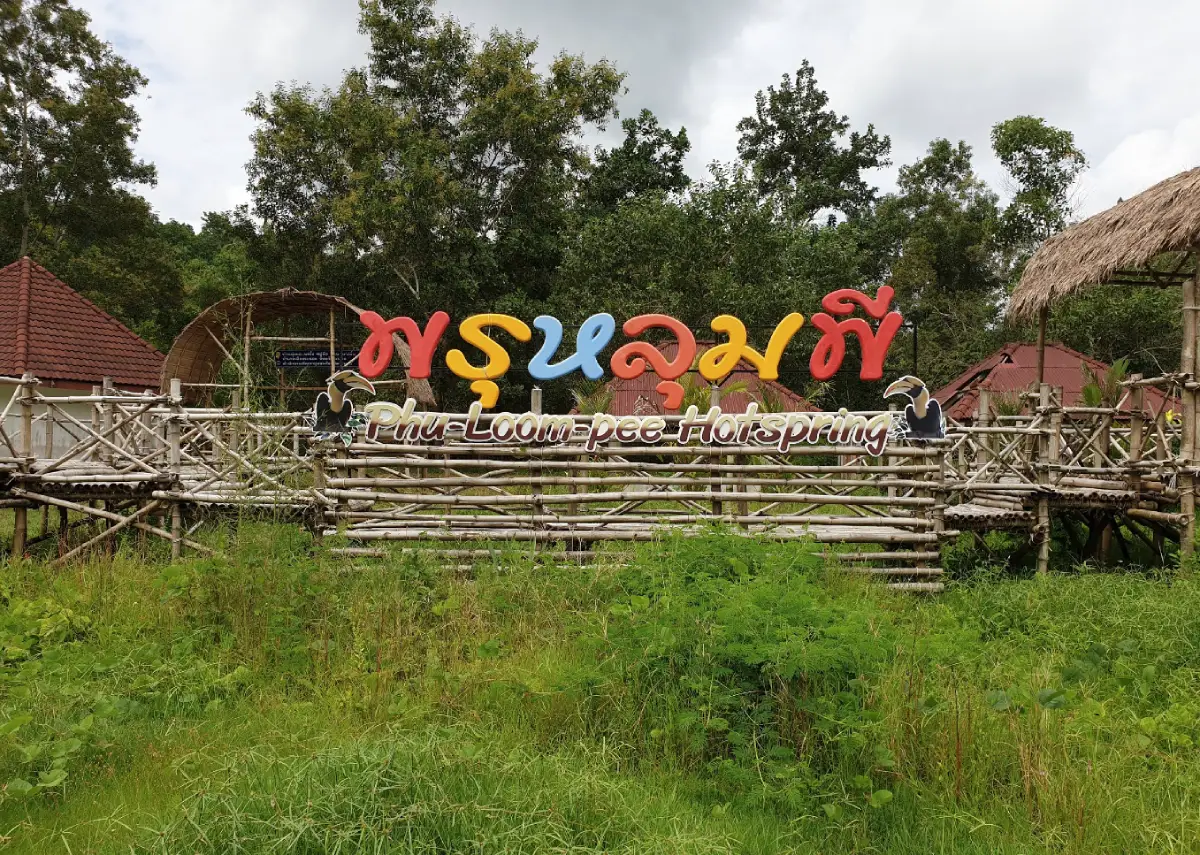
Phu Lum Phi Hot Spring, also found as Lum Phi Hot Spring or Pru Lum Phi Hot Spring, is a small natural hot spring in Bang Rin Subdistrict, Mueang Ranong District, Ranong Province. It is located on the route from Ranong town toward Phu Khao Ya and the Ban Phon Rang area. The spring is known for its compact clear-water pool, visible cracks on the bottom, and air bubbles rising from beneath the surface. These features make it easy for visitors to observe a natural hot spring at close range. The water is hot but not violently boiling, and the site has long been used as a simple local bathing and relaxation spot.
Phu Lum Phi has a different character from Ranong’s better-known hot spring destinations such as Raksawarin Hot Springs and Porn Rang Hot Spring. It is smaller, quieter, and more community-based. It is not a large spa complex or the main public park of the city. Its appeal lies in the direct experience of a natural hot spring: clear water, bubbling from the spring floor, a visible underwater crack, and a calm local setting close to the route toward Phu Khao Ya.
The hot spring is associated with Moo 3, Ban Phon Rang, Bang Rin Subdistrict, Mueang Ranong District. Some Thai sources spell the name as บ่อน้ำร้อนพรุลุมพี, while English sources may call it Lum Phi Hot Spring or Phu Lum Phi Hot Spring. These names refer to the same small hot spring area near Bang Rin and Phu Khao Ya. When checking directions, using the Thai name together with Bang Rin, Ban Phon Rang, and Phu Khao Ya is the most practical way to avoid confusion.
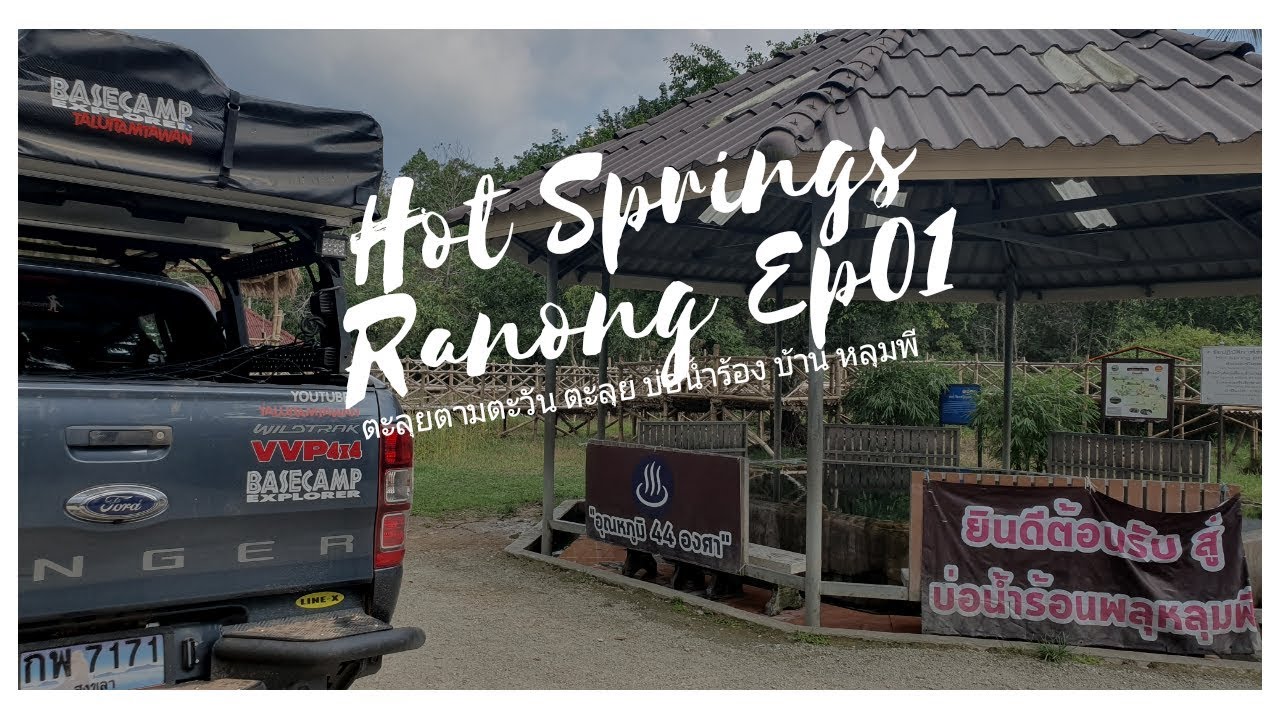
Local information records the water temperature at about 44 degrees Celsius. This makes the water suitable for careful bathing or soaking in appropriate areas rather than direct contact with extremely hot source water. Visitors can see bubbles rising from the bottom, showing that hot water is naturally emerging from underground rather than being supplied artificially. Because the pool is small, visitors should use the area considerately and keep it clean.
The word “phu” in the Thai name refers to water springing up from the ground, while “Lum Phi” or the alternate spelling “Pru Lum Phi” is a local place name. Together, the name suggests a small natural hot spring in a community landscape. The place reflects Ranong’s wider geological identity, where mountains, rock fractures, underground heat, mineral water, and local settlement are closely connected.
Ranong is strongly associated with natural mineral hot springs. Phu Lum Phi should be understood as part of this wider hot-spring identity rather than as an isolated minor site. Raksawarin is close to the town center and has a large public park. Porn Rang is set within the natural landscape of Namtok Ngao National Park. Phu Lum Phi, by contrast, is small, quiet, and easy to include on the route to Phu Khao Ya. This makes it suitable for travelers who want a simpler and less crowded hot spring experience.
Access from Ranong town is straightforward. Travel toward Phu Khao Ya; when the tourism sign appears, turn left and continue about 400 m to the hot spring area. The route is suitable for a private car, rental car, motorbike, or hired local vehicle. Although the site is not far from town, navigation should still be used together with signs and local directions because the place name may appear in different spellings on different maps.
Bang Rin Subdistrict has both urban and natural characteristics. Phetkasem Road is the main corridor, while nearby natural attractions include Phu Khao Ya, Porn Rang Hot Spring, Ngao Waterfall, and the Ngao mangrove area. Phu Lum Phi therefore sits in a useful position for travelers planning a nature-and-wellness route near Ranong town. It can be visited in the morning or afternoon and combined easily with other nearby places without requiring a long detour.
The atmosphere at Phu Lum Phi is modest and local. The main point of interest is not a large developed facility but the natural spring itself. The clear water, rising bubbles, visible bottom crack, and small pool create a close view of the underground hot-water system. Travelers who enjoy observing natural details may find the place more meaningful than travelers looking only for large-scale services.
Even though the water is not as hot as some source pools, hot-water use still requires caution. Visitors should touch the water gradually, allow the body to adjust, avoid staying in hot water for too long at one time, and take breaks. If dizziness, chest discomfort, fast heartbeat, breathing difficulty, or unusual weakness occurs, soaking should stop immediately and the visitor should rest in a ventilated area.
Visitors with medical conditions should be especially careful. People with heart disease, high blood pressure, diabetes, circulation problems, open skin wounds, pregnancy, advanced age, or reduced heat sensation should avoid careless hot-water use. Mineral hot spring bathing may support relaxation, but it should not be treated as a substitute for medical care or disease treatment.
Cleanliness and shared-use etiquette are essential. Phu Lum Phi is a small public hot spring in a community area. Visitors should not litter, wash containers in the pool, use soap or shampoo in the source pool, leave food waste, make excessive noise, or occupy the small area for too long when others are waiting. If bathing or changing is needed, use appropriate nearby facilities and avoid contaminating the spring area.
Near Phu Lum Phi, Taryn Hot Springs provides private mineral-bath, spa, restaurant, and accommodation services. This gives visitors an alternative if they want more organized facilities. However, Phu Lum Phi and Taryn are separate sites. Travelers can visit Phu Lum Phi to see the small natural hot spring, then choose the nearby private service area if they want a more structured bathing or relaxation experience.
The best time to visit is in the morning or late afternoon before closing. The air is more comfortable, and the light is better for observing the water surface, bubbles, and pool setting. During the rainy season, visitors should watch for slippery surfaces around the spring and access path. Ranong is a rainy province, so even a short-access site can become slippery after rain.
For photography, Phu Lum Phi is best suited to close-up and detail-oriented images rather than wide landmark shots. Good subjects include the clear water, bubbling spring floor, underwater crack, pool edge, quiet surroundings, and the short access route. Visitors should stand on stable ground, avoid leaning over the hot spring, avoid climbing the pool edge, and respect the privacy of people using the bathing area.
Phu Lum Phi is suitable for travelers who enjoy small places with clear natural identity. It is a good stop for those interested in Ranong’s mineral hot springs beyond the most famous locations. Families can visit, but children must be supervised closely because hot water can irritate or injure skin if used carelessly. The pool should not be treated like a play area.
Groups should manage time and space politely because the pool is not large. If others are using the area, wait in an orderly way, avoid crowding, and do not rush people. At a small public hot spring, each visitor’s behavior directly affects the experience of others. Quiet and clean use is part of the character of Phu Lum Phi.
A practical half-day trip can start from Ranong town, continue to Phu Lum Phi in the morning, then move on to Phu Khao Ya for open hill scenery. Travelers can then stop for food in Bang Rin or return to Ranong town. This route is short, simple, and suitable for those who want an easy nature-and-wellness outing near the city.
A full-day route can add Porn Rang Hot Spring, Ngao Waterfall, the Ngao mangrove research area, or Ranong Canyon. Phu Lum Phi works well as an early stop because it is small and does not require a long visit. After that, travelers can continue to larger nature sites or more developed hot spring services. This order helps reduce backtracking and gives a broader picture of Ranong’s mineral water and landscape.
Phu Khao Ya, also known as Khao Hua Lan, is one of the closest and most suitable places to combine with Phu Lum Phi. It is an open grass-covered hill landscape that changes colour by season: fresh green in the rains and golden brown in the dry period. Visiting Phu Khao Ya after the hot spring adds visual contrast, from underground hot water to open hills and wide sky.
Porn Rang Hot Spring is another notable nearby hot spring in Bang Rin Subdistrict. It is located within the natural landscape of Namtok Ngao National Park and has multiple hot spring sources with water around 35 to 40 degrees Celsius. If Phu Lum Phi represents a small community hot spring, Porn Rang offers a larger and more organized natural hot spring experience. Visiting both places helps travelers understand the diversity of Ranong’s mineral springs.
Ngao Waterfall and Namtok Ngao National Park add cool-water forest scenery to the hot spring route. Ngao Waterfall is one of Ranong’s visible natural landmarks and is associated with forest biodiversity, local wildlife, and distinctive plants. Combining Phu Lum Phi with Ngao Waterfall lets visitors experience both hot underground water and cool mountain water in the same district.
The Ngao mangrove research area and Ranong Biosphere Reserve are useful additions for travelers interested in ecology. They show the relationship between forest, water, mudflats, and sea in Ranong. A route that begins with Phu Lum Phi and continues to Phu Khao Ya, Ngao Waterfall, and the mangrove area gives a broad view of Ranong’s inland and coastal landscapes.
Nearby food options include small local restaurants in Bang Rin, restaurants near the hot spring area, coffee stops, and town restaurants. Chon Ngoen Chon Thong is located in the Phu Lum Phi hot spring area. Taryn Hot Springs also has food and beverage services for visitors using its private hot spring facilities. On the route toward Phu Khao Ya, travelers can add Som Tam Phu Khao Ya Je Jim or nearby coffee stops before returning to Ranong town.
Accommodation options near Phu Lum Phi include local stays in Bang Rin and hotels in Ranong town. Taryn Hot Springs is very close and provides accommodation and mineral-bath services. Ban Choeng Khao Resort and other Bang Rin-area accommodation work well for travelers focusing on the Phu Khao Ya route. Travelers who want easier access to restaurants, markets, and other city services can stay in Ranong town at hotels such as The Hidden Resort, The Boat House, or other central properties.
It is useful to distinguish Phu Lum Phi from nearby private services. Phu Lum Phi is a small natural public hot spring with community value. Taryn Hot Springs is a private service area with more organized facilities. Travelers can use both appropriately: visit Phu Lum Phi to observe the natural spring and use nearby private services if they want more structured soaking, dining, or accommodation.
Phu Lum Phi is valuable precisely because it is small. It allows visitors to see a natural hot spring up close and understand how underground water, rock fractures, heat, Bang Rin community life, the Phu Khao Ya route, and Ranong’s mineral-water culture connect. It may not have the scale of Ranong’s major hot spring attractions, but its simplicity gives it a more local and direct character.
Getting There from Ranong town is by the route toward Phu Khao Ya. When the tourism sign appears, turn left and continue about 400 m to the hot spring area. Search for Phu Lum Phi Hot Spring, Pru Lum Phi Hot Spring, or Ban Phon Rang in Bang Rin Subdistrict, then confirm with road signs and local directions. Private car, rental car, motorbike, or hired local vehicle is the most convenient transport because it allows travelers to continue easily to Phu Khao Ya, Porn Rang Hot Spring, or Ngao Waterfall.
In summary, Phu Lum Phi Hot Spring is a small natural hot spring in Bang Rin Subdistrict, Mueang Ranong District. It has clear water, visible cracks on the pool floor, bubbles rising from beneath the surface, and water temperature of about 44 degrees Celsius. Its strength is its simple local character, easy access from the Phu Khao Ya route, and proximity to several nature attractions around Ranong town. Visitors should come during daylight, keep the area clean, use hot water carefully, observe health precautions, and respect the surrounding community. With this approach, Phu Lum Phi becomes a small but meaningful stop in Ranong’s wider mineral-water landscape.
| Name | Phu Lum Phi Hot Spring |
| Other Names | Pru Lum Phi Hot Spring / Lum Phi Hot Spring / Phu Lum Phi Hot Spring |
| Location | Moo 3, Ban Phon Rang, Bang Rin Subdistrict, Mueang Ranong District, Ranong Province |
| Address | Phu Lum Phi Hot Spring Lane Area, Ban Phon Rang, Bang Rin Subdistrict, Mueang Ranong District, Ranong Province 85000 |
| Reference Coordinates | 9.90611, 98.63194 |
| Highlights | Small natural hot spring with clear water, visible cracks on the pool floor, bubbles rising from beneath the surface, and easy access from the Phu Khao Ya route |
| Distinctive Features | Small community hot spring suitable for observing a natural spring, careful foot soaking or bathing in appropriate areas, and quiet relaxation |
| Mineral Water Temperature | About 44°C |
| Area Context | Located in Bang Rin Subdistrict near the route to Phu Khao Ya, Porn Rang Hot Spring, Ngao Waterfall, and natural attractions east of Ranong town |
| Travel Information | From Ranong town, travel toward Phu Khao Ya. When the tourism sign appears, turn left and continue about 400 m to reach the hot spring area |
| Current Status | Public natural hot spring in Ban Phon Rang, Bang Rin Subdistrict, and a small wellness stop on Ranong’s nature route near Phu Khao Ya |
| Open Days | Open daily |
| Opening Hours | 08:00 – 18:00 |
| Facilities | Public natural hot spring area, simple soaking or bathing area, nearby toilet or changing facilities, and private mineral-bath services nearby |
| Main Areas / Zones | 1. 400 m Access Road From The Tourism Sign 2. Natural Hot Spring Pool 3. Bubbling Spring Floor And Underwater Crack Area 4. Simple Soaking Or Bathing Area 5. Rest Area Around The Pool 6. Nearby Private Mineral-Bath Service Area 7. Route Linking Ban Phon Rang And Phu Khao Ya |
| Caretaker | Bang Rin Municipality And Ban Phon Rang Community, Bang Rin Subdistrict |
| Main Contact Number | Bang Rin Municipality, Tel. 077-810-461 Taryn Hot Springs, Tel. 077-826-726, 062-893-2239 |
| Nearby Tourist Attractions | 1. Taryn Hot Springs, About 1 km, Tel. 077-826-726, 062-893-2239 2. Phu Khao Ya / Khao Hua Lan, About 5 km 3. Porn Rang Hot Spring, About 8 km, Tel. 077-825-946 4. Ngao Waterfall / Namtok Ngao National Park, About 9 km 5. Ngao Mangrove Research Area And Ranong Biosphere Reserve, About 10 km 6. Raksawarin Hot Springs, About 13 km 7. Ranong Canyon, About 22 km 8. Hat Som Paen Reservoir, About 24 km |
| Nearby Restaurants | 1. Chon Ngoen Chon Thong, About 1 km, Tel. 083-107-2928 2. Restaurant Area At Taryn Hot Springs, About 1 km, Tel. 077-826-726, 062-893-2239 3. Som Tam Phu Khao Ya Je Jim Ranong, About 6 km, Tel. 064-058-9415, 086-560-3299 4. PunThai Coffee Ranong 2, About 7 km, Tel. 065-509-8856 5. Kuai Tiao Nam Tok Bang Rin, About 8 km, Tel. 064-929-4242 6. Chidlom Soi 10 Restaurant, About 9 km, Tel. 085-655-3143 |
| Nearby Accommodations | 1. Taryn Hot Springs, About 1 km, Tel. 077-826-726, 062-893-2239 2. Ban Choeng Khao Resort, About 5 km, Tel. 077-826-900, 077-826-990, 077-985-229, 091-035-0978 3. Yes No Hotel, About 8 km, Tel. 084-805-3333 4. The Hidden Resort And Restaurant, About 12 km, Tel. 077-821-900 5. The Boat House Ranong, About 12 km, Tel. 077-880-666, 093-584-6366 6. Accommodation In Ranong Town, About 12 km |
Frequently Asked Questions (FAQ)
Q: Where Is Phu Lum Phi Hot Spring Located?
A: Phu Lum Phi Hot Spring is located in Ban Phon Rang, Moo 3, Bang Rin Subdistrict, Mueang Ranong District, Ranong Province, on the route from Ranong town toward Phu Khao Ya.
Q: What Is Special About Phu Lum Phi Hot Spring?
A: It is a small natural hot spring with clear water, visible cracks on the pool floor, and bubbles rising from beneath the surface.
Q: What Are The Opening Hours Of Phu Lum Phi Hot Spring?
A: Phu Lum Phi Hot Spring is open daily from 08:00 to 18:00.
Q: How Do Travelers Get To Phu Lum Phi Hot Spring?
A: From Ranong town, travel toward Phu Khao Ya. When the tourism sign appears, turn left and continue about 400 m to the hot spring area.
Q: Can Visitors Bathe Or Soak At Phu Lum Phi Hot Spring?
A: Careful bathing or soaking is possible in appropriate areas, but visitors should test the water gradually, avoid long soaking sessions, and stop immediately if they feel unwell.
Q: Who Should Be Careful When Using Hot Spring Water?
A: Visitors with heart disease, high blood pressure, diabetes, circulation problems, open skin wounds, pregnancy, advanced age, or reduced heat sensation should be especially careful.
Q: What Nearby Places Can Be Combined With Phu Lum Phi Hot Spring?
A: Nearby places include Taryn Hot Springs, Phu Khao Ya, Porn Rang Hot Spring, Ngao Waterfall, Ngao mangrove area, Raksawarin Hot Springs, and Ranong Canyon.
Q: What Should Visitors Bring To Phu Lum Phi Hot Spring?
A: Bring a towel, spare clothes, drinking water, sandals or non-slip footwear, a waterproof phone pouch, and a bag for carrying rubbish back out.
 Category: ●Nature and Wildlife
 Group: ●Hot Springs
Last Update : 2 MonthAgo
 Last Update : 2 MonthAgo
 Click to Access the Navigation Map GPS
Phu Lum Phi Hot Spring Map
Recommend

 Art, Culture and Heritage
 Historical Sites and Monuments(4)
 Landmarks and Memorials(1)
 Royal Palace(1)
 Art, Craft Centres, Tradition(4)
 Educational Places
 Educational Gardens, Farm(1)
 Places of Worship
 Temple(12)
 Other Sacred Sites(2)
 Suburban Living
 Village, Community(2)
 National Parks and Marine Reserves(6)
 Mountain (Doi)(4)
 Waterfalls(15)
Hot Springs(3)
 Caves(4)
 River, Canal(2)
 Bays and Beaches(10)
 Islands(8)
 Other natural attractions(3)
 Travel Articles, Recipes
 Travel Review, Food Review(1)


