
lovethailand home >South Travel Attractions >Ranong Travel Attractions >Muang Ranong >Khao Niwet > Raksawarin Hot Springs and Raksawarin Arboretum Pu..
TL;DR: Raksawarin Hot Springs and Raksawarin Arboretum Public Park is located at Chon Ra-u Road, Khao Niwet Subdistrict, Mueang Ranong District, Ranong Province, open Open Daily, hours Public Hot Spring Area 05:00 – 21:00 / Private Mineral Bath And Spa Services.
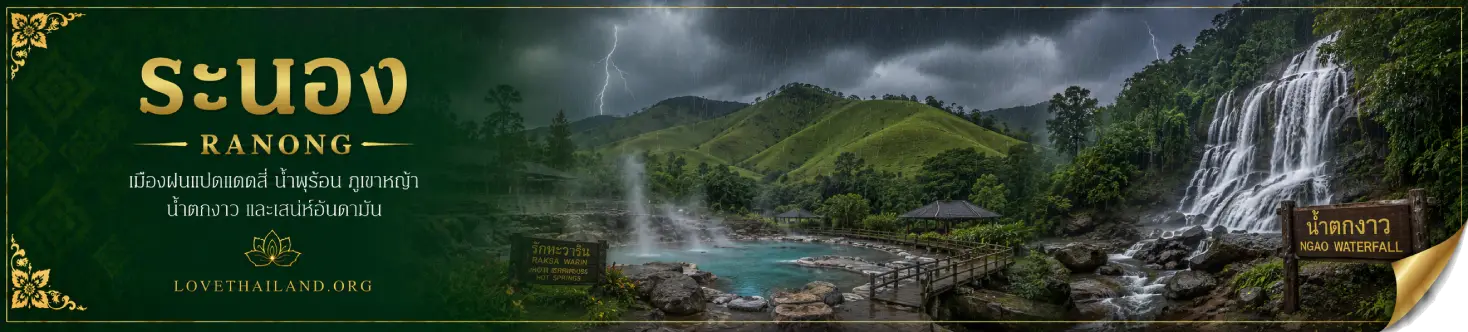
Raksawarin Hot Springs and Raksawarin Arboretum Public Park
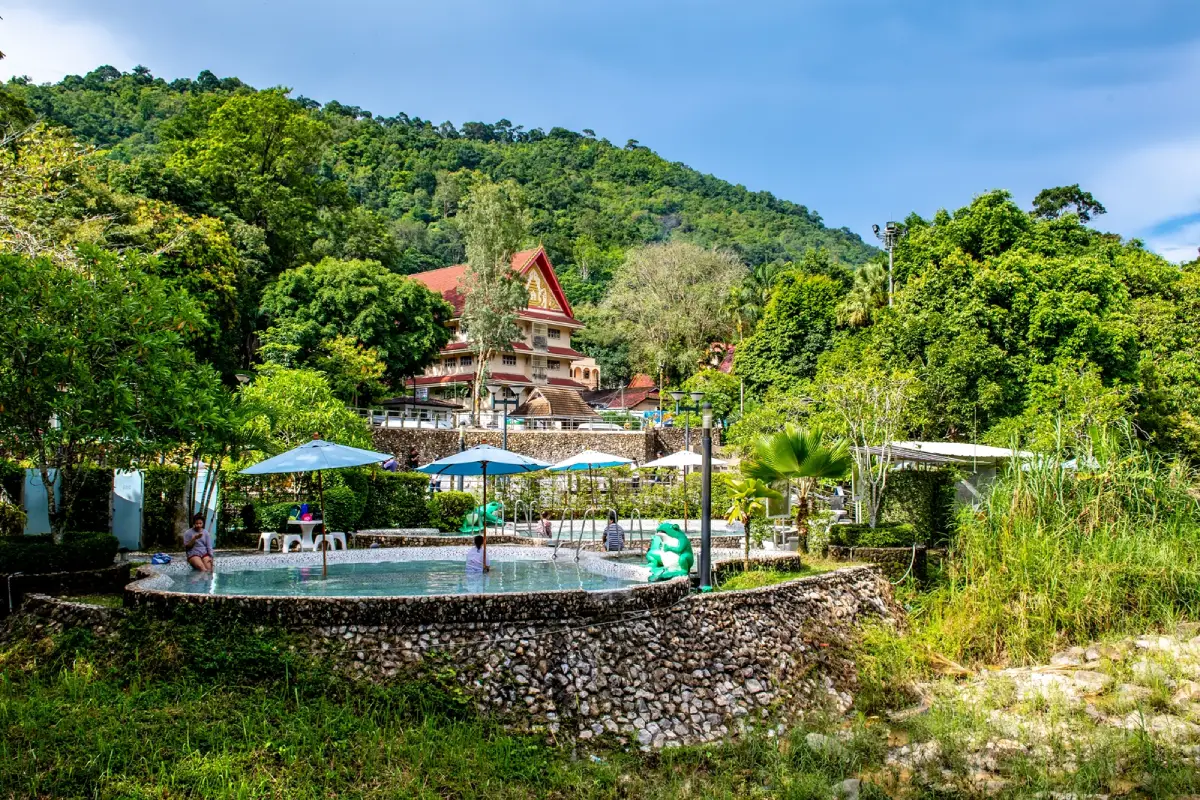
Open Days: Open Daily
Opening Hours: Public Hot Spring Area 05:00 – 21:00 / Private Mineral Bath And Spa Services 09:00 – 22:00
Last Updated: 2 September 2026
Raksawarin Hot Springs and Raksawarin Arboretum Public Park is one of Ranong’s most important wellness and nature landmarks. Located on Chon Ra-u Road in Khao Niwet Subdistrict, Mueang Ranong District, it is about 2 km east of Ranong Provincial Hall and is reached via Highway 4005 along the Hat Som Paen canal route. The site combines natural hot springs, a shaded public park, mineral foot-bath areas, walking paths, local recreation zones, and private mineral-bath services within a compact area close to Ranong town. The three natural source pools are known as Bo Pho, Bo Mae, and Bo Luk Sao. Their water temperature is around 65 degrees Celsius, the water is clear, and the spring is widely known for having no sulfur smell. For many travelers, this is the place that best represents Ranong as Thailand’s rain-rich, forested, mineral-water city.
The appeal of Raksawarin is not limited to hot mineral water. The wider park setting gives the place a distinctive atmosphere: forest shade, flowing water, stream rocks, suspension bridges, resting pavilions, and public areas used by local residents for walking, exercise, foot bathing, and daily relaxation. Unlike a closed spa building, Raksawarin feels like a public wellness landscape, where visitors can walk through a green park, sit near the stream, observe the steaming source pools, and then use the designated soaking areas or nearby spa services. This combination of hot spring, public park, stream, forest, and city access is what makes the site one of Ranong’s most meaningful attractions.
The history of Raksawarin is closely tied to Ranong’s urban identity. In 1890, King Chulalongkorn, Rama V, visited Ranong and gave the road leading to the hot springs the name Chon Ra-u Road. The name reflects the presence of warm mineral water and became part of Ranong’s historic street heritage. Later, in 1967, Her Royal Highness Princess Srinagarindra visited Ranong and bestowed the name Raksawarin on the public park. The name means water that can be used for healing. Since then, Raksawarin has become a name strongly associated with Ranong’s mineral water, wellness culture, and civic pride.
The three source pools each have their own character. Bo Pho is a large circular cement pool about 2.80 m in diameter and about 0.80 m above ground level. The water is clear, with relatively few carbon dioxide bubbles rising to the surface, and hot water flows over the edge continuously. Bo Mae is smaller, about 1.50 m in diameter and about 0.85 m above ground level, with clear water and bubbles appearing at intervals. Bo Luk Sao is about 2.00 m in diameter and about 0.90 m above ground level, with more visible bubbling than the other two pools. These three pools are the natural heart of the site, but they should be viewed carefully because the source temperature is too high for direct bathing.
Raksawarin mineral water is widely described as clear, mineral-rich, and free from sulfur smell. This makes the experience different from many hot springs where sulfur odor is prominent. Visitors often find the water more comfortable when used in designated bathing or foot-soaking areas where the temperature has been adjusted. Understanding the difference between the natural source pools and visitor-use pools is essential. The source pools are for observation and water origin, while the prepared public and private bathing areas are where visitors should soak safely.
Raksawarin also has cultural significance. Its mineral water was once used in a consecration ceremony to prepare sacred water for the celebrations on the auspicious occasion of His Majesty King Bhumibol Adulyadej’s 5th cycle birthday anniversary. This gives the site importance beyond recreation. For Ranong residents, the hot spring is not only a wellness attraction but also a natural resource connected with history, royal remembrance, ritual meaning, and provincial identity.
The public park around the springs is part of local daily life. Ranong residents use the area for morning and evening walks, jogging, foot soaking, light exercise, and informal relaxation. A morning visit offers mist, steam, cool air, and a calm local atmosphere. An evening visit is ideal after a day of travel, sightseeing, or walking around town. Soaking the feet in warm mineral water after exploring Ranong is one of the simplest and most satisfying ways to experience the city’s wellness identity.
The Hat Som Paen canal adds another layer to the landscape. The canal originates from the surrounding mountains and forest areas, then flows through the valley into Ranong town before reaching the Andaman Sea. At Raksawarin, visitors can see stream rocks, shaded banks, bridges, and walking areas close to the water. The site therefore offers both hot mineral water from underground sources and cool natural stream scenery in one place. This contrast between hot spring and mountain stream gives Raksawarin its distinctive natural character.
Another feature within the park is Phra Maha Kaccayana Raksawarin Wararit, enshrined on the eastern hillside. Visitors reach the image by climbing about 80 brick steps. This adds a spiritual and cultural dimension to the visit. The site is not only a hot spring and public garden; it is also a place where nature, wellness, belief, and local identity meet. Visitors should climb carefully, especially after soaking in hot water or during wet weather, because heat and humidity can make the body feel tired more quickly.
Hot spring use should be approached carefully. The water temperature at the source pools is around 65 degrees Celsius, which is too hot for direct immersion. Visitors should use only prepared foot-bath areas, soaking pools, or service areas where temperature has been adjusted. A safe soaking routine begins gradually: place the feet or legs into the water first, allow the body to adapt, and avoid staying in hot water for too long at one time. Drinking plain water during breaks is important because hot bathing can make the body lose fluid through sweat.
Visitors with medical conditions should be especially cautious. People with heart disease, blood-pressure problems, diabetes, open skin wounds, impaired heat sensation, elderly visitors, and pregnant women should avoid careless use of hot water and should follow posted instructions or staff guidance. Hot mineral bathing is best treated as a relaxation and wellness activity, not a substitute for medical treatment. If dizziness, chest discomfort, breathing difficulty, or unusual symptoms occur, the visitor should stop soaking immediately, rest in a ventilated area, and seek help from staff or companions.
The public area of Raksawarin can be visited without an admission fee. However, selected services such as private soaking, spa treatments, massage, steam rooms, sauna, and other wellness services have separate fees according to each operator’s current service list. At present, Rak Ranong Hot Springs Spa operates near the area, using mineral water from the Raksawarin source and opening daily from 09:00 to 22:00. Travelers who want private spa services should check current packages, prices, and booking conditions before visiting.
One reason Raksawarin is easy to include in any Ranong itinerary is its close location to the town center. From Phetkasem Road, turn into Chon Ra-u Road and continue along Highway 4005 beside Hat Som Paen canal for about 900 m to reach the public park. From Ranong Provincial Hall, the distance is about 2 km eastward. This convenient location makes Raksawarin suitable for a short morning visit, an evening soak, or a relaxing stop after a longer trip from the airport, pier, or other attractions.
Travelers without private transport can use local hired vehicles from Ranong town or ask their hotel to arrange transport. The distance from town is short, but a return plan is still useful, especially in the evening or after using spa services. Visitors driving themselves should park only in appropriate areas and avoid blocking local traffic. During weekends and holidays, the area can become busier because both visitors and Ranong residents use the park.
For photography, the best times are morning and late afternoon. Steam is more visible when the air is cool or humid, and soft light works well with the hot spring pools, shaded trees, stream, bridges, and stone walkways. Good subjects include Bo Pho with steam rising from the pool, the Hat Som Paen canal, suspension bridges, mineral foot-bath areas, and the park landscape. Visitors should not climb barriers, stand too close to the source pools, or place cameras and phones over hot water because heat and steam can be hazardous.
Raksawarin combines well with nearby attractions. Within Ranong town, visitors can include Wat Bor Nam Ron or Wat Tapotharam, Rattana Rangsan Palace, Khao Niwet Skywalk, Rueang Rat Road, and the old-town area. For a nature-focused route, continue toward Hat Som Paen to visit Wat Hat Som Paen, Hat Som Paen Reservoir, Ranong Canyon, and white-clay mining viewpoints. This route connects hot springs, forest streams, old mining landscapes, local communities, and city history in one day.
Wat Bor Nam Ron, also known as Wat Tapotharam, is very close to the hot spring area and is suitable for visitors who want to add a local religious stop after walking through the park. The temple is associated with Phra Phuttha Rangsri Worapothi and a replica Buddha footprint. This short addition gives the Raksawarin visit a balanced combination of wellness, nature, and local faith without requiring a long drive.
Rattana Rangsan Palace and Khao Niwet Skywalk connect Raksawarin with the historical and scenic side of Ranong town. Rattana Rangsan Palace is an important historical site, while the skywalk on Khao Rattana Rangsan gives a panoramic view over the town. A practical route is to visit the palace and the city viewpoint first, then finish at Raksawarin for foot soaking or mineral bathing. This sequence gives visitors both cultural context and relaxation in the same half-day plan.
The Hat Som Paen route is particularly suitable for travelers who want to understand Ranong’s landscape beyond the town center. Ranong Canyon was formed from an old mining area and later became a striking emerald-green water body surrounded by cliffs and hills. Hat Som Paen Reservoir is another quiet viewpoint with surrounding mountains and misty scenery. Pairing these places with Raksawarin creates a route from mineral water and public park to mountain stream, reservoir, and old mining terrain.
Restaurants near Raksawarin range from local Ranong food to hotel restaurants, cafes, and international options. Khun Lin Restaurant is one of the closest and best-known local food stops near the hot spring. Khao Hom Ranong, J&T Restaurant, and Farmhouse Restaurant are convenient choices in town, while Flower Power Pizza near the hot spring area adds an Italian option. This variety makes Raksawarin easy to include before or after lunch or dinner.
Accommodation near Raksawarin includes central hotels, small town hotels, and quieter resorts. Travelers who want easy city access can consider Sook Hotel, FarmHouse Hotel Ranong, Tinidee Hotel Ranong, The B Ranong Trend Hotel, and Le Ranong Bistro Hotel. Those who prefer a more relaxed atmosphere can consider The Hidden Resort or The Boat House. Staying in or near town makes it easy to visit the hot springs in the morning or evening and continue to other Ranong attractions, restaurants, markets, piers, or airport routes.
Visitors should treat Raksawarin as a shared public wellness space. Do not wash containers in the foot-bath pools, do not use soap or shampoo in public mineral water, do not litter, and do not make excessive noise. The site is both a visitor attraction and a local recreation area. When using soaking pools, shower before bathing, dress appropriately, and follow staff instructions. Clean and considerate use helps keep the hot spring pleasant for both tourists and local residents.
The best visiting times are morning and evening. Morning offers cool air, visible steam, and a local exercise atmosphere. Evening is suitable for foot soaking after travel or sightseeing. Visitors who prefer fewer crowds should avoid long holiday periods or event days. Ranong also hosts mineral-water related events, including wellness and cultural activities connected with the city’s identity as a mineral-water destination.
In summary, Raksawarin Hot Springs And Raksawarin Arboretum Public Park should be included in every Ranong itinerary. It brings together the three natural hot spring source pools, Chon Ra-u Road history, the royally bestowed name Raksawarin, shaded public parkland, Hat Som Paen canal, mineral foot baths, soaking areas, spa services, exercise space, and nearby city attractions. Its location only about 2 km from Ranong Provincial Hall makes it easy to reach, but its meaning is far deeper than convenience. It represents the relationship between mineral water, forest, health, local life, and Ranong’s cultural memory. Visitors should choose an appropriate time, use designated bathing areas rather than the source pools, observe health precautions, and keep the public space clean. With the right approach, Raksawarin is not just a hot spring stop; it is the wellness heart of Ranong.
| Name | Raksawarin Hot Springs And Raksawarin Arboretum Public Park |
| Other Names | Raksawarin Hot Springs / Raksawarin Public Park / Raksawarin Arboretum |
| Location | Chon Ra-u Road, Khao Niwet Subdistrict, Mueang Ranong District, Ranong Province |
| Address | Chon Ra-u Road, Khao Niwet Subdistrict, Mueang Ranong District, Ranong Province 85000 |
| Coordinates | 9.958099, 98.650762 |
| Highlights | Three natural hot spring source pools with water around 65°C, clear mineral water, no sulfur smell, and a shaded public park close to Ranong town |
| History And Significance | King Rama V named the road to the hot springs Chon Ra-u Road, and Princess Srinagarindra bestowed the name Raksawarin in 1967 |
| Main Hot Spring Pools | 1. Bo Pho 2. Bo Mae 3. Bo Luk Sao |
| Mineral Water Temperature | Around 65°C at the source pools, with adjusted temperatures in visitor-use foot-bath and soaking areas |
| Travel Information | From Ranong town, take Phetkasem Road to Chon Ra-u Intersection, then follow Chon Ra-u Road / Highway 4005 along Hat Som Paen canal for about 900 m. The site is about 2 km east of Ranong Provincial Hall |
| Current Status | Open as a wellness attraction, public recreation area, and mineral-bathing destination in Ranong town |
| Open Days | Open daily |
| Opening Hours | Public hot spring area 05:00 – 21:00 Private mineral bath and spa services 09:00 – 22:00 |
| Fees | No admission fee for the public area. Private soaking, spa, massage, steam room, and wellness services have separate fees according to each provider’s service list |
| Facilities | Foot-bath pools, soaking pools, park walkways, resting pavilions, suspension bridges, exercise areas, toilets, restaurants, cafes, souvenir shops, and nearby spa services |
| Main Areas / Zones | 1. Bo Pho 2. Bo Mae 3. Bo Luk Sao 4. Public Foot-Bath Area 5. Soaking Pools And Visitor Service Building 6. Public Park And Resting Pavilions 7. Suspension Bridges And Hat Som Paen Canal 8. Exercise And Wellness Area 9. Private Mineral Bath And Spa Services 10. Phra Maha Kaccayana Raksawarin Wararit On The Hillside |
| Caretaker | Ranong Municipality, Ranong Province, Raksawarin Arboretum under the Department of National Parks, Wildlife and Plant Conservation, and related forestry agencies |
| Main Contact Number | Ranong Municipality, Tel. 077-811-422 Rak Ranong Hot Springs Spa, Tel. 065-348-8936 |
| Nearby Tourist Attractions | 1. Wat Bor Nam Ron / Wat Tapotharam, About 1 km 2. Rattana Rangsan Palace, About 2 km 3. Khao Niwet Skywalk, About 2 km 4. Rueang Rat Road And Ranong Old Town, About 3 km 5. Wat Hat Som Paen, About 7 km 6. Hat Som Paen Reservoir, About 9 km 7. Ranong Canyon, About 12 km 8. Phu Khao Ya, About 15 km |
| Nearby Restaurants | 1. Khun Lin Restaurant, About 1 km, Tel. 077-822-863, 081-892-3455 2. Flower Power Pizza Raksawarin Hot Spring, About 1 km, Tel. 094-980-0200, 085-884-4852 3. Khao Hom Ranong, About 2 km, Tel. 080-097-3482, 062-928-2924 4. J&T Restaurant Ranong, About 3 km, Tel. 081-891-5990 5. Farmhouse Restaurant Ranong, About 3 km, Tel. 087-278-4224 6. Restaurants And Cafes Around Rueang Rat Road, About 3 km |
| Nearby Accommodations | 1. Le Ranong Bistro Hotel, About 2 km, Tel. 084-981-6989 2. The Hidden Resort And Restaurant, About 2 km, Tel. 077-821-900 3. The Boat House Ranong, About 2 km, Tel. 077-880-666, 093-548-6366 4. Sook Hotel Ranong, About 3 km, Tel. 093-581-2500 5. FarmHouse Hotel Ranong, About 3 km, Tel. 087-278-4224 6. The B Ranong Trend Hotel, About 3 km, Tel. 077-823-111 7. Tinidee Hotel Ranong, About 4 km, Tel. 077-880-600 |
Frequently Asked Questions (FAQ)
Q: Where Are Raksawarin Hot Springs Located?
A: Raksawarin Hot Springs are located on Chon Ra-u Road, Khao Niwet Subdistrict, Mueang Ranong District, Ranong Province, about 2 km east of Ranong Provincial Hall.
Q: What Are The Opening Hours Of Raksawarin Hot Springs?
A: The public hot spring area is generally open daily from about 05:00 to 21:00. Private mineral bath and spa services nearby operate around 09:00 to 22:00.
Q: Is There An Admission Fee For Raksawarin Hot Springs?
A: The public area has no admission fee. Private soaking, spa, massage, steam room, and wellness services have separate fees according to each operator’s current service list.
Q: What Are The Three Main Hot Spring Pools Called?
A: The three natural source pools are Bo Pho, Bo Mae, and Bo Luk Sao. The source water temperature is around 65°C.
Q: Can Visitors Soak Directly In The Source Pools?
A: Visitors should not soak directly in the source pools because the water is very hot. Use only designated foot-bath, soaking, or service areas where the temperature is adjusted for visitors.
Q: Who Should Be Careful When Using Hot Mineral Baths?
A: Visitors with heart disease, blood-pressure problems, diabetes, open skin wounds, impaired heat sensation, elderly visitors, and pregnant women should be especially cautious and should stop immediately if they feel unwell.
Q: What Nearby Places Can Be Combined With Raksawarin Hot Springs?
A: Nearby places include Wat Bor Nam Ron, Rattana Rangsan Palace, Khao Niwet Skywalk, Rueang Rat Road, Wat Hat Som Paen, Hat Som Paen Reservoir, Ranong Canyon, and Phu Khao Ya.
Q: What Is The Best Time To Visit Raksawarin Hot Springs?
A: Morning and evening are best because the weather is cooler, steam is more visible, and the park atmosphere is suitable for walking, photography, foot soaking, and relaxation.
Tel : 077813551-4
 Tel : 077813551-4
 Category: ●Nature and Wildlife
 Group: ●Hot Springs
Last Update : 2 MonthAgo
 Last Update : 2 MonthAgo
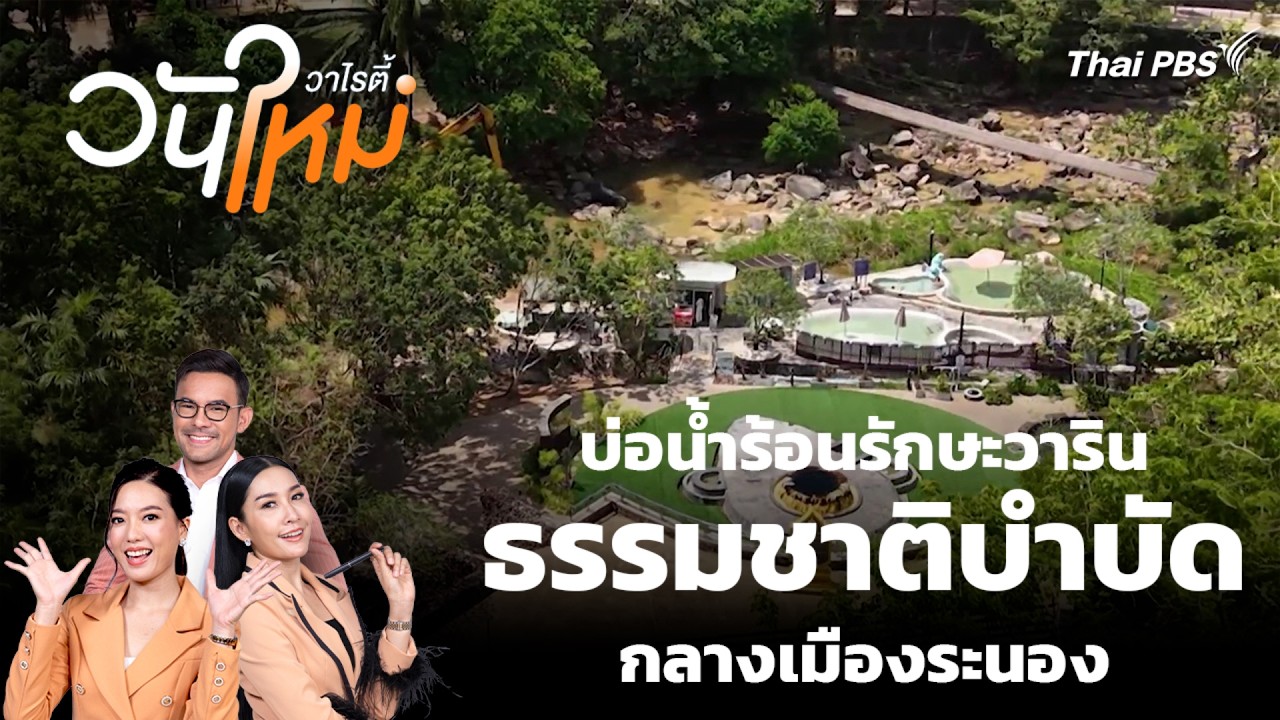
 Click to Access the Navigation Map GPS
Raksawarin Hot Springs and Raksawarin Arboretum Public Park Map
Recommend

 Art, Culture and Heritage
 Historical Sites and Monuments(4)
 Landmarks and Memorials(1)
 Royal Palace(1)
 Art, Craft Centres, Tradition(4)
 Educational Places
 Educational Gardens, Farm(1)
 Places of Worship
 Temple(12)
 Other Sacred Sites(2)
 Suburban Living
 Village, Community(2)
 National Parks and Marine Reserves(6)
 Mountain (Doi)(4)
 Waterfalls(15)
Hot Springs(3)
 Caves(4)
 River, Canal(2)
 Bays and Beaches(10)
 Islands(8)
 Other natural attractions(3)
 Travel Articles, Recipes
 Travel Review, Food Review(1)


