
lovethailand home >South Travel Attractions >Krabi Travel Attractions >Koh Lanta >Koh Lanta Yai > Ko Lanta Yai
TL;DR: Ko Lanta Yai, Krabi attractions : Nature and Wildlife, Islands.

Ko Lanta Yai
Open Days: Ko Lanta Yai can be visited daily as an inhabited island destination; Mu Ko Lanta National Park areas operate according to park hours, while smaller islands in the park may close seasonally during the monsoon period
Opening Hours: Mu Ko Lanta National Park areas generally open from 08.30 – 16.30
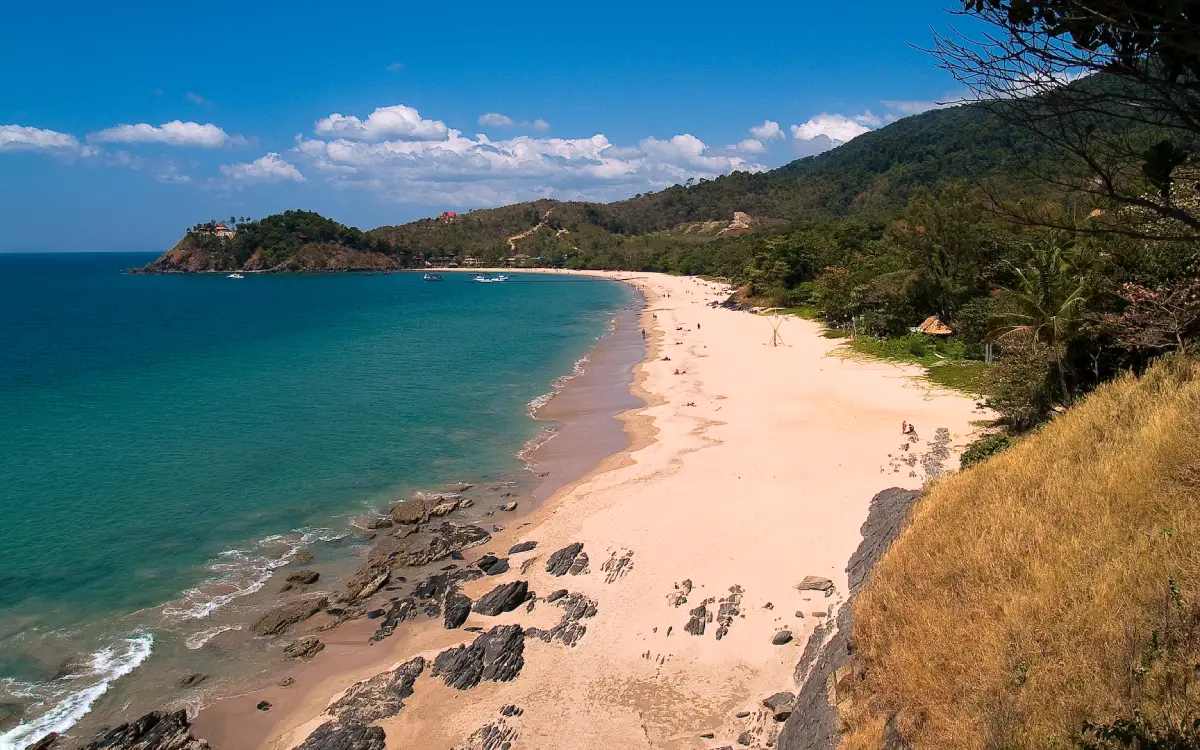
Ko Lanta Yai in Krabi Province is the main island of Ko Lanta District and one of the most complete island destinations on Thailand’s Andaman coast. It combines long beaches, forested hills, national park scenery, coastal communities, sea-people culture, local restaurants, resorts, and island-hopping connections in one destination. Unlike smaller islands that are mainly day-trip stops, Ko Lanta Yai is a place to stay, explore, and experience slowly. It is suitable for travelers who want beach relaxation, cultural depth, and practical travel services without the intense crowding of some better-known island hubs.
The island stretches from north to south, with beaches lining much of the west coast and older communities on the east coast. The northern area around Sala Dan is the main arrival and service hub, while the west coast has popular beach zones such as Klong Dao, Phra Ae or Long Beach, Klong Khong, Klong Nin, Ba Kan Tiang, and Bamboo Bay. The southern end of the island is home to Laem Tanod and the headquarters area of Mu Ko Lanta National Park. This variety gives Ko Lanta Yai a strong travel identity: it is both convenient and natural, developed and quiet, accessible and still culturally rooted.
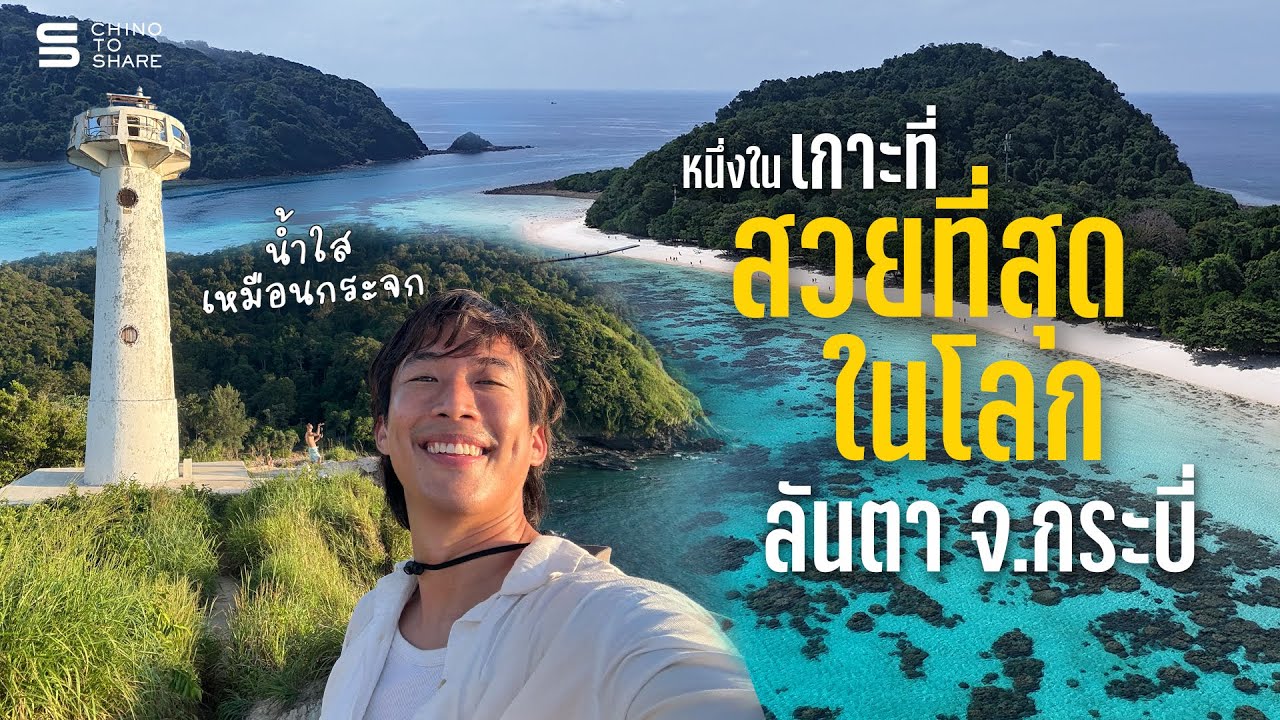
Ko Lanta Yai is also important because it contains the headquarters area of Mu Ko Lanta National Park at Laem Tanod. This southern cape is one of the island’s most meaningful scenic points, with a lighthouse, beach, forested slopes, a coastal viewpoint, and a nature trail. The landscape here feels different from the hotel and restaurant zones further north. Visitors can see the Andaman Sea from the cape, walk near the lighthouse, and experience the national park side of Ko Lanta Yai in a more protected setting.
The island’s landscape is shaped by forested hills, beaches, coves, and coastal roads. Much of the interior is hilly and green, while the west coast opens toward sunset and the Andaman Sea. The east coast is calmer and more local, with old communities, fishing areas, and Lanta Old Town. This contrast is one of the best reasons to spend more than one night on the island. A short visit may show only beaches, but a slower visit reveals the full personality of Ko Lanta Yai.
Sala Dan is the practical gateway to Ko Lanta Yai. It has piers, restaurants, markets, banks, tour operators, dive shops, vehicle rental, transfer services, and access to accommodation areas further south. Travelers arriving by car, ferry, van, or boat commonly pass through this area first. Sala Dan is also useful for arranging trips to nearby islands during the travel season, including Phi Phi, Ko Ngai, Ko Muk, Ko Kradan, and other Andaman routes depending on operator schedules.
Klong Dao Beach is one of the easiest areas for first-time visitors because it is close to Sala Dan and has many accommodation and dining options. Phra Ae Beach, also known as Long Beach, offers a longer stretch of sand and a good balance between convenience and relaxed beach atmosphere. These northern and central-west coast areas are practical for families, first-time visitors, and travelers who want easy access to services without being far from the sea.
Further south, Klong Khong and Klong Nin have a more laid-back feeling. Klong Nin is especially popular with travelers who like sunset dining, small resorts, beach restaurants, and a slower pace. Ba Kan Tiang Bay, Nui Bay, Bamboo Bay, and the southern road toward Laem Tanod feel more natural and quieter. Travelers who prefer seclusion, views, and proximity to the national park often choose this part of the island.
Laem Tanod is one of the strongest symbols of Ko Lanta Yai. Located at the southern end of the island, it includes the national park visitor area and the lighthouse that appears in many Ko Lanta travel images. The cape has beaches on both sides, a rocky point, forested slopes, and wide sea views. It is a good place for photography, walking, and understanding the island’s natural southern edge.
Ko Lanta Yai also has natural inland attractions such as Khao Mai Kaew Cave, forest routes, seasonal waterfalls, and viewpoints on cross-island roads. These places require more care than beach visits. Some routes involve uneven ground, forest paths, damp rock, or guided access. Travelers who want to visit caves or inland trails should use proper footwear and local guidance rather than treating them as casual roadside stops.
The east coast of Ko Lanta Yai offers a different cultural experience. Lanta Old Town, also known as the Sri Raya area, reflects the island’s older trading and coastal community history. Wooden houses, sea-facing restaurants, local shops, and quiet piers create a slower atmosphere than the west coast beach zones. It is a good place for lunch, photography, and learning how Ko Lanta developed through maritime trade and coastal settlement.
Ban Sangka U is especially important because it is connected with the Urak Lawoi sea-people community. The Urak Lawoi maintain traditions linked to the sea, ancestors, seasonal change, and community protection. Their most important ceremony is the boat-floating ceremony, held twice a year around the full moon of the sixth and eleventh lunar months. The ritual is performed to cast away misfortune, give thanks to the sea, and bring good fortune to the community.
The boat-floating ceremony is not a staged tourist performance. It is a living cultural practice with spiritual meaning for the community. A ceremonial boat is prepared according to tradition, and symbolic objects are placed inside before it is sent out to sea. The ceremony reflects the community’s relationship with ancestors, the sea, livelihood, and protection from harm. Visitors who attend should behave respectfully, follow community guidance, avoid interrupting rituals, and ask before taking close photographs.
On Ko Lanta, boat-floating ceremonies are associated with communities such as Ban Hua Laem Klang, the To Ba Liw shrine area in Sala Dan, and Ban Sangka U. The exact ritual date follows the lunar calendar and can vary by year and community. Travelers interested in seeing the ceremony should check with local authorities, community representatives, or accommodation staff before planning around it. The correct approach is to treat the ceremony as a cultural visit, not as a casual entertainment event.
Travel to Ko Lanta Yai has changed significantly from older travel descriptions. Historic references to passenger boats from Bo Muang or Chao Fah Pier are no longer the main basis for current trip planning. Today, the most practical road route from Krabi uses the car ferry between Ban Hua Hin and Ban Khlong Mak on Ko Lanta Noi, followed by the Siri Lanta Bridge to Ko Lanta Yai. This makes it possible to travel by private car, van, hotel transfer, taxi, or rental vehicle from Krabi to the island.
Getting There by road is the most convenient option for many travelers. From Krabi, vehicles travel south toward the Ban Hua Hin car-ferry pier, cross to Ban Khlong Mak on Ko Lanta Noi, and then continue over the Siri Lanta Bridge to Ko Lanta Yai. Visitors without a private vehicle can use vans, hotel transfers, taxis, or shared transport from Krabi Airport, Krabi Town, or nearby coastal areas. During the main travel season, passenger boats and inter-island services may also connect Ko Lanta with Phi Phi, Trang islands, and other Andaman routes.
Travel time from Krabi Airport to accommodation on Ko Lanta Yai is commonly around 2–3 hours depending on traffic, ferry queues, weather, and where the hotel is located. Northern areas near Sala Dan and Klong Dao are reached sooner than southern areas near Ba Kan Tiang or Laem Tanod. Travelers with outgoing flights should allow generous buffer time, especially during high season, long holidays, or periods when ferry queues are longer.
Getting around Ko Lanta Yai can be done by rental car, motorbike, local taxi, hotel transfer, or tour vehicle. The main west-coast road runs from the north toward the national park in the south, while cross-island roads connect to Lanta Old Town and eastern communities. Motorbike riders should be cautious because some southern and cross-island roads include hills, sharp curves, and wildlife near the national park area.
The best general season to visit Ko Lanta Yai is from November to April. This is the main Andaman travel season, with calmer seas, better boat connections, and more reliable island-hopping services. From May to October, Ko Lanta Yai still has accommodation and local life, but sea trips to smaller islands may be reduced or closed because of monsoon weather and national park conservation periods. Travelers should separate mainland-style stays on Ko Lanta Yai from boat trips to smaller park islands, as they operate under different seasonal conditions.
Costs depend on travel style. Visiting general beaches and local communities does not involve a single island-wide entrance fee. However, visitors entering Mu Ko Lanta National Park at Laem Tanod pay a national park entrance fee, with separate vehicle fees for cars and motorbikes. Boat trips to smaller islands, diving sites, or special national park areas may involve different fees and operator charges, so travelers should confirm what is included before booking.
Main activities on Ko Lanta Yai include beach relaxation, sunset viewing, coastal driving, visiting Lanta Old Town, learning about the Urak Lawoi community, visiting Laem Tanod and the national park, walking nature trails, photographing the lighthouse, kayaking in suitable areas, and joining seasonal boat trips to nearby islands. The island is flexible enough for family holidays, cultural visits, romantic stays, dive trips, remote working, and slow travel.
Beach-focused travelers should spend time along the west coast. Klong Dao is convenient and family-friendly. Phra Ae is long and balanced. Klong Nin has a relaxed dining and sunset atmosphere. Ba Kan Tiang and Bamboo Bay feel quieter and more natural. Each beach has a different character, so choosing the right accommodation zone is more important than simply choosing the cheapest room.
Culture-focused travelers should include the east coast. Lanta Old Town reveals an older side of the island through its wooden houses, sea-facing restaurants, and community streets. Ban Sangka U and other Urak Lawoi communities show the cultural roots of the island. Visitors should be respectful, avoid entering private areas, and never treat local rituals or daily life as mere photo props.
Nature-focused travelers should visit Laem Tanod and the national park area in the south. The lighthouse, beaches, walking paths, and coastal forest make this one of the most important natural areas on Ko Lanta Yai. Visitors should not feed monkeys, should not leave food visible, should stay on appropriate trails, and should carry rubbish out of the park.
Ko Lanta Yai is also a base for marine trips to Ko Rok, Ko Haa, Hin Daeng, Hin Muang, Ko Ngai, Ko Muk, Ko Kradan, and other Andaman destinations during the appropriate season. These trips depend on sea conditions, operator schedules, and national park rules. Travelers should choose licensed operators with proper safety equipment and conservation-conscious practices.
Facilities on Ko Lanta Yai are better than on many smaller Krabi islands. The island has many hotels, restaurants, shops, banks, ATMs, clinics, pharmacies, tour companies, vehicle rentals, and transfer services. However, services are not evenly distributed. Sala Dan, Klong Dao, and Phra Ae are more convenient, while the southern and eastern areas are quieter but require better planning for transport and meals.
Travelers should be careful about distances and road conditions. Ko Lanta Yai is larger than many visitors expect, and driving from Sala Dan to Laem Tanod takes time. Some roads are hilly and winding. Visitors should not drive too fast, should not ride after drinking alcohol, and should be careful around animals near the national park.
Sea conditions are another practical issue. During the monsoon season, waves on the west coast can be stronger, and some beaches may have currents or submerged rocks. Visitors should follow warning flags, hotel advice, and local guidance. Swimming after dark or during rough conditions is not recommended.
In summary, Ko Lanta Yai is one of Krabi’s most complete island destinations. It offers beaches, forested hills, national park scenery, the Laem Tanod lighthouse, Lanta Old Town, Urak Lawoi communities, the boat-floating ceremony, restaurants, accommodation, and boat links to smaller Andaman islands. With careful seasonal planning, respectful cultural behavior, and awareness of road and sea conditions, Ko Lanta Yai delivers a deeper and more balanced island experience than a simple beach stop.
| Name | Ko Lanta Yai |
| Location | Ko Lanta District, Krabi Province; the main island of the Ko Lanta area and home to the Mu Ko Lanta National Park headquarters at Laem Tanod |
| Park Office Address | Mu Ko Lanta National Park, No. 5, Ko Lanta Yai Subdistrict, Ko Lanta District, Krabi 81150 |
| Reference Coordinates | Ko Lanta Yai approximately 7.565926, 99.056545; Laem Tanod area approximately 7.4689, 99.0983 |
| Highlights | Klong Dao Beach, Phra Ae Beach, Klong Nin Beach, Ba Kan Tiang Bay, Lanta Old Town, Ban Sangka U, Urak Lawoi boat-floating ceremony, Laem Tanod, lighthouse, and Mu Ko Lanta National Park |
| Distinctive Features | A large island combining beaches, forested hills, old communities, sea-people culture, nature trails, accommodation, restaurants, and seasonal boat connections |
| Current Status | Ko Lanta Yai is open as an inhabited island destination throughout the year. National park areas and smaller park islands follow official park rules, seasonal closures, and marine safety conditions. |
| Open Days | Daily for Ko Lanta Yai; park areas and marine activities are subject to national park announcements |
| Opening Hours | Mu Ko Lanta National Park areas generally open from 08.30 – 16.30 |
| Best Time To Visit | November to April is generally best. May to October is possible for staying on Ko Lanta Yai, but smaller island trips and marine activities may be restricted by monsoon conditions. |
| Fees | There is no single island-wide entrance fee for general beaches and communities. Mu Ko Lanta National Park entrance at Laem Tanod: Thai adults 40 THB, Thai children 20 THB; foreign adults 200 THB, foreign children 100 THB; car 30 THB; motorcycle 20 THB. |
| Caretaker / Local Authorities | Mu Ko Lanta National Park, Ko Lanta District authorities, local municipalities and subdistrict organizations, local communities, and Urak Lawoi sea-people communities |
| Main Contact Number | Mu Ko Lanta National Park, Tel. 075-656-576, 075-656-577 |
| Main Areas / Zones | Sala Dan, Klong Dao Beach, Phra Ae Beach, Klong Khong Beach, Klong Nin Beach, Ba Kan Tiang Bay, Bamboo Bay, Laem Tanod, Lanta Old Town, Ban Sangka U, sea-people communities, Khao Mai Kaew Cave, and national park nature trails |
| Facilities | Hotels, restaurants, shops, tour companies, banks, ATMs, clinics, pharmacies, vehicle rental, and transfer services are available in several zones, especially around Sala Dan, Klong Dao, and Phra Ae. |
| Key Tradition | The Urak Lawoi boat-floating ceremony is held twice a year around the full moon of the sixth and eleventh lunar months to cast away misfortune, honor the sea, and bring good fortune to the community. |
| Travel Information | Travel from Krabi by private car, van, taxi, or hotel transfer via the Ban Hua Hin car ferry to Ban Khlong Mak on Ko Lanta Noi, then cross the Siri Lanta Bridge to Ko Lanta Yai. |
| Nearby Tourist Attractions | 1. Sala Dan, about 1 km 2. Klong Dao Beach, about 3 km 3. Phra Ae Beach / Long Beach, about 6 km 4. Klong Nin Beach, about 15 km 5. Lanta Old Town, about 18 km 6. Ban Sangka U, about 24 km 7. Laem Tanod And Mu Ko Lanta National Park, about 27 km 8. Ko Rok, about 26 km by boat route |
| Nearby Restaurants | 1. Same Same But Different, Ba Kan Tiang Bay, about 22 km, Tel. 081-787-8670 2. Red Snapper, Phra Ae Beach, about 6 km, Tel. 087-885-6965 3. L. Maladee Restaurant, Sala Dan, about 2 km, Tel. 087-891-3149 4. Watermark Restaurant At Rawi Warin Resort & Spa, Klong Tob Beach, about 13 km, Tel. 075-607-400 5. SeaSky Restaurant At Layana Resort & Spa, Phra Ae Beach, about 6 km, Tel. 075-607-100 6. Restaurant At Pimalai Resort And Spa, Ba Kan Tiang Bay, about 22 km, Tel. 075-607-999 |
| Nearby Accommodations | 1. Twin Lotus Resort & Spa, Klong Dao Beach, about 3 km, Tel. 075-607-000 2. Layana Resort & Spa, Phra Ae Beach, about 6 km, Tel. 075-607-100 3. Lanta Casa Blanca, Klong Khong Beach, about 8 km, Tel. 083-970-0530 4. Rawi Warin Resort & Spa, Klong Tob Beach, about 13 km, Tel. 075-607-400 5. SriLanta Resort And Spa, Klong Nin Beach, about 15 km, Tel. 086-661-6886, 083-394-6661 6. Pimalai Resort And Spa, Ba Kan Tiang Bay, about 22 km, Tel. 075-607-999 |
Frequently Asked Questions (FAQ)
Q: Where is Ko Lanta Yai located?
A: Ko Lanta Yai is located in Ko Lanta District, Krabi Province. It is the main island of the Ko Lanta area and home to the Mu Ko Lanta National Park headquarters at Laem Tanod.
Q: Is Ko Lanta Yai open all year?
A: Ko Lanta Yai can be visited throughout the year as an inhabited island destination, but national park areas, small-island boat trips, and marine activities follow seasonal rules, sea conditions, and park announcements.
Q: What is Ko Lanta Yai known for?
A: It is known for west-coast beaches, Lanta Old Town, Ban Sangka U, the Urak Lawoi boat-floating ceremony, Laem Tanod, the lighthouse, Mu Ko Lanta National Park, and a calm island atmosphere.
Q: How do travelers get to Ko Lanta Yai?
A: The main road route from Krabi uses the Ban Hua Hin car ferry to Ban Khlong Mak on Ko Lanta Noi, followed by the Siri Lanta Bridge to Ko Lanta Yai.
Q: When is the Urak Lawoi boat-floating ceremony held?
A: It is held twice a year around the full moon of the sixth and eleventh lunar months, with the purpose of casting away misfortune, honoring the sea, and bringing good fortune to the community.
Q: Which area is best to stay on Ko Lanta Yai?
A: Sala Dan, Klong Dao, and Phra Ae are best for convenience. Klong Nin, Ba Kan Tiang, and the southern areas are better for a quieter atmosphere.
Q: How many days should travelers spend on Ko Lanta Yai?
A: At least 2–3 days is recommended for beaches, Lanta Old Town, Ban Sangka U, and Laem Tanod. Travelers who plan to visit Ko Rok, Ko Haa, or dive sites should allow 4–5 days.
Q: What should visitors be careful about on Ko Lanta Yai?
A: Visitors should watch for steep and winding roads, monsoon-season waves, monkeys in the national park area, strong swimming conditions on some beaches, and community etiquette when visiting sea-people villages or ceremonies.
 Category: ●Nature and Wildlife
 Group: ●Islands
Last Update : 2 MonthAgo
 Last Update : 2 MonthAgo
 Click to Access the Navigation Map GPS
Ko Lanta Yai Map
Recommend

 Art, Culture and Heritage
 Historical Sites and Monuments(1)
 Landmarks and Memorials(7)
 Art, Craft Centres, Tradition(2)
 Museums(2)
 Educational Places
 Educational Gardens, Farm(1)
 Places of Worship
 Temple(3)
 Mosque(2)
 Other Sacred Sites(2)
 Research and Development
 Royal Project(1)
 Suburban Living
 Village, Community(6)
 National Parks and Marine Reserves(5)
 Mountain (Doi)(2)
 Dam, Reservoir, Lake(3)
 Waterfalls(12)
 Hot Springs(3)
 Caves(20)
 River, Canal(2)
 Bays and Beaches(36)
Islands(23)
 Other natural attractions(7)
 Entertainment and Agricultural
 Farms, Parks and Ecotourism(1)
 Outdoor and Adventure Activities(1)
 Travel Articles, Recipes
 Travel Review, Food Review(2)
 Southern Food Menu, Southern Food Recipes(1)


