
lovethailand home >South Travel Attractions >Krabi Travel Attractions >Koh Lanta >Koh Lanta Yai > Ko Ngai
TL;DR: Ko Ngai is located at Ko Lanta District, Krabi Province, inside Mu Ko Lanta National Park; commonly accessed from Trang via Pak Meng Pier, open Generally open during the travel season from 15 October – 15 May; smaller, hours 08.30 – 16.30.
Ko Ngai
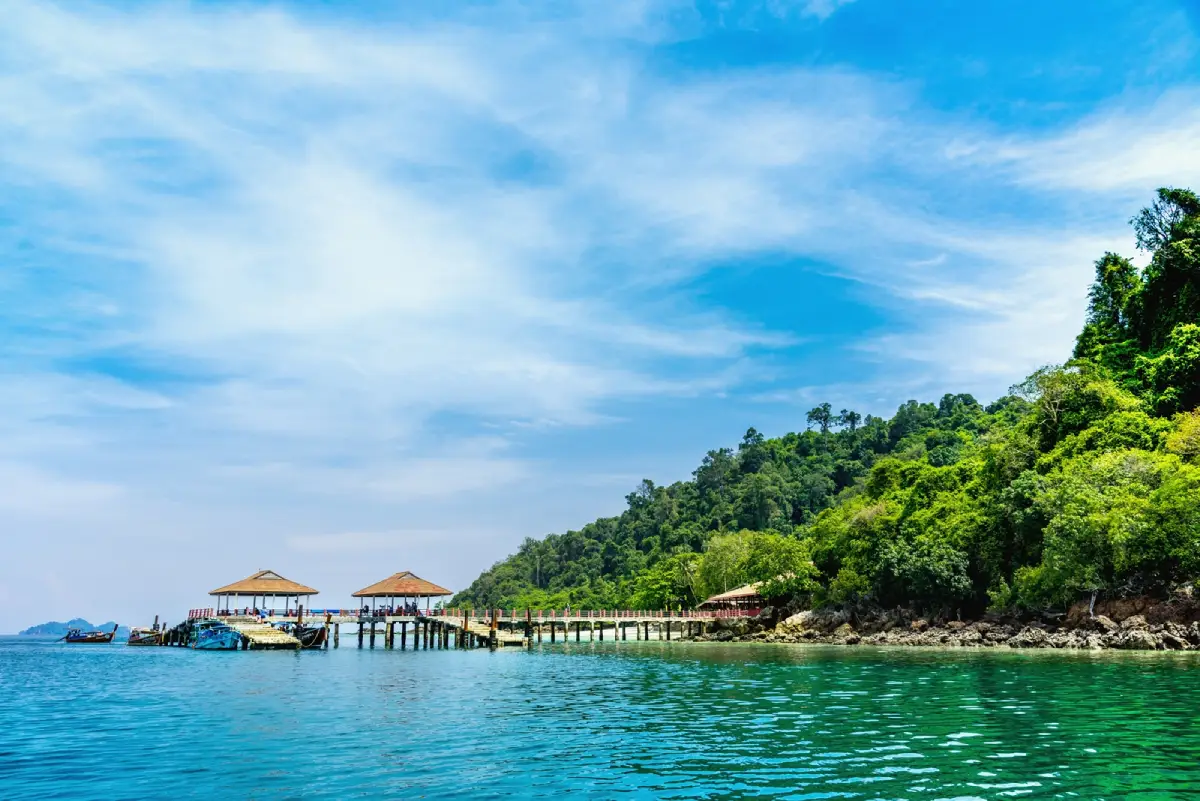
Open Days: Generally open during the travel season from 15 October – 15 May; smaller islands in Mu Ko Lanta National Park are commonly closed during the monsoon season from 16 May – 14 October for safety and ecological recovery
Opening Hours: 08.30 – 16.30
Ko Ngai, also known as Ko Hai, is a small island in Ko Lanta District, Krabi Province. Although it is administratively part of Krabi and lies within Mu Ko Lanta National Park, it is often grouped with the Trang Sea travel route because access from Trang, especially Pak Meng Pier, is usually more convenient. The island is known for white sand, clear water, shallow coral reefs, colorful reef fish, and a peaceful atmosphere. It is best suited to travelers who want a quiet beach retreat rather than a busy nightlife island.
Ko Ngai has a distinctive travel identity. It belongs to Krabi, but many visitors approach it from Trang because the boat route from Pak Meng Pier is direct and practical. The boat trip usually takes around 45 minutes to 1 hour depending on boat type and sea conditions. From Ko Ngai, travelers can also connect with Ko Muk, Emerald Cave, Ko Kradan, Ko Chueak, Ko Waen, and Ko Lanta during the travel season. This makes Ko Ngai both a peaceful island stay and a useful base for exploring the Trang-Andaman island chain.
The island landscape is simple and natural. The eastern coast has the main long beach, most resorts, boat landing points, and the easiest swimming areas. Inland areas are forested and hilly, while other parts of the island include quieter beaches such as Paradise Beach and smaller coves. There are no proper roads and no cars on the island, so movement is mainly by walking, walking along the beach, or using boat transfers arranged by accommodation providers.
The main beach on the eastern side is the heart of Ko Ngai. It has soft white sand, clear shallow water, and a view toward nearby limestone islands. On calm days, the water is transparent enough to see the sandy seabed and reef areas near the shore. The beach is suitable for walking, swimming in safe zones, relaxing, reading, photography, and enjoying the quiet rhythm of a small Andaman island. Visitors should stay aware of coral areas and avoid stepping on the reef.
Marine life is one of Ko Ngai’s main attractions. The island is surrounded by coral areas that support reef fish and other marine life. Snorkeling can be rewarding, especially near the eastern side and in areas allowed by operators and national park rules. Visitors must not stand on coral, touch marine animals, feed fish, throw food scraps into the sea, or leave rubbish behind. Shallow reefs are easily damaged, and responsible behavior is essential for keeping Ko Ngai attractive in the long term.
Ko Ngai also has ecological importance beyond tourism. A recent national park report mentioned dugongs feeding around Ko Ngai, which indicates the value of the island’s marine habitat. Dugongs are protected marine mammals, and boat operators should slow down and be especially careful in shallow-water areas where they may be present. For visitors, this is a reminder that Ko Ngai is not just a pretty beach island; it is part of a living marine ecosystem.
Travel to Ko Ngai should be planned around the season. The best general period is from November to April, when the Andaman Sea is calmer, water visibility is usually better, and boats operate more comfortably. From 16 May to 14 October, smaller islands in Mu Ko Lanta National Park are commonly closed for the monsoon season. Travelers should not rely on old boat timetables or old ticket prices. They should confirm the current schedule directly with resorts, boat companies, or tour operators before booking flights or onward transport.
Ko Ngai has several private resorts and bungalow-style accommodation options, mostly along the main beach. These properties operate around seasonal conditions and usually help arrange boat transfers, meals, snorkeling trips, and basic island services. Choosing the right accommodation matters because there are no roads, no cars, and limited independent services. Travelers who want convenience should stay on the main beach. Travelers who want more quiet can choose more secluded areas, but should expect more dependence on boat transfers and resort services.
Facilities on Ko Ngai are limited. There are no banks, no ATMs, no large supermarkets, and no full hospital. Visitors should bring enough cash, personal medication, sun protection, reef-conscious sunscreen, a dry bag, and essential items before leaving the mainland. Electricity, internet, and communication quality can vary by resort and season, so travelers who need reliable connectivity should check with accommodation before booking.
Getting There is most commonly done from Pak Meng Pier in Trang, with a typical boat time of around 45 minutes to 1 hour. Another option is to connect from Ko Lanta, especially from the Ban Sala Dan area during the main travel season. Boats may also link Ko Ngai with Ko Muk, Ko Kradan, Ko Lipe routes, and other Andaman island services depending on operator schedules. Travelers coming from Krabi should plan either via Trang or via Ko Lanta, depending on the season and available boat routes.
Old information about a fixed 14.30 boat from Ko Ngai to Ban Sala Dan and a fixed ticket price should not be treated as a reliable current schedule. Inter-island boat services change according to season, demand, weather, and operator decisions. Travelers should confirm all boat times directly before making tight onward plans, especially when connecting to flights, trains, or long-distance buses.
Trip costs include boat transfers, accommodation, food, activities, and national park fees. Ko Ngai is inside Mu Ko Lanta National Park and is one of the special-fee areas for foreign visitors. Thai visitors pay the standard Thai national park rate, while foreign visitors entering Ko Ngai under the special-fee announcement pay the special rate for Mu Ko Lanta National Park’s designated areas. Boat and tour fees are charged separately by operators.
Main activities on Ko Ngai include beach relaxation, swimming, snorkeling in permitted areas, kayaking in calm sea conditions, walking along the main beach, watching sunrise from the eastern side, taking boat trips to nearby islands, and simply slowing down. The island is not designed for heavy nightlife or road-based exploration. Its appeal is the slow pace, clear water, beach accommodation, and reef scenery close to shore.
Important areas of the island include the eastern main beach, shallow reef areas near the beach, Paradise Beach, small coves on the quieter side of the island, nature walking routes, resort boat landing points, and the national park ranger presence on Ko Ngai. Understanding these zones helps travelers choose the right accommodation and avoid expecting mainland-style services.
Compared with nearby islands, Ko Ngai has a very clear role. Ko Muk is known for Emerald Cave and a more active local community. Ko Kradan is known for its long beach and vivid water color. Ko Lanta has roads, restaurants, shops, and a broader range of services. Ko Ngai is quieter, smaller, and better for travelers who want a resort-front beach, clear water, and easy snorkeling without a busy town atmosphere.
Safety planning is important. Visitors should avoid monsoon-season travel when boat services and national park access may be restricted. They should not schedule return boats too close to flight times, should prepare for possible sea delays, and should carry personal medicine. Families with children or elderly travelers should choose accommodation with clear transfer arrangements and easy beach access.
Photography on Ko Ngai is best in the morning when the eastern beach receives soft light and the water appears especially clear. Popular scenes include long-tail boats on the beach, pale sand, turquoise shallows, and distant limestone islands. Travelers who walk to quieter beaches or natural trails should go in daylight, travel in pairs or groups, and return before dark because some routes are natural paths without lighting.
Responsible travel is essential on Ko Ngai. The island’s beauty depends on clean beaches, clear water, coral reefs, and healthy marine habitats. Visitors should avoid single-use plastic, keep all rubbish out of the sea, never feed fish, never collect coral or shells, and choose boat or accommodation operators that respect reef protection. A good Ko Ngai trip is not only about seeing clear water; it is also about helping keep that water clear.
In summary, Ko Ngai is a small Krabi island closely linked with the Trang Sea route. It is ideal for travelers who want white sand, clear water, reef snorkeling, beachfront accommodation, and a quiet island atmosphere. The most convenient access is usually from Pak Meng Pier in Trang, taking around 45 minutes to 1 hour by boat, while seasonal routes also connect with Ko Lanta and nearby islands. With careful seasonal planning, current boat information, respect for national park rules, and awareness of limited facilities, Ko Ngai offers one of the most peaceful Andaman Sea experiences in southern Thailand.
| Name | Ko Ngai Or Ko Hai |
| Location | Ko Lanta District, Krabi Province, inside Mu Ko Lanta National Park; commonly accessed from Trang via Pak Meng Pier |
| Park Office Address | Mu Ko Lanta National Park, No. 5, Ko Lanta Yai Subdistrict, Ko Lanta District, Krabi 81150 |
| Coordinates | Approximately 7.412928, 99.209911 |
| Highlights | White sand, clear water, shallow coral reefs, colorful reef fish, quiet beach atmosphere, and beachfront private resorts |
| Distinctive Features | A small island with no roads and no cars, suitable for beach relaxation, snorkeling, kayaking, and quiet stays |
| Current Status | Not permanently closed; operates as a seasonal island destination. Smaller islands in Mu Ko Lanta National Park are commonly closed during the monsoon season from 16 May – 14 October. |
| Open Days | Generally open during the travel season from 15 October – 15 May, subject to national park announcements, sea conditions, and active boat schedules |
| Opening Hours | 08.30 – 16.30 |
| Best Time To Visit | November to April is generally best because the sea is calmer, visibility is better, and boat services are more reliable. |
| Fees | Basic Mu Ko Lanta National Park fee: Thai adults 40 THB, Thai children 20 THB; special Ko Ngai foreign visitor fee: adults 400 THB, children 200 THB. Boat and tour service fees are charged separately. |
| Caretaker | Mu Ko Lanta National Park and the Ko Ngai Ranger Unit |
| Main Contact Number | Mu Ko Lanta National Park, Tel. 075-656-576, 075-656-577 |
| Main Areas / Zones | Eastern main beach, shallow reef area, Paradise Beach, quieter coves, nature walking route, resort boat-landing points, and Ko Ngai ranger area |
| Facilities | Private resorts, resort restaurants, boat transfers, and some snorkeling/kayaking services are available seasonally. There are no roads, no cars, no banks, no ATMs, and no large supermarkets. |
| Travel Information | Most visitors travel from Pak Meng Pier in Trang, taking around 45 minutes to 1 hour by boat. Seasonal boat links also connect Ko Ngai with Ko Lanta and nearby Trang islands. |
| Nearby Tourist Attractions | 1. Ko Ma, about 3 km 2. Ko Chueak And Ko Waen, about 8 km 3. Ko Kradan, about 10 km 4. Ko Muk And Emerald Cave, about 13 km 5. Pak Meng Pier, about 16 km 6. Ban Sala Dan, Ko Lanta, about 30 km 7. Ko Rok, about 23 km |
| Nearby Restaurants | 1. Koh Ngai Camping Restaurant, on Ko Ngai, about 1 km, Tel. 084-441-0361 2. Koh Ngai Seafood, on Ko Ngai, about 1 km, Tel. 085-043-4099 3. Koh Ngai Resort Restaurant, on Ko Ngai, about 1 km, Tel. 081-087-7667, 081-089-1221 4. Baan Kati Restaurant At Thapwarin Resort, on Ko Ngai, about 1 km, Tel. 081-894-3585, 081-719-3633 5. CoCo Restaurant At CoCo Cottage, on Ko Ngai, about 1 km, Tel. 089-724-9225 6. Koh Hai Fantasy Resort & Spa Restaurant, on Ko Ngai, about 1 km, Tel. 096-539-2549, 02-316-3577, 075-210-317 |
| Nearby Accommodations | 1. Koh Ngai Resort, on Ko Ngai, about 1 km, Tel. 081-087-7667, 081-089-1221, 081-088-2112 2. Thapwarin Resort, on Ko Ngai, about 1 km, Tel. 081-894-3585, 081-719-3633 3. CoCo Cottage, on Ko Ngai, about 1 km, Tel. 089-724-9225 4. Koh Hai Fantasy Resort & Spa, on Ko Ngai, about 1 km, Tel. 096-539-2549, 02-316-3577, 075-210-317 5. Koh Ngai Thanya Beach Resort, on Ko Ngai, about 1 km, Tel. 094-583-2888 6. Koh Ngai Kaimuk Thong Resort, on Ko Ngai, about 1 km, Tel. 081-697-1090 |
Frequently Asked Questions (FAQ)
Q: Is Ko Ngai in Krabi or Trang?
A: Ko Ngai is administratively in Ko Lanta District, Krabi Province, but it is often grouped with the Trang Sea route because access from Pak Meng Pier in Trang is usually more convenient.
Q: Is Ko Ngai open all year?
A: Ko Ngai is a seasonal island destination. Smaller islands in Mu Ko Lanta National Park are commonly closed during the monsoon season from 16 May to 14 October for safety and ecological recovery.
Q: How do travelers get to Ko Ngai?
A: The most common route is by boat from Pak Meng Pier in Trang, taking around 45 minutes to 1 hour. Seasonal boat links also connect Ko Ngai with Ko Lanta and nearby islands.
Q: Are there accommodations on Ko Ngai?
A: Yes. There are several private resorts and bungalow-style accommodations on the island, mostly along the eastern main beach. Travelers should confirm seasonal operation before booking.
Q: What activities are suitable on Ko Ngai?
A: Ko Ngai is suitable for beach relaxation, swimming, snorkeling in permitted areas, kayaking in calm water, beach walking, sunrise viewing, and boat trips to nearby islands.
Q: Are there roads or cars on Ko Ngai?
A: No. Ko Ngai has no roads and no cars. Travelers move around by walking, walking along the beach, or using boat transfers arranged by resorts and operators.
Q: Is Ko Ngai good for snorkeling?
A: Yes, in permitted areas. The island has shallow reef areas and colorful marine life, but visitors must avoid stepping on coral, touching marine animals, feeding fish, or leaving waste in the sea.
Q: What should visitors be careful about on Ko Ngai?
A: Visitors should check the monsoon closure period, seasonal boat schedules, rough sea conditions, limited island facilities, shallow reef areas, and marine wildlife such as dugongs.
 Category: ●Nature and Wildlife
 Group: ●Islands
Last Update : 2 MonthAgo
 Last Update : 2 MonthAgo
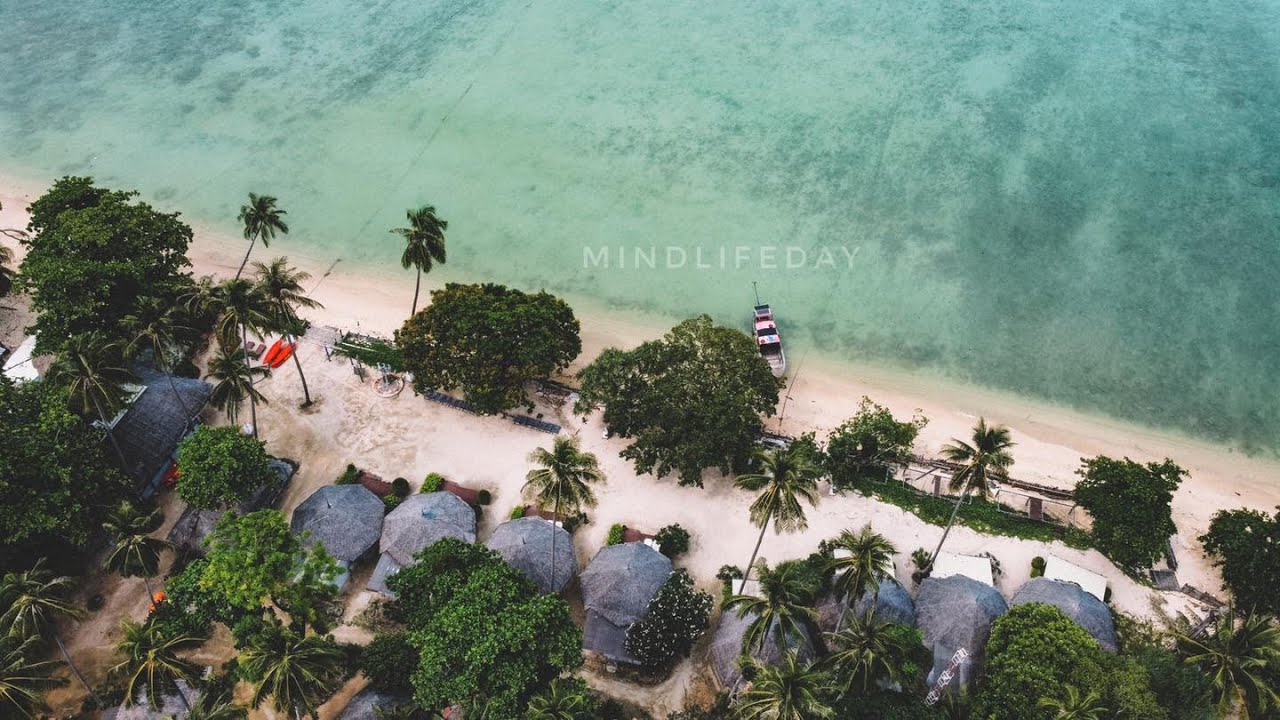
 Click to Access the Navigation Map GPS

 Art, Culture and Heritage
 Historical Sites and Monuments(1)
 Landmarks and Memorials(7)
 Art, Craft Centres, Tradition(2)
 Museums(2)
 Educational Places
 Educational Gardens, Farm(1)
 Places of Worship
 Temple(3)
 Mosque(2)
 Other Sacred Sites(2)
 Research and Development
 Royal Project(1)
 Suburban Living
 Village, Community(6)
 National Parks and Marine Reserves(5)
 Mountain (Doi)(2)
 Dam, Reservoir, Lake(3)
 Waterfalls(12)
 Hot Springs(3)
 Caves(20)
 River, Canal(2)
 Bays and Beaches(36)
Islands(23)
 Other natural attractions(7)
 Entertainment and Agricultural
 Farms, Parks and Ecotourism(1)
 Outdoor and Adventure Activities(1)
 Travel Articles, Recipes
 Travel Review, Food Review(2)
 Southern Food Menu, Southern Food Recipes(1)


