
lovethailand home >North Travel Attractions >Kamphaeng Phet Travel Attractions >Muang Kamphaeng Phet >Nai Muang > Kamphaeng Phet City Pillar Shrine
TL;DR: Kamphaeng Phet City Pillar Shrine is located at Near Wat Phra Kaeo, Nai Mueang Subdistrict, Mueang Kamphaeng Phet District, Kamphaeng Phet Province, open Open Daily, hours 07:00–17:00.

Kamphaeng Phet City Pillar Shrine

Open Days: Open Daily
Opening Hours: 07:00–17:00
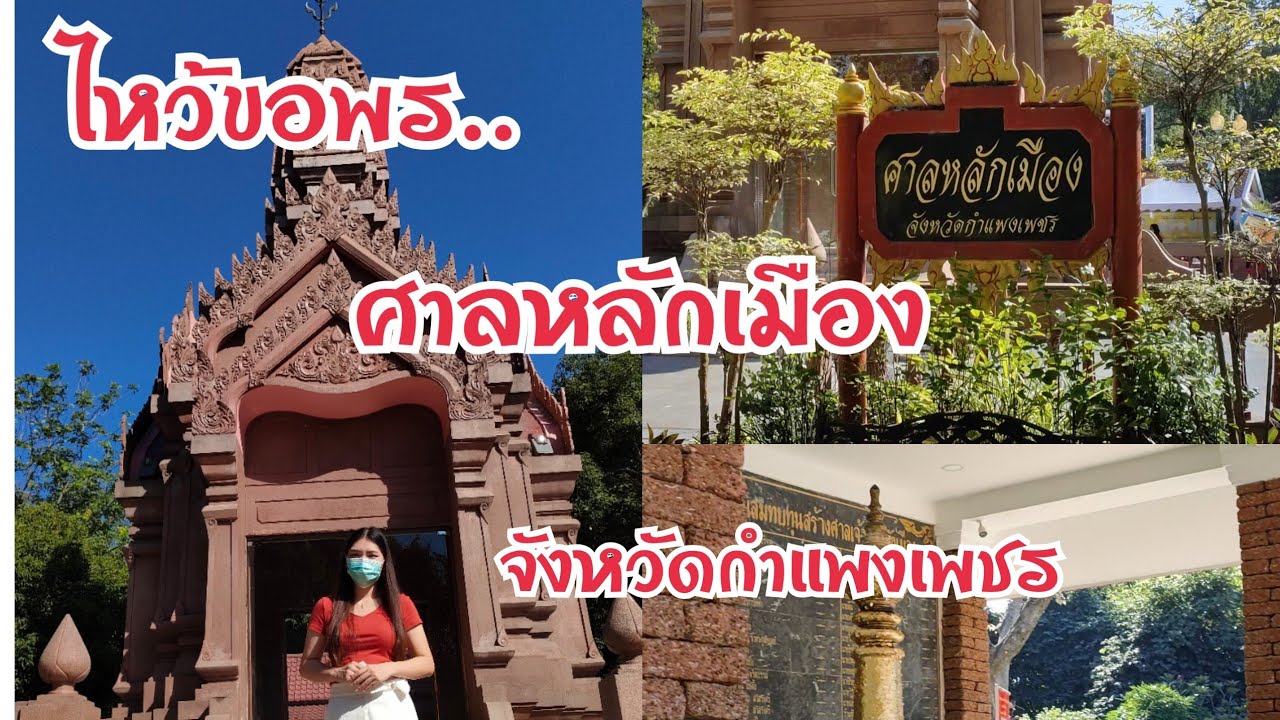
Kamphaeng Phet City Pillar Shrine is one of the most meaningful sacred landmarks in Kamphaeng Phet Province. Located in the old town area near Wat Phra Kaeo, the shrine is closely connected with the history, identity, and spiritual life of the city. For local residents, the city pillar represents stability, protection, prosperity, and unity. For travelers, it is an accessible and culturally rich starting point before exploring the nearby ancient monuments of Kamphaeng Phet old town.
The shrine is located in Nai Mueang Subdistrict, Mueang Kamphaeng Phet District, within the historical zone of the old city. This area contains several important heritage sites, including Wat Phra Kaeo, Wat Phra That, Shiva Shrine, Kamphaeng Phet National Museum, and Kamphaeng Phet Historical Park. Because of this location, the City Pillar Shrine is not only a place for worship but also part of a larger cultural landscape that helps visitors understand the old urban structure of Kamphaeng Phet.
The sacred city pillar is made of laterite, a material strongly associated with Kamphaeng Phet’s ancient architecture. Laterite appears throughout the old city in walls, temple bases, stupas, and archaeological remains. The use of laterite for the city pillar gives the shrine a distinctive local character and links it visually and symbolically with the historic monuments around it. The pillar is round in form and is topped with the head of a guardian deity, representing protection and prosperity for the city.
The present shrine building is a reinforced-concrete structure in a four-sided pavilion style. Its design reflects Thai sacred architecture while the reddish laterite-toned surfaces help it blend with the historic environment of Kamphaeng Phet. The shrine stands in a calm and shaded area, making it suitable for respectful worship, quiet reflection, and a short cultural visit. Visitors can see the sacred pillar inside the shrine and observe how local faith is still practiced in the old city today.
According to local belief, Kamphaeng Phet City Pillar Shrine is more than 700 years old and is associated with the founding and protection of the city. Local tradition connects the shrine with Phra Chao Woraman, also known locally as Mae, who is believed to have established it as a spiritual center and a symbol of civic stability. Whether visitors come for faith, history, or cultural learning, the shrine offers a clear example of how Thai communities connect the idea of a city with sacred protection.
The shrine had once fallen into a neglected condition before major restoration took place in 1984. On 16 April 1984, His Majesty King Maha Vajiralongkorn, then Crown Prince, presided on behalf of His Majesty King Bhumibol Adulyadej in the ceremony to anoint the city pillar. Later, on 5 May 1984, the city pillar and the guardian deity head were ceremonially enshrined in the shrine. This restoration was an important moment that returned the shrine to its role as a central place of worship for the people of Kamphaeng Phet.
In 1985, the shrine was officially registered as a shrine under the relevant regulations for charitable shrine sites and has been under the care of Kamphaeng Phet Municipality. This status reinforces its importance as both a sacred place and a public cultural heritage site. The shrine is therefore not only a place for personal prayers but also a recognized landmark of local history and identity.
For the people of Kamphaeng Phet, the City Pillar Shrine remains an important place for making wishes and seeking blessings. Visitors often come to pray for career success, health, safety, family well-being, business stability, and good fortune before beginning a new stage of life. The shrine continues to function as a living spiritual center rather than a monument preserved only for sightseeing.
The shrine is also a practical stop for cultural travelers. A visit usually takes 20 to 40 minutes, depending on whether travelers want only to pay respect or also observe the architecture and surroundings. Because the shrine is close to major historical attractions, it can be easily combined with Wat Phra Kaeo, Wat Phra That, Shiva Shrine, and Kamphaeng Phet National Museum. Visitors with more time can continue to the Aranyik zone of Kamphaeng Phet Historical Park, where larger forest temples and laterite monuments are located.
Getting There is convenient because the shrine is located in Kamphaeng Phet town. Travelers with a private car can enter the old town area from Phahonyothin Road and continue toward Wat Phra Kaeo or Highway 101. The shrine area has space for parking and is close enough to nearby historical sites for a connected visit. Travelers arriving by bus can get off at Kamphaeng Phet Bus Terminal and take local transport or a ride-hailing service to the shrine.
The best time to visit is in the morning or late afternoon, when the weather is more comfortable and the light is suitable for photography. On weekends, holidays, or during local ceremonies, the shrine may be busier with worshippers. Visitors who prefer a quieter experience should consider visiting on a weekday morning. Those interested in local faith may plan their trip around shrine-related ceremonies or community events.
Visitors should dress respectfully and behave with care inside the shrine. Speak quietly, avoid touching the sacred pillar unnecessarily, and place offerings only in the designated areas. Photography should be done respectfully, especially when other visitors are praying. These practices help preserve the sacred atmosphere and allow both local worshippers and travelers to share the site appropriately.
For first-time visitors to Kamphaeng Phet, the City Pillar Shrine is an excellent symbolic starting point. After paying respect here, travelers can continue to explore the old city, museums, temples, and riverside communities. The shrine helps reveal a side of Kamphaeng Phet that goes beyond archaeological ruins: it shows the continuing faith, memory, and civic identity of the local people.
In summary, Kamphaeng Phet City Pillar Shrine is an essential cultural and spiritual landmark. Its laterite city pillar, guardian deity head, four-sided pavilion, restoration history, and connection with the old town make it a meaningful destination for travelers interested in Thai sacred places, local history, and the cultural landscape of Kamphaeng Phet.
| Name | Kamphaeng Phet City Pillar Shrine |
| Location | Near Wat Phra Kaeo, Nai Mueang Subdistrict, Mueang Kamphaeng Phet District, Kamphaeng Phet Province |
| Address | Highway 101, Nai Mueang Subdistrict, Mueang Kamphaeng Phet District, Kamphaeng Phet 62000 |
| Coordinates | FGQ8+WFC, Nai Mueang Subdistrict, Mueang Kamphaeng Phet District, Kamphaeng Phet |
| Highlights | Sacred city pillar shrine of Kamphaeng Phet, laterite city pillar, guardian deity head, and four-sided pavilion in the old town area |
| History | Believed to be more than 700 years old, restored in 1984, and officially registered as a shrine on 29 May 1985 |
| Name Origin | Named after the sacred city pillar, a symbol of stability, protection, and civic unity for Kamphaeng Phet |
| Distinctive Features | Four-sided reinforced-concrete pavilion with laterite-toned surfaces, housing a round laterite city pillar topped with a guardian deity head |
| Travel Information | Accessible from Kamphaeng Phet town via the old city area near Wat Phra Kaeo and Highway 101 by private car, motorcycle, local transport, or ride-hailing service |
| Current Status | Active provincial city pillar shrine open for public worship and visits |
| Open Days | Open Daily |
| Opening Hours | 07:00–17:00 |
| Fees | Free Admission |
| Facilities | Worship area, walking space, parking area, and convenient access to nearby old-town monuments |
| Main Areas / Zones | Four-sided shrine pavilion, laterite city pillar, guardian deity head, worship area, and shaded shrine grounds |
| Related Tradition | City Pillar Shrine ceremonies and worship for stability, prosperity, protection, and good fortune |
| Caretaker | Kamphaeng Phet Municipality |
| Main Contact Number | Kamphaeng Phet Municipality Tel. 055-718-200 |
| Nearby Tourist Attractions | 1. Wat Phra Kaeo, Kamphaeng Phet – 1 km 2. Wat Phra That, Kamphaeng Phet – 1 km 3. Shiva Shrine, Kamphaeng Phet – 1 km 4. Kamphaeng Phet National Museum – 1 km, Tel. 055-711-570 5. Kamphaeng Phet Historical Park, Aranyik Zone – 4 km, Tel. 055-854-736, 055-854-737 |
| Nearby Restaurants | 1. Ba Mee Chakangrao – 2 km, Tel. 055-712-446 2. Banyakad Cafe & Restaurant – 3 km, Tel. 097-965-5599, 080-942-6999 3. White Wall Riverfront Café & Hotel – 4 km, Tel. 080-361-4656 4. Mae Ping Riverside – 6 km, Tel. 099-243-5101 5. Suea Rong Hai Kamphaeng Phet – 6 km, Tel. 087-209-4389, 096-892-4299 |
| Nearby Accommodations | 1. Navarat Heritage Hotel – 2 km, Tel. 081-533-5799 2. HOP INN Kamphaeng Phet – 3 km, Tel. 02-080-2222 3. La Riva Boutique Hotel – 4 km, Tel. 089-707-1360 4. White Wall Riverfront Hotel – 4 km, Tel. 080-361-4656 5. The Room Hotel Kamphaeng Phet – 4 km |
Frequently Asked Questions (FAQ)
Q: Where is Kamphaeng Phet City Pillar Shrine located?
A: It is located near Wat Phra Kaeo in Nai Mueang Subdistrict, Mueang Kamphaeng Phet District, within the old town area of Kamphaeng Phet Province.
Q: What are the opening hours of Kamphaeng Phet City Pillar Shrine?
A: The shrine is open daily from 07:00 to 17:00.
Q: Is there an entrance fee?
A: No. Admission to Kamphaeng Phet City Pillar Shrine is free.
Q: Why is the shrine important?
A: It is the spiritual center of Kamphaeng Phet, symbolizing protection, stability, prosperity, and unity for the city and its people.
Q: What is the city pillar made of?
A: The city pillar is made of laterite, a material strongly associated with the historic monuments of Kamphaeng Phet.
Q: Who takes care of Kamphaeng Phet City Pillar Shrine?
A: The shrine is under the care of Kamphaeng Phet Municipality.
Q: What nearby attractions can be combined with a visit?
A: Nearby attractions include Wat Phra Kaeo, Wat Phra That, Shiva Shrine, Kamphaeng Phet National Museum, and Kamphaeng Phet Historical Park.
 Category: ●Places of Worship
 Group: ●Other Sacred Sites
Last Update : 5 MonthAgo
 Last Update : 5 MonthAgo
 Click to Access the Navigation Map GPS
Kamphaeng Phet City Pillar Shrine Map
Recommend

 Art, Culture and Heritage
 Historical Sites and Monuments(4)
 Landmarks and Memorials(1)
 Art, Craft Centres, Tradition(4)
 Museums(4)
 Historic Homes and Cities(1)
 Temple(25)
Other Sacred Sites(8)
 Research and Development
 Royal Project(2)
 Suburban Living
 Village, Community(2)
 Local Market(2)
 Nature and Wildlife
 National Parks and Marine Reserves(4)
 Mountain (Doi)(2)
 Dam, Reservoir, Lake(4)
 Waterfalls(4)
 Hot Springs(1)
 River, Canal(3)
 Bays and Beaches(2)
 Other natural attractions(1)
 Entertainment and Agricultural
 Farms, Parks and Ecotourism(5)
 Waterpark(1)
 Shopping
 Shopping and Night Market(1)
 Travel Articles, Recipes
 Travel Review, Food Review(1)


