
lovethailand home >North Travel Attractions >Tak Travel Attractions >Mae Ramat >Mae Tuen > Ler Tor Royal Project Development Center
TL;DR: Ler Tor Royal Project Development Center is located at Moo 13, Ban Ler Tor, Mae Tuen Subdistrict, Mae Ramat District, Tak Province 63140, Thailand, open Monday – Friday (Published Office Schedule), hours 08:00 – 16:00 (Office Hours).
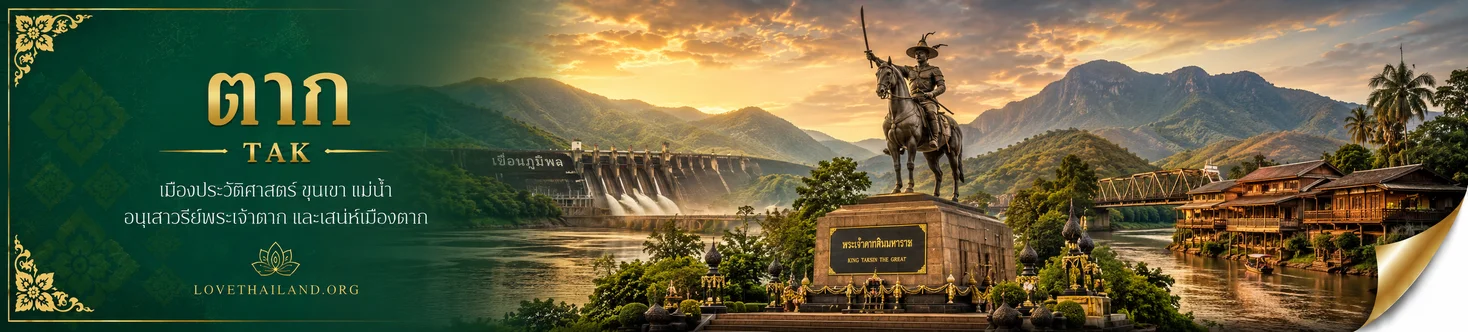
Ler Tor Royal Project Development Center
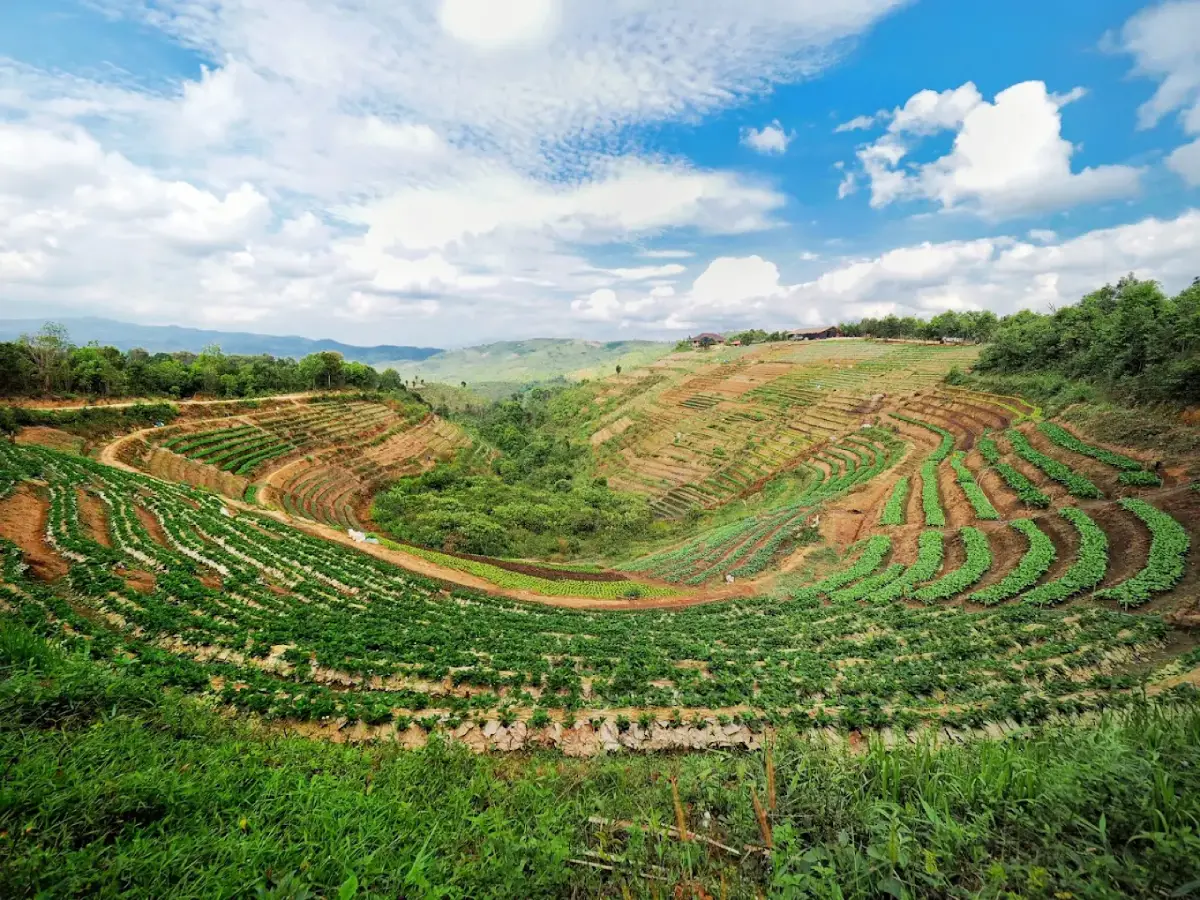
Open Days: Monday – Friday (Published Office Schedule)
Opening Hours: 08:00 – 16:00 (Office Hours)
Ler Tor Royal Project Development Center is located in Ban Ler Tor, Moo 13, Mae Tuen Subdistrict, Mae Ramat District, Tak Province, Thailand. Established in late 2016, the center operates under the Royal Project Foundation and focuses on sustainable highland agriculture, community development, environmental restoration, and alternative livelihoods. Its establishment addressed longstanding challenges associated with opium cultivation, poverty, environmentally damaging agricultural practices, and limited infrastructure in remote mountain communities. As the Royal Project Foundation's 39th development center, Ler Tor occupies an important place in Thailand's royal development history. It is also recognized as the first Royal Project Development Center under the royal development initiatives of King Maha Vajiralongkorn, continuing the principles established by King Bhumibol Adulyadej.
Ler Tor is far more than an agricultural extension center. Its development activities encompass livelihood improvement, responsible land use, watershed forest restoration, water resource development, transportation, education, healthcare, and community capacity building. These activities primarily benefit Pga K'nyau Karen communities living in the mountainous western part of Thailand. The center's fundamental objective is to establish economic opportunities that allow residents to improve their livelihoods without depending on illegal crop cultivation or expanding agricultural land into protected forests.
The center is situated within Mae Ramat National Reserved Forest, in an area characterized by rugged mountains, steep slopes, and scattered highland settlements. Elevations across the development area range from approximately 500 to 1,200 meters above sea level, while Ban Ler Tor itself lies at around 900 meters. Much of the terrain has limited level ground suitable for farming, creating significant challenges for settlement, cultivation, transport, and the delivery of essential public services. These geographical conditions have strongly influenced local lifestyles and the development strategies adopted by the Royal Project Foundation.
Ler Tor has an average annual temperature of approximately 23 degrees Celsius. Rainfall occurs during much of the year, with a rainy period lasting around eight to nine months and an average annual precipitation of approximately 1,100 millimeters. Although the mountain environment supports forests and natural water systems, steep slopes and relatively poor agricultural soils require careful land management. Soil erosion prevention, water conservation, and the development of reliable irrigation sources are therefore essential components of local agricultural development.
The importance of Ler Tor Royal Project Development Center is closely connected to the social and economic difficulties historically experienced by remote highland communities. Opium cultivation and the expansion of monoculture farming became significant concerns where households had limited opportunities to earn dependable incomes. Farming steep mountain land could produce short-term earnings but also exposed families to unstable market prices, difficult production conditions, and the gradual degradation of natural resources. Addressing these problems required a development approach built around the actual needs and circumstances of local residents.
Historically, Ban Ler Tor was among the areas in Thailand facing particularly serious problems associated with opium cultivation. Destroying illegal crops alone could not provide a lasting solution when residents still lacked reliable alternative occupations. The Royal Project approach therefore combined efforts to reduce opium cultivation with agricultural research, economic opportunities, market development, and cooperation with local communities. Sustainable change depended on demonstrating that legal agricultural products could support household livelihoods while reducing environmental damage.
On October 17, 2016, Prince Bhisadej Rajani, then Chairman of the Royal Project Foundation, initiated the establishment of the foundation's 39th development center at Ban Ler Tor in Mae Tuen Subdistrict, Mae Ramat District. The initiative formed part of the continuation of Thailand's royal highland development programs. The foundation began by examining local conditions, coordinating with responsible government agencies, and establishing priorities for transportation, land management, irrigation, agriculture, and community welfare.
King Maha Vajiralongkorn subsequently granted royal support for Ban Ler Tor to become the first Royal Project Development Center under his reign. The Royal Project Foundation was entrusted with implementing a sustainable development action plan for the area. The royal initiative emphasizes the ability of people and forests to coexist sustainably, with secure livelihoods, lawful land use, restored natural resources, and infrastructure that meets the needs of mountain communities.
As a result, Ler Tor represents an important link between the highland development philosophy of King Bhumibol Adulyadej and its continuation under King Maha Vajiralongkorn. The project's purpose extends beyond eliminating opium cultivation. It seeks to establish a sustainable social and economic system suited to the geographical and cultural conditions of the area, enabling communities to improve their circumstances while preserving the natural resources that support their lives.
The center's development responsibilities cover parts of two districts in Tak Province: Mae Ramat and Tha Song Yang. The area includes six villages and 25 smaller settlements inhabited primarily by Pga K'nyau Karen communities. Baseline information published in the foundation's development plan records 2,536 households and 7,476 residents. These figures illustrate the scale of the center's responsibilities, which extend well beyond the village containing its main office and include numerous communities distributed across mountain valleys and ridges.
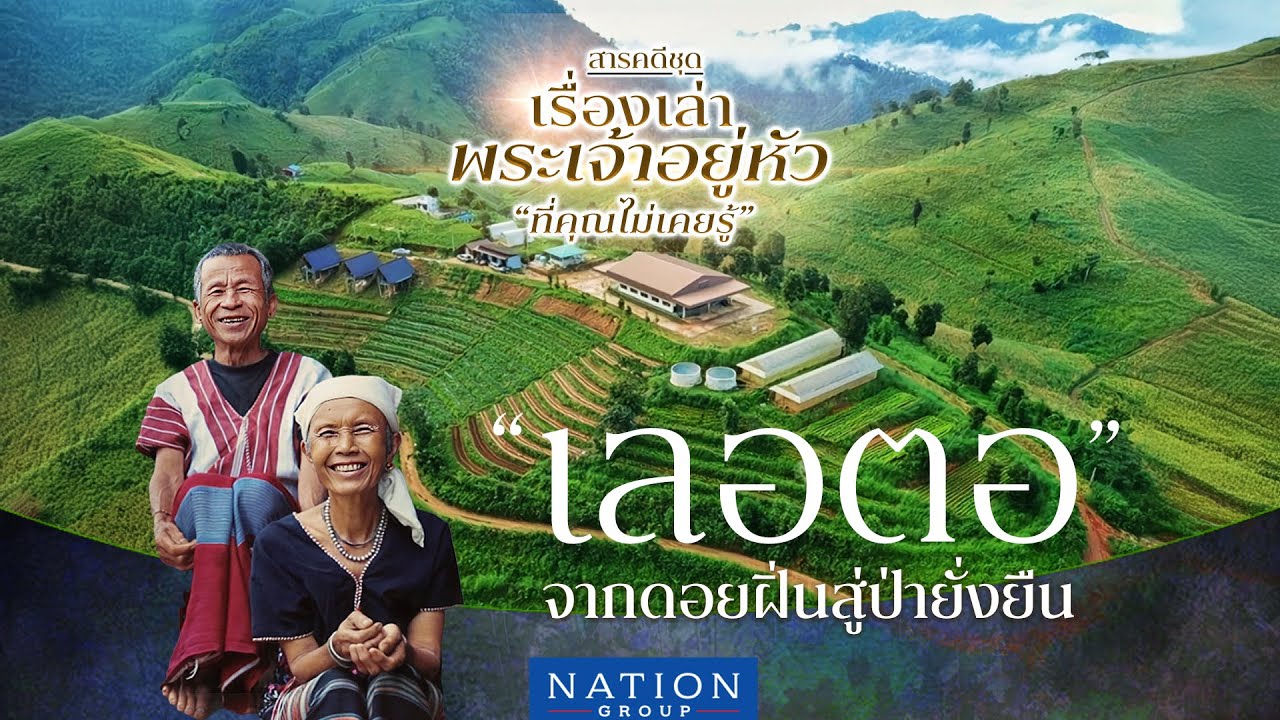
Pga K'nyau Karen communities possess distinctive languages, cultural traditions, and ways of life closely connected to farming, forests, and the seasonal mountain environment. Family and kinship relationships remain important in agricultural work, childcare, support for older residents, and the transmission of local knowledge. Effective community development must therefore recognize established social relationships and encourage meaningful participation among residents of different ages and backgrounds.
The name Ler Tor is associated with the local landscape and the settlement's history. Local historical research records its meaning as stacked stones, reflecting a physical characteristic used by villagers when naming their community. The settlement existed before the establishment of the Royal Project center, and neighboring residential groups were later incorporated into the wider village community. Ban Ler Tor subsequently became an important settlement in Mae Tuen Subdistrict and the location of the agricultural development center.
The center's operational structure is organized around two main locations: the headquarters and demonstration area in Ban Ler Tor, and the operational unit at Ban Cho Khi. These locations support different but connected aspects of agricultural and community development. Ban Ler Tor functions as an administrative and coordination center, as well as a site for agricultural demonstrations, while Ban Cho Khi plays an important role in crop trials, agricultural education, and postharvest production systems.
The Ban Ler Tor headquarters has been developed to accommodate project staff, coordination with government agencies, training activities, and agricultural demonstrations. Its purpose is to transfer knowledge gained through research and practical fieldwork to farmers, students, and other learners. Training extends beyond cultivation techniques to include resource management, livelihood development, and the skills required for successful community-based enterprises.
The agricultural demonstration plots at Ban Ler Tor include activities involving fruit trees, vegetables, and coffee cultivated in association with forest trees. These arrangements help farmers understand how different crops can be organized on sloping land and how agricultural production can be integrated with appropriate tree cover. The combination of perennial trees and economic crops also supports agricultural diversification and creates opportunities to earn income from products with different harvesting periods.
Ban Cho Khi provides another important setting for agricultural demonstration and experimentation. Activities include the cultivation of vegetables, field crops, and community forestry species, together with trials of plant varieties before they are introduced to participating farmers. Field trials provide practical evidence about how crops respond to local soil, temperature, rainfall, and other conditions. This process helps reduce the risks associated with adopting unfamiliar crops or production methods.
Ban Cho Khi is also associated with agricultural produce handling and packing facilities. Effective postharvest management is essential for maintaining quality, reducing losses, and preparing produce for commercial distribution. The development of sorting, packing, and handling procedures helps farmers obtain greater value from their crops and meet the requirements of markets that demand consistent product quality.
The center's principal vegetable products include baby bok choy, Chinese flowering cabbage, Hong Kong kale, Chinese cabbage, and cabbage. These vegetables are widely used in Thai and Asian cooking and can provide farmers with relatively short production cycles. Their successful cultivation requires appropriate variety selection, soil preparation, irrigation, pest management, and harvesting techniques. Introducing a range of vegetables allows farmers to manage production schedules and diversify their sources of agricultural income.
Baby bok choy and Chinese flowering cabbage are leafy vegetables suitable for various cooked dishes. Their quality depends on good crop hygiene, consistent irrigation, and timely harvesting. Hong Kong kale requires careful management of both its stems and leaves, while Chinese cabbage and cabbage form compact heads and therefore have different spacing and growing requirements. Understanding these distinctions is an important aspect of agricultural training and successful market-oriented production.
Strawberries and sweet passion fruit are among the center's principal fruit products. These crops contribute to agricultural diversification and offer opportunities to produce goods with higher market value. Fruit cultivation generally requires particular attention to plant health, growing conditions, and quality management. When properly cultivated and marketed, fruit crops can complement vegetable production and provide farming households with additional economic opportunities.
Strawberry production requires careful selection of planting material, suitable growing conditions, irrigation management, and delicate postharvest handling. Ripe strawberries are easily damaged and must be harvested, sorted, and transported with care. Sweet passion fruit is a climbing crop requiring suitable support structures and ongoing vine management. The introduction of these fruits illustrates how the center evaluates crops according to both their agricultural requirements and their potential economic value.
Arabica coffee has become an important economic crop within the Ler Tor development program. Coffee cultivation can be integrated with appropriate shade trees and other perennial vegetation. In some areas, its introduction offers an alternative to extensive monoculture maize cultivation while contributing to increased tree cover. Because coffee is a perennial crop, establishing productive plantations requires long-term planning, appropriate shade management, regular maintenance, and quality-focused harvesting.
The transition from annual monoculture crops to suitable perennial agricultural systems can help improve land cover and reduce the need for repeated clearing and cultivation. Trees provide longer-lasting vegetation cover, while integrated farming systems create opportunities to use the same land for different types of production. However, successful agroforestry requires careful consideration of competition for sunlight, water, nutrients, and growing space between the species cultivated together.
Producing high-quality coffee involves a series of steps from field management to harvesting, processing, and storage. Careful harvesting of ripe coffee cherries and appropriate postharvest treatment can improve the quality and commercial value of the beans. Developing these skills enables farmers to participate more effectively in agricultural value chains rather than relying solely on the sale of unprocessed produce.
Ler Tor Royal Project Development Center promotes agricultural production under food safety standards. This includes responsible use of agricultural inputs, appropriate irrigation practices, hygienic cultivation conditions, pest management, and careful harvesting. Food safety programs help farmers understand how decisions made in the field affect the quality and safety of products reaching consumers.
Greenhouse cultivation is another method promoted to improve farming efficiency. Suitable greenhouse structures provide greater control over selected growing conditions, reduce direct exposure to heavy rainfall for certain crops, and support more systematic irrigation and crop management. Increasing productivity on existing farmland is especially important in mountainous areas because it can reduce pressure to clear additional forest land for cultivation.
Soil improvement remains a central activity because much of the agricultural terrain consists of steep slopes with limited natural fertility. Compost produced from appropriate organic materials can improve soil structure and organic matter content. Combined with suitable irrigation and crop management, composting helps maintain the productive capacity of agricultural land and supports long-term soil conservation.
Vetiver grass is used as a biological measure for soil and water conservation. Its extensive root system helps hold soil in place, while planting along contour lines can slow surface runoff and reduce erosion on sloping land. Vetiver cultivation demonstrates how appropriate plant species can be incorporated into land management to protect agricultural resources against the effects of heavy rainfall.
Soil and water conservation are directly connected to local food security. Continued erosion reduces the productive capacity of agricultural fields and increases farming costs. At the same time, the loss of watershed forests can affect moisture retention and the availability of water during drier periods. Maintaining healthy soil, reliable water supplies, and forest cover is therefore essential for sustainable agriculture in Ler Tor.
The royal concept of Three Forests, Four Benefits forms an important part of environmental restoration activities. It encourages the cultivation and protection of useful trees that meet household needs for food, materials, and economic products while contributing to ecological benefits. Community forestry and the integration of perennial trees into agricultural land help encourage residents to protect vegetation because properly managed trees can form a valuable part of their livelihoods.
One of the center's environmental initiatives is the Green Mountain Hat Project, which promotes increased vegetation cover through farmer participation, agroforestry, and improved land management. Changes in farming methods can allow selected areas to recover vegetation while reducing the ecological pressure associated with extensive monoculture farming. During 2022 and 2023, the initiative covered approximately 350 rai and involved 106 participating farmers.
Responsible land-use planning is another essential responsibility. Because the center operates within a national reserved forest area, agricultural and infrastructure development must comply with applicable laws and conservation requirements. The Royal Project Foundation works with forestry authorities to assess existing land use and follow appropriate legal procedures. Clarifying how land may be used helps reduce long-term conflicts between community livelihoods and forest protection.
Improved transportation infrastructure has had a major effect on the lives of Ler Tor residents. Reliable mountain roads support access to hospitals, schools, markets, and government services, while also making agricultural transportation more efficient. Better road connections reduce logistical difficulties, improve opportunities for selling perishable produce, and help connect remote villages to the wider regional economy.
The Department of Rural Roads has supported road improvements connecting the Ler Tor area with Mae Ramat District in Tak Province and Omkoi District in Chiang Mai Province. The developed route extends approximately 74 kilometers and has improved transportation between mountain communities and surrounding districts. Nevertheless, the terrain remains mountainous, with steep gradients and continuous bends that require careful driving.
Electricity and communications infrastructure are also essential components of community development. Access to electricity supports agricultural tools, storage facilities, education, and everyday household activities. Improved telecommunications allow residents to communicate with outside organizations, obtain information, and participate more effectively in economic and educational activities. These developments strengthen the ability of remote communities to manage their own needs.
Water resource development is important for domestic consumption as well as farming. The center coordinates with government agencies on the construction and improvement of water storage facilities, distribution systems, and related infrastructure. Highland water management must account for substantial differences in elevation and settlements distributed across steep terrain. Reliable water systems help agricultural households plan production and reduce vulnerability to seasonal shortages.
Mae Hin Luang Noi Reservoir is among the water resource development projects associated with the Ler Tor area. The project supports water availability for agriculture and the daily needs of surrounding communities. Properly managed water infrastructure can improve the reliability of crop production while contributing to household well-being and long-term community resilience.
Alongside agricultural development, Ler Tor promotes non-agricultural sources of income. Handicrafts, traditional textile production, and processing of local agricultural products provide opportunities for households to diversify their livelihoods. Such activities are especially valuable for families with limited farmland or agricultural labor, reducing their dependence on the market prices of a small number of crops.
Traditional Pga K'nyau woven textiles and natural dyeing are important examples of activities connecting cultural heritage with economic development. Locally available dye materials can be used to create distinctive textile products, while improved production and design skills help broaden commercial opportunities. These activities provide opportunities for women and young people to participate in community enterprises while maintaining links with their cultural traditions.
Agricultural processing offers another means of adding value to locally grown produce. The center has supported activities involving passion fruit, bananas, ginger, and fingerroot. Processing can extend the possible uses of agricultural products, reduce the limitations associated with selling fresh produce, and create additional economic activities suited to community groups and household enterprises.
Community organization is important for long-term economic resilience. Groups of farmers and producers can share knowledge, coordinate activities, improve production methods, and develop products collectively. The promotion of cooperative preparation groups and community enterprises helps residents develop their own systems of organization rather than depending entirely on outside assistance.
Youth development is another central element of the center's work. Younger generations will play an important role in the future management of community resources and agricultural livelihoods. Practical agricultural training, environmental education, and occupational skills activities help young people understand the relationship between their community's natural environment and the economic opportunities available to them.
School-based agricultural learning activities allow students to gain hands-on experience in planting, crop maintenance, and food production. Practical instruction makes it possible to connect classroom education with local farming traditions and household livelihoods. Such activities are particularly valuable in highland communities where agriculture remains closely connected to everyday life.
Healthcare development has also been an important part of improving living conditions. The Ler Tor Royal Project Health Center helps expand access to essential health services for residents living far from major medical facilities. Between October 2024 and April 2025, a total of 3,858 healthcare visits were recorded. This level of activity illustrates the importance of accessible local medical services in remote mountain communities.
The development of Ler Tor therefore involves multiple connected areas of public welfare. Agricultural opportunities strengthen household incomes, roads and water systems reduce the challenges of geographic isolation, education creates opportunities for young people, and healthcare improves access to essential services. Together, these efforts support the broader objective of communities becoming increasingly capable of meeting their own needs.
The center has continued to report progress in agricultural development and natural resource management. In August 2026, the Royal Project Foundation reviewed activities relating to water resources, forest restoration, and livelihood promotion. The center also reported providing practical training and knowledge transfer through agricultural demonstration plots to more than 1,243 farmers and other learners. These activities reinforce its role as both a community development center and a source of practical knowledge about sustainable highland agriculture.
Further educational activities at Ban Cho Khi have included plans to develop a 12-rai learning area focused on compost production, plant propagation, and agricultural cultivation. Such facilities create opportunities for farmers to observe production methods directly and apply appropriate techniques to their own land. Demonstration-based learning is particularly useful where agricultural conditions vary considerably from one mountain settlement to another.
The long-term value of agricultural training depends on whether participants can successfully apply what they have learned. Farmers who understand soil improvement, plant propagation, greenhouse management, and efficient cultivation techniques can improve productivity and reduce production risks. Knowledge transfer therefore supports not only agricultural performance but also the capacity of communities to become economically self-reliant.
The landscape surrounding Ban Ler Tor is distinguished by small settlements situated among steep forested mountains. Agricultural fields occupy selected slopes and areas near streams, while forests and mountain ridges surround the villages. The appearance of the landscape changes throughout the year. Rainy months bring abundant green vegetation, while cooler periods and suitable atmospheric conditions can produce mist across valleys and mountain slopes.
Visiting Ler Tor differs considerably from visiting a conventional tourist attraction designed primarily for sightseeing. The area is both a living community and an operational agricultural development center. Its principal significance lies in the history of highland development, practical agricultural education, watershed conservation, and the cultural landscape of the Pga K'nyau people. Working facilities, crop plots, and experimental areas are not unrestricted public spaces.
Educational activities associated with the center concern sustainable highland development, agricultural trials, food safety production, soil and water conservation, and community enterprises. The availability and organization of such activities depend on the center's operating arrangements and current programs. Access to working areas requires coordination with responsible personnel to avoid disrupting farmers, experimental crops, and ongoing project activities.
For those interested in the history of rural development, Ler Tor provides a valuable illustration of the difference between short-term enforcement and lasting economic change. Destroying opium crops could not alone create stable livelihoods when households had no dependable alternatives. The combined development of legal agricultural products, market opportunities, transportation, water infrastructure, education, and healthcare created a stronger foundation for long-term progress.
The relationship between farming and forest conservation is equally important. Highland forests protect watersheds and help maintain water systems that benefit surrounding communities. Extensive clearing of steep slopes increases the risk of erosion and environmental degradation. Developing agricultural systems that reduce pressure on forest land therefore benefits both household economies and the ecological systems on which those households depend.
Traveling toward Ban Ler Tor reveals a mountain landscape distinct from the more familiar tourist routes of Thailand. The road network connecting Mae Ramat, Mae Tuen, and Omkoi passes through steep terrain and winding mountain sections. Improved transportation has made these communities more accessible, but journeys still require suitable vehicles, careful route planning, and attention to local weather conditions.
Ler Tor is located far from large urban service centers. Private vehicles or transportation arranged in advance are practical choices for reaching the area. Travelers approaching from Mae Ramat can use the mountain road network toward Mae Tuen and Ban Ler Tor. The route includes significant changes in elevation and numerous bends, making driving conditions an important consideration throughout the journey.
The surrounding area is connected with communities such as Ban Cho Khi and Ban Huai Pong, as well as other villages along the Mae Ramat–Mae Tuen route. Traveling through this region reveals how highland settlements are distributed across mountain valleys and how agricultural land is used along slopes. It also demonstrates the importance of road connections in linking small communities with markets and essential services.
Visitors to the area should respect the everyday life of local residents. Homes, cultivated fields, religious spaces, and community facilities are integral parts of local society. Photographing residents, entering private areas, or participating in local cultural activities requires appropriate permission. Respectful behavior helps ensure that educational visits do not interfere with the lives or cultural practices of the communities concerned.
The rainy season brings lush mountain scenery, but heavy rainfall, fog, and water crossing road surfaces can affect driving conditions. Winter is generally cooler than in the lowlands, with mist possible during the morning. Seasonal changes influence road safety, outdoor activities, and the overall conditions experienced by travelers, particularly in exposed mountain areas.
Commercial services in Ban Ler Tor and neighboring communities are less extensive than in established tourist towns. Shops, restaurants, and accommodation facilities are distributed among separate settlements, and access to particular services depends on their locations along the mountain roads. Visiting the Royal Project Development Center is also different from entering a public park because its principal function is agricultural and community development.
Ler Tor is a valuable case study in sustainable development because it demonstrates the need for cooperation among multiple organizations. Agricultural training alone cannot fully overcome poverty if communities remain without reliable roads, water supplies, electricity, and essential services. The Ler Tor development model therefore combines productive livelihoods with infrastructure and broader social development.
The preservation of cultural knowledge is another important aspect of this development approach. Promoting traditional weaving and natural dyeing shows that economic improvement can be linked to existing community skills rather than replacing them. Combining traditional techniques with product development and organized production helps strengthen community enterprises while maintaining the distinctive cultural heritage of Pga K'nyau residents.
Progress at Ler Tor has been reflected in efforts to reduce opium cultivation, increase vegetation cover, develop alternative livelihoods, and expand access to education and healthcare. These changes require continuous work and cooperation. The long-term objective is to establish systems through which residents can maintain improved living conditions and protect their natural environment through active participation in local development.
Ler Tor Royal Project Development Center is therefore an important destination for understanding Thailand's highland development history and the relationship between agriculture, Pga K'nyau communities, forest conservation, and the rural economy. Its value extends beyond physical facilities and mountain scenery. The center represents the transformation of an area once affected by limited opportunities and inadequate infrastructure into a model of development integrating economic security, social well-being, and responsible natural resource management.
Getting There from Mae Ramat District, Tak Province, involves following the mountain road network toward Mae Tuen Subdistrict and Ban Ler Tor. The route passes through or near highland communities including Ban Cho Khi and Ban Huai Pong. Ler Tor Royal Project Development Center is located at Moo 13, Mae Tuen, Mae Ramat, Tak 63140. The roads include steep gradients and repeated bends, so daytime travel and a properly maintained vehicle are preferable, especially during periods of heavy rainfall. Arrangements for visiting operational areas can be made directly with the center at +66 93 134 7669.
Ler Tor Royal Project Development Center represents a people-centered approach to highland development. Its activities range from agricultural diversification and value-added production to road improvement, water management, cultural preservation, and watershed restoration. The center demonstrates that sustainable progress cannot be measured by income alone. Lasting development also depends on the ability of local people to build secure livelihoods within the social, geographical, and environmental conditions of their communities.
| Name | Ler Tor Royal Project Development Center |
| Address | Moo 13, Ban Ler Tor, Mae Tuen Subdistrict, Mae Ramat District, Tak Province 63140, Thailand |
| Ban Ler Tor Community Coordinates | 17.23869, 98.42569 |
| Responsible Organization | Royal Project Foundation |
| Establishment | October 17, 2016; the 39th Royal Project Development Center |
| Historical Significance | The first Royal Project Development Center under King Maha Vajiralongkorn's royal development initiatives and a model of sustainable highland community development |
| Landscape | Rugged mountains within Mae Ramat National Reserved Forest |
| Elevation | Approximately 500 – 1,200 meters above sea level across the development area |
| Average Temperature | Approximately 23°C |
| Development Coverage | Mae Ramat and Tha Song Yang Districts, Tak Province, covering six villages and 25 smaller settlements |
| Main Ethnic Community | Pga K'nyau Karen |
| Main Agricultural Products | Baby Bok Choy, Chinese Flowering Cabbage, Hong Kong Kale, Chinese Cabbage, Cabbage, Strawberries, and Sweet Passion Fruit |
| Additional Economic Crops | Arabica Coffee, Highland Vegetables, Fruit Trees, and Locally Suitable Field Crops |
| Main Operational Areas | 1. Ban Ler Tor Headquarters and Demonstration Plots 2. Ban Cho Khi Operational Unit and Demonstration Plots |
| Important Facilities | Administrative Base, Agricultural Demonstration Plots, Training Facilities, Ban Cho Khi Produce Packing Facility, and Agricultural Learning Areas |
| Conservation Activities | Three Forests Four Benefits, Vetiver Grass Planting, Compost Production, Coffee Agroforestry, Watershed Restoration, and Responsible Land-Use Management |
| Office Days | Monday – Friday, according to the published place listing |
| Office Hours | 08:00 – 16:00, according to the published place listing |
| Current Status | Continuing agricultural, environmental conservation, livelihood, and community development activities |
| Getting There | Follow the mountain road network from Mae Ramat District toward Mae Tuen Subdistrict and Ban Ler Tor, connecting with routes toward Omkoi District, Chiang Mai Province |
| Contact Number | +66 93 134 7669 |
| lertor@royalproject.org | |
| Official Website | royalproject.org/devstation/lurtor/ |
Frequently Asked Questions (FAQ)
Q: Where is Ler Tor Royal Project Development Center located?
A: The center is located in Moo 13, Ban Ler Tor, Mae Tuen Subdistrict, Mae Ramat District, Tak Province 63140, within the Mae Ramat National Reserved Forest area.
Q: What are the operating days and hours of Ler Tor Royal Project Development Center?
A: The published place listing shows office hours from Monday to Friday, 08:00 to 16:00. Educational visits and access to working facilities are subject to the center's arrangements.
Q: When was Ler Tor Royal Project Development Center established?
A: It was established on October 17, 2016, as the 39th Royal Project Development Center and is recognized as the first Royal Project Development Center under King Maha Vajiralongkorn's royal development initiatives.
Q: What makes Ler Tor Royal Project Development Center significant?
A: It serves as a model of sustainable alternative development in the highlands, focusing on reducing opium cultivation, developing suitable agricultural livelihoods, restoring watershed forests, and improving living conditions among Pga K'nyau Karen communities.
Q: What crops are grown at Ler Tor Royal Project Development Center?
A: Its main agricultural products include baby bok choy, Chinese flowering cabbage, Hong Kong kale, Chinese cabbage, cabbage, strawberries, and sweet passion fruit. Arabica coffee is also promoted as an alternative economic crop.
Q: What are the main operational areas of the center?
A: The center operates from two principal locations: the headquarters and demonstration plots at Ban Ler Tor, and the Ban Cho Khi operational unit, which supports agricultural demonstrations, training, and produce development.
Q: Why is Ban Ler Tor important to the surrounding communities?
A: It serves as an important center for livelihood development, agricultural education, healthcare, infrastructure improvement, and natural resource conservation among Pga K'nyau communities in Mae Ramat and Tha Song Yang Districts.
Q: How can visitors contact Ler Tor Royal Project Development Center?
A: The center can be contacted by telephone at +66 93 134 7669 or by email at lertor@royalproject.org, as published by the Royal Project Foundation.
 Category: ●Research and Development
 Group: ●Royal Project
Last Update : 2 WeekAgo
 Last Update : 2 WeekAgo
 Click to Access the Navigation Map GPS
Ler Tor Royal Project Development Center Map
Recommend

 Art, Culture and Heritage
 Historical Sites and Monuments(2)
 Landmarks and Memorials(3)
 Art, Craft Centres, Tradition(6)
 Historic Homes and Cities(2)
 Educational Places
 Educational Gardens, Farm(2)
 Places of Worship
 Temple(22)
 Other Sacred Sites(9)
Royal Project(1)
 Suburban Living
 Village, Community(5)
 Local Market(3)
 Nature and Wildlife
 National Parks and Marine Reserves(11)
 Mountain (Doi)(9)
 Dam, Reservoir, Lake(14)
 Waterfalls(23)
 Hot Springs(2)
 Caves(6)
 River, Canal(1)
 Bays and Beaches(1)
 Islands(1)
 Other natural attractions(1)
 Entertainment and Agricultural
 Farms, Parks and Ecotourism(5)
 Outdoor and Adventure Activities(4)
 Travel Articles, Recipes
 Travel Review, Food Review(1)


