
lovethailand home >South Travel Attractions >Trang Travel Attractions >Palian >Koh Sukon > Koh Sukorn
TL;DR: Koh Sukorn is located at Ko Sukorn Subdistrict, Palian District, Trang Province, open Daily, hours Koh Sukorn is a residential island open throughout the day. Boat access follows.
Koh Sukorn
Open Days: Daily
Opening Hours: Koh Sukorn is a residential island open throughout the day. Boat access follows local daytime boat services and sea conditions
Koh Sukorn in Trang Province is a large community island in Palian District, located about 3 kilometres from the mainland coast. It is best suited to travelers who want a quiet island stay, local life, and a slower version of the Andaman Sea. Koh Sukorn is not a highly commercialized beach island. Its strength lies in calm beaches, fishing villages, rice fields, rubber plantations, mangrove areas, watermelon farms, and a Muslim island community that still keeps a simple rhythm of daily life. Visitors come here for peace, local food, cycling, village scenery, and a more human side of Trang’s islands.
Koh Sukorn is a subdistrict of Palian District in Trang Province. More than 2,500 residents live on the island, and most of the community is Muslim. Local livelihoods are based on fishing, rubber plantations, rice farming, watermelon growing, and other agricultural work. This makes the island very different from beach destinations built mainly for tourism. A visit to Koh Sukorn includes fishing boats, small local roads, village shops, motorcycles with sidecars, rice paddies, buffaloes, rubber trees, and seasonal watermelon fields. The island is especially known for its watermelon, which is widely associated with March and April and is valued locally for its sweet, crisp, red flesh.
Koh Sukorn remains an active community destination and is not permanently closed. Local tourism is still promoted through community events, including the annual Boek Fa Andaman Koh Sukorn festival from 27 December to 1 January and Koh Sukorn Watermelon Day, which highlights the island’s famous agricultural product. Travelers can visit Koh Sukorn for overnight stays, cycling, fishing-village walks, local seafood, quiet beaches, seasonal watermelon, and boat trips to nearby Trang islands.
The main appeal of Koh Sukorn is that it remains a real island community. The island is not filled end to end with resorts. It has homes, mosques, schools, small shops, piers, farms, beaches, rubber plantations, and fishing areas sharing the same landscape. Visitors should travel slowly here. Koh Sukorn rewards travelers who take time to walk or cycle through the villages, watch boats return from the sea, see how farming and fishing coexist, and notice small details of island life rather than treating the trip as a quick photo stop.
The name Koh Sukorn has an unusual story. In Thai, “sukorn” refers to a pig, yet most island residents are Muslim. Local accounts say that wild boars once lived on the island in large numbers. When Muslim fishing families settled there, the animals were driven away. People on the mainland saw the boars swimming away and began calling the island “Koh Moo,” or Pig Island. The name later became Koh Sukorn. The name preserves a memory of the island’s earlier landscape, settlement story, and cultural change.
Koh Sukorn is divided into 4 villages: Ban Siam Mai, Ban Laem, Ban Thung, and Ban Hat Sai Thong. Each area has its own role in the island’s daily life. Coastal villages connect with boats, fishing, shops, and transport. Inland areas connect with rubber plantations, rice fields, watermelon farms, and cycling routes. This structure gives Koh Sukorn more depth than a simple beach island. Travelers who stay overnight can experience the island at different times of day: soft morning light by the sea, quiet afternoon village roads, and evening beach scenes.
The island stretches from east to west, with higher land and hills in the middle and coastal settlements around the shore. The landscape combines beaches, mangroves, agricultural land, and village roads. Some routes pass rubber plantations. Others pass homes, rice fields, local shops, and sea views. Cycling or riding a local sidecar around Koh Sukorn is one of the best ways to understand the island because the route brings together hills, farming areas, mangroves, beaches, and village life within a short distance.
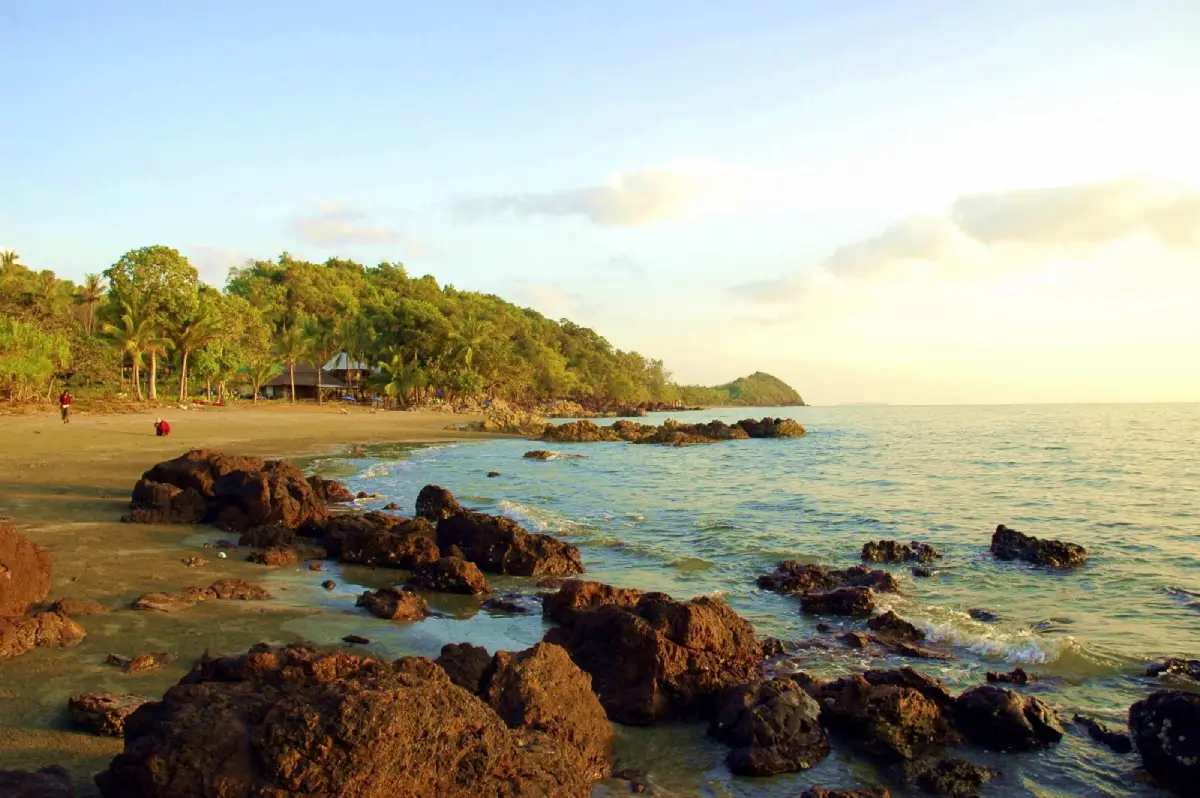
Hat Sai Thong is one of the island’s important beach areas. It is connected with calm sea views, rest, and a quiet coastline. The beaches on Koh Sukorn are not always the bright white, clear-water beaches associated with some snorkeling islands in Trang, but they are peaceful and natural. Hat Sai Thong suits walking, reading, relaxing in front of a beachfront stay, or watching the evening light when the weather is clear. The low level of crowding is one of the island’s strongest attractions.
Koh Sukorn Viewpoint gives travelers a wider view of the island, the sea, the pier area, and the surrounding landscape. The route includes some uphill sections, so it is better for visitors who have enough time and want a broader view beyond the beach. From the viewpoint area, visitors can understand how the island is shaped by the sea, farming areas, settlements, and boat routes. It is a good place to see Koh Sukorn as a living island rather than only a holiday beach.
Watermelon is one of Koh Sukorn’s strongest local identities. The island’s watermelons are grown in a coastal environment influenced by sandy soil and sea air. This gives the fruit its widely recognized sweet and crisp character. March and April are the main watermelon months, when visitors can see more produce and buy local fruit more easily. Watermelon is not only a snack for travelers. It is part of the island’s local economy, farmer income, community branding, and tourism promotion through Koh Sukorn Watermelon Day.
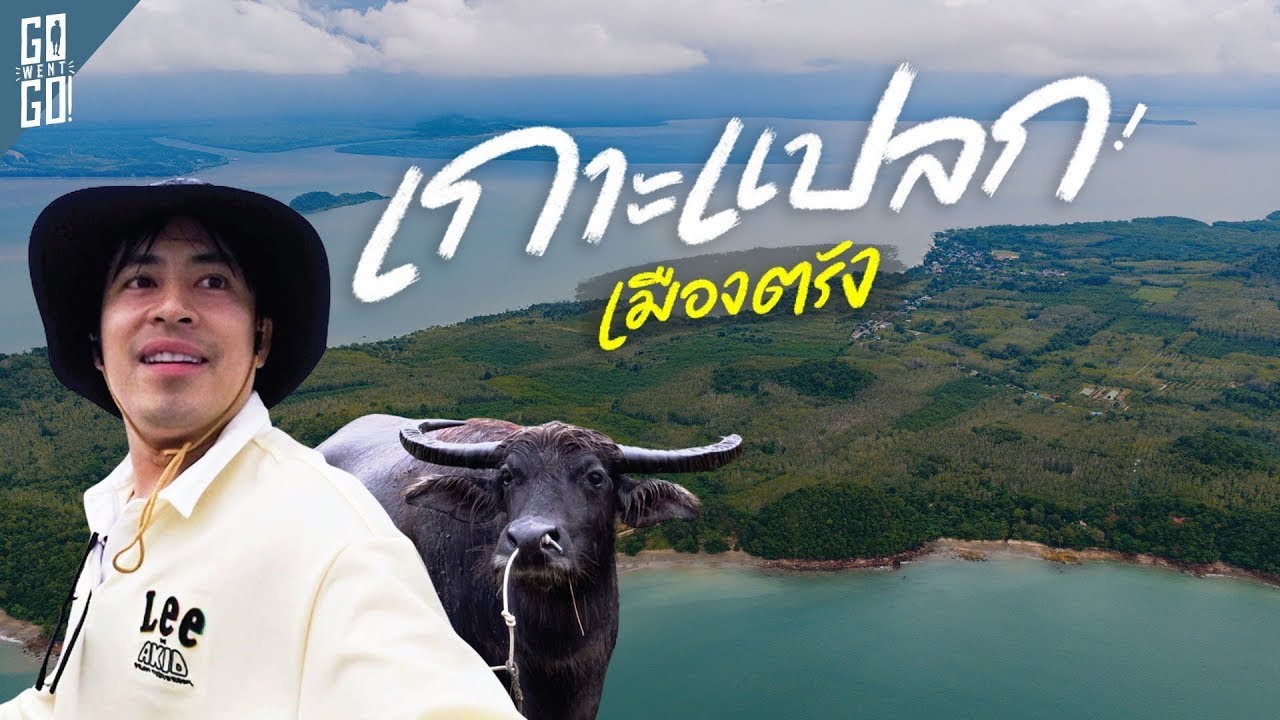
Koh Sukorn also has rice fields, rubber plantations, and buffaloes, which are not typical images for many island trips. Ban Thung is one of the areas that reflects this agricultural identity. The local idea of “sea buffaloes” has been promoted as a distinctive community feature. The sight of buffaloes in rice fields on an island in the Andaman Sea makes Koh Sukorn unusual. Many Thai islands are described mainly through beaches and sea water, but Koh Sukorn adds fields, farms, and working landscapes to the travel experience.
Fishing remains central to the island’s identity. Many families still depend on the sea for income, and visitors can see traditional fishing boats along the shore and at the piers. Early morning is a good time to observe local movement, such as boats preparing to leave or returning with the day’s catch. Food on Koh Sukorn is therefore closely tied to local supplies: fresh seafood, southern Thai dishes, Muslim-style food, roti, chicken rice, simple cafés, and home-style meals. Eating on the island supports the local economy directly.
Koh Sukorn’s cultural atmosphere matters. Because most residents are Muslim, travelers should dress respectfully in village areas, keep noise low, and behave with care in public spaces. Koh Sukorn is not a nightlife island. It is a place for rest, reading, walking, cycling, photography, local meals, and quiet time. The best travel attitude is to treat the island as someone’s home, not only as a tourist facility.
Cycling and riding a local motorcycle sidecar are among the best ways to move around Koh Sukorn. Roads link the main villages, beaches, farms, restaurants, and viewpoints. The route is best enjoyed slowly. Travelers will pass wooden houses, small shops, tea spots, seasonal watermelon fields, rice fields, and fishing areas. Some accommodations can help arrange bicycles, sidecars, local transfers, or simple transport from the pier, making the island manageable even for visitors who do not bring a vehicle.
Koh Sukorn can also be used as a base for boat trips to nearby Trang islands and marine attractions such as Ko Lao Liang, Ko Ta Kiang, Ko Phetra, Ko Libong, and the Tubtim Siam sand ridge. Boat trips depend on season, tide, sea conditions, and local operators. Travelers should arrange island-hopping trips through accommodation hosts or community boat operators because local people understand tide timing and safe routes better than outside visitors. Koh Sukorn is best used as a calm base for slower sea travel rather than a rushed multi-island checklist.
The Tubtim Siam sand ridge is one of the marine attractions associated with the Koh Sukorn area. Its appeal comes from a sandbar that appears with the tide and the local image of small red crabs on the exposed sand. Timing is the most important part of this trip because the sand ridge appears clearly only when the tide is right. Local boat operators can plan the trip around the water level, making the experience safer and more worthwhile.
Staying overnight on Koh Sukorn is better than rushing in and out on the same day. The island feels most rewarding in the morning and evening. Morning brings soft light, sea breeze, and the start of village life. Evening is best for beach walking and quiet rest. Accommodation options include resorts, bungalows, homestays, and community-style stays. Many properties can help with meals, transfers, bicycle use, or boat arrangements. Travelers who want easy beach time should choose a beachfront stay, while travelers who want access to local food and village life may prefer staying closer to a community area.
Getting There usually starts from Trang town and continues by road to a mainland pier in the Palian or Tasae area. The commonly used route is from Trang town to Tasae Pier or Laem Tasae Pier, then by longtail boat to Koh Sukorn. The boat ride usually takes around 20–30 minutes. Another route uses Tha Kham Pier in Palian District, which has a longer boat crossing. Local travel information from Trang Provincial Administrative Organization lists a private longtail boat charter at 700 baht for about 10 passengers. Travelers using public transport can take a van or local vehicle from Trang town toward Yan Ta Khao or Palian, then continue to the pier by local transport. Travelers driving themselves usually park on the mainland side before taking the boat across.
Transport on Koh Sukorn is simple. Visitors use motorcycle sidecars, local transfers, bicycles, or walking for short distances. The main roads connect villages and beach areas, while smaller roads pass through community and agricultural areas. Travelers with luggage should ask their accommodation to arrange a pier transfer. Cyclists should ride in the morning or late afternoon to avoid the hottest hours. Cash is useful because many island expenses involve small local businesses and community services.
The best travel season depends on the purpose of the trip. For calmer sea travel, the period after the monsoon into the hot season is usually the easiest time to plan a Trang island trip. For watermelon, March and April are the key months. For community events, the end of December to early January connects with the annual Boek Fa Andaman Koh Sukorn period. Koh Sukorn does not need perfect turquoise water to be worthwhile because its main value is local life, farming, fishing, and peace. Boat trips to outer islands, however, should always match safe sea conditions.
Visitors should prepare for Koh Sukorn as a community island, not a city-style resort destination. Useful items include comfortable and modest clothing, hat, sunglasses, sunscreen, walking shoes, personal medication, dry bag, and cash. Travelers planning boat trips should bring clothes that can get wet and confirm arrangements before departure. Responsible travel matters on Koh Sukorn: take rubbish back, do not disturb animals, do not collect shells or marine life, and respect mangrove areas, beaches, and working spaces used by local residents.
Koh Sukorn suits couples, families, solo travelers, small groups, and people who like quiet island stays. It is a strong choice for travelers interested in fishing villages, Muslim community life, agriculture, cycling, local food, and simple beaches. It is not the best destination for nightlife or dense shopping. Travelers who want to wake up near the sea, watch fishing boats, see rice fields and buffaloes on an island, eat local food, and slow down will find Koh Sukorn one of Trang’s most distinctive island experiences.
The main strength of Koh Sukorn is that the island has not lost its community character. Tourism exists, but daily life remains visible. People still fish, farm, grow watermelon, tend rubber plantations, run local food shops, and hold community events. This gives the island a form of authenticity that is increasingly hard to find in the Andaman Sea. Koh Sukorn should be approached as a visit to a living community rather than a standard resort island.
In summary, Koh Sukorn in Trang Province is a quiet island for travelers who want community-based travel, coastal culture, and a slower Andaman experience. Its highlights include Muslim village life, fishing, rice fields, rubber plantations, mangroves, famous watermelons, peaceful beaches, and simple accommodation. Travelers can reach the island from Trang town via Tasae or Tha Kham pier routes and should stay at least 1 night to experience the island properly. For a Trang sea trip with more story than beach scenery alone, Koh Sukorn is a strong choice.
| Name | Koh Sukorn |
| Location | Ko Sukorn Subdistrict, Palian District, Trang Province |
| Address | Ko Sukorn Subdistrict, Palian District, Trang Province 92120, Thailand |
| Coordinates | Approx. 7.10037, 99.58131 |
| Highlights | Muslim island community, quiet beaches, fishing life, rubber plantations, rice fields, mangroves, watermelon farms, and slow island atmosphere |
| Distinctive Features | A large community island about 3 km from the mainland, combining beaches, hills, villages, agriculture, mangroves, and fishing areas |
| History / Community Status | A subdistrict of Palian District with more than 2,500 residents, most of whom are Muslim and work in fishing, farming, and rubber plantations |
| Name Origin | Local stories say wild boars once lived on the island, giving rise to the name “Pig Island” before it became Koh Sukorn |
| Travel Information | From Trang town, travel to Tasae or Laem Tasae Pier and take a longtail boat to Koh Sukorn in about 20–30 minutes. Tha Kham Pier in Palian District is another local route |
| Current Status | Open as a residential community and tourist destination, with accommodation, local restaurants, transport, and community-based travel services |
| Open Days | Daily |
| Opening Hours | The island is a residential community open throughout the day. Boat access follows local daytime boat services and sea conditions |
| Verified Travel Cost | Private longtail boat charter from the mainland to Koh Sukorn: 700 baht for about 10 passengers, according to Trang Provincial Administrative Organization travel information |
| Facilities | Pier, accommodation, resorts, homestays, local restaurants, community transport, bicycles or rental transport through accommodations, and local boat services to nearby islands |
| Main Areas / Zones | Ban Siam Mai, Ban Laem, Ban Thung, Ban Hat Sai Thong, Koh Sukorn Pier, Hat Sai Thong, Koh Sukorn Viewpoint, watermelon farms, rice fields, rubber plantations, mangroves, and community beach areas |
| Caretaker | Ko Sukorn Subdistrict Administrative Organization and the Ko Sukorn community |
| Main Contact Number | Ko Sukorn Subdistrict Administrative Organization, Tel. 075-207700 |
| Official Website / Official Page | Ko Sukorn Subdistrict Administrative Organization, Tourism Authority of Thailand, Trang Provincial Administrative Organization, and Trang Provincial Public Relations Office |
| Nearby Tourist Attractions | 1. Hat Sai Thong, about 4 km 2. Koh Sukorn Viewpoint, about 5 km 3. Tubtim Siam Sand Ridge, about 8 km 4. Ko Phetra, about 18 km 5. Ko Lao Liang, about 25 km 6. Ko Ta Kiang, about 26 km 7. Ko Libong, about 30 km |
| Nearby Restaurants | 1. Rabieng Na Restaurant Koh Sukorn, about 3 km 2. Krua Rojana, about 2 km 3. Ya-Hoi View Koh Sukorn, about 3 km 4. MAYA Rim Lay, about 3 km 5. Ruen Mai Cafe, about 5 km, Tel. 061-882-7800 6. Dugong Bar Koh Sukorn, about 4 km, Tel. 087-495-9460 |
| Nearby Accommodations | 1. Cameron Island Resort, about 3 km, Tel. 061-297-9890 2. Sukorn Andaman Beach Resort, about 5 km, Tel. 081-416-2526 3. Dugong Koh Sukorn, about 4 km, Tel. 087-495-9460 4. Inglay Koh Sukorn Trang Resort, about 3 km, Tel. 065-450-6959 5. Koh Sukorn Homestay, about 4 km, Tel. 090-545-9614 6. Sukorn Cabana Resort, about 4 km |
Frequently Asked Questions (FAQ)
Q: Where is Koh Sukorn located?
A: Koh Sukorn is in Ko Sukorn Subdistrict, Palian District, Trang Province, about 3 km from the mainland coast.
Q: Is Koh Sukorn still open to visitors?
A: Yes. Koh Sukorn is an active residential community and tourist destination with accommodation, local restaurants, village life, and community travel services.
Q: Which pier should travelers use for Koh Sukorn?
A: The common route is from Trang town to Tasae or Laem Tasae Pier, then by longtail boat to Koh Sukorn in about 20–30 minutes. Tha Kham Pier in Palian District is another local route.
Q: What type of traveler is Koh Sukorn best for?
A: Koh Sukorn is best for travelers who want quiet beaches, local Muslim community life, fishing villages, agriculture, cycling, local food, and a slow island atmosphere.
Q: What is Koh Sukorn famous for?
A: Koh Sukorn is famous for its peaceful community atmosphere, fishing life, rice fields, rubber plantations, mangroves, watermelon farms, and as a quiet base for nearby Trang island trips.
Q: When is the best time to visit Koh Sukorn?
A: The calmer sea travel period after the monsoon is suitable for island trips, while March and April are the main months for Koh Sukorn watermelons.
Q: Are there accommodations on Koh Sukorn?
A: Yes. Koh Sukorn has resorts, bungalows, homestays, and community-style accommodation. Staying at least 1 night gives travelers a better feel for the island.
Q: What should travelers prepare before visiting Koh Sukorn?
A: Travelers should bring cash, comfortable and modest clothing, sun protection, walking shoes, personal medication, and a dry bag, especially when planning local boat trips.
Tel : 075211460
 Tel : 075211460
 Category: ●Nature and Wildlife
 Group: ●Islands
Last Update : 1 MonthAgo
 Last Update : 1 MonthAgo
 Click to Access the Navigation Map GPS
Koh Sukorn Map
Recommend

 Art, Culture and Heritage
 Historical Sites and Monuments(1)
 Landmarks and Memorials(2)
 Art, Craft Centres, Tradition(3)
 Museums(2)
 Places of Worship
 Temple(15)
 Mosque(1)
 Other Sacred Sites(7)
 Research and Development
 Royal Project(1)
 Suburban Living
 Village, Community(5)
 National Parks and Marine Reserves(6)
 Mountain (Doi)(8)
 Dam, Reservoir, Lake(1)
 Waterfalls(20)
 Hot Springs(1)
 Caves(11)
 Bays and Beaches(11)
Islands(12)
 Other natural attractions(3)
 Entertainment and Agricultural
 Farms, Parks and Ecotourism(8)
 Outdoor and Adventure Activities(1)
 Travel Articles, Recipes
 Travel Review, Food Review(1)
 Southern Food Menu, Southern Food Recipes(1)


