
lovethailand home >South Travel Attractions >Satun Travel Attractions >Muang Satun >Koh Sarai > Mu Ko Adang-Rawi
TL;DR: Mu Ko Adang-Rawi is located at Ko Sarai Subdistrict, Mueang Satun District, Satun Province, open Open According To The Tourism Season And Tarutao National Park Announcements, hours Subject To Boat Schedules, Weather, Tide Conditions, And Tarutao National Park.
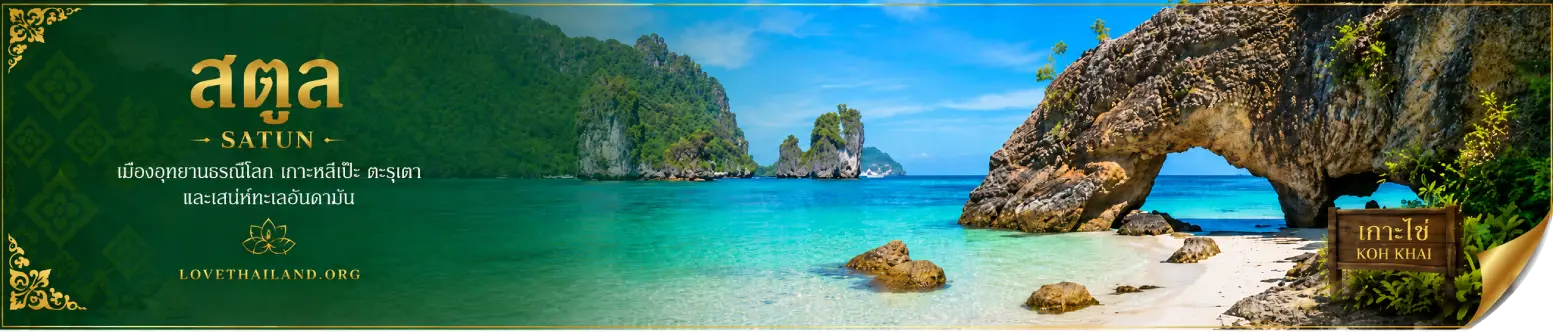
Mu Ko Adang-Rawi
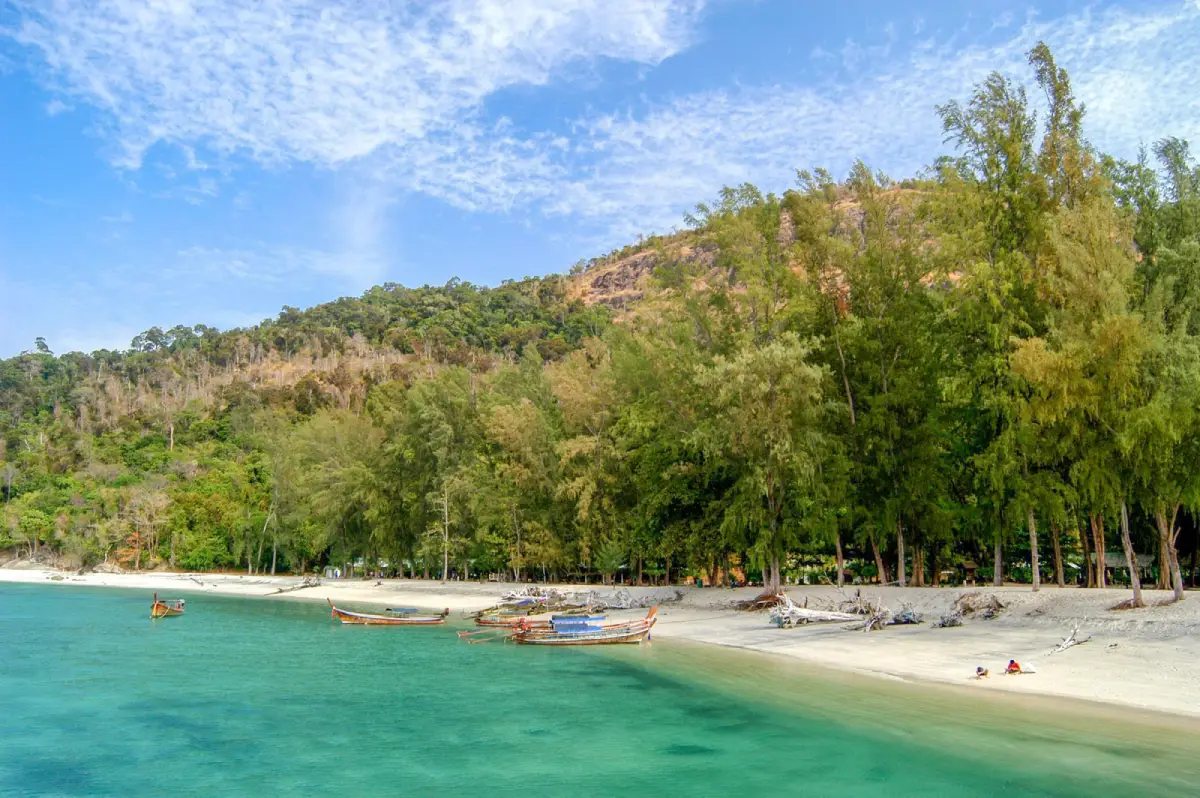
Open Days: Open According To The Tourism Season And Tarutao National Park Announcements
Opening Hours: Subject To Boat Schedules, Weather, Tide Conditions, And Tarutao National Park Announcements
Mu Ko Adang-Rawi in Satun is an Andaman Sea island group located within Tarutao National Park, Ko Sarai Subdistrict, Mueang Satun District, Satun Province. It is one of Satun’s most remarkable marine destinations, combining white-sand beaches, coral reefs, snorkeling sites, waterfalls, tropical forest, steep island mountains, scenic viewpoints, longtail boat routes, and a close travel connection with Ko Lipe. The island group includes Ko Adang, Ko Rawi, Ko Yang or Ko Kata, Jabang Channel, Ko Dong, Ko Hin Ngam, Ko Phueng, Ko Hin Khao, Ko Hin Son, and several smaller islands used in inner-zone and outer-zone snorkeling routes.
The value of Mu Ko Adang-Rawi goes beyond its beautiful sea. It is a protected marine area where several natural systems meet in one island landscape. Ko Adang has mountains, dense forest, freshwater streams, a waterfall, and fine beaches. Ko Rawi is known for clear water, peaceful beaches, and day-trip relaxation. Around the islands, visitors can find hard coral, soft coral, sea fans, sea anemones, clownfish, colorful reef fish, and underwater rock formations that make Adang-Rawi one of the most important snorkeling routes for travelers staying on Ko Lipe.
Ko Adang is the main island of the Adang-Rawi group and covers about 30 square kilometers. It is the second-largest major island in Tarutao National Park after Ko Tarutao. The island is mountainous, green, and covered with tropical forest, while several beaches have fine, pale sand. Ko Adang is also home to Tarutao National Park Ranger Station T.T.5 at Laem Son. This gives the island a dual role as both a travel destination and a conservation base for protecting natural resources in the area.
The name “Adang” comes from the older Malay word “Udang,” meaning shrimp. The name reflects the former abundance of shrimp in the surrounding sea and preserves a connection between the island, marine resources, fishing culture, and local memory. When travelers arrive at Ko Adang, they immediately feel a different atmosphere from more developed tourist islands. The island remains quiet, forested, and natural, making it suitable for travelers who want a calmer experience close to the sea and forest.
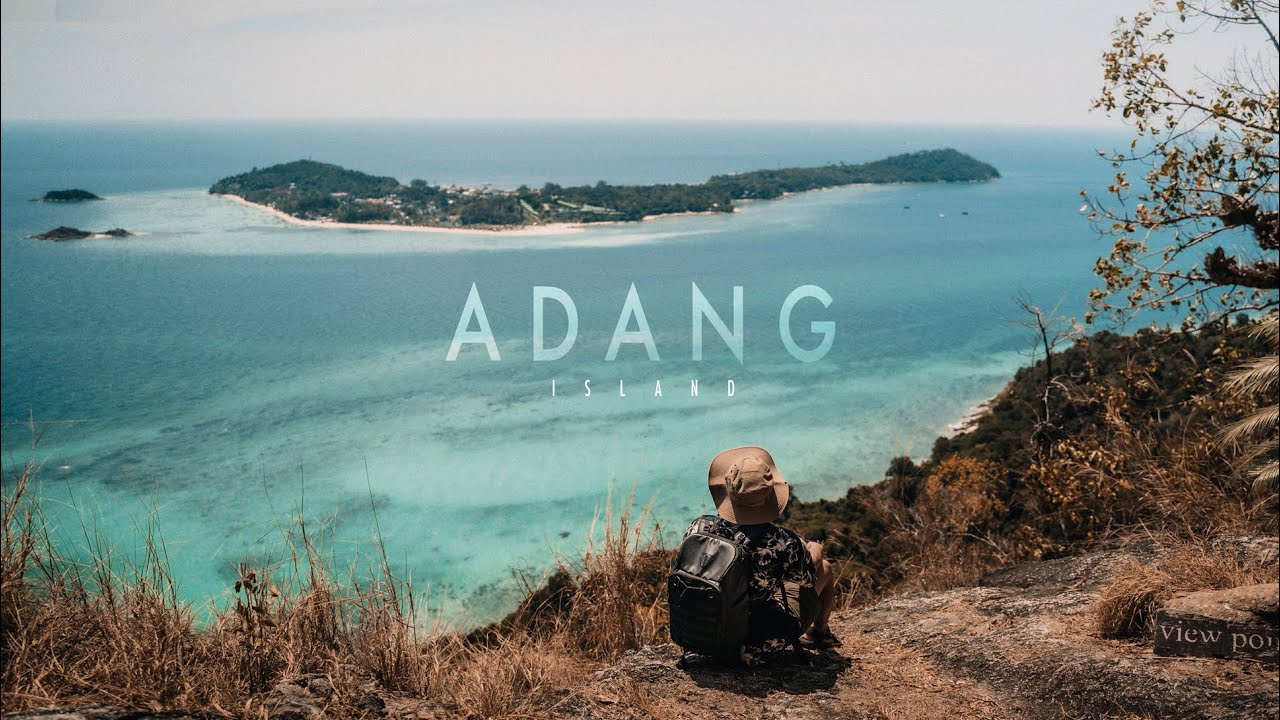
One of Ko Adang’s most important highlights is Pha Chado, a viewpoint reached by walking uphill from the ranger station area at Laem Son. The trail is relatively short but steep in parts. From the viewpoint, visitors can see Ko Lipe clearly, including its beaches, turquoise water, longtail boats, and surrounding islands. Local stories say Pha Chado was once used by pirates as a lookout point. Today it is one of the best places to understand the geography of the channel between Ko Adang and Ko Lipe.
Ko Adang also has Namtok Chon Salat, or Pirate Waterfall, a freshwater source that flows throughout the year. The waterfall is not a large mainland-style waterfall, but it is important because it shows the richness of the island’s forest ecosystem. It also connects to the area’s pirate-related stories and demonstrates how forest, mountain, stream, and sea exist together on Ko Adang.
Ko Rawi lies about 1 kilometer from Ko Adang and covers about 29 square kilometers. It is another main island in the Adang-Rawi group, known for beautiful beaches, clear water, and a quiet atmosphere. Ko Rawi is the location of Tarutao National Park Ranger Station T.T.6 at Hat Sai Khao, but there is no general tourist accommodation on the island. Most visitors come as part of a day snorkeling trip, stopping to rest, eat lunch, swim, and snorkel around the island.
Hat Sai Khao on Ko Rawi is one of the most memorable stops in this island group. The beach has fine sand, clear water, and a calm setting suitable for resting during a boat trip. After several snorkeling stops, many travelers use Ko Rawi as a lunch and beach break because it has a wider beach and a more relaxing atmosphere than smaller snorkeling islets. Ko Rawi therefore works as a natural rest point in an Adang-Rawi sea route.
Ko Yang, also known as Ko Kata, is a small island not far from Ko Adang. It is known for clear water and beautiful hard coral, including staghorn coral, cabbage coral, and brain coral. The island also has fine sandy beach areas. Around Ko Yang, travelers can enjoy shallow-water snorkeling without needing to scuba dive. A mask, snorkel, life jacket, and strict attention to boat crew instructions are enough for most visitors to enjoy the coral safely.
Jabang Channel is one of the most famous snorkeling sites in Mu Ko Adang-Rawi. It is located on an inner-zone route from Ko Lipe and takes about 20 minutes by longtail boat. The site is known for underwater rock formations covered with colorful soft coral, sea anemones, and reef fish. The water depth allows surface snorkeling, but currents can be strong. Visitors should use the safety rope, wear a life jacket, and follow the instructions of park officers or boat operators at all times.
Jabang also shows how fragile marine life can be. Soft coral and sea anemones are sensitive to touching, fin kicks, stepping, and anchor damage. Visitors must not stand on underwater rocks, touch coral, feed fish, or enter the water when the current is unsafe. These rules help keep Jabang one of Satun’s most beautiful snorkeling sites.
Ko Dong lies in the outer part of the Adang-Rawi island group and is commonly visited on outer-zone snorkeling trips. It takes about 1 hour by boat from Ko Adang. Around Ko Dong, there are both shallow and deeper coral areas, as well as several smaller surrounding islands. The route is suitable for travelers who want to see a more distant part of the island group, but it depends strongly on weather, waves, and the boat crew’s safety assessment.
Ko Hin Son is a landmark in the Ko Dong area. It is known for its unusual stacked rock formation, with large stones naturally balanced in a way that stands out from the sea. Most visitors photograph Ko Hin Son from a boat or nearby water because it does not function like a wide beach stop. Its natural rock shape makes it one of the most recognizable symbols of the outer Adang-Rawi route.
Ko Hin Ngam is a small island southwest of Ko Adang, famous for its smooth black stones covering the beach. The stones have rounded shapes, natural patterns, and a glossy surface when wet. Unlike sandy islands, Ko Hin Ngam is memorable because of this black-stone shoreline. The most important rule is not to remove stones from the island and not to stack stones. Keeping the stones in their natural position preserves the character of the island.
Behind Ko Hin Ngam, there are coral areas, sea anemones, clownfish, and clear water suitable for snorkeling in good conditions. Visitors can therefore experience both the black-stone beach and underwater scenery in one stop. However, access to the island and snorkeling areas depends on national park announcements and sea conditions, especially during the monsoon period when some areas close for safety and ecological recovery.
Ko Phueng is a small island between Ko Rawi and Ko Dong. It is known as a snorkeling site where sea fans and hard corals can be found near channels. Because the area is more exposed, trips to Ko Phueng should be handled by local boat operators who understand the currents and seasonal sea conditions. It is best suited for travelers who want a broader outer-zone snorkeling experience.
Ko Hin Khao is another snorkeling point near Ko Lipe, with soft coral, hard coral, and many fish. It is a good option for travelers who want a snorkeling stop relatively close to their base on Ko Lipe. The site can be combined with Jabang, Ko Hin Ngam, and Ko Yang in an inner-zone route, depending on weather and boat arrangements.
Ko Lipe is the main travel base for visiting Mu Ko Adang-Rawi. It has accommodation, restaurants, tour operators, boatmen, and longtail boat services. The three main beaches on Ko Lipe are Pattaya Beach, Sunrise Beach, and Sunset Beach. Pattaya Beach is the main arrival and service area. Sunrise Beach faces Ko Adang and is known for morning light. Sunset Beach has a calmer atmosphere and is suitable for evening scenery.
Travelers who want to experience Mu Ko Adang-Rawi properly often stay on Ko Lipe for at least 2 nights. This allows enough time for an inner-zone snorkeling trip, an outer-zone trip, beach relaxation, and a short boat crossing to Ko Adang for the Pha Chado viewpoint. If time is limited, an inner-zone snorkeling trip is easier because the route is shorter and usually includes major points such as Jabang Channel, Ko Hin Ngam, Ko Yang, and nearby reefs.
Most journeys to Mu Ko Adang-Rawi begin at Pak Bara Pier in La-ngu District, Satun Province, the main pier for boats to Ko Tarutao, Ko Khai, Ko Lipe, and onward access to the Adang-Rawi group. Travelers from Bangkok or other provinces often fly to Hat Yai Airport, continue by van, taxi, or rental car to Pak Bara Pier, then take a speedboat to Ko Lipe. From Ko Lipe, local longtail boats serve Ko Adang, Ko Rawi, and the surrounding snorkeling sites.
Getting There to the Adang-Rawi islands usually involves reaching Ko Lipe first, then hiring a local longtail boat for island-hopping and snorkeling. Travelers should confirm the current price, route, number of passengers, and safety conditions directly with the boat operator before departure. Ko Adang is close to Ko Lipe, while Jabang, Ko Hin Ngam, Ko Yang, Ko Rawi, Ko Phueng, Ko Dong, and Ko Hin Son take different travel times depending on distance and sea conditions.
The best time to visit Mu Ko Adang-Rawi is during the Andaman travel season, generally from November to May. November to April is usually the most favorable period because the sea is calmer, visibility is better, and boat services are more available. During the monsoon season from mid-year onward, visitors must carefully check national park closure announcements because many parts of Adang-Rawi close annually for safety and natural recovery.
For the 2026 announcement, Tarutao National Park closes several areas in Mu Ko Adang-Rawi from 1 June to 30 September 2026, including Ko Adang, Jabang Channel, Ao Ruea Bai on Ko Adang, Hat Sai Khao on Ko Rawi, the southern snorkeling area of Ko Hin Ngam, Ko Phueng Noi, Ko Phueng Yai, Ao Ling and Ao Panan on Ko Dong, Ko Phai, Ko Sawang, Ko Palai, Ko Ro-Kloi, Ko Hin Son, and the Laem Son camping and accommodation area on Ko Adang. The northern and eastern sides of Ko Adang, Ko Talang, and Ko Hin Ru close from 1 June to 31 December 2026. Visitors should check the latest announcement before planning any trip.
Although Mu Ko Adang-Rawi is a famous marine destination, travel here must follow national park rules. Every snorkeling site is ecologically fragile. Visitors must not step on coral, touch marine animals, feed fish, remove stones, shells, or coral, litter in the sea, or use harmful behavior that damages reefs. Responsible travel is essential for keeping Adang-Rawi beautiful for future visitors.
Snorkelers should prepare properly before boarding the boat. Useful items include swimwear or quick-dry clothing, a towel, dry bag, sunglasses, hat, drinking water, personal medicine, motion-sickness tablets, and suitable footwear for boats or rocky shores. Anyone who is not a strong swimmer should wear a life jacket at all times and stay close to the group. Scuba divers should use qualified operators and check their physical condition before diving.
Staying overnight on Ko Adang is different from staying on Ko Lipe. Ko Adang is quieter, more natural, and closer to forest and sea, but facilities are limited because it is a national park area. Travelers who want to stay in park accommodation or camping areas must check seasonal availability, book in advance, and accept limitations related to food, electricity, water, and weather-dependent transport.
Travelers who prefer convenience should stay on Ko Lipe and use longtail boats for day trips to Ko Adang and the Adang-Rawi snorkeling route. This is easier for families, older travelers, and first-time visitors because Ko Lipe has more accommodation choices, restaurants, shops, and boat services. It also provides more flexibility if waves or weather prevent travel to the outer zone on a given day.
Mu Ko Adang-Rawi suits different types of travelers. Snorkelers will enjoy Jabang, Ko Yang, Ko Hin Khao, and Ko Hin Ngam. Photographers will enjoy Ko Hin Son, Ko Rawi, Ko Hin Ngam, and Pha Chado. Hikers will appreciate Pha Chado on Ko Adang. Travelers seeking quiet nature will enjoy Ko Adang more than the busier parts of Ko Lipe. This variety is what makes the island group both adventurous and relaxing.
Visitors should not rush through Mu Ko Adang-Rawi. To experience Ko Adang, Pha Chado, Ko Rawi, Jabang, Ko Hin Ngam, Ko Yang, and the outer-zone islands, plan at least 3 days and 2 nights. A practical itinerary is to arrive on Ko Lipe on the first day, take an inner-zone snorkeling trip on the second day, and choose either the outer zone or Ko Adang viewpoint on the third day. Travelers who want to stay on Ko Adang should add another night.
The choice between inner-zone and outer-zone snorkeling should depend on season, weather, and traveler ability. The inner zone is better for beginners, families, and travelers who prefer shorter boat rides. The outer zone is better for those comfortable with longer boat travel and more open-sea conditions. Some sites may be excellent on clear days but unsuitable when currents are strong or water is cloudy. Boat operators and park officers should make the final safety call.
Visitors should prepare for the national park entrance fee. Published rates for Tarutao National Park are 40 baht for Thai adults and 20 baht for Thai children, while foreign adults pay 200 baht and foreign children pay 100 baht. Other costs such as the boat to Ko Lipe, longtail boat trips, snorkeling equipment, meals, and accommodation vary by operator, season, group size, and route, so prices should be confirmed before payment.
For safety, always check the weather before taking a boat. This is especially important at the beginning and end of the travel season, when sea conditions can change quickly. Choose boats with enough life jackets, avoid overloaded vessels, and use experienced local boat operators. Families with children or older travelers should choose shorter and calmer routes and avoid forcing travel to distant sites during rough weather.
Underwater photographers should keep a safe distance from coral. Currents can push snorkelers into reefs unintentionally, and fins can damage coral quickly. Good photography should be based on floating control, distance, and patience. Do not chase fish, hold coral, or stand on rocks. Protecting the reef matters more than any single photograph.
Mu Ko Adang-Rawi is also important for understanding tourism management in a national park. The area must balance visitor popularity with conservation. During high season, boat traffic, snorkeling pressure, waste, coral contact, and beach use all affect nature. Seasonal closure is therefore an important management tool that allows ecosystems to recover and reduces safety risks during monsoon conditions.
Compared with other marine destinations in Satun, Mu Ko Adang-Rawi stands out for its variety. In one trip, travelers can enjoy the white beach of Ko Rawi, colorful soft coral at Jabang, black stones on Ko Hin Ngam, the rock landmark of Ko Hin Son, the quiet forested atmosphere of Ko Adang, and the convenience of returning to Ko Lipe for accommodation and meals. This continuity of experiences makes Adang-Rawi the core of a meaningful Ko Lipe trip.
Visitors should respect park signs, avoid risky rock climbing, never take stones from Ko Hin Ngam, never collect coral or shells, avoid feeding wildlife, keep noise low in camping areas, and stay on marked trails on Ko Adang. A national park is different from an ordinary beach destination because every action affects the ecosystem and future visitors.
Food and shops are more limited around Adang-Rawi than on Ko Lipe. Travelers should carry enough drinking water and snacks for boat trips, especially full-day snorkeling routes. Ko Lipe has a broader range of restaurants, including Thai food, seafood, cafes, international food, and resort dining. Food availability on Ko Rawi or Ko Adang should be checked on the actual travel date.
Accommodation near Mu Ko Adang-Rawi falls into two main choices: national park accommodation or camping on Ko Adang when available, or hotels and resorts on Ko Lipe for easier access to restaurants, boat services, and daily conveniences. Ko Lipe has many accommodation options around Pattaya Beach, Sunrise Beach, and the Walking Street area. Ko Adang is better for travelers who plan ahead and prefer a quieter conservation-area atmosphere.
For first-time visitors, staying on Ko Lipe and booking an Adang-Rawi snorkeling route is the easiest plan. It reduces the need to manage supplies and park accommodation. After understanding the area, travelers can plan a quieter Ko Adang stay on a later trip. This approach is especially practical for visitors arriving from Hat Yai Airport and transferring by road and boat on the same day.
Mu Ko Adang-Rawi should be visited with realistic expectations. Some of the best snorkeling points cannot be entered every day. Some islands close seasonally. Some beaches may not be safe to land on when waves are high. Outer-zone routes can be canceled when the sea is unsafe. Having a flexible plan and accepting local safety decisions is part of responsible Andaman travel.
In summary, Mu Ko Adang-Rawi is one of Satun’s most complete marine destinations. Ko Adang offers mountains, forest, waterfalls, beaches, and Pha Chado viewpoint. Ko Rawi has white sand and clear water. Ko Yang has hard coral. Jabang has colorful soft coral and fish. Ko Dong and Ko Hin Son offer striking outer-zone seascapes. Ko Hin Ngam has its unique black-stone beach, while Ko Phueng and Ko Hin Khao add more snorkeling diversity. With careful seasonal planning, respect for national park rules, and responsible travel behavior, Mu Ko Adang-Rawi is one of the most valuable Andaman Sea experiences in Satun Province.
| Name | Mu Ko Adang-Rawi |
| Location | Ko Sarai Subdistrict, Mueang Satun District, Satun Province |
| Address | Tarutao National Park, Ko Sarai Subdistrict, Mueang Satun District, Satun 91000, Thailand |
| Reference Coordinates | Ko Adang 6.5297, 99.2839 / Ko Rawi 6.5480, 99.1840 |
| Main Areas / Zones | Ko Adang, Ko Rawi, Ko Lipe, Ko Yang, Jabang Channel, Ko Dong, Ko Hin Ngam, Ko Phueng, Ko Hin Khao, Ko Hin Son, and surrounding snorkeling sites |
| Highlights | Fine beaches, clear water, coral reefs, soft coral at Jabang Channel, black-stone beach at Ko Hin Ngam, Pha Chado viewpoint, Pirate Waterfall, and inner-zone / outer-zone snorkeling routes |
| Distinctive Features | A protected island group in Tarutao National Park with mountains, tropical forest, waterfalls, beaches, hard coral, soft coral, and panoramic Andaman viewpoints |
| History / Name Origin | The name “Adang” comes from the older Malay word “Udang,” meaning shrimp, reflecting the former abundance of shrimp in the surrounding sea. |
| Current Status | A marine tourism area within Tarutao National Park. Access depends on the travel season and park announcements. Some areas close annually for safety and natural recovery. |
| Open Days | Open according to the tourism season and Tarutao National Park announcements |
| Opening Hours | Subject to boat schedules, weather, tide conditions, and Tarutao National Park announcements |
| Best Travel Season | November–May, especially November–April when the sea is generally calmer and boat services are most available |
| 2026 Closure Notice | 1 June–30 September 2026: many Adang-Rawi areas close, including Ko Adang, Jabang Channel, Ao Ruea Bai, Hat Sai Khao on Ko Rawi, southern snorkeling area of Ko Hin Ngam, Ko Phueng, Ko Dong, Ko Hin Son, and Laem Son camping area on Ko Adang. 1 June–31 December 2026: northern and eastern Ko Adang, Ko Talang, and Ko Hin Ru close. |
| National Park Entrance Fee | Thai Adults 40 Baht, Thai Children 20 Baht Foreign Adults 200 Baht, Foreign Children 100 Baht |
| Travel Information | Travel to Pak Bara Pier in La-ngu District, Satun, then take a speedboat to Ko Lipe. From Ko Lipe, use local longtail boats to visit Ko Adang, Ko Rawi, and surrounding snorkeling sites in Mu Ko Adang-Rawi. |
| Facilities | Ranger stations on Ko Adang and Ko Rawi, beach rest areas, longtail boat services from Ko Lipe, snorkeling sites, seasonal park accommodation on Ko Adang, and tourism services on Ko Lipe |
| Caretaker / Related Authority | Tarutao National Park, Department of National Parks, Wildlife and Plant Conservation, and Ko Sarai Subdistrict Administrative Organization |
| Head Of Tarutao National Park | Mr. Itsarin Sothornchit |
| Main Contact Number | Tarutao National Park Visitor Center, Tel. 0-7478-3485 Tarutao National Park Office, Tel. 0-7478-3597 Ko Sarai Subdistrict Administrative Organization, Tel. 074-750905 |
| Nearby Tourist Attractions | 1. Ko Lipe, about 2 km by boat 2. Pha Chado On Ko Adang, about 1 km from Laem Son Ranger Station 3. Ko Rawi, about 1 km from Ko Adang 4. Jabang Channel, about 20 minutes by boat from Ko Lipe 5. Ko Hin Ngam, about 20 minutes by boat from Ko Lipe 6. Ko Yang / Ko Kata, about 25 minutes by boat from Ko Lipe 7. Ko Hin Son, about 30 minutes by boat from Ko Lipe 8. Ko Dong, about 1 hour by boat from Ko Adang |
| Nearby Restaurants | 1. Elephant Cafe & Bar, Ko Lipe, about 2 km by boat, Tel. 089-657-2178 2. Elephant Beach Bar & Restaurant At Lipe Beach Resort, about 2 km by boat, Tel. 080-543-1466 3. On The Rocks Restaurant At Serendipity, about 2 km by boat, Tel. 088-395-5158, 082-734-8633 4. Bundhaya Restaurant, Ko Lipe, about 2 km by boat, Tel. 084-722-6699, 089-451-4599 5. Zodiac Beach Bar & Restaurant, Ko Lipe, about 2 km by boat, Tel. 084-996-6179, 081-767-5764 |
| Nearby Accommodations | 1. Tarutao National Park Accommodation On Ko Adang, Laem Son Area, about 0 km, Tel. 0-7478-3485, 0-7478-3597 2. Akira Lipe Resort, Ko Lipe, about 2 km by boat, Tel. 074-750777, 091-301-3012, 091-301-3013 3. Serendipity Beach Resort, Ko Lipe, about 2 km by boat, Tel. 088-395-5158, 082-734-8633 4. Bundhaya Resort, Ko Lipe, about 2 km by boat, Tel. 084-722-6699, 089-451-4599 5. Zodiac Seesun Resort, Ko Lipe, about 2 km by boat, Tel. 084-996-6179, 081-767-5764 6. Mali Resort Sunrise Beach, Ko Lipe, about 2 km by boat |
Frequently Asked Questions (FAQ)
Q: Where is Mu Ko Adang-Rawi located?
A: Mu Ko Adang-Rawi is located within Tarutao National Park, Ko Sarai Subdistrict, Mueang Satun District, Satun Province. It is an Andaman Sea island group connected with Ko Lipe, Ko Adang, Ko Rawi, and several major snorkeling sites.
Q: What kind of trip is Mu Ko Adang-Rawi best for?
A: It is best for snorkeling, scuba diving, hiking to Pha Chado, beach relaxation, staying close to nature on Ko Adang, visiting Ko Rawi, photographing Ko Hin Ngam, and taking longtail boat trips from Ko Lipe.
Q: When is the best time to visit Mu Ko Adang-Rawi?
A: November to May is the main travel season, with November to April generally offering calmer seas, clearer water, and more available boat services. During the monsoon season, visitors must check national park closure announcements before traveling.
Q: Are any Adang-Rawi areas closed in 2026?
A: Yes. Several Adang-Rawi areas close from 1 June to 30 September 2026, and some areas such as northern and eastern Ko Adang, Ko Talang, and Ko Hin Ru close until 31 December 2026.
Q: How do travelers get to Mu Ko Adang-Rawi?
A: Travel to Pak Bara Pier in La-ngu District, Satun, then take a boat to Ko Lipe. From Ko Lipe, local longtail boats can take visitors to Ko Adang, Ko Rawi, Jabang Channel, Ko Hin Ngam, Ko Yang, and other snorkeling sites.
Q: Is there a national park entrance fee?
A: Yes. Published Tarutao National Park entrance fees are 40 baht for Thai adults, 20 baht for Thai children, 200 baht for foreign adults, and 100 baht for foreign children. Boat and activity fees should be confirmed with operators before travel.
Q: What are the best snorkeling spots in Mu Ko Adang-Rawi?
A: Major snorkeling spots include Jabang Channel, Ko Yang, Ko Hin Ngam, Ko Phueng, Ko Hin Khao, Ko Dong, and areas around Ko Rawi. Access depends on the season, weather, sea conditions, and park announcements.
Q: What should visitors be careful about at Mu Ko Adang-Rawi?
A: Visitors should check closure announcements, wear life jackets, avoid touching or stepping on coral, avoid feeding fish, never remove stones from Ko Hin Ngam, never litter in the sea, and follow national park and boat crew instructions.
Mobile : 0819596542
 Mobile : 0819596542
 Category: ●Nature and Wildlife
 Group: ●Islands
Last Update : 2 MonthAgo
 Last Update : 2 MonthAgo
 Click to Access the Navigation Map GPS
Mu Ko Adang-Rawi Map
Recommend

 Art, Culture and Heritage
 Historical Sites and Monuments(1)
 Landmarks and Memorials(1)
 Art, Craft Centres, Tradition(5)
 Museums(3)
 Places of Worship
 Temple(3)
 Mosque(27)
 Other Sacred Sites(1)
 Suburban Living
 Village, Community(1)
 Local Market(2)
 National Parks and Marine Reserves(7)
 Mountain (Doi)(1)
 Dam, Reservoir, Lake(2)
 Waterfalls(9)
 Hot Springs(1)
 Caves(9)
 Bays and Beaches(10)
Islands(16)
 Other natural attractions(5)
 Entertainment and Agricultural
 Zoos and Aquariums(1)
 Farms, Parks and Ecotourism(4)
 Outdoor and Adventure Activities(1)
 Travel Articles, Recipes
 Travel Review, Food Review(1)


