
lovethailand home >South Travel Attractions >Pattani Travel Attractions >Khok Pho >Thung Phla > Wat Chang Hai Rat Buranaram
TL;DR: Wat Chang Hai Rat Buranaram is located at Khok Pho District, Pattani Province, along the Hat Yai–Su-ngai Kolok railway line between Na Pradu Station and Pa Rai Station, open Daily, hours 08.00 – 17.00.

Wat Chang Hai Rat Buranaram
Open Days: Daily
Opening Hours: 08.00 – 17.00
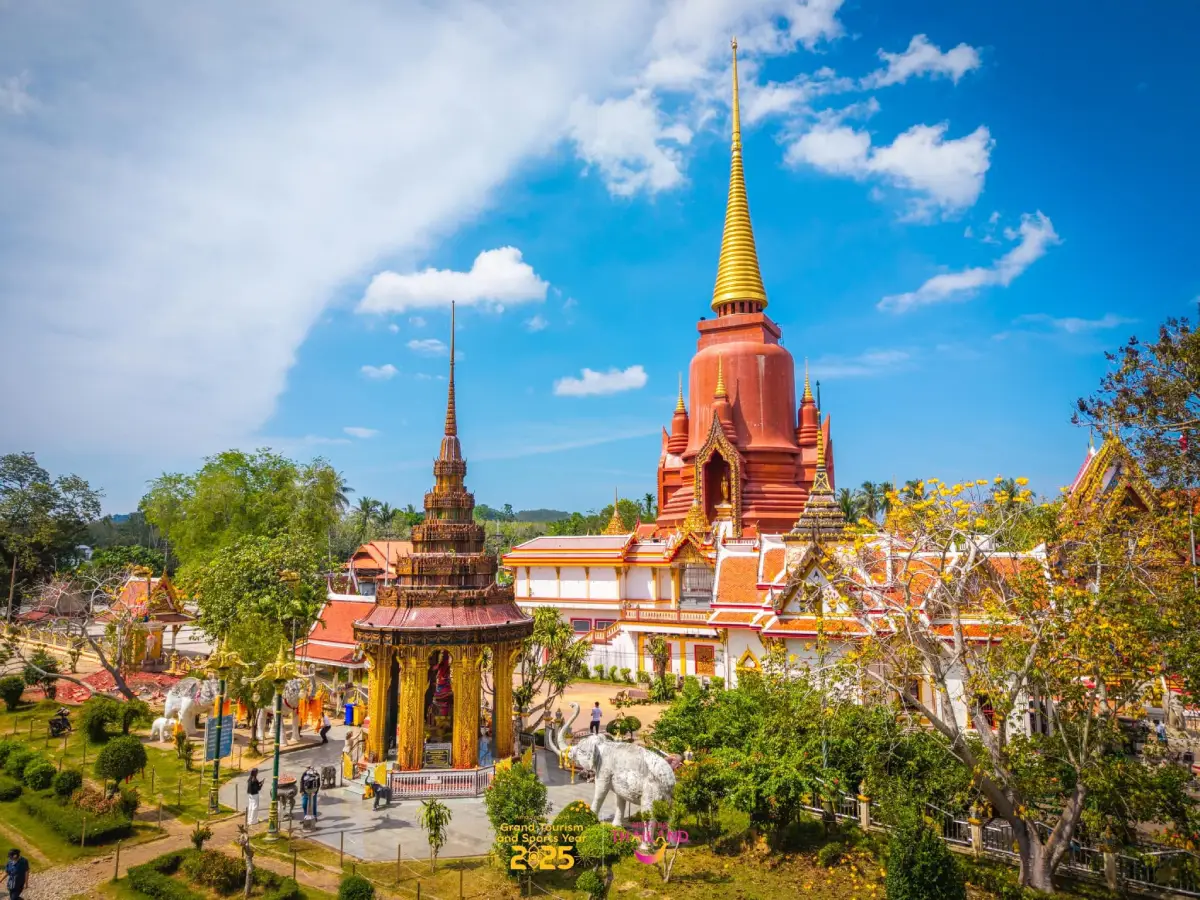
Wat Chang Hai Rat Buranaram, also known as Wat Rat Burana or simply Wat Chang Hai, is one of the most important Buddhist temples in Pattani Province. It is closely associated with Luang Pu Thuat, the revered monk widely known in Thailand as “Luang Pu Thuat Who Turned Seawater Fresh.” The temple is open daily, has no admission fee, and is suitable for travelers who want to pay respect, learn about southern Thai Buddhist heritage, and explore one of Pattani’s most meaningful spiritual landmarks.
Wat Chang Hai Rat Buranaram is located in Khok Pho District, Pattani Province, along the Hat Yai–Su-ngai Kolok railway line between Na Pradu Station and Pa Rai Station. The temple lies about 31 km from Pattani city. Its setting beside the railway gives the temple a distinctive atmosphere, connecting Buddhist devotion, local community life, and the historic transport route of Thailand’s lower south.
For many Thai visitors, Wat Chang Hai is not just another temple. It is one of the most important places connected with Luang Pu Thuat, a monk deeply respected for compassion, wisdom, and protective blessings. Devotees travel here to pay respect to his life-size statue, the stupa containing his relics, and other sacred areas within the temple. Many people pray for safe travel, good fortune, health, and peace of mind.
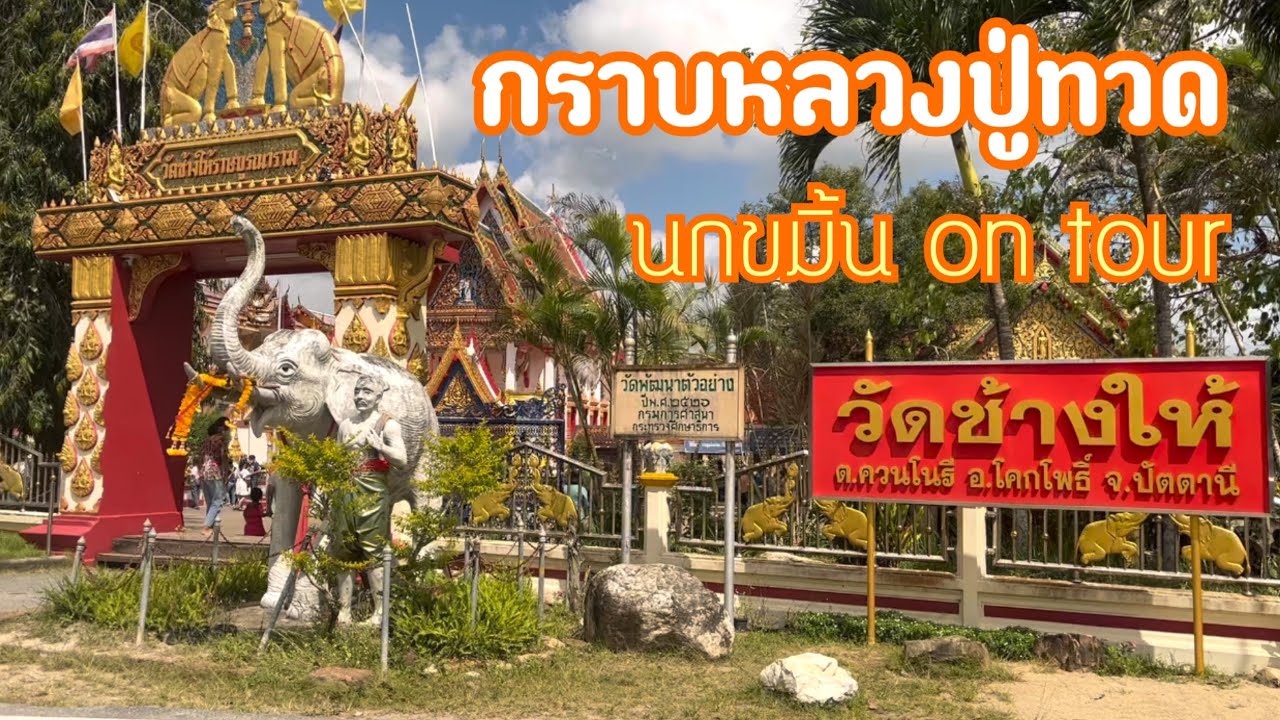
The temple is more than 300 years old, although its original founder is not clearly recorded. Local legend links its origin to Phraya Kaem Dam, the ruler of Sai Buri, who wished to find an auspicious site for a new town for his younger sister. He released an elephant into the forest as an act of divination. When the elephant reached the area where Wat Chang Hai now stands, it circled the site and trumpeted 3 times. Phraya Kaem Dam interpreted this as an auspicious sign. When his sister preferred another location, he ordered a temple to be built on the site instead. This story gave rise to the name “Wat Chang Hai,” a name connected with the elephant, sacred signs, and local memory.
The temple is also known as Wat Rat Burana, a name that reflects later restoration by monks and local residents. This second name helps explain the temple’s long role as a living religious site rather than a silent historical ruin. Wat Chang Hai continues to function as a Buddhist temple, a place of worship, a pilgrimage destination, and a cultural landmark for Pattani Province.
Inside the temple, one of the main highlights is the life-size statue of Luang Pu Thuat. This is a key place of worship for visitors. The statue is not only a religious image but also a focus of devotion for people who believe in Luang Pu Thuat’s protective power. Visitors usually begin their visit by paying respect here before moving on to other important areas of the temple.
The temple complex includes several important architectural features, such as the stupa, chedi, mondop, ordination hall, viharn, and bell tower. These structures create a richer experience than a short shrine visit. Travelers who take time to walk slowly through the temple can appreciate both the spiritual importance and the architectural character of a long-established Buddhist temple in southern Thailand.
The stupa containing Luang Pu Thuat’s relics is one of the most meaningful spots in the temple. According to tradition, Luang Pu Thuat passed away in the area of present-day Malaysia, and his disciples brought his body back to Wat Chang Hai in accordance with his wish. Part of his relics were enshrined here. For this reason, the stupa is both a sacred structure and a place where memory, history, and devotion meet.
The best-known story of Luang Pu Thuat is the miracle of turning seawater into fresh water. The tradition tells that while he was traveling by Chinese junk to Ayutthaya, a storm caused food and drinking water to fall into the sea. The crew became extremely thirsty. Luang Pu Thuat placed his foot into the sea, and the seawater around him became fresh and drinkable. This story became the origin of his famous title and helped spread his reputation throughout Thailand.
Devotion to Luang Pu Thuat is not limited to Pattani or southern Thailand. People across the country know his name through oral tradition, sacred objects, and stories about safe travel and protection. Visiting Wat Chang Hai allows travelers to connect with one of the original places tied directly to his history, rather than seeing his image only in shrines or amulet collections elsewhere.
The history of Wat Chang Hai is also linked with Phra Khru Wisai Sophon, better known as Phra Achan Tim Dhammadharo. He played a major role in restoring the temple in the modern period. His work helped rebuild and strengthen the temple, develop permanent structures, and turn Wat Chang Hai into a major center of faith. For this reason, the temple is important not only because of Luang Pu Thuat but also because of later monastic leadership that kept the temple active and respected.
The ordination hall is an important religious area where Buddhist monastic rites are performed. Visitors should be especially respectful around this zone. Speaking softly, dressing modestly, and avoiding disruptive photography are appropriate. The chedi, mondop, viharn, and bell tower also deserve attention from travelers interested in temple architecture and southern Thai religious culture.
One of the temple’s most important annual events is the ritual bathing of Luang Pu Thuat’s relics, held on the 1st waning day of the 5th lunar month. This annual ceremony expresses gratitude, reverence for a spiritual teacher, and continued devotion to Luang Pu Thuat. During the event, many devotees travel to the temple, creating a lively religious atmosphere that reflects the strength of local and national faith.
On Buddhist holy days and major festivals, Wat Chang Hai can be much busier than usual. Visitors who prefer a quieter experience should come in the morning or on a weekday. Those who want to see the energy of local devotion may choose to visit during a festival period, but they should allow extra time for parking, walking, and paying respect at the main sacred points.
The atmosphere at Wat Chang Hai is different from many large city temples. It is shaped by the railway, rural community life, and a steady flow of pilgrims. Passing trains and the temple’s peaceful grounds create a memorable sense of place. This combination makes Wat Chang Hai easy to remember and gives it a distinctive identity among Thailand’s famous temples.
For travelers interested in photography, the temple offers several respectful photo opportunities, including the stupa area, religious buildings, temple grounds, and the nearby railway setting. Photography should always be done with care. Visitors should not disturb people who are praying, should not climb sacred structures, and should avoid inappropriate poses near religious images.
A good way to explore the temple is to begin with the Luang Pu Thuat statue, continue to the stupa containing his relics, and then walk through the chedi, mondop, ordination hall, viharn, and bell tower. If visitors wish to make merit or obtain temple-related sacred objects, they should use the areas provided by the temple. This route makes the visit more meaningful and easier to understand.
Families and older travelers can visit Wat Chang Hai comfortably by private car, rental car, or hired local transport. A short visit can be completed in under an hour, but travelers who want to explore the temple in detail should allow 1–2 hours. Morning visits are recommended because the weather is usually more comfortable, especially for elderly visitors.
Wat Chang Hai can also be included in a broader cultural and nature route around Khok Pho District. Nearby places such as Wat Na Pradu, Wat Sai Khao, Sai Khao Waterfall National Park, Phong Phong Waterfall, and local railway stations can be combined into a meaningful day trip. This makes the temple a strong anchor point for travelers who want to see both faith-based and natural attractions in the same area.
From a cultural perspective, Wat Chang Hai helps visitors understand Pattani more deeply. Pattani is a province of diverse religious and cultural heritage, with Buddhist temples, mosques, shrines, historic communities, and local traditions. Visiting Wat Chang Hai adds an important Buddhist dimension to a Pattani travel plan and shows that the province is culturally richer than a single image or stereotype.
Travelers coming from Pattani city can take Highway 42 toward Khok Pho, pass the Na Ket junction, continue along Highway 409 toward Yala, pass Na Pradu community and the vocational training center near Wat Chang Hai, then turn into the road leading to the temple for about 700 meters. This is the standard driving route and is suitable for private cars, rental cars, and local hired vehicles.
Travelers coming from Hat Yai can include Wat Chang Hai in a half-day or full-day trip, depending on the overall route. The temple can be paired with restaurants in Khok Pho or accommodations in Pattani city. Visitors unfamiliar with the lower southern region should plan daytime travel, check routes in advance, and allow enough time for local road conditions.
Public transport travelers should check rail and local transport schedules before leaving. Because the temple is located near the southern railway line, it can be approached via nearby railway stations on the Hat Yai–Su-ngai Kolok route, followed by local transport to the temple. This option suits travelers who enjoy train travel and have time to plan connections carefully.
Visitors should dress modestly when entering the temple. Shirts with sleeves and appropriate-length trousers or skirts are recommended. Shoes should be removed where required. Visitors should keep the temple clean, speak quietly, avoid touching religious objects without permission, and respect monks and worshippers at all times.
Those who come to pray to Luang Pu Thuat often ask for safe journeys, protection, and peace of mind. The deeper value of a visit, however, is not only asking for blessings. It is also a chance to reflect on the virtues associated with Luang Pu Thuat, especially compassion, discipline, wisdom, and care for others.
For first-time visitors, it is best to check opening hours, plan the main worship points, and decide whether the visit will be a short pilgrimage or part of a larger Pattani itinerary. During the annual relic-bathing event or other major festivals, extra time should be allowed because more devotees come to the temple.
Wat Chang Hai is also important for travelers interested in Luang Pu Thuat amulets and sacred objects. Because the temple is closely connected with Luang Pu Thuat, many devotees pay attention to temple-related objects. Visitors should focus first on respect and historical understanding, and if they wish to obtain sacred objects, they should use reliable temple-provided areas.
The temple’s strength lies in the way it brings together several layers of meaning: the elephant divination legend, the history of Luang Pu Thuat, the stupa containing his relics, the annual relic-bathing ceremony, temple architecture, and the railway-side setting. Together, these elements make Wat Chang Hai much deeper than a simple sightseeing stop.
As a Pattani attraction, Wat Chang Hai helps complete the province’s travel identity. Pattani is known for coastal landscapes, historic mosques, old communities, and multicultural heritage, but Wat Chang Hai represents one of its most important Buddhist landmarks. Including the temple in a Pattani itinerary gives travelers a more balanced understanding of the province.
The best time to visit is in the morning, when the weather is usually cooler and the temple atmosphere is calm. Visitors who want enough time to pay respect, walk through the temple, and continue to nearby attractions should avoid arriving too close to closing time. Morning light also works well for respectful temple photography.
Travelers continuing toward Yala can use Wat Chang Hai as a meaningful stop along the Pattani–Yala route. Its location in Khok Pho District makes it convenient for onward travel to natural attractions, local restaurants, and other cultural stops. This helps make the journey efficient without unnecessary backtracking.
Although Wat Chang Hai is famous, its true appeal lies in its quiet dignity, long history, and living faith. Many visitors spend only a short time here, yet remember the experience clearly because the temple combines story, place, devotion, and cultural identity. A visit to Wat Chang Hai offers both knowledge and calmness.
Getting There from Pattani city is straightforward. Take Highway 42 toward Khok Pho, pass the Na Ket junction, continue on Highway 409 toward Yala, pass Na Pradu community and the Wat Chang Hai vocational training center, then turn into the temple road for about 700 meters. Drivers should use navigation and watch for the railway-side temple area. Public transport travelers should plan a local transfer from the nearest railway station or road transport point.
In summary, Wat Chang Hai Rat Buranaram is a must-visit temple for travelers interested in Luang Pu Thuat, southern Thai Buddhist heritage, old temples, and meaningful cultural travel in Pattani. The temple offers history, sacred worship points, an annual ritual, railway-side atmosphere, and nearby attractions in one destination, making it suitable for pilgrims, families, cultural travelers, and visitors seeking a deeper understanding of Pattani Province.
| Name | Wat Chang Hai Rat Buranaram, also known as Wat Rat Burana or Wat Chang Hai |
| Location | Khok Pho District, Pattani Province, along the Hat Yai–Su-ngai Kolok railway line between Na Pradu Station and Pa Rai Station |
| Address | Moo 2, Khuan Nori Subdistrict, Khok Pho District, Pattani Province 94180, Thailand |
| Coordinates | 6.668636, 101.169031 |
| Highlights | Historic Pattani temple associated with Luang Pu Thuat, featuring his life-size statue, relic stupa, and important Buddhist architecture |
| History | A temple more than 300 years old, traditionally linked to the legend of Phraya Kaem Dam and an elephant divination story used to find an auspicious site |
| Name Origin | The name Wat Chang Hai comes from the legend of an elephant that reached the site and trumpeted 3 times, marking the area as auspicious |
| Distinctive Features | Life-size Luang Pu Thuat statue, relic stupa, chedi, mondop, ordination hall, viharn, bell tower, and railway-side temple setting |
| Travel Information | From Pattani city, take Highway 42 toward Khok Pho, continue on Highway 409 toward Yala, pass Na Pradu community and the vocational training center near Wat Chang Hai, then turn into the temple road for about 700 meters |
| Current Status | Open daily for visitors, worshippers, and cultural travelers |
| Open Days | Daily |
| Opening Hours | 08.00 – 17.00 |
| Fees | No admission fee |
| Facilities | Worship areas, merit-making points, temple sacred-object area, and parking around or near the temple |
| Main Areas / Zones | Luang Pu Thuat statue hall, Luang Pu Thuat relic stupa, chedi, mondop, ordination hall, bell tower, and merit-making areas |
| Important Monks In Temple History | Luang Pu Thuat and Phra Khru Wisai Sophon (Phra Achan Tim Dhammadharo) |
| Main Contact Number | 073-358586 |
| Important Ritual / Annual Event | Annual ritual bathing of Luang Pu Thuat’s relics on the 1st waning day of the 5th lunar month |
| Nearby Tourist Attractions | 1. Wat Chang Hai Railway Station, about 0.2 km 2. Wat Na Pradu, about 3 km 3. Phong Phong Waterfall, about 6 km 4. Wat Sai Khao, about 7 km 5. Sai Khao Waterfall National Park, about 9 km |
| Nearby Restaurants | 1. Changhi Coffee, about 0.2 km 2. Café Amazon - DD1707 D.P. Petroleum Station, about 9 km, Tel. 090-1798338 3. Si Kak Restaurant, about 9 km, Tel. 073-431148 4. Narnai Kitchen Khok Pho, about 10 km, Tel. 088-8290544 5. OH MY CHA Khok Pho, about 10 km, Tel. 097-4969464 |
| Nearby Accommodations | 1. Chom Chan Resort Khok Pho, about 9 km, Tel. 073-431849, 081-9693276 2. Bakkahland Farm and Resort, about 28 km, Tel. 081-8962464 3. Southern View Hotel Pattani, about 30 km, Tel. 073-450570-72 4. Park View Resort Pattani, about 31 km, Tel. 073-335100 5. C.S. Pattani Hotel, about 32 km, Tel. 073-335093 |
Frequently Asked Questions (FAQ)
Q: Where is Wat Chang Hai Rat Buranaram located?
A: Wat Chang Hai Rat Buranaram is located in Khok Pho District, Pattani Province, along the Hat Yai–Su-ngai Kolok railway line between Na Pradu Station and Pa Rai Station.
Q: What are the opening hours of Wat Chang Hai?
A: The temple is open daily from 08.00 to 17.00.
Q: Is there an admission fee at Wat Chang Hai?
A: No. Visitors can enter the temple and pay respect during opening hours without an admission fee.
Q: Why is Wat Chang Hai important?
A: Wat Chang Hai is an important historic temple in Pattani and is closely associated with Luang Pu Thuat. It houses his life-size statue and the stupa containing his relics.
Q: When is the annual ritual bathing of Luang Pu Thuat’s relics held?
A: The annual ritual bathing of Luang Pu Thuat’s relics is held on the 1st waning day of the 5th lunar month.
Q: How do visitors travel from Pattani city to Wat Chang Hai?
A: From Pattani city, take Highway 42 toward Khok Pho, continue on Highway 409 toward Yala, pass Na Pradu community and the vocational training center near Wat Chang Hai, then turn into the temple road for about 700 meters.
Q: What are the main worship points inside Wat Chang Hai?
A: Main points include the Luang Pu Thuat statue hall, the stupa containing his relics, the chedi, mondop, ordination hall, bell tower, and merit-making areas.
Q: What nearby places can be combined with a visit to Wat Chang Hai?
A: Travelers can combine the visit with Wat Na Pradu, Wat Sai Khao, Phong Phong Waterfall, Sai Khao Waterfall National Park, and Wat Chang Hai Railway Station.
 Category: ●Places of Worship
 Group: ●Temple
Last Update : 2 MonthAgo
 Last Update : 2 MonthAgo
 Click to Access the Navigation Map GPS
Wat Chang Hai Rat Buranaram Map

 Art, Culture and Heritage
 Historical Sites and Monuments(3)
 Landmarks and Memorials(7)
 Royal Palace(2)
 Art, Craft Centres, Tradition(7)
 Historic Homes and Cities(1)
 Educational Places
 Museum for Study(1)
 Training Center(1)
Temple(13)
 Mosque(5)
 Other Sacred Sites(4)
 Research and Development
 Royal Project(2)
 Suburban Living
 Village, Community(5)
 Local Market(2)
 Nature and Wildlife
 National Parks and Marine Reserves(2)
 Mountain (Doi)(3)
 Waterfalls(3)
 River, Canal(2)
 Bays and Beaches(13)
 Islands(2)
 Other natural attractions(1)
 Entertainment and Agricultural
 Farms, Parks and Ecotourism(1)
 Travel Articles, Recipes
 Travel Review, Food Review(1)
 Southern Food Menu, Southern Food Recipes(3)


