
lovethailand home >South Travel Attractions >Narathiwat Travel Attractions >Yi Ngo >Lu Bo Ba Ya > Pajo Babi Waterfall
TL;DR: Pajo Babi Waterfall is located at Lubobaya Subdistrict, Yi-ngo District, Narathiwat Province, open Daily, hours 08.00 - 17.00.

Pajo Babi Waterfall
Open Days: Daily
Opening Hours: 08.00 - 17.00
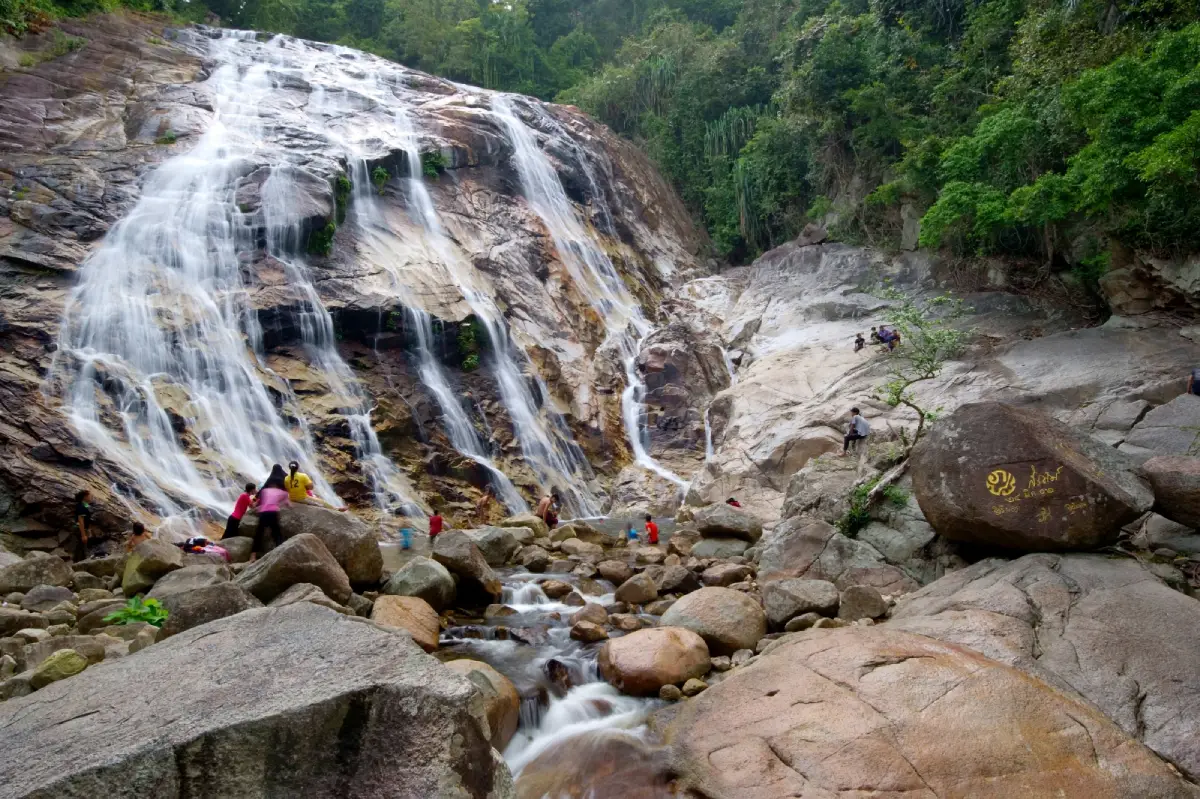
Pajo Babi Waterfall in Narathiwat Province is a natural attraction in Lubobaya Subdistrict, Yi-ngo District. It is known for water flowing down from the Budo mountain range, shaded natural surroundings, and a calm local atmosphere. The waterfall is one of Lubobaya’s scenic community attractions and is connected with the natural landscape of Budo-Su-ngai Padi National Park.
Quick Summary: Pajo Babi Waterfall is a nature attraction in Lubobaya Subdistrict, Yi-ngo District, Narathiwat Province. It is open daily from 08.00 to 17.00. Its main highlights are the water flowing from the Budo mountain range, the green forest setting, and the quiet atmosphere suitable for relaxation, photography, and short nature walks.
The appeal of Pajo Babi Waterfall is its simple and local character. It is not a large commercial waterfall, but a natural site where visitors can enjoy flowing water, trees, and a quiet setting linked with the surrounding community. Travelers who prefer calm places will find this waterfall suitable for a short break while exploring Yi-ngo District and nearby attractions.
Lubobaya Subdistrict is located in the northwestern part of Yi-ngo District. The area includes flat land and mountainous forest, with the western mountain zone belonging to Budo-Su-ngai Padi National Park. Several streams flow down from the mountains through the subdistrict, including Khlong Pajo Babi. This gives Pajo Babi Waterfall a clear connection with the natural water system of the Budo mountains.
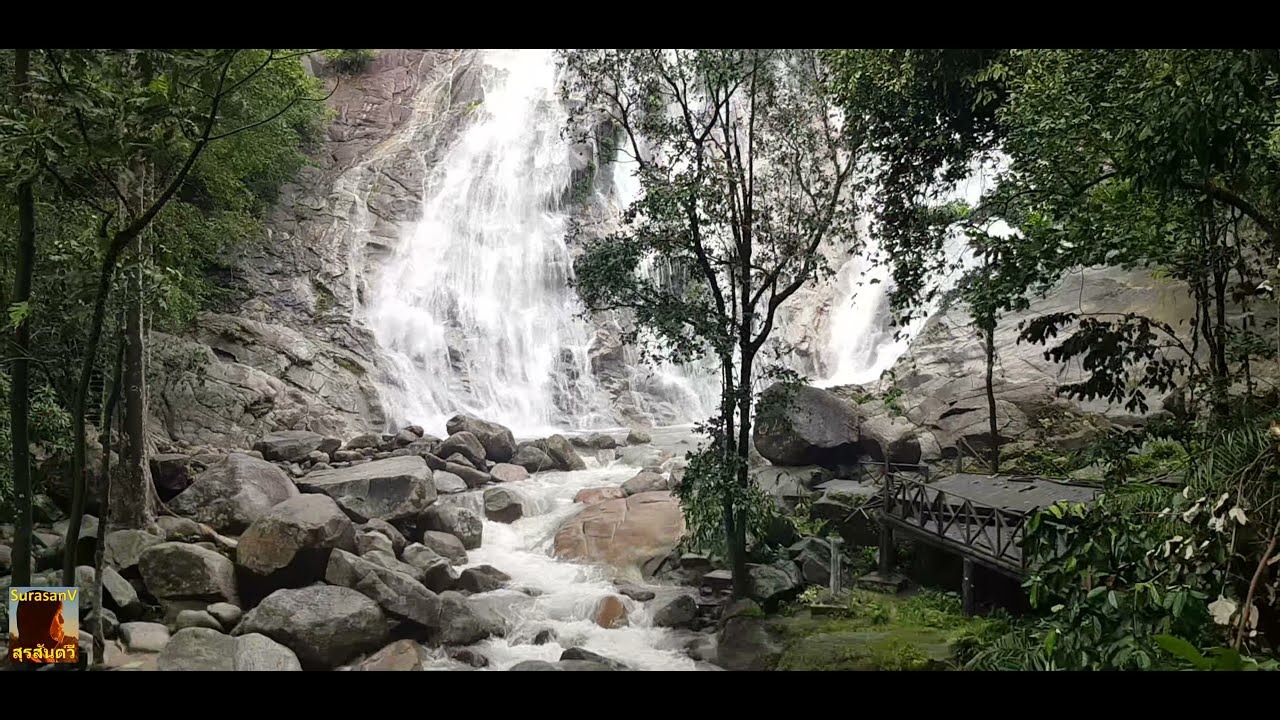
The landscape around the waterfall reflects the relationship between mountains, water, forest, and community life. Visitors can enjoy the natural sound of flowing water, the shade of trees, and the cool atmosphere created by the forested surroundings. The site is best appreciated slowly, with attention to the stream, the greenery, and the quiet mood of Lubobaya.
Pajo Babi Waterfall is not about large-scale facilities or intense adventure activities. Its strength lies in its understated natural beauty. The water flowing from the Budo mountain range and the surrounding trees create a peaceful resting point for families, small groups, photographers, and travelers who want a quieter side of Narathiwat.
The local economy of Lubobaya is closely connected with agriculture. The area includes rubber plantations, rice fields, longkong, rambutan, mangosteen, coconut, and sato bean cultivation. A visit to Pajo Babi Waterfall therefore also gives travelers a glimpse of a rural Narathiwat landscape shaped by forests, streams, and agricultural communities.
The name “Pajo Babi” is connected with the local waterway known as Khlong Pajo Babi, which passes through Village No. 3 of Lubobaya Subdistrict. This connection makes the waterfall more than a scenic place; it is part of a named natural water system that belongs to the local landscape.
For travelers planning a nature route in Narathiwat, Pajo Babi Waterfall works best as a short stop rather than a full-day standalone destination. Most visitors can spend around 30 minutes to 1 hour here, enjoying the water, taking photos, and resting before continuing to other places in Yi-ngo or Bacho District.
Nearby places that can be combined with Pajo Babi Waterfall include Khun Lahan Local Museum, Wat Rat Wiriyaram or Wat Yi-ngo, Wadi Al-Hussein Mosque, Pajo Waterfall, and Budo-Su-ngai Padi National Park. This route offers a balanced combination of nature, local history, religious heritage, and community culture.
Pajo Waterfall is one of Narathiwat’s best-known waterfalls and is part of Budo-Su-ngai Padi National Park. Pajo Babi Waterfall, by contrast, is quieter and more community-based. Visiting both places on the same trip allows travelers to compare a major provincial waterfall with a smaller local nature site in the Budo landscape.
The best times to visit Pajo Babi Waterfall are morning and late afternoon. Morning usually offers fresher air and softer light, while late afternoon gives a more relaxed atmosphere for walking and photography. During the rainy season, the area becomes greener and the water flow may increase, but visitors should be careful of slippery ground and changing water levels.
Comfortable clothing and shoes with good grip are recommended. The area near a waterfall or stream can be wet and slippery, especially after rain. Visitors should bring drinking water, mosquito repellent, rain protection during the wet season, and a personal rubbish bag to help keep the area clean.
Pajo Babi Waterfall is suitable for families, small groups, nature travelers, and visitors interested in local landscapes. Families with children should supervise them closely because the site includes water and slippery surfaces. Older visitors should choose easy-access areas and avoid wet or uneven ground.
Getting There is easiest by private car or rental car. Travel to Yi-ngo District in Narathiwat Province, then continue to Lubobaya Subdistrict northwest of the district center. A private vehicle provides the best flexibility for timing, food stops, and combining nearby attractions in one day.
Public transport is limited for natural attractions in Lubobaya Subdistrict. Travelers without a private vehicle should arrange local transport from Yi-ngo or Narathiwat town. This is especially useful for those who plan to visit several places on the same route.
Responsible travel is important at Pajo Babi Waterfall. Visitors should avoid littering, keep food waste away from the water, avoid loud noise, protect trees and plants, and respect the local community. Waterfalls and streams in community areas are part of the local environment, so keeping the site clean helps preserve both nature and tourism value.
For photography, good subjects include the flowing water, shaded stream area, trees around the waterfall, and the green atmosphere of the Budo landscape. The best photos should show the connection between water, forest, and the surrounding terrain rather than focusing only on close-up water shots.
Compared with Narathiwat’s major attractions such as Pajo Waterfall, Narathat Beach, Sirindhorn Peat Swamp Forest, and Narathiwat Central Mosque, Pajo Babi Waterfall is smaller and quieter. Its charm comes from its natural simplicity, water from the Budo mountain range, and its role as a local attraction of Lubobaya Subdistrict.
In summary, Pajo Babi Waterfall is a peaceful Narathiwat nature stop for travelers who enjoy water, trees, and community-based natural scenery. Located in Lubobaya Subdistrict, Yi-ngo District, it is a good place to rest, take photos, and experience the quieter side of the Budo mountain landscape.
| Name | Pajo Babi Waterfall |
| Location | Lubobaya Subdistrict, Yi-ngo District, Narathiwat Province |
| Address | Lubobaya Subdistrict, Yi-ngo District, Narathiwat Province 96180, Thailand |
| Map Coordinate Code | CMC6+RM6, Lubobaya, Yi-ngo District, Narathiwat Province |
| Highlights | A natural waterfall in Lubobaya Subdistrict with water flowing from the Budo mountain range and shaded green surroundings |
| Name Origin | The name is connected with Pajo Babi, a local waterway and natural area in Lubobaya Subdistrict |
| Distinctive Features | A community-based waterfall connected with the Budo mountains, forest, streams, and the agricultural landscape of Lubobaya |
| Importance | A natural recreation site and one of the important local attractions of Lubobaya Subdistrict |
| Travel Information | Best reached by private car or rental car via Yi-ngo District, then continue northwest to Lubobaya Subdistrict |
| Current Status | Open as a natural attraction and recreation area in Lubobaya Subdistrict |
| Open Days | Daily |
| Opening Hours | 08.00 - 17.00 |
| Facilities | Natural resting area, stream-view area, shaded surroundings, and local access route to the waterfall area |
| Main Areas / Zones | Waterfall area, stream area, forest surroundings, waterside resting points, and natural area around Khlong Pajo Babi |
| Local Administrative Contact | Lubobaya Subdistrict Administrative Organization, Tel. 073-530-711 |
| Official Website / Official Page | Lubobaya Subdistrict Administrative Organization website: www.lubobayah.go.th |
| Nearby Tourist Attractions | 1. Pha Hin Khao, Lubobaya Subdistrict, about 3 km 2. Khun Lahan Local Museum, about 8 km 3. Wat Rat Wiriyaram or Wat Yi-ngo, about 9 km 4. Wadi Al-Hussein Mosque, about 11 km 5. Pajo Waterfall, about 14 km 6. Budo-Su-ngai Padi National Park, about 14 km |
| Nearby Restaurants | 1. Chaba Roti & Foodpark by artchawa, about 8 km, Tel. 082-830-3434 2. HAYA coffee, about 9 km, Tel. 089-975-8421 3. Ma-Kin-Sen Yi-ngo, about 10 km, Tel. 091-314-9458 4. 2 Ruedu Restaurant, about 11 km, Tel. 061-182-2673 5. Suan Ahan Klang Na, about 13 km, Tel. 085-628-1133, 092-625-1266 6. Yakuza Shabu Narathiwat, about 20 km, Tel. 093-296-6969 |
| Nearby Accommodations | 1. Jaidee Jingjing, about 19 km, Tel. 062-207-7662, 073-565-805 2. Tanyong Hotel Narathiwat, about 20 km, Tel. 073-511-477 3. The Imperial Narathiwat Hotel, about 21 km, Tel. 073-515-041 4. Paksina Hotel, about 21 km 5. Pohnphansa Boutique Hotel, about 21 km, Tel. 063-258-8668 |
Frequently Asked Questions (FAQ)
Q: Where is Pajo Babi Waterfall located?
A: Pajo Babi Waterfall is located in Lubobaya Subdistrict, Yi-ngo District, Narathiwat Province.
Q: What are the opening hours of Pajo Babi Waterfall?
A: It is open daily from 08.00 to 17.00.
Q: What makes Pajo Babi Waterfall interesting?
A: It is a natural waterfall with water flowing from the Budo mountain range, surrounded by trees and a peaceful local landscape.
Q: What activities are suitable at Pajo Babi Waterfall?
A: Visitors can relax, walk around the natural area, take photos, enjoy the stream, and include it as a stop on a Yi-ngo nature route.
Q: When is the best time to visit Pajo Babi Waterfall?
A: Morning and late afternoon are the best times because the weather is more comfortable and the light is suitable for photography.
Q: How can travelers get to Pajo Babi Waterfall?
A: The easiest way is by private car or rental car. Travel to Yi-ngo District and continue northwest to Lubobaya Subdistrict.
Q: What nearby attractions can be combined with Pajo Babi Waterfall?
A: Nearby attractions include Pha Hin Khao, Khun Lahan Local Museum, Wat Rat Wiriyaram, Wadi Al-Hussein Mosque, Pajo Waterfall, and Budo-Su-ngai Padi National Park.
Q: Is Pajo Babi Waterfall suitable for families?
A: Yes. It is suitable for families who enjoy quiet nature, but children should be supervised closely because the site includes water and slippery natural surfaces.
 Category: ●Nature and Wildlife
 Group: ●Waterfalls
Last Update : 2 MonthAgo
 Last Update : 2 MonthAgo
 Click to Access the Navigation Map GPS
Pajo Babi Waterfall Map

 Art, Culture and Heritage
 Landmarks and Memorials(8)
 Royal Palace(1)
 Art, Craft Centres, Tradition(7)
 Museums(4)
 Art Gallery(1)
 Places of Worship
 Temple(16)
 Mosque(23)
 Other Sacred Sites(5)
 Research and Development
 Royal Project(1)
 Suburban Living
 Village, Community(9)
 Local Market(1)
 National Parks and Marine Reserves(5)
 Mountain (Doi)(2)
 Dam, Reservoir, Lake(2)
Waterfalls(16)
 River, Canal(3)
 Bays and Beaches(5)
 Islands(1)
 Other natural attractions(4)
 Entertainment and Agricultural
 Stadium(1)
 Farms, Parks and Ecotourism(7)
 Shopping
 Shopping and Night Market(1)
 Travel Articles, Recipes
 Travel Review, Food Review(1)


