
lovethailand home >Northeastern Travel Attractions >Nakhon Ratchasima Travel Attractions >Muang Nakhon Ratchasima >Ban Koh > Pratu Chumphon
TL;DR: Pratu Chumphon is located at Behind Thao Suranari Monument, Mueang Nakhon Ratchasima District, Nakhon Ratchasima Province, open Daily, hours Open 24 Hours.
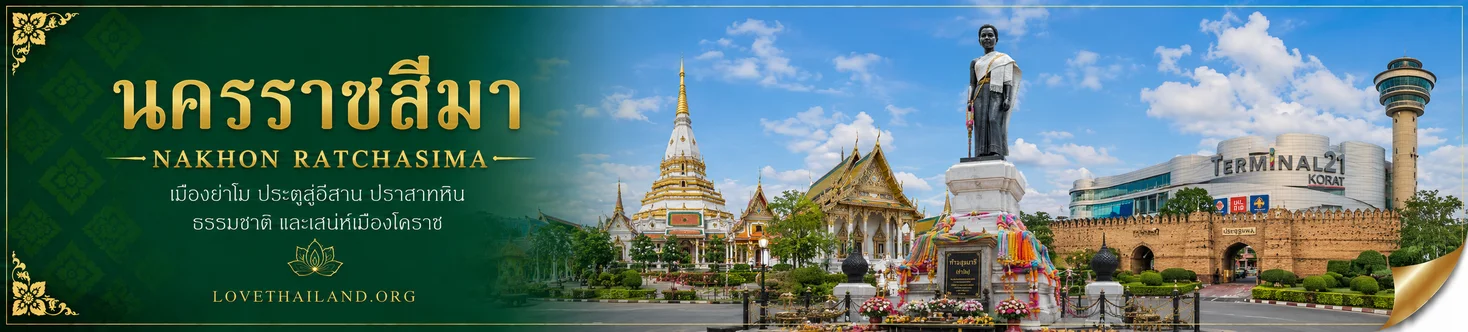
Pratu Chumphon
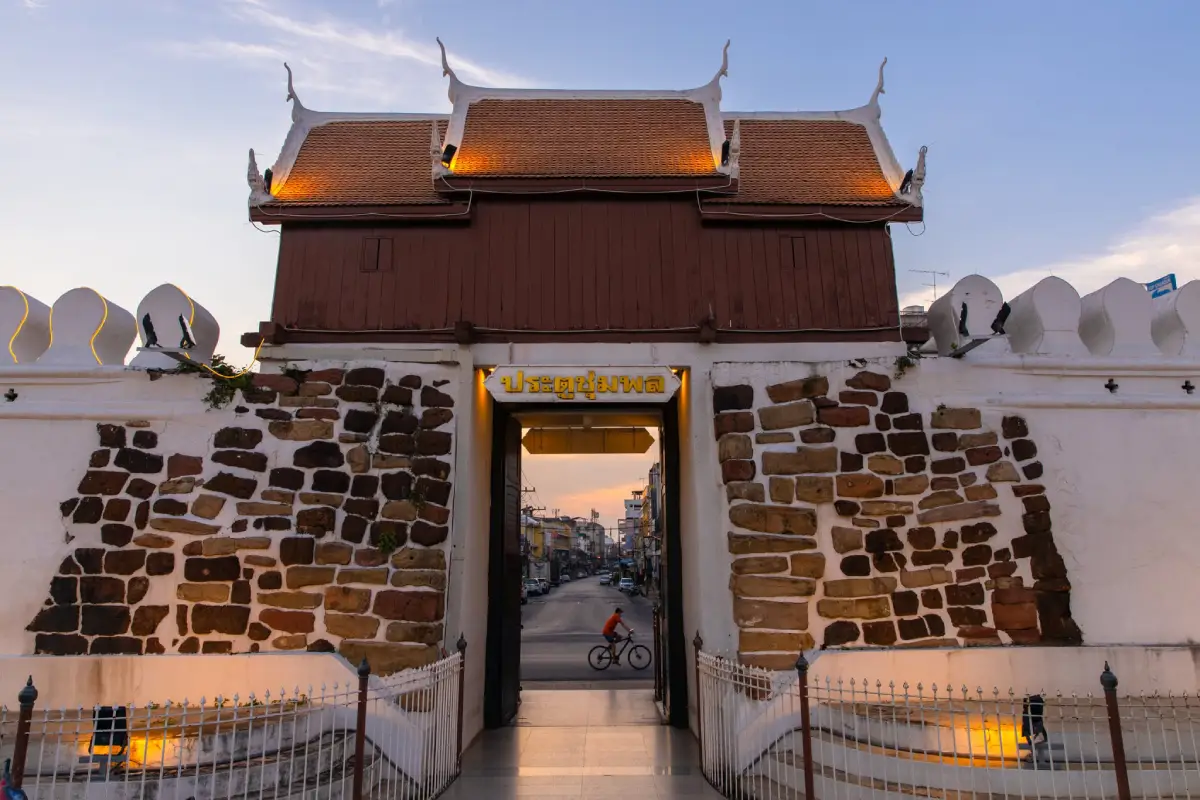
Open Days: Daily
Opening Hours: Open 24 Hours
Pratu Chumphon, or Chumphon Gate, in Nakhon Ratchasima is one of the most meaningful historic landmarks in Korat. Located directly behind the Thao Suranari Monument, widely known as the Ya Mo Monument, this old city gate marks the western side of the ancient city of Nakhon Ratchasima. It is the only original city gate that remains from the old defensive wall system, making it an essential stop for travelers who want to understand the historical identity of Korat beyond its modern urban image.
For foreign visitors, Chumphon Gate offers a clear and accessible introduction to the old town of Nakhon Ratchasima. The gate stands in a busy public area where history, faith, local memory, and everyday city life meet. In front of the gate is the Thao Suranari Monument, one of the most respected monuments in northeastern Thailand. Behind it, the old gate still preserves the memory of Korat as a fortified frontier city of the Ayutthaya Kingdom.
The history of Chumphon Gate dates back to the reign of King Narai the Great. In 1656, King Narai ordered the establishment of Nakhon Ratchasima as a strategic frontier city of Ayutthaya. The city was designed to defend the kingdom and control routes toward the northeast. At that time, Nakhon Ratchasima was planned as a rectangular fortified city, approximately 1,000 by 1,700 meters in size, surrounded by a moat, walls, gates, and defensive structures.
The city planning of Nakhon Ratchasima is associated with French engineers who were connected with the Ayutthaya court during a period of diplomatic contact between Siam and Western powers. This made the old city of Korat an important example of planned defensive urban design. The walls, moat, city gates, and fortifications were arranged to serve both military and administrative functions. Chumphon Gate was one of the key entrances in this system.
The original city of Nakhon Ratchasima had 4 main gates: Phon Saen Gate to the north, Phon Lan Gate to the east, Chai Narong Gate to the south, and Chumphon Gate to the west. Over time, most parts of the old defensive system were damaged by age, historical events, weather, and urban expansion. Today, Chumphon Gate is the only original gate that still survives, while the other 3 gates have been reconstructed.
The name “Chumphon” refers to the gathering of troops. In the past, this western gate was used as an important military exit and assembly point before soldiers left the city. The area west of the old city was relatively open, without strong natural barriers, so the gate held strategic importance. It was also connected with trade routes, making it both a military gateway and a gateway into the economic life of the old city.
Architecturally, Chumphon Gate is a fortified city gate built from large stones, bricks, and plaster. The upper part contains a wooden fighting pavilion, traditionally described as a watch-and-defense structure. Its tiled roof is decorated with Thai architectural elements such as chofa, ornamental gable details, and naga-inspired forms. The walls extending from both sides of the gate are made of brick, with bai sema-style battlements along the top. The overall form combines strength, function, and Ayutthaya-period Thai aesthetics.
The importance of Chumphon Gate is not limited to the structure itself. It also includes the remaining city wall sections, the battlements, and the historical setting of the old town. The gate stands at a unique point where visitors can see different layers of Korat’s history at once: the ancient city gate, the monument to Thao Suranari, the public square, the surrounding roads, shops, cafes, and the continuing life of the modern city.
The Fine Arts Department has recognized the Thao Suranari Monument, Chumphon Gate, and the city wall sections connected to the gate as important national historic sites. The area is also maintained by Nakhon Ratchasima Municipality in cooperation with heritage authorities. Restoration, landscape care, and public-area management help keep the gate as a central landmark of the province.
One of the most memorable aspects of Chumphon Gate is the local belief about walking through the gate. In the past, people believed that soldiers who passed through this gate before going to battle would return home safely. Today, this belief has become part of Korat’s local folklore. Many people say that walking through the gate once means you will return to Korat, walking through it twice means you may work or live in Korat, and walking through it 3 times means you may find a partner from Korat. This belief gives the gate a living cultural meaning beyond its architectural value.
For travelers, Chumphon Gate is easy to visit and does not require much time, but it rewards careful observation. During the day, visitors can see the materials, brickwork, stone base, plastered walls, battlements, and wooden upper pavilion clearly. At night, the gate is lit beautifully, creating a different atmosphere. The illuminated gate, the Ya Mo Monument, and the movement of people around the square make this area one of the most photogenic places in central Korat.
The area around Chumphon Gate is also an excellent starting point for walking around the old town. Nearby attractions include the Thao Suranari Monument, Maha Weerawong National Museum, Wat Phayap, the Nakhon Ratchasima City Pillar Shrine, Wat Phra Narai Maharat, and Terminal 21 Korat. Restaurants, cafes, and old local eateries are also located within a short walking distance, making this area suitable for a half-day city itinerary.
Culturally, Chumphon Gate shows how a historic site can remain part of everyday life. Local people come to the Ya Mo Monument to pay respect, pass through the gate, take photographs, buy flowers and offerings, meet friends, eat nearby, and use the public square. The gate is therefore not an isolated ruin; it is a living urban heritage site that continues to serve the people of Korat.
Getting There is very convenient because Chumphon Gate is located in the center of Nakhon Ratchasima city. From Bangkok, travelers can drive via Saraburi and continue along Mittraphap Road toward Nakhon Ratchasima. Once in the city, follow signs to the Thao Suranari Monument. Chumphon Gate is directly behind the monument. Travelers arriving by train can get off at Nakhon Ratchasima Railway Station and continue by local transport, taxi, or ride-hailing service to the Ya Mo Monument area.
The best time to visit depends on the kind of experience you want. Morning and late afternoon are suitable for photography and architectural observation. Evening and night are suitable for seeing the gate illuminated and enjoying the atmosphere around the public square. During weekends, holidays, and major local events, the area may be crowded, so visitors should allow extra time for traffic and parking.
Visitors should treat Chumphon Gate with respect. It is an important historic site and a public landmark. Climbing on the wall, writing on the structure, damaging surfaces, or blocking walkways is not appropriate. Because the gate stands in a public area with constant local movement, respectful behavior helps both travelers and local residents share the space properly.
Chumphon Gate is also a valuable learning site. It helps visitors understand the old urban structure of Nakhon Ratchasima, the role of frontier cities in the Ayutthaya period, the system of city walls and gates, the transformation of the old town, and the later creation of the Thao Suranari Monument. When viewed with the old city plan, the gate becomes a tangible piece of history that explains why Korat has long been a strategic and cultural center of northeastern Thailand.
For travel planning, Chumphon Gate is suitable for first-time visitors to Korat, history lovers, cultural travelers, photographers, and anyone who wants to understand the heart of the city. It is free to visit, open at all hours, easy to reach, and surrounded by food, cafes, hotels, and other attractions. It can be included in a short city trip, a one-day Korat itinerary, or a stop before traveling onward to Khao Yai, Pak Chong, or other districts of Nakhon Ratchasima.
In summary, Chumphon Gate is one of the strongest symbols of Nakhon Ratchasima. It is an old city gate, a national historic site, a cultural landmark, a local belief site, and a living public space. Its surviving structure connects modern visitors with the fortified city built in the Ayutthaya period, while the stories of walking through the gate continue to connect the site with local people today. A visit to Korat is not complete without stopping at Chumphon Gate and the Ya Mo Monument.
| Name | Pratu Chumphon / Chumphon Gate |
| Location | Behind Thao Suranari Monument, Mueang Nakhon Ratchasima District, Nakhon Ratchasima Province |
| Address | Thao Suranari Monument Area, Ratchadamnoen Road, Nai Mueang Subdistrict, Mueang Nakhon Ratchasima District, Nakhon Ratchasima 30000, Thailand |
| Coordinates | Thao Suranari Monument Area, Central Nakhon Ratchasima |
| Highlights | The only surviving original old city gate of Nakhon Ratchasima, located directly behind the Thao Suranari Monument |
| History | Built during the reign of King Narai the Great in 1656 as part of Nakhon Ratchasima’s fortified frontier city system under the Ayutthaya Kingdom |
| Name Origin | “Chumphon” refers to the gathering of troops, reflecting the gate’s role as a military assembly point before campaigns |
| Distinctive Features | Fortified gate made of stone, brick, and plaster, with a wooden upper defensive pavilion, tiled roof, Thai ornamental details, and bai sema-style battlements |
| Main Areas / Zones | Old city gate City wall and battlement sections Upper defensive pavilion Passage through the gate Thao Suranari Monument Square Old town streets and surrounding urban area |
| Caretaker | Nakhon Ratchasima Municipality, in cooperation with relevant heritage authorities responsible for historic-site conservation |
| Travel Information | From Bangkok, take Mittraphap Road into Nakhon Ratchasima city and head to the Thao Suranari Monument. The gate is directly behind the monument. Visitors can also arrive by train and continue by local transport, taxi, or ride-hailing service. |
| Current Status | Open to visitors as a central historic landmark and public heritage site in Nakhon Ratchasima |
| Open Days | Daily |
| Opening Hours | Open 24 Hours |
| Fees | No Admission Fee |
| Facilities | Public square, photo spots, nearby cafes and restaurants, shops around the Ya Mo area, nearby parking areas, and city transport access |
| Main Contact Number | Nakhon Ratchasima Municipality Tel. 044-234600 |
| Nearby Tourist Attractions | 1. Thao Suranari Monument, about 0.1 km 2. Maha Weerawong National Museum, about 0.6 km 3. Wat Phayap, about 0.7 km 4. Nakhon Ratchasima City Pillar Shrine, about 0.8 km 5. Wat Phra Narai Maharat, about 1 km 6. Terminal 21 Korat, about 1.5 km |
| Nearby Restaurants | 1. Chumphon Chicken Rice, about 0.1 km, Tel. 085-860-7778 2. Jompol Boutique Cafe, about 0.1 km, Tel. 064-462-8787 3. CLASS Cafe' Chalermwattana Ya Mo, about 0.2 km, Tel. 065-240-1811 4. Yim Yim Traditional Oyster Omelet, about 0.2 km 5. Ming Tao, about 0.1 km 6. Roti Yaminah Korat, about 0.2 km |
| Nearby Accommodations | 1. Romyen Garden Place, about 0.8 km, Tel. 098-105-7978 2. Urban-Bamboo, about 1 km, Tel. 081-444-4213 3. Korat Hotel, about 0.8 km, Tel. 044-341-345 4. Sansabai House Hotel, about 1.2 km, Tel. 081-547-3066 5. Fortune Hotel Korat, about 1.5 km, Tel. 044-079-900 |
Frequently Asked Questions (FAQ)
Q: Where is Chumphon Gate located?
A: Chumphon Gate is located directly behind the Thao Suranari Monument in central Nakhon Ratchasima, Thailand.
Q: Why is Chumphon Gate important?
A: It is the only surviving original city gate from the old fortified city of Nakhon Ratchasima and marks the western side of the ancient city.
Q: When was Chumphon Gate built?
A: Chumphon Gate was built during the reign of King Narai the Great in 1656, when Nakhon Ratchasima was developed as an Ayutthaya frontier city.
Q: What are the opening hours of Chumphon Gate?
A: Chumphon Gate is open daily for 24 hours because it is located in a public area in the center of the city.
Q: Is there an admission fee?
A: No. Visitors can see the gate, take photos, and walk through it without paying an admission fee.
Q: What is the local belief about walking through Chumphon Gate?
A: Local belief says walking through the gate once means you will return to Korat, twice means you may work or live in Korat, and 3 times means you may find a partner from Korat.
Q: What is the best time to visit Chumphon Gate?
A: Morning is good for seeing architectural details, while evening and night are suitable for photos of the illuminated gate and the lively Ya Mo Monument area.
Q: What attractions can be visited near Chumphon Gate?
A: Nearby places include the Thao Suranari Monument, Maha Weerawong National Museum, Wat Phayap, Nakhon Ratchasima City Pillar Shrine, and Wat Phra Narai Maharat.
 Category: ●Art, Culture and Heritage
 Group: ●Landmarks and Memorials
Last Update : 3 MonthAgo
 Last Update : 3 MonthAgo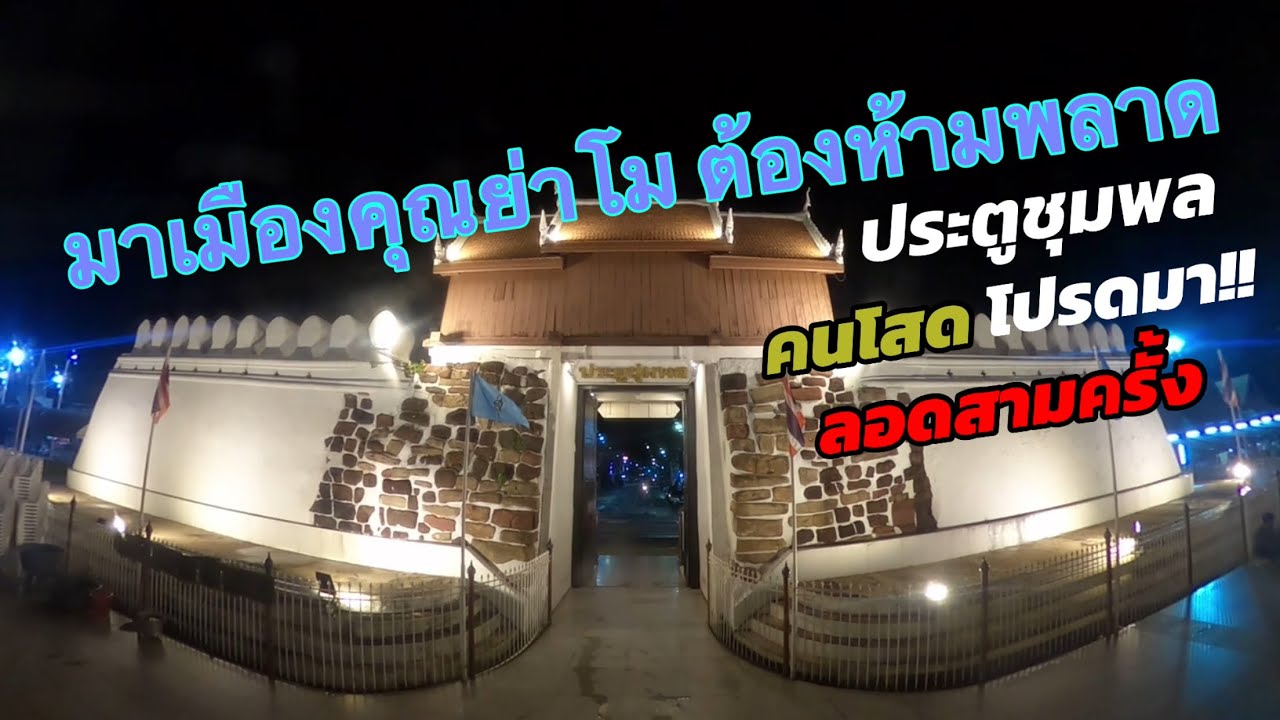
 Click to Access the Navigation Map GPS
Pratu Chumphon Map
Recommend

 Historical Sites and Monuments(20)
Landmarks and Memorials(5)
Historical Sites and Monuments(20)
Landmarks and Memorials(5)
 Art, Craft Centres, Tradition(7)
 Museums(6)
 Art Gallery(1)
 Educational Places
 Educational Gardens, Farm(4)
 Places of Worship
 Temple(29)
 Mosque(1)
 Other Sacred Sites(6)
 Research and Development
 Royal Project(3)
 Suburban Living
 Village, Community(6)
 Local Market(4)
 Floating Market(1)
 Nature and Wildlife
 National Parks and Marine Reserves(3)
 Mountain (Doi)(5)
 Dam, Reservoir, Lake(8)
 Waterfalls(9)
 Hot Springs(1)
 Caves(2)
 Flower Field(1)
 River, Canal(8)
 Bays and Beaches(2)
 Other natural attractions(3)
 Entertainment and Agricultural
 Zoos and Aquariums(2)
 Animal camps and shows(1)
 Farms, Parks and Ecotourism(21)
 Waterpark(4)
 Outdoor and Adventure Activities(6)
 Shopping
 Shopping and Night Market(2)
 Travel Articles, Recipes
 Travel Review, Food Review(6)


