
lovethailand home >Northeastern Travel Attractions >Nong Khai Travel Attractions >Sang Khom >Pha Tang > Wat Pha Tak Suea
TL;DR: Wat Pha Tak Suea is located at Pha Tang Subdistrict, Sangkhom District, Nong Khai Province, open Daily, hours Temple Area 06.00 – 18.00 / Skywalk 09.30 – 16.30.
Wat Pha Tak Suea
Open Days: Daily
Opening Hours: Temple Area 06.00 – 18.00 / Skywalk 09.30 – 16.30
Wat Pha Tak Suea in Nong Khai Province is one of the most impressive hilltop temples along the upper Mekong travel route. It is located in Pha Tang Subdistrict, Sangkhom District, Nong Khai Province, on a high cliff overlooking the Mekong River and Laos. The temple is famous for its panoramic viewpoint, peaceful temple atmosphere, natural surroundings, and U-shaped glass skywalk that extends outward from the cliff. From this viewpoint, visitors can see the winding Mekong River, islands and sandbars in the dry season, agricultural land, Thai riverside communities, and the Lao landscape across the river. This makes Wat Pha Tak Suea one of the most memorable places in Nong Khai for travelers who want to experience temples, scenery, and Mekong culture in one destination.
Wat Pha Tak Suea is not only a photo spot. It is also a Buddhist temple and meditation-friendly place surrounded by forested hills and quiet natural scenery. The temple compound includes worship areas, an ordination hall, Naga stairways, resting areas, paths along the cliff, and viewpoints over the Mekong River. From the cliff, visitors can look down and see the way Thai and Lao communities live on both sides of the river. The view is beautiful, but it is also culturally meaningful because it shows the Mekong as a shared landscape between Thailand and Laos. For foreign visitors, this is one of the best places to understand the geography of the Thai-Lao border in a clear and visual way.
The most famous highlight of the temple is the glass skywalk. Built in a U-shape and extending from the cliff edge, the skywalk allows visitors to stand on transparent glass and look directly down toward the forest and river landscape below. The experience is exciting but also visually calm, because the view opens widely toward the Mekong River and the mountains in the distance. The glass floor, stainless-steel structure, and glass railings create a modern viewing platform while preserving the feeling of open space. It has become a symbolic landmark of Sangkhom District and one of the most popular viewpoints in Nong Khai.
The scenery from Wat Pha Tak Suea changes beautifully with the season. During the cool season, especially in the early morning, fog often floats over the Mekong River and the surrounding hills. Visitors who arrive early may see the skywalk and viewpoint rising above the mist. During the low-water season, sandbars appear in the Mekong River and form patterns that local people compare to Naga scales. This view is often described as the Naga-scale pattern along the Mekong. In the late afternoon, the light becomes softer and the river reflects the sky, making the viewpoint suitable for slow walking, photography, and quiet appreciation of the landscape.
The temple’s history is connected with meditation practice on the hill. Local accounts describe the area as a place where Phra Ajahn Somdet, a disciple of Luang Pu Rian Woralofo, practiced meditation on the mountain. In earlier times, reaching the top was difficult. The route involved climbing rocks and using vines for support. Over time, local devotees and public agencies helped improve access to the site, and the area developed into a temple and later into one of the major tourism landmarks of Nong Khai. Even with this development, the temple still keeps its spiritual identity as a place suitable for quiet reflection.
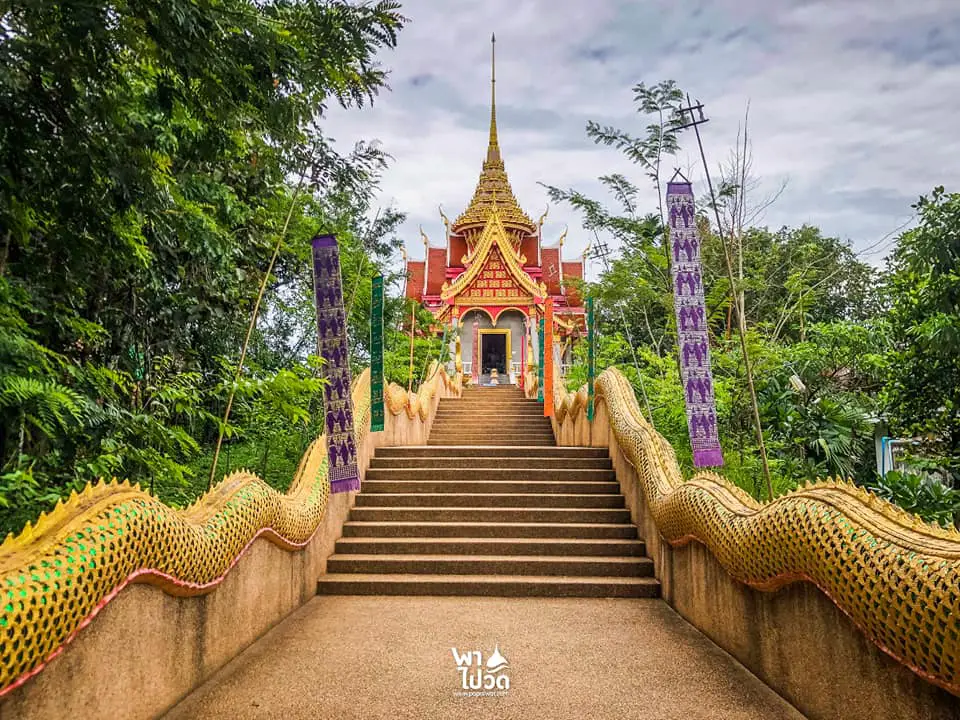
A proper visit should begin at the temple area before continuing to the skywalk. Visitors can pay respect to the Buddha image, walk through the temple compound, and then move toward the viewpoint. This order helps preserve the meaning of the place as a Buddhist temple rather than treating it only as a scenic platform. The Naga stairway, worship spaces, and quiet areas around the temple remind visitors that Wat Pha Tak Suea is still an active religious site. The skywalk adds a modern travel experience, but the spiritual character of the temple remains central.
Safety rules are important on the skywalk. Visitors must wear shoe covers when walking on the glass floor to prevent scratches. The number of people allowed on the platform is limited per round. Visitors should not run, jump, or crowd at the end of the glass walkway. People who are intoxicated, have epilepsy, serious balance issues, or severe fear of heights should avoid going onto the glass platform. When it rains or becomes windy, the skywalk may be temporarily closed for safety. These rules protect both visitors and the glass structure.
The viewpoint at Wat Pha Tak Suea is special because it gives a wide panoramic view of the Mekong River. Looking to one side, visitors can see the river bending through the valley with large sandbars and island-like landforms appearing in certain seasons. The river sometimes appears to split into a Y-shaped form from this angle. Across the river is Lao territory, including the Sangthong area. The combination of high viewpoint, river curve, sandbars, mountains, and border landscape gives the temple a visual identity that is unlike ordinary riverside viewpoints.
The name Wat Pha Tak Suea is memorable because it directly reflects the cliff landscape. Pha means cliff, while Tak Suea is the local name associated with this area. The temple is different from many other Mekong temples because it is not located on flat riverside land. It sits high above the river, allowing visitors to see the Mekong from a dramatic elevated perspective. This elevated position is the reason the temple has become one of the best-known viewpoints in the province.
Wat Pha Tak Suea is suitable for many types of travelers. Buddhist visitors can come to pay respect and make merit. Nature lovers can enjoy the river, mountains, fog, and dry-season sandbars. Photographers often visit early in the morning for mist or during clear weather for wide landscape shots. Families can visit because the temple is accessible by road, although care is needed around the cliff and skywalk areas. Foreign travelers can use the site to understand the Mekong River as both a natural border and a shared cultural landscape between Thailand and Laos.
Getting There from Nong Khai city is most convenient by private car, rental car, or hired local transport. Take Highway 211 along the Mekong River toward Si Chiang Mai and Sangkhom District. The distance from Nong Khai city is about 96 km. At Ban Dong Tong in Pha Tang Subdistrict, a sign points to Wat Pha Tak Suea on the left. From the junction, continue for about 7 km to the temple. The road up to the temple is paved and can be driven to the parking area. Travelers using public transport can take a Nong Khai – Loei bus that passes through Sangkhom, then continue by local hired transport. Return transport should be arranged in advance because local services are limited.
The route to Wat Pha Tak Suea works well as a full-day trip in Sangkhom District. Travelers can leave Nong Khai city in the morning, visit the temple and skywalk before midday, then continue to Wat Tham Sri Mongkhon or Din Phiang Cave, Than Thong Waterfall, Sangkhom town, Phu Huai Isan, or Than Thip Waterfall depending on the schedule. This route combines temples, viewpoints, caves, waterfalls, and the Mekong riverside. It is especially suitable for travelers who want to explore upper Nong Khai beyond the city center.
The best time to visit is in the morning, especially during the cool season and the transition from rainy to cool season. Morning visits offer the best chance of seeing mist over the Mekong River. Late morning to early afternoon is better for clear views of the river, sandbars, hills, and the Lao side. Late afternoon gives softer light and a calmer atmosphere, but visitors should allow enough time before the skywalk closes. Those who want to photograph morning mist should stay overnight in Sangkhom or nearby areas to reach the temple early.
Weather affects the experience strongly. Clear weather gives the widest view across the river and into Laos. Misty weather creates a beautiful soft atmosphere but may reduce visibility. Rain and strong wind are not suitable for walking on the glass skywalk. Visitors should check the weather before traveling, especially if the main purpose of the trip is to walk on the glass platform or take landscape photographs from the viewpoint.
The main zones of the temple include the ordination hall, Naga stairway, Buddha-image worship area, temple courtyard, skywalk zone, Mekong viewpoint, cliffside walking area, natural forested area, parking area, and visitor service space. The skywalk and viewpoint are the main reasons most travelers come, but the inner temple area should not be missed. It reflects the temple’s continuing role as a place of worship and meditation.
Visitors should behave respectfully and safely. Dress modestly, speak quietly, do not climb railings or cliff edges, and avoid risky photo poses. On the skywalk, walk slowly, follow staff instructions, and do not jump or run on the glass floor. Families with children and elderly visitors should take special care near stairs, cliff edges, and crowded areas. Respectful behavior keeps the site safe and preserves the temple atmosphere.
Wat Tham Sri Mongkhon, also known as Din Phiang Cave, is one of the best nearby places to combine with Wat Pha Tak Suea. It is located in the same Pha Tang area and is known for its underground cave connected with Naga legends. Visiting both sites on the same day gives travelers two contrasting experiences: the high cliff view over the Mekong at Wat Pha Tak Suea and the underground Naga-like cave world at Din Phiang Cave. Those entering the cave should use a guide and prepare practical clothing.
Than Thong Waterfall and Than Thip Waterfall can be added for travelers who want nature in the same route. They are most attractive during the rainy season to early cool season when water flow is stronger and the forest looks fresh. A good plan is to visit the skywalk in the morning and continue to a waterfall in the afternoon. This gives the trip a balanced mix of temple, viewpoint, forest, and water.
Phu Huai Isan is suitable for travelers staying overnight in Sangkhom. It is known for sunrise, mist, and Mekong views. A strong overnight route can include Wat Pha Tak Suea in the afternoon, a night in Sangkhom, and a sunrise visit to Phu Huai Isan the next morning. This option is better for travelers who want a slower pace and more time to experience the upper Mekong route without rushing back to Nong Khai city.
Food is best arranged in Sangkhom town or at restaurants along the Mekong route. Around the temple itself, options are more limited because the area is primarily a temple and viewpoint. Sangkhom offers local restaurants, Mekong fish dishes, Thai food, Isan food, cafés, and riverside dining. During weekends and holidays, popular restaurants may be busy, so visitors should allow enough time for meals.
Accommodation is available in Pha Tang Subdistrict, Sangkhom District, and nearby riverside areas. Staying near Sangkhom is recommended for travelers who want to see morning fog at Wat Pha Tak Suea or continue to Phu Huai Isan. Staying in Nong Khai city is possible for a day trip, but the distance is longer. Riverside resorts in Sangkhom are especially suitable for travelers who want a quiet Mekong atmosphere and easy access to nearby attractions.
For foreign travelers, Wat Pha Tak Suea is an excellent place to understand the Mekong landscape. From one viewpoint, visitors can see Thailand, Laos, the river, hills, farms, villages, and the border landscape. The skywalk makes the viewpoint dramatic and easy to appreciate, while the temple grounds show the role of Buddhism in local Thai communities. The Mekong is not only a border here. It is a cultural corridor connecting people, nature, belief, and everyday life on both sides of the river.
Overall, Wat Pha Tak Suea is one of the most important destinations in Nong Khai for travelers interested in temples, Mekong scenery, skywalk viewpoints, mist, and slow travel. It offers a rare combination of Buddhist worship, high cliff scenery, modern glass viewpoint, seasonal natural beauty, and cultural meaning. With enough time and respectful behavior, a visit to Wat Pha Tak Suea becomes more than a scenic stop. It becomes a complete experience of upper Nong Khai’s spiritual and natural landscape.
| Name | Wat Pha Tak Suea / Wat Pha Tak Suea Skywalk |
| Location | Pha Tang Subdistrict, Sangkhom District, Nong Khai Province |
| Address | Pha Tang Subdistrict, Sangkhom District, Nong Khai 43160, Thailand |
| Navigation Code | 28P4+R24, Pha Tang Subdistrict, Sangkhom District, Nong Khai |
| Highlights | Hilltop temple, U-shaped glass skywalk, Thai-Lao Mekong viewpoint, cool-season mist, and dry-season Naga-scale sandbar patterns in the Mekong River |
| History / Significance | A meditation-related hilltop temple associated with Phra Ajahn Somdet, a disciple of Luang Pu Rian Woralofo. The site later developed into an important viewpoint and spiritual attraction in Sangkhom District |
| Distinctive Features | High cliff location with panoramic views of the Mekong River, Laos, Sangthong area, river bends, islands, sandbars, hills, and rural border landscapes |
| Important Areas | Ordination Hall Naga Stairway Buddha-Image Worship Area Glass Skywalk Mekong Viewpoint Cliffside Nature Path Temple Courtyard and Natural Area |
| Main Areas / Zones | Ordination Hall And Worship Zone Naga Stairway Zone Temple Courtyard And Resting Zone Glass Skywalk Zone Mekong River Viewpoint Zone Cliffside Walking And Nature Zone Parking And Visitor Service Zone |
| Abbot / Caretaker | Phra Ajahn Det Acharo |
| Main Contact Number | 061-494-1263 |
| Travel Information | From Nong Khai city, take Highway 211 along the Mekong River for about 96 km toward Sangkhom. At Ban Dong Tong in Pha Tang Subdistrict, follow the sign to Wat Pha Tak Suea for about 7 km to the temple parking area |
| Public Transport | Take the Nong Khai – Loei bus route through Sangkhom, then continue by local hired transport. Return transport should be arranged in advance because local services are limited |
| Current Status | Active Buddhist temple, meditation-friendly religious site, and Mekong skywalk viewpoint in Sangkhom District |
| Open Days | Daily |
| Opening Hours | Temple Area 06.00 – 18.00 Skywalk 09.30 – 16.30 |
| Admission Fee | No Admission Fee |
| Skywalk Shoe Cover Fee | 20 Baht Per Person |
| Facilities | Parking, worship areas, viewpoint, glass skywalk, toilets, resting areas, and visitor service spaces typical of a temple attraction |
| Skywalk Rules | Limited visitors per round, shoe covers required, no running or jumping, intoxicated visitors and visitors with epilepsy should not enter, and skywalk access may be suspended during rain or strong wind |
| Local Administrative Contact | Pha Tang Subdistrict Administrative Organization, Tel. 042-424855 |
| Nearby Tourist Attractions | 1. Wat Pha Tak Suea Skywalk, about 0 km 2. Wat Tham Sri Mongkhon / Din Phiang Cave, about 5 km 3. Than Thong Waterfall, about 15 km 4. Sangkhom Town and Mekong Riverside, about 20 km 5. Phu Huai Isan, about 27 km 6. Than Thip Waterfall, about 30 km 7. Wat Hin Mak Peng, about 42 km |
| Nearby Restaurants | 1. Sam Phan Chok Na Sangkhom, about 10 km, Tel. 084-224-7551 2. Hug Khong Na Sangkhom, about 19 km, Tel. 095-192-3897 3. Thantawan Restaurant Sangkhom, about 20 km, Tel. 042-441-433 4. Pak Nam Kung Phao Restaurant, about 20 km, Tel. 042-441-346 5. Sathani Plai Na @ Sangkhom, about 20 km, Tel. 098-482-7439, 080-654-3781 6. Je Na Ton Duea Restaurant Sangkhom, about 21 km, Tel. 085-223-9099 |
| Nearby Accommodations | 1. Banmai Rimkong Resort, about 10 km, Tel. 086-630-6176, 042-441-560 2. Sangkhom Village Nong Khai, about 13 km, Tel. 089-617-3636 3. Sand & River Hotel Nongkhai, about 14 km, Tel. 095-375-5999 4. Forest Park Resort Sangkhom Nong Khai, about 22 km, Tel. 098-002-0870 5. Vera Costa Hotel, about 38 km, Tel. 095-250-4456 |
Frequently Asked Questions (FAQ)
Q: Where is Wat Pha Tak Suea located?
A: Wat Pha Tak Suea is located in Pha Tang Subdistrict, Sangkhom District, Nong Khai Province, on a high cliff overlooking the Mekong River and Laos.
Q: What are the opening days and hours of Wat Pha Tak Suea?
A: The temple area is open daily from 06.00 to 18.00, while the skywalk is open from 09.30 to 16.30 and may close during rain or strong wind.
Q: Is there an admission fee at Wat Pha Tak Suea?
A: There is no admission fee. Visitors who walk on the glass skywalk pay a shoe cover fee of 20 Baht per person.
Q: What is the main highlight of Wat Pha Tak Suea?
A: The main highlight is the U-shaped glass skywalk and panoramic Mekong viewpoint overlooking Thailand, Laos, river bends, mountains, mist, and dry-season Naga-scale sandbar patterns.
Q: Who is the abbot of Wat Pha Tak Suea?
A: The abbot of Wat Pha Tak Suea is Phra Ajahn Det Acharo.
Q: How can travelers get to Wat Pha Tak Suea?
A: From Nong Khai city, take Highway 211 along the Mekong River toward Sangkhom for about 96 km. At Ban Dong Tong in Pha Tang Subdistrict, follow the sign to Wat Pha Tak Suea for about 7 km.
Q: What is the best time to visit Wat Pha Tak Suea?
A: Morning is best for mist and soft light over the Mekong River. Late morning to early afternoon is better for clear panoramic views of the river and Laos.
Q: What nearby attractions can be visited with Wat Pha Tak Suea?
A: Nearby attractions include Wat Tham Sri Mongkhon or Din Phiang Cave, Than Thong Waterfall, Sangkhom Mekong riverside, Phu Huai Isan, Than Thip Waterfall, and Wat Hin Mak Peng.
Tel : 042901013
 Tel : 042901013
 Category: ●Places of Worship
 Group: ●Temple
Last Update : 3 MonthAgo
 Last Update : 3 MonthAgo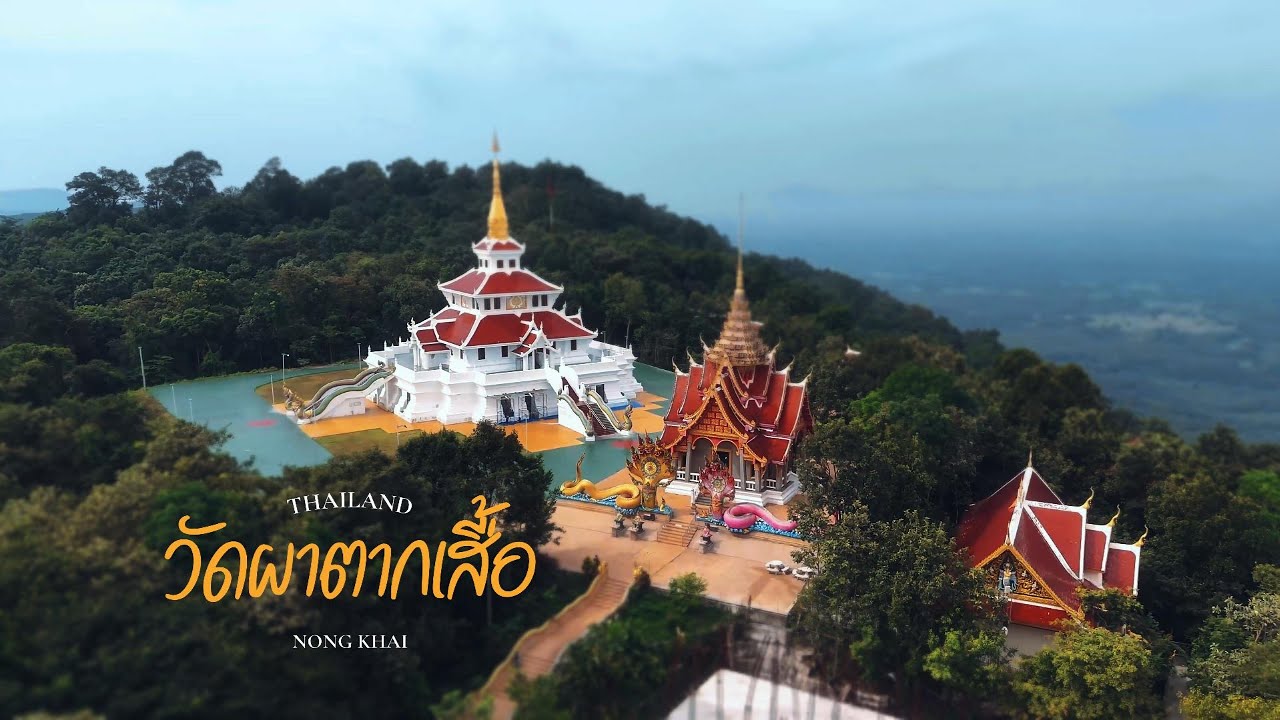
 Click to Access the Navigation Map GPS
Wat Pha Tak Suea Map
Recommend

 Art, Culture and Heritage
 Historical Sites and Monuments(1)
 Landmarks and Memorials(2)
 Art, Craft Centres, Tradition(1)
 Educational Places
 Educational Gardens, Farm(1)
Temple(16)
Educational Gardens, Farm(1)
Temple(16)
 Mosque(1)
 Other Sacred Sites(8)
 Suburban Living
 Village, Community(3)
 Local Market(4)
 Nature and Wildlife
 National Parks and Marine Reserves(2)
 Dam, Reservoir, Lake(2)
 Waterfalls(4)
 River, Canal(8)
 Bays and Beaches(1)
 Entertainment and Agricultural
 Farms, Parks and Ecotourism(2)
 Shopping
 Shopping and Night Market(1)
 Travel Articles, Recipes
 Travel Review, Food Review(1)


