
lovethailand home >Northeastern Travel Attractions >Loei Travel Attractions >Chiang Khan >Chiang Khan > Ban Chiang Khan
TL;DR: Ban Chiang Khan is located at Chiang Khan District, Loei Province, along the Mekong River, open Daily, hours Old Town Area Open Throughout The Day / Walking Street Usually 17.00 – 22.00.
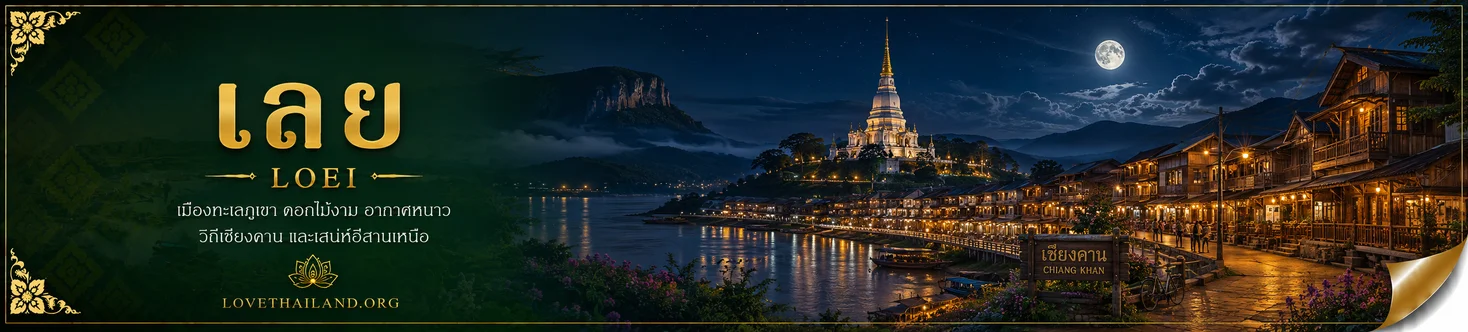
Ban Chiang Khan
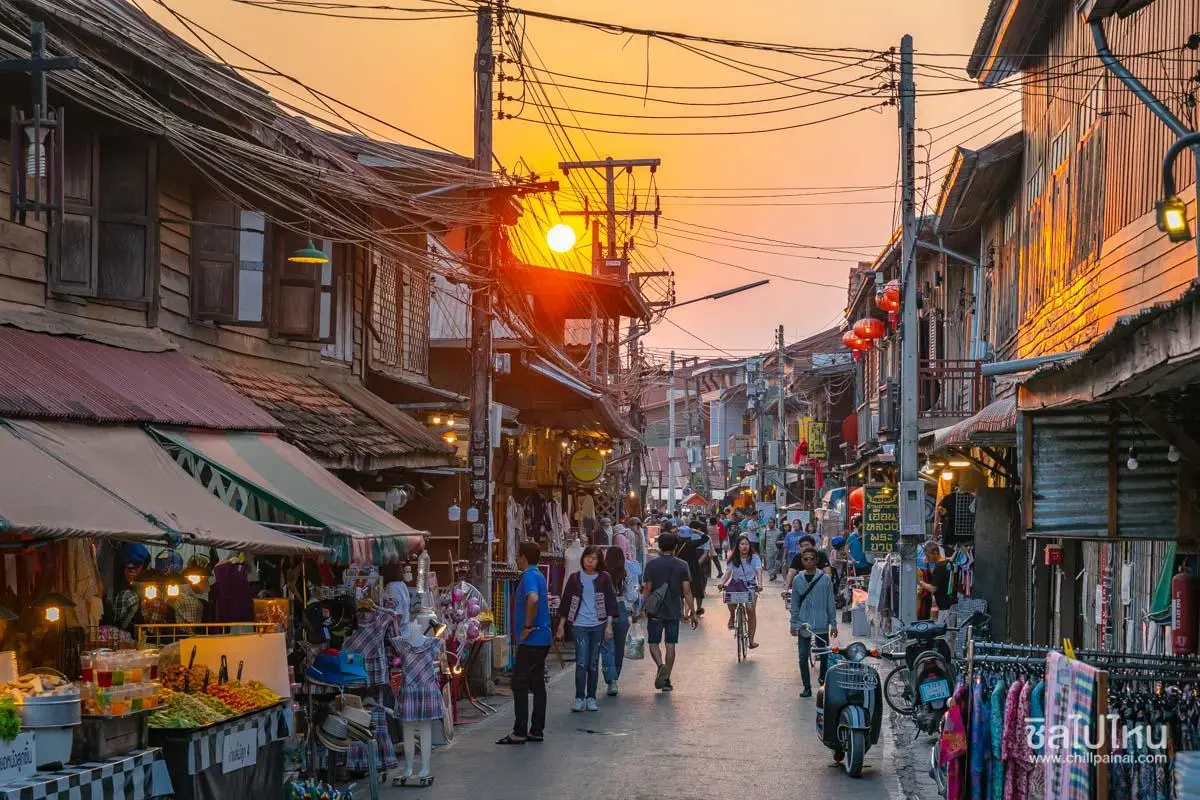
Open Days: Daily
Opening Hours: Old Town Area Open Throughout The Day / Walking Street Usually 17.00 – 22.00
Chiang Khan, Loei Province is a small and peaceful riverside town on the bank of the Mekong River. It is best known for its preserved wooden shophouses, old timber houses, slow local atmosphere, morning alms-giving, temples, riverside walks, boat trips, local food, and charming walking street. For travelers who want to experience a quieter side of Thailand, Chiang Khan offers a rare combination of old-town nostalgia, community life, Mekong scenery, and simple relaxation. Famous local souvenirs include Chiang Khan quilts, candied coconut, handmade items, local snacks, and products sold by small shops along the old wooden streets.
Chiang Khan is not a large city and does not try to feel like one. Its beauty lies in a slower rhythm. Wooden houses stand close together along narrow streets. Small cafes and guesthouses occupy old family buildings. Bicycles move gently through the lanes. In the morning, monks walk for alms while the town is still quiet. In the evening, warm shop lights appear along the walking street, and travelers stroll past food stalls, craft shops, textile stores, and old riverside houses. This modest atmosphere is the reason many visitors remember Chiang Khan not only as a destination, but as a mood.
The old town area of Chiang Khan is centered around the historic riverside community and the streets near the Mekong River. Many old wooden houses and shophouses have been preserved or adapted for tourism. Some are still private homes, while others have become guesthouses, homestays, restaurants, coffee shops, souvenir stores, and small local businesses. This careful adaptation allows the town to remain alive. Chiang Khan does not feel like an empty heritage display; it feels like a real community that continues to live with its old architecture.
The Mekong River has shaped Chiang Khan for generations. It has served as a natural border, a travel route, a trade connection, a food source, and a cultural corridor between communities on both sides of the river. The town’s identity is therefore deeply tied to the water. Walking along the riverside, visitors can see how homes, temples, shops, and daily routines relate to the river. The view across the Mekong toward Laos adds another layer of atmosphere, especially in the early morning and late afternoon when the light becomes soft and calm.
One of the most memorable features of Chiang Khan is the harmony between old and new. The wooden houses, narrow streets, and simple shopfronts preserve the character of an old riverside town, while cafes, boutique guesthouses, small restaurants, and creative shops make the area comfortable for modern travelers. The best places here do not overpower the heritage atmosphere. Instead, they use wood, warm lighting, modest signs, and traditional details that blend with the surrounding houses. This balance helps Chiang Khan remain charming without losing its local identity.
Chiang Khan Walking Street is the main evening activity. It usually comes alive from late afternoon to night, with stalls and shops selling local food, snacks, handmade items, souvenirs, clothes, accessories, and regional products. The walking street is not only a shopping area; it is also a social space where visitors can walk slowly, taste local food, take photographs of wooden houses, and experience the gentle nightlife of the town. Weekends and holidays are livelier, while weekdays are quieter and better for travelers who prefer a relaxed atmosphere.
The morning alms-giving tradition is another essential experience in Chiang Khan. Monks walk through the community early in the morning, and local residents offer sticky rice and food. Visitors may join respectfully by dressing modestly, preparing offerings properly, and avoiding intrusive photography. The beauty of this activity lies in its quietness. It should not be treated only as a tourist scene. Travelers should respect the religious meaning of the practice and follow local manners so the tradition remains dignified for the community.
After alms-giving, the best way to enjoy Chiang Khan is to walk or cycle through the old town and riverside area. Morning is especially pleasant because the air is cooler, the light is soft, and the streets are not yet crowded. Cycling past old wooden houses, temples, coffee shops, and Mekong viewpoints helps visitors experience the town more closely than traveling by car. Many accommodations offer bicycles, and some local shops rent them. Since the streets are shared with pedestrians, motorcycles, and local vehicles, cyclists should ride carefully and slowly.
Temples are an important part of Chiang Khan’s cultural landscape. Wat Si Khun Mueang, Wat Tha Khok, Wat Tha Khaek, and Wat Phra Phutthabat Phu Khwai Ngoen are among the places that can add religious and historical depth to the trip. These temples reflect local faith, architecture, and the cultural connection between Thai and Lao communities along the Mekong. Visiting temples also helps travelers understand that Chiang Khan is not only a market town, but a living Buddhist community with long-standing spiritual traditions.
A boat trip on the Mekong River offers another perspective of Chiang Khan. From the river, visitors can see the town from the outside: riverside houses, the Thai bank, the Lao bank, hills, and the wide water surface. Late afternoon is a beautiful time for a boat ride because the light becomes warm and the river scenery feels peaceful. Travelers should choose operators who provide safety equipment, life jackets, and clear trip information. During the rainy season or periods of strong current, checking river conditions before boarding is recommended.
Kaeng Khut Khu is one of the most popular nearby attractions. It is a scenic area on the Mekong River known for its rocky formations, river views, food stalls, souvenir shops, and boat services. When the water level is lower, the rock formations and river channels become more visible. The area is also well known for candied coconut, one of Chiang Khan’s classic souvenirs. Many travelers visit Kaeng Khut Khu in the afternoon, enjoy riverside food, buy snacks, and continue back to the old town in the evening.
Phu Thok is another must-visit spot for travelers who want to see sunrise, mist, and panoramic views of Chiang Khan. Located on a hill outside the old town, Phu Thok offers a wide view over the town, the Mekong River, and the surrounding landscape. The best time to visit is early morning, especially during the cool season and the transition from rainy season to winter. Visitors usually use the local shuttle system to reach the viewpoint. A light jacket is recommended during the cool months.
Souvenirs are an important part of Chiang Khan’s travel culture. Chiang Khan quilts are especially popular, as they match the town’s cool-season image and are practical for home use. Candied coconut is another well-known product, often sold around Kaeng Khut Khu and souvenir shops in town. Other items include local snacks, T-shirts, handmade bags, wooden decorations, postcards, home décor, and crafts. Buying from small local shops is a good way to support the community and take home something connected to the place.
Food in Chiang Khan is simple, local, and memorable. Popular items include rice noodle soup, kai krata, grilled sticky rice, local Isan dishes, Mekong fish dishes, khanom and snacks from the walking street, and breakfast dishes served in old-town shops. Morning meals are part of the Chiang Khan experience. After alms-giving, travelers can sit down for breakfast in the community before walking along the river. In the evening, food stalls and riverside restaurants offer another side of the town, especially for visitors who enjoy slow dinners and Mekong views.
Staying overnight is the best way to understand Chiang Khan. A day trip can show the main sights, but one night allows travelers to experience both the quiet morning and the lively evening. Accommodation options range from wooden guesthouses in the old town to riverside homestays, small hotels, boutique stays, and resorts outside the old-town area. Travelers who want to be close to the walking street should stay near Chai Khong Road or nearby lanes. Those who prefer quiet surroundings, river views, and easier parking may choose resorts near Kaeng Khut Khu or outside the old town.
Respect for the local community is important when staying in the old town. Many wooden houses stand close together, and sound travels easily. Visitors should keep noise down at night, avoid blocking local homes with parked vehicles, dispose of trash properly, and respect private spaces. Chiang Khan’s charm depends on the balance between tourism and community life. Responsible behavior helps ensure that local residents can continue living comfortably while welcoming travelers.
Photographers will find many beautiful scenes in Chiang Khan: wooden shophouses, old signs, bicycles, riverside balconies, morning monks, warm evening lights, Mekong sunsets, Phu Thok sunrise, and the textures of old timber walls. However, photography should be done respectfully. Always ask before taking close-up photos of residents, monks, private homes, or shop interiors. The best images of Chiang Khan come from patience, observation, and respect for the rhythm of the town.
The best time to visit Chiang Khan is during the cool season and the transition from rainy season to winter. During this period, the weather is more comfortable, Phu Thok has a better chance of misty views, and the riverside atmosphere feels especially romantic. However, Chiang Khan can be visited year-round. The hot season is quieter and less crowded, while the rainy season makes the landscape green and atmospheric. Travelers planning boat trips or sunrise viewpoints should check weather conditions in advance.
Getting to Chiang Khan is straightforward. From Loei city, take the Loei-Chiang Khan route for about 50 km. The drive usually takes around 1 hour. Travelers can use a private car, rental car, van, or local transport. Those coming from Bangkok may fly to Loei Airport and continue by road to Chiang Khan, or travel by intercity bus to Loei and then connect to Chiang Khan. Having a private car or rental car makes it easier to visit nearby attractions such as Phu Thok, Kaeng Khut Khu, Wat Phra Phutthabat Phu Khwai Ngoen, and Chiang Khan Skywalk.
Once in the old town, walking and cycling are the best ways to explore. The streets are narrow, and the walking street area becomes crowded in the evening. Travelers should park in designated areas, at their accommodation, or around permitted temple parking areas, then continue on foot. Walking slowly allows visitors to notice details that are easy to miss from a vehicle: carved wood, old shop signs, local snacks, small shrines, and the everyday life of riverside residents.
For international travelers, Chiang Khan is an excellent introduction to the culture of the Mekong region in northeastern Thailand. It shows a different side of the country from beaches, major cities, and famous temples. Here, visitors can experience an old wooden town, Buddhist morning rituals, local food, a gentle evening market, river views, and the connection between Thai and Lao cultures. Chiang Khan is easy to enjoy, but it becomes more meaningful when travelers slow down and observe respectfully.
A good 1-day itinerary can begin with morning alms-giving, followed by breakfast, a walk through the old wooden town, temple visits, a relaxed afternoon at Kaeng Khut Khu, a sunset boat ride or riverside walk, and an evening at Chiang Khan Walking Street. With 2 days and 1 night, add Phu Thok at sunrise on the second morning, then continue to Wat Phra Phutthabat Phu Khwai Ngoen or Chiang Khan Skywalk before leaving. This route covers culture, food, scenery, local shopping, and the slow-life atmosphere that makes Chiang Khan memorable.
In summary, Chiang Khan in Loei Province is a peaceful Mekong riverside town defined by old wooden houses, a preserved community atmosphere, morning alms-giving, temples, boat trips, walking street culture, local food, quilts, candied coconut, and relaxed riverside living. It is not a town to rush through. It is a place to walk slowly, cycle gently, sit by the river, talk to local people, and let the calm rhythm of the Mekong shape the journey.
| Name | Chiang Khan Old Town / Ban Chiang Khan |
| Location | Chiang Khan District, Loei Province, along the Mekong River |
| Address | Chai Khong Road and Chiang Khan Walking Street Area, Chiang Khan Subdistrict, Chiang Khan District, Loei 42110, Thailand |
| Highlights | Old wooden houses, preserved shophouses, Mekong riverside atmosphere, morning alms-giving, temples, boat trips, walking street, local food, wooden guesthouses, quilts, and candied coconut. |
| History | Chiang Khan is an old Mekong riverside community connected with river trade, local faith, Buddhist temples, wooden architecture, and Mekong cultural life. Many old wooden houses have been preserved and adapted into guesthouses, restaurants, cafes, and small shops. |
| Name Origin | Chiang Khan is the name of the district and riverside community in Loei Province, commonly used to refer to the old wooden town and Mekong heritage area. |
| Distinctive Features | A slow-life Mekong old town with wooden houses, walking street, morning alms-giving, old temples, local food, and a peaceful riverside atmosphere. |
| Travel Information | From Loei city, take the Loei-Chiang Khan route for about 50 km. Private cars, rental cars, vans, and local transport are available. In the old town, walking and cycling are the best ways to explore. |
| Current Status | Open as a living old-town community, walking street destination, accommodation area, restaurant zone, local shopping area, and Mekong riverside leisure destination. |
| Open Days | The community area is open daily. |
| Opening Hours | Old town area open throughout the day / Walking Street usually 17.00 – 22.00 / Individual shops, restaurants, and accommodations have different operating hours. |
| Fees | No admission fee for the old town and walking street area. Boat trips, accommodation, food, and specific tourism services have separate charges. |
| Facilities | Guesthouses, hotels, restaurants, cafes, souvenir shops, riverside viewpoints, designated parking areas, bicycle rental, boat services, convenience stores, and tourist service points. |
| Main Areas / Zones | Old Wooden House and Shophouse Zone Chiang Khan Walking Street Zone Chai Khong Road and Mekong Riverside Zone Old Temple Zone Restaurant, Cafe, and Souvenir Zone Wooden Guesthouse and Homestay Zone Pier and Mekong Boat Activity Zone |
| Caretaker / Responsible Agencies | Chiang Khan Subdistrict Municipality and related local agencies, together with the community, local operators, and tourism organizations. |
| Main Contact Number | Chiang Khan Subdistrict Municipality, Tel. 0-4282-2288 |
| Official Website / Official Page | Chiang Khan Subdistrict Municipality Website and Facebook Page |
| Nearby Tourist Attractions | 1. Chiang Khan Walking Street, about 0 km 2. Wat Si Khun Mueang, about 0.5 km 3. Kaeng Khut Khu, about 5 km 4. Wat Phra Phutthabat Phu Khwai Ngoen, about 9 km 5. Phu Thok Viewpoint, Chiang Khan, about 8 km 6. Tai Dam Cultural Village, Ban Na Pa Nat, about 16 km 7. Chiang Khan Skywalk, about 22 km |
| Nearby Restaurants | 1. Jum Nua Yai Pat, about 0.5 km, Tel. 042-822079 2. Huen Luang Prabang, about 0.5 km, Tel. 089-0094345 3. Smile at Chiangkhan, about 0.5 km, Tel. 088-5636377 4. Krua Baan Chef Chiang Khan, about 1 km, Tel. 084-2098551 5. Khrua Nucha at Chiang Khan Hill Resort, about 5 km, Tel. 091-8633228, 042-810359 6. Restaurants around Kaeng Khut Khu, about 5 km |
| Nearby Accommodations | 1. Chiangkhanburi, about 0.5 km, Tel. 082-8359194 2. Chiang Khan River Mountain Resort, about 3 km, Tel. 042-822191, 083-6164961 3. Chiang Khan Hill Resort, about 5 km, Tel. 094-5915251 4. Bansuanphuhong Chiang Khan Resort, about 4 km, Tel. 093-4764166 5. Accommodations around Chai Khong Road and Chiang Khan Walking Street, about 0–1 km 6. Accommodations around Kaeng Khut Khu, about 5 km |
Frequently Asked Questions (FAQ)
Q: What is Chiang Khan in Loei Province known for?
A: Chiang Khan is known for its preserved wooden houses, Mekong riverside atmosphere, walking street, morning alms-giving, temples, local food, slow-life travel style, quilts, and candied coconut.
Q: What time does Chiang Khan Walking Street open?
A: Chiang Khan Walking Street usually opens from around 17.00 to 22.00, while the old town area can be explored throughout the day.
Q: What are the best things to do in Chiang Khan?
A: Recommended activities include morning alms-giving, walking through the wooden old town, cycling along the Mekong, visiting temples, taking a boat trip, exploring the walking street, and buying local souvenirs.
Q: Is there an admission fee for Chiang Khan Old Town?
A: No. There is no admission fee for the old town or walking street area. Boat trips, accommodation, food, and specific services have separate charges.
Q: What souvenirs should travelers buy in Chiang Khan?
A: Popular souvenirs include Chiang Khan quilts, candied coconut, local snacks, T-shirts, handmade crafts, home décor items, and products sold along the walking street and Kaeng Khut Khu.
Q: Where should travelers stay in Chiang Khan?
A: Travelers who want to be close to the walking street should stay near Chai Khong Road. Those who prefer quieter surroundings, river views, and easier parking may choose resorts near Kaeng Khut Khu or outside the old town.
Q: How can travelers get from Loei city to Chiang Khan?
A: From Loei city, take the Loei-Chiang Khan route for about 50 km. Travelers can use a private car, rental car, van, or local transport. In the old town, walking and cycling are the best ways to explore.
Q: When is the best time to visit Chiang Khan?
A: The cool season and the transition from rainy season to winter are the best times because the weather is pleasant and Phu Thok has a better chance of misty sunrise views. Chiang Khan can still be visited year-round.
 Category: ●Suburban Living
 Group: ●Village, Community
Last Update : 3 MonthAgo
 Last Update : 3 MonthAgo
 Click to Access the Navigation Map GPS
Ban Chiang Khan Map
Recommend

 Art, Culture and Heritage
 Historical Sites and Monuments(2)
 Landmarks and Memorials(3)
 Art, Craft Centres, Tradition(2)
 Museums(4)
 Art Gallery(1)
 Educational Places
 Educational Gardens, Farm(2)
 Places of Worship
 Temple(16)
 Other Sacred Sites(8)
 Research and Development
 Royal Project(3)
Village, Community(3)
Royal Project(3)
Village, Community(3)
 Local Market(1)
 Nature and Wildlife
 National Parks and Marine Reserves(5)
 Mountain (Doi)(10)
 Dam, Reservoir, Lake(7)
 Waterfalls(21)
 Caves(3)
 River, Canal(5)
 Bays and Beaches(1)
 Other natural attractions(1)
 Entertainment and Agricultural
 Farms, Parks and Ecotourism(8)
 Waterpark(1)
 Outdoor and Adventure Activities(2)
 Travel Articles, Recipes
 Travel Review, Food Review(1)


