
lovethailand home >Central Travel Attractions >Sing Buri Travel Attractions >Khai Bang Ra Chan >Bang Ra Chan > Wat Pho Kao Ton (Wat Mai Daeng)
TL;DR: Wat Pho Kao Ton (Wat Mai Daeng) is located at Village No. 8, Bang Rachan Subdistrict, Khai Bang Rachan District, Sing Buri Province, Thailand, open Daily, hours Daytime and regular temple visiting hours.
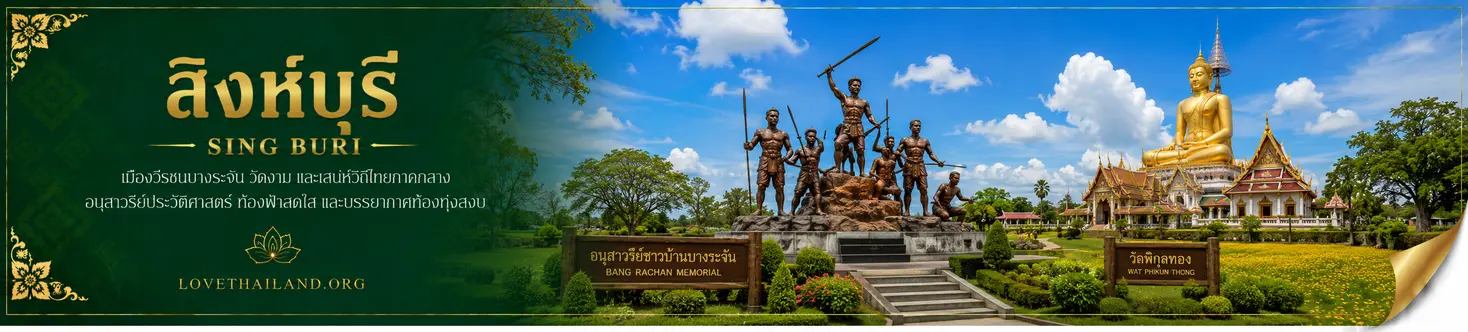
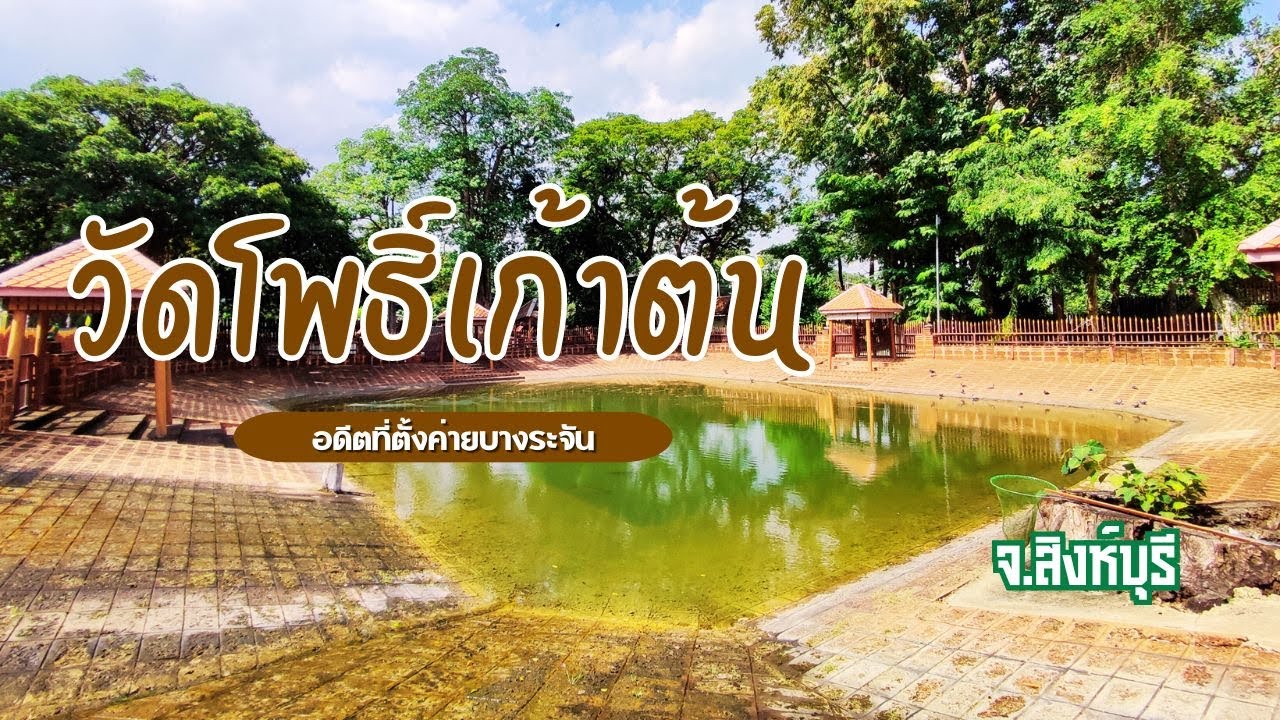
Wat Pho Kao Ton (Wat Mai Daeng)

Open Days: Daily
Opening Hours: Daytime and regular temple visiting hours
Wat Pho Kao Ton, also known as Wat Mai Daeng, is one of the most historically significant temples in Sing Buri Province. Located in Village No. 8, Bang Rachan Subdistrict, Khai Bang Rachan District, the temple stands directly opposite the Bang Rachan Heroes Monument and about 15 km southwest of Sing Buri town along Highway 3032. It is remembered as one of the key strongholds used by the Bang Rachan villagers when they resisted the Burmese army advancing toward Ayutthaya in 1765. For foreign travelers, this is not just a Buddhist temple; it is a place where faith, local courage, national memory, and community identity come together.
Wat Pho Kao Ton is one of the best places to understand Sing Buri beyond ordinary sightseeing. The temple sits in the heart of the Bang Rachan historical area, close to the monument, local market, and other sites connected with the well-known story of the Bang Rachan villagers. When visitors arrive, they encounter a temple environment shaped by both Buddhist devotion and historical remembrance. A visit here is not only about making merit or taking photographs; it is also about standing in a place associated with ordinary villagers who defended their homeland with courage and unity.
The name Wat Pho Kao Ton suggests a connection with bodhi trees, which are deeply meaningful in Buddhism because of their association with the Buddha’s enlightenment. The temple is also widely known as Wat Mai Daeng, or the Redwood Temple, a local name connected with the historical memory of the Bang Rachan camp. These 2 names express different layers of meaning. Wat Pho Kao Ton emphasizes the temple’s Buddhist identity, while Wat Mai Daeng evokes the image of a defensive camp, local materials, and the collective memory of wartime resistance. Together, the names give the temple a powerful cultural identity.
The most important historical event connected with Wat Pho Kao Ton took place in 1765, near the end of the Ayutthaya period. As Burmese forces advanced toward Ayutthaya, villagers in the Bang Rachan area and nearby communities gathered to defend themselves. They built a stronghold and used the temple area as a base for planning, organizing, and maintaining morale. Their resistance became one of the most famous stories of local courage in Thai history. Wat Pho Kao Ton is therefore remembered not simply as a temple, but as a place where religion and the defense of homeland were deeply connected.
The Bang Rachan story is important because it shows the strength of ordinary people. The villagers did not have the same military power as a large invading army, but they had unity, determination, local knowledge, and a powerful sense of responsibility toward their families and community. The temple served as a spiritual and practical center during this difficult period. This gives Wat Pho Kao Ton a status beyond a religious site. It is a landscape of collective memory and a symbol of courage in the face of overwhelming danger.
One of the most important spiritual figures associated with Wat Pho Kao Ton is Phra Achan Thammachot. He is remembered as a revered monk who gave moral and spiritual encouragement to the Bang Rachan villagers. Local tradition regards him as an important source of faith and courage during the period of resistance. His presence in the Bang Rachan story shows that the villagers’ struggle was not only military; it was also emotional, spiritual, and communal. For many Thai visitors, paying respect to Phra Achan Thammachot is one of the most meaningful parts of visiting Wat Pho Kao Ton.
Within the temple and the surrounding historical area, visitors can find several important points connected with the Bang Rachan memory. These include the temple grounds, the area for paying respect to Phra Achan Thammachot, historical markers, and the nearby Bang Rachan Heroes Monument. A meaningful visit should be done slowly. Visitors may begin by paying respect inside the temple, then continue to the Phra Achan Thammachot area, and finally walk toward the monument to understand how the temple and the historical memorial space work together.
Wat Pho Kao Ton is also part of a very convenient cultural route. It is located directly opposite the Bang Rachan Heroes Monument and near the Ban Rachan Retro Market. This makes it easy to plan a half-day or full-day visit. Travelers can begin with the temple to understand the spiritual background of the Bang Rachan story, continue to the monument to learn about the heroes, and then visit the retro market to experience local food, community life, and cultural performances when available. This combination gives the area a balance of history, devotion, and living culture.
Architecturally and atmospherically, Wat Pho Kao Ton is more meaningful for its story than for monumental scale. It has the character of a local temple in a historical landscape. The atmosphere is calm, reflective, and connected with memory. Visitors who come in the morning or late afternoon will find the light more suitable for walking and photography. Photographs should be taken respectfully, especially because the area is both a Buddhist temple and a site associated with people who sacrificed their lives in a difficult period of Thai history.
Today, Wat Pho Kao Ton remains an active local temple. Recent temple activity information lists Phra Mongkhon Wachirakan Sophit as the abbot. The temple continues to welcome Buddhists and travelers who come to make merit, pay respect, and learn about history. Important Buddhist occasions such as Makha Bucha Day, Visakha Bucha Day, Asalha Bucha Day, Buddhist Lent, the end of Buddhist Lent, and the Kathin season continue to be meaningful moments for the temple and surrounding community. This means Wat Pho Kao Ton is not a frozen historical site; it is still a living temple.
One practice associated with faith at Wat Pho Kao Ton is the tradition of carrying water as an act of devotion or fulfillment of a vow. In the Bang Rachan context, water was essential to daily life and to the endurance of people staying in a camp. Carrying water therefore carries symbolic meaning. It recalls labor, patience, service, and the shared effort of ordinary people. For visitors, this tradition helps connect physical action with historical remembrance and religious merit.
For travelers interested in Thai history, Wat Pho Kao Ton makes the Bang Rachan story more tangible. Reading about the villagers in a book gives one kind of understanding, but standing in the actual landscape gives another. Visitors can see the relationship between the temple, the monument, the surrounding roads, and the local community. The site helps history become physical and immediate. It allows visitors to imagine how villagers gathered, organized, and relied on both local knowledge and spiritual encouragement.
The temple is also suitable for families and educational travel. Children and young visitors can learn about unity, bravery, sacrifice, and local identity through a real place rather than only through classroom lessons. Elderly visitors and merit-making travelers can pay respect to the temple and Phra Achan Thammachot in a calm environment. Photographers can capture the atmosphere of a historical temple, while cultural travelers can combine the visit with local food and the nearby market.
Getting There is straightforward by private car. Wat Pho Kao Ton is about 15 km southwest of Sing Buri town along Highway 3032. The temple is located in Bang Rachan Subdistrict, Khai Bang Rachan District, directly opposite the Bang Rachan Heroes Monument. Visitors can use a navigation app to search for Wat Pho Kao Ton or the Bang Rachan Heroes Monument. Travelers without a private vehicle can travel first to Sing Buri town and then arrange local transport to Khai Bang Rachan District.
Visitors should allow at least 1–2 hours for the temple and the Phra Achan Thammachot area. Those who also want to visit the Bang Rachan Heroes Monument and Ban Rachan Retro Market should allow half a day. Morning and late afternoon are the best times because the weather is more comfortable for walking outdoors. Weekends and festival periods can be more lively, especially around the market and monument area.
Respectful behavior is important at Wat Pho Kao Ton. Visitors should dress modestly, wear shirts with sleeves and appropriate trousers or skirts, remove shoes before entering sacred areas, speak quietly, and avoid inappropriate poses when taking photographs. Because this is both a Buddhist temple and a historical memorial area, visitors should treat the site with dignity and avoid touching sacred or historical objects unnecessarily.
Facilities around the temple and nearby historical area are convenient for travelers. There is parking, worship space, historical areas, nearby shops, and the Ban Rachan Retro Market. On hot days, visitors should bring drinking water, a hat, or an umbrella because some parts of the visit may involve walking in open outdoor areas. The nearby market can add food, drinks, and a more relaxed local atmosphere to the trip.
Nearby food options include stalls and restaurants around Ban Rachan Retro Market, local shops in Khai Bang Rachan District, and restaurants in Sing Buri town. Travelers who want nearby simple food can look around the market area, while those who want larger restaurants can continue to Phaibun Kai Yang, Ramphueng Restaurant, Charoen Thip Restaurant, or Ban Suan Mae La Ka Rong. This makes the trip suitable for both history-focused travelers and those planning a full cultural food route in Sing Buri.
For accommodation, travelers can stay either close to Khai Bang Rachan District or in Sing Buri town. Nearby options include Mabuna Resort, Metha Country View Homestay Sing Buri, Ban Mai Sai Nam Resort, Chao Phraya Hotel Sing Buri, Chaisaeng Palace Hotel, and Golden Dragon Resort. Staying near Khai Bang Rachan is convenient for visitors focused on the Bang Rachan historical route, while Sing Buri town is more suitable for those who want restaurants, shops, and easier access to several districts.
Overall, Wat Pho Kao Ton is one of the essential historical temples in Sing Buri. It is remembered as a stronghold of the Bang Rachan villagers, a place of devotion to Phra Achan Thammachot, an active Buddhist temple, and a gateway to understanding the events of 1765. Its value does not lie only in the statement that it was once a stronghold; it lies in the relationship between place, memory, worship, local tradition, and the monument across the road.
For foreign travelers visiting Sing Buri, Wat Pho Kao Ton is a highly meaningful destination. It introduces the Bang Rachan story through an actual landscape where history and faith still meet. Visiting this temple is an act of learning as much as sightseeing. It gives travelers a clearer understanding of why the Bang Rachan villagers remain such an important symbol of courage, unity, and community spirit in Thai historical memory.
| Name | Wat Pho Kao Ton, also known as Wat Mai Daeng |
| Location | Village No. 8, Bang Rachan Subdistrict, Khai Bang Rachan District, Sing Buri Province, Thailand |
| Address | Village No. 8, Bang Rachan Subdistrict, Khai Bang Rachan District, Sing Buri Province 16150, near Highway 3032 |
| Highlights | Historically important temple opposite the Bang Rachan Heroes Monument, used as a stronghold by the Bang Rachan villagers during their resistance against the Burmese army in 1765 |
| History | Connected with the late Ayutthaya period, when the Bang Rachan villagers gathered and used the temple area as a center of morale and resistance against the Burmese army |
| Name Origin | Wat Pho Kao Ton is connected with bodhi trees in the temple area, while Wat Mai Daeng is the local name associated with the Bang Rachan historical memory |
| Distinctive Features | Community temple in the Bang Rachan historical area, with a place to pay respect to Phra Achan Thammachot, close to the Bang Rachan Heroes Monument and Ban Rachan Retro Market |
| Main Sacred Objects / Features | Phra Achan Thammachot worship area, temple worship areas, and the historical landscape connected with the Bang Rachan villagers |
| Tradition / Devotional Activity | Carrying water as an act of vow fulfillment or merit-making, associated with devotion to Phra Achan Thammachot and the memory of the Bang Rachan villagers |
| Travel Information | About 15 km southwest of Sing Buri town via Highway 3032. The temple is directly opposite the Bang Rachan Heroes Monument and is easiest to reach by private car |
| Current Status | An active local temple and an important historical attraction in Sing Buri Province, open to worshippers and travelers |
| Open Days | Daily |
| Opening Hours | Daytime and regular temple visiting hours |
| Fees | No admission fee |
| Facilities | Parking area, worship areas, Phra Achan Thammachot worship area, historical areas, nearby shops, and nearby market facilities |
| Main Areas / Zones | Temple grounds, Phra Achan Thammachot worship area, Bang Rachan historical area, connection to the Bang Rachan Heroes Monument, and nearby Ban Rachan Retro Market |
| Abbot / Caretaker | Phra Mongkhon Wachirakan Sophit |
| Main Contact Number | +66 3659 7251 |
| Official Website / Related Page | Tourism Authority of Thailand, Khai Bang Rachan Subdistrict Administrative Organization, historical reference sources, and public map listings |
| Nearby Tourist Attractions | 1. Bang Rachan Heroes Monument, about 1 km 2. Ban Rachan Retro Market, about 1 km 3. Wat Klang Tha Kham, about 5 km 4. Wat Pho Rattanaram, also known as Wat Pho Chon Kai, about 5 km 5. Wat Phra Non Chak Si Worawihan, about 10 km 6. Wat Sadao, about 10 km 7. Wat Laem Khang, about 12 km |
| Nearby Restaurants | 1. Food stalls at Ban Rachan Retro Market, about 1 km 2. Tiao Fae Ban Ta Joy, about 4 km 3. Krua Kho Sai, about 5 km 4. Phaibun Kai Yang, about 10 km, Tel. 09-9104-0362, 0-3651-2132 5. Ramphueng Restaurant, about 11 km, Tel. 0-3652-0757 6. Ban Suan Mae La Ka Rong, about 13 km, Tel. 036-501-047, 081-448-3678 |
| Nearby Accommodations | 1. Mabuna Resort, about 1 km, Tel. 061-825-3535 2. Metha Country View Homestay Sing Buri, about 3 km, Tel. 093-263-9119 3. Ban Mai Sai Nam Resort, about 6 km, Tel. 081-697-5444 4. Chao Phraya Hotel Sing Buri, about 13 km 5. Chaisaeng Palace Hotel, about 14 km 6. Golden Dragon Resort, about 14 km, Tel. 089-801-9719 |
Frequently Asked Questions (FAQ)
Q: Where is Wat Pho Kao Ton located?
A: Wat Pho Kao Ton is located in Village No. 8, Bang Rachan Subdistrict, Khai Bang Rachan District, Sing Buri Province. It stands directly opposite the Bang Rachan Heroes Monument and about 15 km from Sing Buri town.
Q: What is another name for Wat Pho Kao Ton?
A: Wat Pho Kao Ton is also known locally as Wat Mai Daeng, a name associated with the Bang Rachan historical area.
Q: Why is Wat Pho Kao Ton historically important?
A: The temple was used as a stronghold by the Bang Rachan villagers when they resisted the Burmese army advancing toward Ayutthaya in 1765.
Q: Who was Phra Achan Thammachot?
A: Phra Achan Thammachot was a revered monk associated with the Bang Rachan villagers and is remembered as an important spiritual figure who gave them courage and morale.
Q: Is there an admission fee for Wat Pho Kao Ton?
A: There is no admission fee. Visitors can enter the temple to pay respect, worship Phra Achan Thammachot, and explore the historical area during regular visiting hours.
Q: How can visitors travel to Wat Pho Kao Ton?
A: From Sing Buri town, travel about 15 km southwest along Highway 3032 toward Bang Rachan Subdistrict. The temple is directly opposite the Bang Rachan Heroes Monument.
Q: What should visitors wear when visiting Wat Pho Kao Ton?
A: Visitors should dress modestly, wear shirts with sleeves and appropriate trousers or skirts, remove shoes before entering sacred areas, and behave respectfully because the site is both a temple and a historical memorial area.
Q: What nearby places can visitors see after Wat Pho Kao Ton?
A: Nearby places include the Bang Rachan Heroes Monument, Ban Rachan Retro Market, Wat Klang Tha Kham, Wat Pho Rattanaram, Wat Phra Non Chak Si Worawihan, Wat Sadao, and Wat Laem Khang.
 Category: ●Places of Worship
 Group: ●Temple
Last Update : 5 MonthAgo
 Last Update : 5 MonthAgo
 Click to Access the Navigation Map GPS
Wat Pho Kao Ton (Wat Mai Daeng) Map

 Art, Culture and Heritage
 Historical Sites and Monuments(4)
 Landmarks and Memorials(3)
 Art, Craft Centres, Tradition(3)
 Museums(1)
 Educational Places
 Library(1)
Temple(42)
 Church(1)
 Other Sacred Sites(2)
 Research and Development
 Royal Project(3)
 Suburban Living
 Village, Community(1)
 Local Market(1)
 Nature and Wildlife
 National Parks and Marine Reserves(1)
 River, Canal(7)
 Bays and Beaches(1)
 Other natural attractions(2)
 Entertainment and Agricultural
 Animal camps and shows(1)
 Farms, Parks and Ecotourism(1)
 Travel Articles, Recipes
 Travel Review, Food Review(1)


