
lovethailand home >Northeastern Travel Attractions >Surin Travel Attractions >Sanom >Khaen > Ban Khaen Noi Community Forest
TL;DR: Ban Khaen Noi Community Forest is located at Ban Khaen Noi, Khaen Subdistrict, Sanom District, Surin Province 32160, open Daily, hours 08.00 – 17.00.

Ban Khaen Noi Community Forest
Open Days: Daily
Opening Hours: 08.00 – 17.00
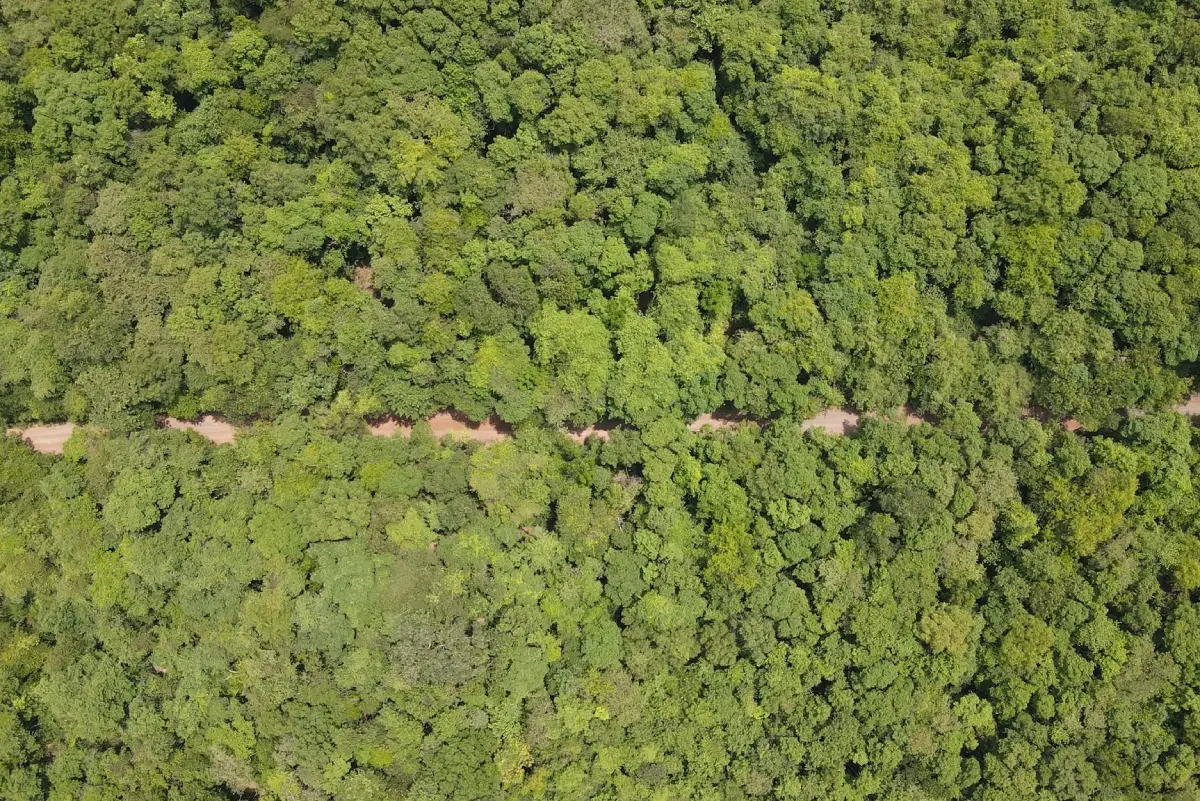
Ban Khaen Noi Community Forest Surin is a local community forest in Ban Khaen Noi, Khaen Subdistrict, Sanom District, Surin Province. It is a nature-based learning site where visitors can experience a small but meaningful forest landscape connected directly with village life. The forest is known for its traditional Thai herbs, local plants, monitor lizards, many bird species, small wildlife, and seasonal forest resources. Unlike a large national park, this is a community forest where local people care for the land, use resources under community understanding, and preserve natural knowledge for younger generations.
The value of Ban Khaen Noi Community Forest comes from the close relationship between the forest and the surrounding village. Local people know the forest through daily experience: where herbs grow, which plants appear in the rainy season, where birds can be heard, where small animals leave tracks, and which areas should be used carefully. The forest is therefore not an empty green space. It is a living source of food, herbs, shade, memory, ecological balance, and community identity.
A community forest in Thailand is a shared natural space cared for by local people. In Ban Khaen Noi, the forest functions as a source of medicinal plants, seasonal food, environmental learning, local belief, and natural shelter for wildlife. This kind of forest may not have large tourist facilities, but it has high cultural and ecological value because it remains part of village life. Its importance lies in how people and nature continue to depend on each other.
Ban Khaen Noi is located in the rural landscape of Khaen Subdistrict, Sanom District. The area is surrounded by agricultural land, village houses, community roads, temples, schools, and local fields. Within this rural environment, the community forest acts as a green refuge. During the rainy season, the forest becomes more humid and productive. Herbs, mushrooms, bamboo shoots, and edible wild plants appear according to the season. During the dry season, the forest provides shade and shelter for birds, reptiles, insects, and other small wildlife.
Traditional Thai herbs are one of the forest’s most important features. Local knowledge of herbs is not only a matter of naming plants. It includes knowing the shape of leaves, stems, roots, smell, taste, growing conditions, seasonal timing, and respectful harvesting methods. Older residents and local experts often pass this knowledge to younger people through walking in the forest, observing plants, and explaining how the forest should be used without damaging its future growth.
Wildlife such as monitor lizards and birds gives the forest a clear ecological character. Monitor lizards live in areas where they can find cover, food, and quiet spaces. Birds use the tree canopy, shrubs, open edges, and forest paths for feeding and nesting. Morning bird sounds, movement among branches, insect activity, and tracks on the ground show that the forest is alive. Visitors should move quietly and avoid disturbing animals or their habitat.
The forest is also valuable as a seasonal food source. In suitable periods, villagers may know where mushrooms grow, where bamboo shoots can be found, and which plants can be used in local cooking. This knowledge connects the forest with household food security. A healthy community forest can help reduce household expenses and preserve local food culture. At the same time, forest use must follow community rules so that plants and wildlife remain available for the next season.
Ban Khaen Noi also has a cultural context that enriches a visit to the forest. The village is associated with Phi O ritual traditions among the Thai-Lao ethnic community in Sanom District. This ritual involves spirit belief, ancestral offerings, trance, ritual specialists, and the khaen musical instrument. Although the ritual may not be visible during an ordinary visit, its presence in local culture shows that Ban Khaen Noi is not only a natural place but also a community with layered belief, music, memory, and local identity.
In many northeastern Thai communities, forests are connected with local belief, ancestral memory, guardian spirits, and community rules. Visitors should therefore understand the forest as a respected shared place, not merely a public space for casual use. Cutting branches, collecting plants, catching animals, making loud noise, or leaving waste can damage both the ecology and the cultural meaning of the forest. Respectful travel is essential here.
A walk through Ban Khaen Noi Community Forest is best experienced slowly. Visitors can observe local trees, ground plants, dry leaves, bird sounds, insect activity, light filtering through the canopy, and signs of small animals. The forest does not need large structures to be interesting. Its value lies in careful observation. People who walk quietly will notice more details and understand why a small community forest can be important to a village.
Suitable activities include nature walking, herb learning, birdwatching, wildlife-track observation, community forest education, youth environmental activities, photography of plants and forest atmosphere, and learning how community rules help protect the forest. This type of travel is not about rushing through the area. It is about understanding how local people live with nature and how conservation works at village level.
The best time to visit is in the morning or early afternoon. Morning visits are comfortable, and birds are often more active. The rainy season is good for learning about herbs, wild vegetables, mushrooms, bamboo shoots, and seasonal growth. The cool season is pleasant for walking. During the dry season, visitors must be especially careful with fire. Do not light fires, smoke carelessly, or leave anything that may create a fire risk.
Visitors should prepare for a simple natural environment. Wear comfortable shoes or closed footwear, breathable clothing, and sun protection. Bring drinking water, mosquito repellent, a hat, and a small bag for personal waste. Groups should coordinate with local leaders or Khaen Subdistrict Municipality before visiting, especially if they want a learning activity or guided explanation. Walking with local people helps visitors understand plant names, forest rules, local stories, and safe routes.
Important rules include no tree cutting, no unauthorized herb collection, no hunting, no catching monitor lizards or birds, no nest disturbance, no littering, no loud music, no entering deep areas alone, and no driving into restricted parts of the forest. These rules are simple but important. A community forest is home to many living beings, and every visitor affects the forest environment.
Ban Khaen Noi Community Forest is open daily from 08.00 to 17.00. There is no general admission fee for ordinary visits. Costs may apply only for arranged study visits, guided activities, community meals, or special group programs. Visitors who plan to come as a group should contact Khaen Subdistrict Municipality or local community leaders in advance so that the visit can be organized properly and respectfully.
Getting There to Ban Khaen Noi Community Forest is most convenient by private car, rental car, or chartered van. From Surin city, travel north toward Sanom District, then continue into Khaen Subdistrict and Ban Khaen Noi. The approximate road distance from Surin city is about 55 km. From Sanom town, Ban Khaen Noi is about 8 km away. The forest can be visited as a half-day nature trip or combined with nearby cultural and community attractions.
For navigation, visitors should search for “Ban Khaen Noi, Khaen Subdistrict, Sanom District, Surin Province” or use Ban Khaen Noi School as a reference point before asking local residents for the community forest route. Since similar place names exist in other provinces, including the full village, subdistrict, district, and province names helps avoid confusion.
Nearby places that can be included in the route include Sanom town, Nong Sanom public park, Wat Bueng Ban Sanom, local Ban Khaen Noi cultural areas related to Phi O rituals, Ban Ta Klang Elephant Village in Tha Tum District, Khwao Sinarin Handicraft Village, Surin City Pillar Shrine, Wat Burapharam, and Surin National Museum. This route allows visitors to experience nature, village culture, crafts, faith, and local history within Surin Province.
Restaurants near the forest are mainly found in Sanom town, Tha Tum District, and Rattanaburi District. Sanom restaurants and cafés are suitable for visitors who want food or drinks before or after a forest visit. Tha Tum and Rattanaburi options are useful for travelers continuing to Ban Ta Klang Elephant Village or the Mun River route. Groups should plan meals in advance because Ban Khaen Noi itself is a rural community rather than a dense restaurant area.
Accommodation is available in Sanom District and Surin city. Travelers who want to stay close to the community forest can choose local accommodation in Sanom, such as Ton Son Ban Phak or Sroe Ground Homestay. Travelers who prefer city services, restaurants, railway access, and more hotel choices can stay in Surin city and visit Ban Khaen Noi as a day trip. Those combining the forest with Tha Tum or Ban Ta Klang should plan travel distances carefully.
For international visitors, Ban Khaen Noi Community Forest offers a clear example of a Thai community forest. It is not a large commercial attraction. It is a village forest cared for by local people and connected with food, herbs, ecology, belief, and education. A visit here helps explain how conservation can happen at community level through rules, local knowledge, and respect for shared resources.
The simplicity of the forest is its strength. Visitors who come expecting a large tourist complex may miss its real value. Those who walk slowly, listen to the forest, observe plants and birds, and respect local rules will see how a small forest can support rural life. Ban Khaen Noi Community Forest shows that conservation is not only about protecting distant wilderness. It is also about keeping small village forests alive.
In summary, Ban Khaen Noi Community Forest Surin is an important community forest in Ban Khaen Noi, Khaen Subdistrict, Sanom District. Open daily from 08.00 to 17.00, it is known for traditional Thai herbs, local plants, monitor lizards, many bird species, and a simple rural forest atmosphere. It is suitable for nature walks, herb learning, birdwatching, community forest study, and understanding the relationship between local people and forest in lower northeastern Thailand.
| Name | Ban Khaen Noi Community Forest Surin |
| Location | Ban Khaen Noi, Khaen Subdistrict, Sanom District, Surin Province 32160 |
| Address | Ban Khaen Noi Community Forest, Ban Khaen Noi, Khaen Subdistrict, Sanom District, Surin Province 32160 |
| Highlights | Community forest near the village, traditional Thai herbs, seasonal forest foods, monitor lizards, many bird species, nature learning route, community forest rules, and Ban Khaen Noi cultural context |
| History | A community forest connected with the agricultural village life of Khaen Subdistrict, Sanom District. It serves as a source of herbs, food, natural learning, and community conservation |
| Name Origin | The name comes from Ban Khaen Noi, the local village in Khaen Subdistrict where the forest is located and with which the forest is closely connected |
| Distinctive Features | A village community forest with Thai herbs, monitor lizards, birds, local plants, small wildlife, and a quiet rural forest atmosphere suitable for nature and community forest learning |
| Travel Information | From Surin city, travel toward Sanom District, then continue to Khaen Subdistrict and Ban Khaen Noi. The distance is about 55 km from Surin city and about 8 km from Sanom town |
| Current Status | Open for nature visits and community forest learning. Group visitors should coordinate with Khaen Subdistrict Municipality or local leaders in advance |
| Open Days | Daily |
| Opening Hours | 08.00 – 17.00 |
| Fees | No Admission Fee For Ordinary Visits. Additional Costs Depend On Study Visits, Guided Activities, Or Pre-Arranged Community Programs |
| Facilities | Community forest area, village routes, nature learning points, local parking according to village conditions, and basic services in Khaen Subdistrict and Sanom District |
| Main Areas / Zones | 1. Local Woodland And Native Tree Zone 2. Traditional Thai Herb Zone 3. Seasonal Forest Food Area 4. Birdwatching And Small Wildlife Observation Area 5. Monitor Lizard And Wildlife Track Area 6. Nature Learning Route 7. Community Forest Rules Learning Area 8. Community And Youth Activity Area 9. Route Connecting Ban Khaen Noi And Khaen Subdistrict Community |
| Important Natural Resources | Traditional Thai herbs, local plants, mushrooms, bamboo shoots, seasonal edible plants, native trees, shrubs, monitor lizards, birds, insects, and small wildlife in the community forest ecosystem |
| Community Traditions / Lifestyle | Agricultural life of Khaen Subdistrict, community-regulated herb and forest food use, local plant knowledge transmission, and Ban Khaen Noi Phi O ritual tradition reflecting Thai-Lao cultural heritage |
| Caretaker / Related Authority | Ban Khaen Noi community, local leaders in Khaen Subdistrict, and Khaen Subdistrict Municipality, Sanom District, Surin Province |
| Local Information Contact | Khaen Subdistrict Municipality, Tel. 0-4406-9663 |
| Nearby Tourist Attractions | 1. Ban Khaen Noi And Phi O Cultural Area, Khaen Subdistrict, about 1 km 2. Sanom Town And Sanom Market Area, about 8 km 3. Nong Sanom Public Park, Sanom District, about 9 km 4. Wat Bueng Ban Sanom, Sanom District, about 10 km 5. Ban Don And Sanom Municipality Community Area, about 12 km 6. Ban Ta Klang Elephant Village, Tha Tum District, about 42 km 7. Khwao Sinarin Handicraft Village, about 45 km 8. Surin City Pillar Shrine, about 55 km 9. Surin National Museum, about 59 km, Tel. 044-513-272, 044-513-274 |
| Nearby Restaurants | 1. PunThai Coffee Sanom, Khaen Subdistrict, about 6 km, Tel. 093-576-4181 2. Jungle Cafe Sanom Branch, about 8 km, Tel. 084-726-6614 3. Pattaya Restaurant, Sanom District, about 8 km, Tel. 044-589-169 4. Country House Cafe@Sanom Surin, about 8 km 5. Nutcoffee Sanom Branch, about 8 km 6. Kin Tam Restaurant, Rattanaburi District, about 30 km, Tel. 093-454-8469 7. Jungle Cafe Rattanaburi Branch, about 31 km, Tel. 081-615-0543 8. Krua Sirirat, Rattanaburi District, about 31 km, Tel. 095-615-4196 |
| Nearby Accommodations | 1. Ton Son Ban Phak, Sanom District, about 8 km, Tel. 089-842-2256 2. Sroe Ground Homestay, Sanom District, about 10 km, Tel. 089-842-2256 3. Andara En Residence, Sanom District, about 8 km 4. Samran Place Resort, Sanom District, about 9 km 5. Ban Si Jaem Resort, Sanom District, about 9 km 6. VIP Resort, Khaen Subdistrict, Sanom District, about 7 km 7. HOP INN Surin, Mueang Surin District, about 55 km, Tel. 065-518-9784 8. Maneerote Hotel Surin, Mueang Surin District, about 56 km, Tel. 044-514-569 |
Frequently Asked Questions (FAQ)
Q: Where Is Ban Khaen Noi Community Forest Located?
A: Ban Khaen Noi Community Forest is located in Ban Khaen Noi, Khaen Subdistrict, Sanom District, Surin Province 32160. It is a community forest close to the village and connected with local natural knowledge.
Q: When Is Ban Khaen Noi Community Forest Open?
A: It is open daily from 08.00 to 17.00. Group visitors should coordinate with Khaen Subdistrict Municipality or local community leaders in advance.
Q: Is There An Admission Fee?
A: No. There is no admission fee for ordinary visits. Additional costs depend on arranged study visits, guided activities, or pre-arranged community programs.
Q: What Is The Main Highlight Of Ban Khaen Noi Community Forest?
A: The main highlights are traditional Thai herbs, local forest plants, monitor lizards, many bird species, and a quiet village forest atmosphere suitable for community forest learning.
Q: Who Oversees Ban Khaen Noi Community Forest?
A: The forest is connected with Ban Khaen Noi community, local leaders in Khaen Subdistrict, and Khaen Subdistrict Municipality in Sanom District, Surin Province.
Q: What Activities Are Suitable At Ban Khaen Noi Community Forest?
A: Suitable activities include quiet nature walks, Thai herb learning, birdwatching, small wildlife observation, community forest study, and youth environmental learning activities.
Q: What Nearby Places Can Be Visited With Ban Khaen Noi Community Forest?
A: Nearby places include Sanom town, Nong Sanom Public Park, Wat Bueng Ban Sanom, Ban Ta Klang Elephant Village, Khwao Sinarin Handicraft Village, Surin City Pillar Shrine, and Surin National Museum.
Q: How Should Visitors Prepare For A Visit?
A: Visitors should wear comfortable shoes, bring drinking water, a hat, mosquito repellent, and a personal waste bag. Do not collect herbs, catch animals, make loud noise, litter, or enter restricted forest areas without permission.
 Category: ●Suburban Living
 Group: ●Village, Community
Last Update : 2 MonthAgo
 Last Update : 2 MonthAgo
 Click to Access the Navigation Map GPS
Ban Khaen Noi Community Forest Map
Recommend

 Art, Culture and Heritage
 Historical Sites and Monuments(11)
 Landmarks and Memorials(2)
 Art, Craft Centres, Tradition(5)
 Museums(1)
 Places of Worship
 Temple(15)
 Other Sacred Sites(1)
Village, Community(9)
Other Sacred Sites(1)
Village, Community(9)
 Local Market(1)
 Nature and Wildlife
 National Parks and Marine Reserves(2)
 Mountain (Doi)(2)
 Dam, Reservoir, Lake(6)
 Waterfalls(1)
 River, Canal(2)
 Other natural attractions(4)
 Entertainment and Agricultural
 Farms, Parks and Ecotourism(2)


