
lovethailand home >Northeastern Travel Attractions >Surin Travel Attractions >Tha Tum >Kra Pho > Education Center
TL;DR: Education Center is located at Ban Ta Klang, Krapho Subdistrict, Tha Tum District, Surin Province 32120, open Daily, including public holidays and national holidays, hours 08.30 – 16.30; smart elephant shows are held twice daily at 10.00 and 14.00.
Education Center
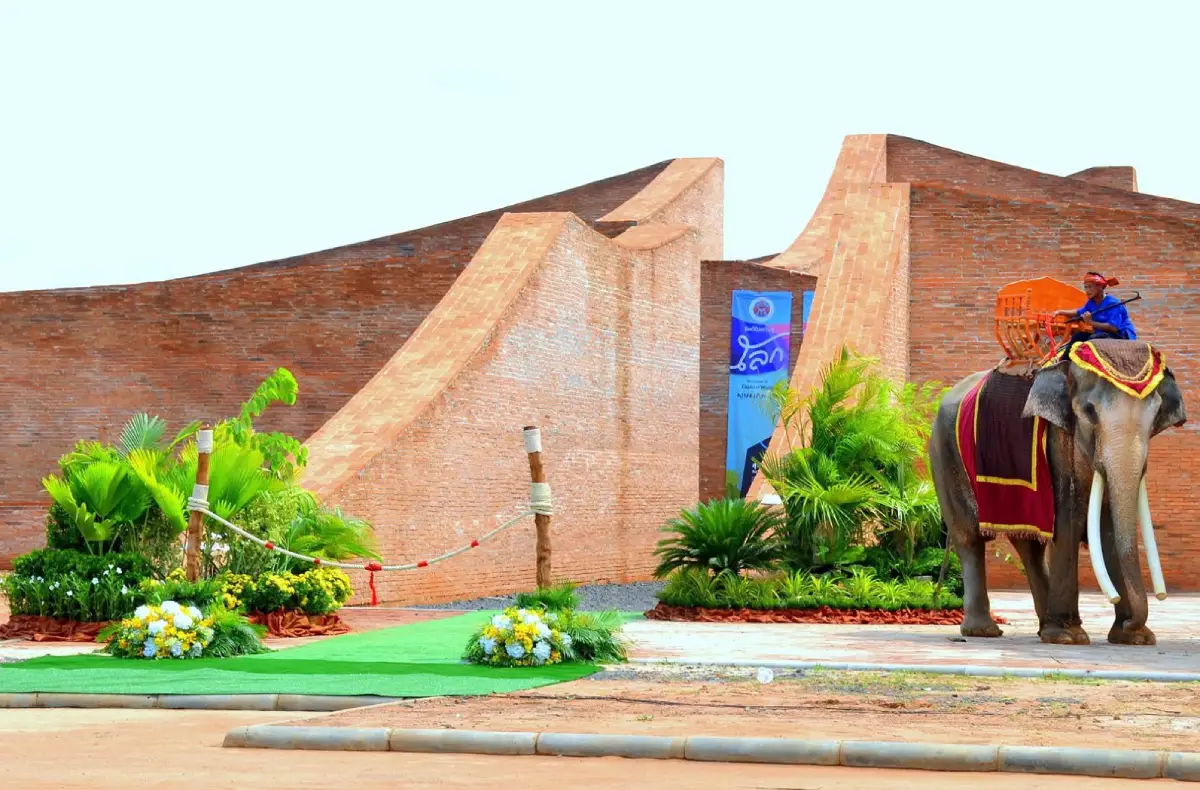
Open Days: Daily, including public holidays and national holidays
Opening Hours: 08.30 – 16.30; smart elephant shows are held twice daily at 10.00 and 14.00
The Elephant Study Center in Surin, also known as the Ban Ta Klang Elephant Village Education Center and Elephant World, is one of the most important places in Thailand for learning about elephants, mahout culture, and the traditional way of life of the Kui elephant-keeping community. Located in Ban Ta Klang, Krapho Subdistrict, Tha Tum District, Surin Province, this destination is more than a place to watch elephants. It is a living cultural landscape where people, elephants, homes, temples, ritual spaces, rivers, forests, and local traditions remain deeply connected.
The center answers one of the most common questions travelers ask when visiting Surin: where can they understand the real meaning behind the phrase “Surin, the land of elephants”? The clearest answer is Ban Ta Klang. This village is one of the most significant elephant communities in Thailand and has become the heart of Elephant World, a project developed to connect tourism, elephant conservation, community livelihood, and the cultural heritage of the Kui people.
Ban Ta Klang is widely known for the long-standing relationship between the Kui people and elephants. The Kui, also called Kuay or Suay in local usage, have preserved knowledge of elephant keeping for generations. Their expertise covers elephant care, mahout skills, communication with elephants, the use of local herbs, ritual practices, and the social role of elephants within the household. In this community, elephants are not viewed only as animals for tourism. They are part of the family structure, local memory, and cultural identity.
The distinctive value of the Elephant Study Center lies in its role as both a tourist attraction and a learning space. Visitors can experience several dimensions of elephant culture in one place: history, community life, local belief, conservation, traditional knowledge, and the daily connection between mahouts and elephants. A visit may include the smart elephant show, a walk through the village atmosphere, learning about the mahout way of life, visiting the Elephant World area, and continuing to Wang Thalu, the natural point where the Mun River and the Chi River meet.
The center was developed from the idea of bringing Surin elephants back to their home province, reducing the problem of elephants wandering outside their communities, and creating a proper space where people and elephants could live together in a more sustainable way. The Surin Provincial Administrative Organization later took responsibility for developing the area further into Elephant World, with the aim of creating a comprehensive elephant-related learning and tourism destination that also supports elephant conservation, elephant food forests, traditional Kui wisdom, and community income.
Upon arrival, visitors immediately notice that Ban Ta Klang is not an enclosed zoo-like attraction. It is a real village with homes, elephant-keeping families, a show ground, learning spaces, ritual areas, and routes leading to nearby natural sites. This setting helps visitors understand that the relationship between people and elephants in Surin is not a staged concept, but part of everyday life that has grown out of history, belief, labor, skill, and family inheritance.
The smart elephant show is one of the main activities at the center. It is held twice daily, at 10.00 in the morning and 14.00 in the afternoon. The show presents the intelligence, memory, communication, and responsiveness of elephants under the guidance of their mahouts. For visitors, the important point is not only the performance itself, but the visible bond between each elephant and its caretaker. A mahout is not merely a handler; he is a guardian, communicator, and daily companion.
Beyond the show, the Elephant World area gives the visit broader meaning. The project grew from the elephant return-to-home initiative and was designed as a full learning landscape related to elephants. It includes the concept of planting food forests and medicinal plants for elephants so that returning elephants have food, care resources, and a long-term environment connected to the livelihood of mahout families and the surrounding community.
The identity of Ban Ta Klang comes from the deep elephant knowledge of the Kui people. This knowledge includes reading elephant behavior, preparing food, caring for health, using local medicinal plants, handling daily routines, and performing rituals related to teachers, ancestral mahouts, and sacred elephant traditions. These cultural elements make Ban Ta Klang more than a sightseeing stop. It is a living classroom for anyone who wants to understand how elephant culture has shaped the lower northeastern region of Thailand.
The Pakam Shrine is one of the key cultural elements connected with elephant-keeping communities in Surin. It is associated with the beliefs of elephant masters and mahouts who pay respect to teachers, ancestors, and sacred powers believed to protect people and elephants. During important events such as Thai Elephant Day, rituals may include offerings to the Pakam Shrine, ceremonial worship, Buddhist rites, and merit-making dedicated to elephant masters, mahouts, and elephants that have passed away.
Kui elephant culture is what makes the Elephant Study Center different from many other elephant-related attractions. The relationship between people and elephants here is not created in a short training period. It is built over generations within households and communities. Many children in the village grow up seeing elephants near their homes, learning from elders, and absorbing elephant-related traditions as part of normal life.
Ban Ta Klang is therefore a strong example of community-based cultural tourism. Travelers do not come only to see elephants; they come to learn how elephants are connected to homes, temples, rituals, food, forests, rivers, and the local economy. Walking through the village atmosphere and listening respectfully to local stories helps visitors understand that elephant conservation depends on land, food, income, knowledge, and cooperation between public agencies and the community.
Historically, the Elephant Study Center is closely linked to Surin’s identity as Thailand’s famous elephant province. Surin is well known for its annual elephant events, and Ban Ta Klang is one of the key sources of stories about elephants, mahouts, and Kui elephant culture. The village gives substance to the phrase “Surin, the land of elephants,” showing that it is not only a slogan but a way of life with deep local roots.
As a cultural travel destination, the Elephant Study Center is suitable for families, students, educational groups, Thai travelers, foreign visitors, cultural tourists, and anyone interested in Thai elephants, Kui identity, mahout knowledge, and local traditions. A visit offers both a tourist-friendly program and a deeper look at the community that continues to live with elephants as part of its heritage.
Several annual events are closely connected with the center. One of the most important is Thai Elephant Day on 13 March each year. In Surin, this event highlights the cultural and historical importance of elephants. Activities may include offerings to the Pakam Shrine, ceremonial worship, Buddhist rites, merit-making for departed elephant masters, mahouts and elephants, and a large elephant feeding activity in the Elephant World area. The event reflects the elephant’s role in Surin’s history, identity, and emotional life.
Another major tradition connected with Ban Ta Klang is the Elephant Ordination Ceremony, which takes place around Wat Chaeng Sawang, the Elephant Study Center, and Wang Thalu. This tradition combines Buddhism, elephants, community participation, ritual offerings, and the river landscape. The procession of novice monks-to-be on elephants is one of the most memorable cultural scenes in Surin and gives visitors a vivid understanding of lower-Isan ceremonial life.
Wang Thalu is a nearby natural attraction that should be included in the same route. Located about 3 km from the Elephant Study Center by the road passing Wat Chaeng Sawang, it is the meeting point of the Mun River and the Chi River. The area is valued for its river scenery, natural atmosphere, and connection to local elephant traditions. In the context of the Elephant Ordination Ceremony and village life, Wang Thalu is both a scenic and cultural site.
Wat Chaeng Sawang, also known as Wat Chaeng Sawang Ban Ta Klang, is an important community temple near the center. It serves as a spiritual gathering place for local residents and plays a significant role in ceremonies such as the Elephant Ordination Ceremony. The proximity between the temple, the village, and the Elephant Study Center gives Ban Ta Klang a strong combination of Buddhist culture and elephant heritage.
The main areas around the Elephant Study Center include the smart elephant show ground, elephant learning areas, Ban Ta Klang Elephant Village, the Elephant World project area, the Pakam Shrine and ritual spaces, Wat Chaeng Sawang, and the route to Wang Thalu. Each area has its own role. The show ground presents elephant skills, the village reveals everyday life, Elephant World explains conservation efforts, and the temple and shrine areas show the spiritual side of elephant culture.
To get the most from a visit, travelers should plan around the show times. Those arriving in the morning can explore the area before the 10.00 show. Those arriving in the afternoon can attend the 14.00 show and continue to Wang Thalu or stop for a local meal in Tha Tum District. Private cars, rental cars, and chartered vans are the most practical transport options because the center is far from Surin city and nearby attractions are spread across the rural area.
For foreign visitors, the Elephant Study Center offers an opportunity to understand elephants within a local cultural context. Visitors should approach the experience with respect, avoid disturbing elephants, follow mahout instructions, ask before photographing private village areas, and respect sacred spaces such as the Pakam Shrine and temple grounds. This is a living community, and responsible behavior helps preserve both the dignity of the people and the well-being of the elephants.
Admission fees vary by visitor category. For Thai visitors, the adult fee is 50 baht, children under 90 cm are 30 baht, children over 90 cm are 40 baht, and students are 30 baht. For foreign visitors, the fee is 100 baht for children and 200 baht for adults. Official educational or organizational groups with a request letter are charged 40 baht per person. Preparing cash in advance is useful, especially for families, school groups, or study visits.
Basic visitor facilities are available for a community-based learning attraction, including the elephant show ground, learning areas, parking, toilets, contact points, small local shops, and access routes to nearby attractions. Travelers should bring drinking water, a hat, comfortable shoes, and cash. Ban Ta Klang has a rural village atmosphere, so the travel experience is different from visiting a large urban tourist facility.
Nearby restaurants can be found in Ban Ta Klang, Ban Krapho, and Tha Tum town. Restaurants closest to the village are suitable for a simple meal before or after the show, while Tha Tum town offers more choices for lunch or dinner before returning to Surin city. Planning food stops together with the visit makes the trip smoother and also supports local businesses.
Accommodation options near the area include local homestays in Krapho Subdistrict and resorts or small hotels in Tha Tum District. Travelers who want to stay close to the village atmosphere can choose nearby homestay-style lodging, while those who prefer easier access to main roads, restaurants, and general facilities may prefer staying in Tha Tum. During major events such as Thai Elephant Day, the Elephant Ordination Ceremony, or the Surin Elephant Round-up season, advance booking is strongly recommended.
Getting There from Surin city is straightforward by road. Take Highway 214 on the Surin – Roi Et route for about 35 km, then turn toward Ban Ta Klang and continue for about 22 km. The total distance from Surin city to the Elephant Study Center is about 53 – 57 km, and the journey usually takes around 1 hour by car. The route is suitable for private cars, rental cars, and chartered vans for school groups or study visits.
Travelers using public transport can first reach Surin city by train or interprovincial bus, then continue toward Tha Tum District and arrange local transport to Ban Ta Klang. This method is possible for travelers with flexible time, but a private vehicle or rental car is more convenient for those who need to arrive in time for the scheduled shows.
The best time to visit is from morning to afternoon, when the center is open and the shows are running. If continuing to Wang Thalu, allow extra time in the late afternoon to enjoy the river atmosphere without rushing. During cultural event periods, the area becomes especially lively, but accommodation, transport, and arrival time should be planned carefully.
Good visitor etiquette is essential. Do not make loud noises near elephants, do not feed elephants without permission, do not approach elephants from behind, do not enter private household areas without consent, and do not touch ritual objects or shrine areas. A respectful visit to Ban Ta Klang means learning from the host community while recognizing the cultural and emotional significance of elephants in local life.
The Elephant Study Center in Surin is therefore much more than an elephant show venue. It is a cultural landscape that brings together Surin’s elephant history, Kui identity, mahout wisdom, rituals, community life, and conservation efforts. Visitors who come here gain a deeper understanding of elephants not only as remarkable animals, but as part of a living heritage that continues to shape the identity of Surin Province.
For travelers planning a trip to Surin, the Elephant Study Center deserves at least half a day. It can be combined with Elephant World, Wat Chaeng Sawang, Wang Thalu, Prasat Nang Bua Tum, Wat Phra Phutthabat Phanom Din, or attractions in Surin city depending on available time. Anyone who wants to understand the meaning of Surin as the land of elephants should see Ban Ta Klang with their own eyes.
| Name | Elephant Study Center Surin / Ban Ta Klang Elephant Village Education Center / Elephant World |
| Location | Ban Ta Klang, Krapho Subdistrict, Tha Tum District, Surin Province 32120 |
| Address | Elephant Study Center, Ban Ta Klang Elephant Village, Ban Ta Klang, Krapho Subdistrict, Tha Tum District, Surin Province 32120 |
| Highlights | Elephant learning center, mahout way of life, Kui elephant-keeping culture, smart elephant show, and Elephant World project area |
| History | Established as a learning center for elephants and the elephant-keeping way of life, later developed as part of Elephant World under the Surin Provincial Administrative Organization |
| Name Origin | “Elephant Study Center” refers to a place for learning about elephants, while Ban Ta Klang is a major elephant village in Krapho Subdistrict, Tha Tum District |
| Distinctive Features | A cultural tourism area combining a real elephant village, elephant show ground, learning spaces, Kui culture, the Pakam Shrine, and nearby natural sites |
| Travel Information | From Surin city, take Highway 214 on the Surin – Roi Et route for about 35 km, then turn toward Ban Ta Klang for about 22 km; total distance is about 53 – 57 km |
| Current Status | Open to visitors and still used for major activities such as Thai Elephant Day, the Elephant Ordination Ceremony, and Surin cultural tourism events |
| Open Days | Daily, including public holidays and national holidays |
| Opening Hours | 08.30 – 16.30; smart elephant shows are held twice daily at 10.00 and 14.00 |
| Fees | Thai Visitors: Children Under 90 cm 30 Baht, Children Over 90 cm 40 Baht, Students 30 Baht, Adults 50 Baht Foreign Visitors: Children 100 Baht, Adults 200 Baht Official Group Visits With Request Letter: 40 Baht Per Person |
| Facilities | Elephant show ground, elephant learning areas, parking, toilets, visitor contact point, local shops, and routes to nearby attractions |
| Main Areas / Zones | 1. Smart Elephant Show Ground 2. Elephant And Mahout Learning Area 3. Ban Ta Klang Elephant Village 4. Elephant World Project Area 5. Pakam Shrine And Kui Ritual Area 6. Route To Wat Chaeng Sawang And Wang Thalu |
| Caretaker | Surin Provincial Administrative Organization and the Elephant Study Center / Elephant World Office |
| Main Contact Number | 065-928-9433, 044-511-975 |
| Official Website / Official Page | https://surinpao.go.th/elephant-world/ and Facebook: Elephant World |
| Nearby Tourist Attractions | 1. Elephant World, about 0 km 2. Wat Chaeng Sawang Ban Ta Klang, about 2 km 3. Wang Thalu, about 3 km 4. Prasat Nang Bua Tum, about 30 km 5. Wat Phra Phutthabat Phanom Din, about 40 km |
| Nearby Restaurants | 1. Maneewan Cafe Ban Ta Klang, about 1 km, Tel. 081-063-1920 2. Im Jang Mu Kratha Ban Krapho, about 7 km, Tel. 094-014-7750 3. Krua Khun Ke Tha Tum, about 24 km, Tel. 084-832-1680, 092-504-7919 4. Tha Tum Phochana, about 25 km, Tel. 044-591-039, 083-382-8880 5. PunThai Coffee PTF Tha Tum, about 29 km, Tel. 091-545-9859 |
| Nearby Accommodations | 1. Nong Bua Homestay, Krapho Subdistrict, about 7 km, Tel. 090-827-1858 2. The Modern Resort Tha Tum, about 24 km, Tel. 044-591-844, 080-707-7861, 088-269-9661 3. NP View Resort, about 24 km, Tel. 089-579-0156 4. Phawinee Resort, about 25 km, Tel. 044-591-188 5. BANLANG-HOTEL Resort & Swimmingpool, about 28 km, Tel. 093-572-7231, 044-066-669, 086-870-1503 |
Frequently Asked Questions (FAQ)
Q: Where is the Elephant Study Center in Surin located?
A: It is located at Ban Ta Klang Elephant Village, Krapho Subdistrict, Tha Tum District, Surin Province 32120.
Q: Is the Elephant Study Center open every day?
A: Yes. It is open daily, including public holidays and national holidays, from 08.30 to 16.30.
Q: What time are the elephant shows held?
A: The smart elephant shows are held twice daily, at 10.00 in the morning and 14.00 in the afternoon.
Q: How much is the admission fee?
A: Thai adults are 50 baht. Thai children under 90 cm are 30 baht, children over 90 cm are 40 baht, and students are 30 baht. Foreign children are 100 baht and foreign adults are 200 baht.
Q: Who should visit the Elephant Study Center?
A: It is suitable for families, students, cultural travelers, visitors interested in Thai elephants, and anyone who wants to learn about Kui elephant-keeping culture and mahout traditions.
Q: How do I travel from Surin city to the Elephant Study Center?
A: Take Highway 214 on the Surin – Roi Et route for about 35 km, then turn toward Ban Ta Klang for about 22 km. The total distance is about 53 – 57 km.
Q: What nearby places can be visited on the same trip?
A: Nearby places include Elephant World, Wat Chaeng Sawang, Wang Thalu, Prasat Nang Bua Tum, and Wat Phra Phutthabat Phanom Din.
Q: What should visitors prepare before going?
A: Visitors should plan their arrival around the show times, bring water, a hat, comfortable shoes, and cash, and follow the instructions of staff or mahouts respectfully.
 Category: ●Art, Culture and Heritage
 Group: ●Art, Craft Centres, Tradition
Last Update : 2 MonthAgo
 Last Update : 2 MonthAgo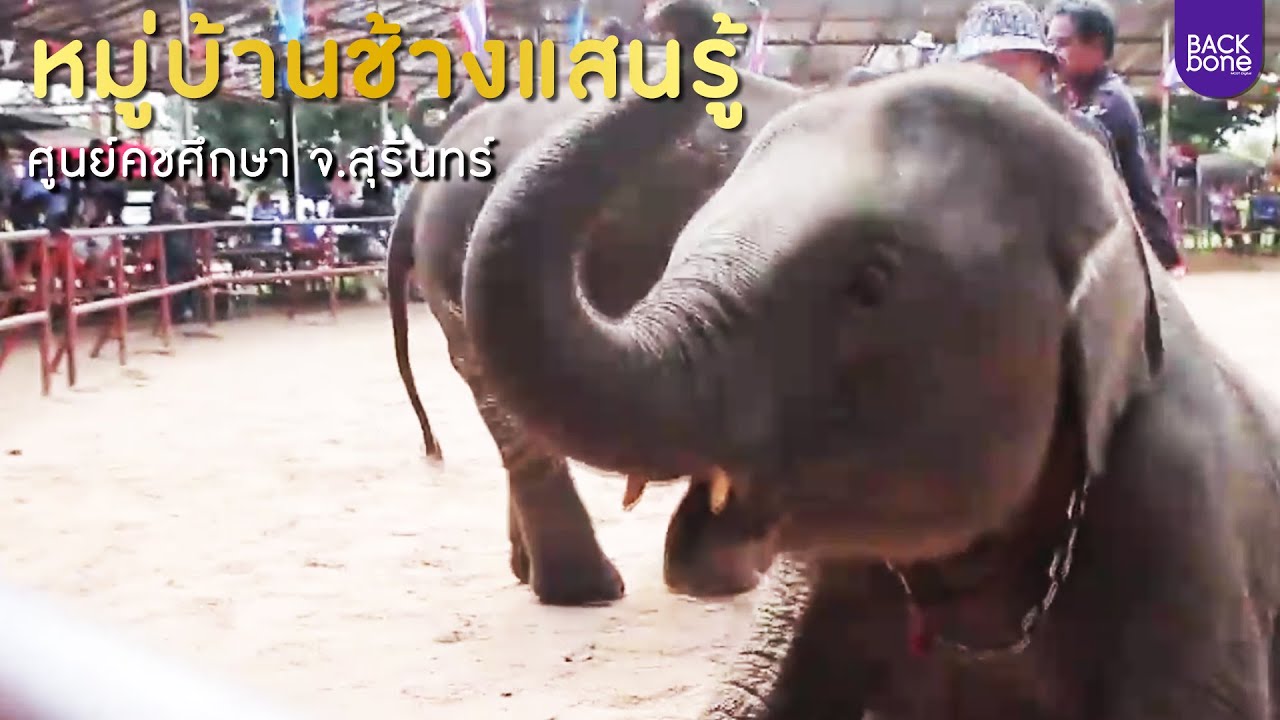
 Click to Access the Navigation Map GPS
Education Center Map
Recommend

 Historical Sites and Monuments(11)
 Landmarks and Memorials(2)
Art, Craft Centres, Tradition(5)
Landmarks and Memorials(2)
Art, Craft Centres, Tradition(5)
 Museums(1)
 Places of Worship
 Temple(15)
 Other Sacred Sites(1)
 Suburban Living
 Village, Community(9)
 Local Market(1)
 Nature and Wildlife
 National Parks and Marine Reserves(2)
 Mountain (Doi)(2)
 Dam, Reservoir, Lake(6)
 Waterfalls(1)
 River, Canal(2)
 Other natural attractions(4)
 Entertainment and Agricultural
 Farms, Parks and Ecotourism(2)


